
How Thick is Stone Veneer? Typical Thickness, What to Expect, and Why It Matters
Share
Originally posted March 30, 2024, updated February 5, 2026.
Stone veneer is typically 1 to 2.5 inches thick, depending on the product. Thickness affects durability, appearance, and installation, with thicker veneer offering greater depth and strength.
Stone veneer has become a go-to material for homeowners, builders, and designers who want the timeless look of natural stone without the weight and structural demands of full-depth masonry. Its ability to transform fireplaces, accent walls, and exterior facades makes it one of the most versatile finishes available today. As interest in stone veneer continues to grow, one of the most common and important questions is how thick stone veneer actually is and how that thickness impacts performance.
Understanding stone veneer thickness goes beyond simple measurements. It directly influences how the material looks once installed, how it performs over time, and what is required during installation. Whether you are planning an interior feature wall or a full exterior application, knowing what to expect from stone veneer thickness can help you make better design and construction decisions.
Understanding stone veneer thickness
Stone veneer is designed to replicate the appearance of full-bed natural stone while significantly reducing weight and installation complexity. Instead of using large, heavy stones, veneer products are manufactured or cut into thinner pieces that can be adhered to a wall system. This allows for greater flexibility in where and how stone can be used, without requiring additional structural support.
The thickness of stone veneer is not uniform across all products. It varies based on the type of stone, the manufacturing process, and the intended use. Some profiles are designed to create a more rugged, dimensional appearance, while others are engineered for a cleaner, more contemporary look. These variations in thickness give designers and homeowners the ability to tailor the final result to their specific aesthetic goals.
Thickness also plays a role in how the material interacts with surrounding architectural elements. Transitions around windows, doors, and trim pieces can be influenced by how far the stone projects from the wall, making it an important consideration during the planning phase.
Average thickness of manufactured stone veneer
Manufactured stone veneer is typically thicker than natural thin stone due to the way it is produced. Most products fall within a range of approximately one inch to two and a half inches in thickness. This range allows manufacturers to create deeper textures and more pronounced surface variations, which contribute to a more realistic stone appearance.
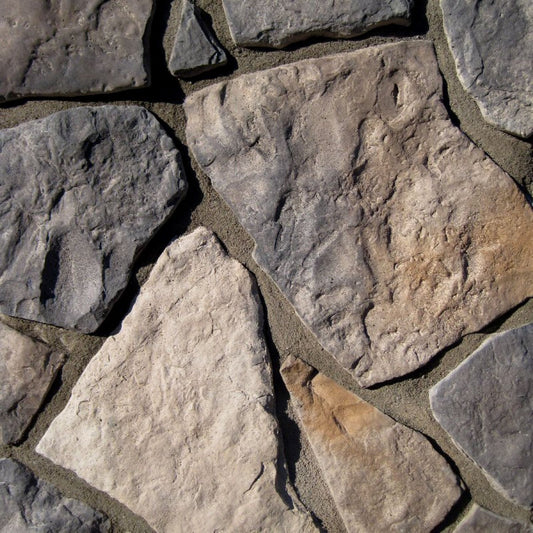
Because manufactured stone is cast in molds taken from real stone, thickness can vary slightly from piece to piece. This variation is intentional and helps avoid a uniform or artificial look once the material is installed. The added depth also creates natural shadow lines, enhancing the overall visual impact of the finished surface.
This thickness range strikes a balance between durability and manageability. While thicker than some natural veneers, manufactured stone remains light enough to be installed without the structural requirements associated with full-depth stone masonry.
Natural stone thickness compared
Natural stone is typically thinner than manufactured stone veneer, generally ranging from about three-quarters of an inch to one and a half inches thick. This is because natural stone veneer is created by cutting or splitting real stone into thinner sections rather than casting it in molds.
While thinner, natural stone veneer still offers the authenticity of genuine stone. However, its reduced thickness can result in a slightly different visual effect compared to manufactured stone. The depth and shadowing may be less pronounced, depending on the specific stone type and cut.
Both natural and manufactured options provide the look of stone in a more manageable format, but the difference in thickness can influence both design outcomes and installation requirements. Choosing between them often depends on the desired balance between realism, weight, and ease of use.
Why thickness matters in stone veneer design
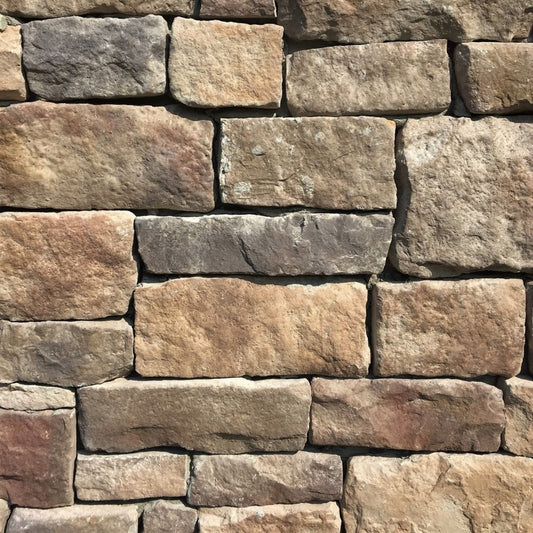
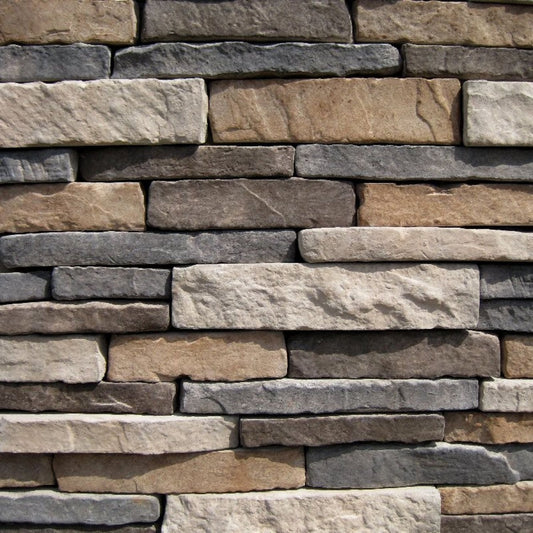
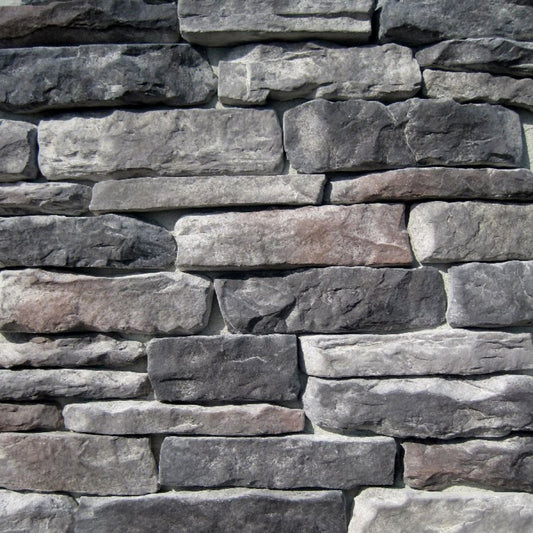
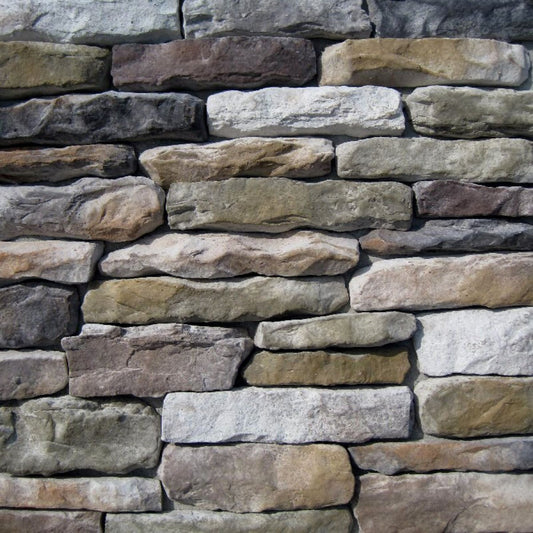
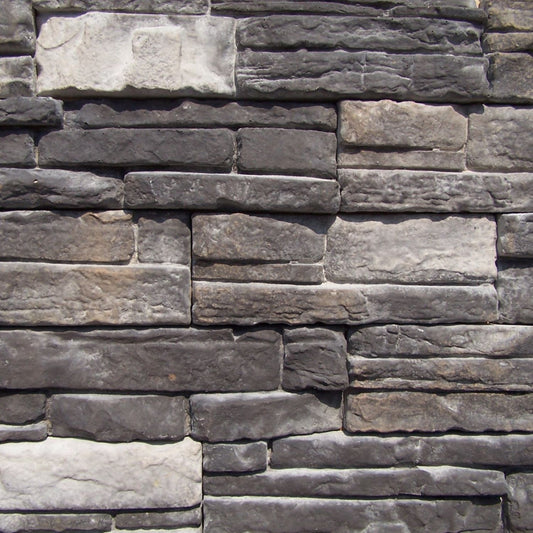
Thickness plays a significant role in how stone veneer performs and how it is perceived visually. One of the most noticeable impacts is on the overall depth and texture of a surface. Thicker stone veneer tends to create stronger shadow lines and a more dimensional appearance, which closely resembles traditional masonry construction.
From a durability standpoint, thicker veneer can offer increased resistance to impact and environmental stress. This is particularly important for exterior applications where the material is exposed to weather, temperature changes, and potential physical wear. The added mass can help protect against minor damage and contribute to long-term performance.
Thickness also affects how the material integrates with the surrounding structure. Thicker profiles may require more careful planning around edges, trim, and transitions to ensure a cohesive finish. In contrast, thinner profiles may be easier to incorporate into tight spaces or modern designs where a lower profile is preferred.
The relationship between thickness and installation
Stone veneer thickness has a direct influence on the installation process. While all veneer systems require proper surface preparation, moisture management, and support, thicker materials may require additional attention to detail during installation.
Heavier and thicker stones can place more demand on the substrate, making it essential to follow manufacturer guidelines for proper attachment and support. This is especially important for exterior walls, where exposure to moisture and temperature changes can impact long-term performance.
Thinner stone veneer is generally easier to handle and can simplify installation in certain applications. However, it still requires proper techniques to ensure a durable and long-lasting result. Regardless of thickness, following best practices for installation is critical to achieving both structural integrity and visual appeal.
Choosing the right thickness for your project
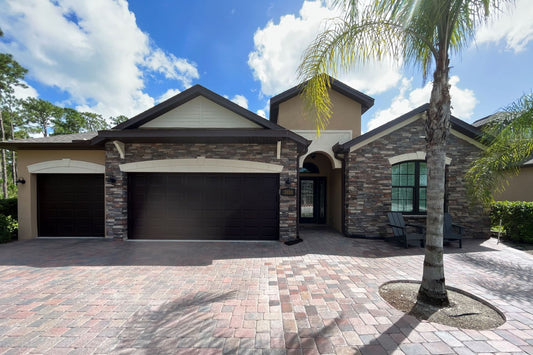
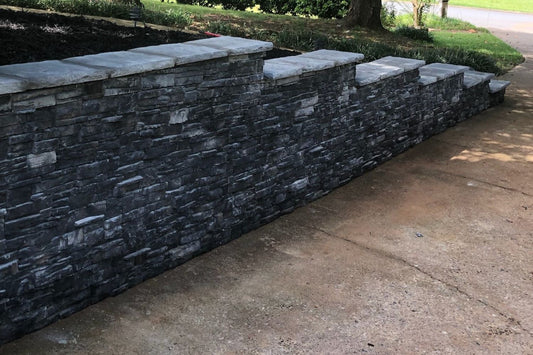
Selecting the appropriate stone veneer thickness depends on a combination of design goals, application type, and environmental conditions. For exterior projects, a thicker veneer is often preferred due to its durability and ability to withstand weather exposure. The added depth can also enhance curb appeal by creating a more substantial and authentic appearance.
Interior applications offer more flexibility. Thinner profiles may be ideal for feature walls or areas where space is limited, while thicker options can be used to create bold focal points such as fireplaces or statement walls. The choice ultimately comes down to the desired aesthetic and how the stone will interact with the surrounding space.
It is also important to consider how thickness affects transitions and finishes. Planning for these details in advance helps ensure a seamless installation and a polished final result.
How thickness impacts long-term performance
The long-term performance of stone veneer is closely tied to its thickness, particularly in demanding environments. Thicker materials generally provide greater resistance to wear and environmental stress, making them well suited for high-traffic areas and exterior applications.
However, thickness alone does not determine performance. Proper installation, moisture management, and ongoing maintenance all play essential roles in ensuring the longevity of the material. When these factors are addressed correctly, both thinner and thicker stone veneer can perform well over time.
Understanding the relationship between thickness and performance helps set realistic expectations and ensures that the chosen material aligns with the intended use of the space.
How thick is stone veneer?
Stone veneer typically ranges from about one inch to two and a half inches thick for manufactured products, while natural stone veneer is often slightly thinner. This range provides the flexibility needed to achieve different design styles, from sleek and modern to rugged and traditional.
The right thickness depends on the specific requirements of your project, including whether the application is interior or exterior, the desired visual effect, and the structural considerations of the installation. By understanding these factors, homeowners and builders can confidently select a stone veneer that delivers both aesthetic appeal and long-term performance.
From Mountain View Stone: what you should know
At Mountain View Stone, we know that thickness matters when it comes to stone veneer. Thicker veneer not only enhances depth, shadowing, and texture for a more natural, dimensional look, but it also adds durability for exterior walls, fireplaces, and high-traffic areas. Manufactured stone veneer is generally thicker than natural stone, providing a realistic appearance without the weight and structural demands of full-depth masonry. That said, proper installation, wall preparation, moisture management, and adequate support, are just as critical as the stone’s thickness. Understanding how thickness affects both performance and appearance helps you make informed choices and ensures your stone veneer installation looks beautiful and lasts for years.
Frequently asked questions
1. How thick is stone veneer on average? Stone veneer typically ranges from 1 inch to 2-1/2 inches thick, depending on the product type and manufacturer.
2. Is manufactured stone veneer thicker than natural stone veneer? Yes, manufactured stone veneer is generally thicker than natural stone veneer. Natural stone veneer commonly measures 3/4 inch to 1-1/2 inches, while manufactured stone veneer often ranges from 1 inch to 2-1/2 inches, providing added strength and a more dimensional appearance.
3. Does stone veneer thickness affect installation? Yes, thickness plays an important role in installation requirements. Thicker stone veneer may require additional wall preparation, proper moisture barriers, and adequate support, especially for exterior or large-scale installations. Thinner stone veneer is typically easier to handle and install.
4. What stone veneer thickness is best for exterior applications? For exterior applications, thicker stone veneer is usually recommended. A thickness of 1-1/2 inches or more offers improved resistance to weather, impact, and moisture, helping ensure long-term durability in outdoor environments.
5. Does thicker stone veneer look more realistic? In many cases, yes. Thicker stone veneer tends to provide greater depth, shadowing, and texture, which can enhance realism and closely mimic full-depth natural stone. Thinner veneer may create a more modern or streamlined appearance.
6. Can stone veneer thickness affect durability? Absolutely. Thicker stone veneer generally offers increased durability and resistance to cracking, chipping, and environmental wear. This makes thickness an important consideration for high-traffic areas, fireplaces, and exterior walls.
What's next?
Transform your space with our premium stone veneer! Shop now to discover your ideal style or order a sample today to experience the quality firsthand!
Have a question?
Please see our full terms of service or check out our frequently asked questions.
For general information and questions please call: (864) 882-8960 Mon. - Fri. 8am - 5pm (EST) or email: info@mountainviewstone.net we are more than happy to help you.
Or you can submit your questions via our contact us page.
We look forward to working with you on your upcoming project.
The Mountain View Stone Team
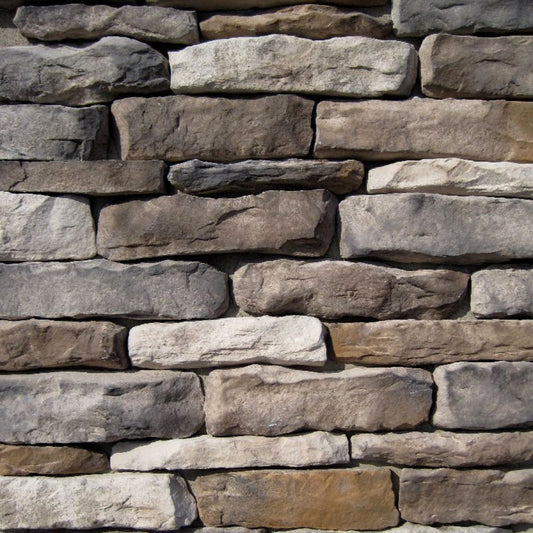
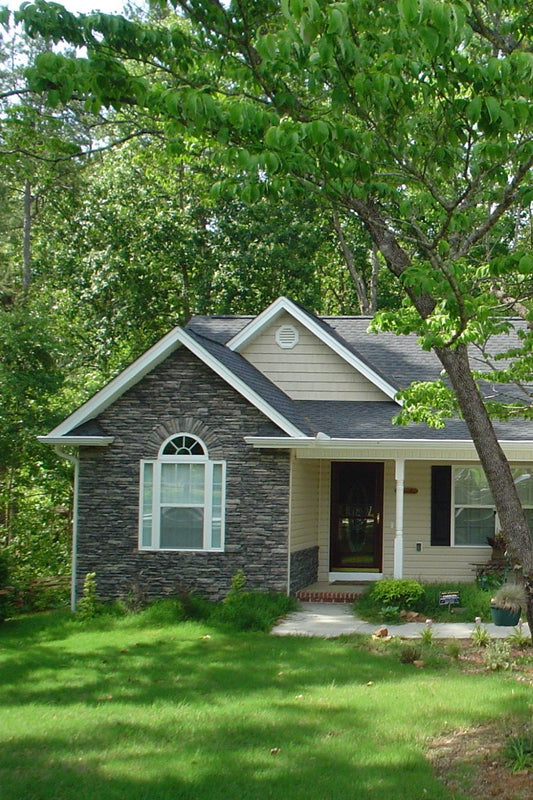
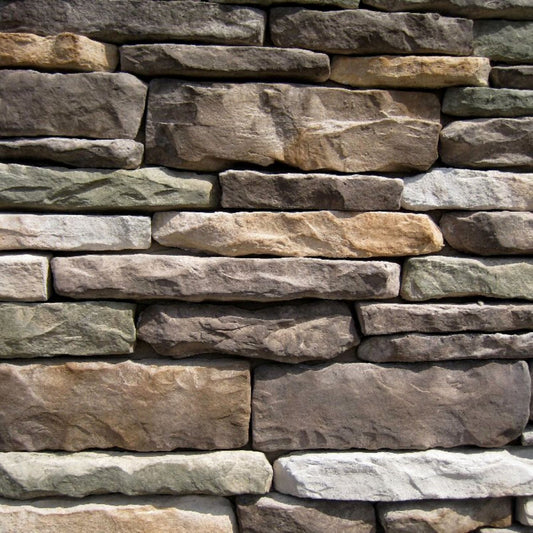
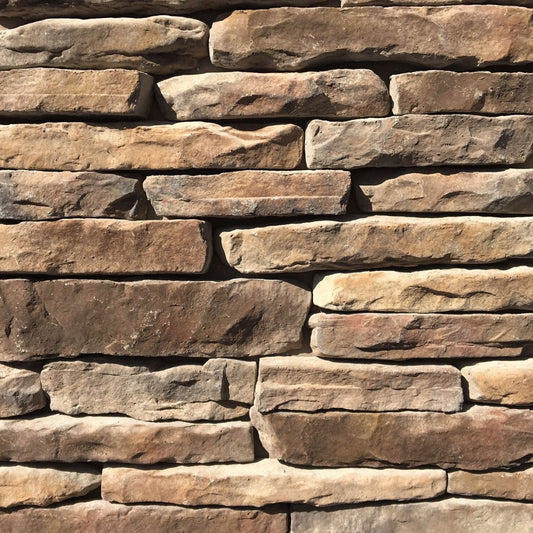
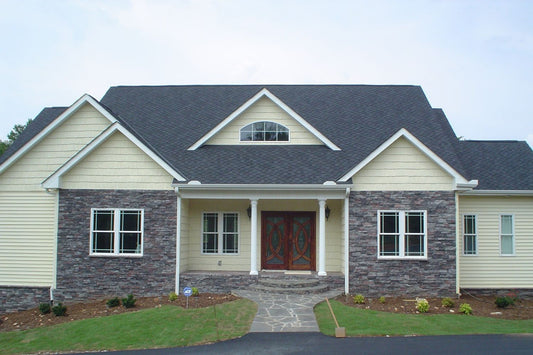
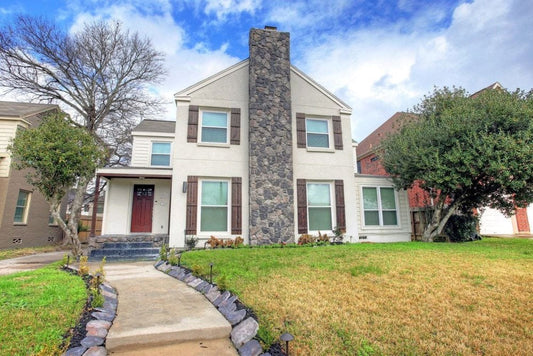
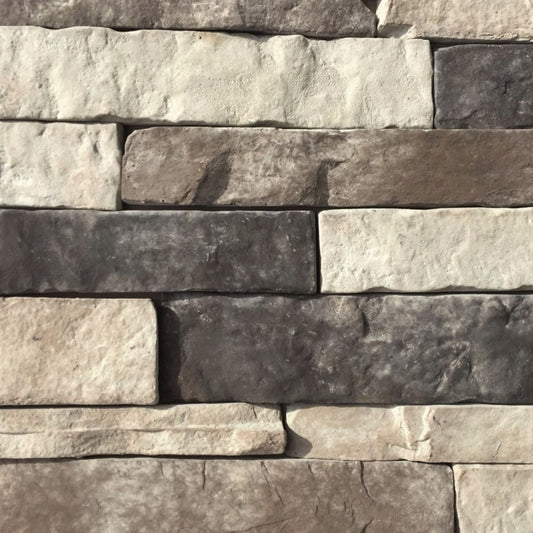
Pictured is lime stone white oak.