
Stone Veneer Care and Maintenance Guide: How to Clean, Seal, and Protect Your Stone
Share
Originally posted January 27, 2025, updated May 15, 2026.
Properly caring for your manufactured stone veneer ensures lasting beauty. Learn how to clean, maintain, and seal it to protect against moisture, stains, and wear.
Manufactured stone veneer is a versatile and attractive building material that can enhance virtually any interior or exterior space. From dramatic fireplaces and foundation walls to exterior facades, accent walls, and patio columns, it offers the timeless look of natural stone without the added weight or high cost. While designed to be durable and relatively low-maintenance, maintaining stone veneer through routine cleaning, preventive care, and occasional sealing is essential to preserve its aesthetic appeal, structural integrity, and overall value. Understanding how to care for your stone veneer properly allows homeowners, contractors, and installers to avoid common pitfalls, minimize long-term damage, and keep surfaces looking vibrant and new for decades.
Why Stone Veneer Maintenance Matters
Although manufactured stone veneer is engineered to withstand environmental exposure and daily wear, neglect can lead to fading, surface damage, and even structural concerns over time. Dust, dirt, pollen, environmental debris, and indoor pollutants such as smoke, cooking residue, or soot can accumulate on the surface, diminishing the stone’s natural texture and color. Moisture is another critical factor. Water infiltration into mortar joints or behind the veneer can result in efflorescence, mold growth, or freeze-thaw damage in colder climates. Preventive care through routine cleaning and inspections is essential for avoiding these issues and extending the lifespan of your stone veneer installations.
Maintaining stone veneer also protects the investment you make in your home or commercial property. Whether installed on a high-visibility exterior wall, a decorative interior fireplace, or an accent wall in a living space, keeping surfaces clean and protected ensures that the veneer retains its premium appearance. Preventive maintenance helps prevent costly repairs, preserves structural integrity, and maintains the veneer as a striking visual focal point. Homeowners, contractors, and property managers all benefit from a proactive approach, as it minimizes long-term risks associated with moisture damage, staining, or environmental wear.
Cleaning Manufactured Stone Veneer
Maintaining the natural beauty of manufactured stone veneer begins with proper cleaning. While the material is designed to be durable and low-maintenance, dirt, dust, and environmental debris can accumulate over time, dulling the stone’s color and texture. Whether your installation is indoors or outdoors, understanding the fundamentals of safe cleaning ensures that your stone veneer continues to look vibrant and lasts for decades.
Routine cleaning is the foundation of effective stone veneer care. For everyday maintenance, removing loose dust, dirt, and debris is often sufficient to prevent buildup and preserve the stone’s appearance. This can be done with a soft microfiber cloth, a gentle brush, or a low-pressure water rinse, depending on the type of surface and environmental exposure. Taking care not to use harsh or abrasive tools prevents scratches, erosion, or accidental damage to the textured surface of the stone.
For deeper cleaning, a mild soap solution mixed with clean water is usually the safest approach. Non-abrasive, pH-neutral soaps allow you to lift embedded dirt and grime without altering the color, finish, or protective coatings of the veneer. Using a soft-bristle brush, sponge, or cloth, gently scrub the stone, paying special attention to textured areas, crevices, and joints where dirt tends to accumulate. After scrubbing, it is essential to rinse thoroughly with clean water to remove any soap residue, which can otherwise leave streaks or dull the stone’s natural finish.
It is important to avoid acidic or abrasive cleaners, bleach, vinegar, or any harsh chemicals when cleaning manufactured stone veneer. These substances can cause discoloration, etching, or damage to both the stone and the mortar joints, potentially leading to long-term maintenance issues. Similarly, high-pressure washing should generally be avoided unless explicitly recommended by the manufacturer, as excessive water pressure can erode the surface and weaken the adhesion of the veneer.
Cleaning should also be approached with a preventative mindset. Addressing minor spills, stains, or environmental deposits promptly prevents them from settling into the stone, reducing the need for aggressive cleaning later. Over time, consistent and gentle cleaning not only enhances the visual appeal of your stone veneer but also contributes to the longevity and structural integrity of the installation.
By following these basic principles, using mild soap, soft tools, and gentle rinsing, homeowners, contractors, and property managers can maintain the aesthetic and functional qualities of manufactured stone veneer. A careful, regular cleaning routine forms the cornerstone of overall stone veneer maintenance, creating a foundation for more specific interior or exterior care practices while ensuring the material continues to provide lasting elegance and value.
Interior Cleaning and Maintenance
Indoor stone veneer surfaces, such as accent walls, fireplaces, columns, and feature walls, require careful cleaning to maintain their natural beauty and texture. Dust, smoke, and everyday indoor pollutants can settle on the stone, dulling its color and creating a buildup that is harder to remove over time. Routine dusting with a soft microfiber cloth or gentle brushing helps prevent surface accumulation, while occasional cleaning with a mild soap and water solution restores vibrancy. Avoid abrasive or acidic cleaners, as these can damage the stone surface or compromise any protective sealant applied.
For fireplaces specifically, soot and ash can adhere to the stone veneer, especially around the hearth and interior edges. Regularly brushing these areas with a soft-bristle brush, followed by a gentle wipe with a damp cloth, prevents staining and maintains color consistency. Any lingering residue can be removed with a lightly soapy solution, ensuring the stone remains vibrant without risk of etching or discoloration. For a more detailed care routine, see our complete post on stone veneer fireplace maintenance.
In kitchens or dining areas where stone veneer may be near cooking spaces, grease, smoke, and food splatters can affect the stone. Wiping these areas promptly with a mild, non-abrasive cleaner helps prevent long-term staining. Using a damp cloth rather than soaking the stone avoids excess moisture, which could penetrate mortar joints if the surface isn’t sealed.
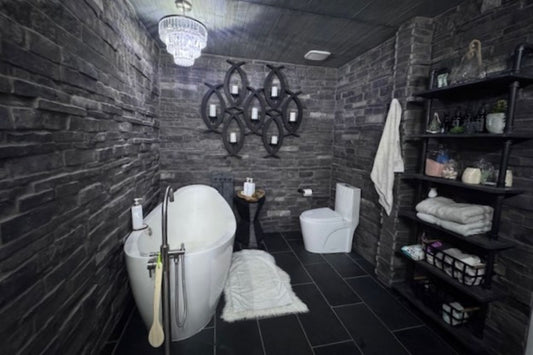
Bathrooms and high-humidity areas present a slightly different challenge. Moisture can accumulate on the stone, potentially leading to efflorescence or mold growth if left unchecked. Routine wiping and occasional application of a breathable stone sealer designed for interior use help protect against humidity-related damage. Ensure proper ventilation in these areas to further reduce the risk of moisture buildup.
For accent walls in living rooms or hallways, regular dusting and occasional gentle washing are generally sufficient. These areas rarely face heavy staining but can accumulate dirt from airflow, pets, or incidental contact. Periodically checking for any minor cracks or loose mortar and addressing them promptly keeps the veneer both aesthetically pleasing and structurally sound.
Interior cleaning routines benefit both homeowners and contractors managing client spaces. Homeowners can maintain the beauty of their investment, while contractors can provide maintenance guidance that prolongs the life of the installation and minimizes the need for costly touch-ups. Combining these cleaning techniques with scheduled inspections ensures that interior stone veneer surfaces remain vibrant, healthy, and visually striking for decades.
Exterior Cleaning and Maintenance
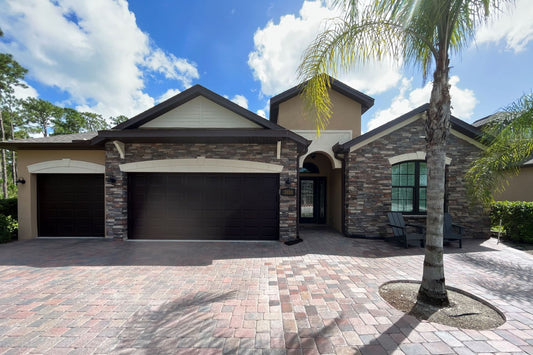
Exterior manufactured stone veneer is exposed to the elements year-round, which creates unique cleaning and maintenance challenges. Rain, snow, wind, dust, pollen, and airborne pollutants can accumulate on outdoor stone surfaces, dulling the stone’s natural color and texture over time. Regular cleaning helps maintain the visual appeal, prevents long-term staining, and protects the integrity of the mortar joints. A low-pressure garden hose rinse or gentle soft-bristle brushing is often sufficient for routine maintenance, avoiding the risk of surface erosion caused by high-pressure washers.
For exterior walls, debris such as leaves, dirt, and organic material can collect in mortar joints or around the base of the wall. Removing this buildup prevents moisture retention that could lead to efflorescence, mold growth, or freeze-thaw damage in colder climates. Brushing the stone gently and rinsing with water ensures that dirt does not embed into the textured surface while preserving the natural aesthetic.
Patio columns, outdoor fireplaces, and feature walls require similar attention but may be more exposed to staining from barbecue grease, dirt tracked from foot traffic, or bird droppings. Spot cleaning these areas promptly with a mild, non-abrasive soap solution helps maintain the stone’s original color and prevents long-term discoloration. Avoid acidic or harsh cleaners, which can compromise protective coatings or etch the surface.
Environmental conditions play a major role in exterior cleaning routines. In humid climates, moss and algae growth can develop on shaded areas, especially on north-facing walls or around foundations. These can be removed using a soft brush and manufacturer-approved cleaning solution. Coastal environments may expose stone to salt spray, which can leave a white residue or promote corrosion in metal flashings if not regularly cleaned. Urban settings with high pollution levels may require more frequent rinsing to remove grime, soot, and airborne particles that accumulate on the surface.
Seasonal maintenance further ensures long-term durability. In spring, inspecting and washing exterior stone after winter helps remove salt, debris, and minor winter staining. During summer, occasional rinsing can remove dust and pollen, while monitoring for signs of sun-induced fading or heat-related mortar stress. In fall, clearing leaves and organic material around the base prevents moisture retention, and preparing surfaces for winter by checking flashing and drainage minimizes freeze-thaw damage.
Contractors and property managers can also benefit from a proactive exterior cleaning plan. Scheduled maintenance reduces the likelihood of costly repairs, maintains curb appeal, and ensures that the stone veneer continues to perform as a protective and decorative building material. Homeowners benefit by keeping their investment looking fresh and vibrant, while also avoiding long-term structural concerns caused by neglect.
Pressure Washing Stone Veneer
Pressure washing is a common method for cleaning exterior surfaces, but it is generally not recommended for manufactured stone veneer unless the manufacturer explicitly approves it. Using high-pressure water can damage the stone’s surface, erode texture, and weaken mortar joints, which may lead to long-term problems such as loose stones or water infiltration. Even brief exposure to strong pressure can cause chips or cracks, particularly on corners and textured areas.
For effective stone veneer cleaning techniques, homeowners and contractors should use a soft-bristle brush and a mild soap solution for stubborn dirt, moss, or algae, followed by a gentle rinse with a garden hose. Always test any cleaning method on a small, inconspicuous area first to ensure the stone color and finish remain intact. Consulting your manufacturer or a professional installer before attempting pressure washing is the safest approach.
By avoiding high-pressure washing, you are actively protecting stone veneer from moisture damage and preserving its long-term beauty, while following best practices for maintaining stone veneer care. For more details on how to safely pressure wash stone veneer, including tips on pressure settings, distance, and techniques that protect both the stone and mortar, see our post on stone veneer and pressure washing.
Protecting Stone Veneer From Moisture
One of the most important considerations for stone veneer longevity is moisture management. While the veneer itself is weather-resistant, many homeowners still ask whether stone veneer is waterproof and how it handles moisture exposure. Understanding the relationship between stone veneer, humidity, and water resistance helps prevent long-term damage and staining. For a detailed breakdown of water exposure and protective measures, see our guide on is stone veneer waterproof?
Ensuring that the structure has appropriate drainage and flashing in place is key to directing water away from the stone and preventing pooling around the base. Gutters, downspouts, and grading around exterior walls should be maintained to reduce the risk of water exposure.
Inside the home, moisture concerns are typically less severe but still worth addressing in areas with high humidity, such as bathrooms, kitchens, or near fireplaces. Adequate ventilation, combined with mindful cleaning and, if necessary, the application of a breathable masonry sealer, will reduce the likelihood of mold growth or staining.
Sealing Stone Veneer: When and How
Sealing stone veneer is not always required, but it can provide an extra layer of protection in certain environments. Understanding how to seal and protect stone veneer can help prevent moisture intrusion, staining, and long-term wear. Stone located in areas with frequent rain, snow, or humidity benefits from a sealant that repels moisture without trapping it, which prevents potential damage from water infiltration. In kitchens, near outdoor grilling areas, or around indoor fireplaces, sealants can also act as a barrier against grease, soot, and food stains.
Applying a sealant involves several key steps to ensure effectiveness. The stone surface should be thoroughly cleaned and completely dry before application. Breathable, non-glossy sealers designed specifically for manufactured stone veneer are recommended, as they allow any trapped moisture to escape while still offering protection. Sealers can be applied with a roller, brush, or sprayer in even coats, following the manufacturer’s instructions for drying and reapplication. Depending on environmental exposure, resealing every three to five years is generally sufficient to maintain optimal protection and appearance.
Interior manufactured stone veneer can also benefit from sealing, especially in high-traffic areas or spaces prone to spills and humidity. Applying a sealant inside the home helps protect against coffee, wine, cooking oils, and other common household stains, while making cleaning and dusting easier. Sealants designed for interior use maintain the stone’s natural texture and color, enhancing its appearance without creating an overly glossy finish. This added protection ensures that your indoor stone installations, whether a fireplace surround, accent wall, or kitchen backsplash, remain beautiful and durable for years. For a detailed look at when and how to protect your indoor stone, see our full post does interior stone veneer need to be sealed?
For fireplace applications specifically, sealing manufactured stone veneer can be especially useful in maintaining long-term appearance and simplifying maintenance in areas exposed to soot, smoke residue, and heat-related discoloration. While sealing is not always required, it can help reduce the absorption of fine particles from fireplace use, making it easier to clean surfaces around the firebox, mantel, and surrounding feature wall. A breathable, non-film-forming sealer designed for manufactured stone veneer is typically recommended, as it helps protect against staining while still allowing the material to release moisture naturally. For a deeper breakdown of when sealing is beneficial in these situations, see our complete post on should you seal stone veneer around a fireplace?
Whether or not to seal exterior manufactured stone veneer depends on various factors, including your local climate, the specific product used, and personal preferences. Sealing can offer significant benefits in terms of moisture protection, stain resistance, and ease of cleaning, but it also requires maintenance and can potentially alter the stone's appearance. Carefully weigh the pros and cons and consider consulting with a professional to determine the best course of action for your specific situation. For a deeper dive into when and why sealing may be necessary, check out does exterior stone veneer need to be sealed? which explores the topic in detail and provides expert guidance for long-lasting results.
Efflorescence on Stone Veneer
Occasionally, white, powdery residues known as efflorescence may appear on manufactured stone veneer surfaces. This phenomenon occurs when moisture moves through the stone or mortar, carrying soluble salts to the surface, where they crystallize as the water evaporates. While efflorescence is typically a cosmetic issue rather than a structural problem, it can detract from the natural color and texture of the stone, making surfaces look dull or uneven. For a detailed guide on why this happens and how to prevent or treat it, see our post on manufactured stone veneer and efflorescence.
Understanding the causes of efflorescence is key to maintaining stone veneer over time. Common triggers include excessive moisture exposure, high humidity, inadequate flashing or drainage, and water accumulation around foundations or exterior walls. Even well-installed stone veneer can develop efflorescence if environmental conditions promote repeated wetting and drying cycles. Homeowners in humid climates, coastal areas, or regions with significant rainfall may see this issue more frequently, while interior applications near kitchens, fireplaces, or bathrooms can also experience salt deposits.
Proper cleaning and removal of efflorescence is essential for both aesthetics and long-term veneer care. For light deposits, simply brushing the surface with a dry, stiff-bristle brush is often sufficient to remove the residue. For heavier buildups, a manufacturer-approved masonry cleaner can be applied, but it is crucial to follow instructions carefully. Always test any cleaner on a small, inconspicuous area before full application to ensure it will not harm the stone’s color, texture, or finish. Avoid acidic or highly abrasive cleaners, which can damage the surface and undermine protective coatings, potentially creating new maintenance challenges.
Preventive measures are equally important in controlling efflorescence. Proper site grading, flashing, and gutter maintenance reduce water exposure, while sealing the veneer in areas prone to moisture can limit salt migration without trapping water behind the stone. Regular inspection and early removal of efflorescence not only preserves the appearance of your stone veneer but also supports long-term protection against moisture-related damage, ensuring that the material continues to enhance your home or commercial property.
Protecting Your Stone Veneer’s Color and Finish
Maintaining the appearance of your stone veneer goes beyond keeping it clean, it’s also about preserving the rich, natural color that gives your project its lasting beauty. High-quality manufactured stone veneer is designed with mineral-based pigments that penetrate the material, making it highly resistant to UV fading. However, even the most durable finishes can gradually lose vibrancy over time if exposed to harsh sunlight, extreme weather, or improper cleaning methods. Regular inspections and gentle maintenance, such as washing with a mild detergent and avoiding harsh chemicals, help ensure that your stone veneer continues to look its best for years to come.
For homeowners and designers concerned about long-term color retention, it’s worth exploring our detailed guide on does stone veneer fade? which explains how UV exposure, weather conditions, and material quality impact the stone’s color over time. Understanding these factors allows you to implement preventive care and make informed decisions when selecting and maintaining stone veneer for your exterior or interior projects.
Common Maintenance Practices
Routine inspection is vital to the long-term performance of stone veneer. Checking the surface for cracks, loose stones, or mortar deterioration allows for timely repairs before minor issues become major problems. Preventing impacts and avoiding abrasive cleaning methods are equally important. Outdoor landscaping or activities around the veneer should be managed to reduce the risk of chips or surface damage.
Even in low-traffic areas, keeping the stone free from accumulated dirt and moisture helps preserve its color and texture. In areas where staining is a concern, such as near food preparation spaces or fireplaces, periodic touch-ups with sealant can significantly extend the veneer’s lifespan. By combining careful cleaning with preventive maintenance, stone veneer can remain a stunning feature for decades.
How Frequently Should I Inspect My Stone Veneer?
Regular inspections are essential to maintaining the beauty and durability of your manufactured stone veneer. For most homeowners, inspecting stone veneer at least twice a year, ideally in the spring and fall, is recommended. Spring inspections can reveal any damage caused by winter freeze-thaw cycles, snow, or ice, while fall inspections prepare your exterior and interior surfaces for winter moisture and temperature changes. Interior stone veneer, such as fireplaces, accent walls, or columns, should also be checked once or twice a year, focusing on areas near high-traffic zones, cooking spaces, or humid environments like bathrooms and kitchens.
During each inspection, pay attention to signs of loose, cracked, or chipped stones, deteriorating mortar joints, moisture infiltration, efflorescence, or surface staining. Promptly addressing even minor issues ensures that your stone veneer remains visually striking and structurally sound. Establishing a routine inspection schedule maximizes the lifespan, functionality, and overall value of your stone veneer installation.
Troubleshooting Common Issues
Even with proper care, issues may arise. Stains from dirt, food, or grease should be addressed promptly using mild soap and water or manufacturer-approved cleaners. Efflorescence is cosmetic but should be brushed off or cleaned with a masonry cleaner. Minor cracks in mortar joints can be repaired with compatible mortar to prevent moisture infiltration. Moss and algae growth in shaded, damp areas should be removed gently to avoid damage to the stone surface.
DIY vs. Professional Maintenance
Routine cleaning and light inspections can be handled by homeowners. Professional maintenance is recommended for large-scale cleaning, sealing, repairs, and environmental risk assessment. Professionals ensure correct techniques, proper sealer application, and long-term protection, minimizing the risk of accidental damage.
Repairing Stone Veneer
Even durable manufactured stone veneer can develop cracks, chips, or loose stones over time due to impacts, moisture, or minor structural movement. Addressing these issues promptly helps maintain both the appearance and stability of your installation, whether it’s an interior fireplace or an exterior facade.
Small cracks and chips can often be repaired with color-matched patching compounds or repair mortars. The surface should be cleaned of dust and loose mortar before applying the patch to ensure a strong bond. After curing, the repaired area blends seamlessly with surrounding stone and restores the natural texture.
Loose stones can usually be reattached with fresh mortar. Remove any old mortar and debris, press the stone firmly into place, and allow it to set. For exterior walls or larger stones, applying mortar behind the piece provides extra stability and reduces the risk of future shifting. Severely damaged stones may require replacement with a matching piece to maintain a consistent look.
Sealing repaired areas with a breathable stone-safe sealer is recommended to protect against moisture, staining, and UV exposure. Regular inspection and gentle cleaning help ensure minor repairs do not escalate into larger, more costly issues. Homeowners can perform small repairs themselves, but professional assistance is advised for major damage, water intrusion, or exterior walls in harsh climates.
Timely repairs not only restore beauty but also extend the life of your stone veneer. Neglecting minor damage can lead to moisture infiltration, mortar deterioration, and uneven surfaces. Proper maintenance and prompt repairs preserve both the investment and the aesthetic appeal of your stone installations.
For step-by-step guidance on fixing these problems and restoring your stone veneer, see our post on can you repair stone veneer?
Can Stone Veneer Fall Off?
Properly installed manufactured stone veneer is designed for long-term durability, but individual stones can become loose or detach if the installation is compromised. Common causes include improper mortar coverage, inadequate substrate preparation, moisture intrusion, freeze-thaw cycles, structural movement, or significant impact.
If you notice a loose or missing stone, it is important to address the issue promptly. Remove loose mortar and debris, inspect the surrounding area for additional signs of movement or damage, and reinstall the stone using the appropriate mortar and installation methods. If multiple stones are becoming loose or the problem continues after repairs, the underlying cause should be investigated rather than simply replacing individual stones.
Regular inspections can help identify loose stones before they fall, particularly on exterior installations exposed to changing weather conditions. For a more detailed look at why manufactured stone veneer can detach, how to repair a fallen stone, and how to help prevent future problems, read our complete post can stone veneer fall off?
Can You Repair a Capstone or Hearthstone?
Capstones and hearthstones provide a finished surface for walls, columns, outdoor kitchens, and fireplace hearths, but chips, cracks, stains, and other damage can affect their appearance and durability over time. Minor surface damage may be repairable with compatible materials, while severely cracked or broken stones may need to be replaced. Although the terms differ based on where the stone is installed, both can experience similar types of damage.
The best repair approach depends on the extent of the damage, the stone's condition, and what caused the problem. Water intrusion, impact, freeze-thaw cycles, and movement beneath the stone can lead to recurring damage if the underlying issue is not addressed. Hearthstones also require repair materials suitable for the fireplace application, making it important to verify product compatibility before attempting repairs.
Regular inspections can help identify damage early, preventing minor issues from becoming more extensive. If a stone is loose, deeply cracked, or structurally compromised, replacement may be the more reliable solution. For guidance on assessing damage, exploring repair options, and determining when replacement makes more sense, read our post on can you repair a capstone or hearthstone?
Long-Term Benefits of Proper Care
Properly maintaining manufactured stone veneer offers significant long-term advantages for homeowners, contractors, and property managers. Neglected stone veneer may initially appear fine, but over time, dirt buildup, moisture infiltration, and minor damage can escalate into expensive repairs. Small cracks can grow, mortar joints may deteriorate, and moisture can lead to efflorescence, mold, or even structural issues. In contrast, routine cleaning, timely repairs, and periodic sealing prevent these problems from developing, reducing the need for costly restoration projects.
Regular maintenance directly lowers long-term repair costs by addressing minor issues before they become major problems. For example, a lightly soiled exterior wall that is cleaned seasonally and inspected annually may require little more than touch-up sealing over decades. Conversely, a neglected wall exposed to rain, snow, or irrigation may experience mortar failure, loose stones, and water damage, necessitating full section replacements that are far more expensive than routine upkeep. This principle applies to both exterior applications and high-traffic interior areas such as fireplaces or accent walls, where soot, heat, and incidental contact can gradually degrade the stone’s appearance and protective coatings.
Maintaining stone veneer also protects and enhances property value. Well-cared-for stone surfaces convey quality craftsmanship and attention to detail, which are attractive to prospective buyers or tenants. Homes or commercial properties featuring clean, vibrant, and structurally sound stone veneer can command higher resale values, particularly in high-end or design-conscious markets. Contractors and property managers benefit as well, since properties with well-maintained veneer require fewer emergency repairs, minimizing service costs and enhancing client satisfaction.
Consider the long-term savings: an exterior facade that receives routine cleaning, inspection, and resealing every three to five years may avoid thousands of dollars in repairs over a 20-to 30-year lifespan. Similarly, interior fireplaces and accent walls that are lightly cleaned and sealed when needed retain their original vibrancy and structural integrity, reducing the likelihood of expensive restoration. By investing in preventive care, property owners not only preserve the aesthetic appeal of their stone veneer but also protect their financial investment.
In essence, the long-term maintenance benefits of stone veneer go beyond beauty. They directly affect durability, repair costs, and property value, making regular care an essential component of responsible home ownership and professional property management. By prioritizing proactive cleaning, repair, and sealing, you ensure that your manufactured stone veneer continues to provide lasting visual appeal and financial advantages for decades.
Stone Veneer Care and Maintenance Guide
Proper care and maintenance of manufactured stone veneer are essential for preserving its beauty, durability, and long-term value. By establishing a routine that includes gentle cleaning, timely repairs, and selective sealing, homeowners and property managers can prevent common issues such as efflorescence, staining, and mortar deterioration. Regular attention ensures that both interior and exterior installations, whether fireplaces, accent walls, or exterior facades, remain vibrant, structurally sound, and visually appealing for decades.
Neglecting routine care may lead to costly repairs, fading, or structural damage over time, while proactive maintenance reduces long-term expenses and extends the life of your stone veneer. Beyond aesthetics, properly maintained stone surfaces can enhance property value and appeal, demonstrating quality craftsmanship to potential buyers or tenants. Investing in the long-term care of your stone veneer not only protects your financial investment but also ensures your home or commercial property continues to benefit from the elegance and charm of natural-looking stone.
Ultimately, the key to maximizing the lifespan and impact of your manufactured stone veneer lies in consistent, informed maintenance. Following best practices for cleaning, sealing, moisture management, and repairs helps homeowners and professionals alike enjoy the timeless beauty and durability of stone veneer for years to come. By prioritizing long-term care, you safeguard both the appearance and value of your investment while creating spaces that remain stunning and functional over time.
From Mountain View Stone: What You Should Know
At Mountain View Stone, we want every homeowner, contractor, and property manager to enjoy the lasting beauty and durability of their manufactured stone veneer. Proper care is essential, including gentle routine cleaning to remove dust, dirt, and environmental buildup, managing moisture through proper drainage and ventilation, and applying a breathable sealer in areas prone to water or staining. Regular inspections and timely repairs of loose stones, cracks, or mortar deterioration help prevent minor issues from becoming costly problems. By following these practices, you can maintain vibrant color, structural integrity, and long-term value, ensuring your stone veneer continues to enhance your space for decades.
Frequently Asked Questions About Stone Veneer Care and Maintenance
How often should I clean my stone veneer?
Light cleaning, such as dusting or gentle rinsing, is recommended a few times a year. Deep cleaning, involving mild soap and water, is usually sufficient once or twice annually depending on the stone’s exposure and environment.
Do I need to seal manufactured stone veneer?
Sealing is optional but advisable in areas with high moisture or potential for staining. A breathable, stone-safe sealant protects against water penetration, enhances color, and extends the life of the veneer.
How do I remove efflorescence from stone veneer?
Efflorescence, the white powdery residue from mineral salts, can usually be removed with a soft brush or manufacturer-approved masonry cleaner. Testing in a hidden area first ensures the product is safe for your veneer.
Can harsh chemicals damage stone veneer?
Yes. Acidic or abrasive cleaners, bleach, vinegar, and other harsh chemicals can harm the stone’s surface, discolor it, or compromise protective finishes.
Will my stone veneer fade over time?
High-quality manufactured stone veneer uses UV-resistant pigments, so fading is minimal. Regular cleaning and maintenance help preserve the natural vibrancy and texture of the stone.
What should I do if mortar joints crack?
Prompt repair of mortar joints is essential. Small cracks can be filled with compatible mortar to prevent moisture infiltration, which protects both the veneer and the underlying structure from long-term damage.
What’s Next?
Ready to elevate your space with beautiful stone veneer? Shop now for the perfect style to fit your vision or order a sample to see and feel the quality before you commit. Your dream design starts here!
Have a Question?
Please see our full terms of service or check out our frequently asked questions.
For general information and questions please call: (864) 882-8960 Mon. - Fri. 8am - 5pm (EST) or email: info@mountainviewstone.net we are more than happy to help you.
Or you can submit your questions via our contact us page.
We look forward to working with you on your upcoming project.
The Mountain View Stone Team
Pictured is an AI generated image of cleaning stone veneer.