

Best Adhesive for Installing Stone Veneer: Mortar, Thinset, or Construction Adhesive?
Share
Originally posted June 4, 2025, updated May 6, 2026.
Type S mortar is the best adhesive for installing stone veneer because it delivers superior bond strength, excellent freeze-thaw resistance, and long-term durability on vertical interior and exterior surfaces compared to thinset, construction adhesive, and weaker mortar types.
Choosing the best adhesive for installing stone veneer is one of the most important decisions in ensuring a successful and long-lasting installation. Whether the project involves an exterior home facade, fireplace surround, outdoor kitchen, or commercial building, the bond between the stone and substrate determines how well the system performs over time. For a more detailed step-by-step breakdown of the full installation process, you can refer to our DIY stone veneer installation guide, which walks through proper surface preparation, mortar application, and installation techniques to help ensure professional-quality results.
While there are several products marketed for adhesion, including construction adhesives, thinset mortars, and general-purpose masonry mixes, not all of them are designed to handle the demands of manufactured stone veneer. These applications require a material that can support weight, resist weather exposure, and maintain structural integrity over decades.
Among all available options, Type S mortar consistently stands out as the preferred choice by professional masons and manufacturers. It is engineered specifically for high-strength masonry applications and offers the durability needed for both residential and commercial stone veneer installations.
What makes Type S mortar the preferred adhesive
Type S mortar is a cement-based mix composed of Portland cement, hydrated lime, and sand. It is formulated to provide high compressive strength while still maintaining enough flexibility to handle movement within a structure.
Unlike lighter mortar types, Type S is designed for demanding applications such as load-bearing walls, exterior facades, and foundation work. These same properties make it exceptionally well-suited for manufactured stone veneer, which requires both strong adhesion and long-term stability on vertical surfaces.
Because stone veneer is often exposed to changing weather conditions, moisture, and thermal expansion, the adhesive system must be able to perform under stress without breaking down. Type S mortar achieves this balance by combining strength with workability, making it ideal for professional installation environments.
Why bond strength is critical for stone veneer
The most important function of any adhesive used in stone veneer installation is maintaining a reliable bond between the stone and the substrate. Unlike horizontal surfaces, vertical applications must constantly resist the downward force of gravity along with environmental pressures such as wind, rain, and temperature fluctuations.
Type S mortar provides a high compressive strength of approximately 1,800 psi, which allows it to securely hold stone veneer in place even under long-term stress. This is significantly stronger than Type N or Type O mortar, which are not designed for exterior or load-bearing applications of this type.
This level of bond strength helps prevent common installation failures such as stone slippage, cracking at joints, or detachment from the wall system. Over time, this contributes to a more stable and visually consistent finish, especially in large-scale or exterior installations where exposure conditions are more extreme.
Performance in freeze-thaw and exterior conditions
One of the most demanding environments for stone veneer installations is cold weather climates where freeze-thaw cycles occur regularly. When moisture enters small gaps in the mortar or substrate and freezes, it expands and can create internal stress within the installation system.
Type S mortar is specifically engineered to withstand these conditions when properly installed as part of a complete wall assembly. Its dense structure and high strength help reduce water penetration and resist cracking caused by repeated freezing and thawing.
When combined with proper installation practices such as water-resistant barriers, drainage planes, and metal lath systems, Type S mortar becomes a highly reliable solution for exterior stone veneer applications. This is why it is widely recommended for chimneys, exterior walls, outdoor kitchens, and other exposed architectural features.
Long-term durability in these conditions is one of the key reasons it remains the industry standard for manufactured stone veneer installation.
Why thinset and construction adhesives fall short
Although thinset mortar is commonly used in tile installations, it is not designed for the structural demands of manufactured stone veneer. Thinset products are typically formulated for thinner, lighter materials and horizontal or low-stress applications.
In vertical stone veneer installations, thinset often lacks the necessary body, strength, and flexibility to maintain a long-term bond. This can lead to performance issues, especially when heavier stone profiles are used or when installations are exposed to outdoor conditions.
Construction adhesives, while convenient and fast-setting, also fall short in this application. These products are generally not designed for sustained structural load or long-term exposure to moisture, UV radiation, or thermal cycling. As a result, they are not considered reliable substitutes for cement-based mortar systems in exterior or load-bearing veneer applications.
Using non-approved adhesives can also create warranty risks, as most manufacturers specify Type S mortar or equivalent systems for proper installation. This makes adherence to recommended materials not only a performance issue but also a compliance consideration.
Workability and installation advantages
Beyond strength and durability, Type S mortar is also preferred because of its excellent workability during installation. Manufactured stone veneer requires careful placement to achieve a natural appearance, and installers must often adjust positioning before the mortar sets.
Type S mortar provides a workable open time that allows stones to be positioned, pressed, and slightly adjusted without compromising the bond. This makes it easier to achieve consistent spacing, alignment, and visual balance across the entire surface.
The mortar also supports effective back-buttering techniques, where additional mortar is applied to the back of each stone before placement. This ensures full contact between the stone and substrate, reducing voids and improving adhesion quality.
When properly mixed to a thick, creamy consistency, Type S mortar allows installers to work efficiently while still maintaining control over placement and finish quality.
Proper installation practices for long-term performance
A successful stone veneer installation depends not only on selecting the right adhesive but also on following correct installation procedures. Type S mortar should be used as part of a complete system that includes proper substrate preparation, moisture management, and mechanical support where required.
Before installation, surfaces are typically prepared with a water-resistant barrier and metal lath, followed by a scratch coat to create a stable bonding surface. Once cured, the stone veneer is installed using Type S mortar as the primary bonding material. For a complete walk through of the full installation process, including surface preparation, scratch coat application, and stone setting techniques, see our guide on how to install manufactured stone veneer.
Each stone is set into place with full mortar coverage, ensuring strong adhesion and minimizing air pockets behind the veneer. Excess mortar is cleaned during installation, and joints are tooled to achieve a consistent and professional finish.
When these steps are followed correctly, the result is a durable, weather-resistant stone veneer system designed to last for decades.
Best adhesive for installing stone veneer
The best adhesive for installing stone veneer is Type S mortar because it combines high compressive strength, excellent weather resistance, and reliable long-term performance. It is specifically designed for demanding masonry applications and continues to outperform thinset mortars and construction adhesives in both interior and exterior environments.
For homeowners, builders, and commercial installers, choosing Type S mortar is not just a recommendation but a proven industry standard. Its ability to withstand environmental stress, support vertical loads, and maintain adhesion over time makes it the most dependable choice for manufactured stone veneer systems.
From Mountain View Stone: what you should know
At Mountain View Stone, we consistently recommend Type S mortar for manufactured stone veneer installations because of its proven performance in real-world applications. While alternative adhesives may seem appealing for speed or convenience, they do not offer the same long-term reliability or compliance with manufacturer guidelines. Using the correct mortar system ensures your installation maintains both structural integrity and visual appeal over time.
Frequently asked questions
1. What is the best adhesive for stone veneer installation? Type S mortar is widely considered the best adhesive for stone veneer due to its strength, durability, and ability to withstand exterior conditions.
2. Can you use construction adhesive for stone veneer? Construction adhesive is not recommended for full stone veneer installations because it lacks the structural strength and weather resistance of Type S mortar.
3. Is thinset good for manufactured stone veneer? Thinset is generally not suitable for stone veneer because it is designed for lighter tile applications and does not provide sufficient bond strength for vertical masonry work.
4. Why is Type S mortar preferred by professionals? Type S mortar offers high compressive strength, excellent workability, and long-term durability, making it ideal for both residential and commercial veneer installations.
5. Does stone veneer need special mortar? Yes, manufactured stone veneer requires mortar designed for masonry applications, with Type S mortar being the most commonly recommended option.
What's next?
Turn your vision into reality with our premium stone veneer! Shop now to explore the perfect style, or order a sample to see and feel the texture and color up close. Let’s get your project started today!
Have a question?
Please see our full terms of service or check out our frequently asked questions.
For general information and questions please call: (864) 882-8960 Mon. - Fri. 8am - 5pm (EST) or email: info@mountainviewstone.net we are more than happy to help you.
Or you can submit your questions via our contact us page.
We look forward to working with you on your upcoming project.
The Mountain View Stone Team
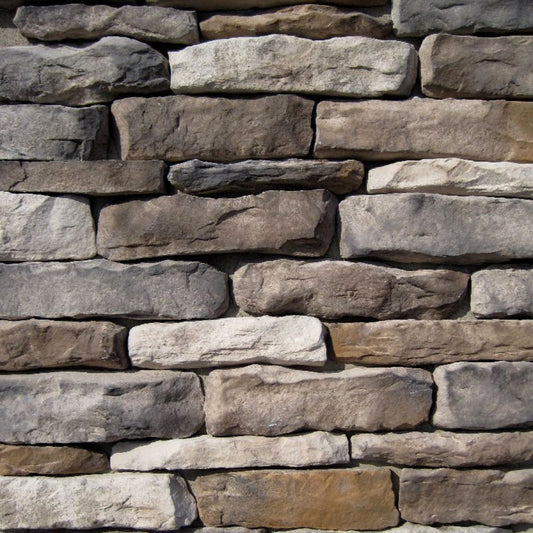
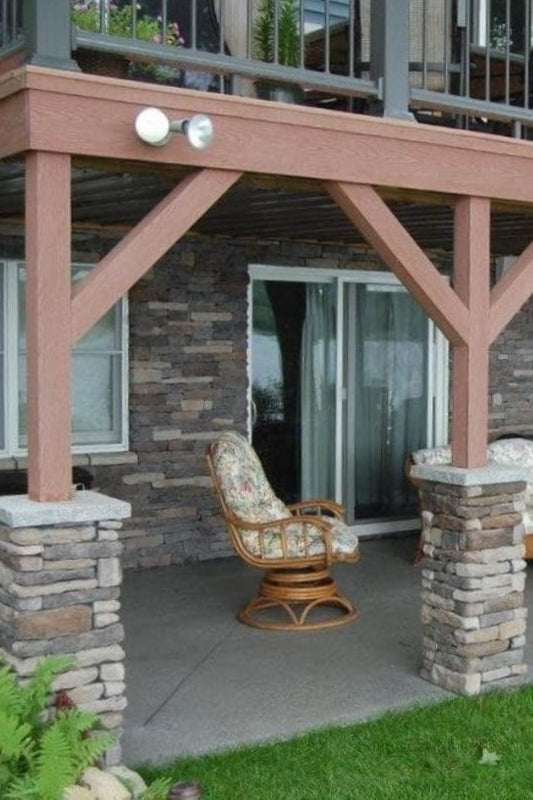
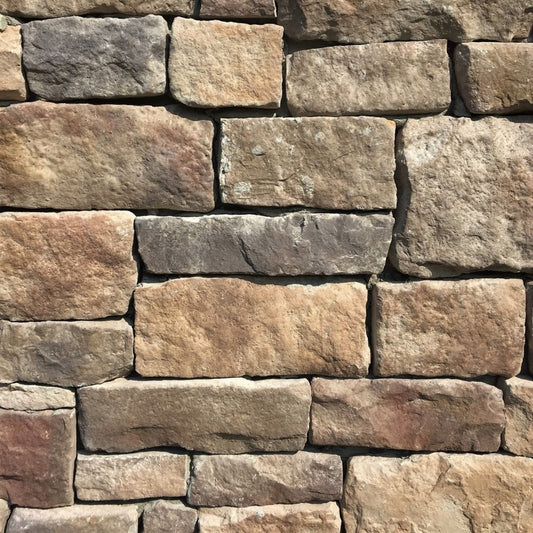
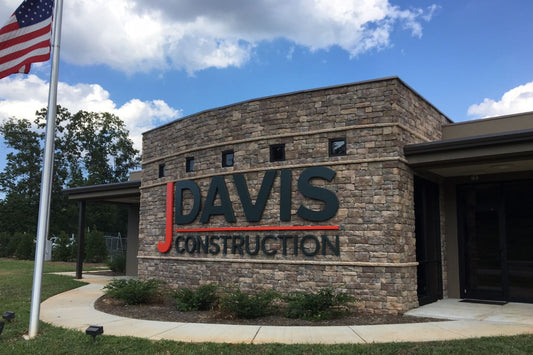
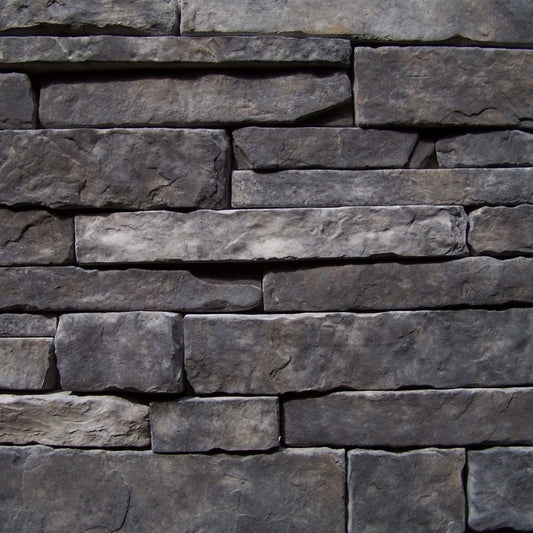
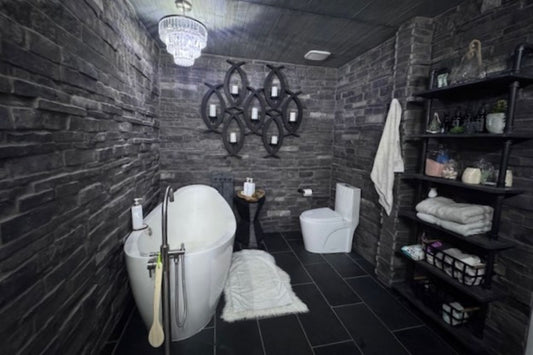
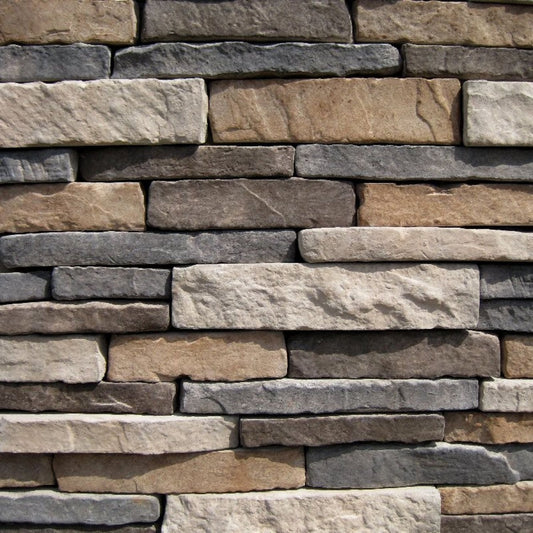
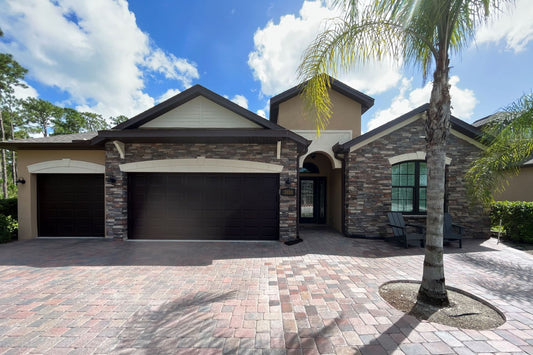
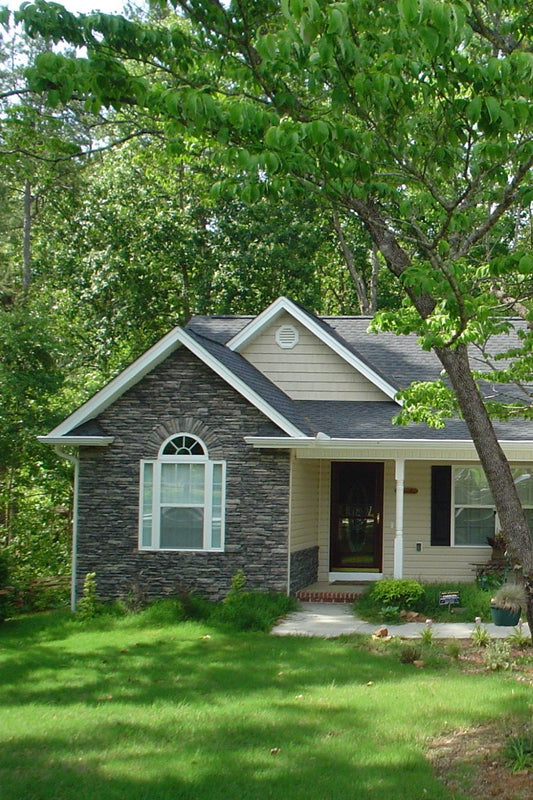
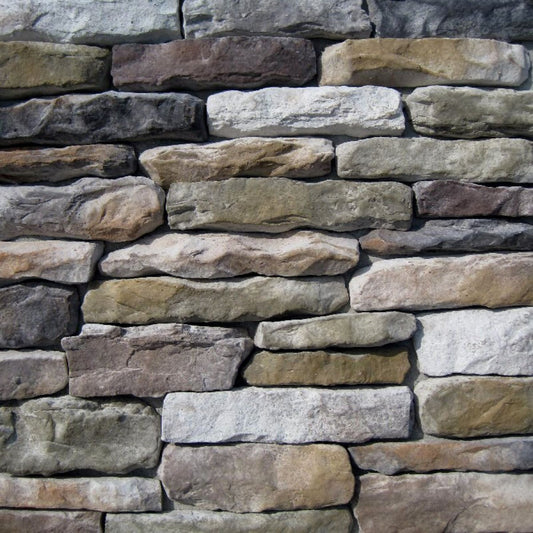
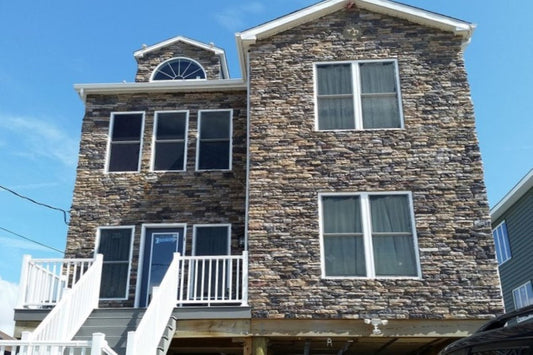
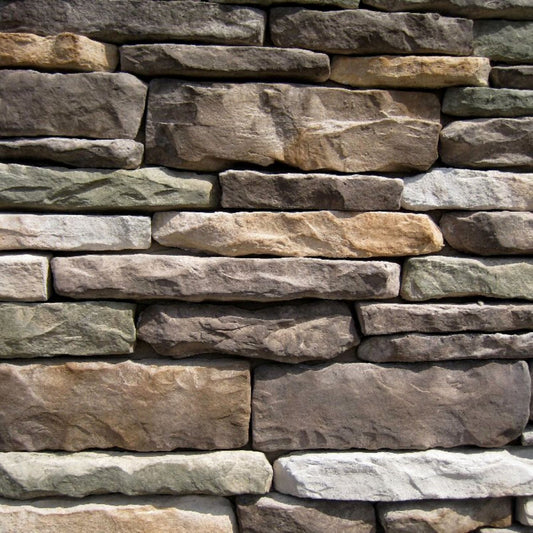
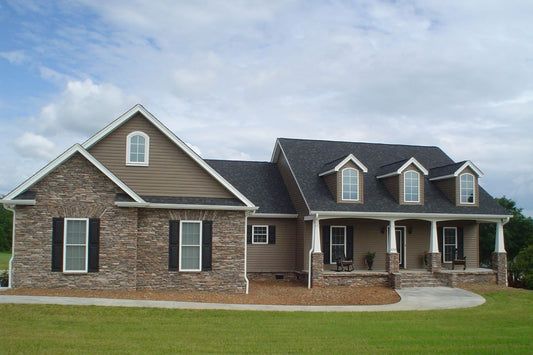
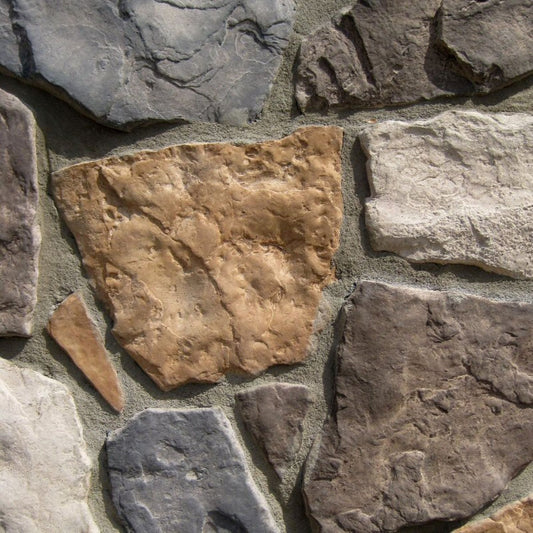
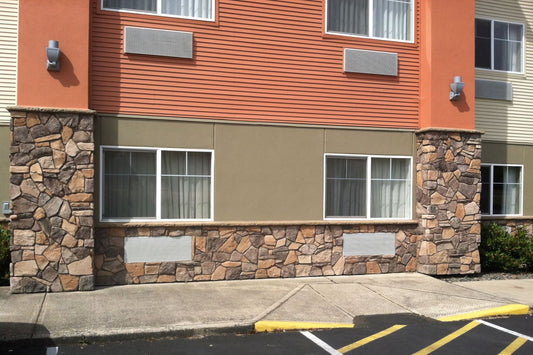
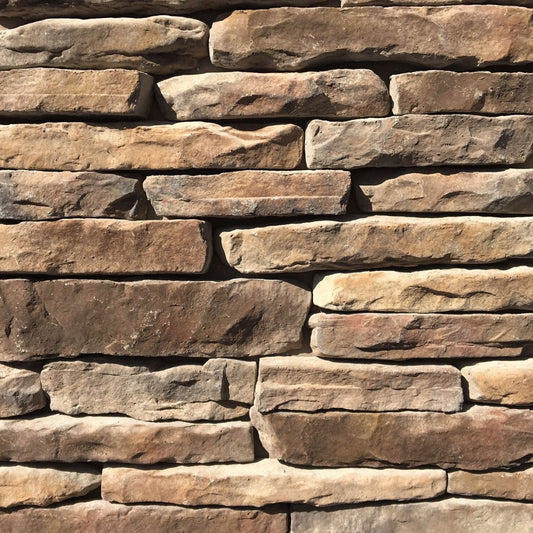
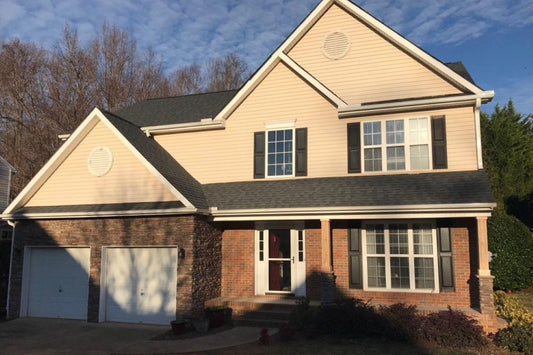
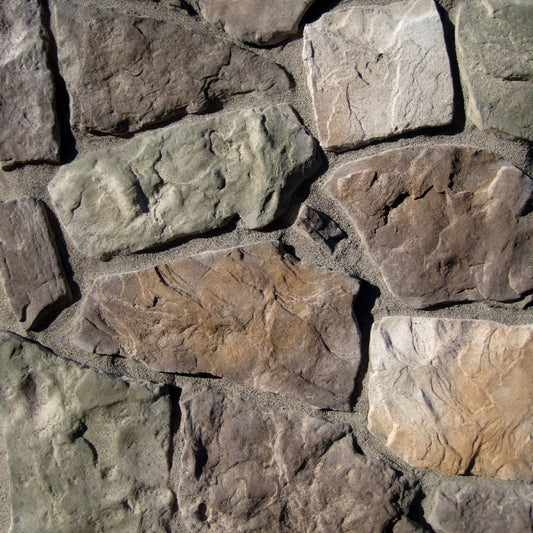
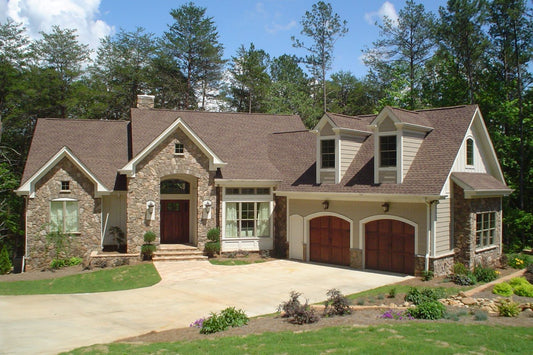
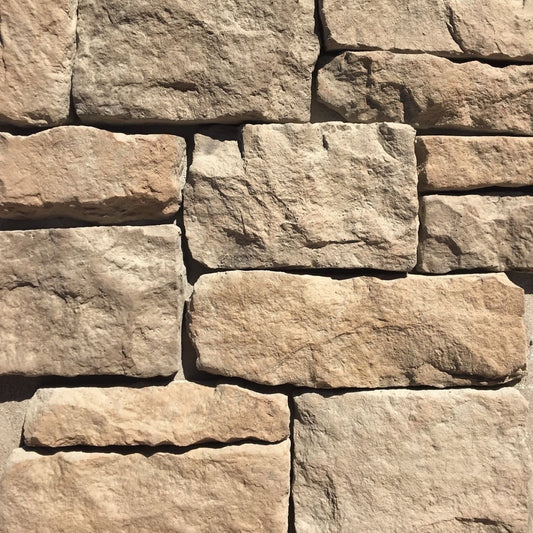
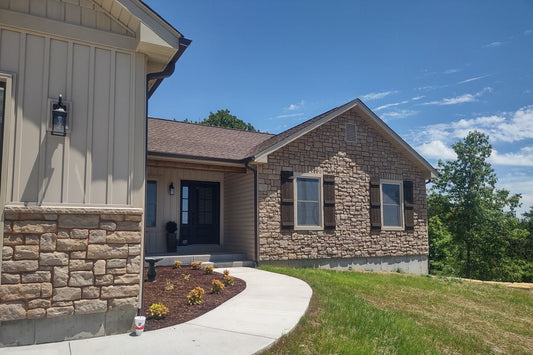
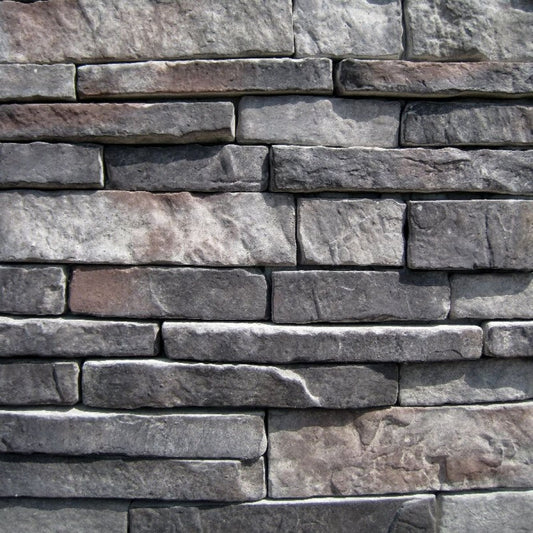
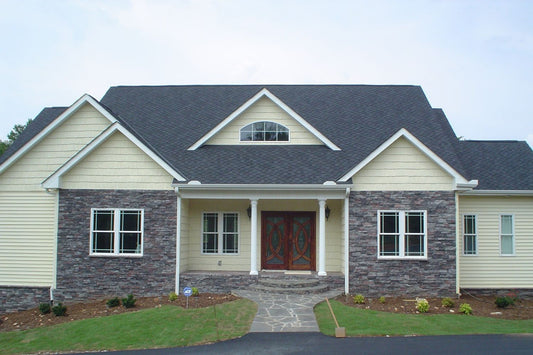
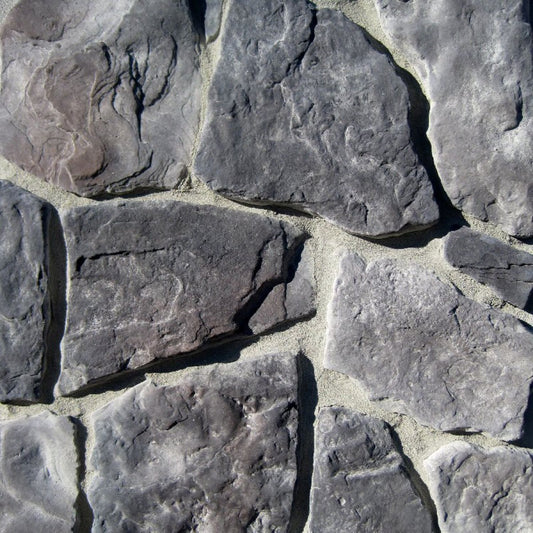
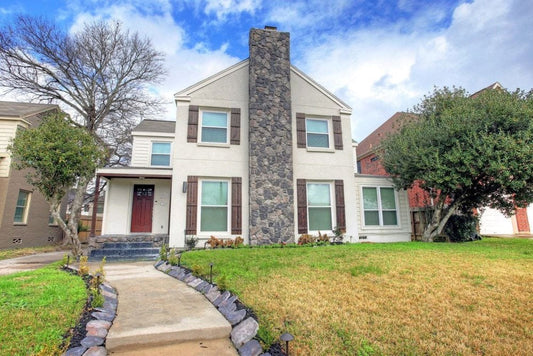
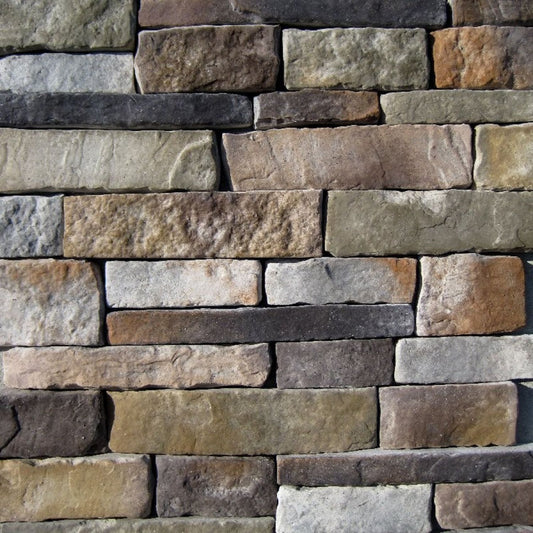
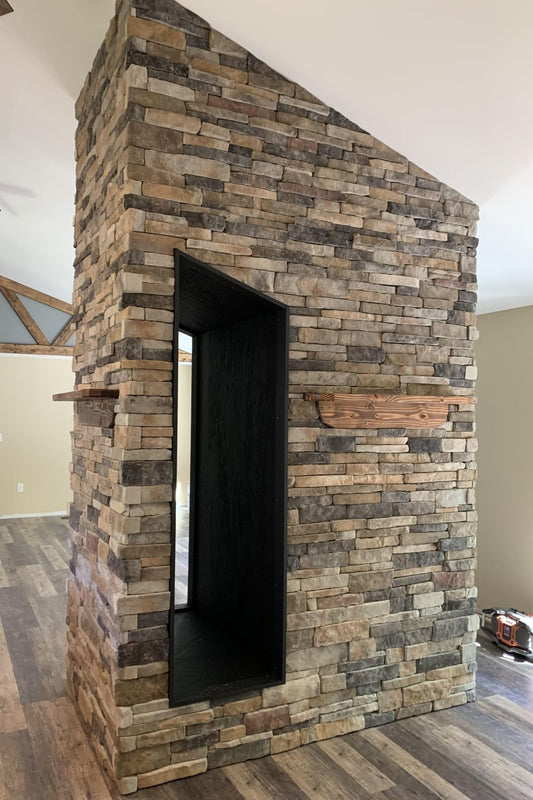
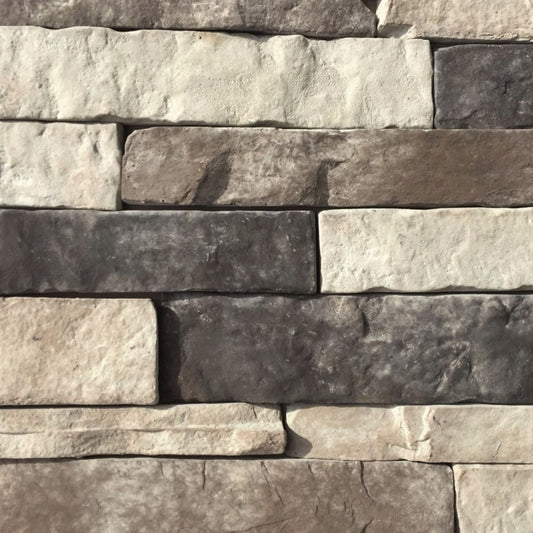
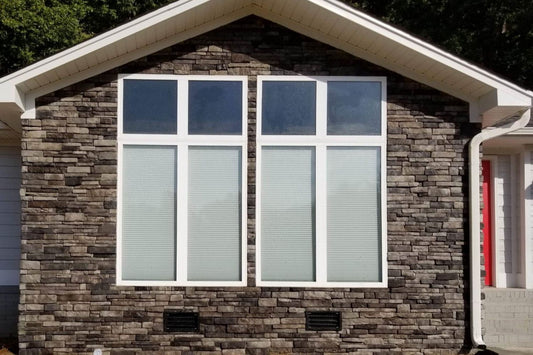
Pictured is an AI generated image of a stone veneer installation using Type S mortar.


2 comments
Hi Jillian,
Thank you for your question and interest in our stone veneer.
We cannot advise on stone repairs as we are not installers, we are a manufacturer of stone veneer. When it comes to stone repairs you would need to contact a company that specializes in stone installations and/or stone repairs. Without being on site to see the damage, or what is causing it, our best advice would be to remove the damaged stones and install new stone veneer.
Please let us know if you have any more questions!
What is the best approach and brands to use for stone repair stone in stone with front step porch repair