
Can You Use Stone Veneer as Flooring? Risks and Better Alternatives
Share
Originally posted January 10, 2025, updated April 1, 2026.
Manufactured stone veneer is not suitable for flooring because it is designed for vertical surfaces, lacks the strength to handle foot traffic, and can crack or wear down over time. For stone-like floors, choose materials like natural stone, porcelain tile, or concrete pavers that are engineered for durability and safety.
Manufactured stone veneer has become one of the most popular materials in modern construction and design. Known for its lightweight composition, affordability, and realistic appearance, it is commonly used for feature walls, fireplaces, exterior facades, and architectural accents. Its ability to replicate the look of natural stone without the associated weight and cost makes it an appealing option for homeowners, builders, and designers alike.
However, as its popularity grows, so do the questions about where and how it can be used. One of the most common inquiries is whether manufactured stone veneer can be installed as flooring. While it may seem like a natural extension of its use on walls, flooring presents a completely different set of challenges and requirements.
Understanding the limitations of manufactured stone veneer is essential before incorporating it into your project. Choosing the wrong material for a high-traffic surface can lead to premature wear, safety concerns, and costly repairs. This article explores whether manufactured stone veneer is suitable for flooring and highlights better alternatives that provide both durability and aesthetic appeal.
Understanding manufactured stone veneer
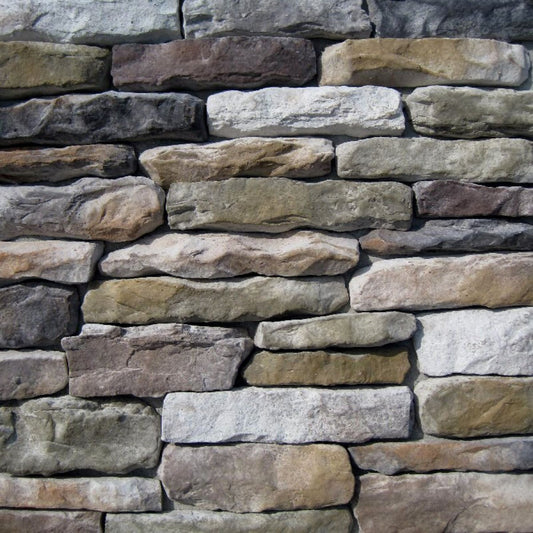
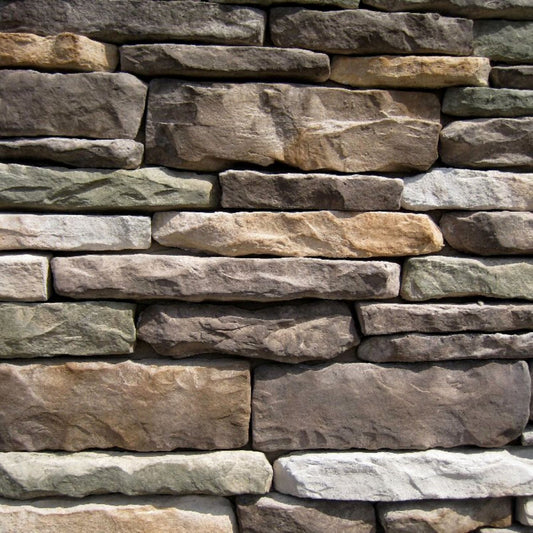
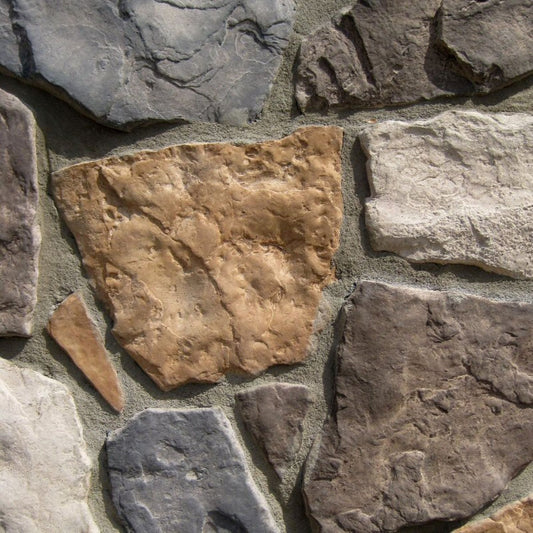
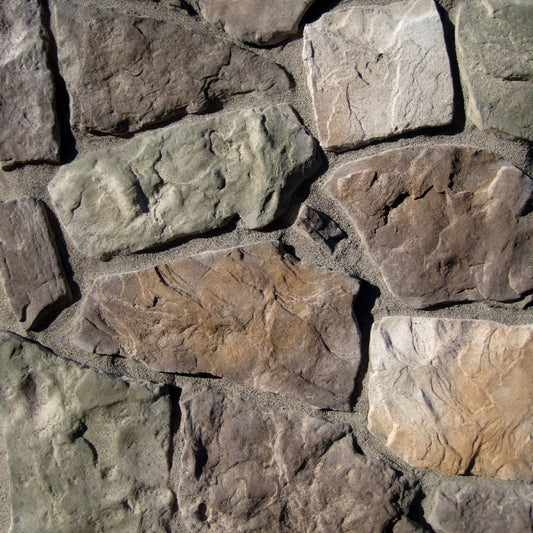
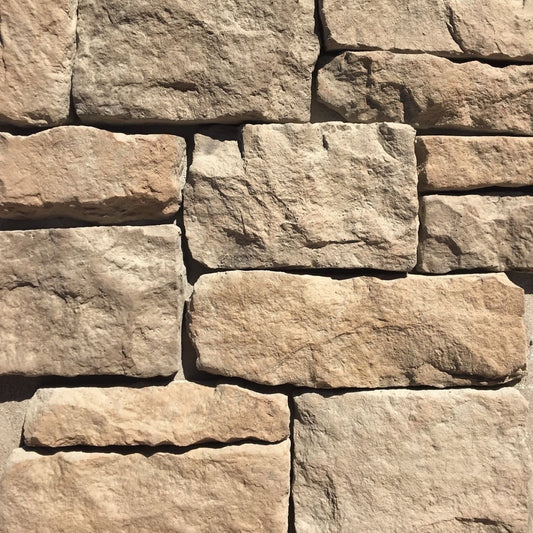
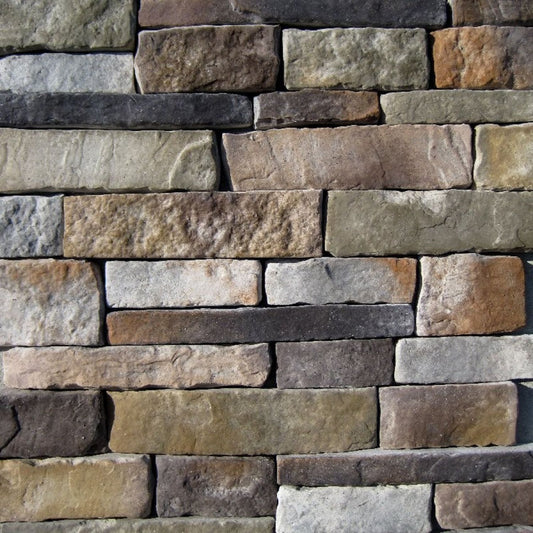
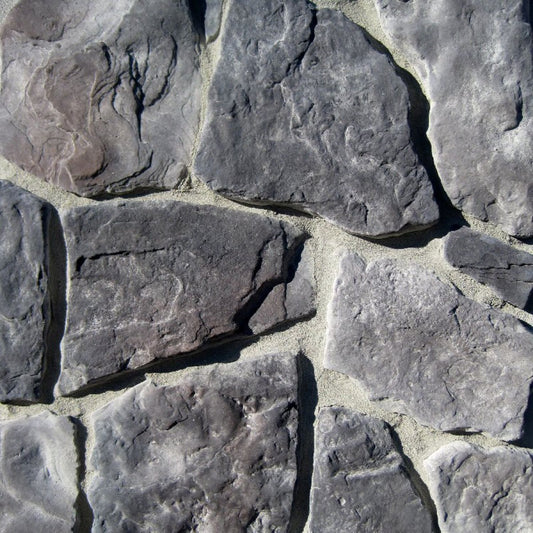
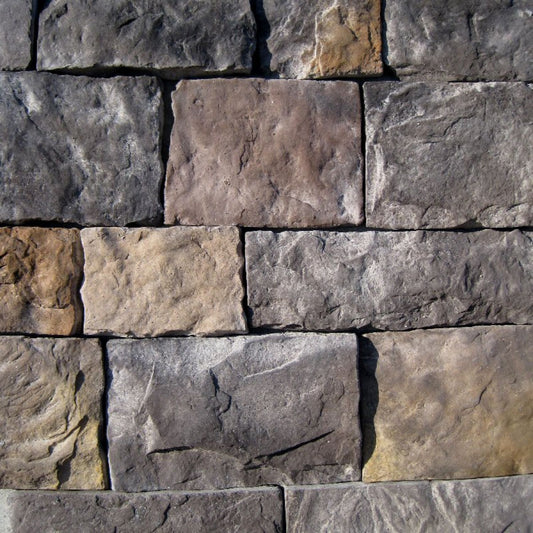
Manufactured stone veneer is engineered using a blend of cement, lightweight aggregates, and mineral-based pigments. These components are molded and colored to replicate the texture and appearance of natural stone, resulting in a highly realistic finish that can suit a wide range of design styles.
One of the defining characteristics of manufactured stone veneer is its thin profile. Unlike full-bed natural stone, which can be several inches thick and extremely heavy, veneer products are designed to be lightweight and easy to install. This makes them ideal for vertical applications such as walls, columns, fireplaces, and exterior cladding where structural load is a consideration.
In addition to being lightweight, manufactured stone veneer is designed to perform well in outdoor environments. It can withstand exposure to moisture, temperature changes, and UV radiation when properly installed. However, these benefits are specific to vertical installations, where the material is not subjected to constant pressure, abrasion, or impact.
Flooring applications demand a different level of performance. Surfaces must be able to handle continuous foot traffic, resist wear over time, and provide a safe, stable walking surface. These requirements highlight the key differences between materials designed for walls and those engineered for floors.
Why manufactured stone veneer is not suitable for flooring
Although manufactured stone veneer is durable in the context of wall applications, it is not designed to withstand the demands of flooring. The structural and functional requirements of floors far exceed what veneer products are engineered to handle.
One of the primary concerns is strength and load-bearing capacity. Manufactured stone veneer is relatively thin and not intended to support the repeated weight and pressure of foot traffic. Over time, this can lead to cracking, chipping, or even complete failure of the material. Unlike flooring products that are specifically tested for compressive strength and impact resistance, veneer lacks the necessary structural integrity.
Another important factor is surface texture. Manufactured stone veneer often features uneven, rugged surfaces that mimic the natural contours of stone. While this adds visual appeal on walls, it creates an impractical and uncomfortable walking surface. The irregular texture can make it difficult to walk on, particularly barefoot, and can pose challenges when it comes to cleaning and maintenance.
Safety is also a significant concern. The textured surface of stone veneer can create tripping hazards, especially in areas where consistent footing is essential. In addition, when exposed to moisture, the surface may become slippery, increasing the risk of slips and falls. Flooring materials are typically designed with specific slip-resistance ratings to ensure safety, something veneer products are not optimized for.
Wear resistance is another critical limitation. Flooring materials must be able to withstand constant abrasion from foot traffic, furniture movement, and everyday use. Manufactured stone veneer does not have the same level of abrasion resistance as materials like porcelain tile, natural stone flooring, or concrete. As a result, it can wear down more quickly, losing its appearance and structural integrity over time.
These factors combined make it clear that while manufactured stone veneer excels in vertical applications, it is not a practical or safe choice for flooring.
Better alternatives for stone-look flooring
For homeowners and designers who love the look of stone and want to incorporate it into flooring, there are several alternatives that provide both beauty and durability. These materials are specifically engineered to handle the demands of foot traffic while delivering the aesthetic qualities associated with natural stone.
Natural stone tiles are one of the most popular choices for achieving an authentic stone appearance. Materials such as slate, travertine, and granite offer exceptional durability and timeless appeal. When properly sealed and maintained, natural stone flooring can last for decades while adding value to a home.
Porcelain tile is another excellent option. Advances in manufacturing technology have made it possible to create porcelain tiles that closely mimic the look and texture of natural stone. These tiles are highly durable, resistant to moisture, and easy to maintain, making them suitable for both indoor and outdoor applications.
Concrete pavers and polished concrete surfaces also provide a stone-like aesthetic with superior strength and longevity. These materials are commonly used in high-traffic areas and can be customized with textures, colors, and finishes to achieve a wide range of design styles.
For those seeking a lightweight and cost-effective solution, luxury vinyl flooring with stone visuals offers an attractive alternative. While it does not provide the same authenticity as real stone, it delivers excellent durability, comfort underfoot, and ease of installation.
Each of these options is specifically designed for flooring, ensuring that they meet the performance requirements needed for long-term use. By choosing one of these alternatives, you can achieve the desired look without compromising on functionality or safety.
Where manufactured stone veneer works best
While manufactured stone veneer is not suitable for flooring, it remains an outstanding choice for a variety of other applications. Its lightweight design and realistic appearance make it ideal for enhancing vertical surfaces both indoors and outdoors.
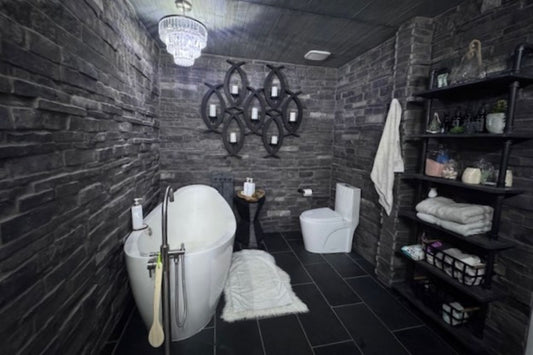
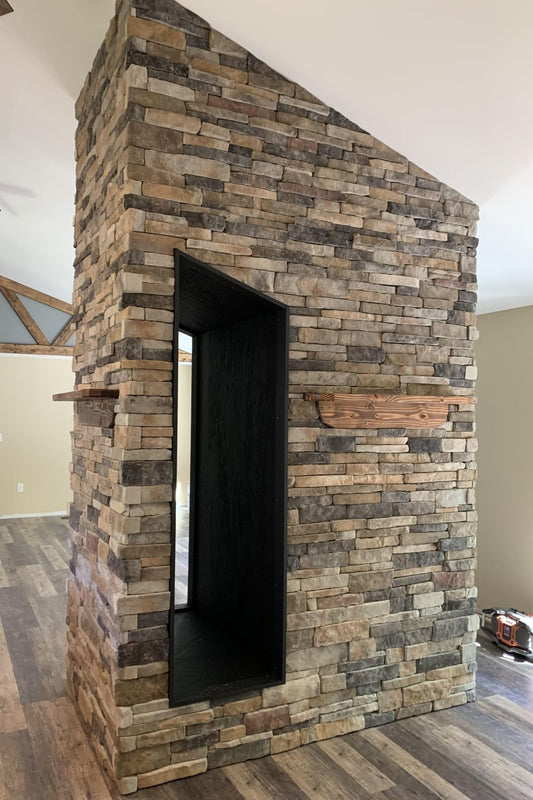
Fireplaces are one of the most popular uses for stone veneer, creating a striking focal point that adds warmth and character to a space. Accent walls and feature walls also benefit from the texture and depth that veneer provides, helping to elevate interior design.
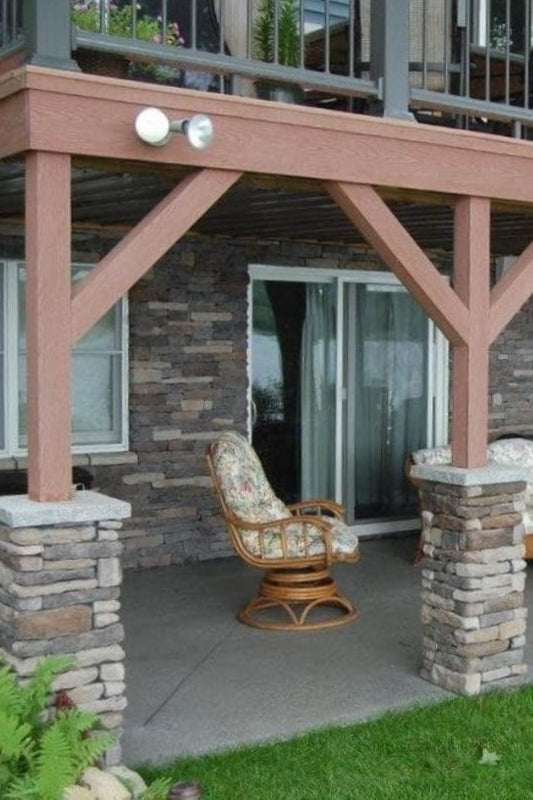
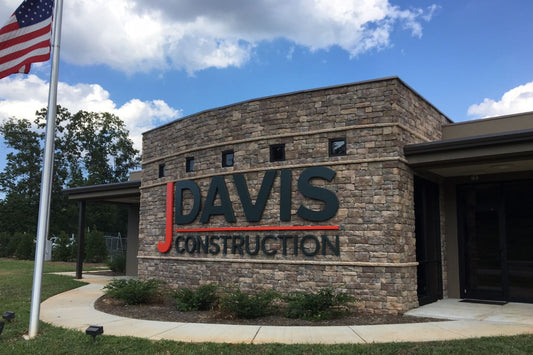
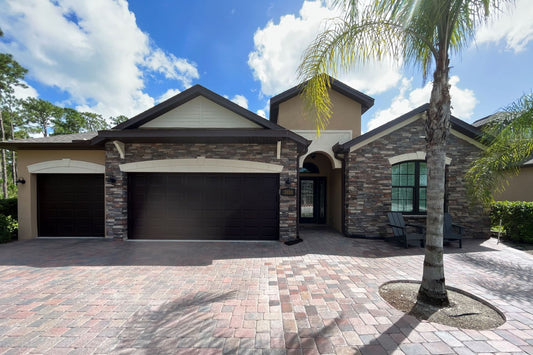
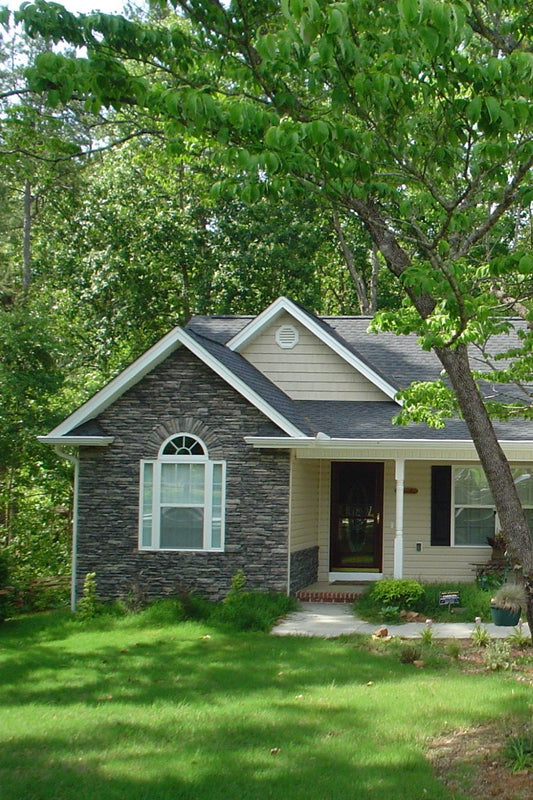
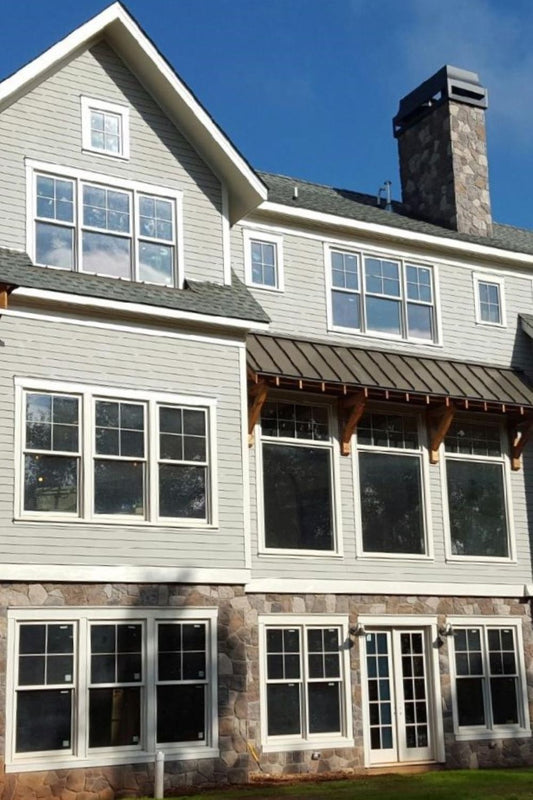
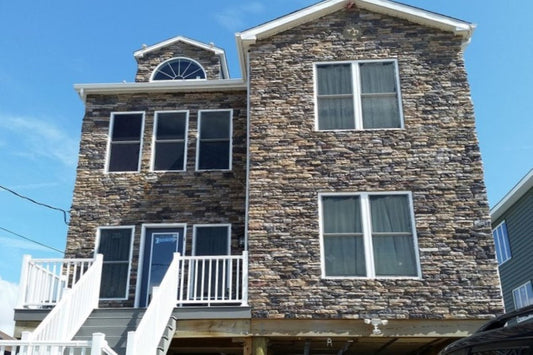
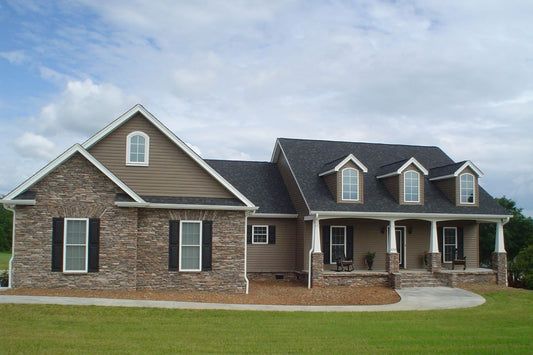
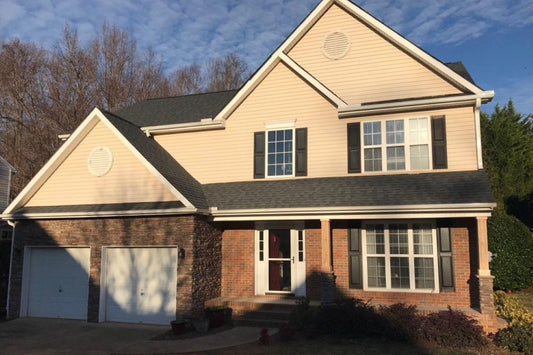
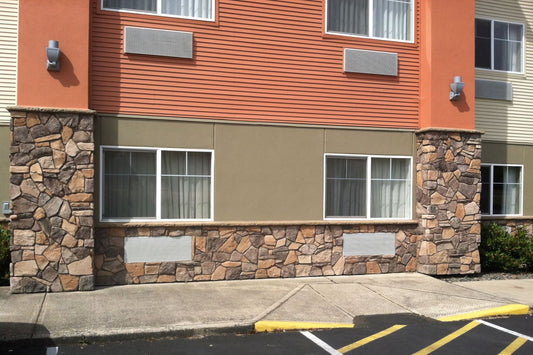
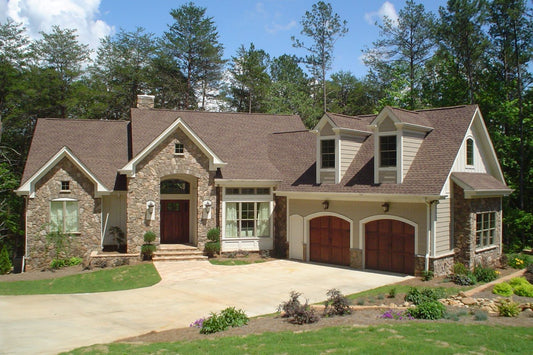
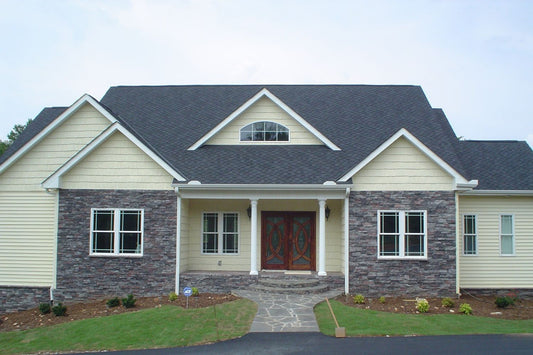
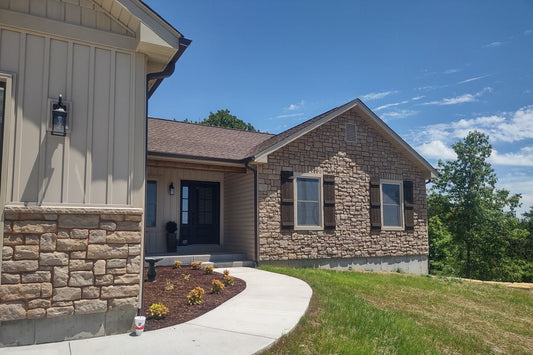
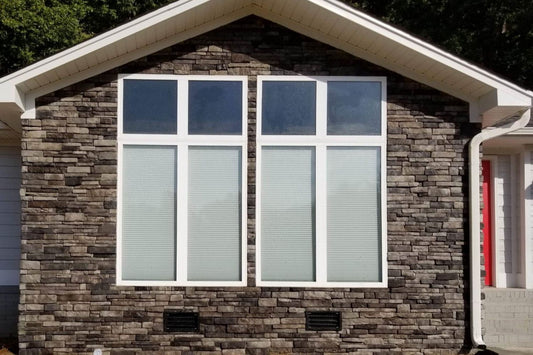
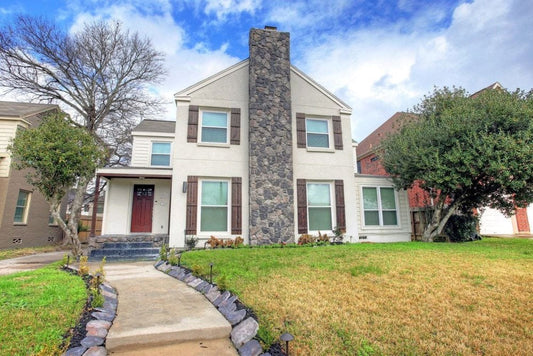
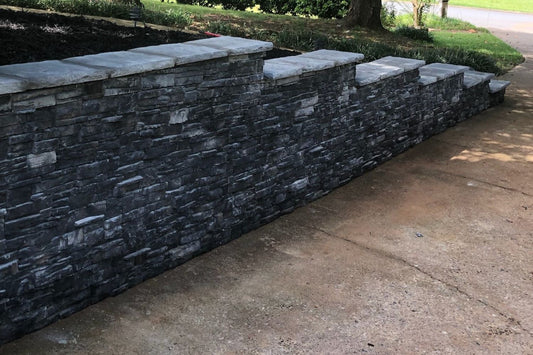
On the exterior, manufactured stone veneer is commonly used for facades, columns, and entryways. It enhances curb appeal while offering a durable and weather-resistant finish. When installed correctly, it can withstand the elements and maintain its appearance for years.
By using manufactured stone veneer in the applications it is designed for, you can maximize its benefits and achieve a high-end look without the drawbacks associated with improper use.
Can you use stone veneer as flooring?
Manufactured stone veneer is a versatile and visually appealing material that excels in vertical applications such as walls, fireplaces, and exterior facades. However, it is not designed for flooring and does not meet the performance requirements needed to handle foot traffic, abrasion, and impact.
Attempting to use stone veneer as flooring can lead to issues such as cracking, uneven surfaces, and safety hazards. Instead, it is best to choose materials specifically engineered for flooring, such as natural stone tiles, porcelain tile, or concrete surfaces.
By selecting the right material for each application, you can achieve both the aesthetic and functional goals of your project while ensuring long-term durability and performance.
From Mountain View Stone: what you should know
At Mountain View Stone, we recommend using manufactured stone veneer strictly for vertical applications where it performs best and delivers lasting visual impact. While it may seem appealing to carry the look onto floors, veneer is not designed to handle foot traffic and can lead to cracking, uneven surfaces, and safety concerns over time. For a cohesive design, we suggest pairing stone veneer on walls or fireplaces with durable flooring materials like porcelain tile or natural stone, allowing you to achieve the same aesthetic while ensuring long-term performance and reliability.
Frequently asked questions
1. Can manufactured stone veneer support foot traffic? Manufactured stone veneer is not designed to support regular foot traffic. It lacks the strength and durability required for flooring applications and may crack or degrade over time.
2. Is stone veneer slippery when used on floors? Yes, the uneven and textured surface of manufactured stone veneer can create slip hazards, especially in wet conditions, making it unsafe for flooring use.
3. What happens if you install stone veneer on the floor? Over time, the veneer may crack, chip, or wear down due to pressure and abrasion. It may also create an uneven and uncomfortable walking surface.
4. What is the best stone-like material for flooring? Porcelain tile, natural stone tiles such as slate or travertine, and concrete pavers are all excellent options that provide durability and a realistic stone appearance.
5. Can stone veneer be used outdoors on the ground? Manufactured stone veneer should not be used for ground surfaces like patios or walkways. Instead, use materials specifically designed for horizontal applications, such as pavers or natural stone slabs.
6. Where should manufactured stone veneer be used? It is best used on vertical surfaces such as walls, fireplaces, exterior facades, columns, and architectural features where it can perform as intended.
What's next?
Upgrade your space with premium stone veneer today! Shop now to find the perfect style for your project or order a sample to see and feel the quality before you buy. Start transforming your home or business with ease!
Have a question?
Please see our full terms of service or check out our frequently asked questions.
For general information and questions please call: (864) 882-8960 Mon. - Fri. 8am - 5pm (EST) or email: info@mountainviewstone.net we are more than happy to help you.
Or you can submit your questions via our contact us page.
We look forward to working with you on your upcoming project.
The Mountain View Stone Team
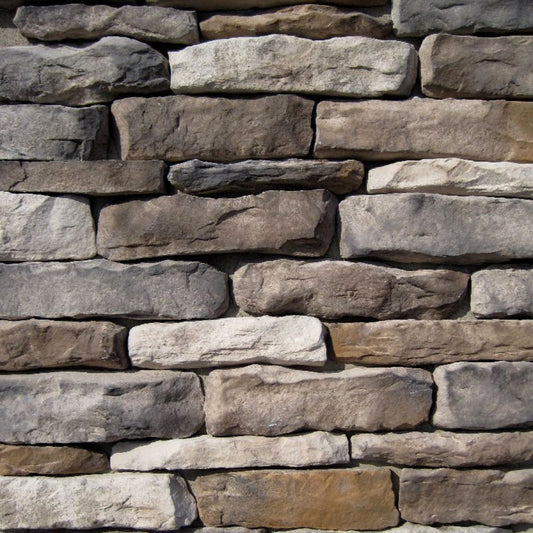
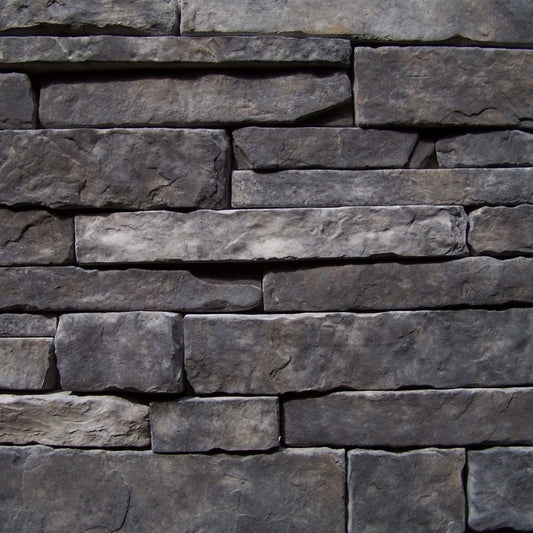
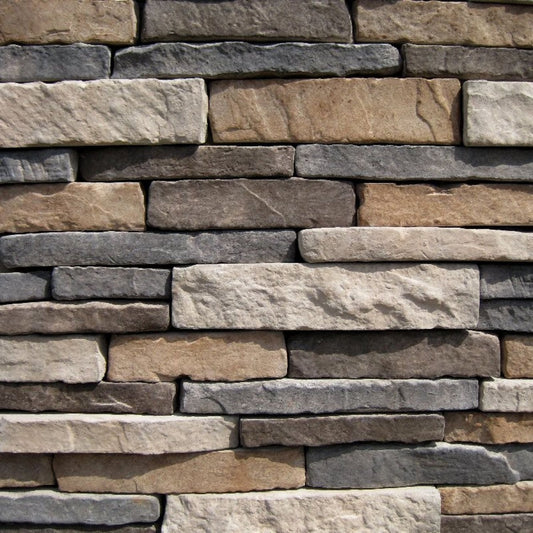
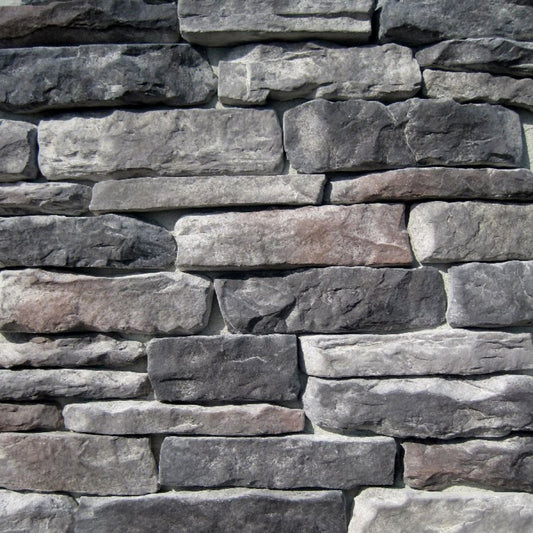
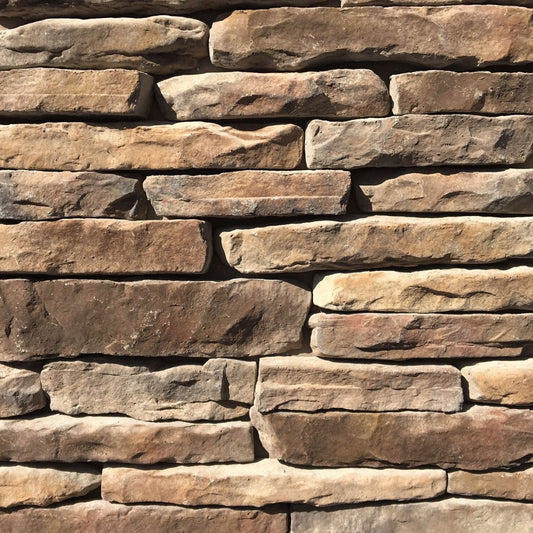
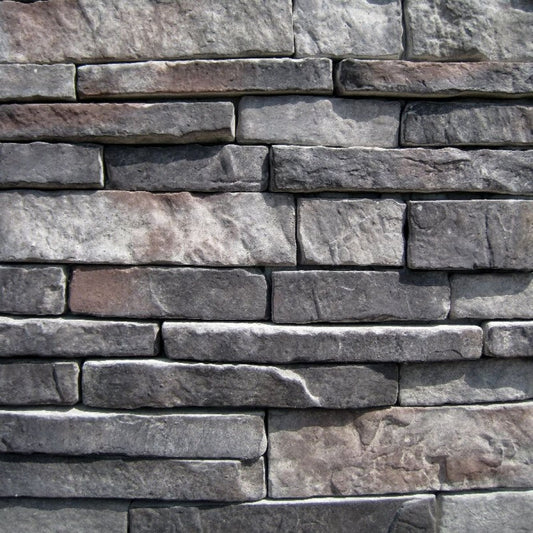
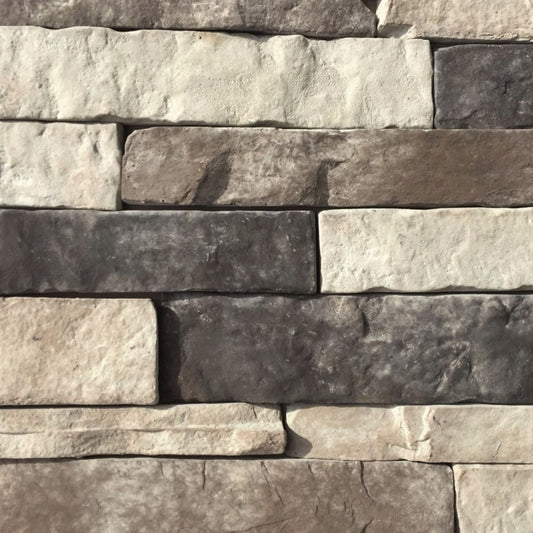
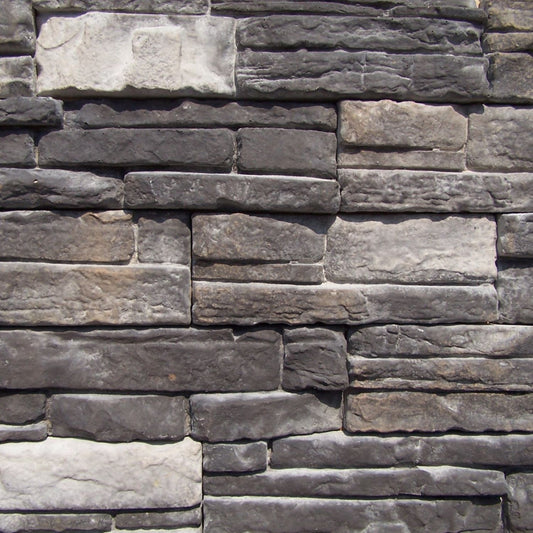
Pictured is stack stone rustic.