
Castle Rock Manufactured Stone Veneer: Applications, Design, and Benefits
Share
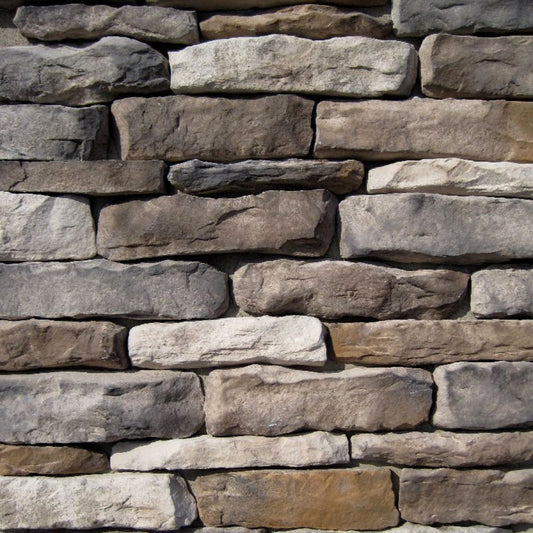
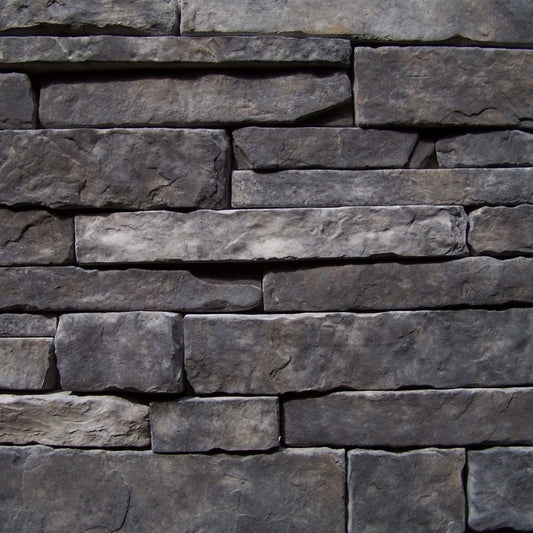
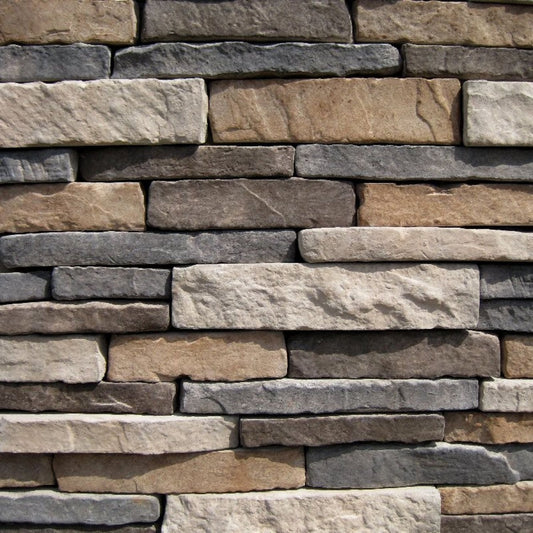
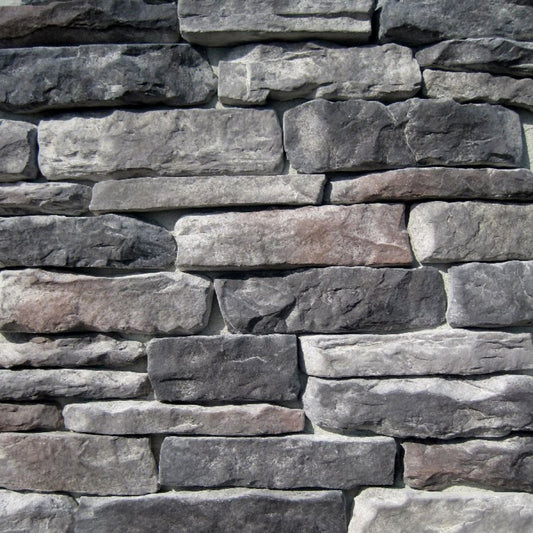
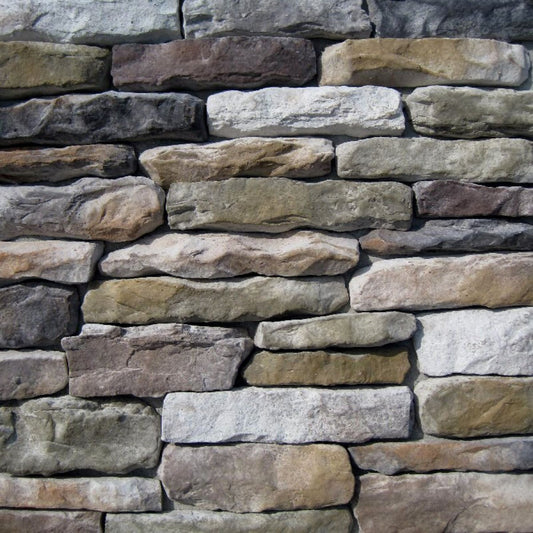
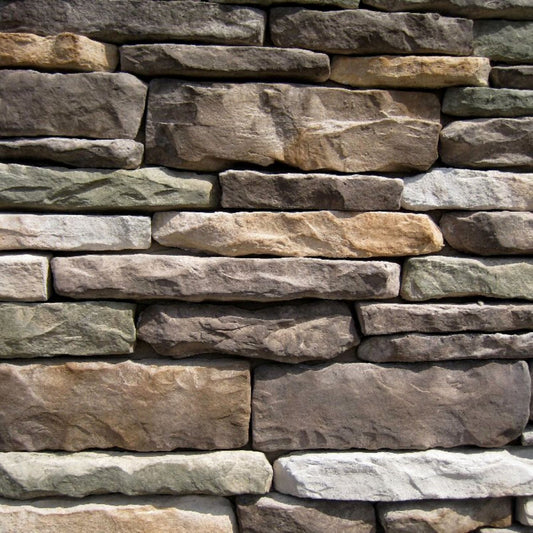
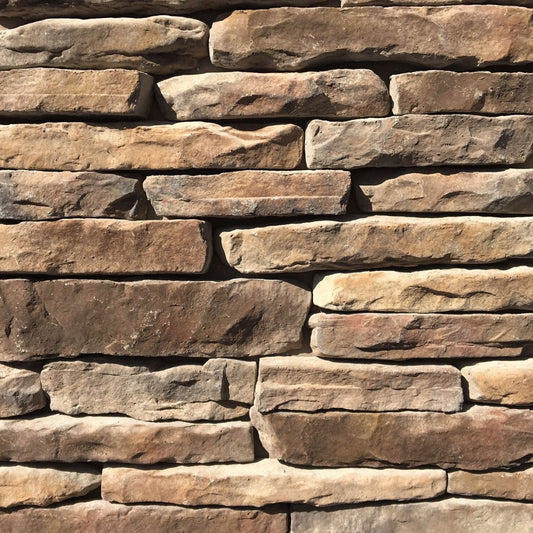
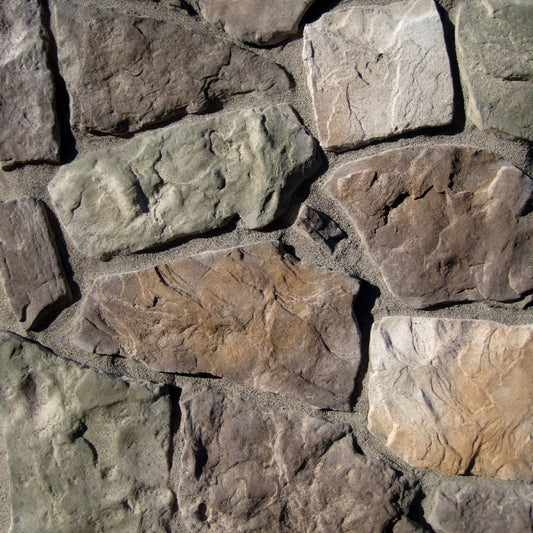
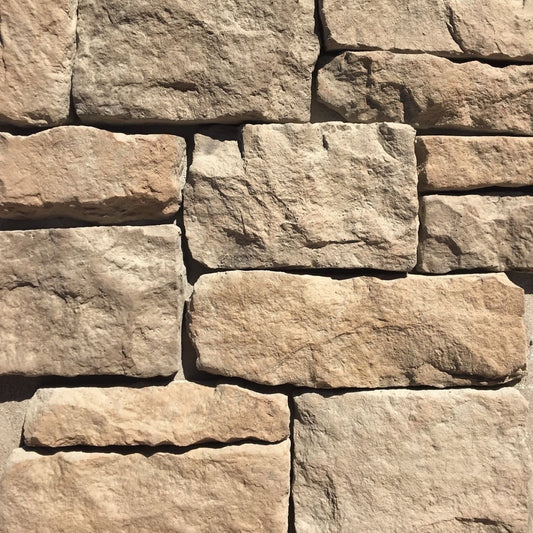
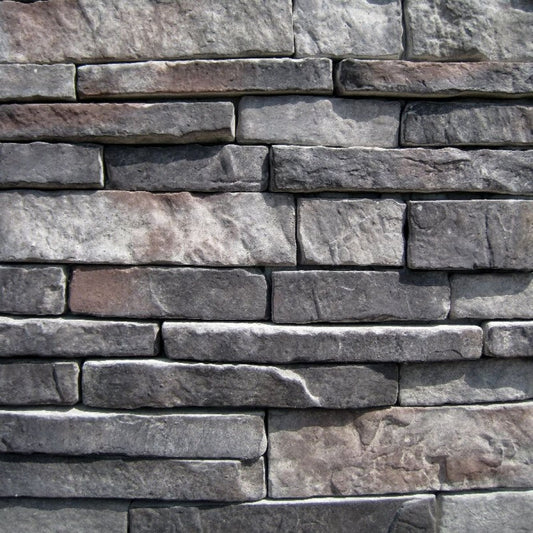
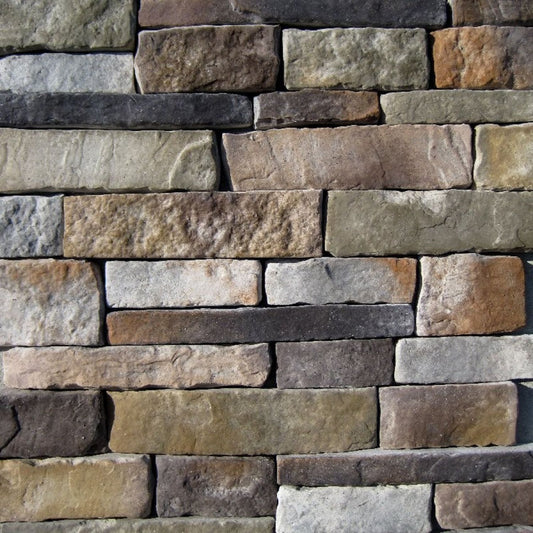
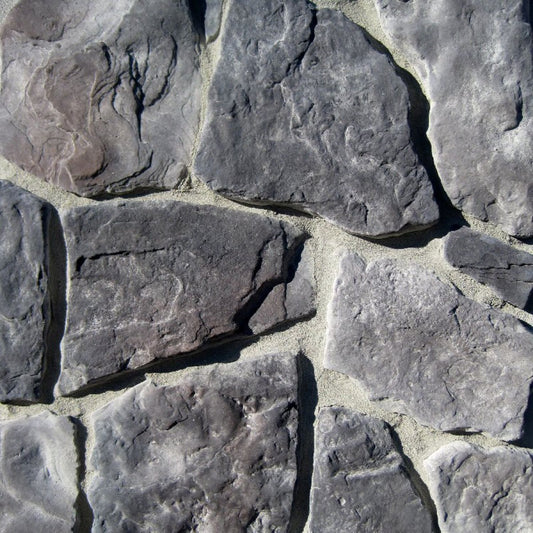
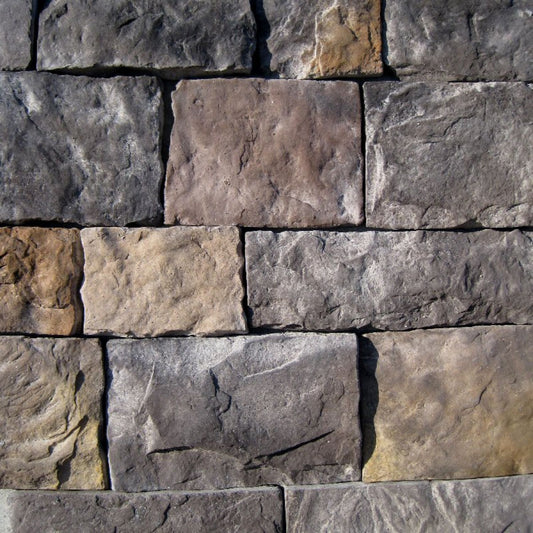
Castle rock manufactured stone veneer, often referred to as hackett stone, is a large-format architectural stone veneer designed to replicate the look of traditional cut or quarried masonry stone. It features bold, rectangular stone shapes with natural variation in size, texture, and edge detail, creating a strong, old-world stone appearance used for both exterior facades and interior feature walls.
Castle rock manufactured stone veneer is a bold architectural stone profile widely used in residential and commercial construction to achieve the appearance of traditional masonry stone without the weight and installation demands of natural stone. Known for its substantial, block-like appearance and natural variation, it delivers a strong visual presence that enhances both exterior and interior spaces. To better understand how this profile compares to others, see our manufactured stone veneer profiles guide.
This stone profile is often selected when a project calls for depth, permanence, and architectural character. Whether it is used on a home exterior, a fireplace surround, an entryway feature, or a commercial facade, Castle rock creates a grounded and timeless aesthetic that elevates the overall design.
In some product lines and manufacturer catalogs, this same profile may also be referred to as hackett stone. While the naming differs, the visual profile remains the same. Understanding this helps avoid confusion when comparing suppliers or sourcing materials across different brands.
Architectural character and visual identity
The defining strength of castle rock manufactured stone veneer lies in its architectural weight and visual structure. Unlike thinner or more linear stone styles, this profile is designed around larger, block-like stone forms that resemble hand-cut masonry units. The result is a surface that feels solid, grounded, and intentionally architectural.
Each stone varies slightly in proportion, which prevents repetition and helps replicate the irregular nature of real stone construction. These variations create a natural rhythm across the surface that feels authentic rather than manufactured. When installed across larger areas, the pattern builds into a cohesive masonry appearance that reinforces the structural identity of the building.
This profile is especially effective in designs where the stone is intended to be a dominant visual element rather than a subtle accent. It naturally draws attention and helps define key architectural zones within a structure.
Design applications in residential construction
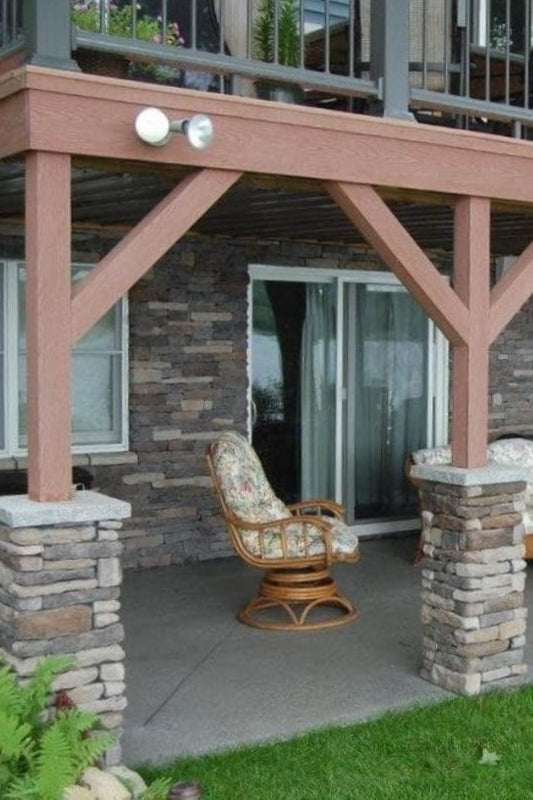
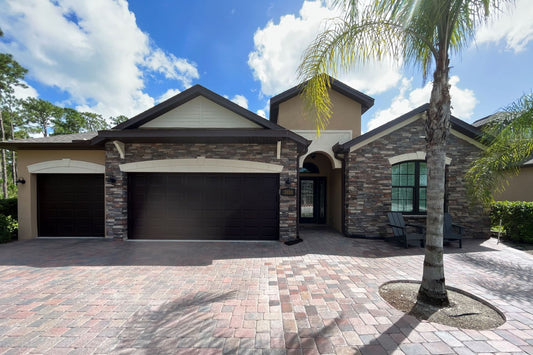
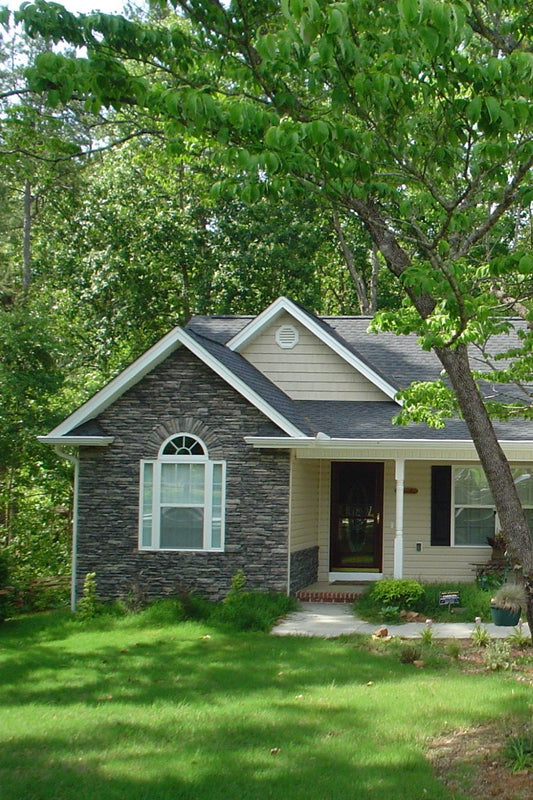
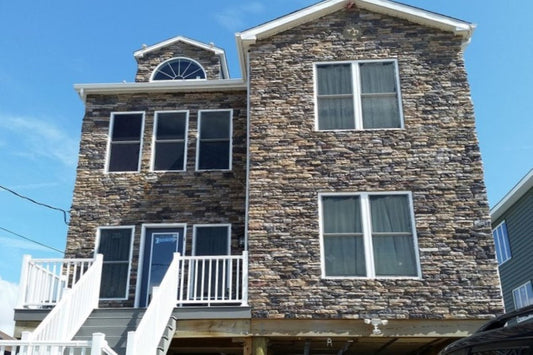
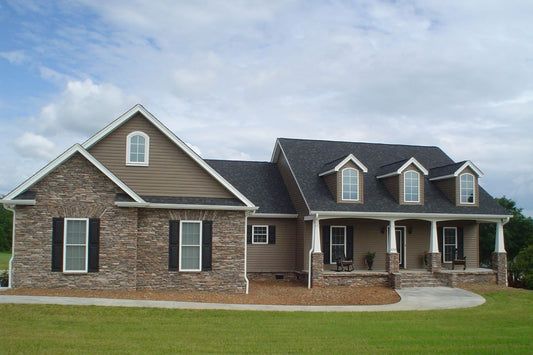
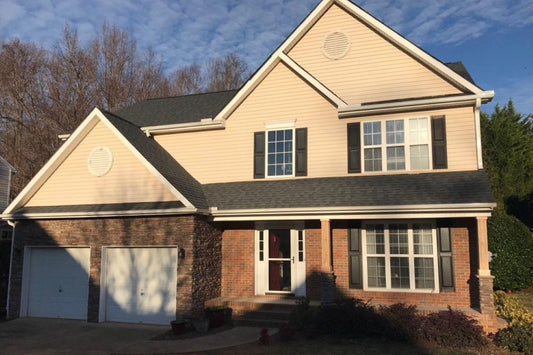
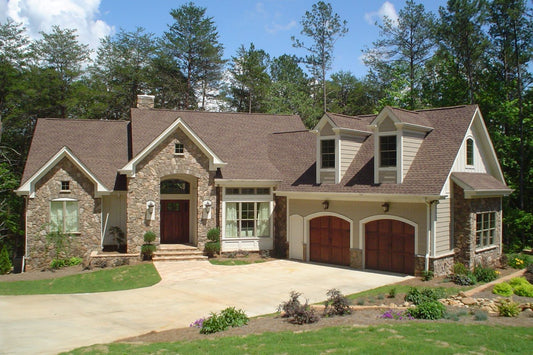
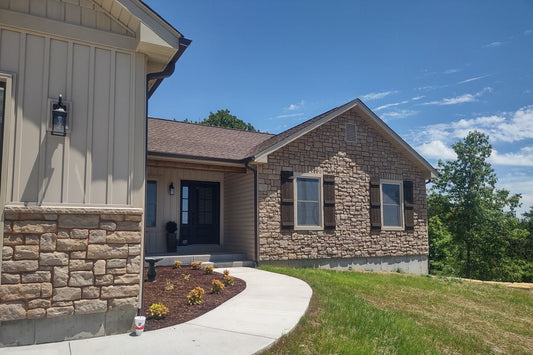
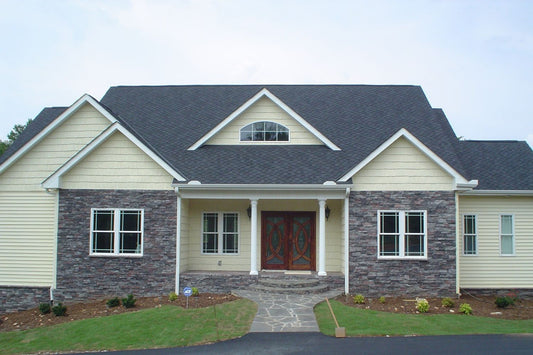
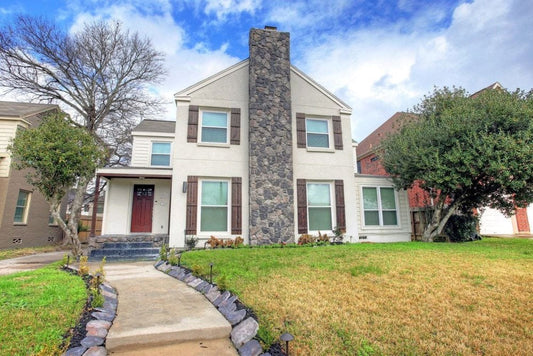
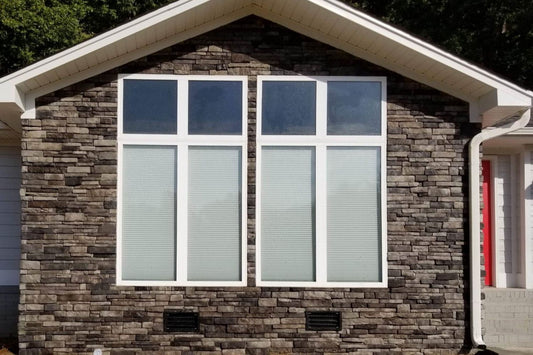
In residential design, castle rock stone veneer is often used to create focal points that enhance curb appeal and interior character. On exterior facades, it is commonly applied to entryways, garage surrounds, foundation walls, and full elevation surfaces. Its bold masonry appearance helps homes feel more established and visually substantial.
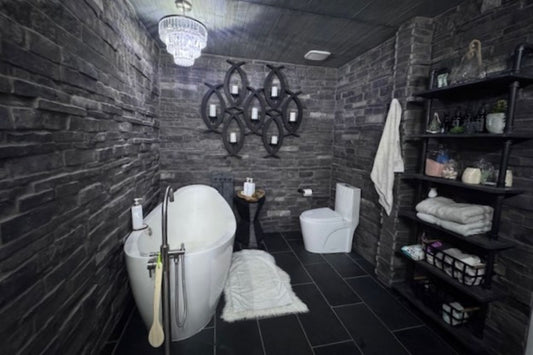
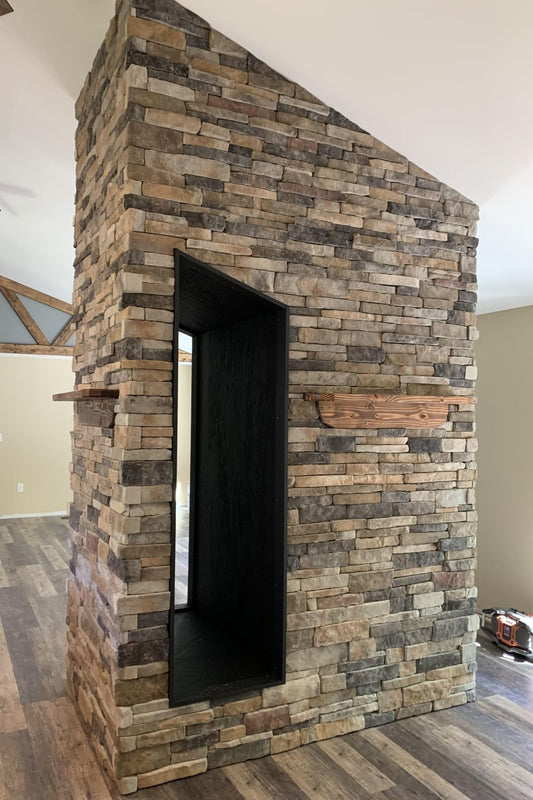
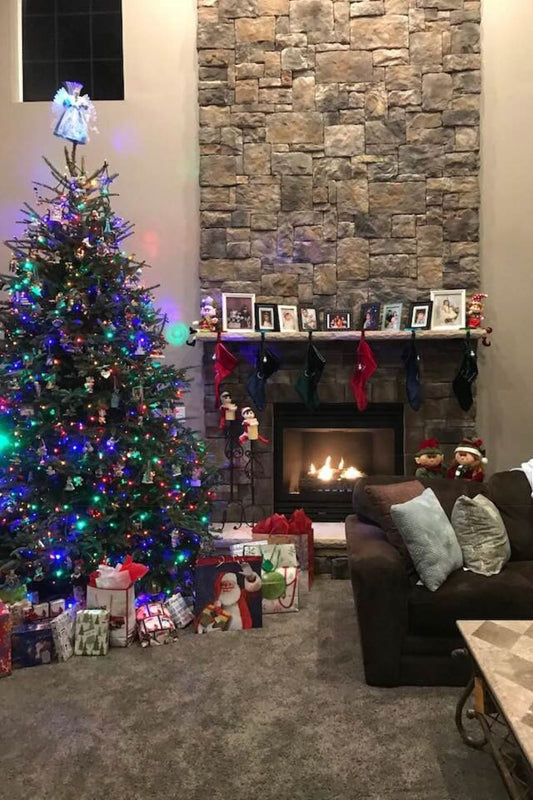
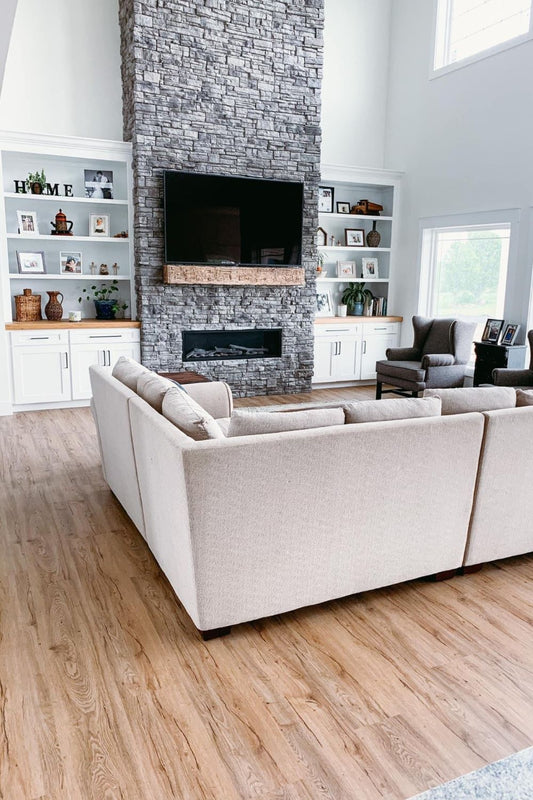
Inside the home, it is frequently used for fireplaces and feature walls where a strong architectural presence is desired. The large-format stone shapes help anchor interior spaces and create a sense of permanence that complements both modern and traditional design styles.
Because of its versatility, castle rock can be used as either a dominant exterior material or a selective accent depending on the design intent. This flexibility allows homeowners and designers to incorporate stone in a way that enhances the overall composition without overwhelming it.
Commercial and architectural use cases
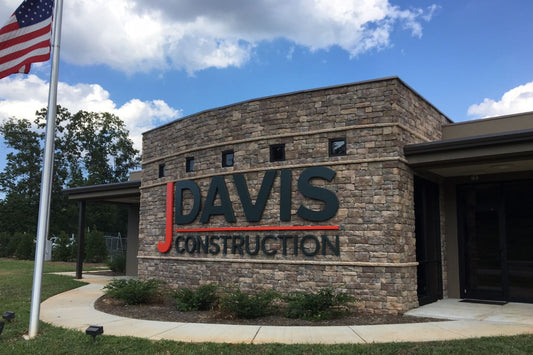
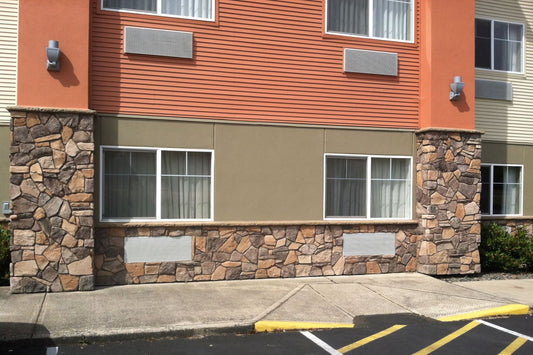
Castle rock manufactured stone veneer is also widely used in commercial architecture where durability and visual impact are equally important. Retail buildings, office developments, hospitality projects, and institutional structures often incorporate this profile to establish a strong and lasting exterior identity.
In commercial applications, the stone helps communicate stability, craftsmanship, and permanence. These visual cues are important in environments where first impressions influence perception of the brand or organization.
The profile’s large-format structure also performs well at scale. On larger buildings, it maintains visual clarity without appearing overly busy or repetitive, which is important in commercial design where surfaces are often viewed from a distance.
Visual impact and material performance
One of the reasons castle rock stone veneer is so widely used is its ability to create depth and dimensionality on flat surfaces. The larger stone units naturally produce shadow lines and surface variation that change throughout the day as lighting conditions shift. This creates a dynamic visual effect that adds interest without additional design elements.
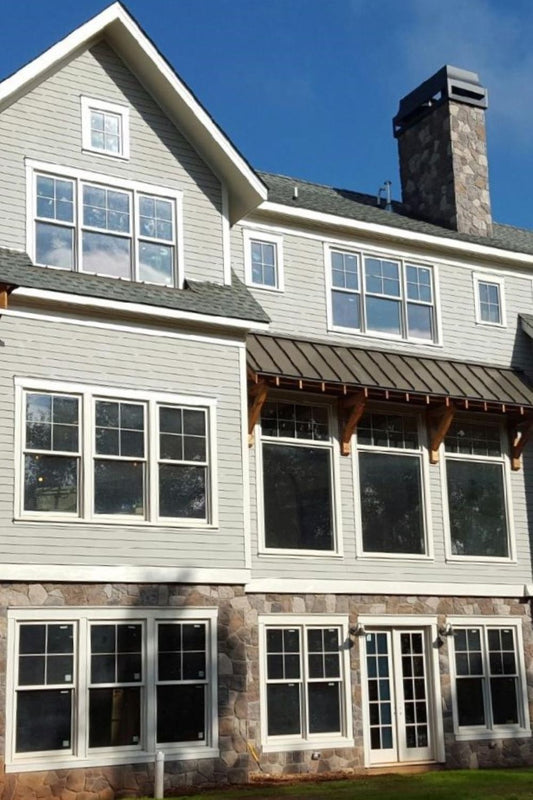
In exterior environments, this depth helps break up large wall surfaces and adds contrast against smoother materials such as siding, glass, or metal. The result is a more balanced architectural composition with stronger visual hierarchy.
In interior environments, the same characteristics help define focal points and create a sense of texture and warmth. Fireplaces and accent walls become central design features rather than background elements.
Installation considerations and practical advantages
Castle rock manufactured stone veneer is designed to offer the appearance of natural masonry while improving installation efficiency. Because it is significantly lighter than full-bed stone, it can be installed on a wider range of structures without requiring the same level of structural support.
The modular nature of the profile also helps streamline installation. While the stones vary in size and shape, they follow a consistent system that allows installers to build patterns with predictable alignment and spacing.
This balance between natural variation and installation consistency is one of the key reasons the profile is popular among contractors and builders. It reduces complexity on job sites while still delivering a high-end architectural finish.
Design versatility across styles
One of the strongest advantages of castle rock manufactured stone veneer is its ability to adapt to different architectural styles. In modern designs, it provides contrast against clean lines and smooth surfaces, adding texture and grounding to minimalist compositions. In traditional designs, it reinforces a classic masonry aesthetic that feels established and timeless.
It also works well in transitional architecture, where modern and traditional elements are blended. In these cases, castle rock acts as a bridge material, helping unify different textures and forms into a cohesive design language.
This versatility makes it a reliable choice for designers who want a material that can perform across multiple project types without losing its visual integrity.
Why castle rock is also referred to as hackett stone
In some product catalogs and manufacturer naming systems, castle rock may also be referred to as hackett stone. This is not an indication of a different product, but rather a variation in naming conventions used by different suppliers.
Both names describe the same architectural stone profile characterized by large-format masonry-style units and natural variation in shape and texture. The difference is primarily branding rather than design or performance.
Understanding this naming overlap is important when sourcing materials or comparing product lines, as it ensures that specifications are being evaluated accurately across different suppliers.
Long-term value in architectural design
Castle rock manufactured stone veneer continues to be widely used because it delivers long-term architectural value. Its visual strength ensures that it remains relevant across changing design trends, while its material efficiency makes it practical for modern construction methods.
It offers a balance between aesthetic impact and functional performance that is difficult to achieve with many other cladding materials. This combination is what makes it a consistent choice in both residential and commercial architecture.
Because it maintains a strong visual presence over time, it also contributes to property value by enhancing curb appeal and overall architectural perception.
Castle rock manufactured stone veneer
Castle rock manufactured stone veneer is a bold, large-format architectural stone profile designed to replicate the appearance of traditional masonry construction. Its block-like stone shapes, natural variation, and dimensional surface create a strong visual identity that works across residential, commercial, and architectural applications.
While it may also be referred to as hackett stone in certain product lines, the profile itself remains consistent. Its versatility, durability, and architectural impact make it a reliable material choice for projects that require both visual strength and design flexibility.
From Mountain View Stone: what you should know
At Mountain View Stone, we’ve seen castle rock manufactured stone veneer become a go-to choice for projects that need a strong architectural presence and a timeless masonry look. One of the most common points of confusion we help customers with is the naming difference between castle rock and hackett stone, which are typically the same profile referred to under different manufacturer terminology. What matters most in selection is not the name, but how the profile’s larger stone format and natural variation will perform once installed. Because of its bold, block-style appearance, hackett stone tends to become a dominant visual feature, so we always encourage customers to consider lighting, surrounding materials, and overall design balance to ensure the stone enhances the architecture rather than overwhelming it.
Frequently asked questions
1. Is castle rock the same as hackett stone? Yes, in many cases castle rock and hackett stone refer to the same stone veneer profile. The difference is typically naming used by different manufacturers rather than a difference in design.
2. What makes castle rock stone veneer different from other styles? Castle rock features larger, block-like stone shapes that mimic traditional masonry stone, giving it a stronger and more architectural appearance than smaller or linear stone profiles.
3. Where is castle rock stone veneer commonly used? It is commonly used on exterior facades, fireplaces, entry features, foundation walls, and commercial buildings where a bold stone appearance is desired.
4. Can castle rock veneer be used on modern homes? Yes, it is often used in modern architecture to add contrast and texture against clean lines, glass, metal, or smooth siding materials.
5. Is manufactured castle rock stone the same as natural stone? No, it is a manufactured product designed to replicate the appearance of natural stone while offering lighter weight, easier installation, and more consistent sizing.
6. Why is castle rock so popular in architectural design? It is popular because it delivers a strong masonry look with dimensional depth and works across a wide range of architectural styles and building types.
What's next?
Find the right stone veneer for your project with our wide selection of styles and finishes. Shop now or order a sample to see the quality up close and choose with confidence.
Have a question?
Please see our full terms of service or check out our frequently asked questions.
For general information and questions please call: (864) 882-8960 Mon. - Fri. 8am - 5pm (EST) or email: info@mountainviewstone.net we are more than happy to help you.
Or you can submit your questions via our contact us page.
We look forward to working with you on your upcoming project.
The Mountain View Stone Team
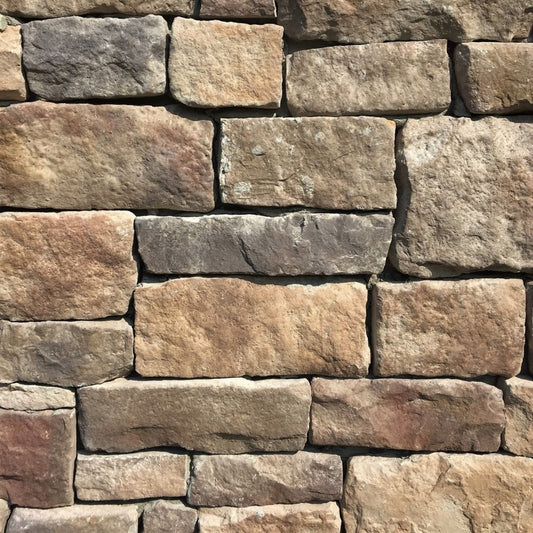
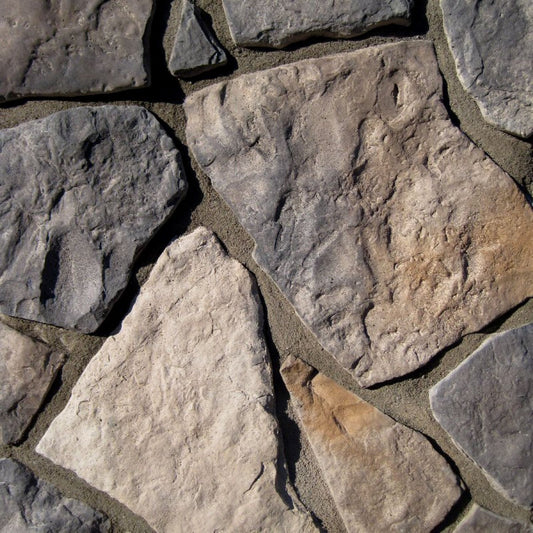
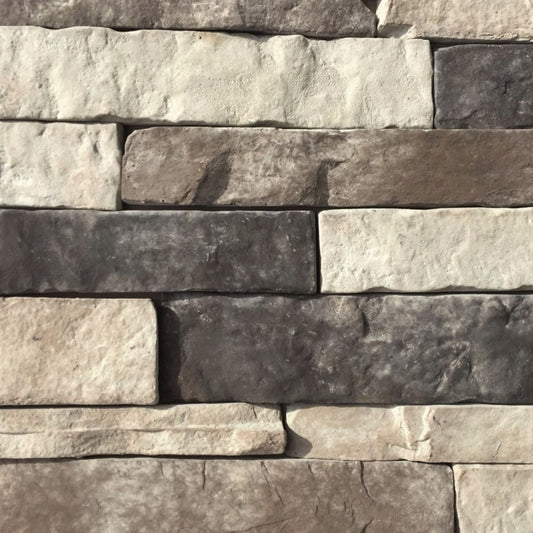
Pictured is hackett stone ozark.