
Does Interior Stone Veneer Need to Be Sealed? Here’s What You Should Know
Share
Originally posted December 15, 2024, updated April 20, 2026.
Interior manufactured stone veneer does not always require sealing, but applying a sealant protects against stains, moisture, and enhances durability while maintaining a polished look.
Manufactured stone veneer is a stylish way to bring texture, warmth, and natural beauty to your interior spaces. Its realistic stone appearance, lightweight installation, and affordability compared to natural stone make it ideal for fireplaces, accent walls, and kitchen backsplashes. If you’re planning an indoor project, understanding how to protect and maintain your stone is key. For a full overview of using stone inside your home, check out our complete guide: manufactured stone veneer for indoors.
One common question homeowners ask is whether interior stone veneer needs to be sealed. While sealing isn’t always mandatory, it can protect your stone from spills, moisture, and everyday wear, making maintenance easier and enhancing its long-term appearance. Knowing when and how to seal your stone ensures your indoor installation stays beautiful, durable, and vibrant for years to come.
Understanding manufactured stone veneer
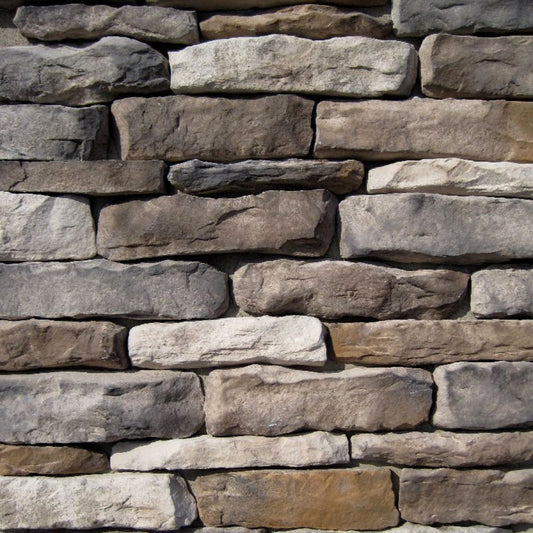
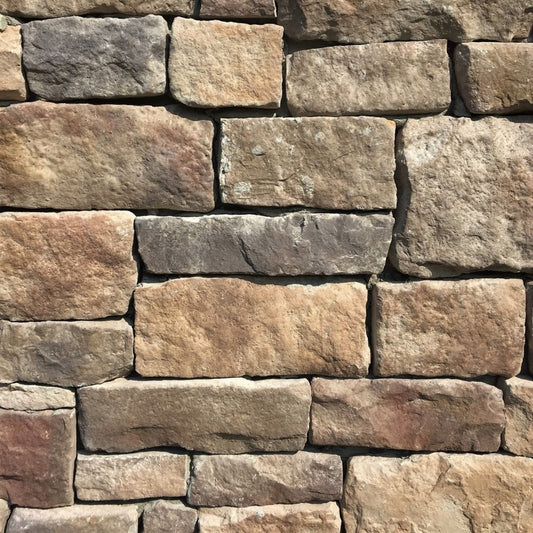
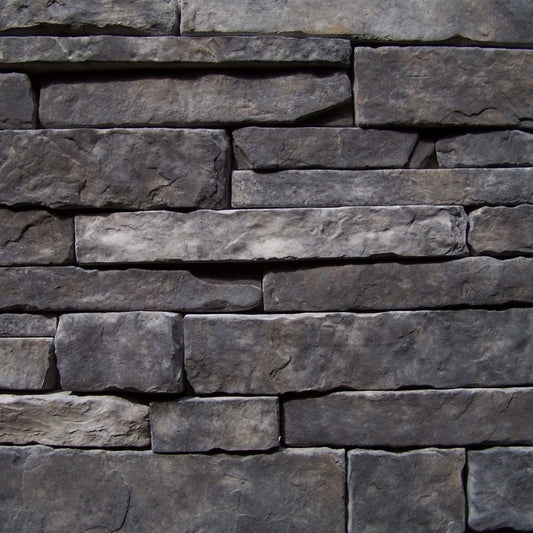
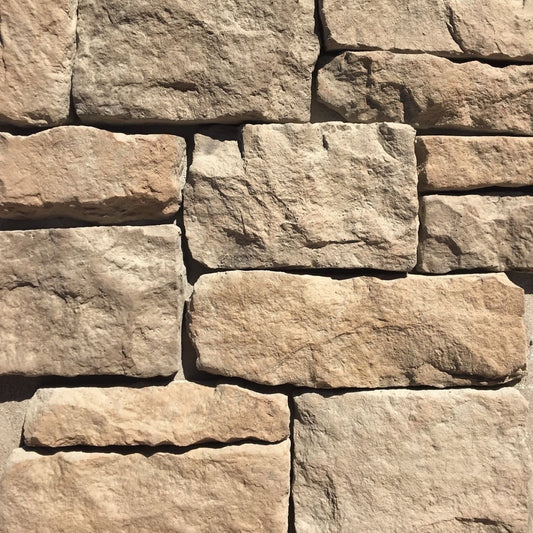
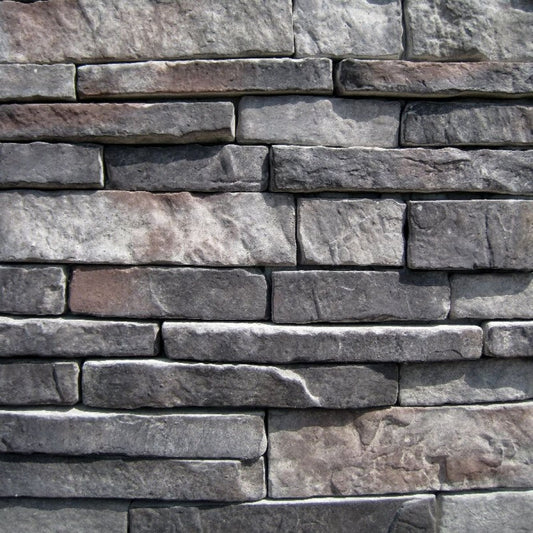
Manufactured stone veneer is a cement-based product crafted to replicate the look of natural stone. It is made from a combination of cement, aggregates, and iron oxide pigments, which are poured into molds designed to mimic the texture, shape, and color of real stone. Each piece is then cured to achieve a durable finish that is suitable for both interior and exterior applications.
While the material is sturdy and long-lasting, it remains porous, meaning it can absorb liquids, dirt, and other contaminants if left unprotected. This porosity is an important factor to consider when deciding whether to seal your interior stone veneer. While exterior stone often faces rain, snow, and environmental debris, interior installations encounter daily household spills, humidity, and cooking residues that can gradually affect the surface.
Why sealing interior stone veneer can be beneficial
Sealing interior manufactured stone veneer is not always mandatory, but it can provide multiple advantages that enhance both appearance and longevity. One of the most significant benefits of sealing is stain protection. Unsealed stone veneer is capable of absorbing spills from wine, coffee, sauces, oils, and other common household items. This is especially relevant in kitchens, dining areas, or near fireplaces where splashes or accidental drips are more likely. A quality sealant creates a barrier that prevents liquids from penetrating the stone, making cleanup easier and minimizing the risk of permanent stains.
Another reason homeowners choose to seal interior stone veneer is ease of maintenance. Sealed surfaces are simpler to wipe down and keep clean because dirt, dust, and grime cannot easily embed into the porous material. In contrast, unsealed veneer may require more effort to maintain a pristine appearance, as particles can settle into crevices and textured surfaces over time.
Durability is also enhanced by sealing. While manufactured stone veneer is inherently strong, a protective layer helps preserve the surface from everyday wear and tear. Over the years, the sealant can prevent subtle erosion, chipping, or discoloration that may occur with unprotected stone. For areas of the home that experience high use, sealing is an investment in longevity.
Moisture resistance is another important factor. Although interior spaces are generally dry compared to exterior walls, some areas, like bathrooms, laundry rooms, or kitchens, experience higher humidity or occasional splashes. Sealing interior stone veneer can provide an added layer of protection against moisture penetration, reducing the risk of mold growth or surface damage.
Finally, certain sealants can enhance the stone’s color and texture, giving it a richer, more vibrant appearance. A slight sheen from a topical sealant can make stones look polished and refined, while still maintaining their natural texture and depth.
Situations where sealing may not be necessary
Despite the benefits, there are scenarios where sealing interior manufactured stone veneer might not be required. For instance, in low-traffic areas such as hallways or decorative walls that are rarely touched, the likelihood of spills or dirt accumulation is minimal. In such cases, sealing may offer little practical advantage.
Aesthetic preferences also play a role. Some homeowners prefer the raw, matte look of unsealed stone, which emphasizes a more natural and rustic appearance. Sealants, especially topical ones, can subtly alter the finish, so if a matte or weathered look is desired, leaving the veneer unsealed may be preferable.
It’s also worth noting that high-quality manufactured stone veneer is designed to be durable on its own. When applied correctly and maintained with routine dusting or gentle cleaning, it can retain its beauty for many years even without a sealant.
Choosing the right sealant
If you decide to seal your interior manufactured stone veneer, selecting the right product is crucial for long-term results. There are several types of sealants available, each offering different levels of protection and aesthetic effect.
Penetrating sealants are absorbed into the stone, protecting it from within without changing its surface appearance. These are ideal for homeowners who want to maintain a natural, matte look while still benefiting from stain and moisture resistance.
Topical sealants form a protective layer over the surface of the stone. They may add a slight sheen, which enhances the stone’s color and texture. Topical sealants are generally easier to reapply, but they can require occasional maintenance to keep the protective coating intact.
Breathable sealants are specifically designed to allow moisture trapped inside the stone to escape while still preventing external moisture and stains. This feature is particularly important for areas that might experience fluctuating humidity, such as bathrooms or kitchens. Using a breathable sealant helps prevent issues like bubbling or peeling that can occur when moisture becomes trapped beneath a non-breathable surface coating.
How to properly seal interior manufactured stone veneer
Sealing manufactured stone veneer is a straightforward process, but following proper steps ensures optimal results. Begin by thoroughly cleaning the stone. Remove dust, dirt, and any stains using a soft brush, vacuum, or mild cleaning solution. The surface must be completely dry before applying the sealant to prevent trapped moisture from causing discoloration or uneven adhesion.
Next, apply the sealant evenly using a brush, roller, or sprayer. The choice of applicator may depend on the type of sealant and the texture of the stone. Work systematically across the entire surface, paying close attention to corners, edges, and textured areas. Always follow the manufacturer’s instructions for recommended thickness and application techniques.
After application, allow the sealant to dry completely. Drying times vary depending on the product but generally range from 24 to 48 hours. Avoid touching or exposing the surface to moisture during this time to ensure the sealant sets properly. Some sealants may require a second coat for maximum protection, which should be applied after the initial layer has fully cured.
Routine maintenance after sealing is simple. Wipe the stone with a damp cloth to remove dust and light dirt. For deeper cleaning, use a mild pH-neutral cleaner. Reapply the sealant as recommended, typically every few years, to maintain protection and enhance the stone’s appearance over time.
Balancing aesthetics and function
When considering whether to seal interior stone veneer, it’s important to balance aesthetic goals with practical protection. Sealing can dramatically reduce the risk of stains, simplify cleaning, and prolong the life of your stone, while leaving it unsealed can preserve a raw, natural look. Assess the location, level of traffic, potential exposure to moisture, and desired appearance to make an informed decision.
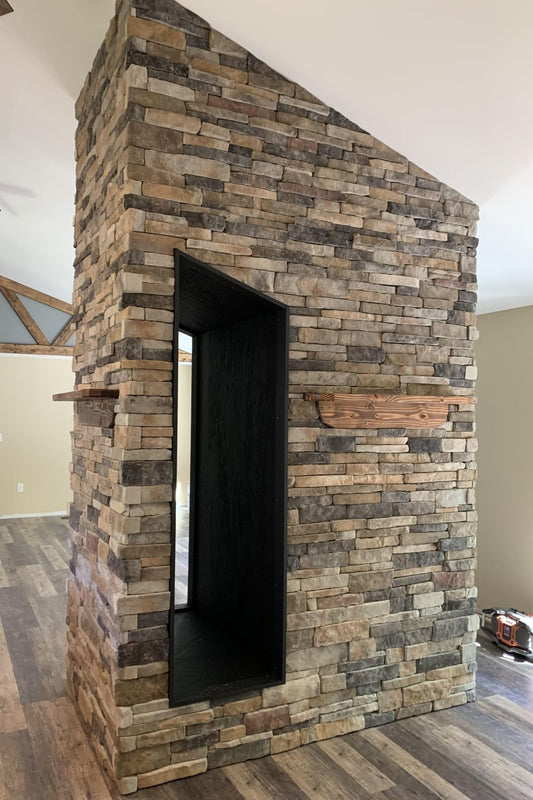
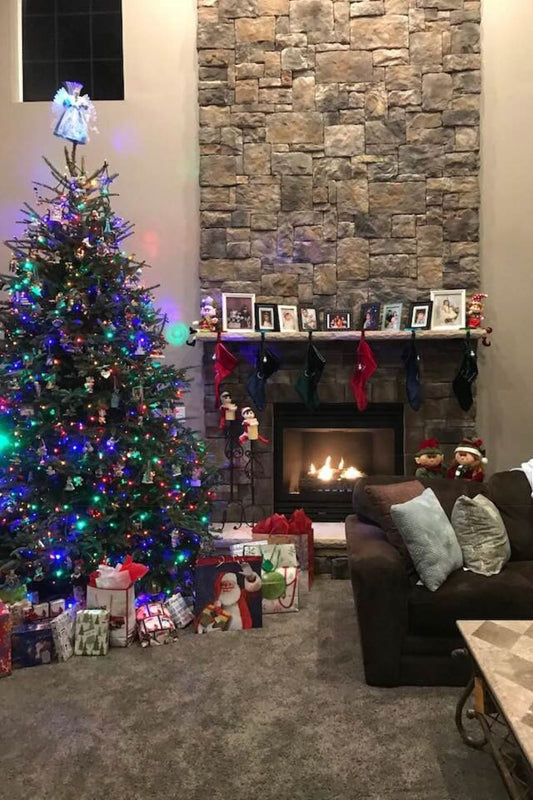
For example, a stone veneer fireplace in a living room may benefit from a sealant that enhances color and protects against occasional spills. In contrast, a decorative stone wall in a hallway might not require sealing at all.
Longevity and performance benefits
Proper sealing and maintenance can ensure that interior manufactured stone veneer maintains its beauty for years. By creating a protective barrier, sealants minimize the impact of everyday wear, environmental factors, and accidental spills. Even in less exposed interior settings, sealed stone veneer resists discoloration, moisture penetration, and surface degradation, extending the life and aesthetic appeal of your investment.
Furthermore, a sealed surface enhances resale value. Potential buyers often appreciate low-maintenance, durable finishes that look new for longer. Sealing interior stone veneer is a relatively simple step that can pay off over the life of the installation, both in performance and visual appeal.
Stone veneer maintenance
While sealing interior manufactured stone veneer provides important protection against stains, moisture, and wear, it is only one part of a comprehensive maintenance routine. Regular cleaning is essential to keep your stone looking vibrant and natural. Dusting textured surfaces, gently wiping away spills, and cleaning when needed help prevent dirt buildup and preserve the stone’s appearance. Combining proper sealing with routine care ensures that your manufactured stone veneer stays beautiful, durable, and low-maintenance for years, whether it’s installed on a fireplace, accent wall, or kitchen backsplash.
For detailed tips on keeping your stone looking its best, see our complete stone veneer care and maintenance guide.
Does interior stone veneer need to be sealed?
Interior manufactured stone veneer offers a beautiful, versatile, and lightweight alternative to natural stone, ideal for a variety of home design applications. While sealing is not always mandatory, it provides significant benefits including stain resistance, easier maintenance, enhanced durability, and improved appearance. By understanding your space, usage, and aesthetic preferences, you can decide whether sealing is the right choice. Proper application and periodic maintenance ensure your stone veneer stays vibrant and functional for years to come.
From Mountain View Stone: what you should know
At Mountain View Stone, we often get questions about sealing interior manufactured stone veneer. While your stone can look beautiful unsealed, applying the right sealant can protect against stains, moisture, and everyday wear, helping your installation stay vibrant for years. Choosing the proper product and following recommended application methods ensures your stone maintains its natural texture and color while providing long-lasting performance. Whether you’re installing a fireplace, accent wall, or kitchen backsplash, a little care goes a long way in preserving the beauty of your stone.
Frequently asked questions
1. Is sealing interior stone veneer mandatory? No, sealing is not required, but it provides additional protection against stains, moisture, and wear, enhancing the stone’s longevity and appearance.
2. How often should interior stone veneer be sealed? Depending on the sealant type and area usage, resealing every 2-5 years is recommended to maintain protection and appearance.
3. Can I use any sealant on manufactured stone veneer? It’s best to use a sealant specifically designed for stone veneer, ideally one that is breathable, suitable for interior use, and compatible with cement-based materials.
4. Will sealing change the appearance of my stone? Penetrating sealants usually maintain the natural matte look, while topical sealants can add a subtle sheen and deepen color, enhancing the stone’s texture.
5. How do I clean sealed stone veneer? Wipe with a soft cloth or sponge and a pH-neutral cleaner. Avoid harsh chemicals or high-pressure washing that can damage the sealant.
6. Can sealed veneer still breathe? Yes, breathable sealants allow moisture to escape from the stone while protecting against external water, preventing potential damage like bubbling or peeling.
What's next?
Upgrade your space with our beautiful stone veneer! Shop now to find your perfect style or order a sample today to see the quality firsthand!
Have a question?
Please see our full terms of service or check out our frequently asked questions.
For general information and questions please call: (864) 882-8960 Mon. - Fri. 8am - 5pm (EST) or email: info@mountainviewstone.net we are more than happy to help you.
Or you can submit your questions via our contact us page.
We look forward to working with you on your upcoming project.
The Mountain View Stone Team
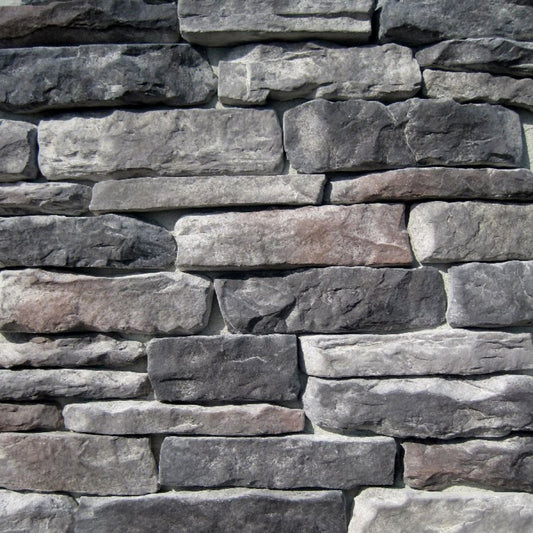
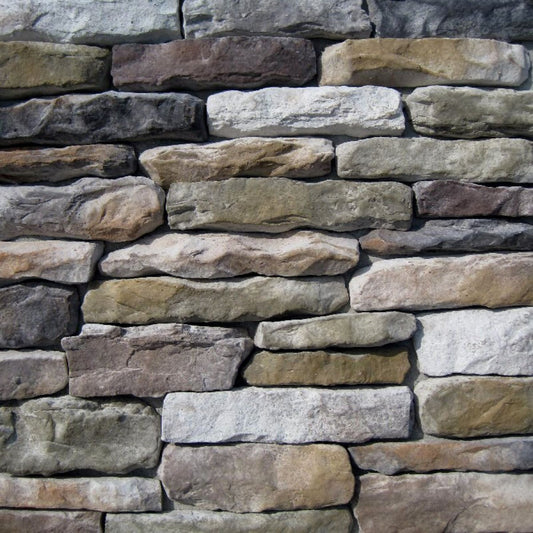
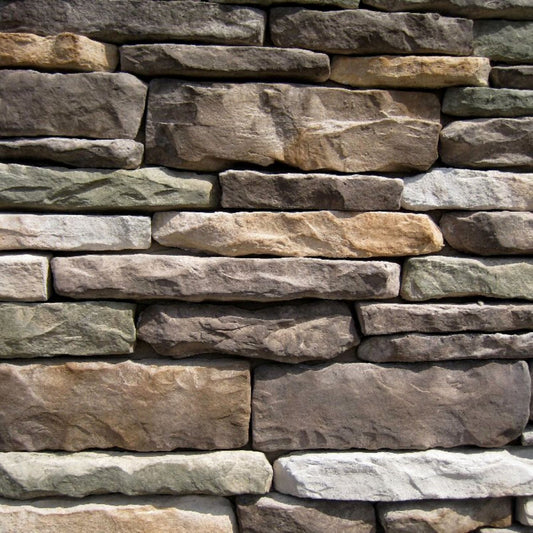
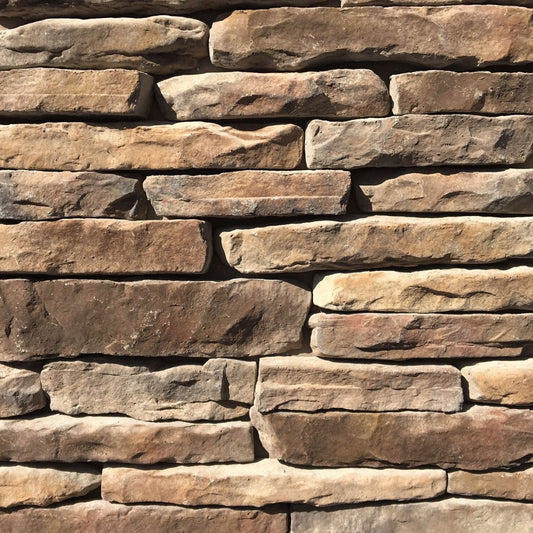
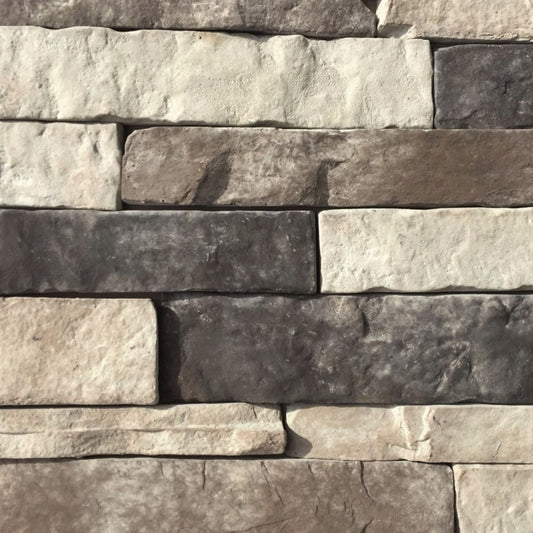
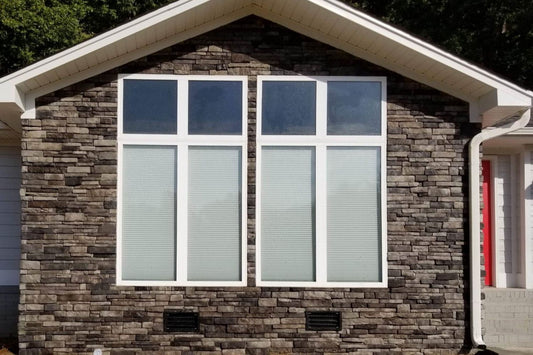
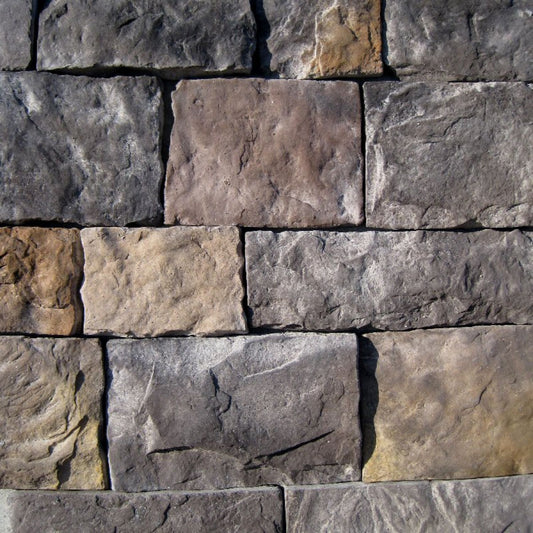
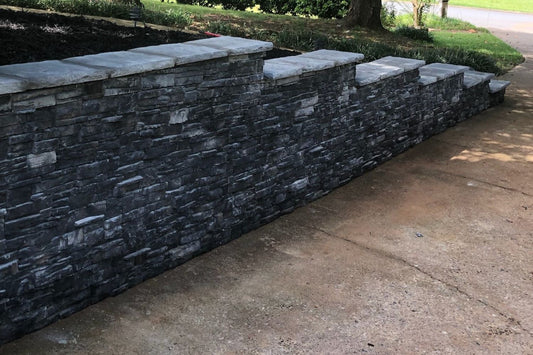
Pictured is lime stone white oak.