
How to Specify Manufactured Stone Veneer for Commercial Projects
Share
Specifying manufactured stone veneer for commercial projects requires selecting the appropriate profile, color, thickness, accessories, substrate preparation, installation methods, mortar, moisture management, and applicable building code requirements. A complete specification also includes manufacturer-approved installation practices, warranty information, and project-specific performance requirements to ensure long-term durability and a professional finished appearance.
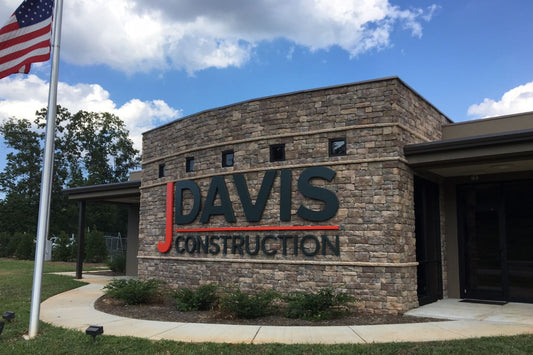
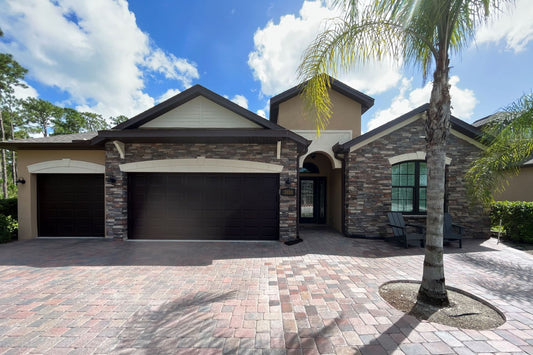
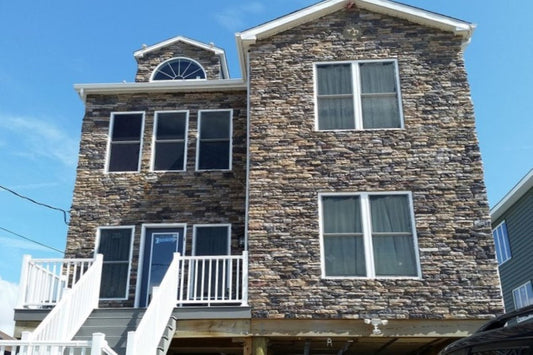
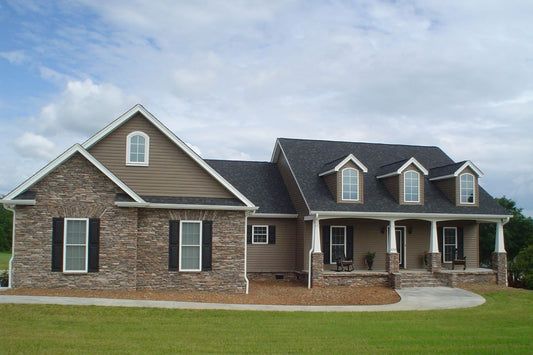
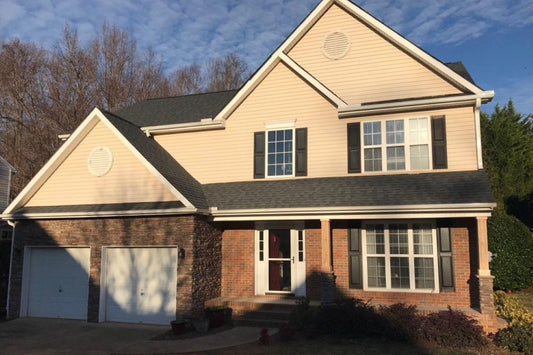
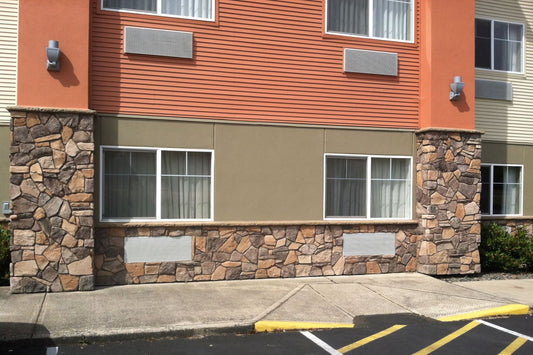
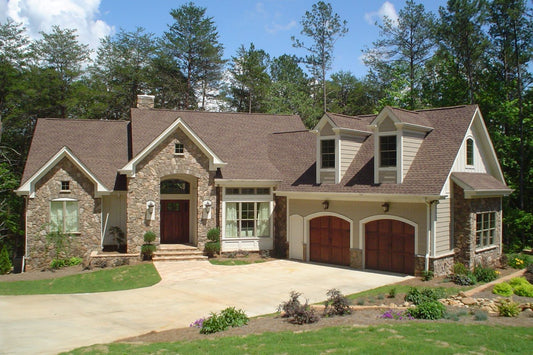
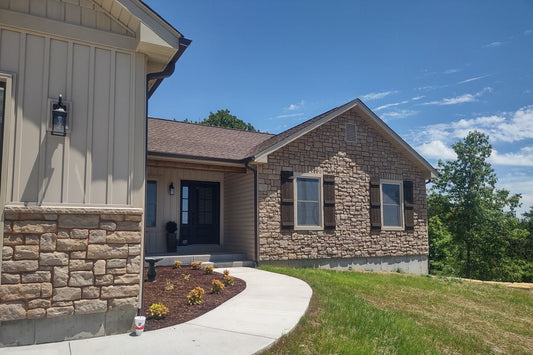
Manufactured stone veneer has become one of the most popular exterior and interior cladding materials for commercial construction. From retail centers and restaurants to office buildings, hotels, churches, schools, and multifamily developments, architects and designers regularly specify manufactured stone veneer because it delivers the appearance of natural stone while reducing weight, simplifying installation, and lowering overall project costs. Learn more in our complete guide stone veneer for commercial applications.
A well-written specification does far more than identify a color or stone profile. It establishes performance expectations, installation standards, material requirements, and quality control measures that help contractors deliver a durable, attractive finished product. Clear specifications also minimize change orders, reduce confusion during bidding, and help ensure consistency across large commercial developments.
Whether you're preparing construction documents for a new commercial building or renovating an existing property, understanding how to properly specify manufactured stone veneer helps ensure your project meets both aesthetic and performance goals.
Why proper specifications matter
Commercial construction projects involve numerous stakeholders, including architects, engineers, general contractors, installers, inspectors, owners, and manufacturers. Each relies on the project specifications to understand exactly what materials are required and how they should be installed.
Unlike residential projects, commercial buildings often have stricter code requirements, larger installation areas, multiple elevations, and higher expectations for long-term performance. Small omissions in a specification can result in installation delays, substitution requests, warranty issues, or costly repairs later.
A complete manufactured stone veneer specification serves as the roadmap for the entire installation process. It identifies acceptable materials, establishes quality standards, references applicable building codes, and provides installation requirements that align with the manufacturer's recommendations.
When specifications are detailed and accurate, contractors can confidently price the work, installers know exactly what is expected, and owners receive a finished project that performs as intended for many years.
Begin with the correct product selection
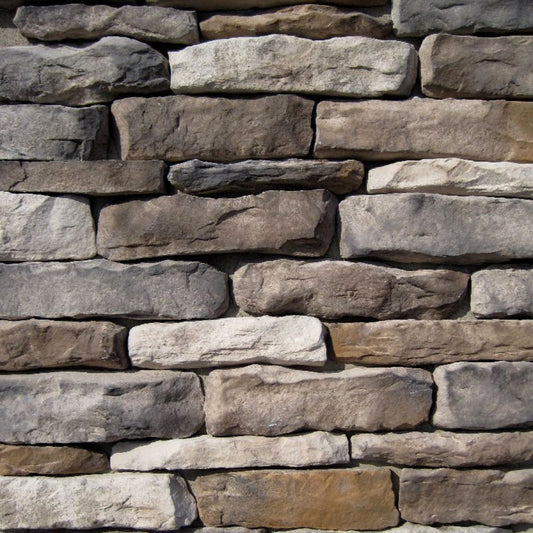
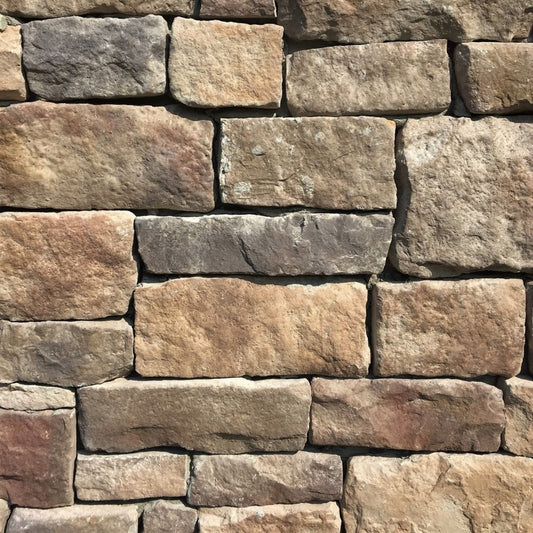
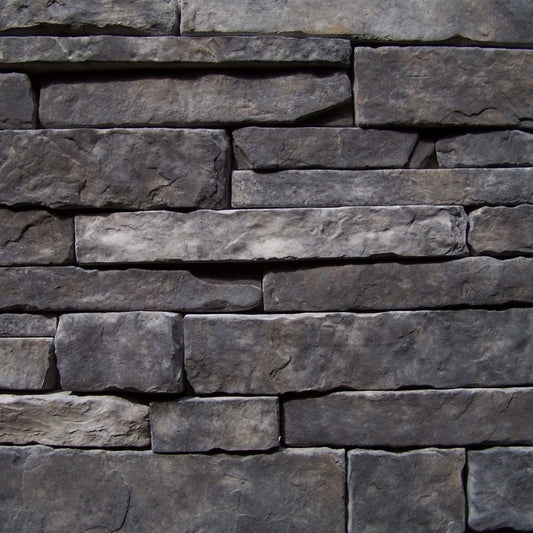
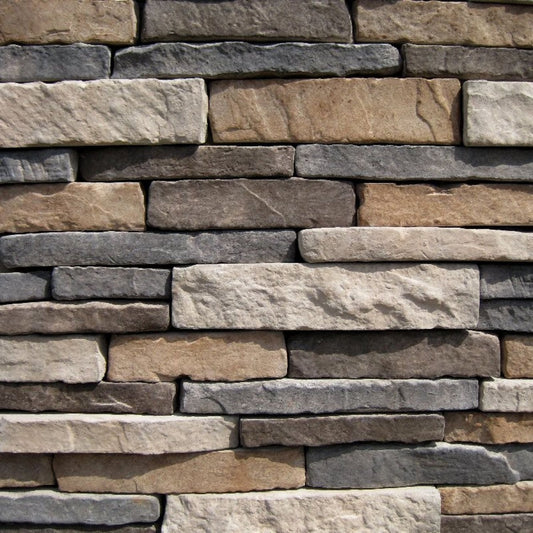
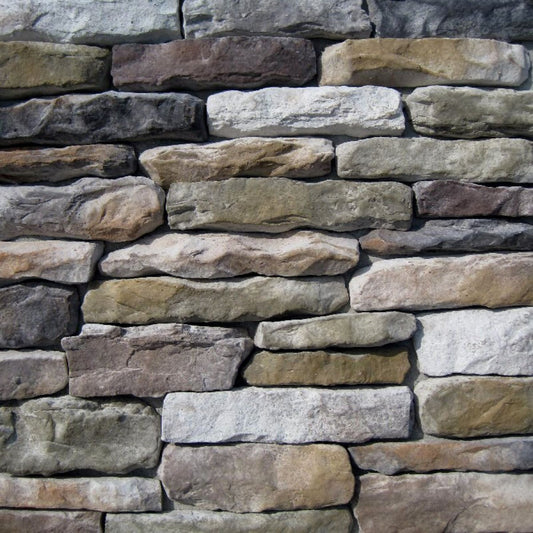
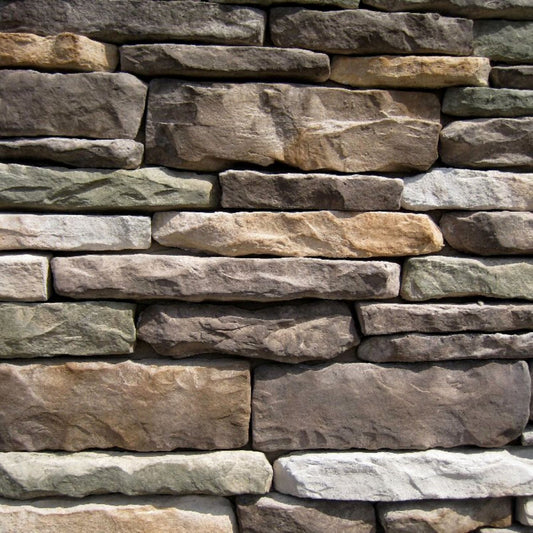
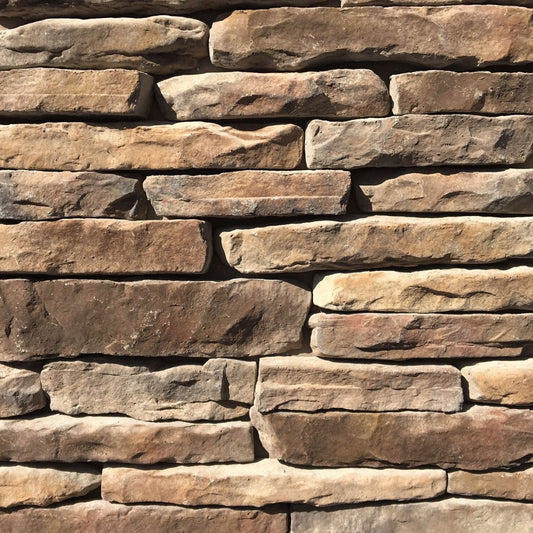
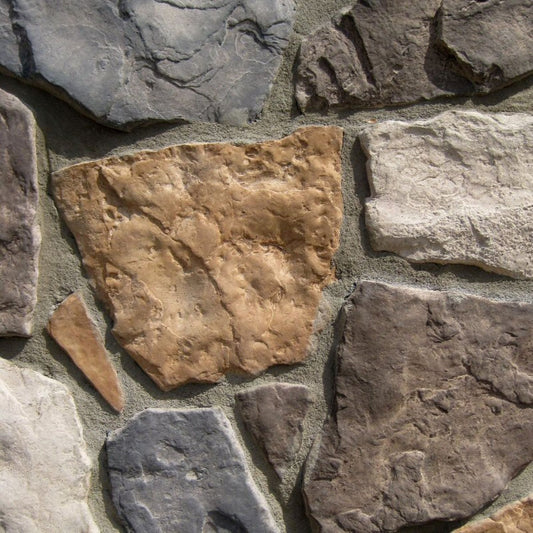
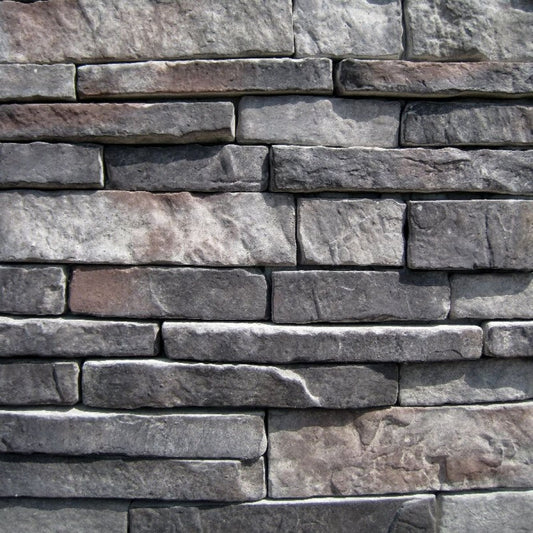
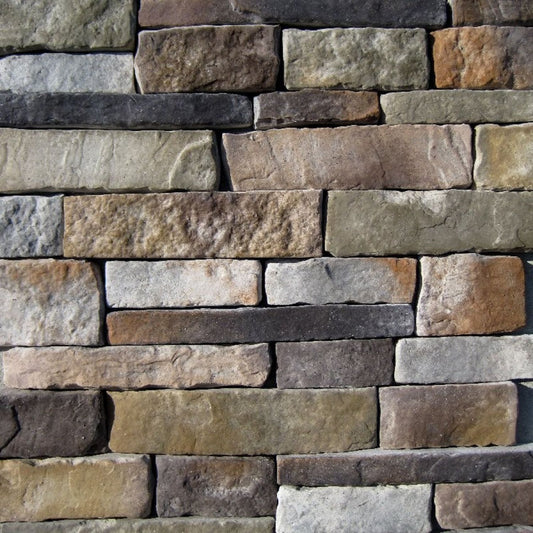
Every specification should begin by identifying the manufactured stone veneer product itself. Rather than simply stating "stone veneer," the specification should identify the manufacturer, product collection or profile, selected color, and any required accessories such as corners, capstones, hearthstones, or trim pieces.
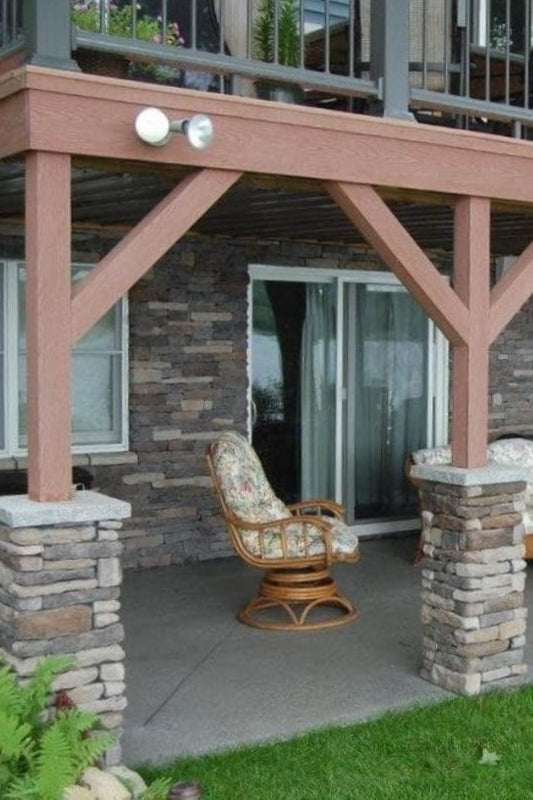
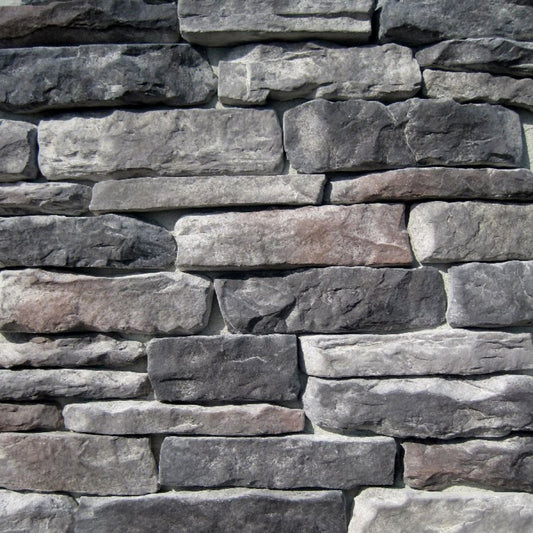
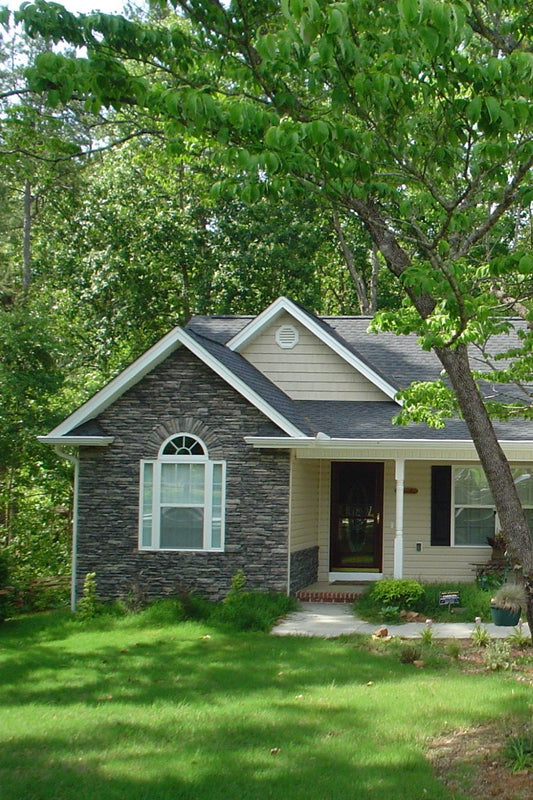
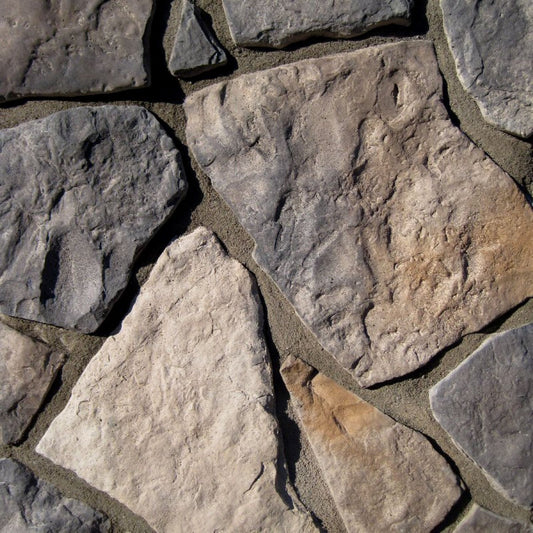
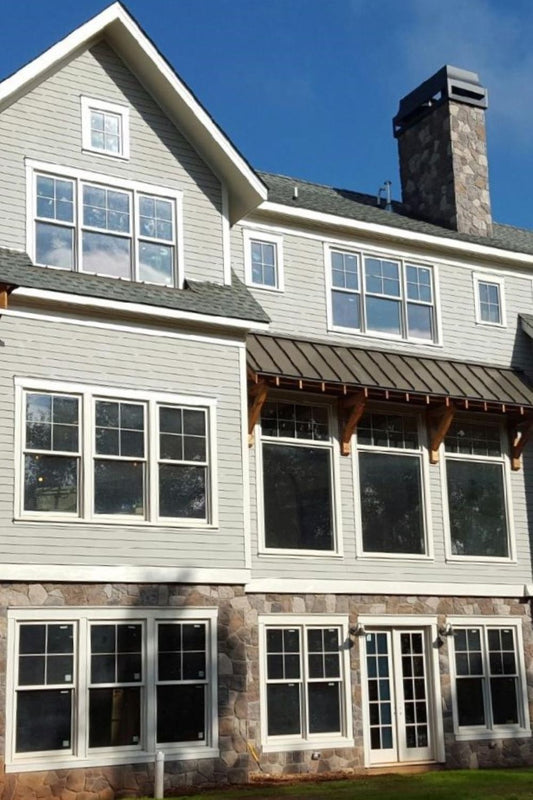
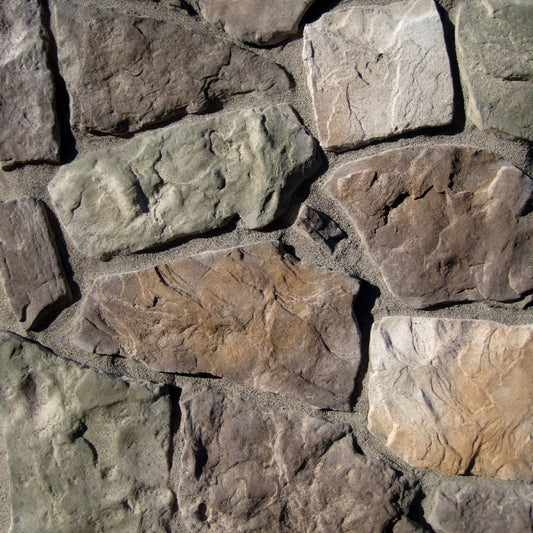
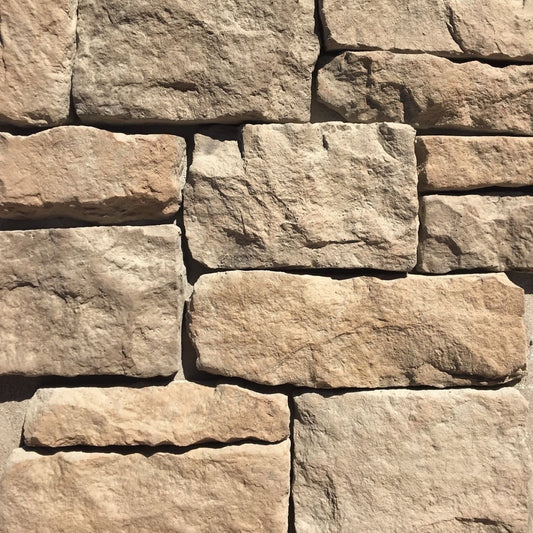
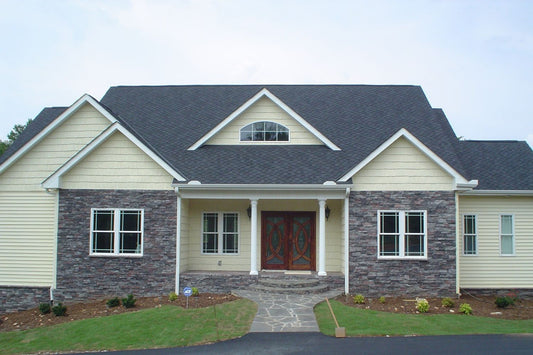
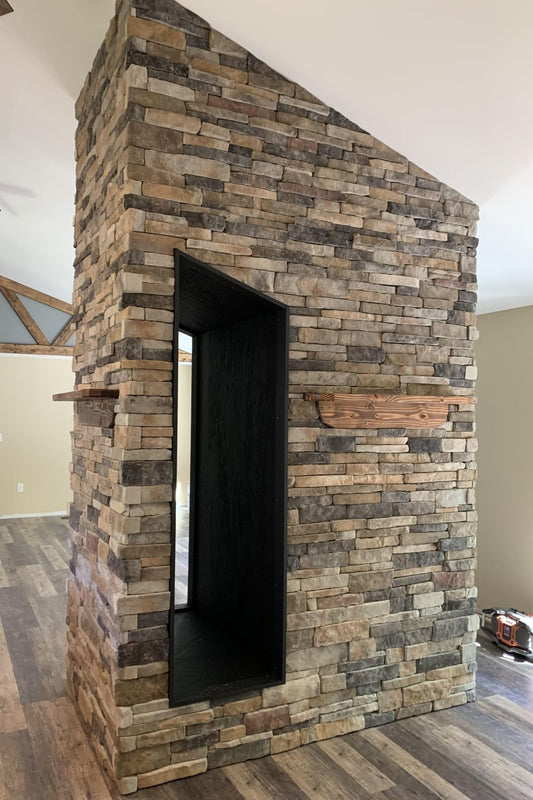
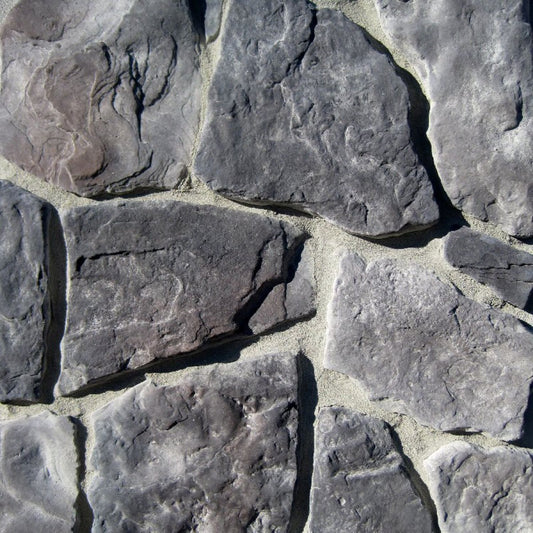
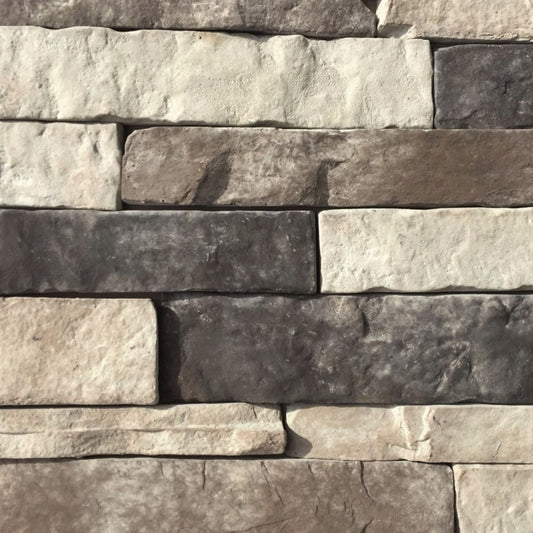
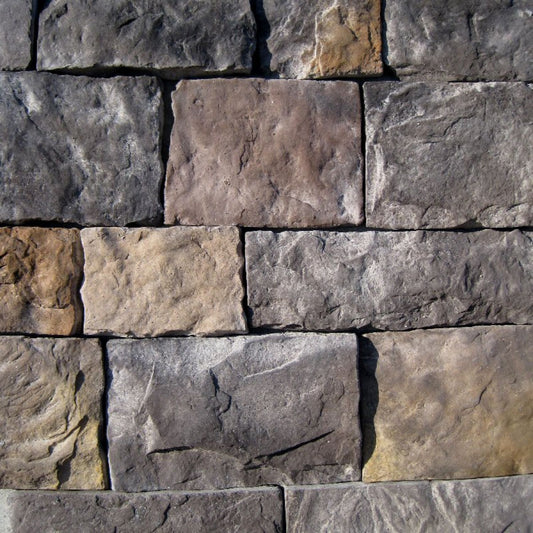
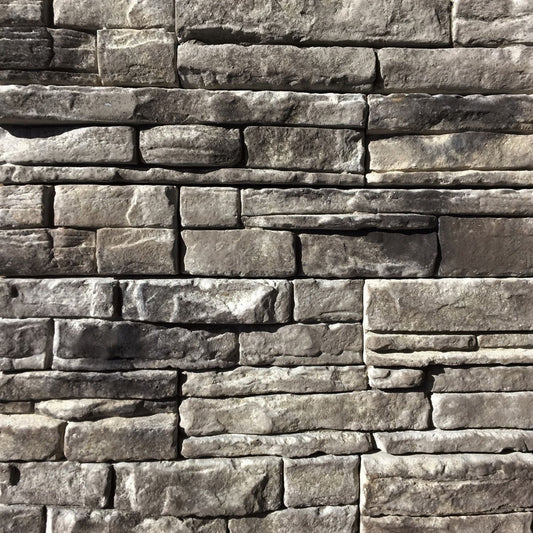
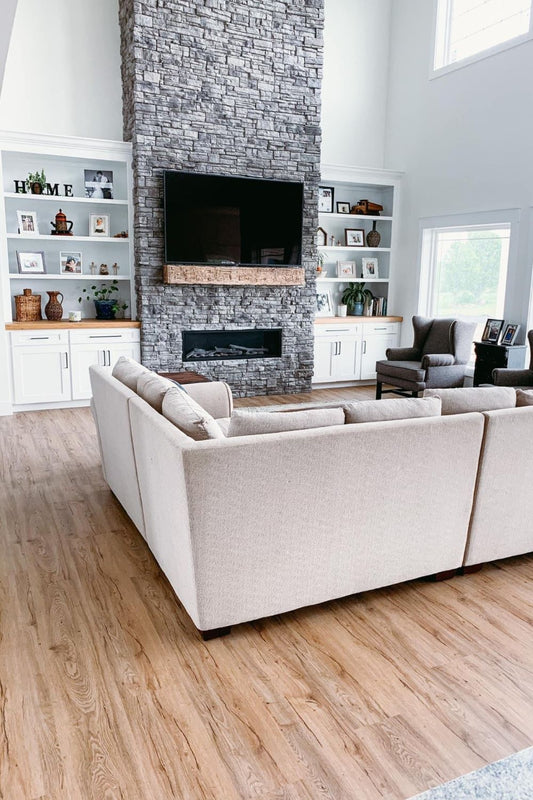
Commercial projects often combine multiple stone profiles to create architectural interest while maintaining a cohesive appearance throughout the development. Entry features may use larger-format fieldstone, while accent walls incorporate stacked stone or ledgestone. Columns, retaining walls, and monument signage may require matching accessories to maintain design consistency.
Identifying these details early eliminates uncertainty during bidding and procurement.
Define the intended application
Not every stone veneer installation is identical. Commercial specifications should clearly identify where the manufactured stone veneer will be installed throughout the project.
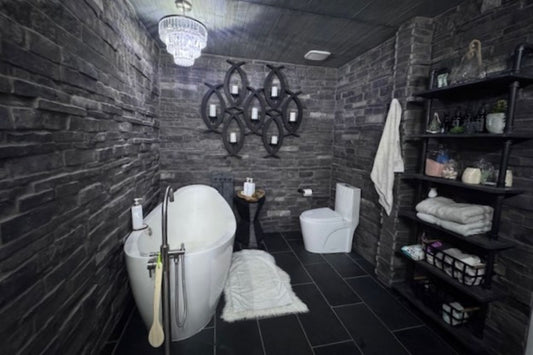
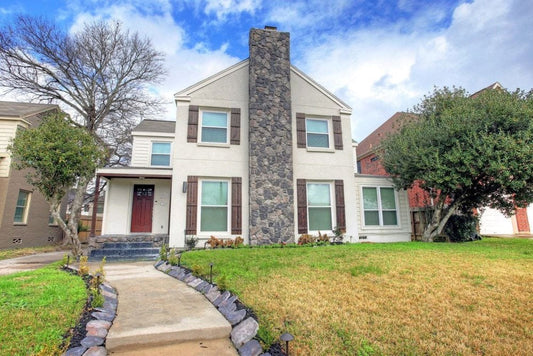
Exterior applications typically require comprehensive moisture management systems, while interior feature walls may have different substrate requirements. Restaurant fireplaces, hotel lobbies, office reception areas, healthcare facilities, schools, and retail storefronts each present unique installation conditions that should be addressed within the project documents.
The specification should distinguish between above-grade exterior walls, interior walls, architectural accents, freestanding columns, landscape features, and decorative elements so installers understand the specific requirements for each location.
Address substrate preparation
Proper substrate preparation is one of the most important factors affecting the long-term performance of manufactured stone veneer.
Commercial specifications should clearly identify acceptable substrates and the required preparation methods before veneer installation begins.
Concrete masonry units, poured concrete, properly prepared masonry, cementitious surfaces, and framed wall assemblies each require different preparation techniques. For framed wall construction, specifications should include appropriate weather-resistant barriers, metal lath where required, and scratch coats before veneer installation.
Proper substrate preparation ensures the mortar develops adequate bond strength while supporting the veneer system over the life of the building.
Include moisture management requirements
Water management is essential for every exterior cladding system. Manufactured stone veneer itself is highly durable, but successful installations depend on properly designed drainage and moisture control systems behind the veneer.
Commercial specifications should describe weather-resistant barriers, flashing, drainage details, weep systems where applicable, and integration with adjacent building envelope components. Particular attention should be given to windows, doors, roof intersections, expansion joints, penetrations, and transitions to other cladding materials.
Proper moisture management protects the building structure while extending the life of both the veneer and supporting wall assembly.
Specify installation materials
A complete specification should identify all installation materials required to complete the project.
Mortar selection is particularly important. Type S mortar is commonly specified for manufactured stone veneer installations because it provides the strength and workability necessary for long-term performance.
Specifications should also identify grout requirements when applicable, along with approved joint finishes, cleaning methods, and curing recommendations.
Using manufacturer-approved installation materials helps maintain consistent performance while supporting warranty eligibility.
Include installation requirements
Commercial construction documents should reference manufacturer installation instructions rather than relying solely on general masonry practices.
Installation requirements typically include proper mortar coverage, stone placement techniques, joint treatment, cutting procedures, layout considerations, and cleaning practices.
Specifications should also address installation sequencing so other building envelope components are completed before veneer installation begins.
For larger commercial projects, mock-up installations are often required before production work begins. These mock-ups establish expectations for workmanship, color blending, joint appearance, and overall aesthetic quality.
Once approved, the mock-up becomes the quality standard for the remainder of the project.
Consider structural and design coordination
Manufactured stone veneer is significantly lighter than full-bed natural stone, making it an attractive option for many commercial applications. Even with its reduced weight, designers should coordinate the veneer system with the structural engineer to ensure the supporting wall assembly is appropriate for the intended installation.
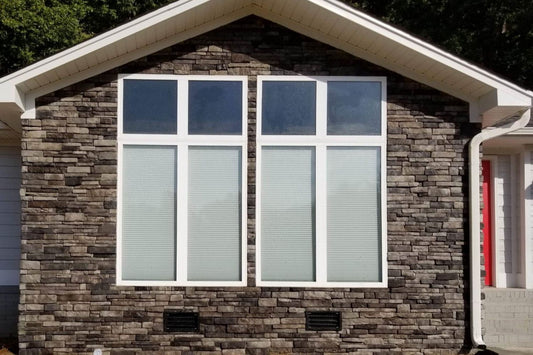
Specifications should also coordinate transitions between manufactured stone veneer and other exterior materials such as fiber cement, stucco, brick, wood, metal panels, or architectural concrete.
Proper detailing at these transitions helps maintain weather resistance while creating clean architectural lines.
Specify color and blend expectations
Color consistency is especially important on large commercial buildings. Because manufactured stone veneer is produced using multiple molds and natural-looking color variations, specifications should identify how materials will be blended during installation.
Rather than installing stones from a single box at a time, installers should blend material from multiple boxes or pallets throughout the installation. This produces a balanced appearance across large wall areas while avoiding concentrated areas of similar colors or textures.
Architects may also require review samples before production begins to confirm the selected color palette matches the approved design intent.
Address expansion and movement
All commercial buildings experience movement resulting from thermal expansion, structural loading, moisture changes, and settlement.
Specifications should coordinate manufactured stone veneer installation with expansion joints and movement joints incorporated into the building design. These joints should remain functional and should not be bridged by veneer or mortar.
Proper movement accommodation reduces the likelihood of cracking while maintaining the long-term appearance of the finished facade.
Quality assurance during construction
Quality assurance should be incorporated throughout the installation process.
Commercial specifications frequently require qualified installers with experience installing manufactured stone veneer systems on projects of similar size and complexity.
Periodic inspections during installation help verify substrate preparation, moisture management components, mortar consistency, stone placement, joint finishing, and overall workmanship.
Addressing issues early prevents expensive corrections after substantial portions of the facade have already been completed.
Maintenance and long-term performance
Manufactured stone veneer requires relatively little maintenance when properly installed.
Commercial specifications may include recommendations for periodic inspection, cleaning procedures, and repair methods if accidental damage occurs. Routine maintenance generally involves inspecting sealant joints, checking flashing components, and cleaning the veneer using manufacturer-approved methods. Avoiding harsh chemicals and high-pressure washing helps preserve the appearance of the veneer while maintaining its long-term durability.
When maintained appropriately, manufactured stone veneer continues to provide an attractive architectural finish for decades.
Warranty considerations
Commercial projects often include extensive warranty documentation.
Specifications should reference the manufacturer's warranty along with any installation requirements necessary to maintain warranty coverage.
Using approved installation methods, specified mortar, proper substrate preparation, and qualified installers helps ensure the finished project remains eligible under the manufacturer's warranty.
Architects should also retain product documentation, installation instructions, and approved shop drawings as part of the project closeout package.
How to specify manufactured stone veneer for commercial projects
Specifying manufactured stone veneer for commercial projects involves much more than selecting an attractive stone profile. A complete specification establishes the technical requirements that guide everyone involved in the project, from architects and engineers to contractors and inspectors.
By addressing product selection, substrate preparation, moisture management, installation materials, movement joints, quality assurance, and long-term maintenance, architects can help ensure the finished veneer performs as intended while delivering the timeless appearance of natural stone.
As commercial buildings continue to prioritize aesthetics, durability, and construction efficiency, manufactured stone veneer remains an excellent choice for projects seeking the beauty of masonry without the weight and installation challenges of full-bed natural stone.
From Mountain View Stone: what you should know
Every successful commercial manufactured stone veneer project begins with a clear, complete specification. While selecting the right stone profile and color is important, equal attention should be given to substrate preparation, moisture management, installation methods, and manufacturer-approved materials. At Mountain View Stone, all manufactured stone veneer is made in the USA using high-quality Portland cement, lightweight aggregates, and durable iron oxide pigments. Matching corners and accessories help create a cohesive architectural appearance across commercial facades, entryways, columns, fireplaces, and feature walls. Following manufacturer installation guidelines and specifying the complete veneer system helps ensure a durable, professional installation that performs beautifully for years to come.
Frequently asked questions
1. What should be included in a manufactured stone veneer specification? A complete specification should identify the manufacturer, product profile, color, accessories, approved substrates, moisture management requirements, installation materials, mortar type, installation procedures, warranty requirements, and applicable building codes.
2. Is manufactured stone veneer a good choice for commercial buildings? Yes. Manufactured stone veneer is widely used on retail buildings, offices, hotels, restaurants, schools, churches, healthcare facilities, and multifamily developments because it provides the appearance of natural stone with reduced weight and easier installation.
3. Why is moisture management important behind stone veneer? Exterior stone veneer systems rely on properly designed weather-resistant barriers, flashing, and drainage details to direct water away from the building structure. These components protect the wall assembly and contribute to the long-term durability of the installation.
4. What mortar should be specified for manufactured stone veneer? Type S mortar is commonly specified for manufactured stone veneer installations because it provides the strength, bond, and durability required for long-term performance when installed according to manufacturer recommendations.
5. Does manufactured stone veneer need movement joints? Yes. Manufactured stone veneer installations should coordinate with the building's expansion and movement joints. These joints allow normal building movement and help reduce the potential for cracking or damage over time.
Are you a pro?
At Mountain View Stone, we work closely with architects, designers, contractors, and builders who need more than just a material supplier, they need a reliable partner who understands commercial demands. From specification support to custom color development and project coordination, our focus is on helping professionals bring complex facade designs to life with confidence. Whether you’re working on a large-scale commercial development or a detailed architectural feature, we’re here to support your vision with consistent, made-to-order stone veneer solutions built for real-world performance.
We also have a dedicated team for trade and commercial professionals, so feel free to reach out directly at pros@mountainviewstone.net for project support, inquiries, or additional information about our verified pro program.
What's next?
Bring your vision to life with premium manufactured stone veneer designed to elevate any project. Shop now or order a sample to experience the authentic texture, color, and craftsmanship firsthand, then move forward with confidence.
Have a question?
Please see our full terms of service or check out our frequently asked questions.
For general information and questions please call: (864) 882-8960 Mon. - Fri. 8am - 5pm (EST) or email: info@mountainviewstone.net we are more than happy to help you.
Or you can submit your questions via our contact us page.
We look forward to working with you on your upcoming project.
The Mountain View Stone Team
Pictured is an AI image of a professional designer selecting stone veneer.