
Is Manufactured Stone Cheaper Than Real Stone? Comparing Costs, Installation, and Value
Share
Originally posted February 13, 2024, updated January 28, 2026.
Manufactured stone is typically cheaper than natural stone due to lower material, installation, and maintenance costs. While natural stone offers unmatched authenticity, manufactured stone veneer provides a cost-effective alternative with similar aesthetics and easier installation, making it the more budget-friendly choice for most homeowners.
When planning a home improvement or landscaping project, few materials deliver the same timeless impact as stone, and many homeowners begin by comparing manufactured stone veneer to understand how it stacks up against natural options. From exterior facades and fireplaces to garden walls and pathways, stone adds depth, texture, and lasting character to virtually any space. However, one of the most common questions that follows is whether manufactured stone is truly cheaper than natural stone.
The answer goes beyond simple material pricing. Installation complexity, labor costs, maintenance requirements, and long-term performance all influence the true cost of your investment. By taking a comprehensive approach to both upfront and long-term expenses, you can make a more informed decision that balances budget, aesthetics, and durability for your specific project.
What does "cheaper" really mean?
Before comparing manufactured stone and natural stone, it is important to define what "cheaper" actually means in the context of construction and design. While many people focus on upfront material costs, a more accurate approach considers the total cost of ownership over time.
This broader perspective includes not only the purchase price but also installation expenses, ongoing maintenance, durability, and potential repair costs. A material that appears less expensive initially may end up costing more over the life of the project if it requires frequent upkeep or complex installation. Conversely, a slightly higher upfront investment can sometimes deliver better long-term value if it reduces maintenance and labor costs.
When evaluating whether manufactured stone is cheaper than natural stone, it is this comprehensive view of cost that provides the most meaningful answer.
The enduring appeal of natural stone
Natural stone has been used in construction for centuries, and its enduring popularity is a testament to its beauty and strength. Formed over millions of years, each piece of natural stone is unique, with variations in color, texture, and pattern that cannot be replicated exactly.
This authenticity is one of its greatest advantages. Materials such as limestone, granite, slate, and marble offer a level of richness and character that many homeowners find irresistible. Natural stone is often associated with luxury, craftsmanship, and architectural heritage, making it a preferred choice for high-end projects.
However, this beauty comes at a cost. Natural stone must be quarried, cut, and transported, which contributes to higher material prices. Its weight and irregular shapes also make installation more labor-intensive, often requiring skilled masons and specialized tools. These factors can significantly increase both the upfront investment and the overall project timeline.
The cost-effective versatility of manufactured stone
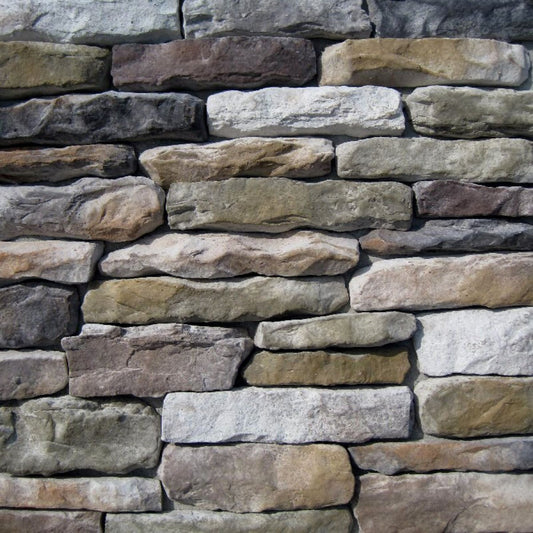
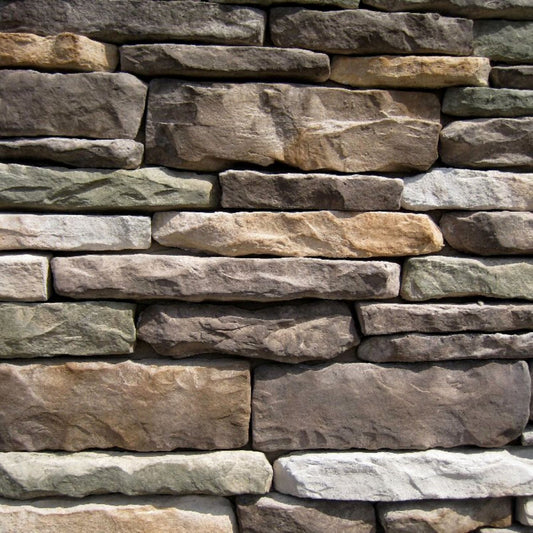
Manufactured stone, also known as stone veneer or cultured stone, is designed to replicate the appearance of natural stone while offering greater consistency and affordability. Made from a blend of cement, aggregates, and pigments, it is molded and colored to mimic a wide range of natural stone styles.
One of the biggest advantages of manufactured stone is its ability to deliver the look of real stone at a fraction of the cost. Because it is produced in controlled environments, manufacturers can create consistent shapes and sizes, reducing waste and simplifying installation.
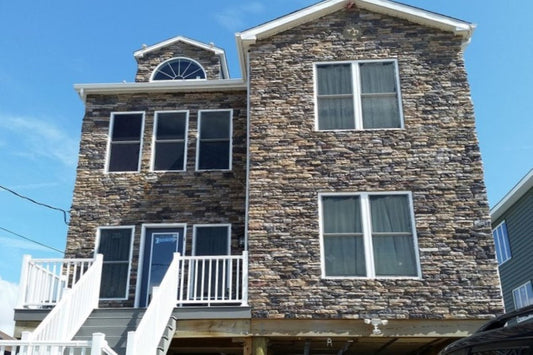
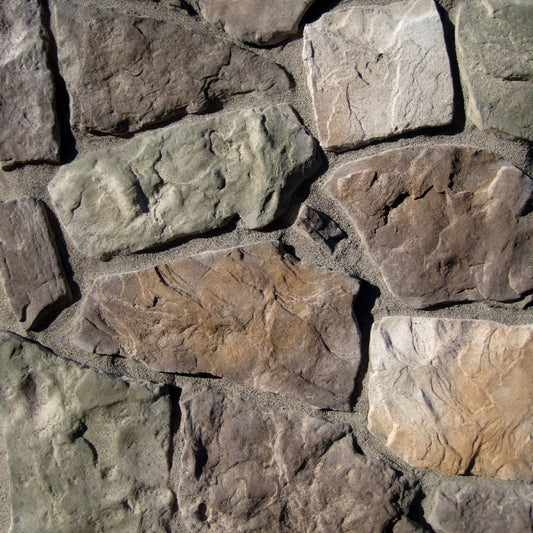
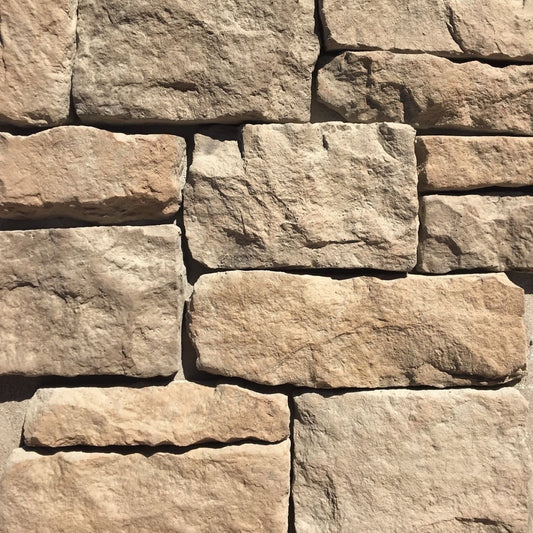
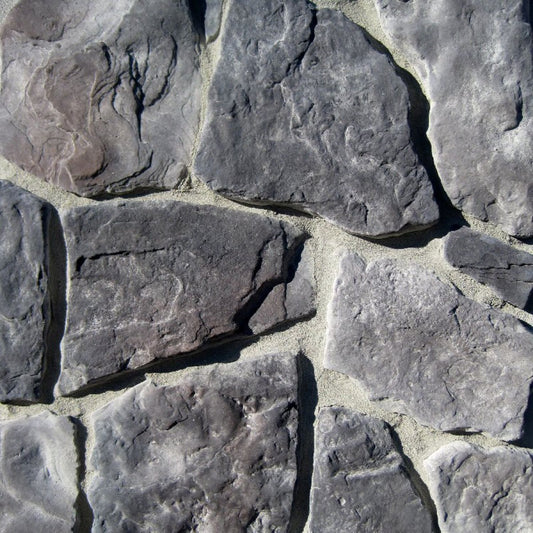
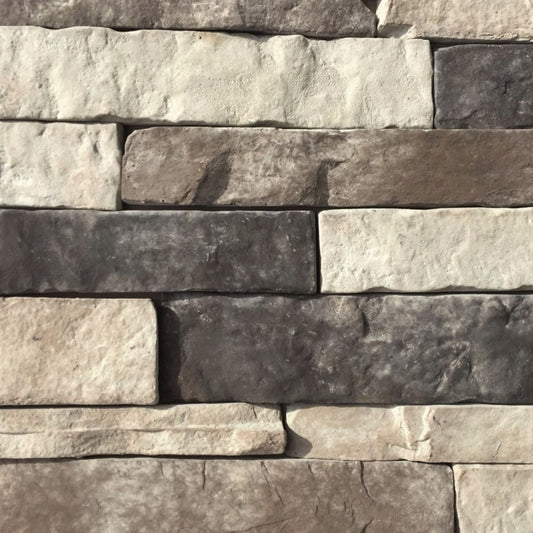
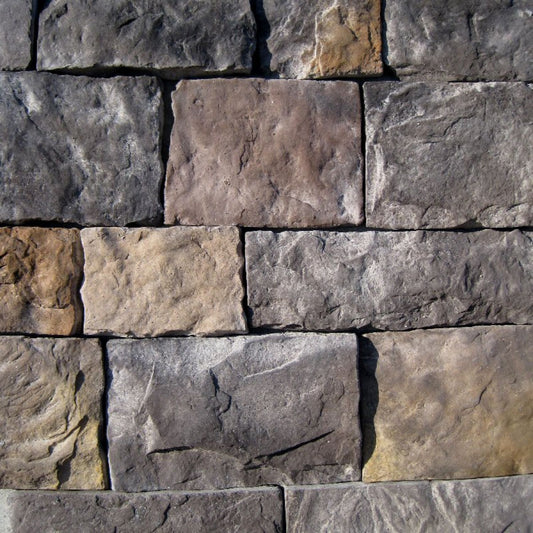
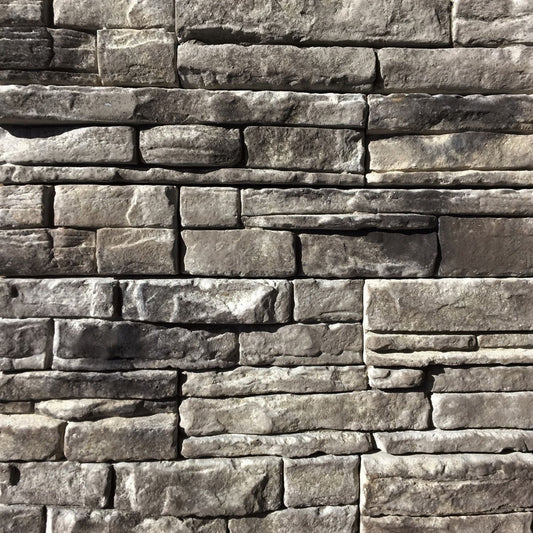
This versatility allows homeowners to achieve a wide variety of design aesthetics, from rustic fieldstone to modern ledgestone, without the premium price tag associated with quarried materials. In many cases, the visual difference between high-quality manufactured stone and natural stone is minimal, especially once installed.
For a deeper look at styles, pricing considerations, and how to choose the right option for your project, explore our manufactured stone veneer buying guide.
Installation costs: where the real savings add up
While material costs are important, installation is often where the most significant price differences emerge between manufactured stone and natural stone. Natural stone is heavy and can vary greatly in thickness and shape, which makes it more challenging to work with. Each piece must often be individually cut and fitted, requiring time, precision, and skilled labor.
In addition, the weight of natural stone may require structural reinforcement, particularly for vertical applications such as walls or fireplaces. This adds further complexity and cost to the project.
Manufactured stone veneer, on the other hand, is much lighter and more uniform. This makes it easier to handle, cut, and install, reducing labor time and associated costs. In many cases, it can be applied without the need for additional structural support, which further lowers the overall expense.
For homeowners looking to stay within budget, these installation savings can make a substantial difference and are a key reason why manufactured stone is often considered the more economical option.
Maintenance and long-term value
Another critical factor in determining whether manufactured stone is cheaper than natural stone is maintenance. Natural stone, while durable, is often porous and may require periodic sealing to protect against moisture, staining, and weather-related wear. Over time, this maintenance can add to the overall cost of ownership.
Manufactured stone veneer is engineered for durability and consistency. Many modern products are designed to resist chipping, cracking, and fading, and they typically require less maintenance than natural stone. While sealing may still be recommended for certain outdoor applications, it is generally less frequent and less intensive.
In addition, the uniformity of manufactured stone can make repairs easier if damage does occur. Matching replacement pieces is often simpler compared to natural stone, where variations in color and texture can make seamless repairs more difficult.
These long-term considerations further reinforce the cost advantages of manufactured stone for many homeowners.
Aesthetic differences and perceived value
Cost is not the only factor to consider when choosing between manufactured and natural stone. Aesthetics and perceived value also play a significant role. Natural stone offers a level of authenticity that is difficult to replicate completely, and for some homeowners, this uniqueness justifies the higher cost.
However, advancements in manufacturing technology have significantly narrowed the gap. High-quality manufactured stone can closely mimic the appearance of natural materials, often to the point where the difference is not noticeable without close inspection.
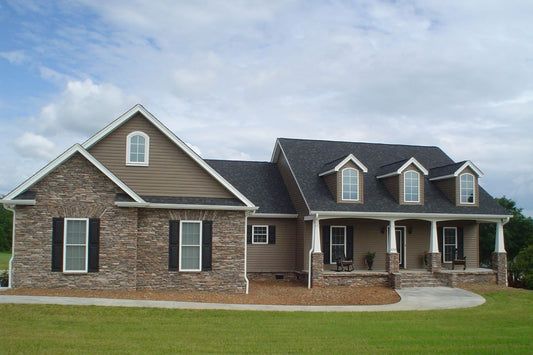
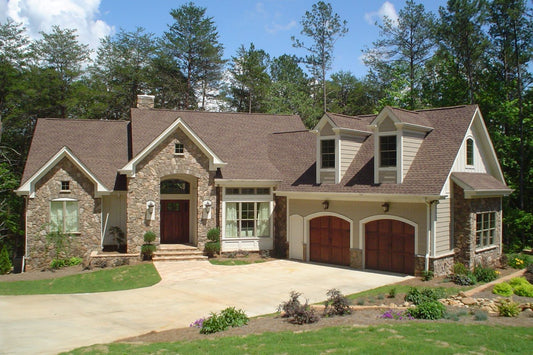
From a resale perspective, both materials can enhance curb appeal and increase property value. Manufactured stone, in particular, offers a strong return on investment due to its lower upfront cost combined with its visual impact. This makes it an attractive option for homeowners looking to balance aesthetics with budget considerations. For a deeper look at how manufactured stone can boost resale value and curb appeal, see does stone veneer increase home value?, which explores its impact on marketability and return on investment.
Is manufactured stone cheaper than real stone?
In most cases, manufactured stone is indeed cheaper than natural stone. The lower material costs, reduced installation expenses, and minimal maintenance requirements make it a more budget-friendly option overall.
Choosing between manufactured stone and natural stone is ultimately about finding the right balance between cost, aesthetics, and performance. While natural stone offers timeless beauty and unmatched authenticity, it often comes with higher material and installation costs that can stretch a project budget. Manufactured stone veneer provides a compelling alternative, delivering the look of real stone at a more accessible price point. Its lightweight design, ease of installation, and lower maintenance requirements make it an increasingly popular choice for both interior and exterior applications.
In the end, manufactured stone is generally the cheaper option, especially when considering the total cost of ownership. However, both materials have their place in modern design, and either choice can enhance the beauty, functionality, and value of your home when selected thoughtfully.
From Mountain View Stone: what you should know
At Mountain View Stone, we understand that cost is a major factor when choosing between natural stone and manufactured stone veneer. While natural stone offers authentic beauty and unique character, it comes with higher material, shipping, and installation costs, along with more demanding maintenance requirements. Manufactured stone veneer, by contrast, delivers the look of real stone at a lower overall cost. Its lightweight design, consistent sizing, and ease of installation reduce labor time and structural requirements, making it a more budget-friendly solution for most projects. Additionally, modern manufactured stone is engineered for durability, color retention, and low maintenance, providing long-term value without sacrificing style. By considering total cost of ownership, including materials, installation, and upkeep, homeowners can achieve the elegance of stone while staying within budget, making manufactured stone veneer an attractive, practical choice for both interior and exterior applications.
Frequently asked questions
1. Is manufactured stone cheaper than natural stone? Yes, in most cases manufactured stone veneer is cheaper than natural stone. The material itself typically costs less, and because it is lighter and easier to install, labor costs are usually lower as well. When factoring in installation and long-term maintenance, manufactured stone often provides a more budget-friendly overall solution.
2. Why does natural stone cost more than manufactured stone? Natural stone is quarried, transported, and cut from solid rock, which makes production and shipping more expensive. Installation also requires skilled masons and specialized tools. These factors contribute to higher upfront and labor costs compared to manufactured stone veneer.
3. Does manufactured stone look like real stone? High-quality manufactured stone is designed to closely replicate the texture, color, and shape of natural stone. Modern manufacturing techniques allow it to mimic styles like ledgestone, fieldstone, and limestone so convincingly that many people can’t tell the difference once installed.
4. Is manufactured stone durable? Yes. Manufactured stone veneer is engineered for durability and long-term performance. Products made with advanced technologies, such as Color Lock Technology, help resist fading from sunlight, harsh weather, cleaning products, and even pressure washing. Many manufacturers back their products with long warranties, often up to 50 years.
5. Which option is cheaper to install: manufactured stone or natural stone? Manufactured stone is generally cheaper to install. Its lighter weight and uniform sizing make it easier to handle, cut, and apply, reducing labor time and costs. Natural stone installations typically take longer and require more expertise, increasing overall installation expenses.
6. Does natural stone require more maintenance than manufactured stone? Natural stone often requires periodic sealing to protect against moisture, staining, and weathering. Manufactured stone usually requires less maintenance and does not need regular sealing, making it a lower-maintenance option for many homeowners.
7. Does manufactured stone add value to a home? Yes. Manufactured stone veneer can significantly enhance curb appeal and perceived home value. Its visual impact, durability, and cost efficiency make it an attractive upgrade for both residential and commercial projects, especially when compared to the higher costs of natural stone.
What's next?
Discover the beauty of our stone veneer! Shop now to explore our wide selection or order a sample today to see and feel the quality for yourself!
Have a question?
Please see our full terms of service or check out our frequently asked questions.
For general information and questions please call: (864) 882-8960 Mon. - Fri. 8am - 5pm (EST) or email: info@mountainviewstone.net we are more than happy to help you.
Or you can submit your questions via our contact us page.
We look forward to working with you on your upcoming project.
The Mountain View Stone Team
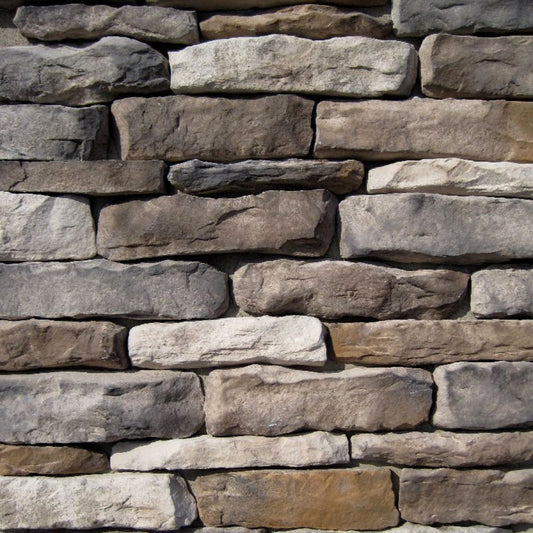
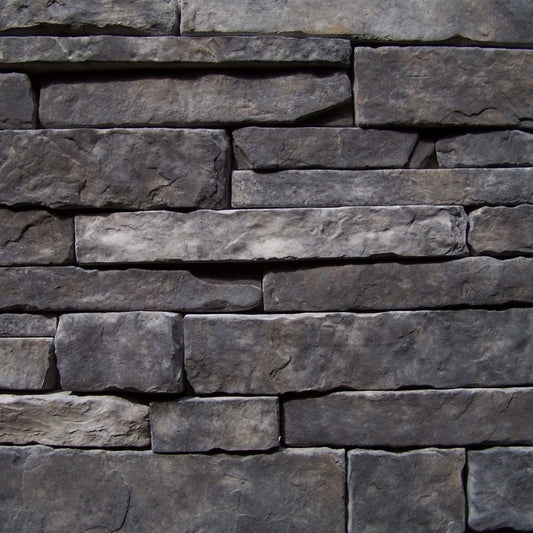
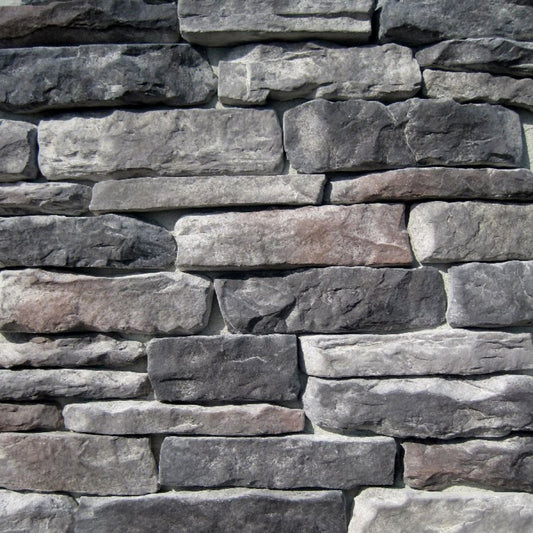
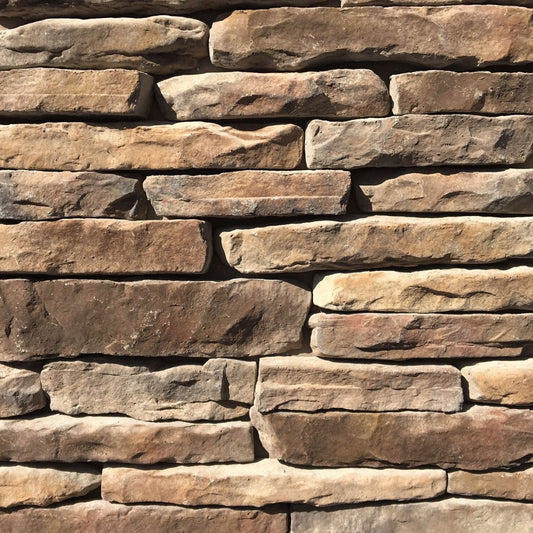
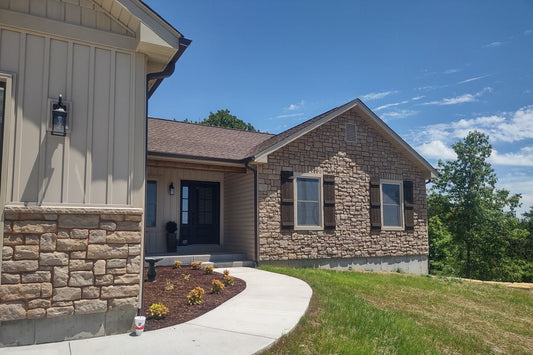
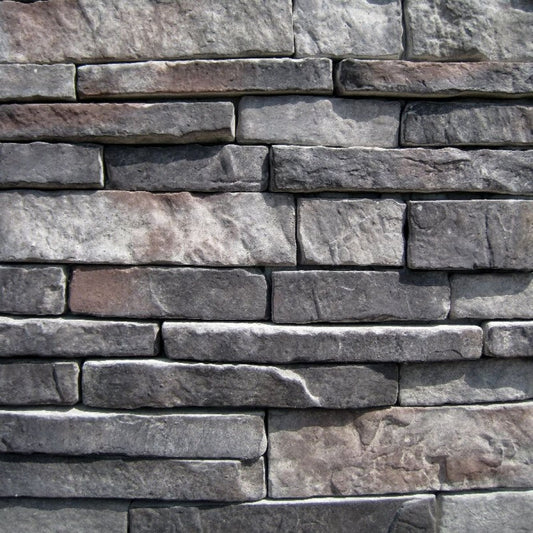
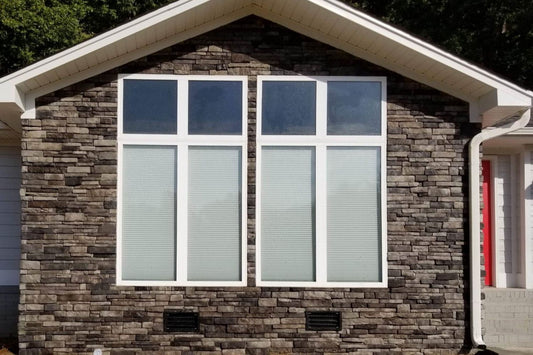
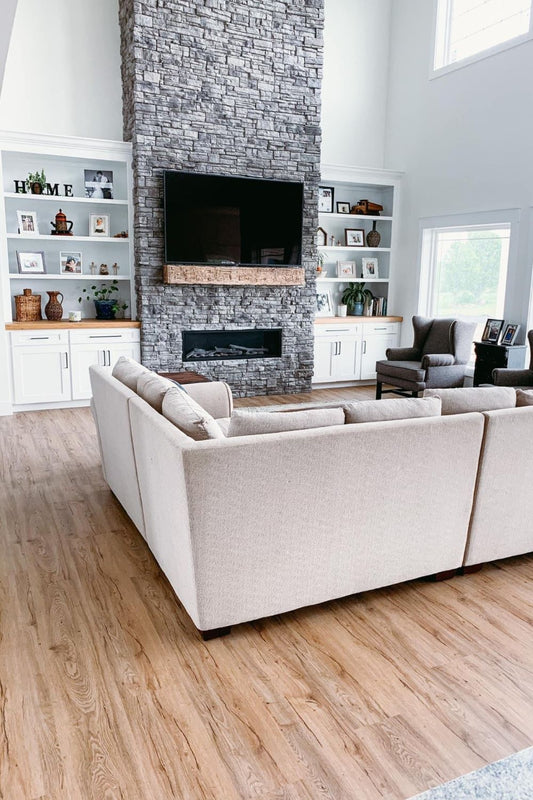
Pictured is stack stone black forest.