
The Ultimate Guide to Manufactured Stone Veneer for Exterior Spaces
Share
Stone veneer is a durable, lightweight alternative to natural stone that enhances exterior walls, fire pits, outdoor kitchens, and water features. It improves curb appeal, withstands harsh weather, and can last for decades with proper installation and maintenance.
Stone veneer has become one of the most effective ways to upgrade home exteriors and outdoor living spaces. Designed to replicate the texture and variation of natural stone, it offers a high-end appearance without the weight, cost, or installation complexity of full-bed stone. Homeowners and builders increasingly choose stone veneer because it balances durability, affordability, and design flexibility in a way few exterior materials can match.
One of the biggest advantages of stone veneer is how easily it adapts to different project types. It can be used for full exterior facades, accent walls, outdoor kitchens, fire features, and landscaping structures. This flexibility allows homeowners to create cohesive designs across multiple areas of their property while maintaining a consistent, natural aesthetic.
Beyond appearance, stone veneer also adds long-term value. A well-designed exterior using stone veneer can significantly increase perceived property value and curb appeal, making it a strong investment for both resale and everyday enjoyment. Whether applied to a modern build or a traditional home, it delivers a timeless finish that doesn’t go out of style.
What is stone veneer?
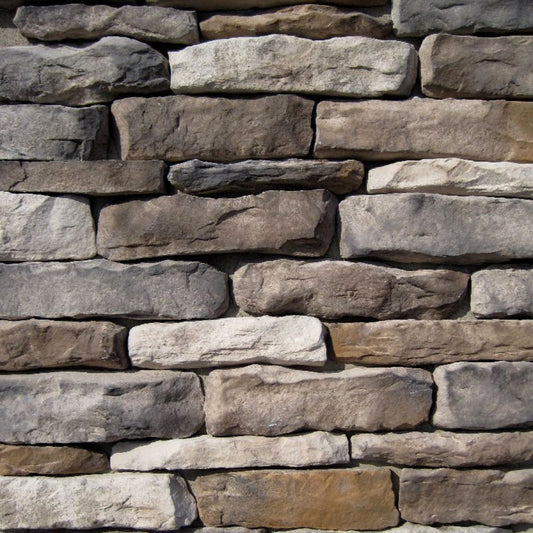
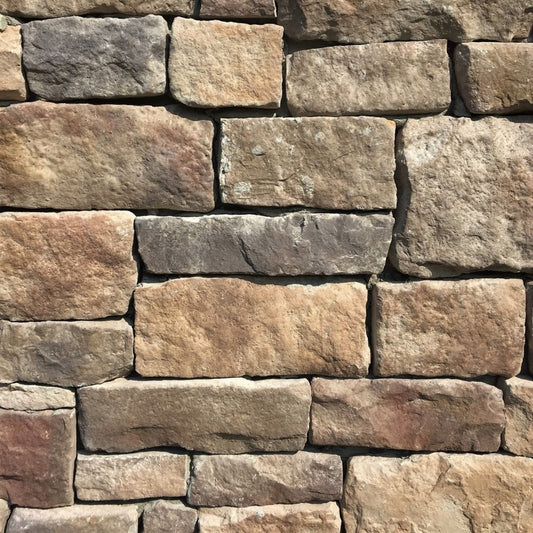
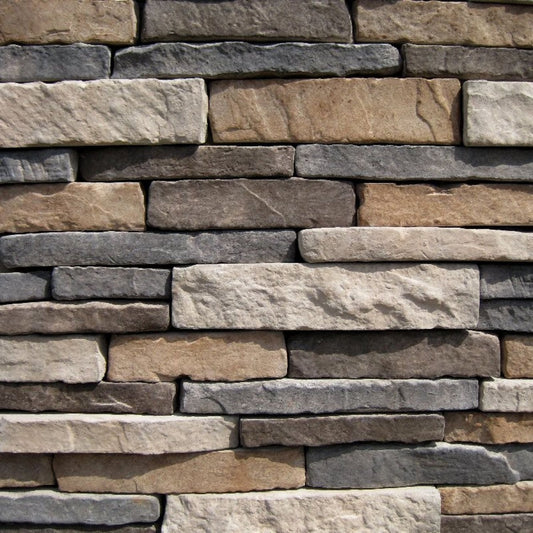
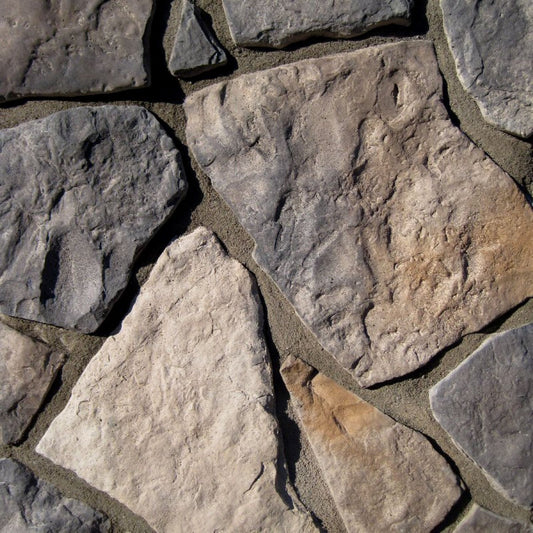
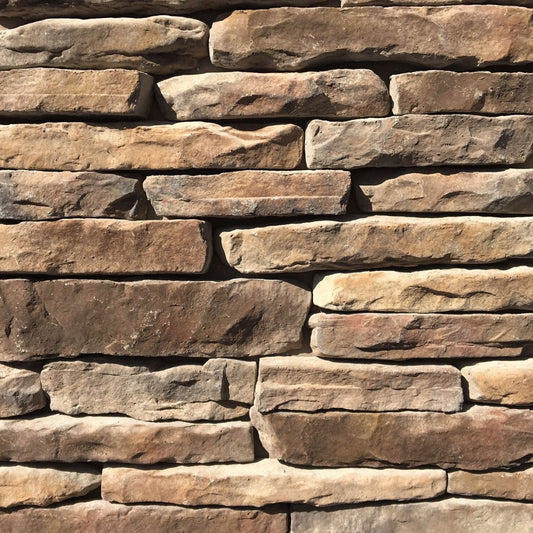
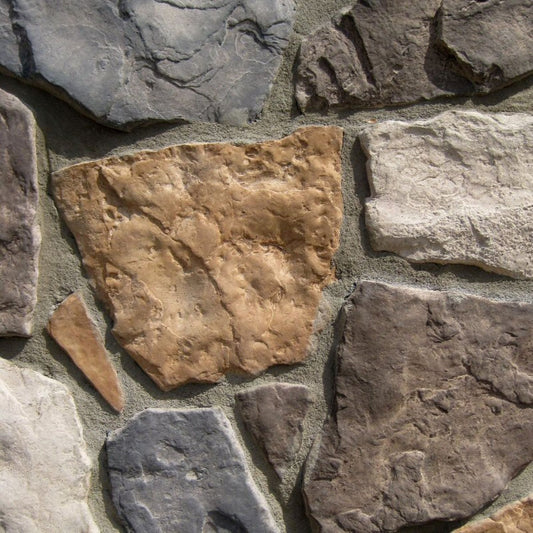
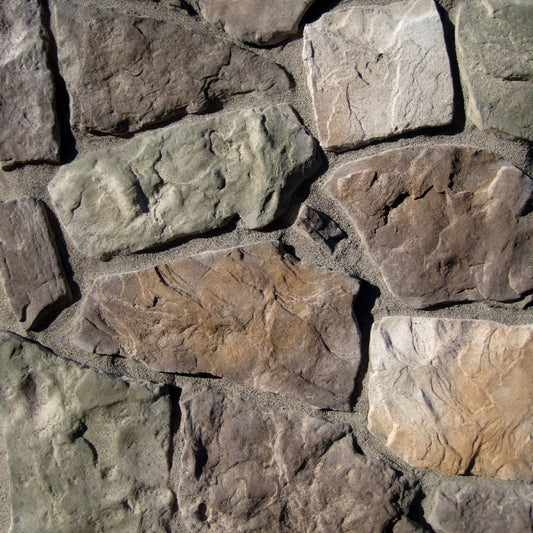
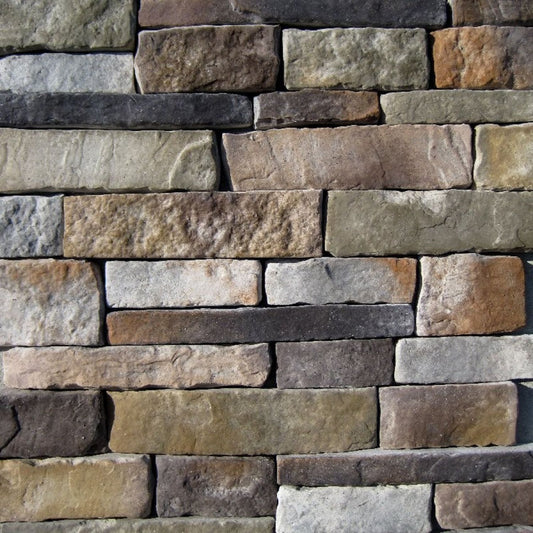
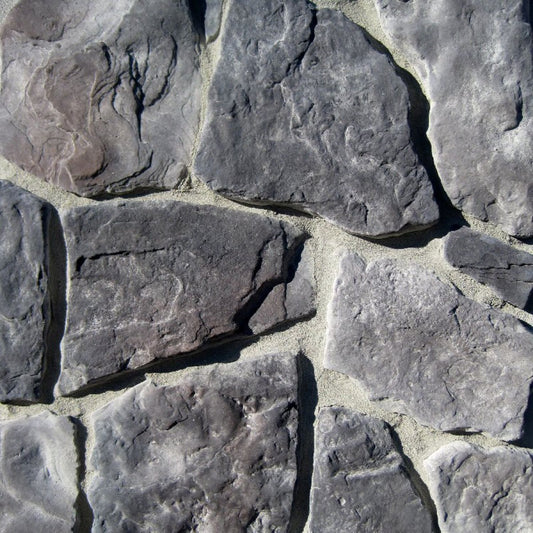
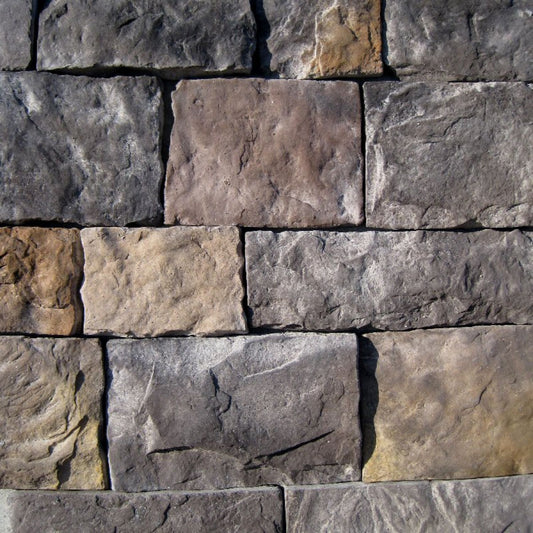
Stone veneer is a manufactured cladding material designed to mimic the look and texture of natural stone. It is typically made from a blend of cement, lightweight aggregates, and iron oxide pigments. This mixture is poured into molds taken from real stone, resulting in highly realistic shapes, textures, and surface details.
Unlike natural stone, which can be heavy and require structural reinforcement, stone veneer is lightweight and easier to install. It can be applied over properly prepared wood framing, concrete, or masonry surfaces, making it suitable for both new construction and renovation projects. This versatility is one of the main reasons it has become so widely used in residential and commercial applications.
Benefits of stone veneer for home exteriors
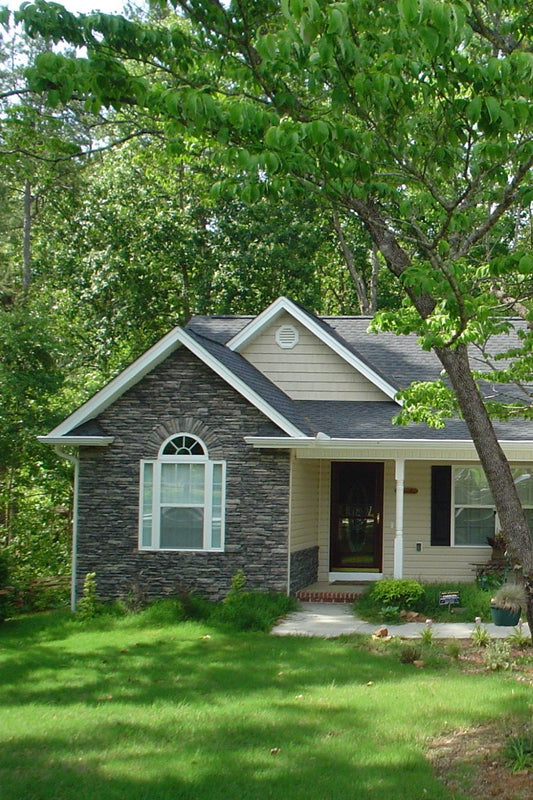
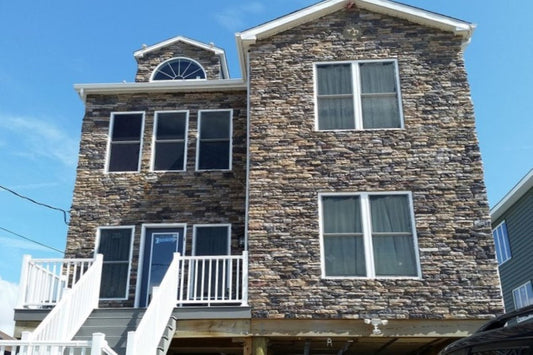
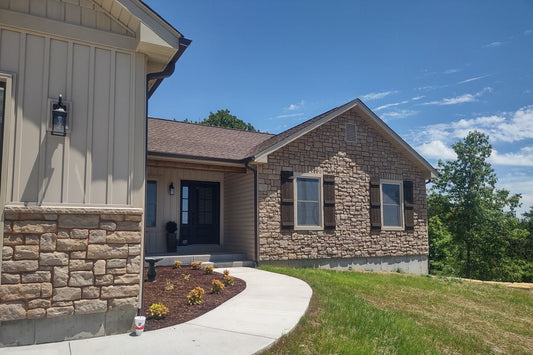
Stone veneer offers immediate visual impact by adding depth, texture, and architectural interest to exterior walls. Even small applications, such as around an entryway or along a foundation, can dramatically improve the overall appearance of a home. Larger installations, such as full facades, create a custom, high-end look that is difficult to achieve with traditional siding materials.
Durability is another major benefit. High-quality stone veneer is engineered to withstand rain, snow, UV exposure, and freeze-thaw cycles, making it suitable for a wide range of climates. When properly installed with the correct moisture management system, it maintains its structural integrity and appearance for decades with minimal upkeep.
From a cost perspective, stone veneer provides excellent value. It delivers the aesthetic of natural stone at a fraction of the material and labor cost. Transportation is easier, installation is faster, and structural requirements are reduced. This makes it possible to achieve premium exterior finishes without exceeding budget constraints, especially on larger projects.
Beyond aesthetics and durability, stone veneer can also enhance the overall value of a property. Homes with well-designed stone veneer exteriors are perceived as more luxurious and thoughtfully maintained, making them more attractive to potential buyers. Strategic use of veneer on entryways, foundation walls, and accent features creates a cohesive and polished appearance that can increase curb appeal and support higher resale value. By combining visual impact, long-lasting performance, and design versatility, stone veneer is not only a smart upgrade for today but also an investment in the long-term value of your home.
Boost curb appeal and first Impressions with stone veneer
The exterior of your home is the first thing visitors, neighbors, and potential buyers notice, making a strong first impression essential. Stone veneer is one of the most effective ways to elevate curb appeal, combining natural beauty, texture, and sophistication with long-lasting durability. Strategic placement of stone veneer can transform ordinary exteriors into polished, high-end designs that make a lasting impact.
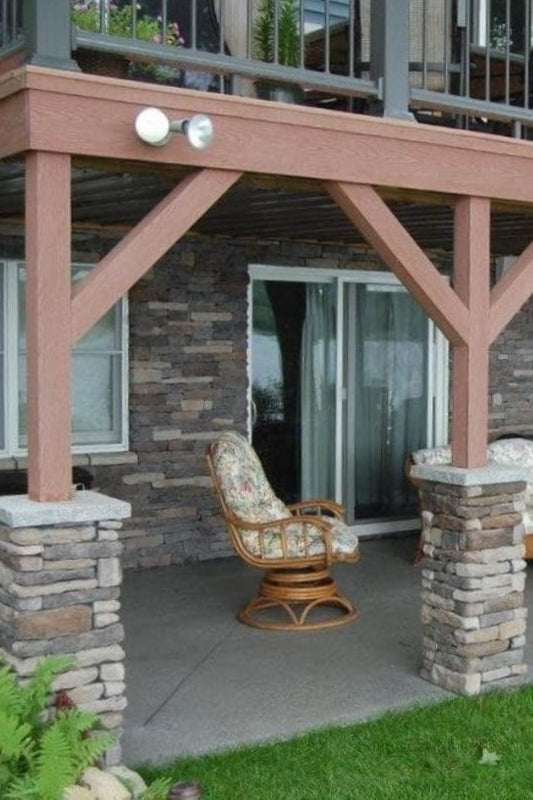
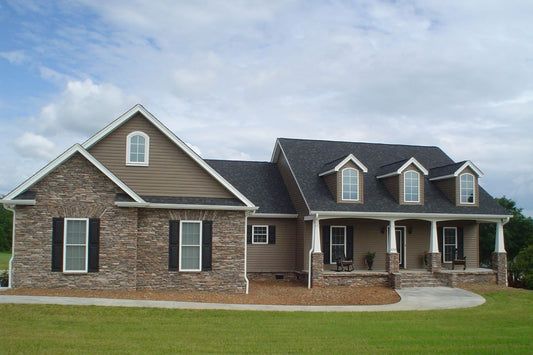
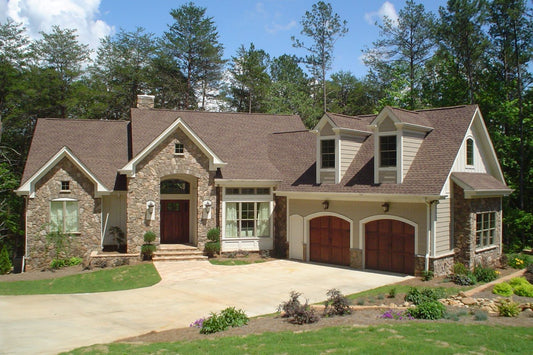
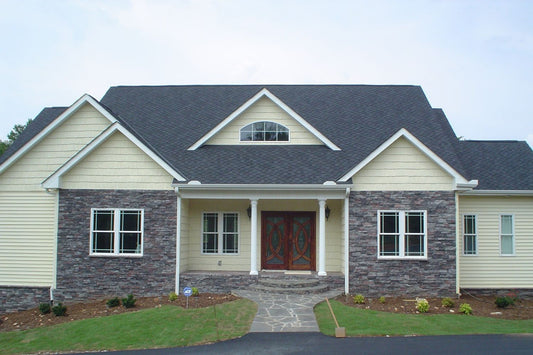
Entryways are a natural starting point, as they set the tone for the entire property. Wrapping the front entrance in stone veneer adds depth, texture, and visual weight, making the home feel more substantial and inviting. Accenting columns, door frames, or porch walls with stone highlights architectural features and draws the eye, creating a welcoming, cohesive focal point that immediately enhances the home’s perceived value.
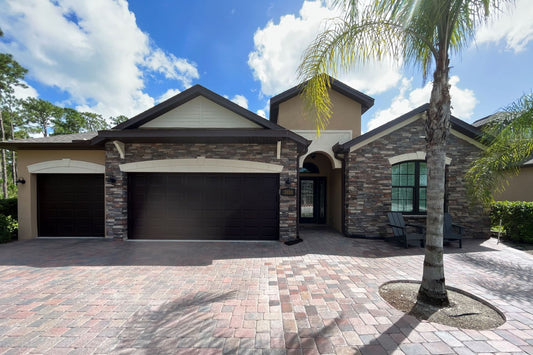
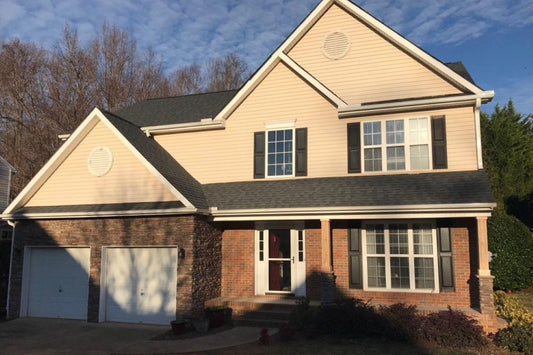
Garages, foundation walls, and other commonly overlooked areas are also ideal for stone veneer applications. These surfaces can appear plain or unfinished without proper treatment, but cladding them in stone ties the exterior together, creating a unified and intentional design. By addressing these areas, homeowners can eliminate visual gaps and ensure that every element of the exterior contributes to a polished, high-end appearance.
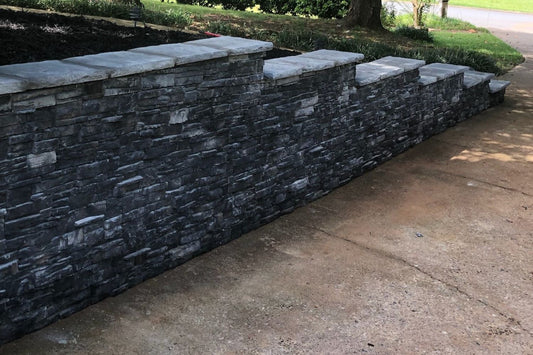
For maximum effect, stone veneer should be integrated with landscaping and outdoor features. Retaining walls, planters, seating areas, and walkways can incorporate matching or complementary stone finishes, creating a seamless transition from the home to its surrounding environment. This approach not only enhances curb appeal but also strengthens the overall design flow, making outdoor spaces feel thoughtfully designed and visually engaging. For more ideas on creating a striking exterior that leaves a lasting impact, see our guide on upgrade your curb appeal with stone veneer. By combining architectural details, secondary structures, and landscape elements, stone veneer allows homeowners to create a cohesive, welcoming, and high-impact first impression for their property.
Transform your home’s exterior with stone veneer
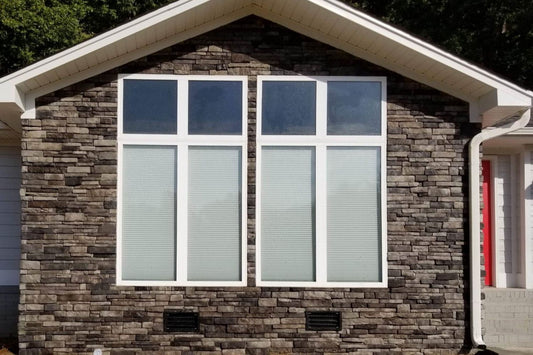
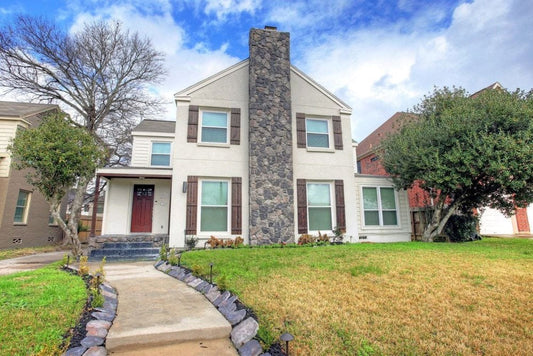
Stone veneer offers one of the most impactful ways to transform the exterior of a home, creating a sense of luxury, depth, and architectural sophistication. Covering large wall sections, gables, or entire facades with stone veneer adds texture, contrast, and dimension that flat materials like vinyl or stucco cannot replicate. Full exterior upgrades can modernize older homes, enhance curb appeal, and dramatically increase overall property value, making stone veneer a smart investment for both aesthetic and financial returns.
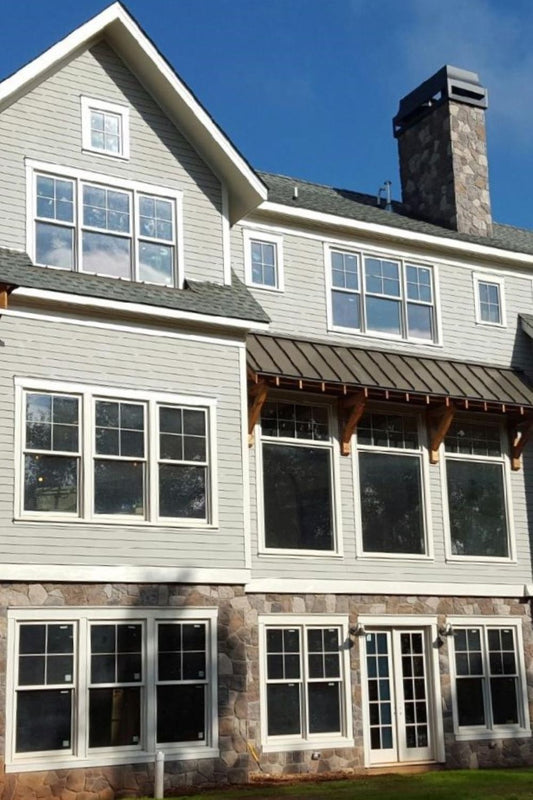
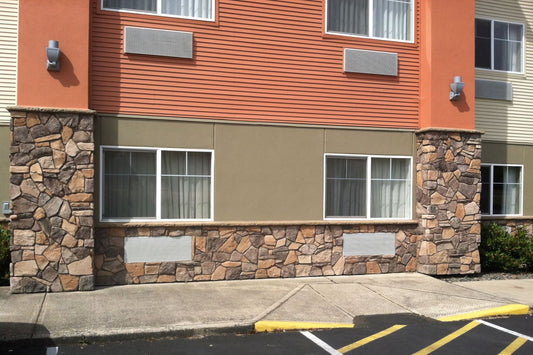
Combining stone veneer with other materials is a powerful design strategy that enhances visual interest and highlights key architectural features. Pairing stone with wood siding, metal accents, or smooth stucco creates contrast while maintaining a balanced, cohesive look. For example, cladding lower sections of a home in stone veneer while using lighter materials above can establish a grounded, polished appearance that draws the eye naturally across the facade. Thoughtful layering of materials elevates the design and allows homeowners to create unique, high-end exteriors without a complete structural overhaul.
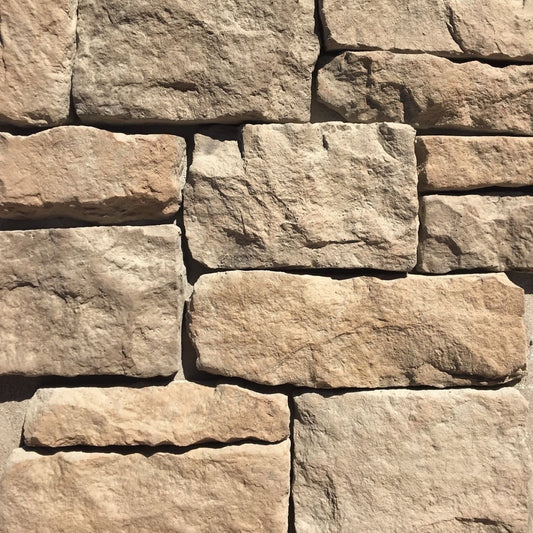
Color and stone style selection play a critical role in full exterior transformations. Warm tones, such as earthy browns and tans, can create a traditional, inviting atmosphere, while cooler grays and charcoals often convey a contemporary, modern aesthetic. By choosing complementary stone colors, homeowners can align their exterior with current design trends while ensuring the home maintains timeless appeal. The versatility of stone veneer also allows for subtle variations in texture and hue, giving every installation a customized, one-of-a-kind look that enhances both beauty and market value.
By strategically combining full-wall applications, mixed materials, and carefully selected colors, stone veneer can completely redefine a home’s exterior. The result is a cohesive, high-end design that improves curb appeal, strengthens first impressions, and increases the overall resale value of the property, making stone veneer an ideal solution for homeowners looking to invest in long-term exterior upgrades.
For more ideas and design inspiration on creating a striking transformation, see our post on transform your home’s exterior with stone veneer.
Design inspiration: creative outdoor applications
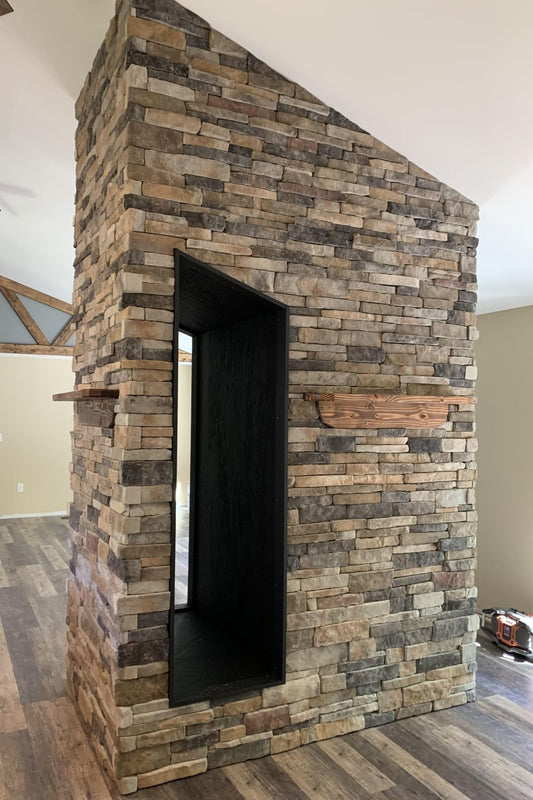
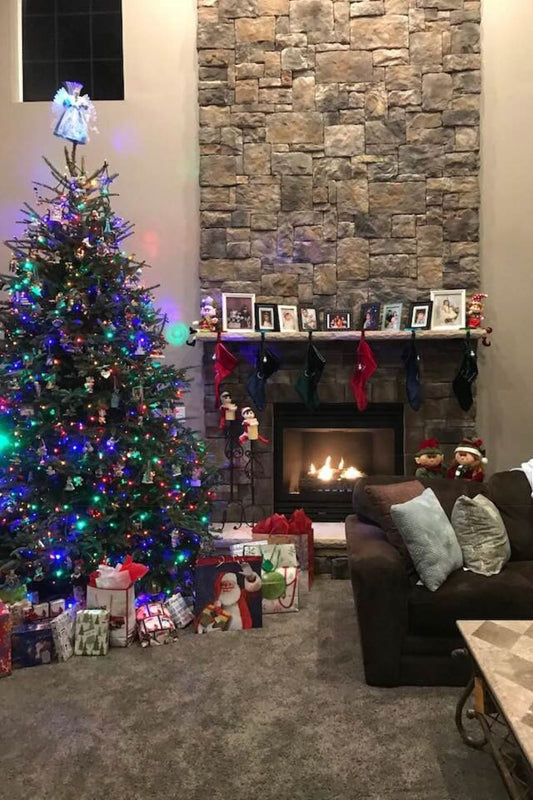
Stone veneer offers nearly limitless design possibilities for outdoor spaces, combining beauty, durability, and functionality. Beyond cladding exterior walls, it can be incorporated into fire pits, outdoor kitchens, BBQ islands, and other built-in features. These installations benefit from the strength and weather resistance of manufactured stone veneer while also adding a polished, high-end appearance. By using stone veneer across multiple outdoor elements, homeowners can create a consistent, cohesive design that elevates the overall look of their backyard or patio while increasing property value and lifestyle enjoyment.
In addition to larger features, stone veneer works beautifully for smaller landscaping and architectural elements. Seating walls, garden borders, planters, retaining walls, and privacy screens help define spaces, organize functional zones, and enhance the visual appeal of outdoor areas. These elements create a sense of structure and flow, making patios, gardens, and yards feel more intentional and thoughtfully designed. Using stone veneer in these applications allows homeowners to achieve the luxurious appearance of natural stone without the added cost or structural demands.
Vertical applications are particularly impactful in shaping outdoor spaces. Accent walls, columns, pillars, and pergolas can all incorporate stone veneer to add height, texture, and visual interest. These features break up flat landscapes, providing focal points that draw the eye and create a sense of depth. When combined with carefully placed outdoor lighting, stone-veneered elements become dramatic highlights both during the day and after sunset, enhancing the ambiance of patios, walkways, and garden spaces.
The versatility of stone veneer also allows it to be combined with other materials, such as wood, metal, or concrete, to create depth, contrast, and interest. Layering these materials with stone veneer produces visually engaging outdoor spaces that feel custom-designed and harmonious. Whether highlighting a seating area, framing a garden feature, or building a backyard entertainment zone, stone veneer ensures that both functional and decorative elements contribute to a cohesive, high-end aesthetic.
Using stone veneer on garages and adjacent structures
Stone veneer isn’t just for the main house, garages, sheds, and other nearby structures offer a perfect opportunity to extend your exterior design. Applying stone veneer to these buildings creates a cohesive look across the property and can significantly enhance overall curb appeal. For step-by-step ideas and inspiration on elevating your garage’s exterior, see our guide on upgrade your garage with stone veneer. Whether wrapping a garage facade, framing doors, or highlighting architectural features, stone veneer adds texture and sophistication to structures that might otherwise feel plain or utilitarian.
In addition to aesthetics, stone veneer provides practical benefits for these secondary structures. Garages and sheds are often exposed to direct weather, from rain and snow to sun and wind. Manufactured stone veneer offers durability and weather resistance, ensuring these areas remain visually appealing and structurally sound for years. Lightweight construction also makes it easier to apply veneer over existing siding or masonry without requiring major structural modifications.
When planning veneer on garages or adjacent buildings, it’s important to maintain consistent design with the main house. Using matching stone styles and complementary color palettes helps unify the property’s exterior. Attention to details like trim, flashing, and water management ensures the veneer installation performs well over time. By extending stone veneer to garages and auxiliary structures, homeowners can create a polished, intentional appearance that elevates the entire property.
Stone veneer fire pits for outdoor living spaces
Stone veneer is a natural choice for outdoor fire pits because it combines durability with visual appeal. A fire pit finished in stone veneer becomes a focal point in the backyard, creating a gathering space that encourages year-round use. The texture and variation of the stone help the feature feel integrated into the surrounding landscape. For design ideas, installation tips, and inspiration, see our post on outdoor stone fire pits.
Design flexibility is one of the biggest advantages. Fire pits can be built in a variety of shapes and sizes, from compact circular designs to large rectangular structures with built-in seating. Stone veneer allows these designs to maintain a cohesive look while still offering customization in layout and scale.
Performance and safety are also important considerations. While the exterior can be finished with veneer, the internal structure must be built using fire-rated materials. Proper spacing, ventilation, and installation techniques ensure the fire pit remains safe and durable over time, even with frequent use.
Outdoor kitchens and BBQ islands with stone veneer
Outdoor kitchens and BBQ islands are one of the fastest-growing exterior trends, and stone veneer plays a key role in their design. It provides a durable, heat-resistant finish that enhances the appearance of cooking and entertaining spaces. Veneer can be applied to the base of islands, storage areas, and surrounding walls to create a unified look. To see how stone veneer can completely elevate your outdoor kitchen design, check out our post transform your kitchen with stone veneer.
Functionality is just as important as aesthetics. Outdoor kitchens often include grills, prep areas, sinks, and storage, all of which must withstand exposure to weather and temperature changes. Stone veneer offers a resilient surface that holds up well under these conditions while maintaining its visual appeal.
From a design perspective, stone veneer helps connect the outdoor kitchen to the rest of the landscape. When matched with patios, walkways, or retaining walls, it creates a cohesive outdoor environment. This level of integration transforms a simple cooking area into a fully realized outdoor living space.
For detailed ideas and inspiration on creating functional and stylish outdoor cooking spaces, see our guide on stone veneer BBQs and outdoor kitchens.
Waterproofing stone veneer around pools and water features
Stone veneer can be used around pools, hot tubs, and water features, but proper waterproofing is essential. While the material itself is durable, it is not inherently waterproof. Without the right installation system, moisture can penetrate behind the veneer and cause long-term issues. For a detailed look at how to protect stone veneer from moisture and ensure long-term performance, see our post on can stone veneer be exposed to water?
A water-resistant barrier is critical in these environments. This layer prevents moisture from reaching the underlying structure, protecting framing and sheathing from damage. In addition, proper drainage design helps direct water away from veneered surfaces, reducing the risk of saturation.
Surface protection is equally important. Applying a breathable sealer helps reduce water absorption while allowing trapped moisture to escape. This is especially important in freeze-thaw climates, where trapped water can expand and cause cracking or deterioration over time.
Freeze-thaw performance of stone veneer
Freeze-thaw cycles are a key consideration for any exterior material, especially in climates where temperatures regularly move above and below freezing. When moisture is absorbed into a material and then freezes, it expands, which can lead to cracking, spalling, or long-term deterioration if the system is not properly designed. For a detailed look at how stone veneer performs in these conditions and how to protect it, see our post on stone veneer and freeze-thaw cycles.
Manufactured stone veneer is built to handle these conditions when installed correctly. Its composition, typically a mix of cement, lightweight aggregates, and integral pigments, creates a durable yet breathable material that limits water absorption. This helps reduce internal stress during freezing conditions while allowing trapped moisture to escape.
Proper installation is critical to freeze-thaw performance. A water-resistant barrier, correct flashing, and well-finished mortar joints all work together to prevent moisture from getting behind the veneer. In colder climates, applying a breathable sealer can further reduce water absorption and improve long-term durability.
When these best practices are followed, stone veneer performs reliably in freeze-thaw environments and can maintain its appearance and structural integrity for decades.
Sealing exterior stone veneer for longevity
Sealing stone veneer is one of the most effective ways to extend its lifespan and maintain its appearance. While not always required, sealing is strongly recommended in areas exposed to heavy rain, snow, or direct sunlight. It helps protect against staining, fading, and moisture intrusion. For a detailed post on when and how to protect your stone veneer, see our post on does exterior stone veneer need to be sealed?
Different types of sealers are available, including penetrating and film-forming options. Penetrating sealers are often preferred because they maintain the natural look of the stone while providing protection from within. Choosing the right sealer depends on the specific environment and level of exposure.
Maintenance plays a role as well. Sealers typically need to be reapplied every few years, depending on conditions. Regular inspection ensures the veneer continues to perform as expected, preventing small issues from becoming larger, more costly problems.
Installation tips for exterior stone veneer
Proper installation is critical to the performance of stone veneer. The surface must be properly prepared, which may include cleaning, applying a scratch coat, and installing metal lath for support. A water-resistant barrier is essential, particularly when working over wood framing.
Mortar selection and application technique also affect durability. Using the correct exterior-rated mortar ensures strong adhesion and resistance to weather conditions. Stones should be installed with proper spacing and joint finishing to create a natural appearance while maintaining structural integrity.
Attention to detail during installation can prevent common issues such as cracking, water intrusion, or delamination. For larger or more complex projects, professional installation is often recommended to ensure consistent results and long-term performance.
Can stone veneer touch the ground? Understanding clearances
Many homeowners wonder if stone veneer can extend all the way to the ground. While it is possible in some situations, proper clearances are critical to prevent moisture issues and maintain long-term performance. Direct contact with soil or standing water can allow moisture to penetrate behind the veneer, potentially causing damage to mortar joints, framing, or the underlying wall assembly. For detailed guidance on installation clearances and best practices, see our post on can stone veneer touch the ground?
Manufactured stone veneer installations typically require a minimum clearance of two inches above grade, patios, or paved surfaces. This gap allows water to drain away from the wall and reduces the risk of rising damp or freeze-thaw damage. Flashing, weep screeds, and proper drainage at the base of the wall further protect the veneer and the structure it covers. By maintaining these recommended clearances, homeowners can safely extend veneer close to the ground without compromising durability.
Clearances also play a role in aesthetics and functionality. While the stone veneer should appear visually continuous, it’s important to balance design with performance. Integrating landscaping features, such as gravel beds or raised planters, can help achieve a seamless appearance while maintaining the necessary gap. Proper planning ensures both a polished look and a long-lasting installation that stands up to the elements.
Installing stone veneer in cold weather
Cold weather can significantly impact the installation of stone veneer, particularly when temperatures drop near or below freezing. Mortar and bonding materials rely on proper curing conditions to achieve full strength, and low temperatures can slow or even stop this process. If installation is done incorrectly in cold conditions, it can lead to weak adhesion, cracking, or long-term performance issues. For detailed guidance on installing stone veneer in winter conditions and ensuring long-term durability, see our post on cold weather stone veneer installations.
Manufactured stone veneer can still be installed in colder climates, but additional precautions are required. Mortar must be kept within recommended temperature ranges during mixing and application, and materials should be protected from freezing before they have fully cured. This often involves using heated enclosures, warm water for mixing, or cold-weather-rated mortar products designed to perform in lower temperatures.
Timing and environmental control are key to a successful cold weather installation. Installing during milder parts of the day, protecting freshly installed veneer from overnight freezing, and ensuring proper curing conditions all help maintain durability. When these best practices are followed, stone veneer can be installed successfully even in colder seasons without compromising long-term performance.
Installing stone veneer in hot weather
Hot weather can also impact the installation of stone veneer, especially when temperatures are high and surfaces are exposed to direct sunlight. Excessive heat can cause mortar to dry too quickly, preventing proper curing and reducing bond strength. This can lead to issues such as poor adhesion, cracking, or inconsistent mortar joints if not properly managed.
Manufactured stone veneer can be successfully installed in warm conditions when the right precautions are taken. Keeping materials cool, avoiding direct sun exposure during installation, and lightly dampening the substrate can help control the curing process. Using mortar that is appropriate for high-temperature applications also improves workability and long-term performance.
Timing plays a critical role in hot weather installations. Working during cooler parts of the day, such as early morning or late afternoon, helps ensure proper curing and reduces stress on materials. With the right approach, stone veneer installations in warm climates can achieve the same durability and long-term performance as those completed in more moderate conditions.
Maintaining stone veneer for long-term performance
Stone veneer is relatively low maintenance, but regular care helps preserve its appearance and durability. Routine inspections can identify loose stones, cracks, or mortar issues before they become more serious. Addressing these early prevents more extensive repairs later.
Cleaning is typically simple and involves using a soft brush and mild detergent to remove dirt, debris, or biological growth. Harsh chemicals or pressure washing should be avoided, as they can damage the surface or mortar joints.
Long-term performance also depends on proper sealing and drainage. Ensuring water is directed away from veneered surfaces reduces wear and helps maintain the integrity of the installation. With the right care, stone veneer can remain in excellent condition for decades.
Protecting exterior stone veneer from outdoor damage
Exterior stone veneer can face a variety of everyday hazards that may compromise its appearance and durability if not properly protected. Lawn equipment, such as weed eaters or lawn mowers, can chip or scratch the surface of the veneer when used too close to walls or edges. Landscaping activities, accidental impacts, and debris from high winds can also cause minor damage that, if left unaddressed, may affect the long-term performance of the installation.
To prevent these issues, homeowners should maintain a safe buffer between stone veneer and lawn or garden tools. Installing protective edging, such as gravel or mulch beds, creates a physical barrier that keeps equipment from striking the veneer. Careful trimming and landscaping practices help reduce accidental contact, while still maintaining a polished, integrated look with surrounding plantings and outdoor features.
Regular inspections and maintenance are also important for protecting stone veneer. Small chips or cracks should be repaired promptly using appropriate patching materials to prevent water infiltration or further deterioration. Additionally, keeping vegetation trimmed and avoiding direct soil contact reduces moisture exposure and minimizes the risk of freeze-thaw damage. With thoughtful protection and proactive care, exterior stone veneer can maintain its beauty and performance for decades, even in busy outdoor environments.
Frequently asked questions
1. Is stone veneer good for exterior use? Yes, stone veneer is specifically designed for exterior applications. High-quality manufactured stone veneer is built to withstand rain, snow, UV exposure, and freeze-thaw cycles. When installed correctly with proper moisture management, it can last for decades without significant deterioration, making it a reliable and durable exterior cladding option.
2. How long does exterior stone veneer last? Exterior stone veneer can last 30 to 50 years or more when properly installed and maintained. Its lifespan depends on factors such as installation quality, climate conditions, and whether it is sealed in high-moisture areas. Regular inspections and minor maintenance, such as resealing and repairing mortar joints, can significantly extend its longevity.
3. Does stone veneer need to be sealed outdoors? Stone veneer does not always require sealing, but it is highly recommended in areas exposed to heavy moisture, frequent freeze-thaw cycles, or strong sunlight. A breathable masonry sealer helps protect against water penetration, staining, and fading while allowing moisture to escape, which is critical for long-term performance.
4. Can stone veneer be used around pools or water features? Yes, stone veneer can be used around pools, hot tubs, and water features, but proper waterproofing is essential. A water-resistant barrier behind the veneer and a breathable sealer on the surface help prevent moisture damage. Good drainage design is also important to minimize water exposure and maintain durability.
5. Is stone veneer expensive compared to natural stone? Stone veneer is significantly more cost-effective than natural stone. It offers a similar appearance at a lower material cost and requires less labor and structural support during installation. This makes it a popular choice for homeowners who want the look of real stone without the higher price and complexity.
6. Can stone veneer be installed over existing exterior walls? Yes, stone veneer can be installed over many existing surfaces, including concrete, masonry, and wood-framed walls. Proper surface preparation is essential and may include cleaning, adding a moisture barrier, and installing metal lath and a scratch coat. This makes it a versatile option for both new construction and renovation projects.
The ultimate guide to manufactured stone veneer for exterior spaces
Stone veneer is one of the most versatile and effective materials for exterior design. It offers the look of natural stone while remaining lightweight, affordable, and adaptable to a wide range of applications. From facades and entryways to outdoor living spaces, it enhances both appearance and functionality.
With proper installation, sealing, and maintenance, stone veneer can last for decades while maintaining its visual appeal. It provides a strong return on investment by improving curb appeal, increasing property value, and creating more usable outdoor spaces.
What's next?
Elevate your home with our premium brick veneer! Shop now or order a sample to experience the quality and craftsmanship firsthand.
Have a question?
Please see our full terms of service or check out our frequently asked questions.
For general information and questions please call: (864) 882-8960 Mon. - Fri. 8am - 5pm (EST) or email: info@mountainviewstone.net we are more than happy to help you.
Or you can submit your questions via our contact us page.
We look forward to working with you on your upcoming project.
The Mountain View Stone Team
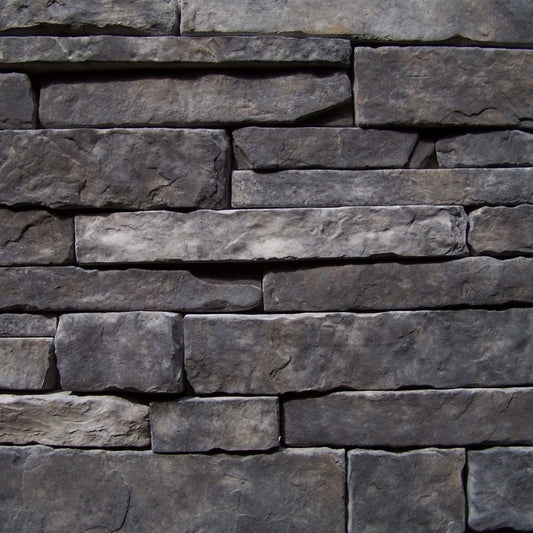
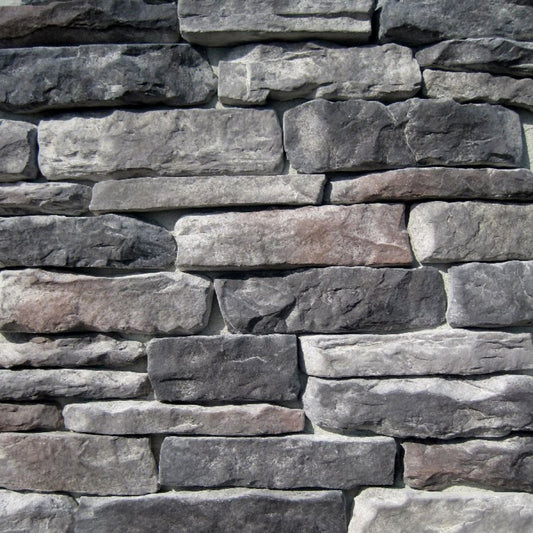
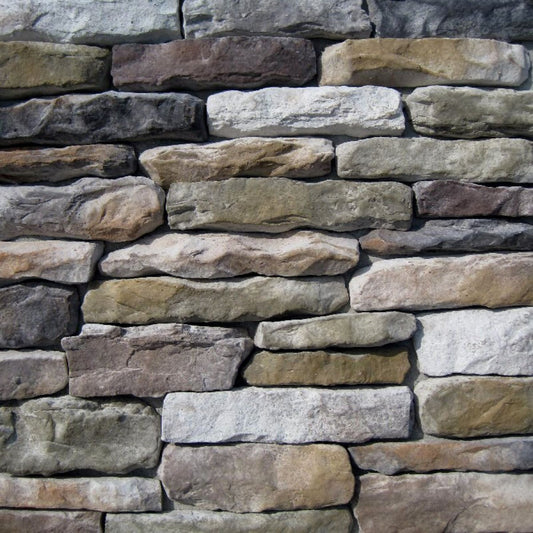
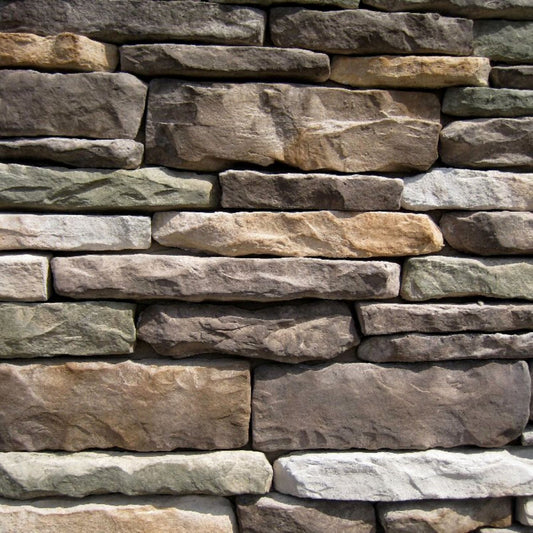
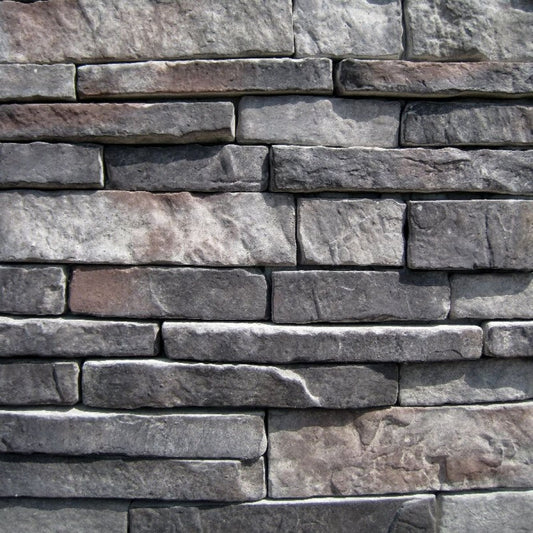
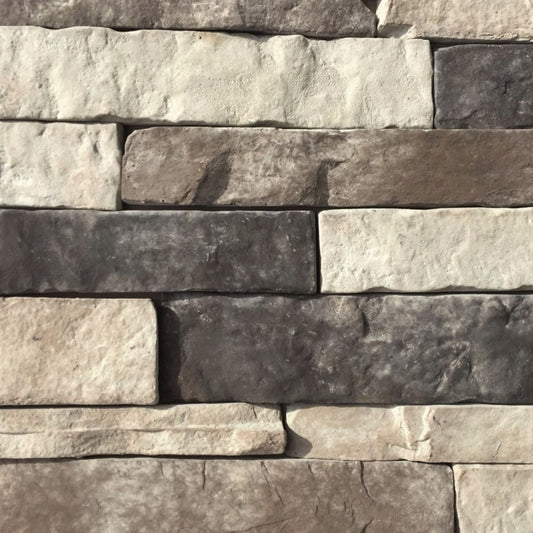
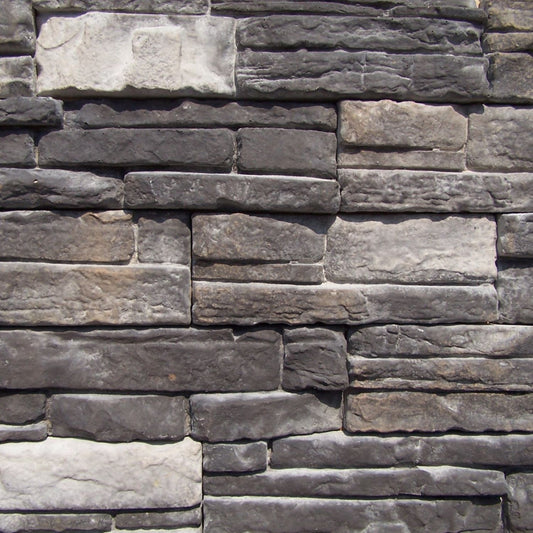
Pictured is ready stack black forest.