

Stone Veneer vs. Faux Stone Panels: Which is Better?
Share
Originally posted September 13, 2023, updated January 13, 2026.
Manufactured stone veneer and faux stone panels both imitate natural stone, but they differ significantly in durability, realism, and installation. Manufactured stone veneer is a cement-based product installed piece by piece, offering authentic texture, strength, and long-term performance. Faux stone panels are lightweight plastic or polyurethane sheets designed for quick installation but typically lack the depth, durability, and architectural value of real stone veneer.
When homeowners, builders, and designers want the look of stone without the weight and cost of full-bed masonry, two common options usually come up: manufactured stone veneer and faux stone panels. Both materials are designed to replicate the beauty of natural stone while reducing cost and installation complexity. However, while they may look similar from a distance, the similarities largely end there. For a detailed comparison of these options, see our guide on comparing manufactured stone veneer.
Understanding the differences between manufactured stone veneer and faux stone panels is important when choosing materials for a home exterior, fireplace surround, accent wall, or commercial facade. Factors such as realism, durability, installation methods, and long-term value can dramatically influence the final result of your project. This guide explains how each material works and why many homeowners and professionals ultimately prefer manufactured stone veneer.
What is manufactured stone veneer?
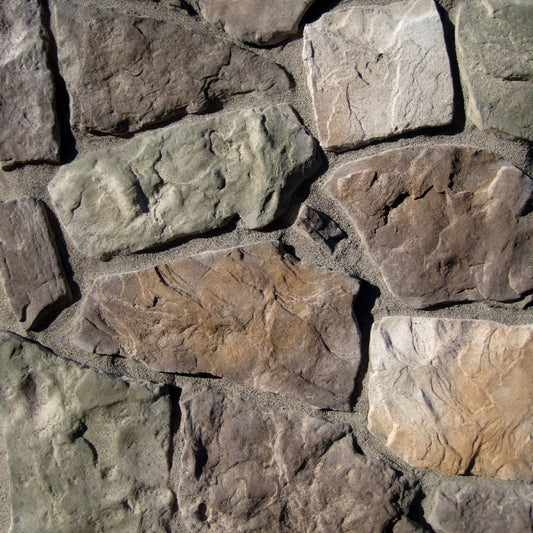
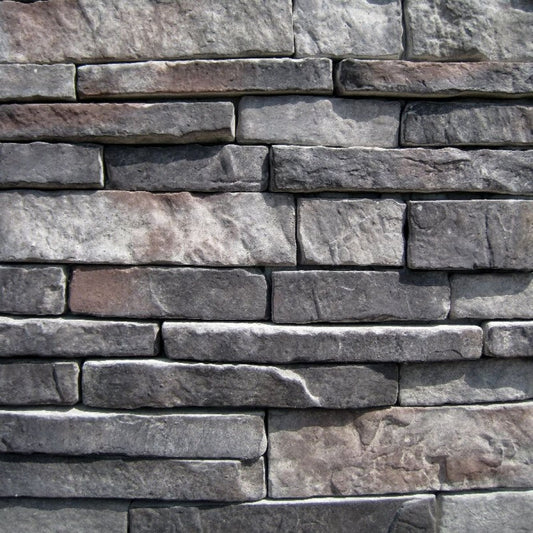
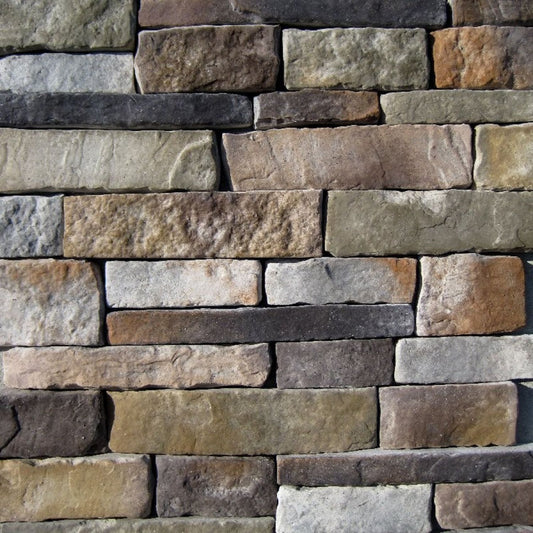
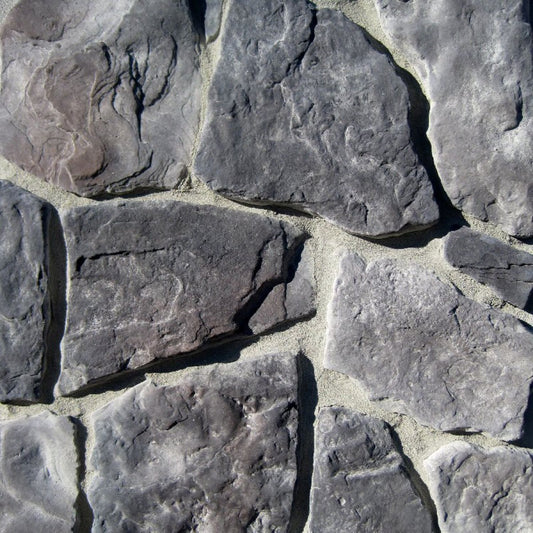
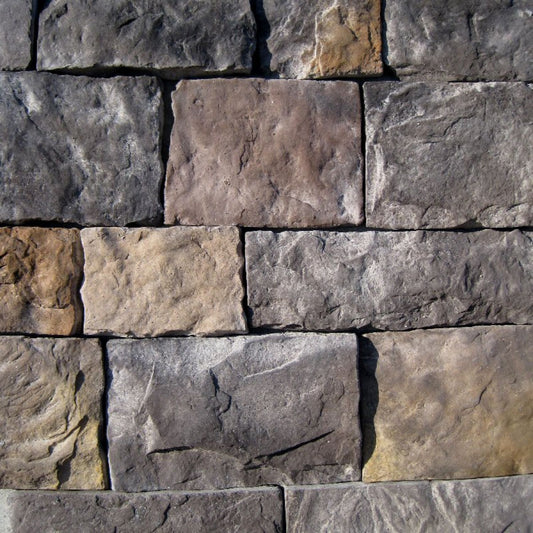
Manufactured stone veneer, sometimes called architectural stone or cultured stone, is a cement-based building material designed to replicate the look and feel of natural stone. It is made using a blend of Portland cement, lightweight aggregates, and mineral pigments that are poured into molds created from real stone surfaces. This process produces pieces with realistic textures, irregular edges, and natural color variations that closely resemble quarried stone.
Unlike faux alternatives, manufactured stone veneer is installed piece by piece using mortar over a properly prepared substrate. Because each individual stone is placed separately, installers can vary placement and orientation to avoid repeating patterns. The result is a finished surface that looks remarkably similar to traditional masonry construction.
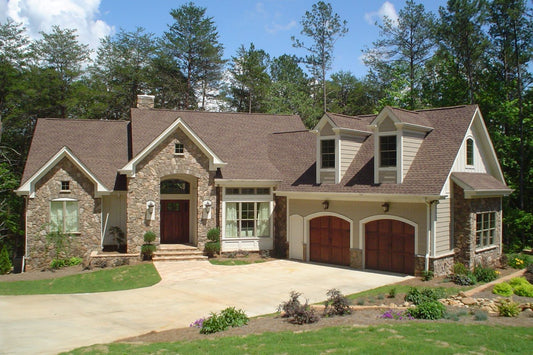
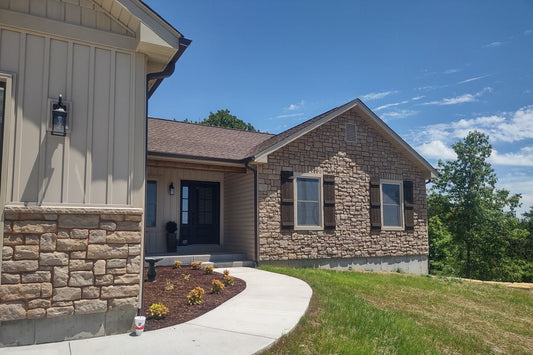
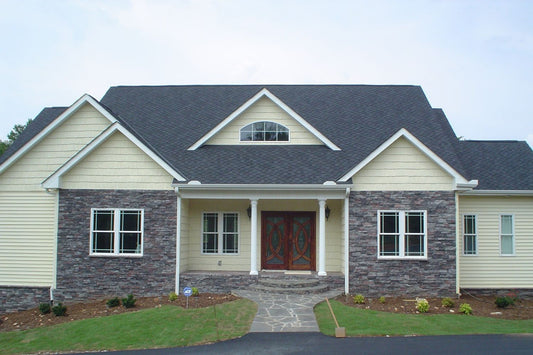
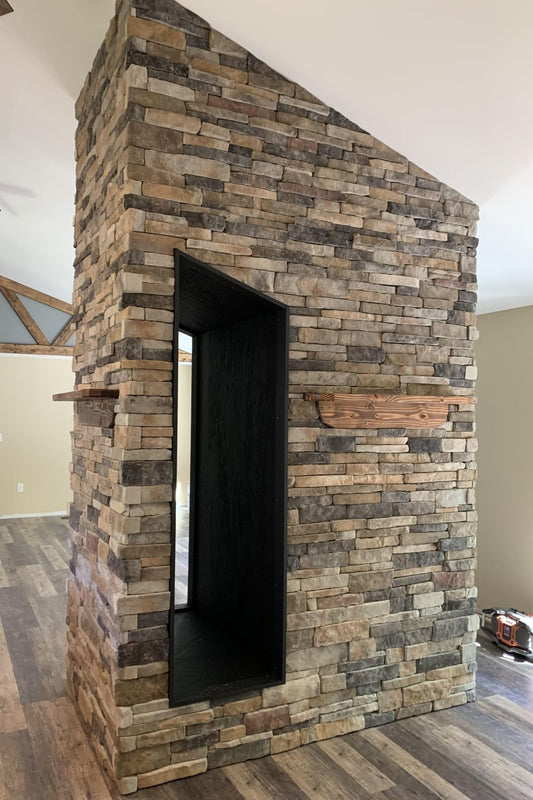
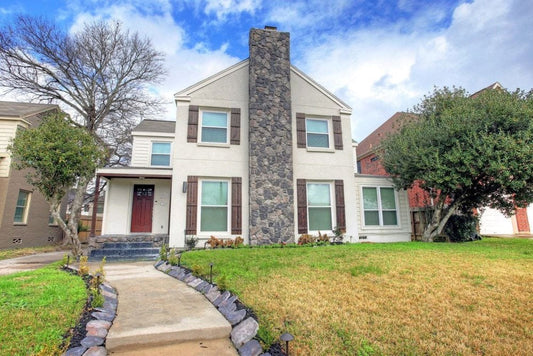
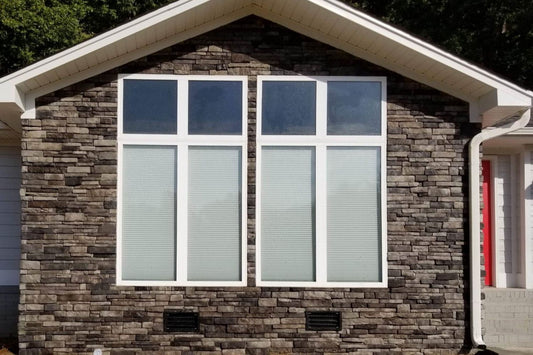
Manufactured stone veneer has become widely used in both residential and commercial design. It is commonly installed on exterior walls, foundations, chimneys, fireplaces, and interior feature walls. Because the stones are much lighter than natural full-bed stone, they can be installed without the structural reinforcement required for traditional masonry while still delivering the timeless appearance of real stone.
What are faux stone panels?
Faux stone panels are large, lightweight sheets designed to mimic stacked stone or masonry patterns. These panels are typically made from polyurethane foam, plastic composites, or other synthetic materials. The panels are molded and painted to resemble stone textures, but the material itself is fundamentally different from real or manufactured stone.
Instead of being installed individually with mortar, faux stone panels are usually attached using screws, adhesives, or mechanical fasteners. Their lightweight construction allows large sections to be installed quickly, which is often marketed as an advantage for quick renovations or decorative upgrades.
While faux stone panels can provide a fast visual transformation, their synthetic composition often results in a flatter appearance and repeating patterns. Up close, they may appear more like molded plastic than natural stone. Seams between panels can also become visible, especially around corners or transitions, which can make the finished installation look less authentic.
Realism and appearance
One of the most noticeable differences between manufactured stone veneer and faux stone panels is the level of realism they provide. Manufactured stone veneer is created using molds taken directly from real stones. This process captures natural surface details, irregular shapes, and deep textures that closely replicate natural masonry. Because each stone is installed individually, the finished surface contains natural shadow lines, variation in depth, and subtle color differences.
Faux stone panels, by contrast, are molded in large repeating sections. While modern manufacturing techniques have improved their appearance, repeating patterns are often noticeable once the panels are installed. The surface tends to be flatter, and the joints between panels can reveal the modular nature of the product. For projects where authenticity is important, these visual differences can be significant.
Durability and long-term performance
Durability is another major factor when comparing manufactured stone veneer and faux stone panels. Manufactured stone veneer is engineered as a masonry product designed to perform in demanding environments. When properly installed, it can withstand temperature fluctuations, moisture exposure, and freeze-thaw cycles commonly found in colder climates.
Because it is made from cement-based materials, manufactured stone veneer also offers greater resistance to impact, cracking, and long-term weathering. Many high-quality products are designed to maintain their color and structural integrity for decades.
Faux stone panels are typically less durable because they are made from lightweight plastics or foam materials. Over time, these materials may fade when exposed to ultraviolet sunlight, crack under impact, or warp due to temperature changes. While faux panels may work for temporary or decorative projects, they are generally not designed for the same long-term performance expected from masonry products.
Installation differences
Installation methods also distinguish these two materials. Manufactured stone veneer installs using traditional masonry techniques. Each stone is adhered to the wall using Type S mortar and placed carefully to achieve a natural pattern. Although this process takes more time and skill, it produces a permanent installation that integrates seamlessly with the building envelope.
Faux stone panels are designed for faster installation. Panels are usually attached directly to a surface with screws or adhesives, allowing large sections to be installed quickly. While this can reduce labor time, it can also lead to visible seams or alignment issues if the panels are not installed precisely.
Another important consideration is repairability. If a manufactured stone veneer installation becomes damaged, individual stones can often be replaced without disturbing the surrounding area. With faux stone panels, damage to one section often requires replacing the entire panel, which may not match the surrounding panels if the product has aged or faded.
Maintenance and longevity
High-quality manufactured stone veneer requires relatively little maintenance. Once installed properly, it typically does not require sealing and can be cleaned with mild detergents if necessary. Many products use advanced color pigments that resist fading from sunlight and environmental exposure.
Faux stone panels may also be marketed as low maintenance, but their long-term durability can be limited. If the outer surface layer deteriorates or becomes damaged, repairs are often difficult. In many cases, replacement is the only solution.
Because manufactured stone veneer behaves more like real masonry, it tends to maintain its appearance and performance much longer than synthetic panel products.
Property value and architectural appeal
Another important difference between these materials is the value they add to a property. Manufactured stone veneer closely resembles natural stone and is widely recognized by builders, architects, and buyers as a high-quality architectural material. When installed properly, it enhances curb appeal and contributes to a more premium appearance for both residential and commercial properties.
Faux stone panels are generally viewed as a decorative product rather than a permanent building material. While they may improve the visual appearance of a space temporarily, they typically do not provide the same level of perceived value or long-term architectural impact.
For homeowners considering resale value or long-term design quality, this distinction can play an important role in the decision-making process.
Stone veneer vs. faux stone panels
Choosing between manufactured stone veneer and faux stone panels ultimately depends on your priorities for appearance, durability, and long-term performance. Faux stone panels can provide a quick and inexpensive way to change the look of a space, but they often sacrifice realism and durability.
Manufactured stone veneer offers a more authentic stone appearance, superior structural integrity, and long-lasting performance in both interior and exterior environments. Because it is installed using masonry techniques and crafted from cement-based materials, it delivers a permanent architectural finish that closely mirrors the look of natural stone.
For projects where quality, realism, and longevity matter, manufactured stone veneer is typically the better investment.
From Mountain View Stone: what you should know
At Mountain View Stone, we want to ensure that homeowners and designers clearly understand the difference between manufactured stone veneer and faux stone panels. While both can mimic the appearance of natural stone, manufactured stone veneer offers superior realism, durability, and long-term performance. Each piece is crafted from cement-based materials and installed individually, creating authentic texture, natural variation, and shadow depth that closely replicates real stone. Faux stone panels, though lightweight and quick to install, generally lack these qualities and may show repeating patterns or degrade over time. For projects where quality, longevity, and architectural appeal matter, whether it’s a home exterior, fireplace, or commercial facade, manufactured stone veneer provides a permanent, high-value solution that elevates both appearance and property value.
Frequently asked questions
1. Is stone veneer better than faux stone panels? Yes. Manufactured stone veneer offers superior realism, durability, and longevity compared to faux stone panels, making it better suited for both interior and exterior applications.
2. Can manufactured stone veneer be used outdoors? Absolutely. Manufactured stone veneer is engineered for exterior use and performs well in harsh climates, including freeze-thaw environments.
3. Are faux stone panels durable enough for exterior walls? Faux stone panels are generally less durable outdoors and may fade, crack, or warp over time, especially in direct sunlight or extreme temperatures.
4. Does manufactured stone veneer require sealing? In most cases, no. High-quality manufactured stone veneer is designed to resist moisture and fading without the need for sealing.
5. Is manufactured stone veneer worth the cost? Yes. While the upfront cost may be higher than faux stone panels, manufactured stone veneer delivers better performance, longer lifespan, and greater return on investment.
6. Where is manufactured stone veneer commonly used? Manufactured stone veneer is commonly used on home exteriors, fireplaces, feature walls, foundations, commercial buildings, and outdoor living spaces.
What's next?
Shop now to elevate your project or order a sample today to experience the quality and texture for yourself!
Have a question?
Please see our full terms of service or check out our frequently asked questions.
For general information and questions please call: (864) 882-8960 Mon. - Fri. 8am - 5pm (EST) or email: info@mountainviewstone.net we are more than happy to help you.
Or you can submit your questions via our contact us page.
We look forward to working with you on your upcoming project.
The Mountain View Stone Team
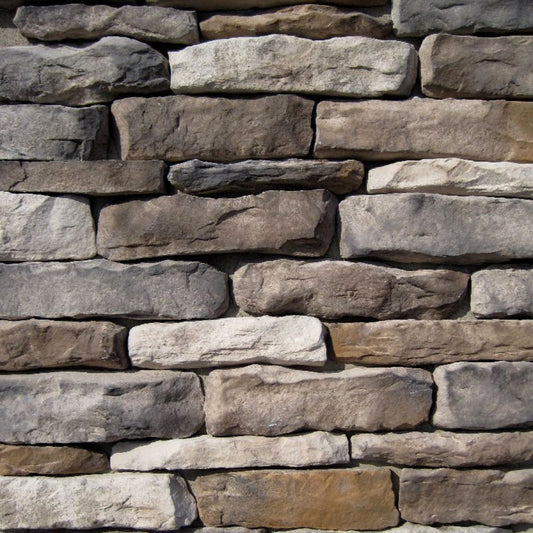
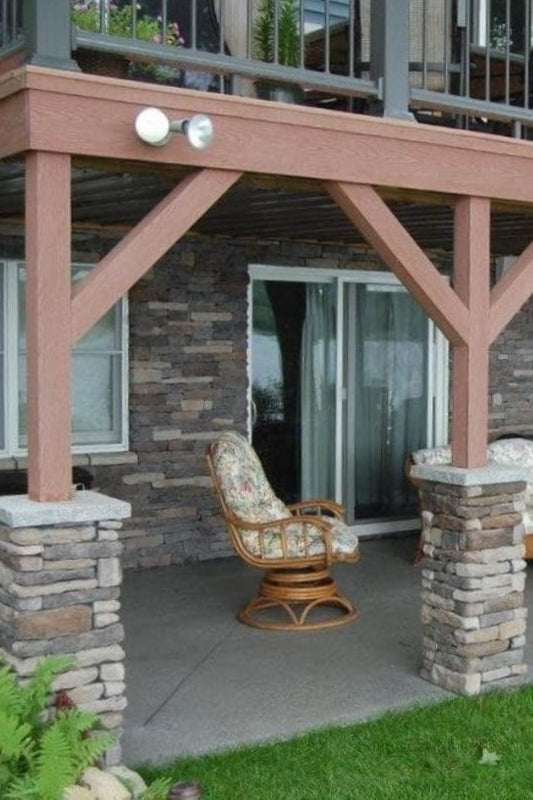
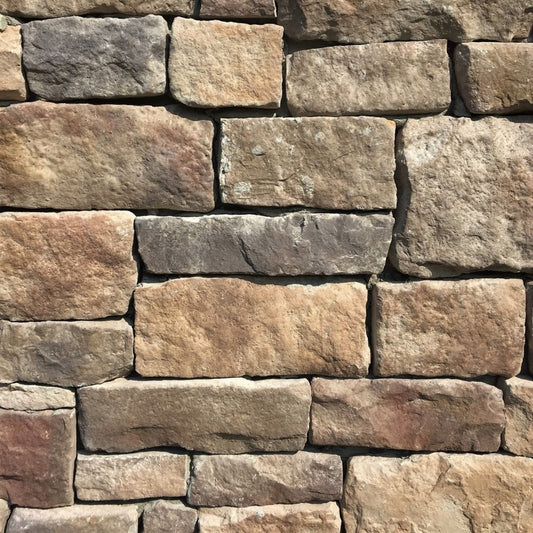
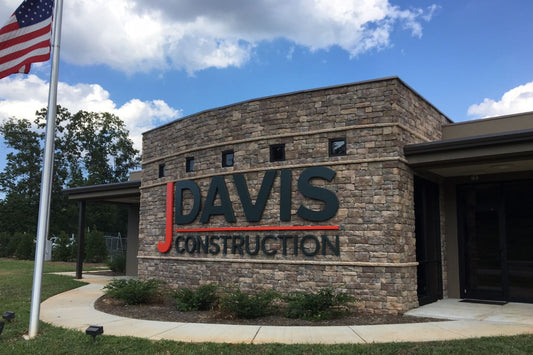
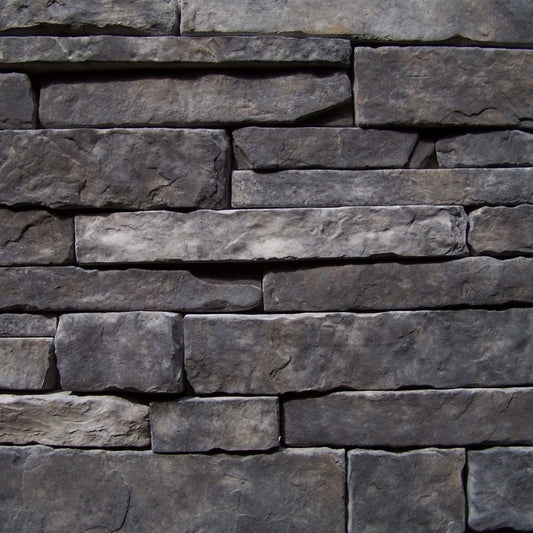
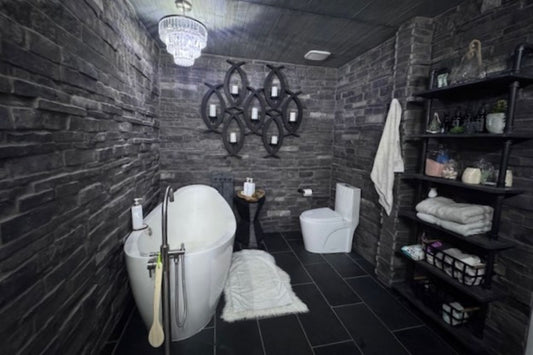
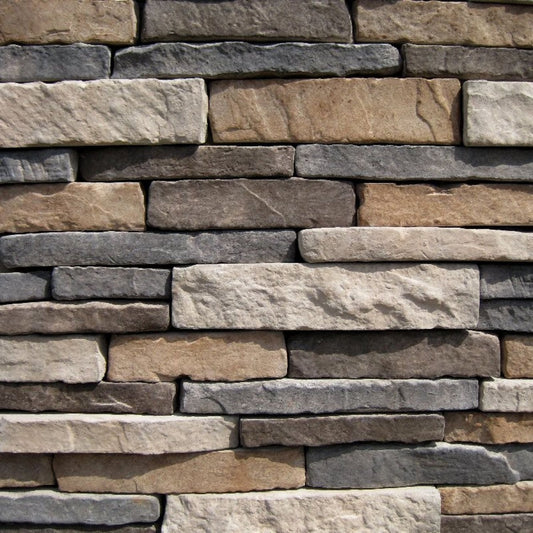
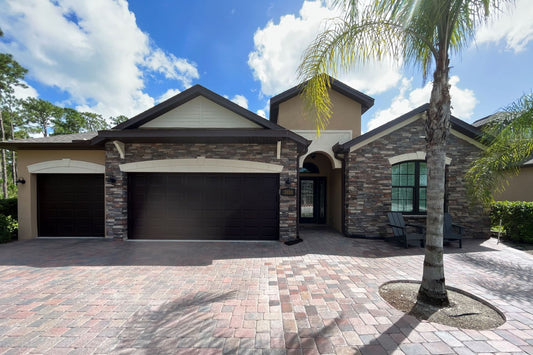
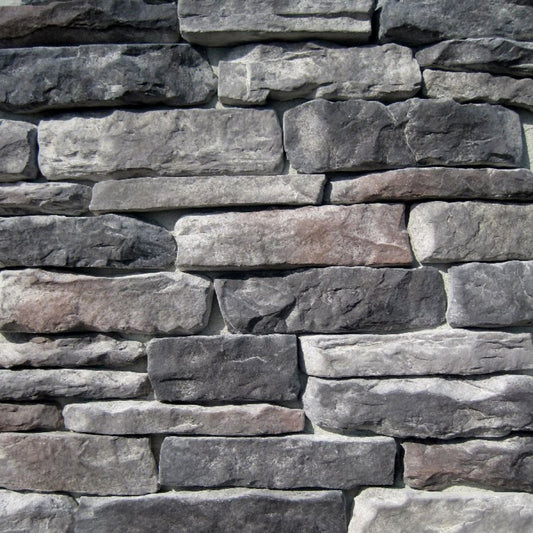
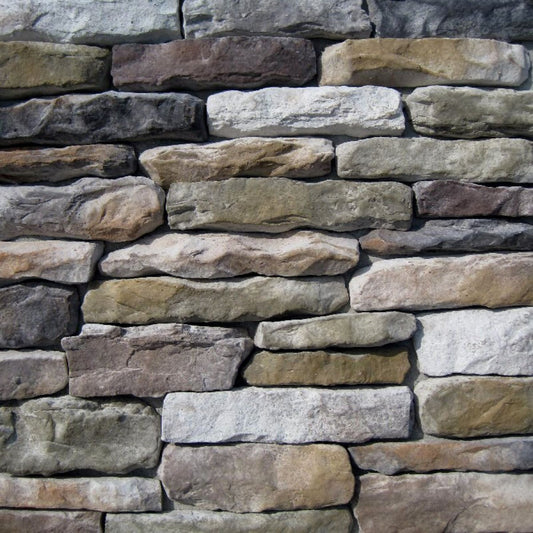
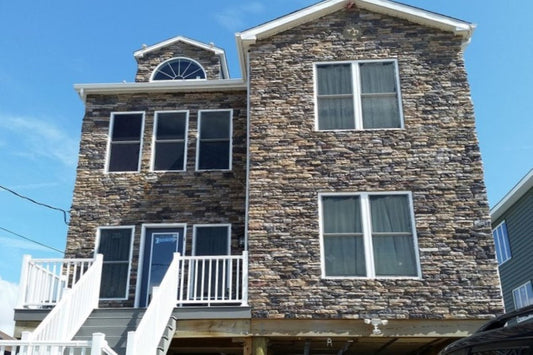
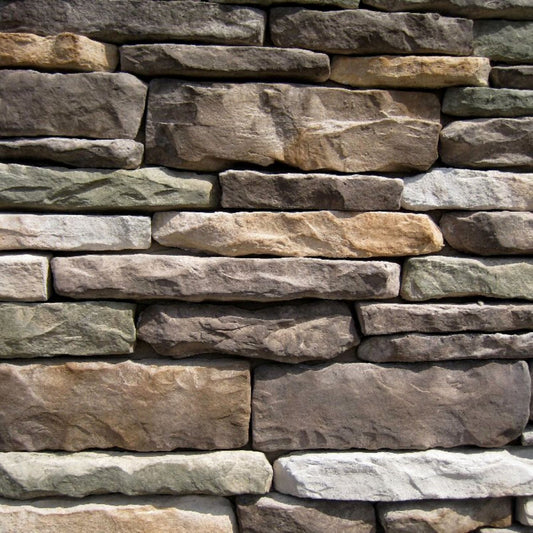
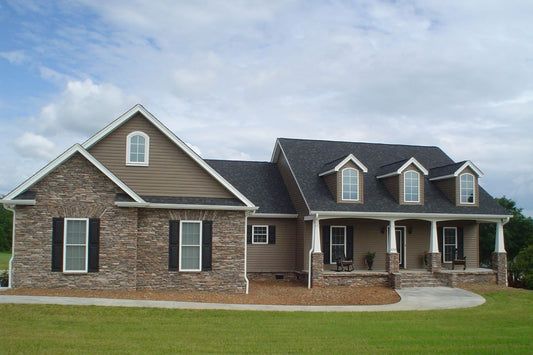
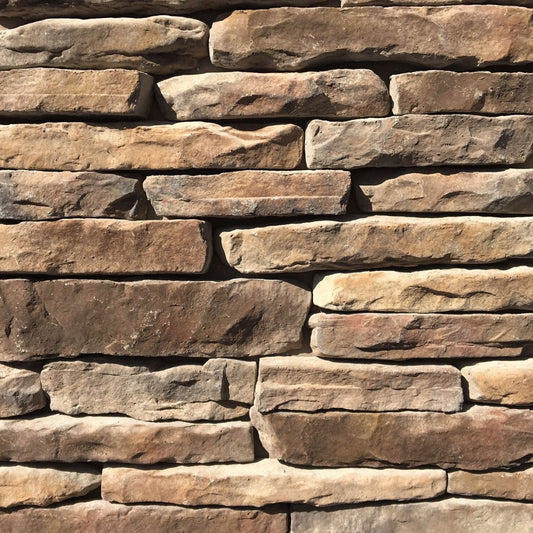
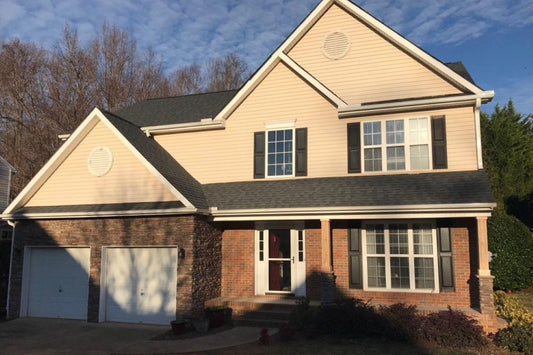
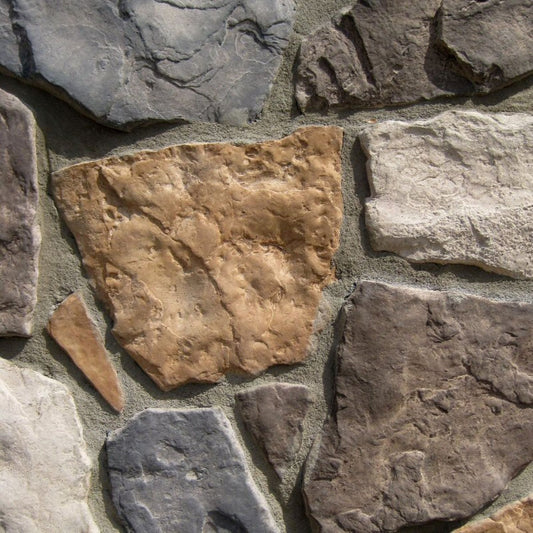
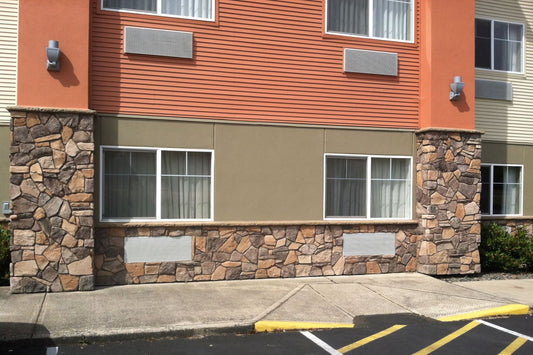
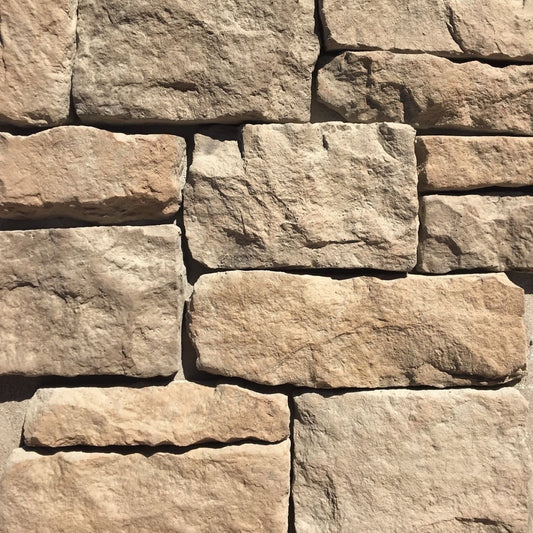
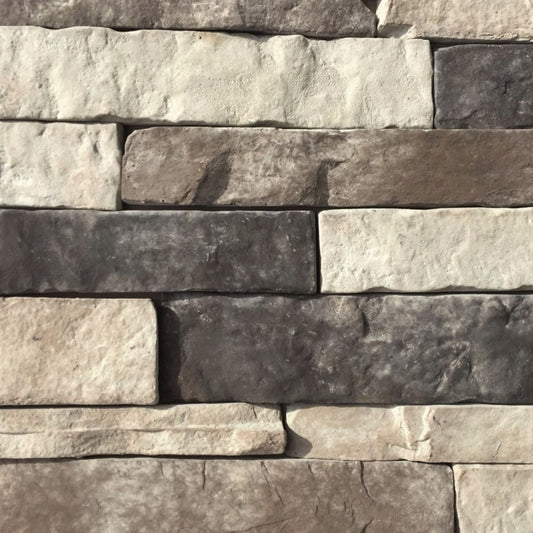
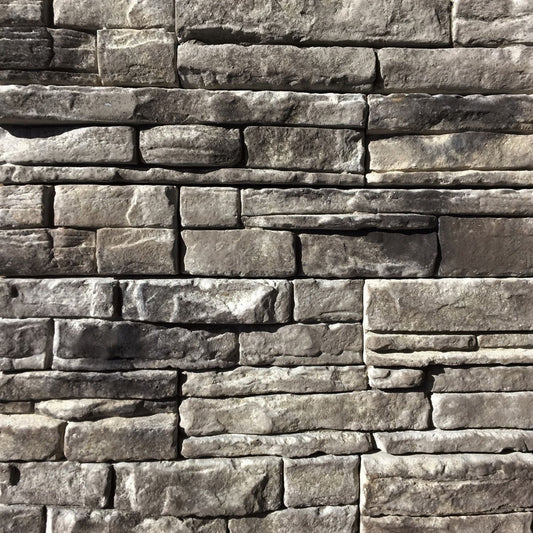
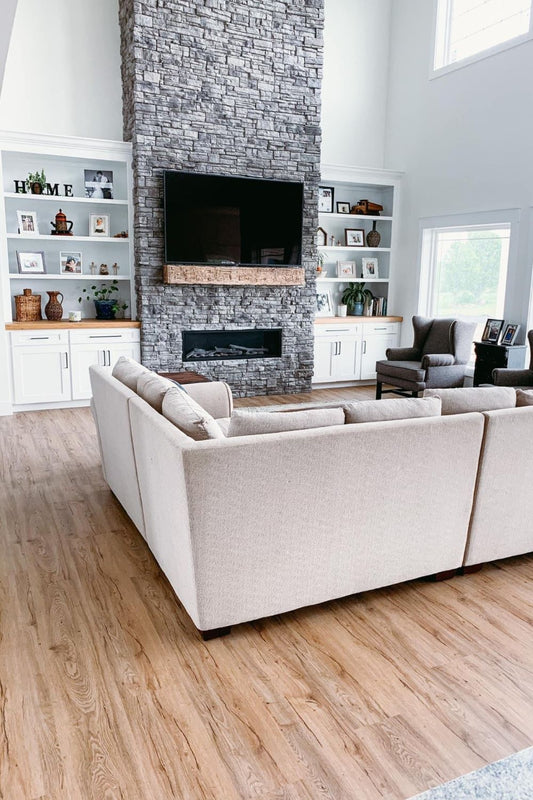
Pictured is ledge stone aspen.



2 comments
Updated May 5th, 2025:
Hi Noemi,
Thank you for your question and interest in our stone veneer.
We offer samples of all of our brick veneer and stone veneer at https://mountainviewstone.net/collections/samples. Our samples, on average cover a 6″×6″ area and are actual product. Our samples allow you to see and touch the product and get a good understanding of weight, thickness, color and color variation, etc. We encourage all of our customers to test our samples to ensure they meet your standards and expectations, and of course if you have any questions please let us know, we are more than happy to help you! And as an added bonus when you purchase Mountain View Stone samples, we cover the shipping (applies to the continental USA. For orders shipping to Canada, Alaska, Hawaii, and Puerto Rico please contact us for shipping rates).
Please let us know if you have any more questions!
Can I order a sample?