
Combining Manufactured Stone Veneer with Wood, Metal, and Glass
Share
Manufactured stone veneer can be combined with wood, metal, and glass to create a balanced, modern design. Stone adds texture and warmth, while wood, metal, and glass provide contrast, structure, and contemporary style.
Modern architecture increasingly relies on a combination of materials rather than a single finish. Pairing manufactured stone veneer with wood, metal, and glass can create a visually balanced design that combines natural texture with clean, contemporary elements. Whether used on an exterior facade, fireplace, accent wall, entryway, commercial building, or interior feature wall, these materials can complement one another when their colors, textures, and proportions are carefully considered. For more ideas and design inspiration, explore our complete stone veneer inspiration guide.
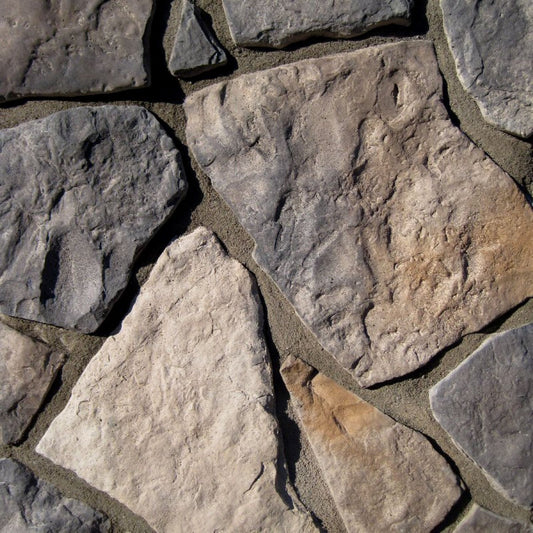
Manufactured stone veneer is particularly well suited to mixed-material design because it provides the appearance and texture of natural stone without the weight and installation requirements associated with full-depth stone masonry. Its dimensional surface creates a strong visual foundation, while wood introduces warmth, metal adds structure and contrast, and glass contributes openness and light.
The key to successfully combining stone veneer with other materials is not simply using several finishes together. The materials should work together as part of a cohesive design. Understanding how stone veneer interacts with wood, metal, and glass can help homeowners, architects, designers, builders, and contractors create spaces that feel intentional rather than visually crowded.
Why Combine Stone Veneer with Other Materials?
Stone has traditionally been associated with durability, permanence, and natural beauty. On its own, however, a stone surface can sometimes create a heavy or traditional appearance. Introducing other materials can soften that effect or move the design toward a more contemporary aesthetic.
Wood is particularly effective at adding warmth and organic character. Metal can introduce clean lines and a more industrial or modern appearance. Glass creates transparency and allows natural light to interact with the texture of the stone. Together, these materials can create contrast between rough and smooth surfaces, warm and cool tones, and solid and transparent elements.
Manufactured stone veneer also provides flexibility in how much stone is incorporated into a project. It can cover an entire wall, frame an opening, create an accent area, or be used selectively alongside other exterior and interior finishes.
Combining Stone Veneer and Wood
Stone veneer and wood are one of the most versatile material combinations in residential architecture. The natural appearance of both materials creates an organic connection, but their contrasting textures keep the design from appearing too uniform.
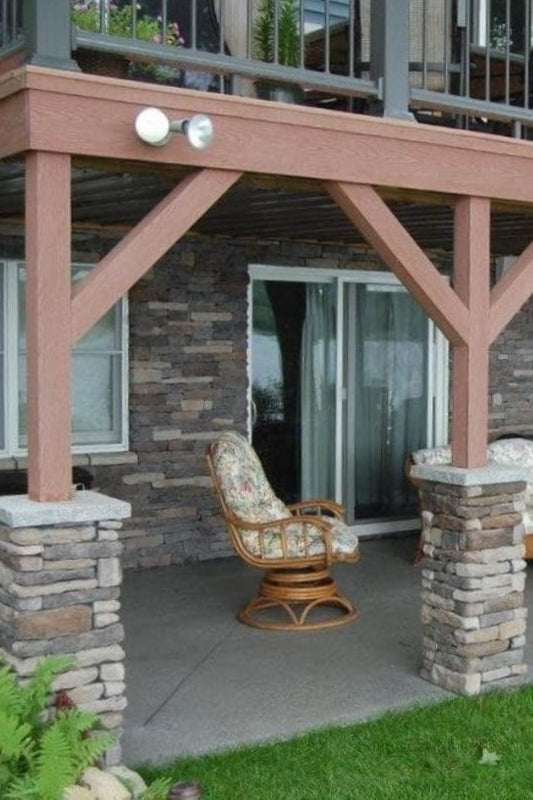
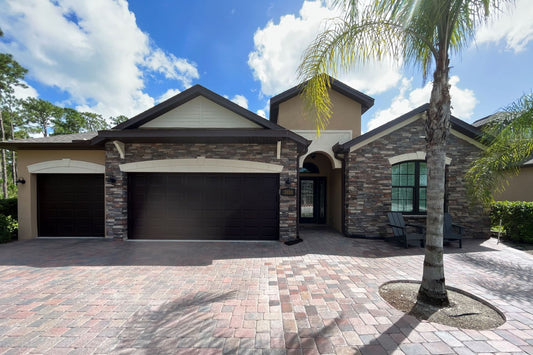
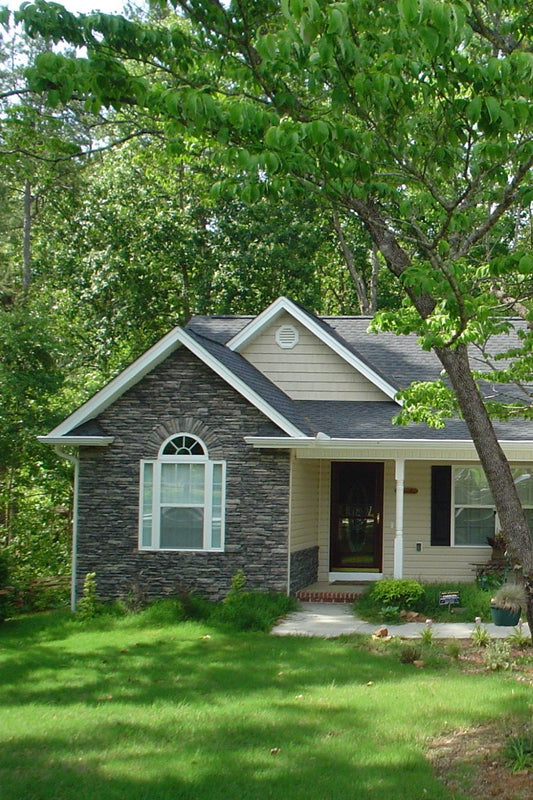
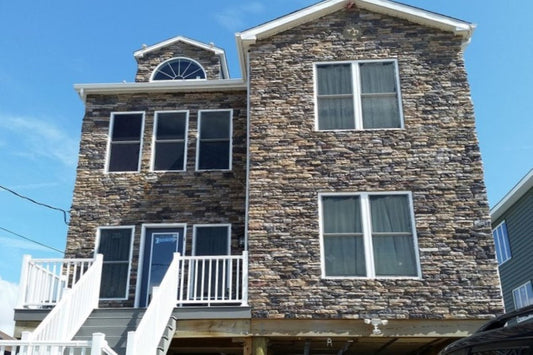
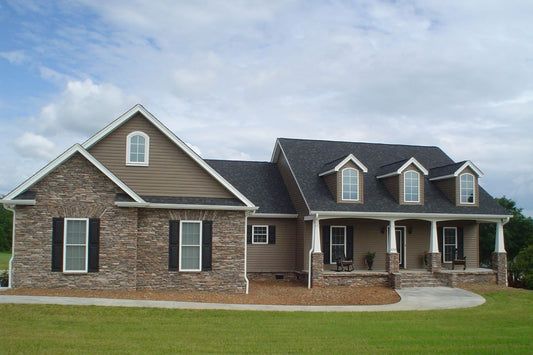
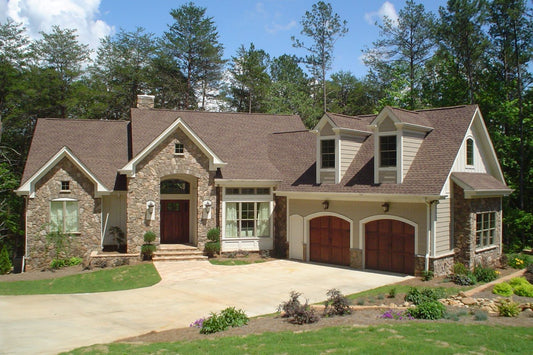
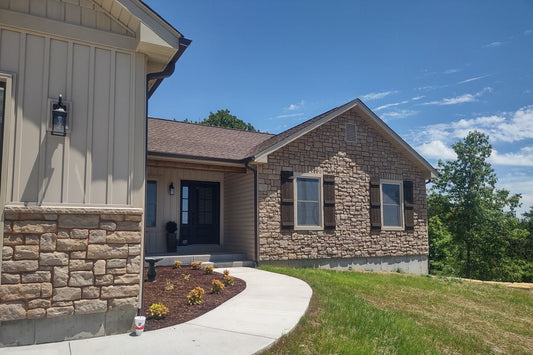
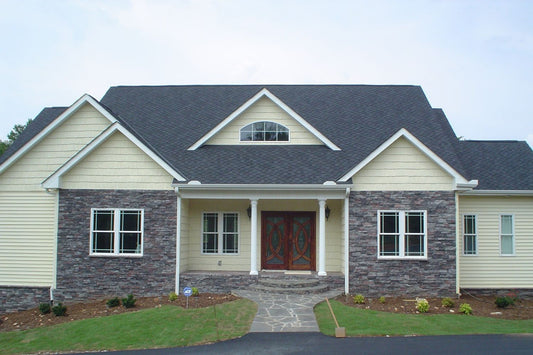
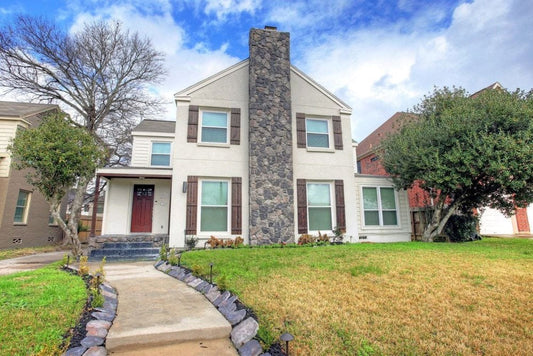
A stone veneer wall paired with wood siding can create a balanced exterior that feels both substantial and welcoming. Stone can be used around the lower portion of a home, entryway, garage, or chimney while wood siding occupies the remaining wall surfaces. This approach gives the stone a strong architectural role without allowing it to overwhelm the entire facade.
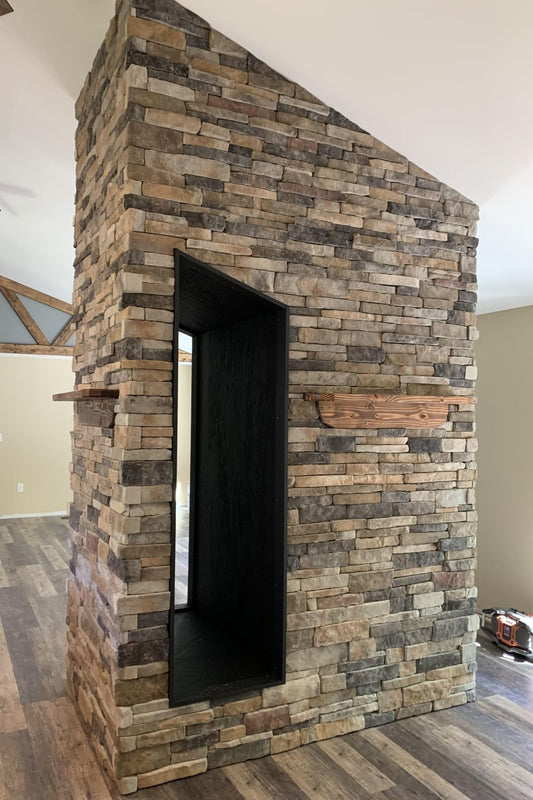
Wood can also be used as an accent against stone veneer. A wood entry door surrounded by stone veneer can create a strong focal point, while exposed wood beams can add warmth to a stone fireplace or accent wall. On contemporary homes, horizontal wood siding paired with linear stone veneer can emphasize the clean geometry of the architecture.
The colors of the materials are important. Warm-toned wood often pairs well with earth-toned stone, while darker wood can create dramatic contrast against lighter stone veneer. When the stone contains several natural-looking colors, choosing a wood finish that complements one of those tones can help unify the overall design.
Combining Stone Veneer and Metal
Metal provides a very different contrast to stone veneer. While stone has a textured, organic appearance, metal is typically smooth, precise, and manufactured. This difference can be especially effective in contemporary, modern farmhouse, industrial, and commercial architecture.
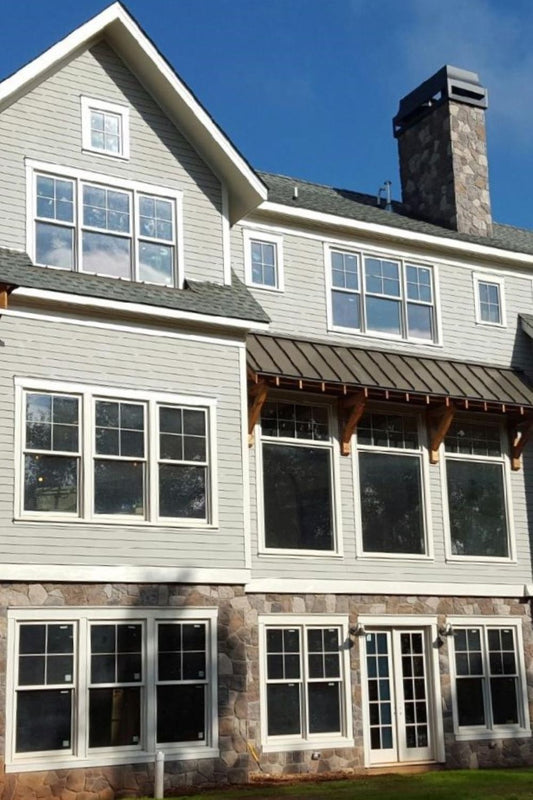
Metal can be incorporated through roofing, siding, doors, window frames, railings, awnings, columns, or architectural details. Dark metal window frames against a lighter stone veneer wall, for example, can create a crisp contrast while emphasizing the shape of the openings.
Corrugated or standing-seam metal siding can also be combined with stone veneer to create a modern exterior. The repetitive lines of metal provide a visual counterpoint to the irregular texture of stone. This allows each material to remain visually distinct while contributing to the same architectural composition.
For commercial buildings, the combination can be particularly effective. Stone veneer can establish a durable, substantial appearance around an entrance or building base, while metal panels create clean transitions across larger wall areas. The result can feel contemporary without sacrificing the visual permanence associated with masonry.
Combining Stone Veneer and Glass
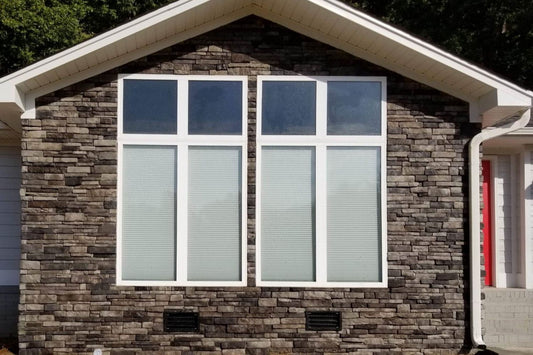
Glass introduces transparency and light into a material combination dominated by solid surfaces. This makes it especially useful when stone veneer is being used around large windows, doors, storefronts, or modern architectural openings.
A stone veneer feature wall next to expansive glass can create a strong relationship between natural texture and open space. Exterior stone can frame large windows or glass doors, creating a transition between the building and surrounding landscape. Indoors, stone veneer can be installed on a fireplace wall or accent wall adjacent to glass doors or large windows.
The contrast is largely visual. Stone absorbs attention through its texture and depth, while glass reflects light and provides a smooth, transparent surface. When positioned together, the materials can make one another more noticeable.
Natural light can also change the appearance of stone veneer throughout the day. Sunlight moving across a textured stone surface creates shadows and highlights, while nearby glass can reflect portions of the stone and surrounding environment. This can add depth to an otherwise simple architectural composition.
Using All Four Materials Together
Stone, wood, metal, and glass do not have to be used in isolation. All four materials can work together when the architecture provides a clear reason for each one.
For example, a contemporary home might combine manufactured stone veneer around the entryway and lower facade with wood siding on upper wall sections. Dark metal window frames and roofing can provide definition, while large glass doors connect the interior living space with the outdoors.
The same concept can be adapted for commercial architecture. A building entrance could use stone veneer as a focal material, wood as a warm accent, metal for structural and architectural details, and glass for storefronts or large windows.
The most successful mixed-material designs generally establish a visual hierarchy. One material acts as the dominant surface, while the others provide contrast and supporting details. If every material occupies an equal visual role, the result can become unnecessarily busy.
Choosing Colors and Textures That Work Together
Color coordination is one of the most important considerations when combining stone veneer with other materials. Stone veneer often contains multiple shades, making it possible to pull complementary colors from the stone for surrounding materials.
A neutral stone veneer can provide a flexible foundation for warm wood, black metal, or clear glass. Darker stone can create a dramatic backdrop for lighter wood or bright architectural details. Meanwhile, lighter stone can help soften dark metal and large expanses of glass.
Texture should also be considered alongside color. Pairing a heavily textured stone with heavily patterned wood and textured metal may create too much visual activity. In many cases, a rough stone surface works best when balanced with smoother materials.
The goal is contrast without competition. Each material should look different enough to contribute something to the design, but similar enough in color, proportion, or architectural style to feel intentional.
Where to Use Mixed-Material Stone Veneer Designs
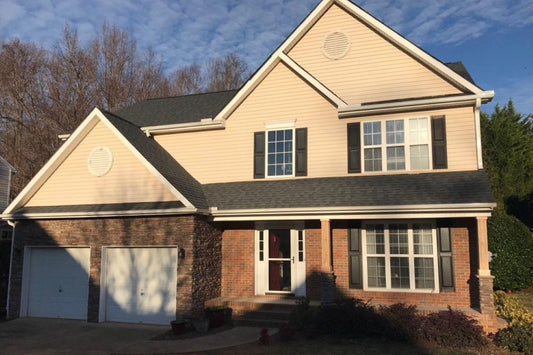
Manufactured stone veneer can be incorporated into mixed-material designs throughout both exterior and interior spaces. On residential exteriors, it can be used around entrances, garages, porches, chimneys, gables, and portions of the facade. Combining these areas with wood siding, metal accents, and glass openings can create a layered architectural appearance.
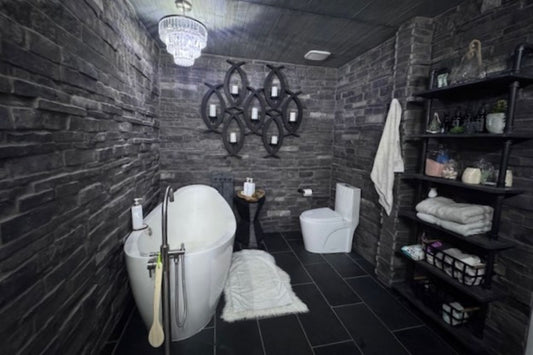
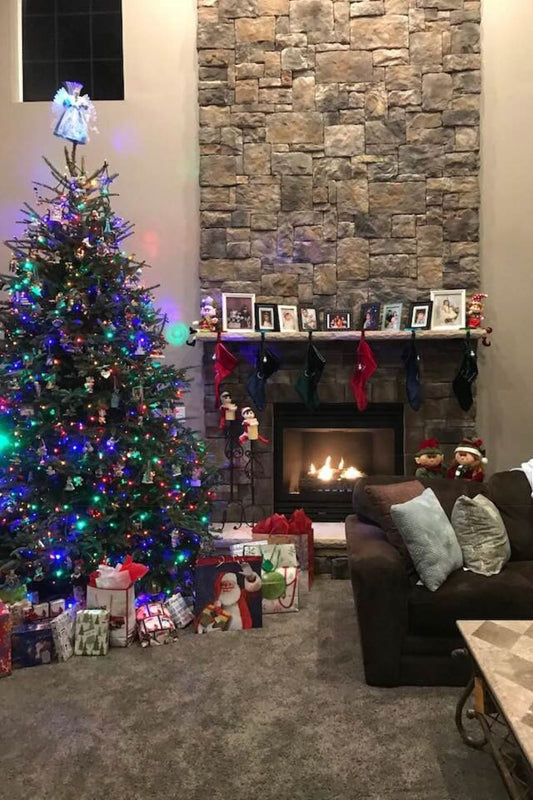
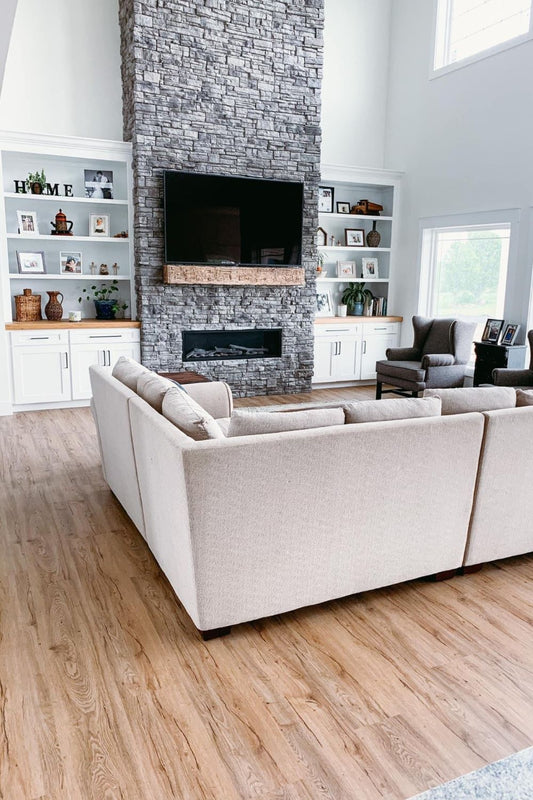
Interior applications offer another opportunity. Stone veneer can form the backdrop of a fireplace, entertainment wall, kitchen feature wall, staircase, or entryway. Wood cabinetry, metal fixtures, and glass doors can then provide contrasting elements without requiring the entire room to use stone.
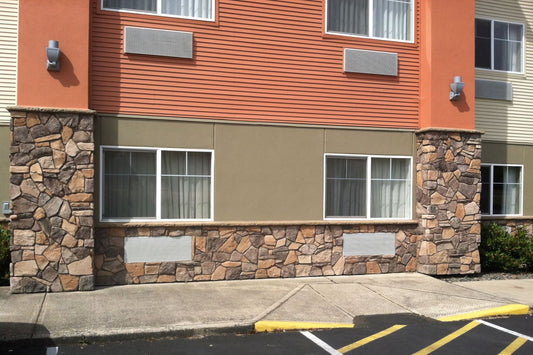
Commercial spaces can also benefit from the approach. Restaurants, retail stores, offices, hotels, and mixed-use buildings frequently combine masonry-inspired materials with glass and metal to create a contemporary exterior. Stone veneer can help establish a strong visual identity while the other materials provide modern architectural contrast.
Installation Considerations for Mixed Materials
Combining multiple materials requires more than choosing finishes that look good together. Each material has different installation requirements, movement characteristics, and methods of attachment. The substrate and transitions between materials should therefore be considered during the design stage rather than after construction begins.
Manufactured stone veneer should be installed according to the manufacturer's installation instructions and applicable building codes. Depending on the substrate and application, proper surface preparation, weather-resistant barriers, metal lath, scratch coats, mortar, flashing, and drainage considerations may be required.
Transitions between stone and wood, metal, or glass should also be carefully detailed. Proper joints and clearances help accommodate differences in movement and prevent water from becoming trapped where materials meet. For exterior projects, moisture management is especially important around windows, doors, roofs, and other penetrations.
Planning these details before installation can make the finished project look cleaner while helping protect the building assembly over time.
Create Contrast Without Losing Cohesion
The appeal of combining stone veneer with wood, metal, and glass comes from contrast. Stone provides texture and permanence, wood adds warmth, metal introduces clean architectural lines, and glass brings light and openness.
The strongest designs do not simply place these materials next to one another. They use each material to reinforce the architectural character of the building. Repeating colors, aligning transitions, maintaining consistent proportions, and establishing a clear dominant material can help the different finishes work together.
Manufactured stone veneer gives designers considerable flexibility because it can be used as a primary cladding material or as a carefully positioned accent. Whether paired with warm wood siding, dark metal panels, expansive glass, or all three, stone veneer can help create an exterior or interior that feels both durable and visually distinctive.
Combining Manufactured Stone Veneer with Wood, Metal, and Glass
Combining manufactured stone veneer with wood, metal, and glass creates opportunities to bring together contrasting textures, colors, and materials in a cohesive architectural design. Stone veneer adds depth, texture, and a sense of permanence, while wood introduces warmth, metal provides clean definition, and glass adds light and openness.
The key is to use each material intentionally. Manufactured stone veneer can serve as a dramatic focal point, frame an entryway or window, define an accent wall, or provide contrast against larger areas of wood or metal. When the colors, proportions, and transitions are carefully considered, these materials can work together to create a design that feels balanced rather than busy.
Whether you're designing a residential exterior, commercial building, fireplace, accent wall, or interior feature, manufactured stone veneer can complement a wide range of architectural materials and styles. With thoughtful planning and proper installation, the combination of stone, wood, metal, and glass can create a finished space that is both visually distinctive and built to last.
From Mountain View Stone: What You Should Know
At Mountain View Stone, our manufactured stone veneer is designed to provide the appearance and texture of natural stone in a lightweight, versatile cladding material that works well alongside wood, metal, and glass. When combining different materials, proper installation and detailing are essential because each material has its own installation requirements, movement characteristics, and moisture considerations. Manufactured stone veneer can be used strategically to create focal points, accent walls, entryways, fireplaces, and other architectural features rather than covering an entire surface. For exterior applications, proper surface preparation, weather-resistant barriers, metal lath, scratch coats, mortar, clearances, and moisture management may be required depending on the substrate and project. Always follow the manufacturer's installation instructions and applicable local building codes to ensure the finished installation performs as intended.
Frequently Asked Questions About Combining Manufactured Stone Veneer with Wood, Metal, and Glass
Can you combine stone veneer with wood siding?
Yes. Stone veneer and wood siding are commonly combined to create contrast between textured masonry and warm, natural-looking wood. Stone can be used around entrances, lower walls, garages, or architectural features while wood siding covers larger wall areas.
Does stone veneer work with modern architecture?
Yes. Manufactured stone veneer can work well with modern architecture when paired with clean-lined materials such as metal and glass. Linear stone profiles, dark metal, large windows, and simple architectural forms can create a contemporary mixed-material appearance.
Can stone veneer be used with metal siding?
Stone veneer can be combined with metal siding on residential and commercial buildings. The textured surface of stone provides contrast to the smooth, repetitive lines of metal siding, creating a modern or industrial-inspired exterior.
How do you combine stone veneer and glass?
Stone veneer can be installed around windows, glass doors, storefronts, and other glazed openings to create contrast between solid texture and transparency. Large glass areas can also help balance the visual weight of a stone veneer wall.
What colors go well with stone veneer?
The best colors depend on the tones present in the stone. Neutral stone veneer generally works well with natural wood, black or dark metal, and neutral architectural finishes. Pulling a complementary color from the stone can help create a cohesive overall design.
Can stone, wood, metal, and glass be used together?
Yes. Stone veneer, wood, metal, and glass can all be incorporated into the same architectural design. The key is to establish a clear visual hierarchy and use the materials in proportions that create contrast without making the building appear visually cluttered.
What's Next?
Transform your home with premium manufactured stone veneer featuring authentic textures and natural-looking color variation. Shop now to start your project and create a timeless, durable finish or order a sample to see and feel the stone up close before you buy.
Have a Question?
Please see our full terms of service or check out our frequently asked questions.
For general information and questions please call: (864) 882-8960 Mon. - Fri. 8am - 5pm (EST) or email: info@mountainviewstone.net we are more than happy to help you.
Or you can submit your questions via our contact us page.
We look forward to working with you on your upcoming project.
The Mountain View Stone Team
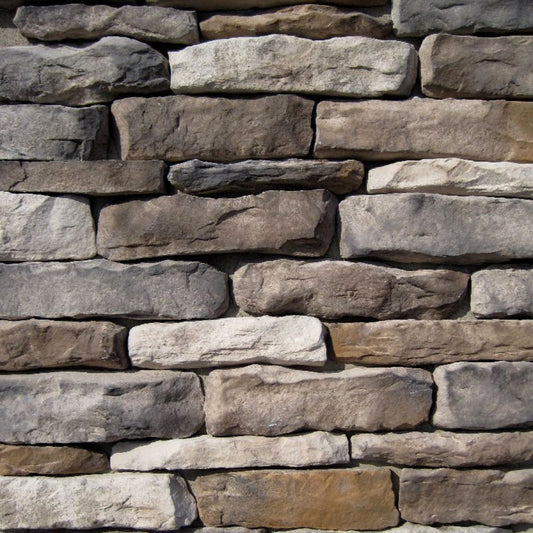
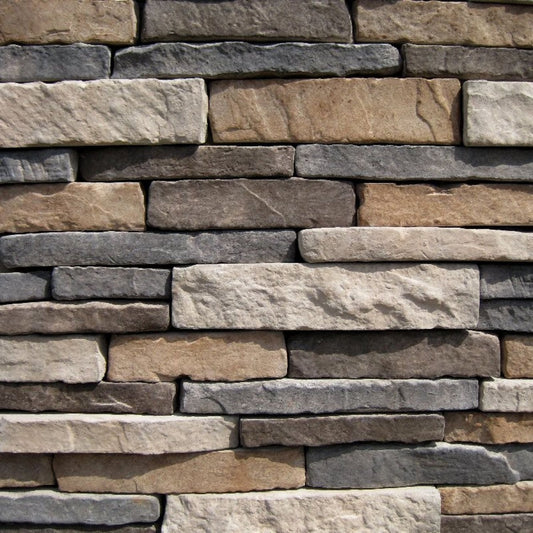
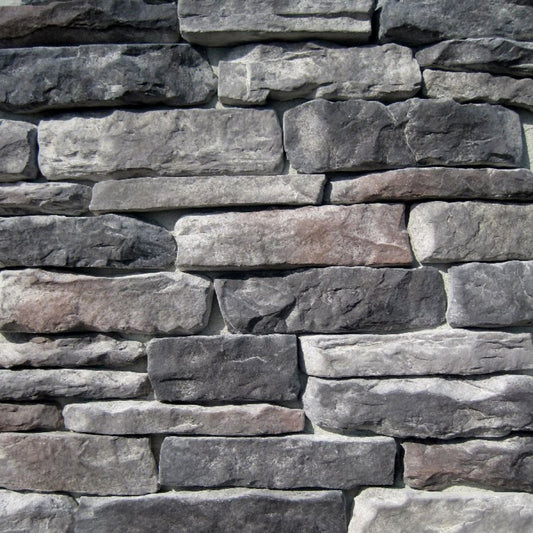
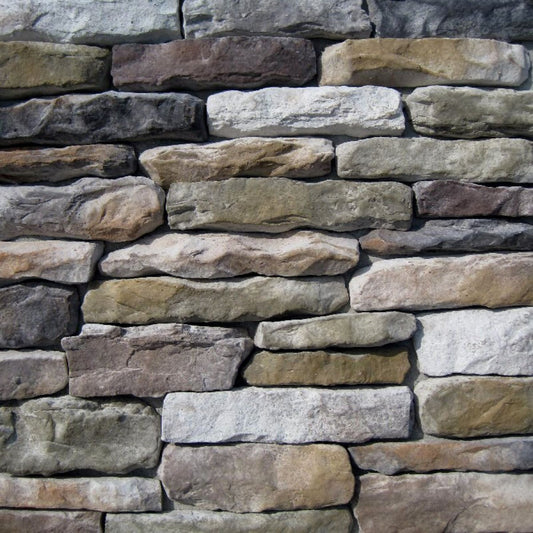
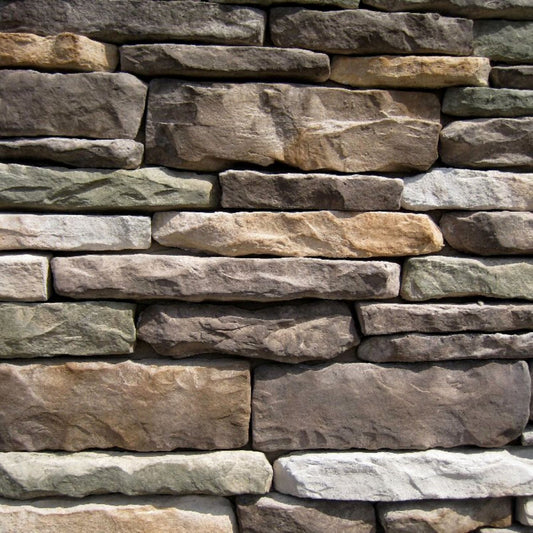
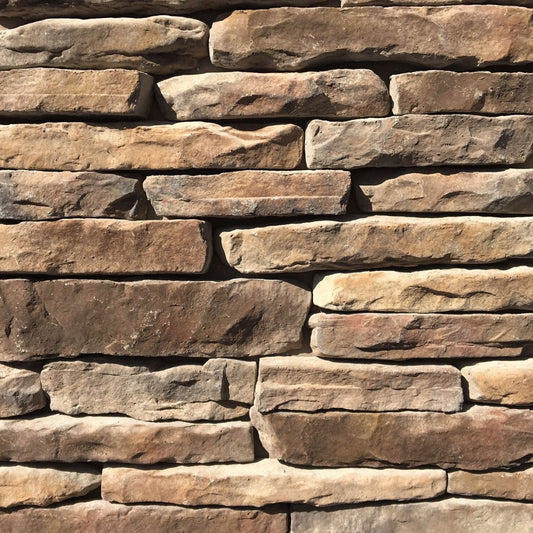
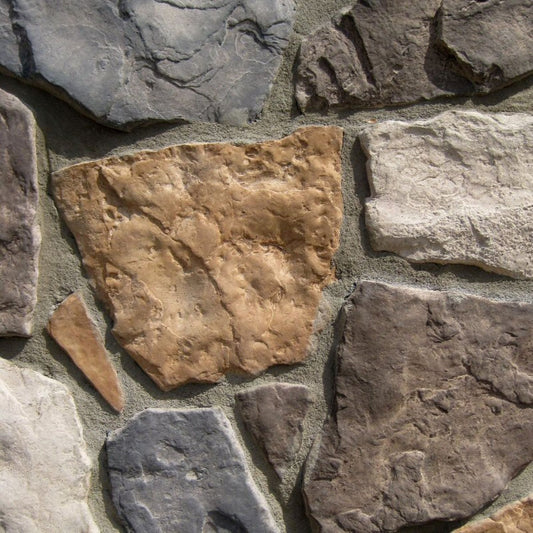
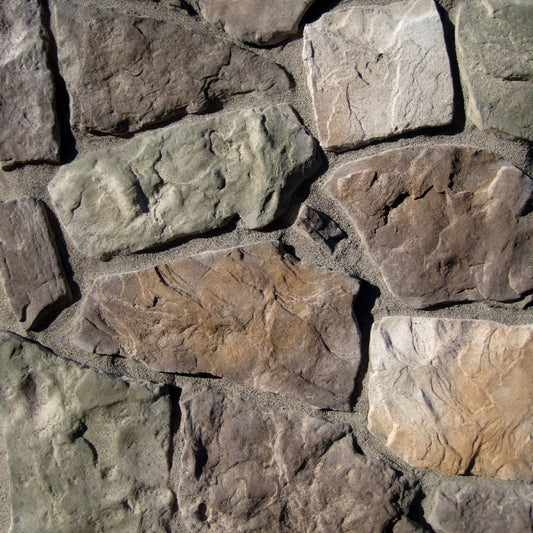
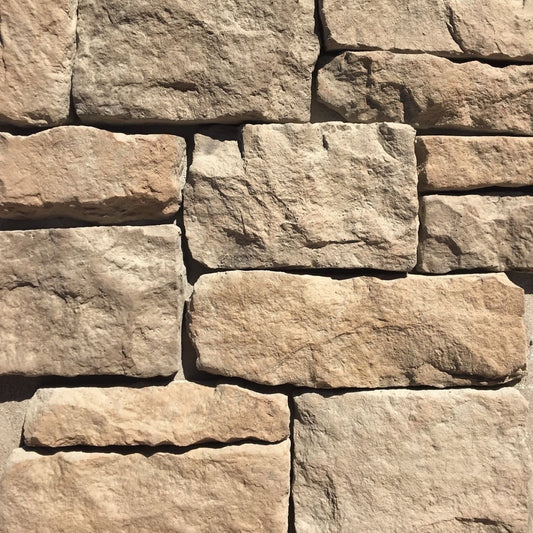
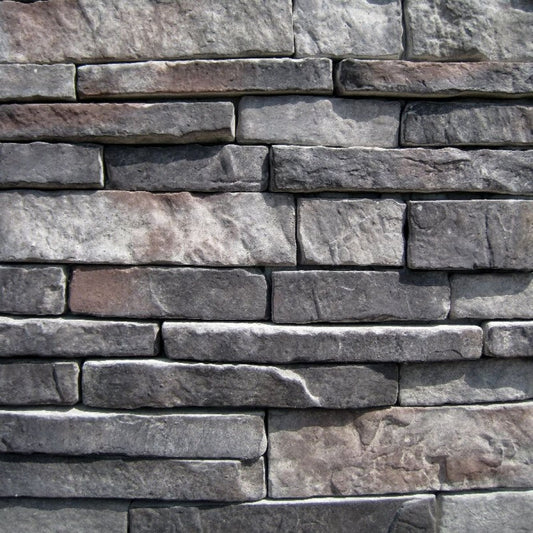
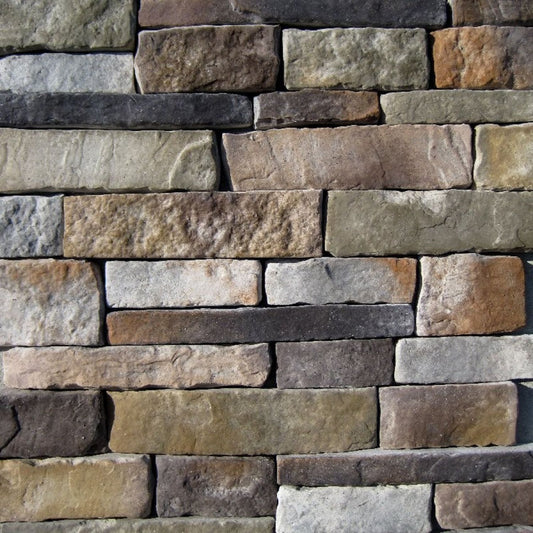
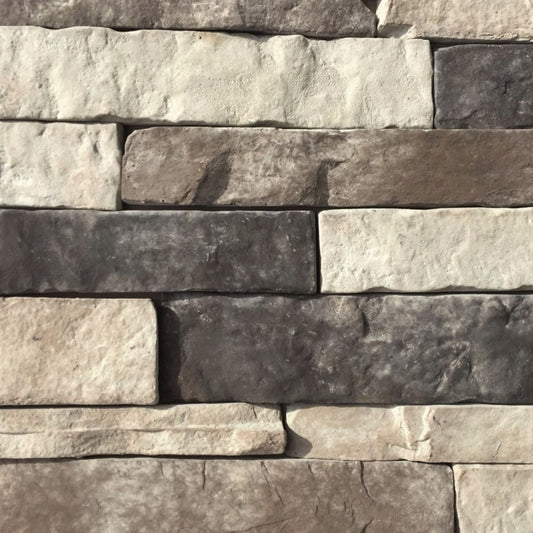
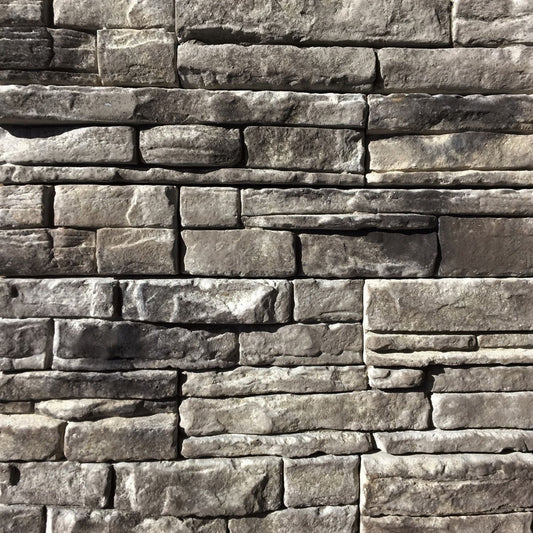
Pictured is ready stack alabama.