
Stone Veneer for Multi-Family Buildings and Apartment Developments
Share
Manufactured stone veneer is an attractive, durable, and lightweight cladding option for multi-family buildings and apartment developments. It can be used on exterior facades, entrances, common areas, amenity spaces, and architectural accents to create the appearance of natural stone with easier installation and lower weight.
Stone veneer has become a popular architectural finish for multi-family buildings and apartment developments because it combines visual appeal with practical performance. Developers, architects, builders, and property owners can use manufactured stone veneer to create distinctive exterior facades, highlight entrances, add character to common areas, and give apartment communities a more upscale appearance. For a broader look at specifying and using stone veneer on larger projects, see our complete guide to stone veneer for commercial applications.
Unlike full-thickness natural stone, manufactured stone veneer is designed as a lightweight architectural cladding material. It replicates the appearance, texture, and color variation of natural stone while reducing the weight and structural demands associated with traditional masonry. This makes manufactured stone veneer suitable for many residential construction and renovation projects when the appropriate installation system and building-code requirements are followed.
For multi-family construction, appearance is only one consideration. Materials also need to withstand weather exposure, complement the architectural design, remain attractive over time, and work efficiently within a construction schedule. Manufactured stone veneer can meet these needs while providing a wide range of styles, colors, and profiles for apartment communities and other multi-family developments.
Why Use Stone Veneer on Multi-Family Buildings?
The exterior of an apartment building plays an important role in how residents, prospective tenants, and visitors perceive the property. A building with thoughtfully selected architectural materials can create a stronger sense of quality and permanence than a facade made entirely from basic siding or other uniform finishes.
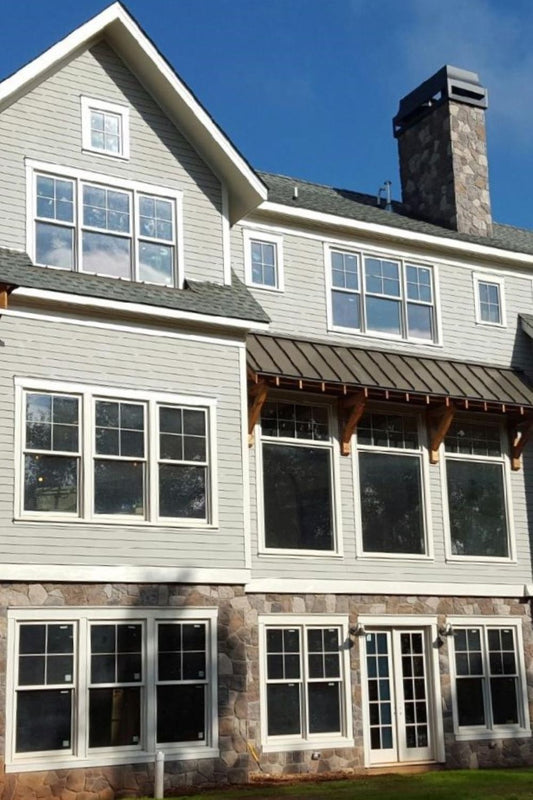
Manufactured stone veneer provides an effective way to introduce natural-looking texture and visual variation without covering an entire building in full-thickness masonry. It can be incorporated into selected portions of a facade while other areas use brick, siding, stucco, fiber cement, or other cladding materials.
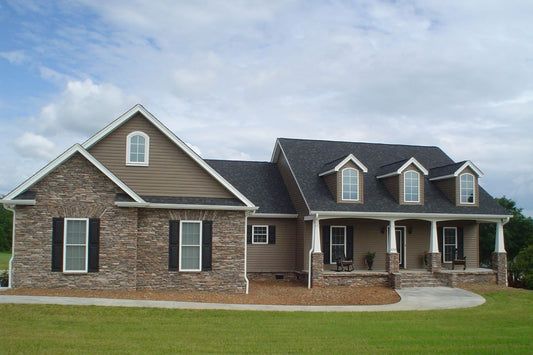
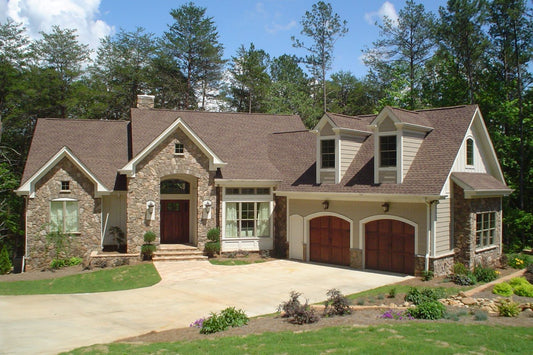
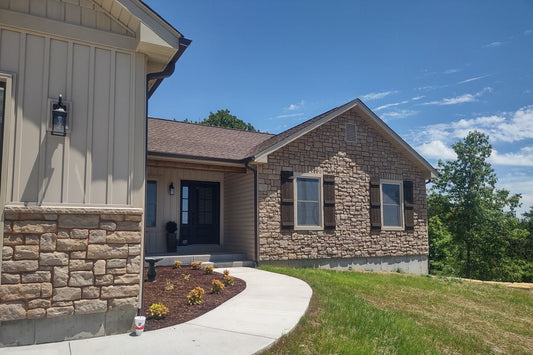
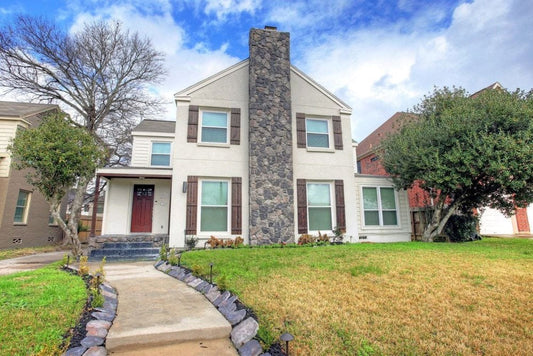
This flexibility is particularly useful for multi-family developments because stone veneer can help define different architectural elements. A developer might use stone around the primary entrance, along the lower portion of a building, around garage openings, or on prominent gable sections. The same material can also be carried into clubhouse buildings and amenity spaces to create a consistent design throughout the property.
Stone Veneer for Apartment Building Exteriors
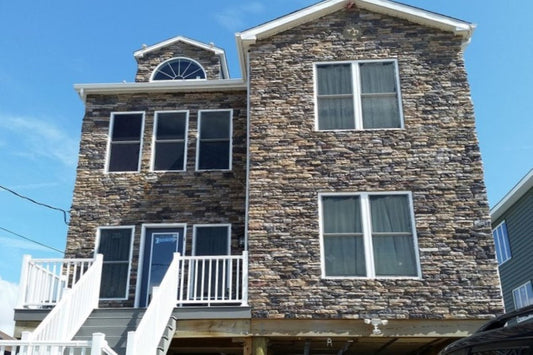
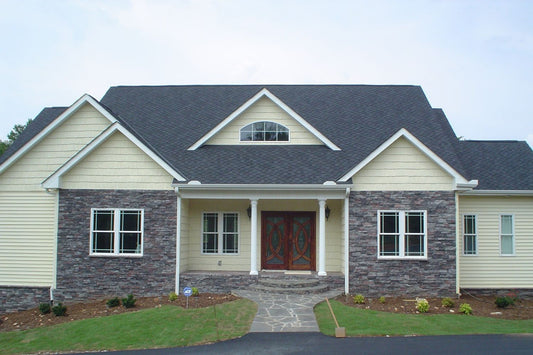
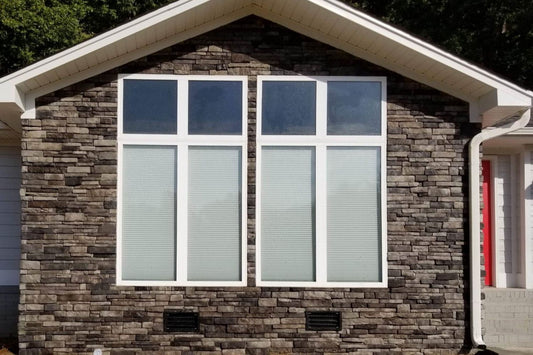
Exterior applications are one of the most common uses for manufactured stone veneer in multi-family construction. Apartment facades can incorporate stone veneer as a primary cladding material or as an architectural accent that complements other exterior finishes.
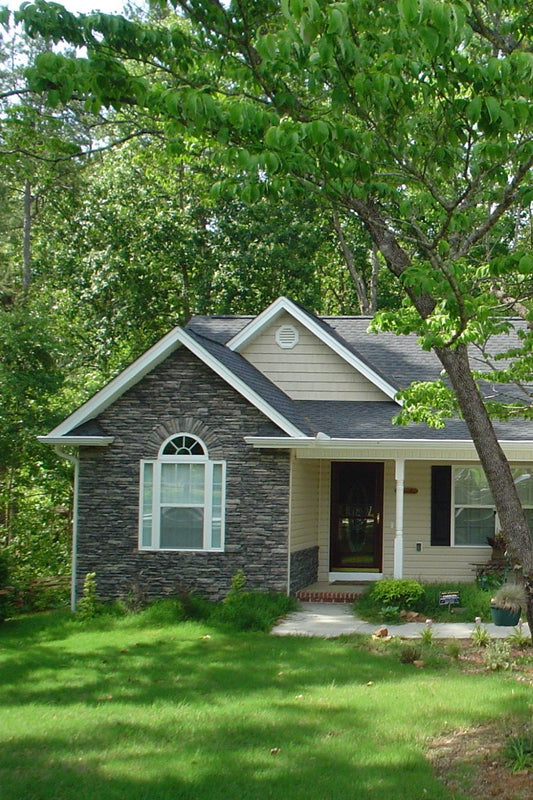
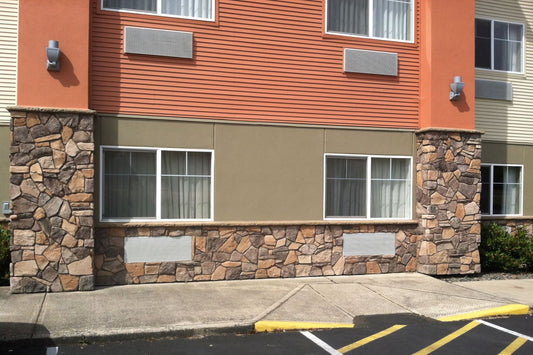
Stone veneer can be used to create a strong visual base along the lower portion of an apartment building, giving the structure a substantial masonry appearance. It can also be installed around windows, doors, building corners, entryways, and other architectural features.
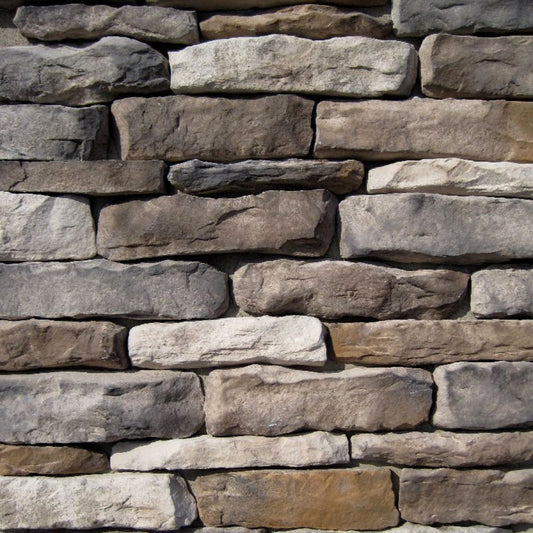
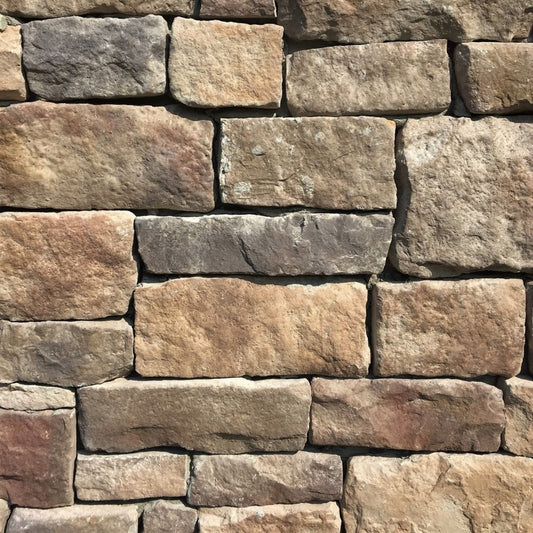
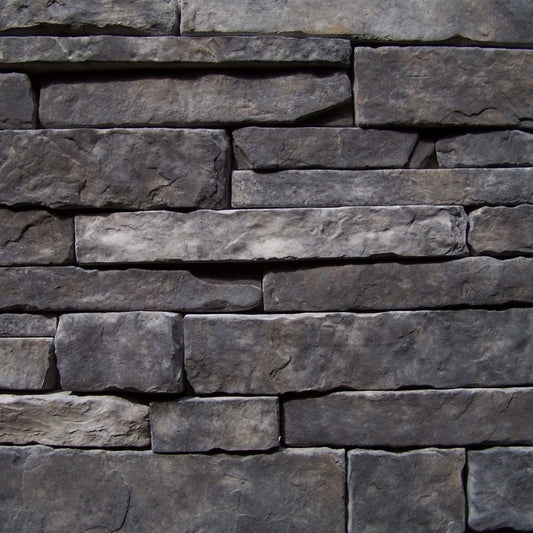
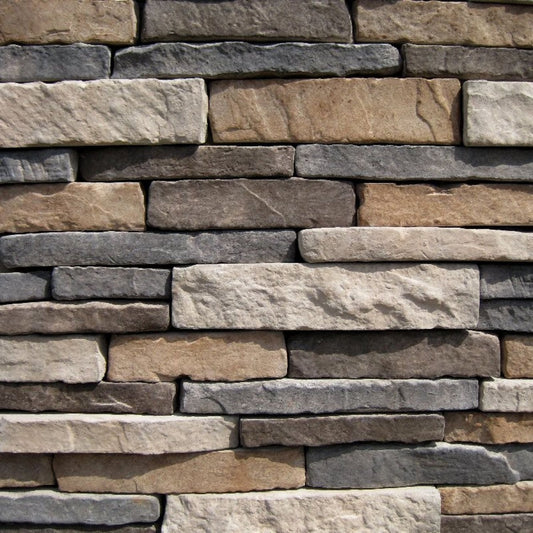
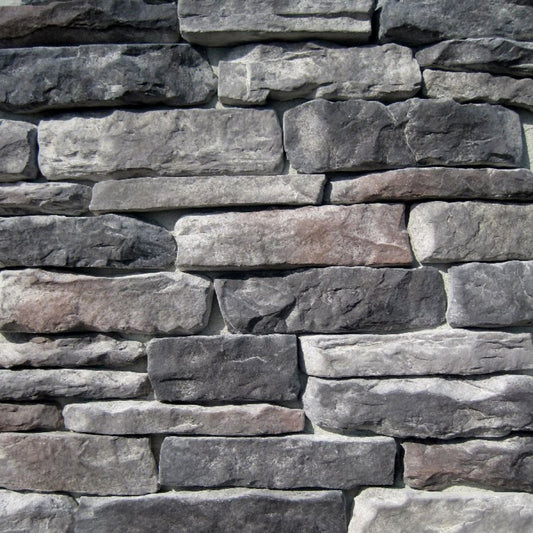
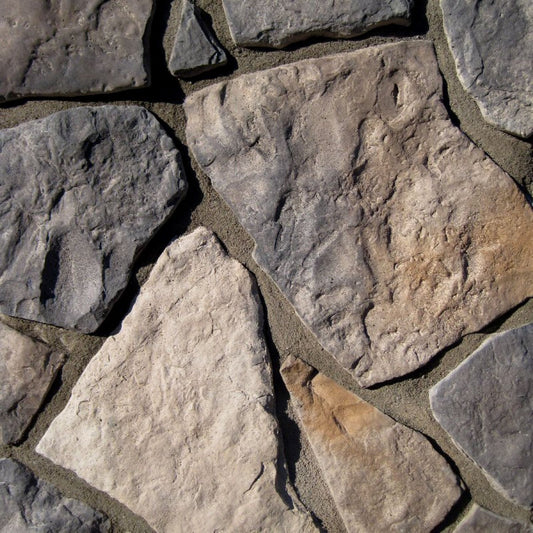
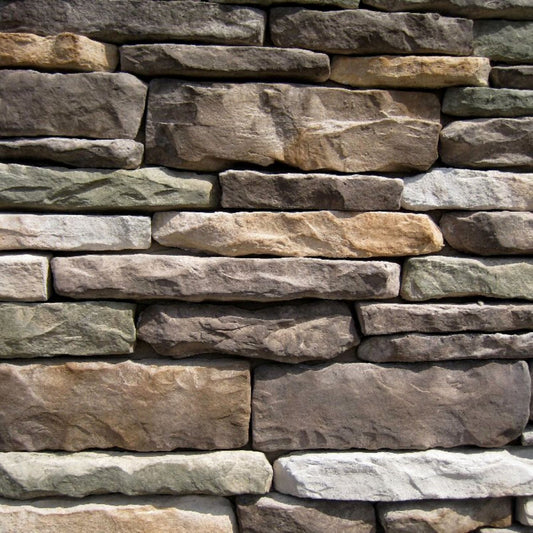
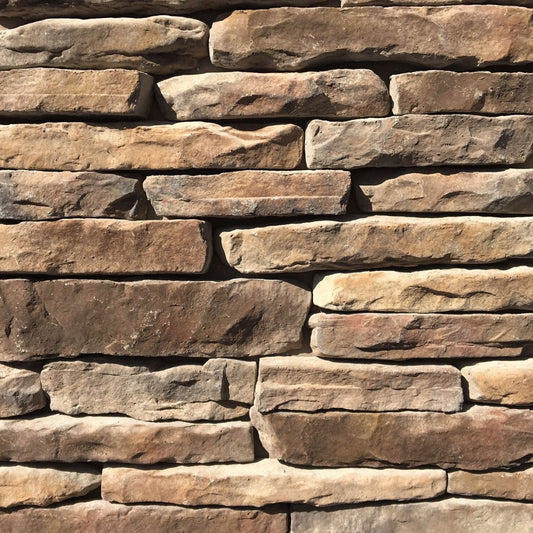
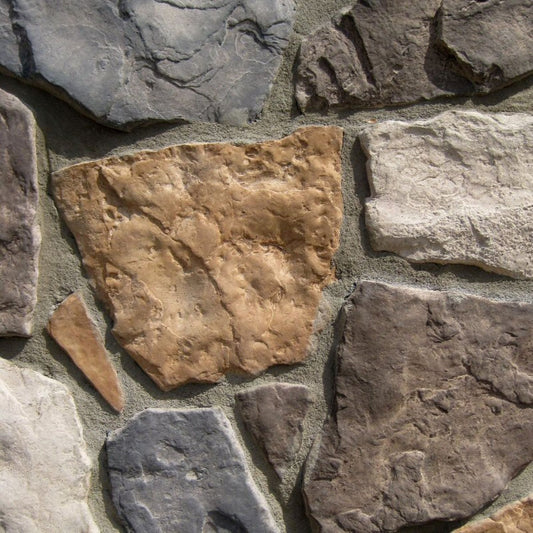
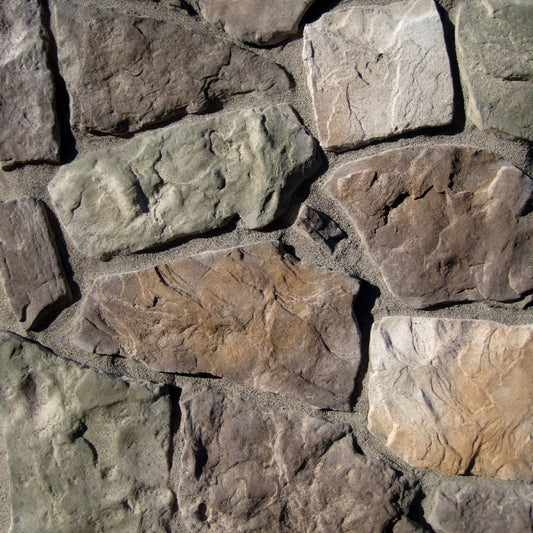
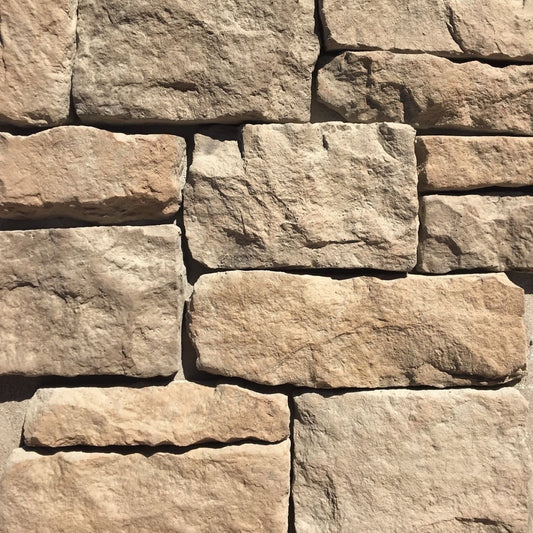
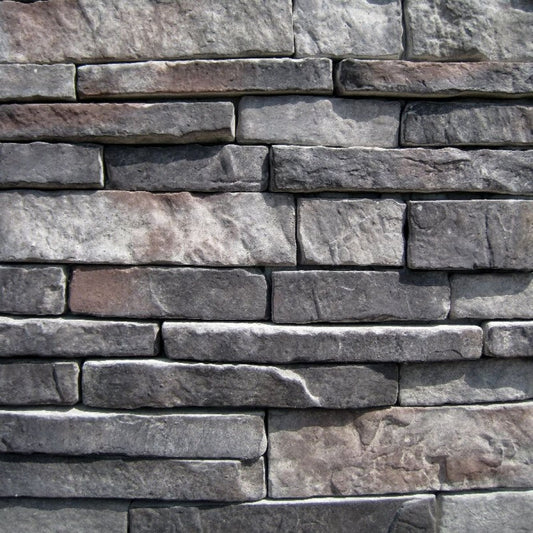
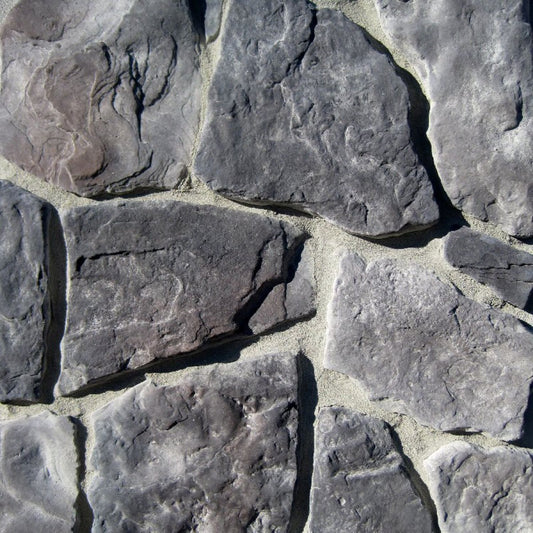
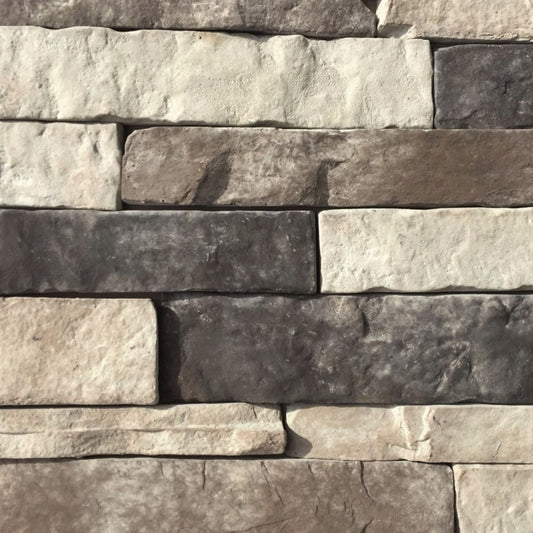
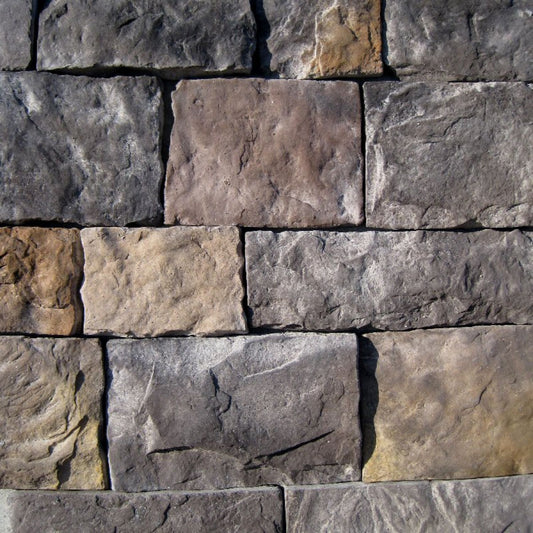
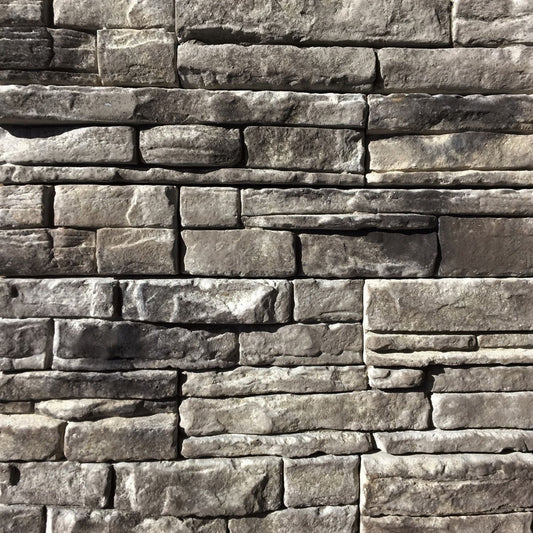
The wide variety of manufactured stone profiles makes it possible to achieve different architectural styles. Ledgestone can create a layered, textured appearance, while fieldstone provides a more irregular and natural look. Stacked stone offers a clean linear appearance, and ashlar-style limestone can provide a more structured, contemporary finish.
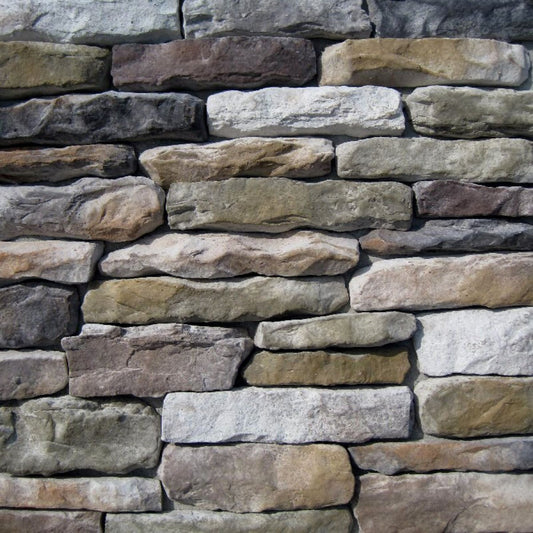
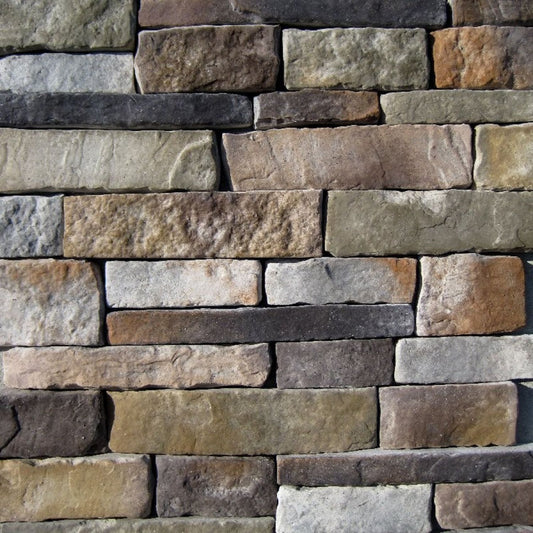
Color selection is equally important. Earth tones can complement traditional apartment communities, while gray, charcoal, cream, and other neutral combinations can support modern architectural designs. Using stone veneer strategically allows designers to create visual contrast without overwhelming the rest of the facade.
Creating Attractive Apartment Entrances
The main entrance is one of the most important architectural features of a multi-family development. It is often the first part of the property prospective residents see, making it an ideal location for a distinctive material such as manufactured stone veneer.
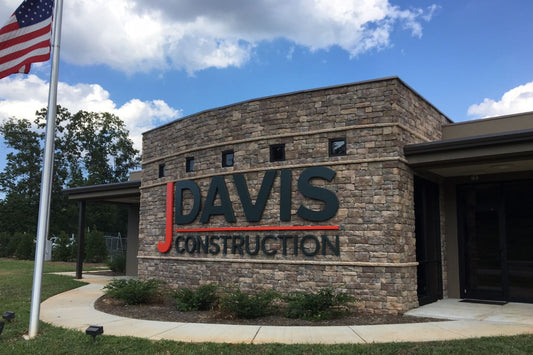
Stone veneer can frame an entrance, cover a tower or projecting wall, or create a feature wall behind signage. These applications add texture and depth to otherwise flat surfaces and can make a relatively simple building design appear more substantial.
For apartment communities with leasing offices, clubhouses, or shared amenity buildings, stone veneer can also help establish a consistent visual identity. Carrying the same stone style from the primary apartment buildings into these spaces creates a cohesive appearance across the development.
Stone Veneer for Clubhouses and Amenity Spaces
Multi-family developments increasingly include amenities such as clubhouses, fitness centers, leasing offices, pools, outdoor kitchens, and community gathering areas. These buildings and spaces provide additional opportunities to incorporate stone veneer.
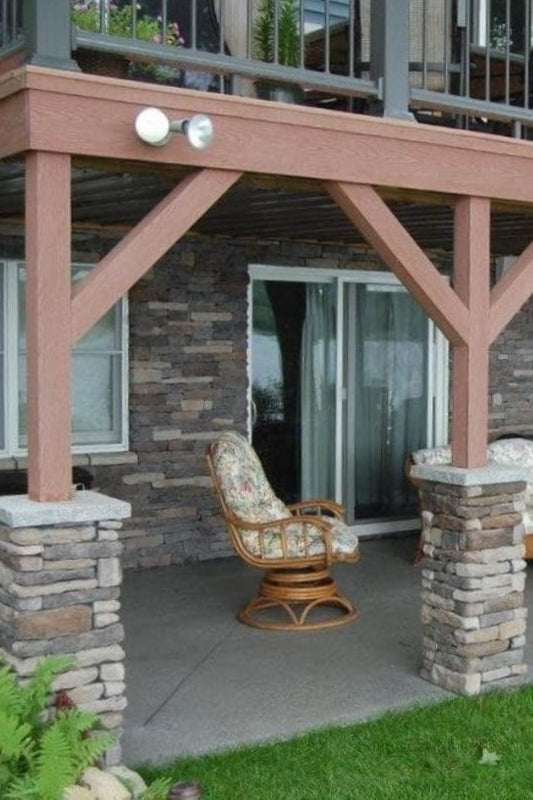
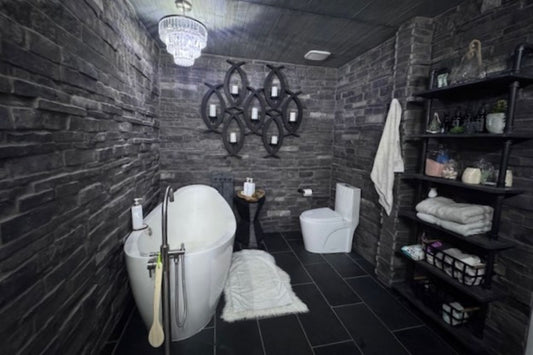
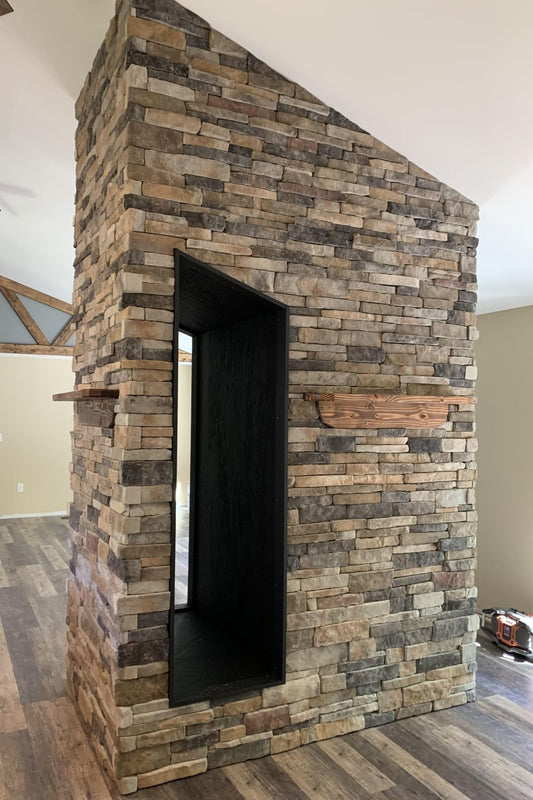
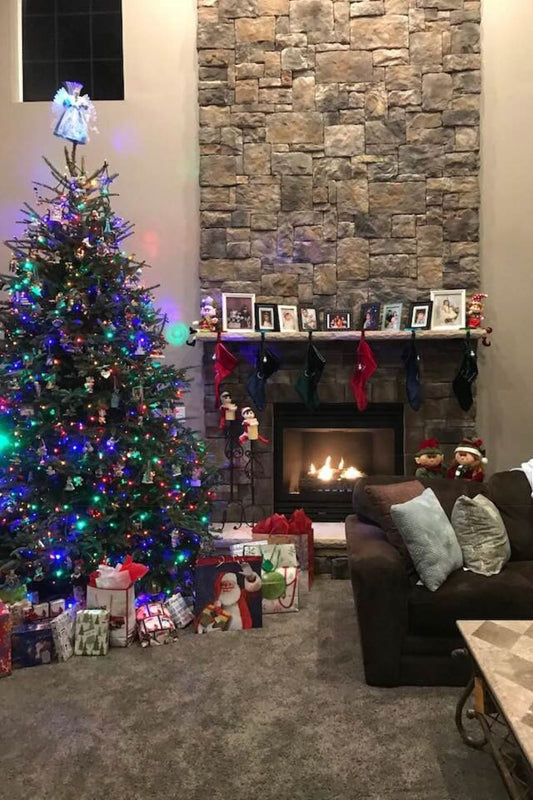
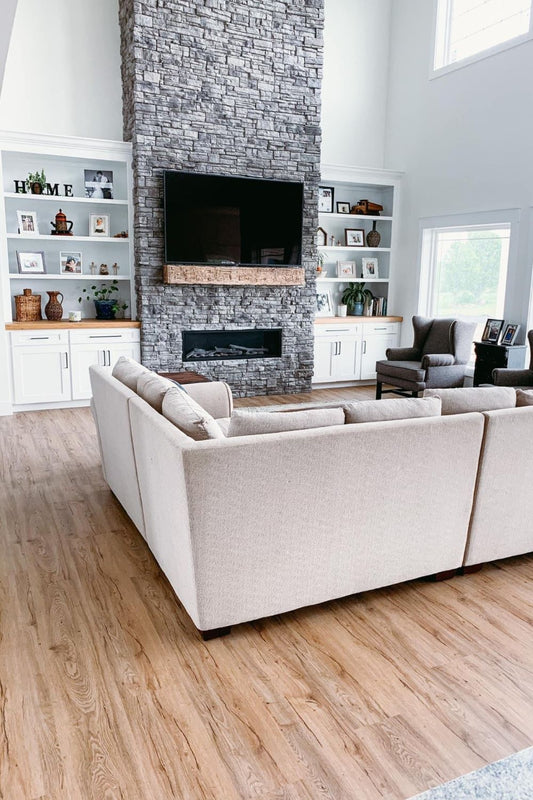
Inside, manufactured stone veneer can be used on accent walls, fireplace surrounds, reception areas, and other architectural features. Outside, it can complement patios, outdoor fireplaces, retaining structures, pool areas, and covered gathering spaces where permitted by the applicable installation requirements.
Using stone veneer throughout both residential and amenity areas can help create a consistent design language. A stone used around the apartment entrances, for example, can be repeated on the clubhouse fireplace or exterior columns to visually connect different areas of the property.
Manufactured Stone Veneer vs. Natural Stone
One of the primary reasons manufactured stone veneer is considered for multi-family construction is its lower weight compared with full-thickness natural stone. Natural stone masonry can require substantial structural support, while manufactured stone veneer is designed specifically as a veneer system.
Manufactured stone veneer also offers greater consistency in product dimensions, color combinations, and profile availability. Because it is manufactured using molds and controlled coloring processes, designers can select a specific style and create a coordinated appearance across a large development.
That consistency can be particularly valuable on apartment projects where the same exterior finish may need to be used across multiple buildings. At the same time, manufactured stone veneer is intentionally produced with color and texture variation so the finished wall does not appear completely uniform.
Installation Considerations for Multi-Family Projects
Proper installation is essential for the long-term performance of manufactured stone veneer. Multi-family projects can involve large wall areas, multiple substrates, different building elevations, and a variety of transitions between materials. The installation system needs to be appropriate for the specific application and substrate.
Exterior installations generally require proper moisture management and substrate preparation before the veneer is applied. Depending on the substrate and project design, this can include a weather-resistant barrier, metal lath, and a mortar scratch coat. The veneer is then installed using the mortar system specified by the manufacturer and applicable building requirements.
Because apartment developments can be subject to local building codes, fire-resistance requirements, structural considerations, and project-specific specifications, architects and contractors should verify the complete installation assembly before construction begins. Manufacturer installation instructions and applicable code requirements should always take precedence over generalized installation advice.
Designing Stone Veneer Into Large Developments
Stone veneer can be particularly effective when it is incorporated into the architectural design early rather than treated as an afterthought. Architects can specify the stone profile, color, coverage areas, corners, trim pieces, and transitions alongside the other exterior materials.
Early planning also helps contractors determine the amount of veneer required for each building elevation and account for corners, openings, waste, and design features. On larger developments, coordinating these details before construction can help maintain a consistent appearance from one building to another.
Material samples are also valuable during the design process. Digital images can provide a general impression of color and texture, but physical stone samples allow architects, developers, and design teams to evaluate the material under actual lighting conditions and alongside the other selected exterior finishes.
Durability and Long-Term Appearance
Multi-family buildings are long-term investments, so exterior materials need to provide lasting performance with reasonable maintenance requirements. Manufactured stone veneer is designed for both residential and commercial-style exterior applications when properly installed and maintained.
Its cement-based composition provides a durable masonry appearance, while integral coloring and textured surfaces create the visual characteristics associated with natural stone. Proper installation and moisture management are important factors in maintaining the appearance and performance of the veneer over time.
As with any exterior cladding material, the finished installation should be protected from conditions that could cause unnecessary damage. Proper drainage, appropriate clearances, correct flashing and moisture-management details, and adherence to installation requirements all contribute to long-term performance.
Stone Veneer as an Architectural Investment
For developers, the value of stone veneer extends beyond the material itself. Exterior appearance can influence the overall character of an apartment community and help differentiate one development from another.
A carefully selected stone veneer can give a new apartment building a more established architectural appearance while adding texture and visual interest to large facades. It can also help create recognizable entrances and amenity spaces that contribute to the overall identity of the property.
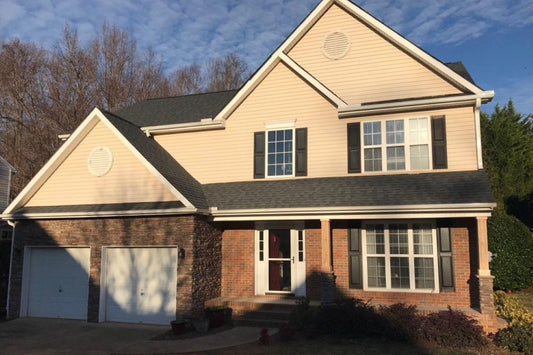
For renovation projects, stone veneer can provide a way to modernize an existing multi-family building without completely replacing the exterior. Strategic application around entrances, lower facades, and architectural features can significantly change the appearance of a property while working alongside existing cladding materials.
Choosing the Right Stone Veneer for an Apartment Development
The best stone veneer for a multi-family project depends on the architectural style, surrounding environment, desired appearance, installation requirements, and overall design of the development. A rustic fieldstone may complement a traditional residential community, while a linear stack stone or ashlar limestone may be better suited to a contemporary apartment design.
Color should be evaluated alongside the roof, siding, brick, windows, trim, and other exterior materials. The goal is generally to create contrast and visual interest without making the stone appear disconnected from the rest of the building.
For larger developments, consistency is especially important. Selecting a stone profile and color combination that can be used across multiple buildings helps establish a cohesive appearance while still allowing individual architectural elements to stand out.
Stone Veneer for Multi-Family Buildings and Apartment Developments
Manufactured stone veneer is a versatile option for multi-family buildings and apartment developments. It can add natural-looking texture, architectural character, and visual distinction to apartment facades, entrances, clubhouses, amenity spaces, and other areas throughout a residential community.
Its lighter weight compared with full-thickness natural stone, variety of profiles and colors, and ability to complement other cladding materials make it well suited to both new construction and renovation projects. With proper design, substrate preparation, moisture management, and installation, stone veneer can provide a durable and attractive finish that contributes to the long-term appearance of a multi-family property.
For architects, developers, and builders planning an apartment development, incorporating manufactured stone veneer early in the design process allows the material to become an intentional part of the architecture rather than simply an exterior accent. The result can be a more distinctive, cohesive, and visually appealing residential community.
From Mountain View Stone: What You Should Know
At Mountain View Stone, we manufacture made-to-order stone veneer in the USA for residential and commercial applications, including multi-family buildings and apartment developments. Our manufactured stone veneer is designed to provide the appearance and texture of natural stone with the lighter weight and practical installation benefits of manufactured veneer. For larger projects, we recommend working with your architect, contractor, or design team early in the planning process to select the appropriate profile, color, coverage, and installation system. Physical samples can also help ensure the selected stone complements the other exterior materials before placing a larger order.
Frequently Asked Questions About Stone Veneer for Multi-Family Buildings and Apartment Developments
Can manufactured stone veneer be used on apartment buildings?
Yes. Manufactured stone veneer can be used on apartment buildings and other multi-family structures when the appropriate installation system, substrate preparation, and building-code requirements are followed. It can be used on exterior facades, entrances, accent areas, and architectural features.
Is manufactured stone veneer lighter than natural stone?
Yes. Manufactured stone veneer is generally much lighter than full-thickness natural stone because it is produced as a veneer rather than a full masonry unit. Its lighter weight can make it a practical option for many multi-family construction applications.
Where can stone veneer be used on a multi-family development?
Stone veneer can be used on apartment facades, building entrances, columns, accent walls, garage openings, gables, clubhouse exteriors, leasing offices, fireplaces, and other architectural features where the installation system is appropriate.
Does stone veneer work with other apartment exterior materials?
Yes. Manufactured stone veneer can be combined with materials such as brick, siding, stucco, fiber cement, and other cladding products. Using stone strategically can create contrast and architectural definition while maintaining a cohesive exterior design.
How should stone veneer be installed on an apartment building?
Installation depends on the substrate and specific project conditions. Exterior applications commonly require appropriate moisture management, a weather-resistant barrier where applicable, metal lath, a scratch coat, and the mortar system specified by the manufacturer. Project-specific building codes and manufacturer instructions should always be followed.
Should architects specify stone veneer before construction begins?
Yes. Specifying the stone veneer during the design phase allows the architectural team to coordinate the profile, color, coverage areas, corners, transitions, and installation requirements with the rest of the building envelope. Early specification can also help maintain consistency across multiple buildings in a development.
Are You a Pro?
At Mountain View Stone, we work closely with architects, designers, contractors, and builders who need more than just a material supplier, they need a reliable partner who understands commercial demands. From specification support to custom color development and project coordination, our focus is on helping professionals bring complex facade designs to life with confidence. Whether you’re working on a large-scale commercial development or a detailed architectural feature, we’re here to support your vision with consistent, made-to-order stone veneer solutions built for real-world performance.
We also have a dedicated team for trade and commercial professionals, so feel free to reach out directly at pros@mountainviewstone.net for project support, inquiries, or additional information about our verified pro program.
What’s Next?
Transform your project with premium manufactured stone veneer from Mountain View Stone. Shop now or order a sample to find the right color, texture, and style for your project with confidence.
Have a Question?
Please see our full terms of service or check out our frequently asked questions.
For general information and questions please call: (864) 882-8960 Mon. - Fri. 8am - 5pm (EST) or email: info@mountainviewstone.net we are more than happy to help you.
Or you can submit your questions via our contact us page.
We look forward to working with you on your upcoming project.
The Mountain View Stone Team
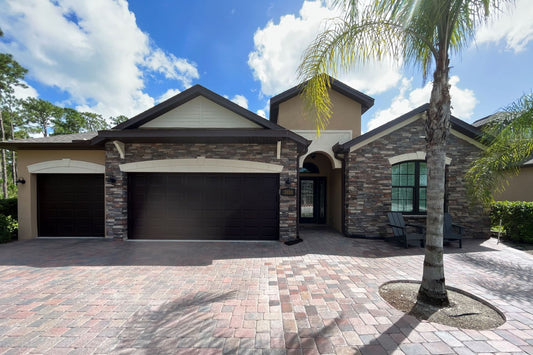
Pictured is an AI generated image of an apartment complex with stone veneer.