
Stone Veneer Around Pools and Hot Tubs: Water, Chlorine, and Durability Explained
Share
Manufactured stone veneer can be used around pools and hot tubs, but it is not resistant to constant moisture, chlorine, saltwater, or chemical exposure on its own. Because it is a porous cement-based material, it must be properly installed with waterproofing, drainage, and sealing systems to prevent staining, surface breakdown, and long-term chemical damage in wet, high-humidity environments.
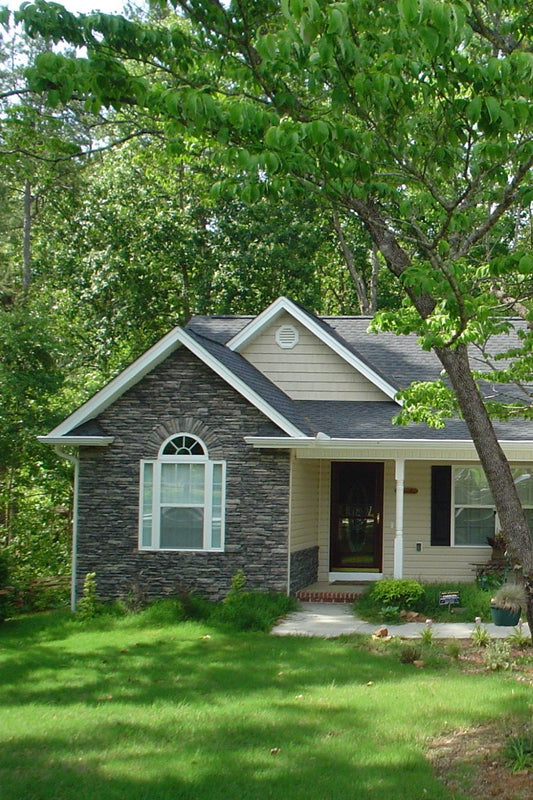
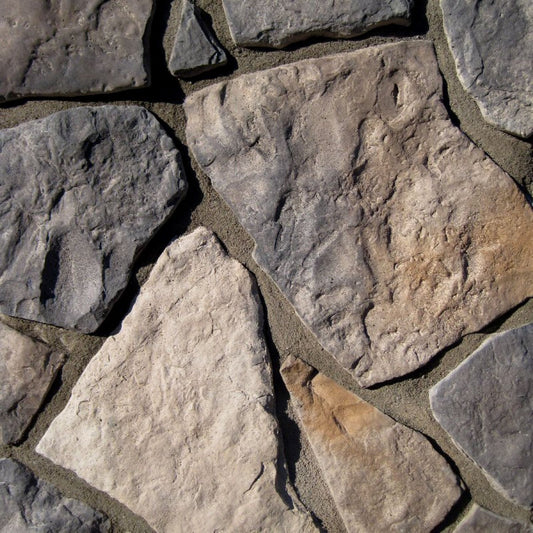
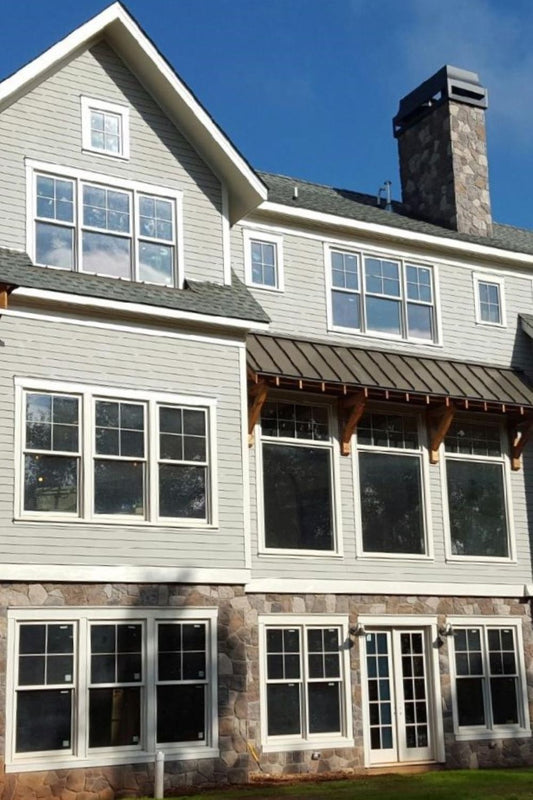
Pool decks, hot tub surrounds, and backyard water features have become key focal points in modern outdoor design. Homeowners increasingly want these areas to feel like luxury resort spaces, and manufactured stone veneer is often chosen to help achieve that look. Its natural texture, colour variation, and ability to mimic real stone make it a popular material for retaining walls, spa enclosures, poolside facades, and outdoor living spaces. For a deeper look at how to design and build these types of projects, explore the ultimate guide to manufactured stone veneer for exterior spaces.
However, while manufactured stone veneer performs well in many exterior environments, pool and spa areas present a unique set of challenges. Constant humidity, direct water exposure, and chemical contact from chlorine, bromine, and salt systems can all impact the long-term performance of the material. Understanding how these elements interact with stone veneer is essential for ensuring durability, appearance, and structural stability over time.
How stone veneer behaves around pools and hot tubs
Manufactured stone veneer is a cement-based product that is naturally porous. This means it can absorb moisture when exposed to water over time. Around pools and hot tubs, this exposure is not occasional but frequent, often combined with high humidity and airborne chemical particles.
Unlike pool tiles or fully waterproof materials, manufactured stone veneer is not designed to be submerged or continuously saturated. Instead, it is intended for vertical or semi-protected surfaces where water sheds away rather than collects. When used around pools or spas, it functions best as a decorative cladding rather than a water barrier.
In these environments, the material is constantly exposed to evaporating chlorinated water, splashing, and humidity cycles. Over time, these conditions can accelerate surface wear if proper installation and protection measures are not in place.
The impact of pool chemicals on stone veneer
One of the most important factors to consider in poolside installations is chemical exposure. Pool water is treated with chlorine, bromine, salt systems, and other balancing chemicals that help maintain water quality. While these chemicals are safe for swimming, they can be aggressive toward porous masonry materials over time.
Chlorine, in particular, can contribute to surface discoloration when it repeatedly contacts unsealed or poorly sealed stone. As water splashes onto veneer surfaces and evaporates, chemical residues can remain behind, slowly altering the appearance of the stone.
Saltwater pools introduce another concern. Salt crystals can form within the pores of the stone as water evaporates. Over time, this can contribute to surface scaling, efflorescence, or minor surface breakdown if the material is not properly protected.
Hot tubs add another layer of intensity due to higher water temperatures and concentrated chemical use. Heat accelerates evaporation, which increases the rate at which chemicals are deposited onto surrounding surfaces. This makes hot tub surrounds particularly susceptible to staining and surface wear if the stone is left unsealed.
Moisture, humidity, and splash zones
Even without direct chemical exposure, pool and spa environments create consistently high moisture conditions. Splash zones around pools and hot tubs experience frequent wetting and drying cycles, which can gradually affect porous materials.
Manufactured stone veneer absorbs moisture differently depending on installation quality and surface protection. When water repeatedly enters the material and then evaporates, it can carry dissolved salts and minerals to the surface. This often appears as efflorescence, a white chalky residue that is common in masonry products exposed to constant moisture.
Humidity also plays a role. In enclosed spa areas or regions with warm climates, elevated moisture levels in the air can slow down drying times for stone surfaces. This extended moisture exposure increases the likelihood of staining or surface degradation over time if the veneer is not properly sealed or ventilated.
Risks of using stone veneer around pools and hot tubs
While manufactured stone veneer is widely used in outdoor living spaces, pool and spa environments introduce several specific risks that should be considered during design and installation.
One of the most common issues is surface staining caused by chemical exposure. Chlorine and salt residues can build up over time, especially in areas that are frequently splashed but not regularly cleaned. This can lead to uneven colouring or dulling of the stone’s natural appearance.
Another concern is moisture infiltration behind the veneer system. If water enters behind the stone and is unable to drain properly, it can become trapped within the wall assembly. In combination with heat and humidity, this trapped moisture can contribute to mould growth or deterioration of the bonding materials.
Freeze-thaw damage is less common in pool environments but can still occur in colder climates during off-seasons. Moisture absorbed during warmer months can freeze in winter, leading to expansion and potential cracking or surface spalling.
Adhesion failure is another potential risk. Constant wetting and drying cycles, combined with chemical exposure, can weaken mortar bonds over time if the system is not properly installed with appropriate materials and drainage. For a deeper look at how stone veneer holds up over time in different environments, read is manufactured stone veneer durable?
Best practices for pool and spa installations
As highlighted in our guide where can you install manufactured stone veneer? although pool and hot tub environments are challenging, manufactured stone veneer can still perform well when installed correctly. The key is treating the installation as a managed moisture system rather than a purely decorative surface.
A properly installed weather-resistant barrier behind the veneer is essential. This layer helps prevent water and vapour from penetrating the structural wall while allowing moisture to escape. When combined with a drainage plane, it ensures that any water that does reach the back of the system can exit rather than accumulate.
Sealing is especially important in poolside applications. A breathable, high-quality sealer helps reduce water and chemical absorption without trapping moisture inside the stone. This is critical because non-breathable coatings can actually increase long-term damage by sealing moisture within the material.
Proper detailing around coping, caps, and transitions is also important. These areas are highly exposed to splash and chemical contact, so correct flashing and water-shedding design help reduce direct exposure to the veneer surface.
Maintaining clearance above waterlines and splash zones is another important design consideration. Even small adjustments in height placement can significantly reduce the amount of direct water contact the stone receives over time.
Cleaning and maintenance in chemical environments
Routine maintenance plays a major role in preserving the appearance of stone veneer around pools and hot tubs. Regular rinsing with clean water helps remove chemical residue before it can build up on the surface. This is particularly important in saltwater pool environments where salt deposits can accumulate.
Mild cleaning solutions may be used when necessary, but harsh acidic cleaners should be avoided as they can damage both the stone surface and mortar joints. Gentle cleaning helps preserve the natural texture of the veneer while removing surface contaminants.
Reapplying breathable sealer periodically is also recommended, especially in high-use pool areas. Over time, exposure to UV rays, moisture, and chemicals can reduce the effectiveness of the original sealant, making reapplication an important part of long-term maintenance.
Stone veneer around pools and hot tubs
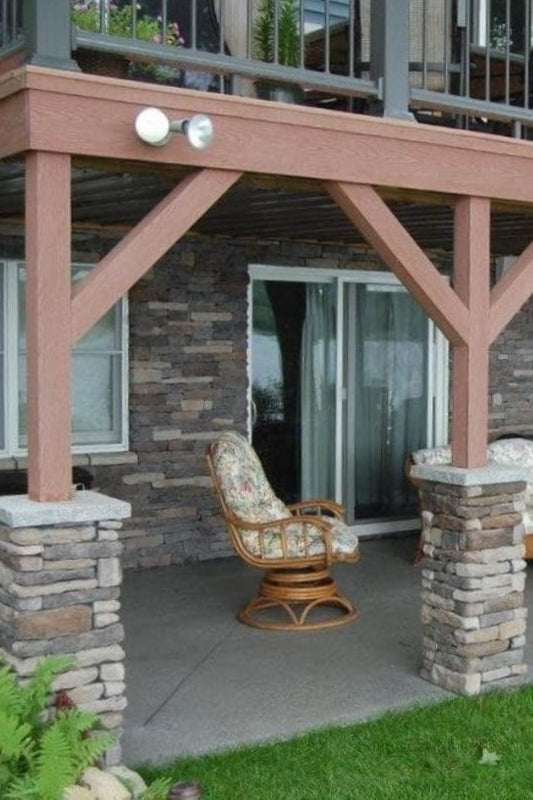
Manufactured stone veneer can be an excellent design choice for pool and hot tub environments when used correctly. It offers a natural, high-end aesthetic that complements water features beautifully, helping create a cohesive outdoor living space.
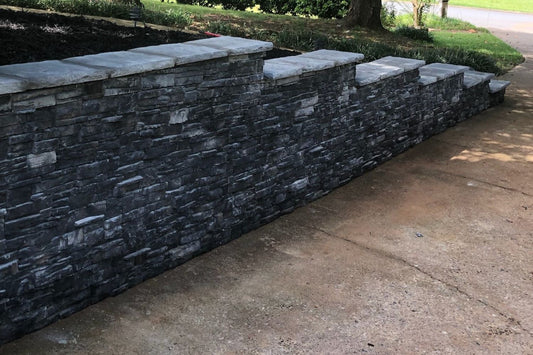
However, it is important to understand its limitations. It is not a waterproof or chemical-resistant barrier material, and it should never be used in submerged applications or areas with constant direct water contact. Instead, it performs best as a decorative cladding on vertical surfaces, retaining walls, spa enclosures, and surrounding architectural features.
When paired with proper waterproofing systems, sealing, and thoughtful design, it can provide long-lasting visual appeal even in challenging moisture and chemical environments.
From Mountain View Stone: what you should know
At Mountain View Stone, pool and hot tub installations are treated with extra attention because these environments combine moisture, heat, and chemical exposure in a way that accelerates wear if details are overlooked. The success of manufactured stone veneer in these settings depends heavily on proper system design, including drainage, breathable barriers, and appropriate sealing strategies. When these elements are in place, stone veneer can perform beautifully around water features while maintaining its natural appearance for years.
Frequently asked questions
1. Can manufactured stone veneer be used around pools? Yes, it can be used around pools when properly installed, but it should not be submerged or exposed to constant standing water.
2. Does chlorine damage stone veneer? Chlorine can contribute to staining and surface dulling over time if the stone is unsealed or frequently exposed without maintenance.
3. Is stone veneer safe for hot tub surrounds? Yes, but hot tubs increase heat and chemical exposure, so sealing and proper installation are especially important.
4. What happens if saltwater touches stone veneer? Saltwater can leave mineral deposits and may contribute to efflorescence or surface scaling if not properly maintained.
5. Do I need to seal stone veneer around pools? Sealing is highly recommended in pool and spa environments to reduce absorption of water and chemicals.
6. Can stone veneer be used inside pools or fountains? No, it is not designed for submerged applications or constant water immersion.
What's next?
Bring your vision to life with our premium stone veneer. Shop now to discover the perfect style or order a sample to experience the texture and color firsthand. Start your project today.
Have a question?
Please see our full terms of service or check out our frequently asked questions.
For general information and questions please call: (864) 882-8960 Mon. - Fri. 8am - 5pm (EST) or email: info@mountainviewstone.net we are more than happy to help you.
Or you can submit your questions via our contact us page.
We look forward to working with you on your upcoming project.
The Mountain View Stone Team
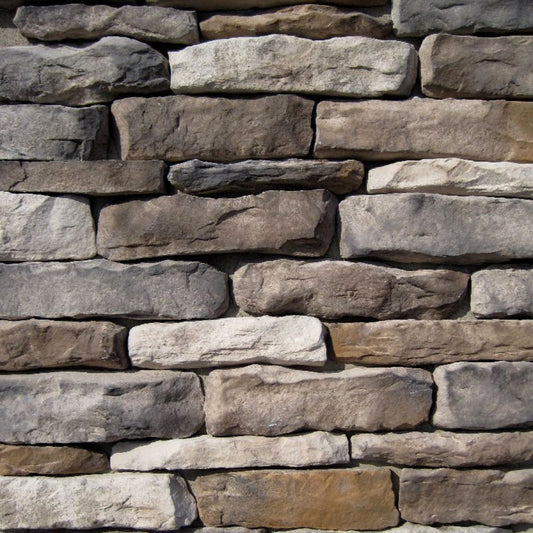
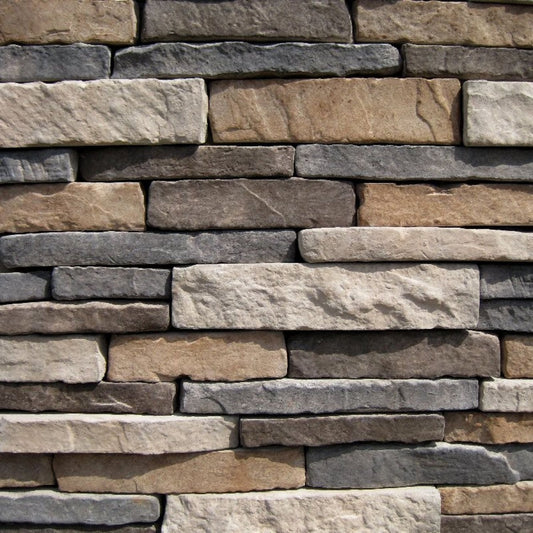
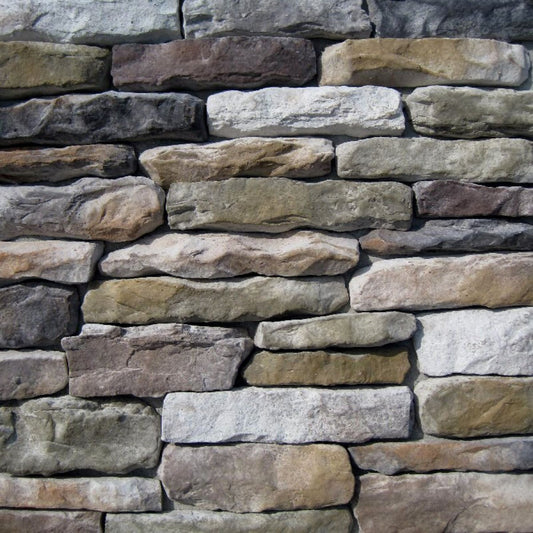
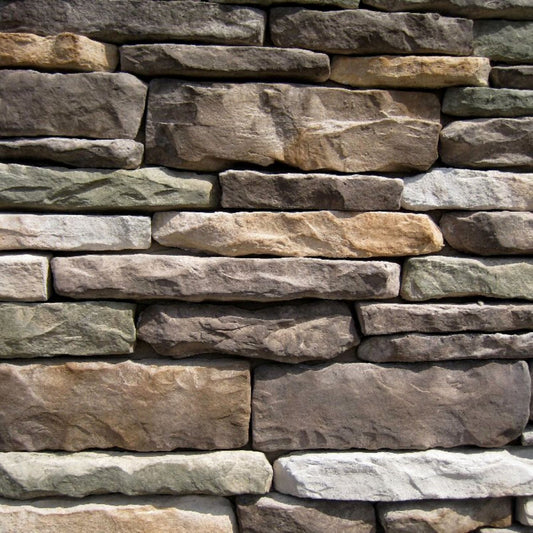
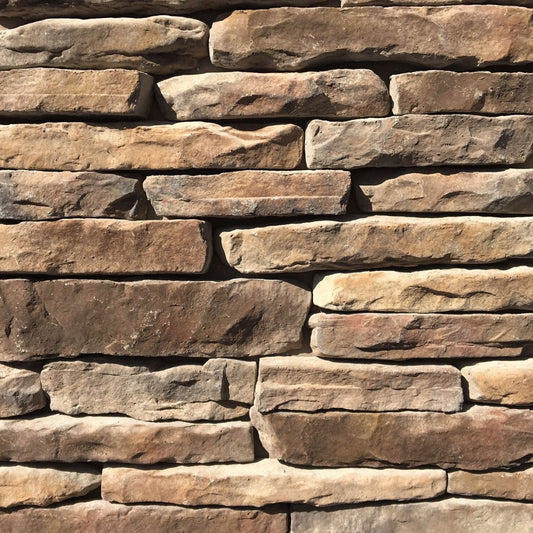
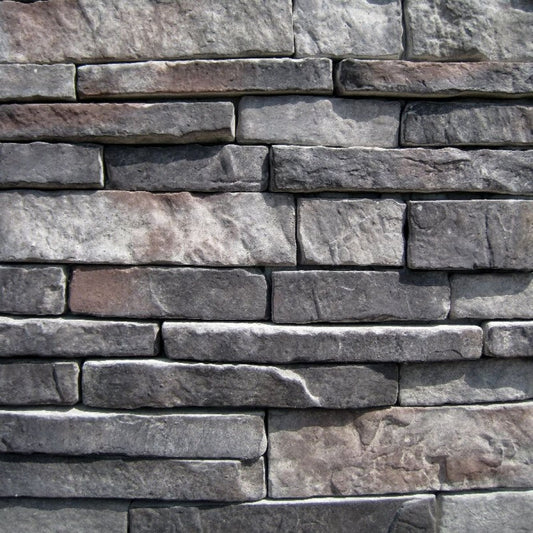
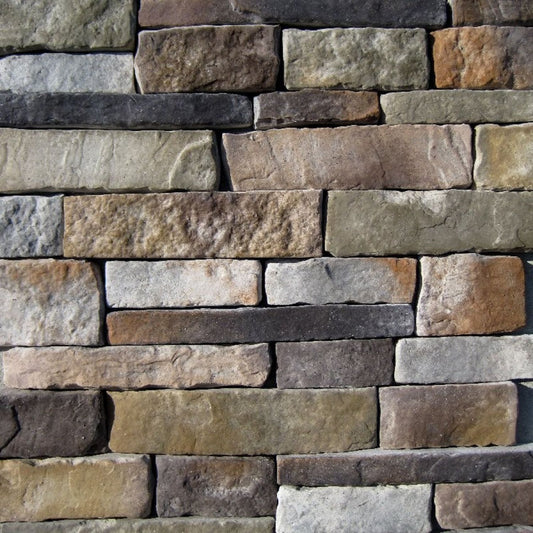
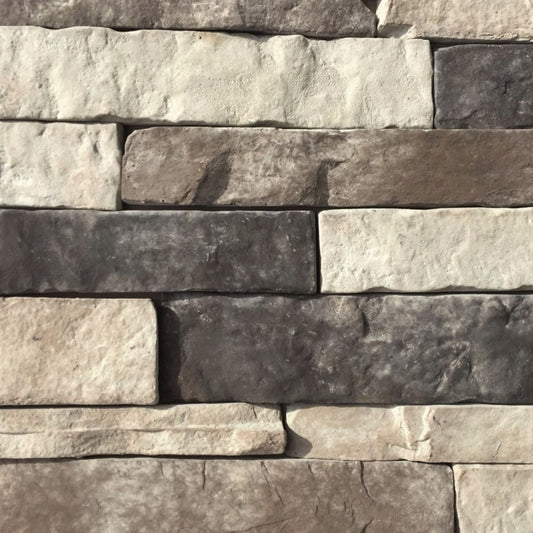
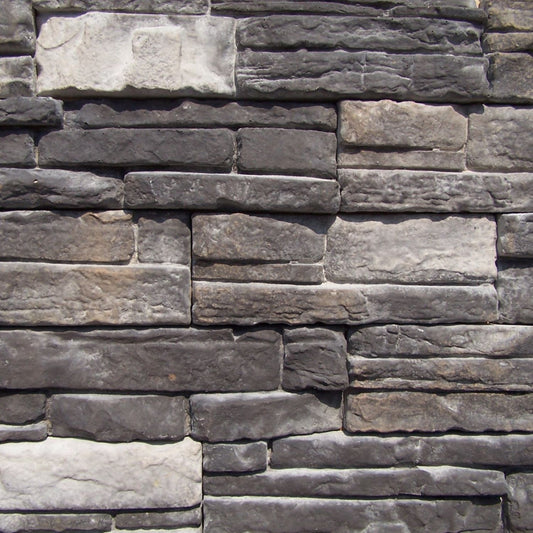
Pictured is stack stone rustic.