
Stone Veneer for Commercial Applications: Benefits, Uses, and Design Inspiration
Share
Originally posted November 5, 2023, updated January 20, 2026.
Stone veneer is a leading material in commercial architecture, offering the look of natural stone with lighter weight, lower costs, and versatile design applications. Ideal for both interior and exterior spaces, it enhances durability, visual appeal, and long-term value in offices, retail, hospitality, and mixed-use developments.
Commercial architecture is constantly evolving, shaped by the need to balance aesthetics, performance, and efficiency. Materials are no longer selected based on function alone. They must also contribute to brand identity, customer experience, and long-term durability. Within this landscape, stone veneer has become a defining material for commercial applications, offering a refined appearance without the structural demands of full-depth stone.
Stone veneer allows architects and designers to create spaces that feel established, professional, and visually compelling. It introduces texture and depth that elevate otherwise flat surfaces, transforming ordinary walls into architectural features. In competitive commercial environments, where first impressions matter, this added dimension can influence how a space is perceived from the moment someone arrives.
The appeal of stone veneer lies in its ability to bridge traditional and contemporary design. It can be used to create bold, modern facades or to reinforce a sense of heritage and permanence. This flexibility makes it suitable for a wide range of commercial projects, from office buildings and retail stores to hotels, restaurants, and large-scale developments.
Why stone veneer is a smart choice for commercial applications
Stone veneer stands out as a practical and strategic material choice in commercial construction. One of its most significant advantages is its ability to replicate the appearance of natural stone while remaining lightweight and easier to install. This reduces structural requirements and expands the range of surfaces where it can be applied.
Durability is essential in commercial environments, where materials must withstand weather exposure, temperature fluctuations, and daily wear. Stone veneer is manufactured to perform under these conditions, maintaining its appearance over time without significant deterioration. This resilience makes it particularly valuable for exterior applications, where long-term performance directly impacts maintenance costs and overall building integrity.
In addition to performance, stone veneer contributes to the perceived value of a commercial property. Its natural, textured appearance conveys quality and permanence, which can enhance brand image and attract customers or tenants. In retail and hospitality settings, the atmosphere created by materials plays a direct role in customer behavior, influencing how long people stay and how they engage with the space.
Cost efficiency further strengthens its appeal. Compared to natural stone, stone veneer reduces both material and labor expenses. Faster installation timelines help keep projects on schedule, which is especially important in commercial construction where delays can lead to significant financial impact.
Exterior applications: elevating commercial facades
The exterior of a commercial building serves as its first point of interaction with the public. A well-designed facade communicates professionalism, quality, and attention to detail. Stone veneer plays a key role in achieving this by adding depth and character to building exteriors.
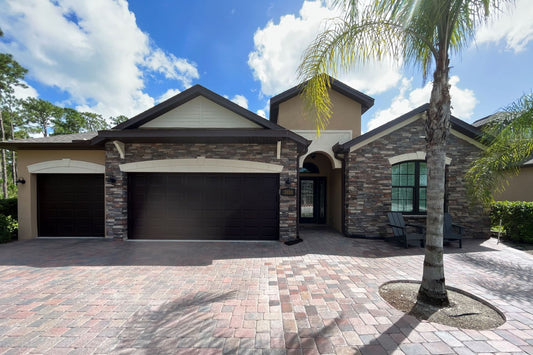
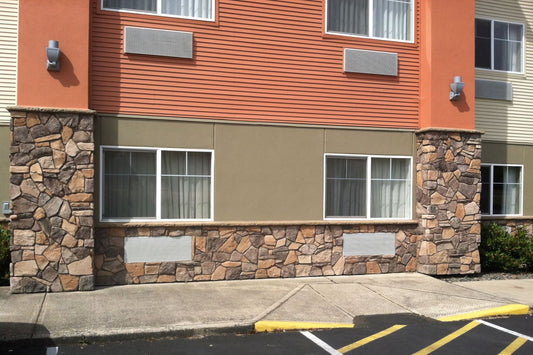
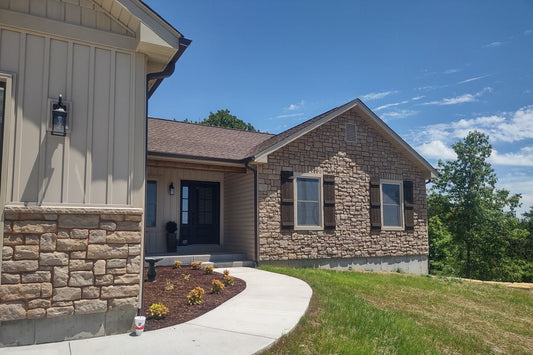
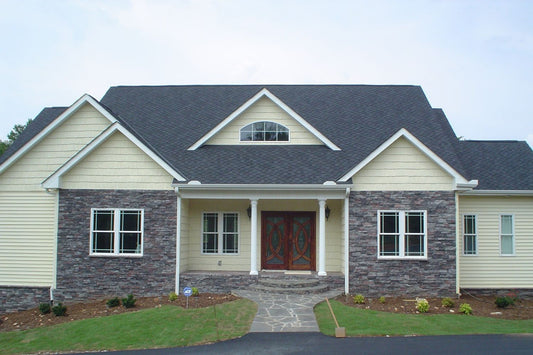
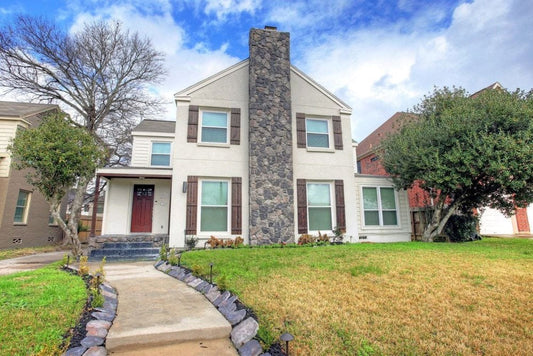
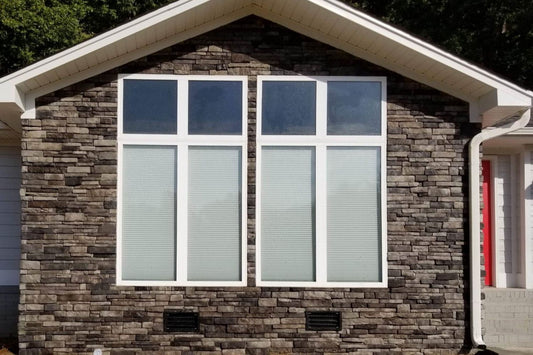
It is commonly used to highlight entryways, frame windows, or define architectural features such as columns and signage areas. In larger applications, stone veneer can be used across entire facades, creating a cohesive and visually striking exterior. The variety of available textures and colors allows designers to tailor the look to suit different industries, whether aiming for a sleek corporate appearance or a warm, inviting retail environment.
Stone veneer also performs well in outdoor conditions, resisting the effects of moisture, sunlight, and temperature changes when properly installed. This ensures that the building maintains its visual appeal over time, reducing the need for frequent repairs or replacements.
Stone veneer for commercial building facades
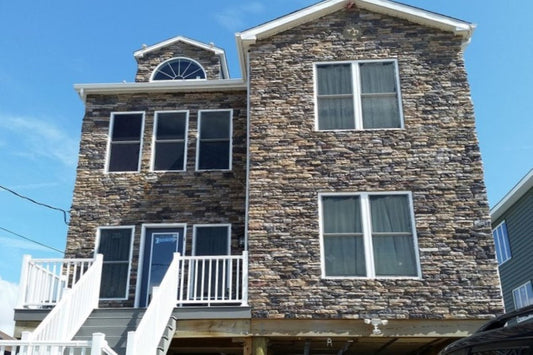
Commercial building facades play a major role in shaping first impressions, and stone veneer has become a leading choice for achieving a strong, high-end exterior presence without the weight and cost of full natural stone. It allows designers and developers to elevate curb appeal while maintaining flexibility in construction, making it ideal for offices, retail centers, hospitality projects, and mixed-use buildings.
One of the key benefits of stone veneer on facades is its ability to deliver depth, texture, and architectural character without requiring heavy structural support. This opens up more design possibilities, from highlighting entrances and columns to creating full exterior feature walls that reinforce brand identity and visual impact.
From a design standpoint, stone veneer works across a wide range of architectural styles. It can create a modern, clean-lined appearance or a more traditional, grounded look depending on the profile and color selected. This versatility makes it especially valuable in commercial projects where consistency and branding are important across different locations or developments. For a deeper look at applications and performance considerations, see our post on stone veneer for commercial building facades.
Proper installation is essential for long-term performance. Stone veneer should be applied over a suitable substrate with correct moisture management systems in place to protect the building envelope. In commercial applications, professional installation is strongly recommended to ensure compliance with building codes and to maintain consistent quality across large exterior surfaces.
When installed correctly, stone veneer provides a durable, low-maintenance facade solution that maintains its appearance over time while reducing long-term upkeep costs.
Manufactured stone veneer for retail spaces
Manufactured stone veneer is widely used in storefronts, strip malls, shopping centres, and commercial plazas to create high-impact facades that improve curb appeal and strengthen brand identity, as explored in more detail in our post manufactured stone veneer for retail spaces. In retail environments, where first impressions directly influence customer behaviour, manufactured stone veneer offers a way to elevate ordinary building exteriors into visually compelling architectural statements without the cost or structural demands of natural stone.
In strip malls and multi-tenant retail developments, manufactured stone veneer helps balance individuality and cohesion. Each storefront can use different stone textures, colours, or accent applications to reinforce its brand while still fitting within a unified architectural design. This makes it a practical solution for developers and property managers who need consistent quality across multiple units while still allowing tenants to stand out.
Beyond aesthetics, manufactured stone veneer provides the durability required for busy retail environments. It performs well against weather exposure, seasonal temperature changes, and everyday wear, making it suitable for both exterior facades and high-traffic entry zones. Its lightweight nature also simplifies installation on common commercial wall systems such as metal stud framing and masonry substrates, helping streamline construction schedules.
Used around entrances, columns, and signage areas, manufactured stone veneer adds depth and texture that draws attention and improves wayfinding. Even in small applications, it enhances perceived value and helps create a more inviting customer experience. In competitive retail corridors, this visual impact can directly influence foot traffic and engagement.
Overall, manufactured stone veneer is more than a decorative finish, it is a strategic design tool for retail architecture. It supports branding, improves durability, and enhances the long-term appeal of commercial properties, making it a strong choice for modern retail developments.
Interior applications: creating memorable commercial spaces
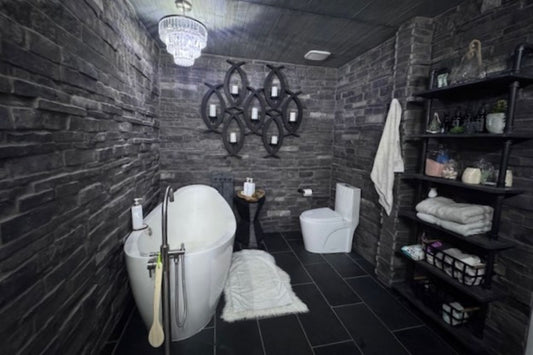
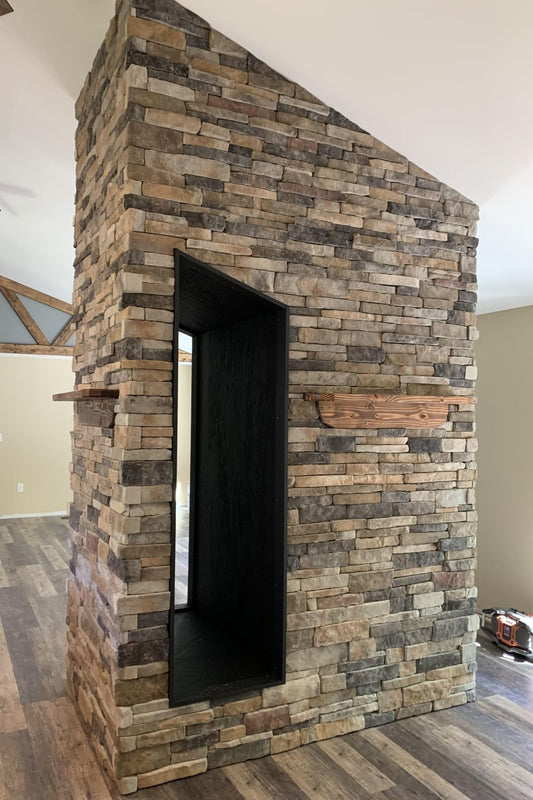
Inside commercial environments, stone veneer is often used to create focal points that enhance the overall experience of the space. In office buildings, it can define reception areas or boardrooms, establishing a sense of professionalism and sophistication. In hotels, it contributes to a welcoming atmosphere in lobbies and common areas, reinforcing the brand’s identity through design.
Retail environments benefit from the warmth and texture that stone veneer provides. It can be used to create feature walls, display backdrops, or accent areas that draw attention to products. The natural aesthetic encourages customers to feel more comfortable, which can lead to longer visits and increased engagement.
Restaurants and hospitality venues often rely on ambiance to differentiate themselves. Stone veneer helps create an environment that feels both refined and approachable, whether the goal is a rustic dining experience or a modern, upscale setting. Its ability to complement various lighting conditions further enhances its impact, allowing designers to shape the mood of the space throughout the day.
Stone veneer for restaurants and hospitality design
Restaurants and hospitality spaces are built around experience, and stone veneer helps shape that experience through texture, warmth, and visual impact. It allows designers to create memorable environments that feel intentional and high-end while still meeting the practical demands of commercial use. For a deeper look at applications and design strategies, see our post on stone veneer for restaurants and hospitality design.
In restaurants, stone veneer is often used to define feature walls, bar fronts, entryways, and dining areas, helping establish atmosphere and reinforce brand identity. It can support a wide range of design directions, from rustic and earthy to clean and contemporary, making it highly adaptable across different concepts and cuisines.
Durability is essential in hospitality environments, where surfaces are exposed to constant traffic, cleaning, and changing conditions. Stone veneer performs well in these settings, maintaining its appearance over time in both interior and exterior applications when properly installed and maintained.
Beyond durability, it also enhances guest perception. The natural texture and depth of stone veneer help create inviting, comfortable spaces that encourage guests to stay longer and engage more with their surroundings. This makes it especially valuable in competitive hospitality markets where atmosphere is a key differentiator.
When properly installed over suitable substrates with attention to moisture control and detailing, stone veneer delivers long-term performance and consistent visual quality, making it a reliable choice for restaurants and hospitality design projects.
Stone veneer for hotels and hospitality spaces
Hotels and hospitality environments rely heavily on atmosphere, first impressions, and guest experience, making material selection especially important. Stone veneer has become a leading choice in hospitality design because it delivers the upscale appearance of natural stone while offering the flexibility, durability, and efficiency needed for commercial construction. From hotel exteriors and lobby feature walls to fireplaces, restaurants, lounges, and outdoor gathering spaces, stone veneer helps create warm, memorable environments that leave a lasting impression on guests.
One of the biggest advantages of stone veneer in hotel applications is its ability to combine luxury aesthetics with practical performance. Hospitality properties often require materials that can withstand constant foot traffic, changing environmental conditions, and long-term commercial use without sacrificing appearance. Stone veneer performs exceptionally well in these demanding settings while helping hotels maintain a sophisticated and welcoming atmosphere.
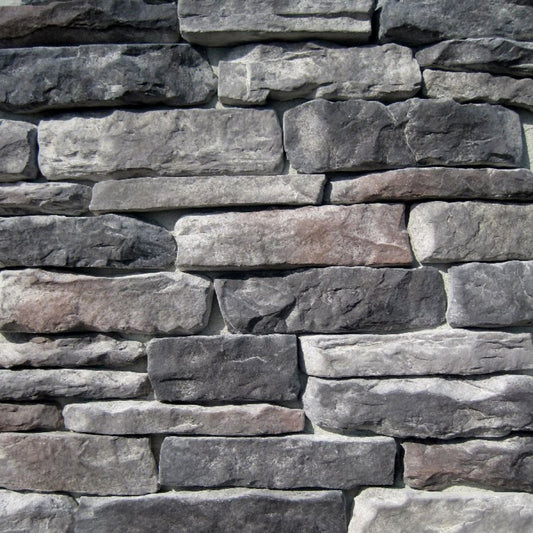
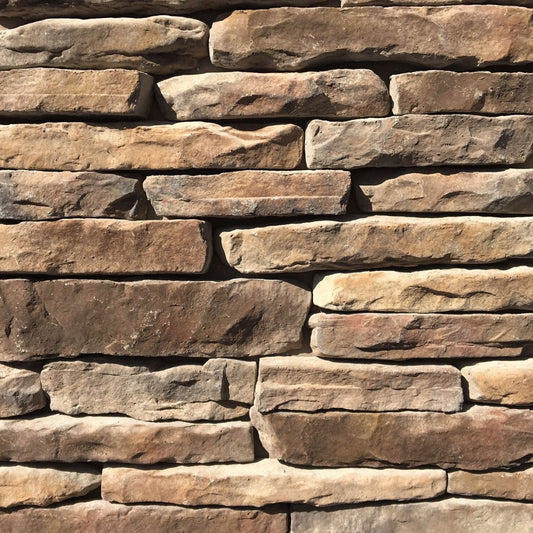
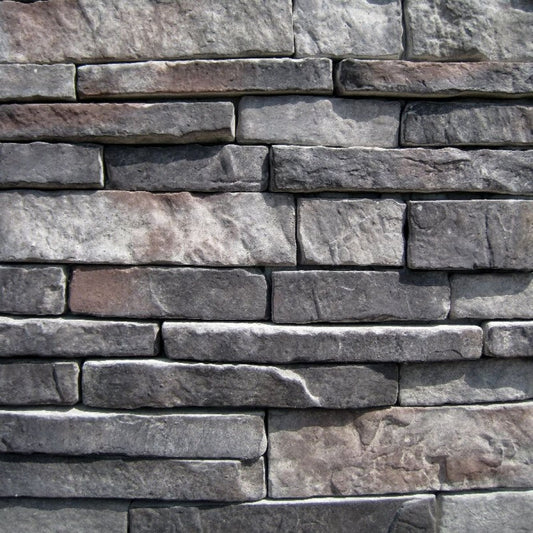
Design flexibility also makes stone veneer highly valuable in hospitality architecture. Boutique hotels may use rugged ledgestone profiles to create rustic luxury, while modern resorts often incorporate sleek contemporary stone styles to complement clean architectural lines. This versatility allows designers to align material choices with branding, guest expectations, and the overall character of the property.
Stone veneer is also frequently used in outdoor hospitality spaces such as patios, pool areas, entertainment spaces, and exterior fireplaces, helping extend the guest experience beyond the interior of the building. Its natural texture and depth work especially well with lighting, creating dramatic visual effects that enhance ambiance during both day and night.
For a more in-depth look at hotel focused design ideas, applications, and performance considerations, explore our full post on manufactured stone veneer for hotels.
Stone veneer for office buildings and interiors
Office buildings require materials that balance aesthetics, durability, and long-term performance, which is why stone veneer has become increasingly popular in modern workplace design. From exterior facades and entryways to reception areas, conference rooms, and feature walls, stone veneer helps create professional spaces that feel refined, welcoming, and architecturally distinctive. Its ability to replicate the appearance of natural stone without the weight and structural demands of full masonry makes it especially valuable in both new construction and renovation projects.
In exterior office applications, stone veneer is often used to add depth and texture to building facades, helping offices establish a stronger visual identity and more upscale appearance. Internally, it is frequently incorporated into lobbies, executive offices, and collaborative spaces where atmosphere and first impressions matter. The natural texture of stone veneer also works well alongside modern materials like glass, steel, and wood, allowing designers to create balanced commercial interiors that feel both contemporary and inviting.
Beyond aesthetics, stone veneer offers practical advantages for office environments. It is durable, relatively low maintenance, and available in a wide range of colors and profiles to suit different architectural styles and branding goals. For a deeper look at commercial office applications, design strategies, and installation considerations, explore our full post on stone veneer for office buildings and interiors.
Design flexibility and architectural creativity
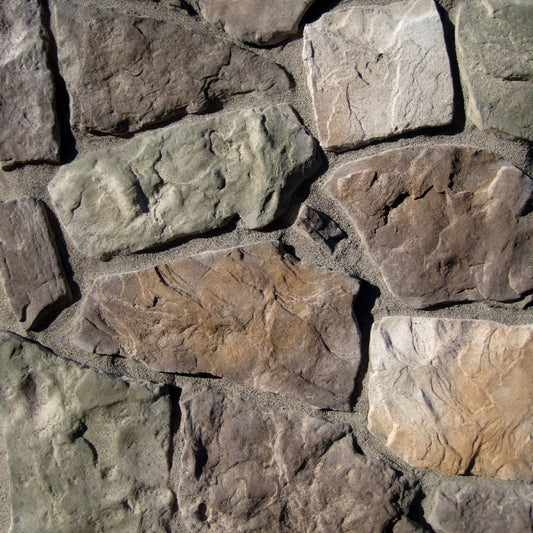
One of the defining strengths of stone veneer in commercial applications is its versatility. It is available in a wide range of profiles, from rugged, ledgestone to more uniform, contemporary styles. This allows designers to align the material with the overall architectural vision of the project.
Color selection also plays a crucial role in design. Neutral tones can create a timeless, understated look, while bolder shades can make a statement and reinforce brand identity. The ability to mix and match styles and colors opens the door to creative expression, enabling each project to feel unique.
Stone veneer can be installed as individual pieces or in panelized systems, offering flexibility in both design and construction. This adaptability makes it suitable for new builds as well as renovations, where existing structures may require a material that can integrate seamlessly without extensive modifications.
Installation considerations for commercial projects
Achieving the full benefits of stone veneer in a commercial setting depends on proper installation. Unlike structural materials, stone veneer is decorative and must be applied to a stable and well-prepared substrate. This often includes concrete, masonry, or properly framed wall systems designed to support the veneer.
Moisture management is a critical aspect of installation, particularly for exterior applications. Incorporating appropriate waterproofing, drainage systems, and flashing helps prevent water intrusion and ensures the longevity of the installation. These measures are essential in protecting both the veneer and the underlying structure.
Given the scale and visibility of commercial projects, professional installation is highly recommended. Experienced installers understand how to maintain consistent alignment, secure the material effectively, and achieve a high-quality finish. This level of precision is especially important in large or highly trafficked areas, where imperfections can be more noticeable.
Long-term performance and maintenance
Stone veneer is known for its durability, but maintaining its appearance and performance over time requires a thoughtful approach. In commercial settings, where surfaces are exposed to higher levels of activity, regular inspection helps identify minor issues before they become significant problems.
Cleaning stone veneer is generally straightforward, involving gentle methods that preserve the integrity of the material. Avoiding harsh chemicals or abrasive techniques ensures that the surface remains intact and visually consistent. In some cases, applying a sealer can provide additional protection against moisture and staining, particularly in outdoor environments.
The long-term performance of stone veneer contributes to its overall value. By maintaining its appearance with minimal upkeep, it continues to support the building’s aesthetic and functional goals without requiring extensive maintenance resources.
Cost efficiency and return on investment
In commercial construction, every material choice must be evaluated in terms of both initial cost and long-term return. Stone veneer offers a compelling balance between these factors. Its lower weight reduces transportation and structural costs, while faster installation minimizes labor expenses.
Beyond these immediate savings, the durability and low maintenance requirements of stone veneer contribute to ongoing cost efficiency. Buildings that retain their appearance and require fewer repairs are more attractive to tenants, customers, and investors. This can translate into higher occupancy rates, increased customer traffic, and improved property value.
The visual impact of stone veneer also plays a role in return on investment. A well-designed space can enhance brand perception and create a more engaging environment, which ultimately supports business success.
Stone veneer as a strategic design element
Stone veneer is more than just a finishing material. In commercial applications, it becomes a strategic design element that influences how a space is experienced and remembered. Its ability to combine aesthetics, durability, and efficiency makes it a valuable tool for architects, designers, and property owners.
As commercial spaces continue to evolve, the demand for materials that offer both beauty and performance will only grow. Stone veneer meets this demand by providing a solution that is adaptable, reliable, and visually compelling. Whether used to define a building’s exterior or enhance its interior, it plays a key role in shaping modern commercial environments.
Stone veneer for commercial applications
Stone veneer has established itself as a powerful material in commercial architecture, offering a unique combination of visual impact and practical performance. Its ability to transform both interiors and exteriors makes it an essential component in modern design.
For businesses looking to create memorable spaces, attract customers, and invest in long-term quality, stone veneer provides a solution that delivers on every level. From enhancing first impressions to supporting lasting durability, it continues to shape the future of commercial design with confidence and style.
From Mountain View Stone: what you should know
At Mountain View Stone, we understand that commercial projects demand materials that balance aesthetics, performance, and cost. Stone veneer delivers on all three, offering the look and texture of natural stone while remaining lightweight, durable, and easier to install. Its versatility makes it ideal for interiors and exteriors, from striking building facades and entryways to accent walls, lobbies, and fireplace surrounds. When properly installed and maintained, stone veneer withstands the rigors of high-traffic and outdoor environments, retaining its appearance and minimizing long-term maintenance. For architects, designers, and property owners, stone veneer is more than a finish, it’s a strategic design element that enhances visual appeal, reinforces brand identity, and adds lasting value to any commercial space.
Frequently asked questions
1. Is stone veneer suitable for commercial buildings? Yes, stone veneer is well suited for commercial buildings. It is widely used in offices, retail spaces, restaurants, hotels, and mixed-use developments due to its durability, lightweight construction, and ability to create a high-end appearance without the structural demands of full-bed natural stone.
2. What are the benefits of stone veneer for commercial applications? Stone veneer offers several advantages for commercial spaces, including enhanced visual appeal, long-term durability, design versatility, and reduced installation costs compared to natural stone. Its lightweight nature also makes it easier to install on a variety of substrates, helping streamline construction and renovation projects.
3. Can stone veneer be used both indoors and outdoors in commercial spaces? Yes, stone veneer is suitable for both interior and exterior commercial applications. It is commonly used on building façades, entryways, and columns, as well as interior accent walls, lobby features, fireplace surrounds, and retail or restaurant design elements.
4. How durable is stone veneer in high-traffic commercial environments? Stone veneer is designed to withstand demanding environments. When properly installed and maintained, it performs well in high-traffic commercial areas and resists weather exposure, temperature changes, and everyday wear, making it a reliable long-term solution for busy spaces.
5. Is stone veneer more cost-effective than natural stone for commercial projects? In most cases, yes. Stone veneer typically costs less than natural stone due to reduced material weight, faster installation, and lower labor requirements. These cost savings make it an attractive option for large-scale commercial projects without sacrificing visual impact.
6. Does stone veneer require special maintenance in commercial settings? Stone veneer is relatively low maintenance. Routine cleaning with mild cleaners and periodic inspections are usually sufficient. Avoiding harsh chemicals and pressure washing helps preserve its appearance and ensures longevity in commercial environments.
Are you a pro?
At Mountain View Stone, we work closely with architects, designers, contractors, and builders who need more than just a material supplier, they need a reliable partner who understands commercial demands. From specification support to custom color development and project coordination, our focus is on helping professionals bring complex facade designs to life with confidence. Whether you’re working on a large-scale commercial development or a detailed architectural feature, we’re here to support your vision with consistent, made-to-order stone veneer solutions built for real-world performance.
We also have a dedicated team for trade and commercial professionals, so feel free to reach out directly at pros@mountainviewstone.net for project support, inquiries, or additional information about our verified pro program.
What's next?
Transform your commercial space with our premium stone veneer! Shop now to discover our selection or order a sample today to experience the quality and style firsthand!
Have a question?
Please see our full terms of service or check out our frequently asked questions.
For general information and questions please call: (864) 882-8960 Mon. - Fri. 8am - 5pm (EST) or email: info@mountainviewstone.net we are more than happy to help you.
Or you can submit your questions via our contact us page.
We look forward to working with you on your upcoming project.
The Mountain View Stone Team
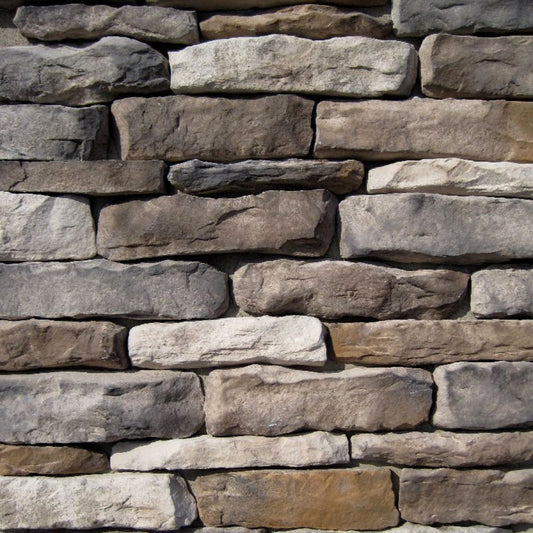
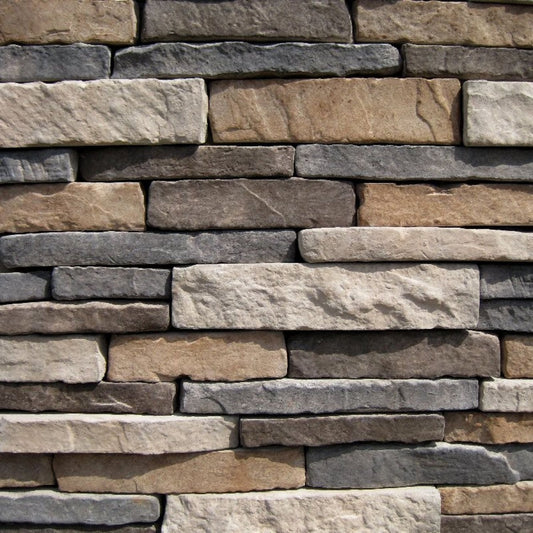
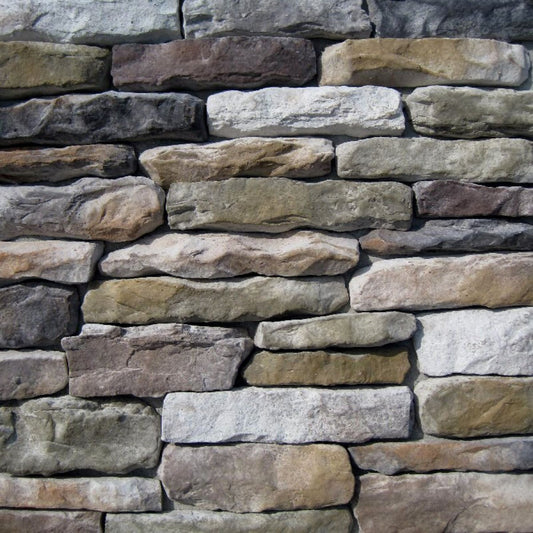
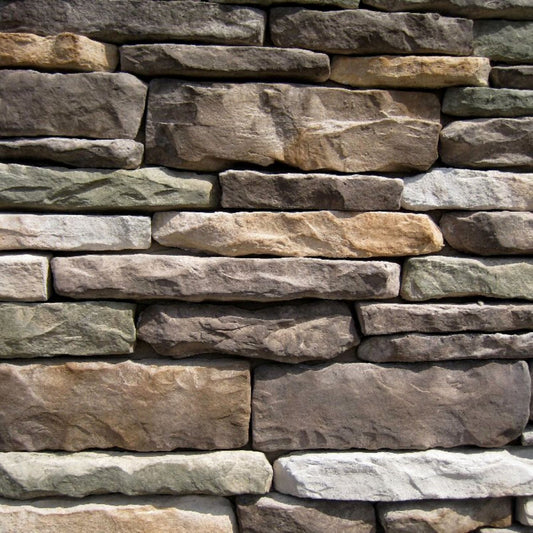
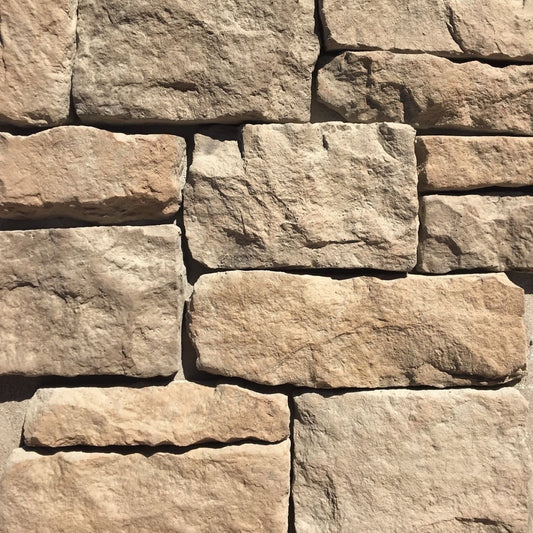
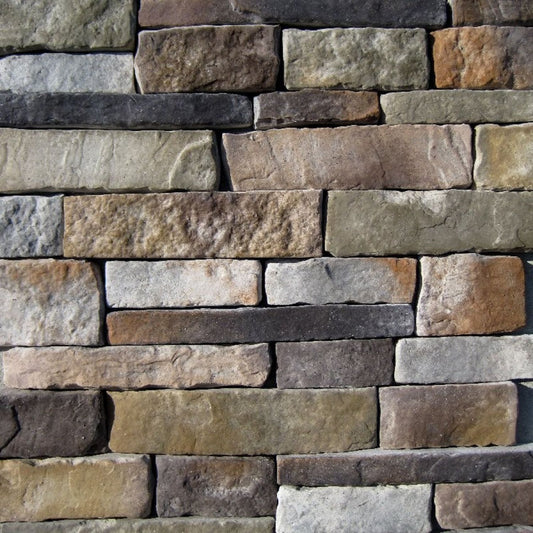
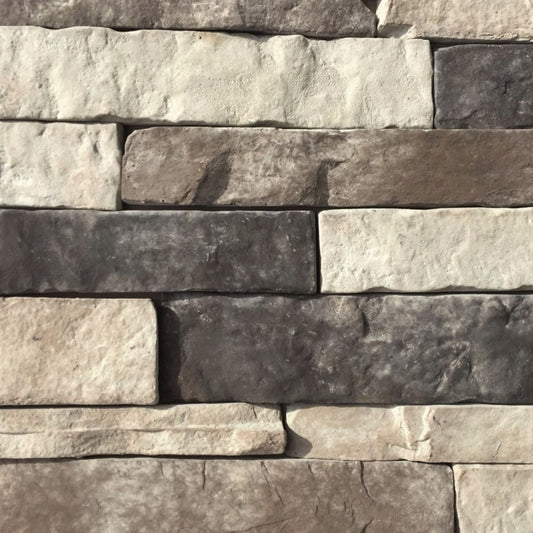
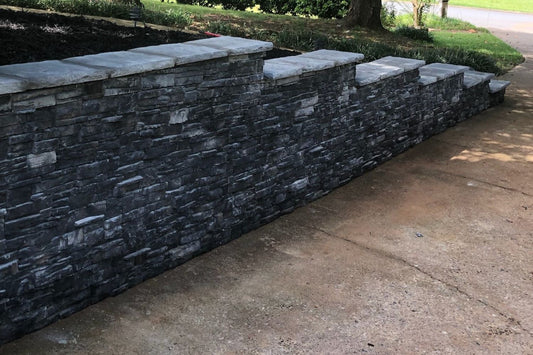
Pictured is ledge stone mossy creek.