
Stone Veneer for Commercial Building Facades: Benefits, Design, and Installation Guide
Share
Stone veneer is a lightweight, durable cladding used on commercial building facades to achieve the appearance of natural stone at a lower cost. It improves curb appeal, reduces structural load, and offers versatile design options while maintaining long-term performance when properly installed.
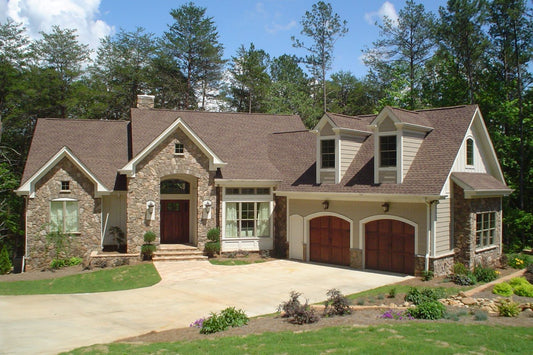
Commercial building facades play a critical role in how a property is perceived, experienced, and valued. Whether it’s a retail plaza, office building, hospitality space, or multi-family development, the exterior finish must strike a balance between aesthetics, durability, and cost efficiency. Stone veneer has emerged as one of the most effective solutions for achieving this balance, as explained in our guide stone veneer for commercial applications.
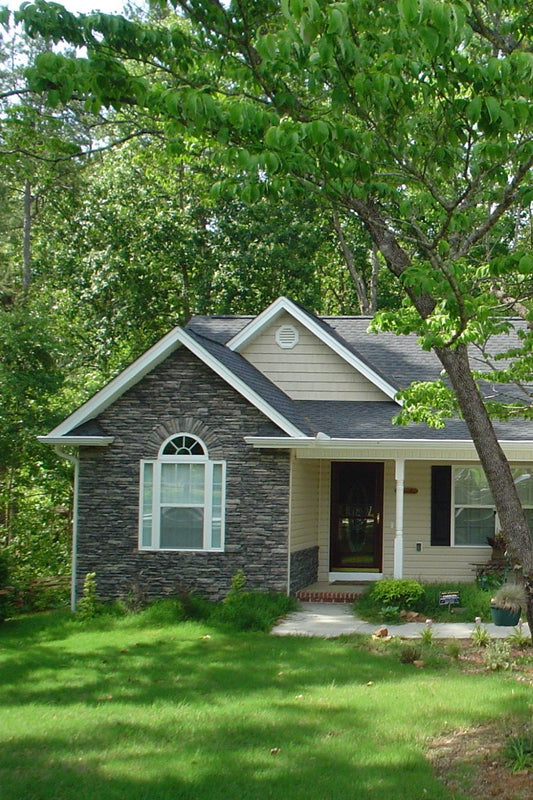
Unlike full-thickness natural stone, manufactured stone veneer provides the same visual impact with significantly reduced weight and installation complexity. This makes it particularly well-suited for commercial applications where structural considerations, timelines, and budgets are tightly controlled. At the same time, advances in manufacturing have made it possible to create highly realistic textures, colors, and profiles that rival natural stone.
Understanding how stone veneer performs in commercial facade applications is essential for architects, builders, and property owners looking to create lasting, visually compelling exteriors.
What makes stone veneer ideal for commercial facades
Stone veneer is specifically engineered to meet the demands of modern construction while maintaining the timeless appeal of stone. In commercial settings, this combination becomes especially valuable.
One of the most important advantages is weight. Traditional natural stone can add significant structural load to a building, often requiring additional engineering and support. Manufactured stone veneer, by contrast, is lightweight enough to be installed on a wide range of wall assemblies without major structural modifications. This opens up design possibilities while helping control construction costs.
Durability is another key factor. Commercial buildings are exposed to heavy use, environmental stress, and long-term wear. High-quality stone veneer is designed to withstand freeze-thaw cycles, moisture exposure, and UV conditions without significant degradation. When installed correctly with proper drainage systems, it performs reliably in demanding climates.
Consistency also plays a major role in commercial projects. Manufactured stone veneer offers controlled sizing, color ranges, and repeatable patterns, which is especially useful for large-scale facades where uniformity and predictability are important.
Design flexibility and architectural impact
Commercial architecture often requires a balance between branding, functionality, and visual appeal. Stone veneer supports this by offering a wide range of design possibilities.
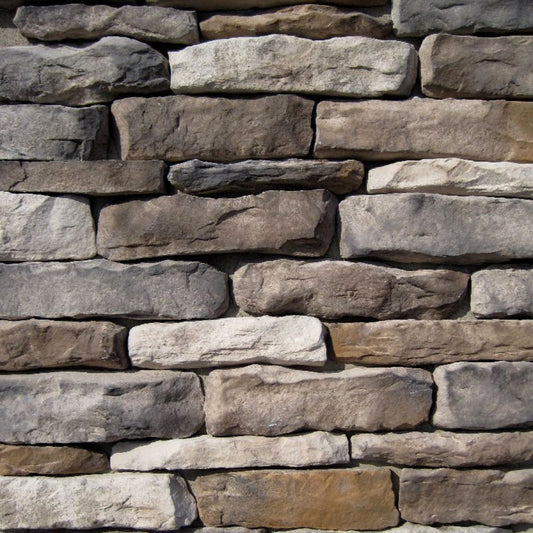
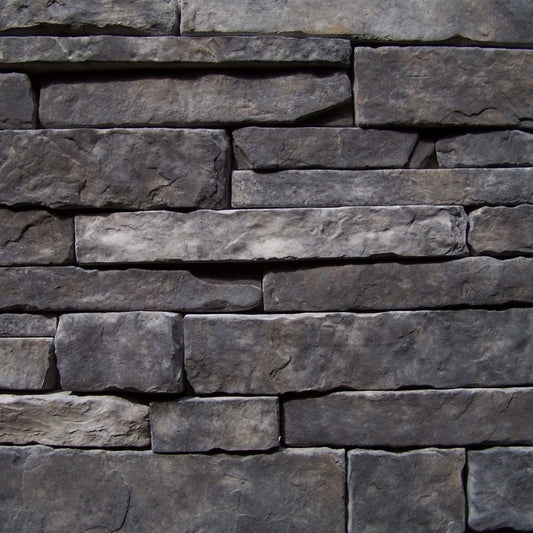
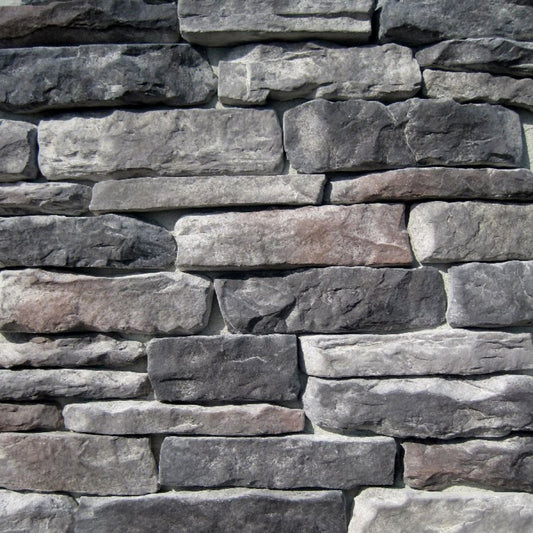
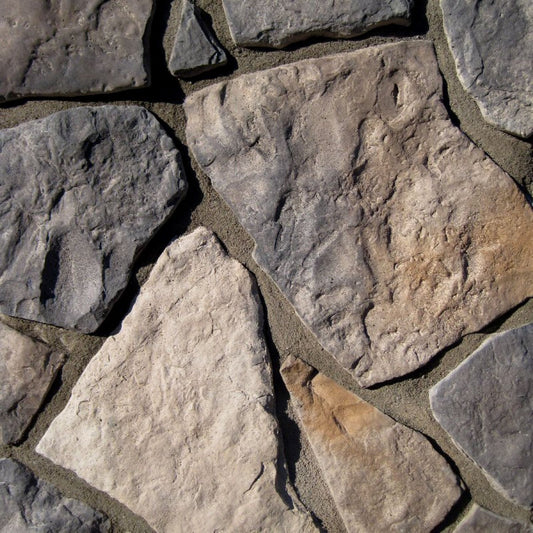
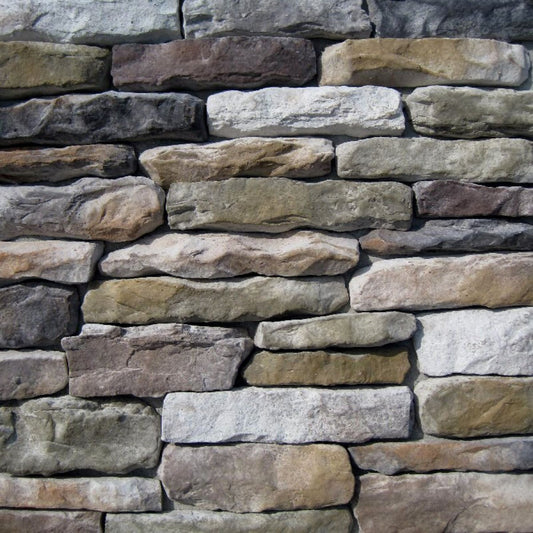
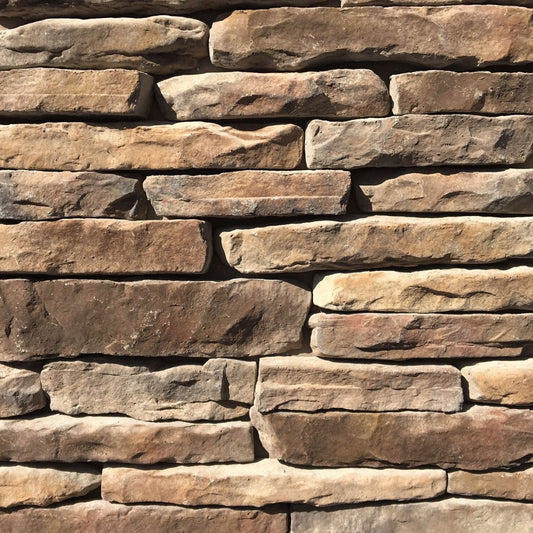
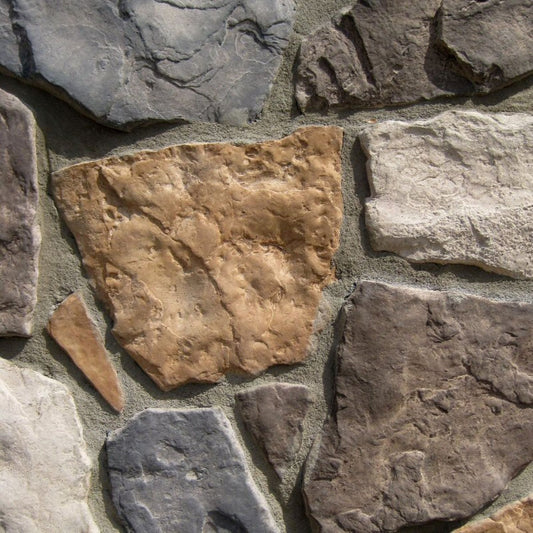
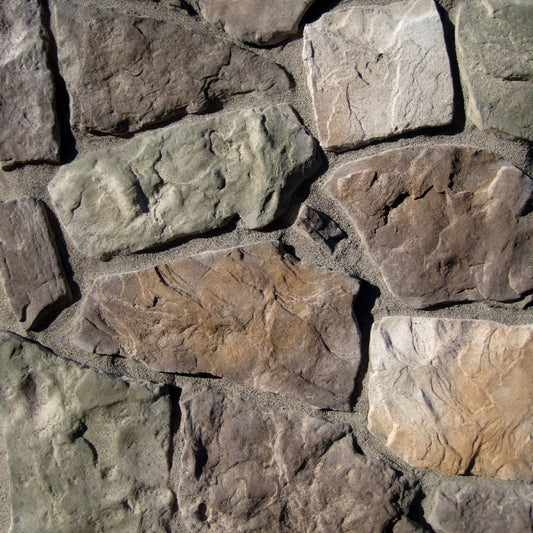
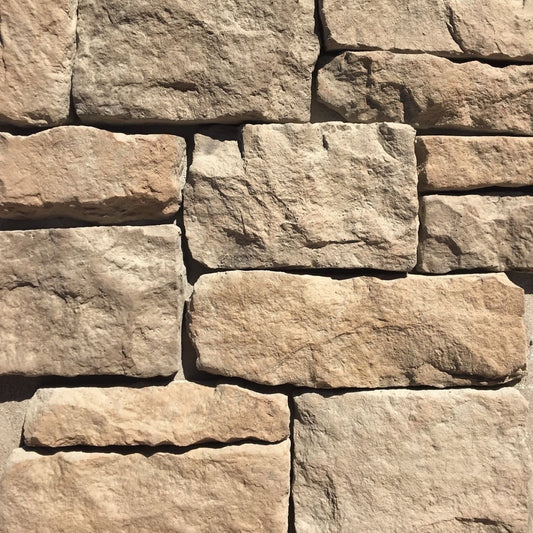
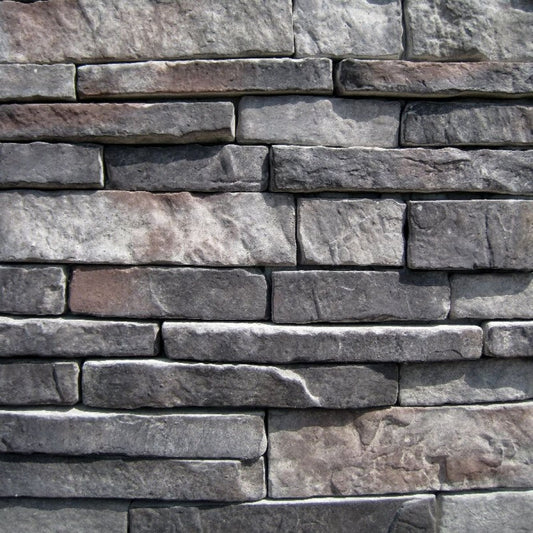
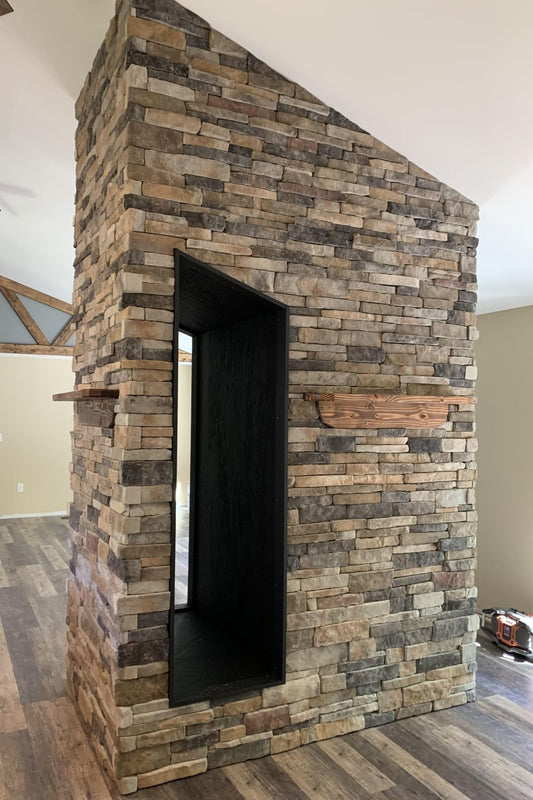
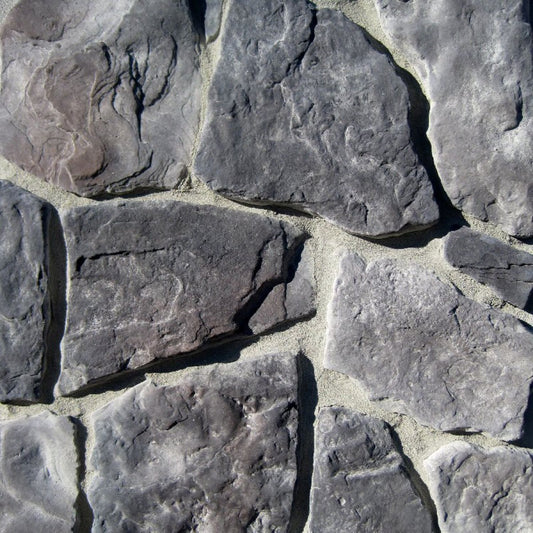
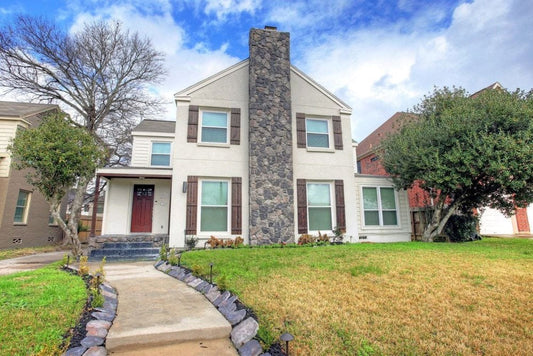
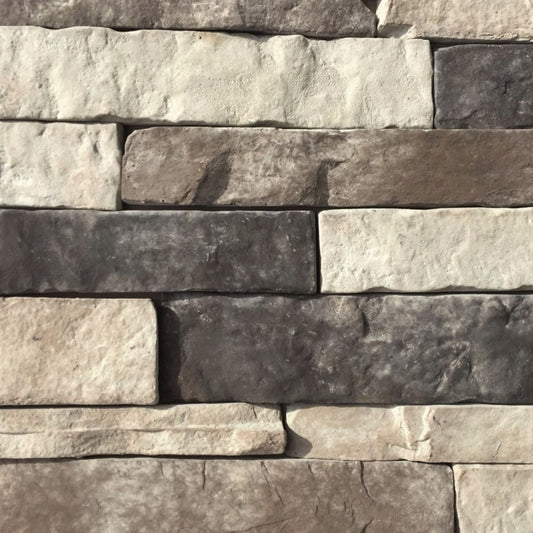
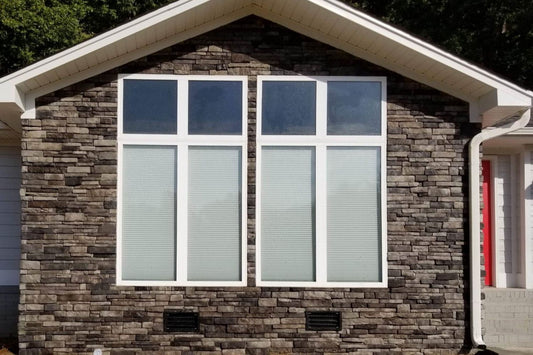
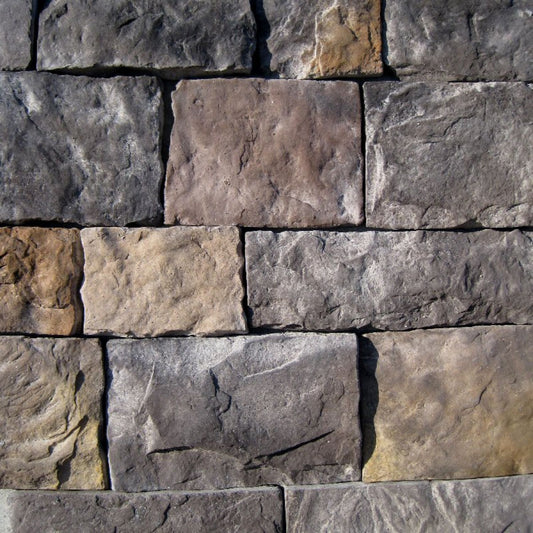
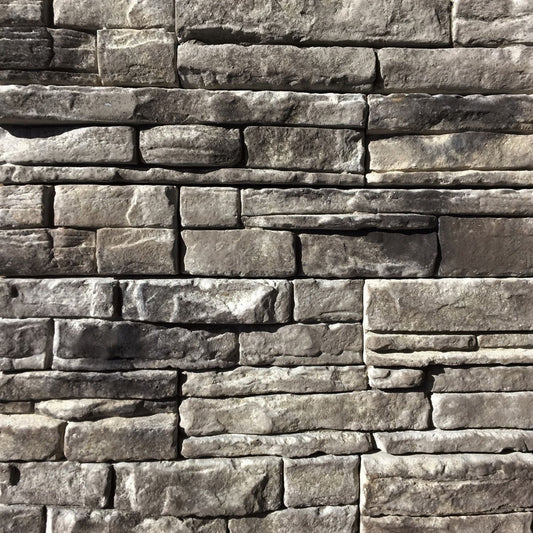
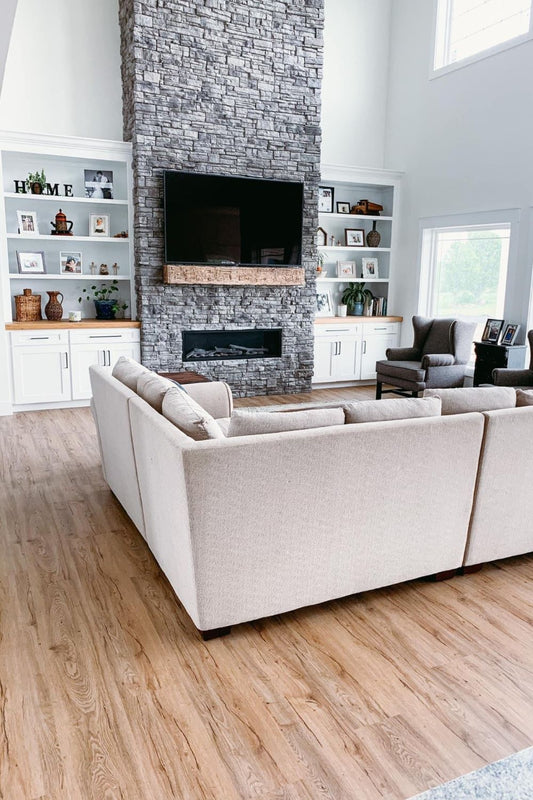
Different stone profiles can dramatically influence the look and feel of a building. Stacked stone creates a sleek, linear appearance often used in contemporary designs, while larger stone profiles like castle rock or fieldstone convey a more traditional, grounded aesthetic. These styles can be used to define entryways, highlight vertical elements, or create contrast across the facade.
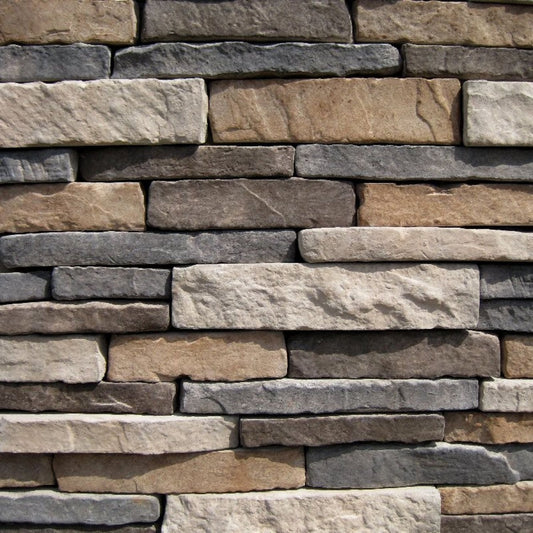
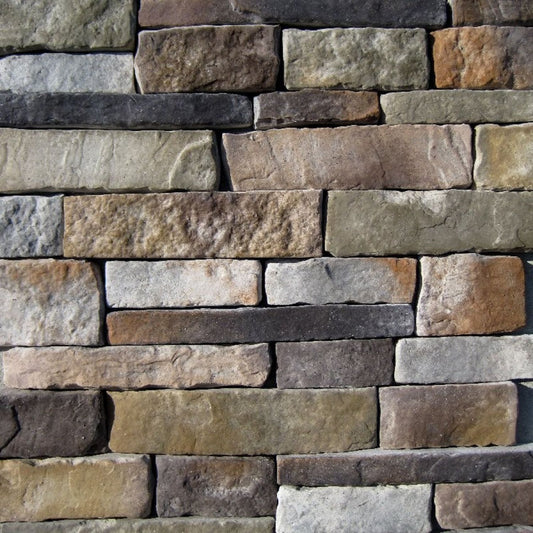
Color customization is another major advantage. Because manufactured stone veneer is typically made to order, it allows for tailored color palettes that align with brand identity or architectural intent. Subtle blends can create a natural, understated appearance, while bold contrasts can make a building stand out in a competitive commercial environment.
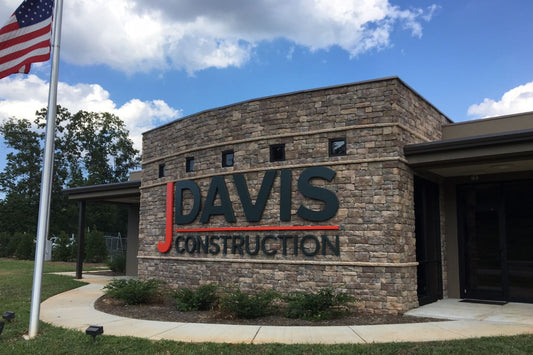
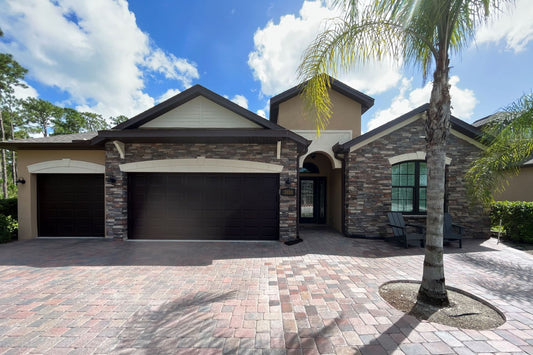
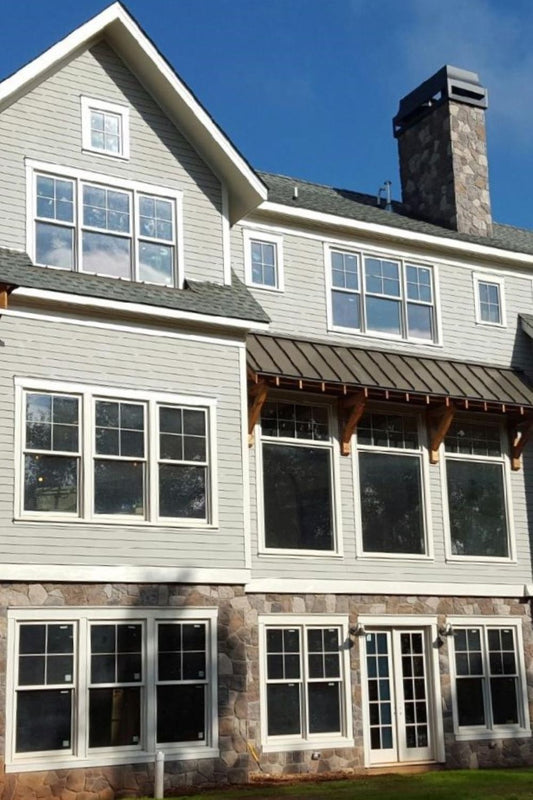
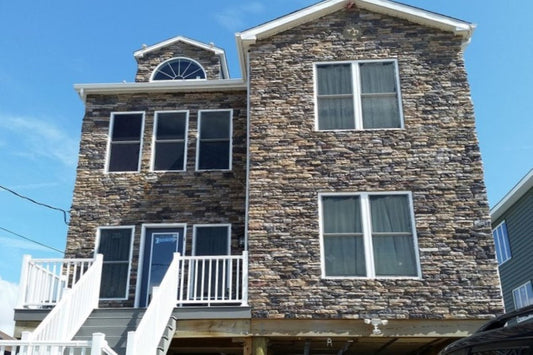
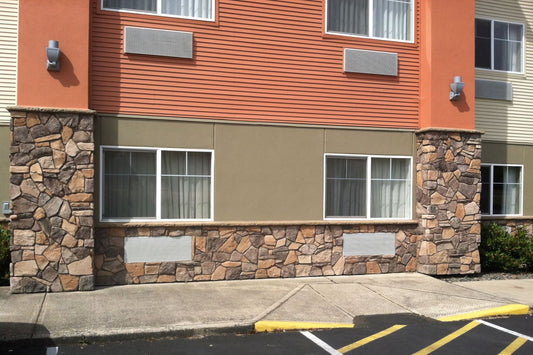
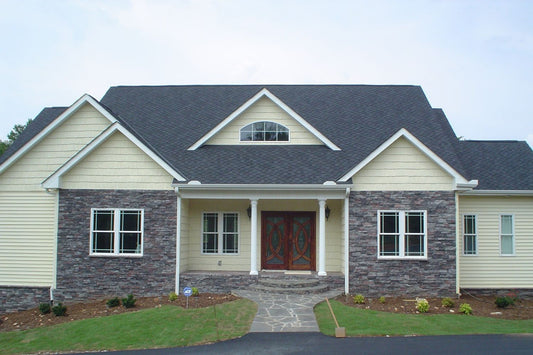
Stone veneer also works well in combination with other facade materials such as metal panels, stucco, fiber cement, or glass. This layered approach helps break up large elevations and adds visual interest without overwhelming the design.
Cost efficiency without sacrificing appearance
Budget considerations are central to any commercial construction project, and stone veneer offers a compelling cost-to-value ratio.
Material costs for manufactured stone veneer are generally lower than natural stone, but the real savings often come from installation. Because the material is lighter and easier to handle, labor requirements are reduced. There is no need for specialized lifting equipment or extensive structural reinforcement, which can significantly lower overall project costs.
Transportation is another area where savings are realized. Lightweight materials are less expensive to ship and easier to manage on-site, especially for projects with limited access or tight urban conditions.
Despite these cost advantages, the finished appearance remains highly competitive with natural stone. Modern manufacturing techniques replicate the texture, depth, and variation of real stone with impressive accuracy, allowing commercial projects to achieve a premium look without exceeding budget constraints.
Installation considerations for commercial applications
Proper installation is critical to the performance of stone veneer on commercial facades. While the material itself is durable, its success depends heavily on the wall assembly behind it.
Commercial installations typically require a well-designed moisture management system. This includes a weather-resistant barrier, proper flashing, and a drainage plane to ensure that water does not become trapped behind the veneer. In many cases, a rainscreen approach is used to improve long-term performance.
Substrate preparation is also important. Stone veneer can be installed over a variety of surfaces, including concrete, masonry, and framed wall systems, but each requires specific preparation methods to ensure proper adhesion and support.
Expansion joints and movement accommodation must be carefully planned, especially in large commercial facades. Buildings naturally expand and contract with temperature changes, and the veneer system must be able to accommodate this movement without cracking or failure.
Working with experienced installers who understand these requirements is essential. Commercial projects often involve complex details, and attention to these details can make the difference between a facade that performs for decades and one that develops issues prematurely.
Performance in different climates and environments
Commercial buildings are exposed to a wide range of environmental conditions, making performance a key consideration when selecting facade materials.
In colder climates, freeze-thaw resistance is particularly important. High-quality stone veneer is designed to handle repeated cycles without cracking or spalling, provided it is installed with proper drainage and moisture control.
In coastal or high-moisture environments, resistance to water intrusion and salt exposure becomes more critical. Stone veneer systems that incorporate proper sealing and detailing can perform well in these conditions.
UV stability is another factor, especially for buildings with significant sun exposure. Manufactured stone veneer is designed to maintain its color over time, resisting fading and discoloration even after years of exposure.
These performance characteristics make stone veneer a versatile option for commercial facades across a wide range of geographic locations.
Long-term maintenance and lifecycle value
Maintenance is an important consideration for commercial property owners, as it directly impacts operating costs and long-term value.
Stone veneer is relatively low maintenance compared to many other facade materials. It does not require painting or frequent refinishing, and its natural appearance helps conceal minor wear over time. Periodic cleaning is typically sufficient to maintain its appearance, especially in high-traffic or urban environments.
In some cases, sealing may be recommended to enhance water resistance or protect against staining, particularly in areas exposed to pollutants or heavy moisture. However, this is generally a straightforward process and does not require extensive upkeep.
The long lifespan of stone veneer contributes to its overall value. When properly installed, it can last for decades with minimal intervention, making it a cost-effective choice over the life of a commercial building.
Sustainability and modern building practices
Sustainability is an increasingly important consideration in commercial construction, and stone veneer aligns well with many modern building practices.
Because it is lighter than natural stone, it requires less energy to transport and install. This contributes to a lower overall environmental footprint. Additionally, some manufacturers incorporate recycled materials into their products, further enhancing sustainability.
Stone veneer can also contribute to energy efficiency when used as part of a well-designed wall assembly. By working in conjunction with insulation and air barriers, it helps create a more efficient building envelope.
For projects pursuing green building certifications or aiming to meet sustainability goals, stone veneer can be a practical and aesthetically pleasing option.
Stone veneer for commercial building facades
Stone veneer has become a cornerstone material in commercial facade design, offering a unique combination of visual appeal, durability, and cost efficiency. Its ability to replicate the look of natural stone while reducing structural and installation challenges makes it an ideal choice for a wide range of commercial applications.
From retail developments to office buildings and hospitality spaces, stone veneer provides the flexibility needed to create distinctive, high-performing exteriors. When paired with proper installation techniques and thoughtful design, it delivers long-term value and lasting impact.
For architects, builders, and property owners seeking a reliable and versatile facade solution, stone veneer continues to stand out as one of the most effective options available.
From Mountain View Stone: what you should know
At Mountain View Stone, we see commercial stone veneer projects succeed most consistently when the material is treated as part of a complete wall system rather than just a decorative finish. The performance of a facade depends just as much on proper detailing, moisture management, and installation quality as it does on the veneer itself. In commercial applications especially, overlooking things like drainage planes, flashing, and movement joints can lead to long-term issues, even when using high-quality materials. We also find that stone veneer delivers its best value when designers take full advantage of its flexibility, from custom colors to varied profiles that support branding and architectural intent. When these elements are aligned, stone veneer becomes a reliable, durable, and visually impactful solution for commercial buildings
Frequently asked questions
1. What is the difference between stone veneer and natural stone for commercial facades? Stone veneer is a lightweight, manufactured product designed to replicate natural stone, while natural stone is full-thickness and significantly heavier. Veneer is easier and more cost-effective to install.
2. Is stone veneer durable enough for commercial buildings? Yes, high-quality stone veneer is designed to withstand weather, moisture, and wear, making it suitable for demanding commercial environments.
3. Can stone veneer be used on high-rise buildings? It can be used on certain sections of high-rise buildings, but proper engineering and installation methods are required to ensure safety and performance.
4. Does stone veneer require much maintenance? No, it is considered low maintenance. Occasional cleaning and, in some cases, sealing are typically all that is needed.
5. How long does stone veneer last on a commercial facade? When properly installed, stone veneer can last for decades, often matching the lifespan of the building itself.
6. Is stone veneer customizable for branding or design purposes? Yes, manufactured stone veneer can be produced in custom colors and styles, making it ideal for aligning with commercial branding and architectural design goals.
Are you a pro?
At Mountain View Stone, we work closely with architects, designers, contractors, and builders who need more than just a material supplier, they need a reliable partner who understands commercial demands. From specification support to custom color development and project coordination, our focus is on helping professionals bring complex facade designs to life with confidence. Whether you’re working on a large-scale commercial development or a detailed architectural feature, we’re here to support your vision with consistent, made-to-order stone veneer solutions built for real-world performance.
We also have a dedicated team for trade and commercial professionals, so feel free to reach out directly at pros@mountainviewstone.net for project support, inquiries, or additional information about our verified pro program.
What's next?
Bring your vision to life with our high-quality stone veneer. Shop now to explore our full range of styles or order a sample to experience the texture and see the colors in person. Start your project with confidence today.
Have a question?
Please see our full terms of service or check out our frequently asked questions.
For general information and questions please call: (864) 882-8960 Mon. - Fri. 8am - 5pm (EST) or email: info@mountainviewstone.net we are more than happy to help you.
Or you can submit your questions via our contact us page.
We look forward to working with you on your upcoming project.
The Mountain View Stone Team
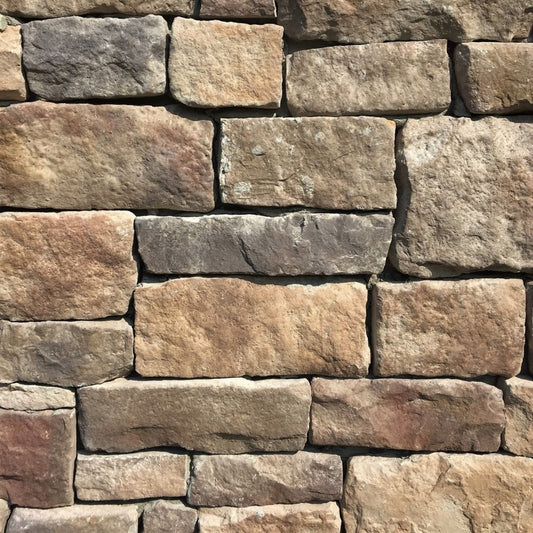
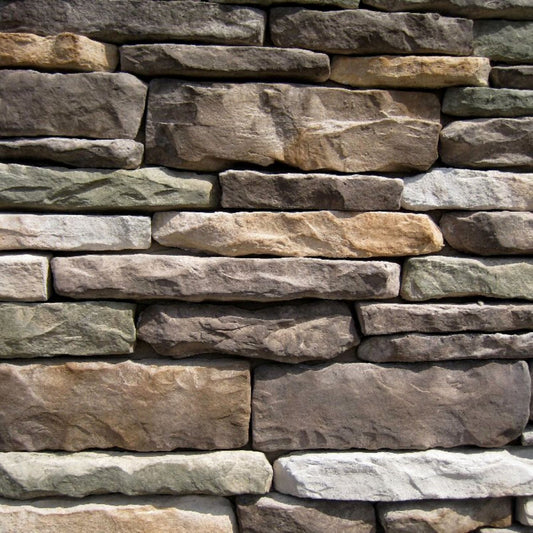
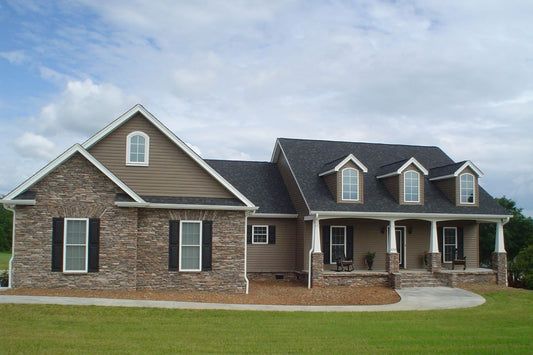
Pictured is lime stone tuscany.