
What is Manufactured Stone Veneer Made Of? Materials, Manufacturing, and Durability
Share
Originally posted May 6, 2024, updated February 11, 2026.
Manufactured stone veneer is made from Portland cement, lightweight aggregates, and iron oxide pigments. Molded and cured to replicate natural stone, it’s lightweight, durable, and suitable for indoor and outdoor use.
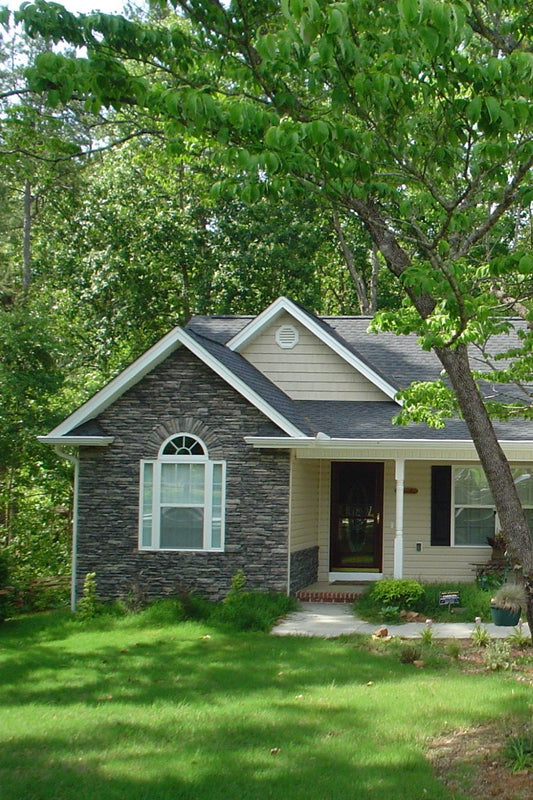
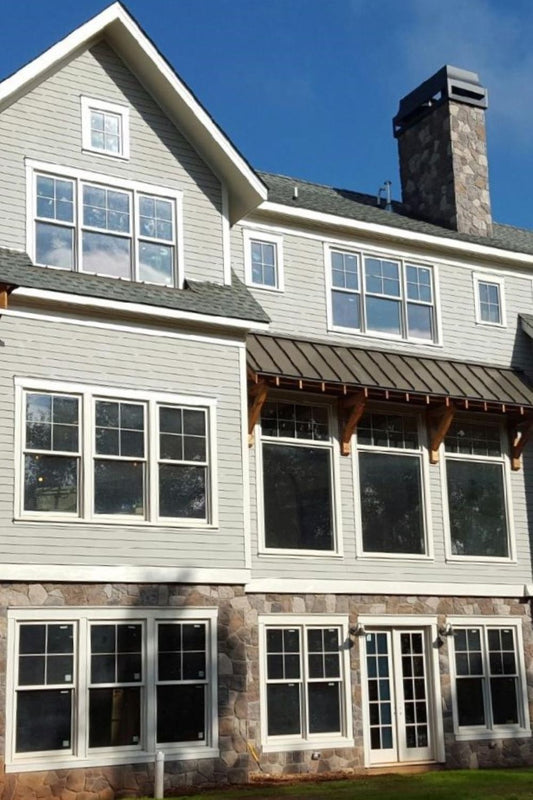
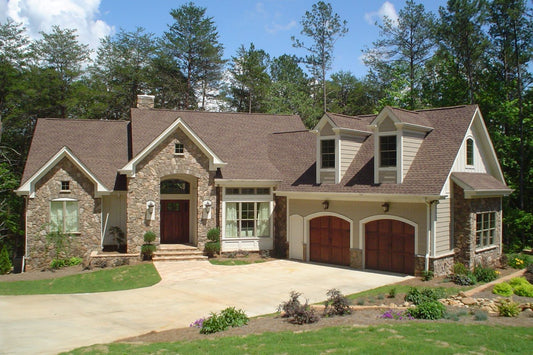
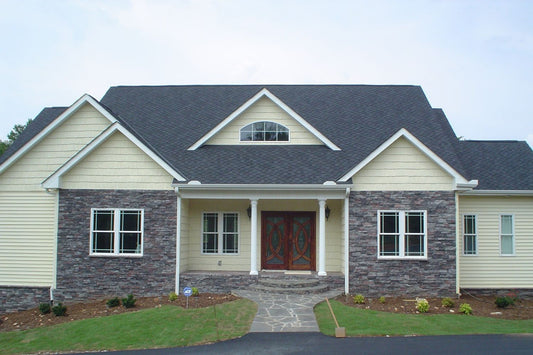
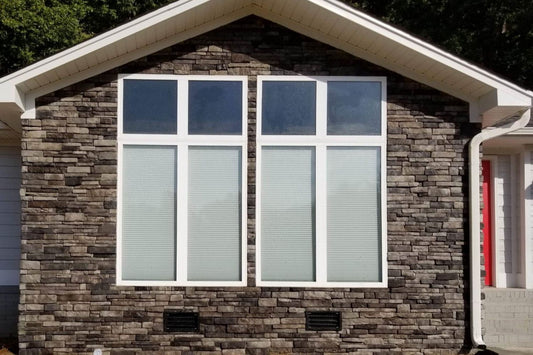
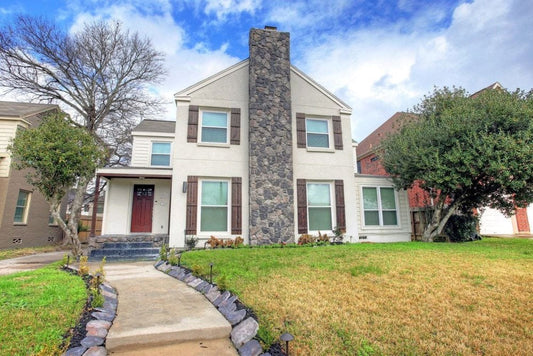
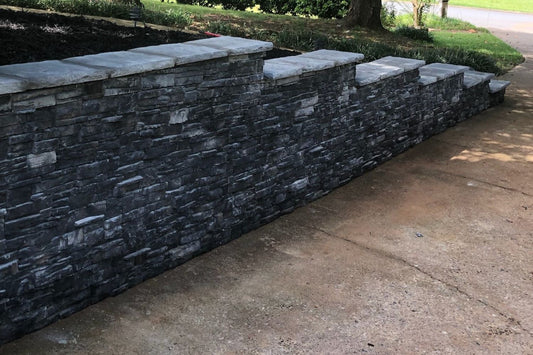
Manufactured stone veneer has transformed the way homeowners and designers achieve the look of natural stone. To understand the materials, construction, and design options that make this possible, check out our manufactured stone veneer buying guide. By combining carefully selected cement, aggregates, and pigments with advanced molding and curing techniques, this lightweight and durable alternative to quarried stone replicates the beauty of real stone while being easier to handle and install. It’s ideal for interior feature walls, fireplaces, exterior facades, and landscaping elements.
Knowing what goes into manufactured stone veneer and how it is crafted can help you plan your project with confidence. Each step, from the precise mix of raw materials to the finishing process, is engineered to create realistic textures and colors while ensuring long-lasting performance.
By blending smart engineering with creative design possibilities, manufactured stone veneer allows homeowners and professionals to achieve striking, professional-quality results that endure for decades, making it a practical and stylish choice for virtually any application.
The genesis of manufactured stone veneer
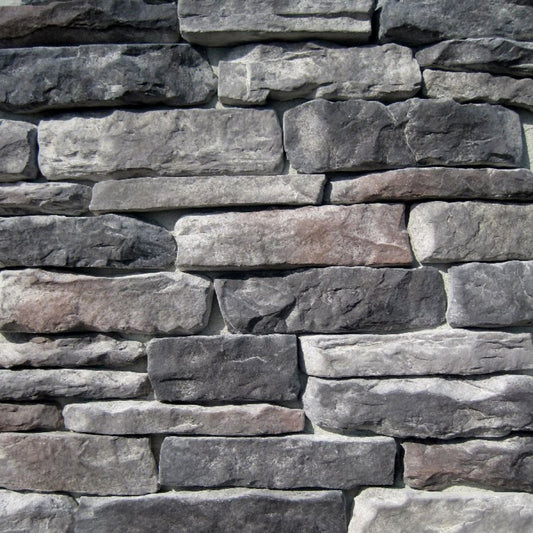
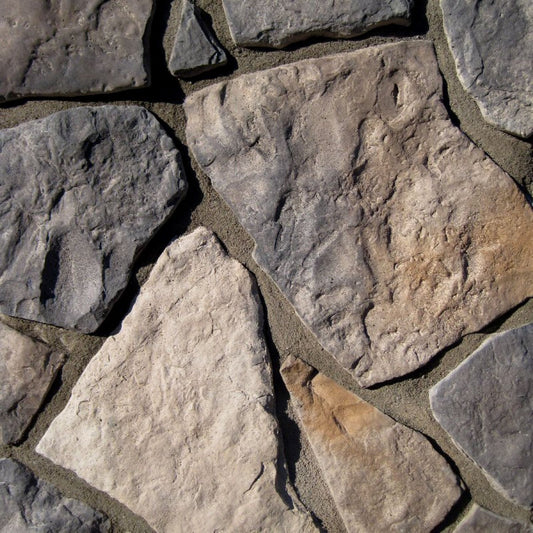
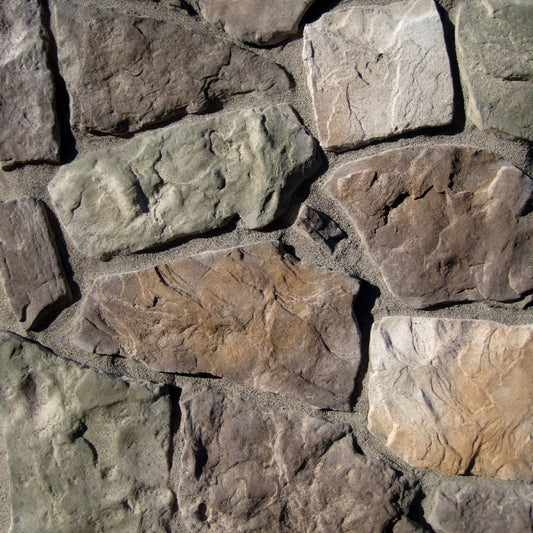
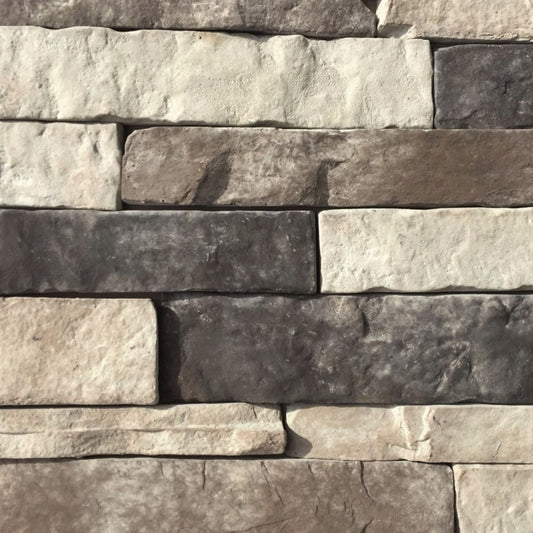
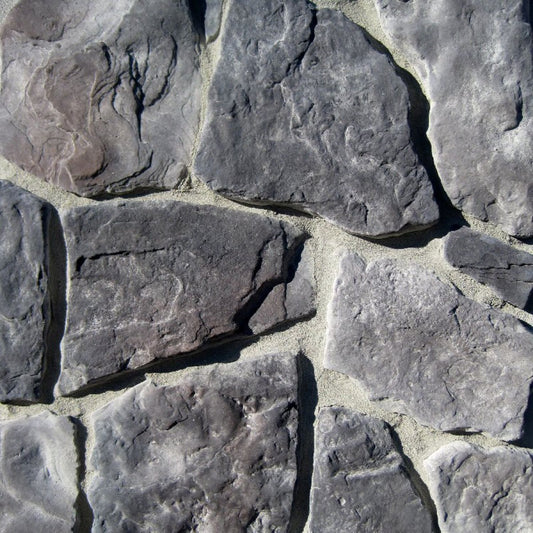
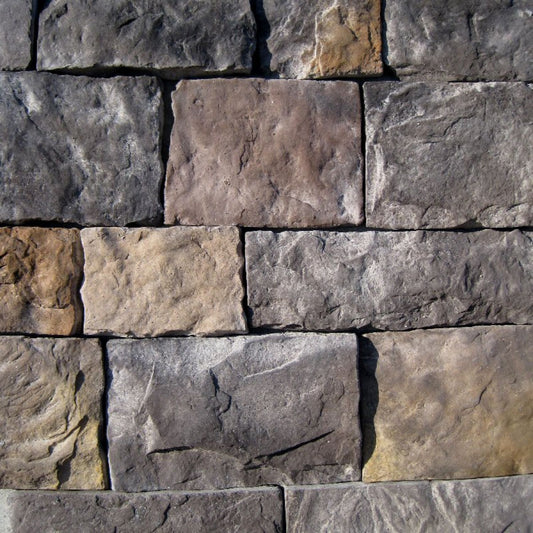
Manufactured stone veneer, sometimes called artificial or faux stone, first emerged in the mid-20th century as a practical alternative to full-depth natural stone. The goal was to achieve the elegance and visual appeal of stone while reducing the weight, cost, and installation challenges associated with quarried stone. Early products focused on popular natural stone types like limestone, ledgestone, and fieldstone, but today’s manufactured veneer replicates nearly any stone variety with remarkable accuracy.
Over time, manufacturers have refined both the aesthetic and structural qualities of veneer, blending artistry with advanced engineering. The result is a material that not only looks authentic but also performs reliably in interior and exterior applications. This combination of beauty and practicality has made manufactured stone veneer a favorite among designers, contractors, and DIY enthusiasts alike.
What goes into manufactured stone veneer?
The composition of manufactured stone veneer is carefully engineered to balance realism, durability, and ease of installation. The main ingredients include Portland cement, aggregates, iron oxide pigments, and chemical additives.
Portland cement acts as the primary binder, giving the veneer structural integrity and strength. Aggregates, which can include crushed limestone, quartz, pumice, shale, or expanded clay, contribute texture and reduce the overall weight of each piece while maintaining durability. Iron oxide pigments provide natural-looking colors, enabling manufacturers to replicate the subtle variations found in authentic stone. Chemical additives are sometimes incorporated to improve workability, bonding, water resistance, and freeze-thaw durability. Together, these components create a lightweight, strong, and visually convincing product suitable for a wide range of applications.
How manufactured stone veneer is made
The manufacturing process of stone veneer combines precise engineering with artistic detail. First, the cement, aggregates, pigments, and additives are blended to create a consistent mixture. This mixture is then poured into molds crafted from real stones, capturing natural textures, irregularities, and surface variations. Each mold ensures that the final product closely mimics the appearance of natural stone.
After molding, the veneer pieces undergo a curing process to strengthen their molecular structure. Depending on the manufacturer, curing may occur in controlled chambers or through air drying. Once cured, each piece receives finishing touches, such as trimming, shaping, and surface treatments, sometimes even hand-finished, to enhance authenticity. The result is a lightweight, high-quality veneer that can be installed with ease and maintains its beauty and structural integrity over time.
Durability and long-term performance
Manufactured stone veneer is designed to withstand a variety of environmental stressors. Its engineered composition provides resistance to moisture, fading, cracking, and general wear. Most products are tested to endure freeze-thaw cycles, UV exposure, and impact, making them suitable for both interior and exterior applications.
Installation is key to ensuring long-term performance. Proper drainage, moisture barriers, and adherence to manufacturer specifications help prevent water intrusion and potential damage. When installed correctly, manufactured stone veneer can last decades with minimal maintenance. Warranties typically range from 20 to 50 years, covering defects in materials while excluding damage caused by improper installation or structural issues. Some manufacturers require certified installers for warranty validity, particularly in high-moisture environments or extreme climates.
Individual stones vs. stone panels
Manufactured stone veneer is available in two primary formats: individual stones and stone panels. Individual stones are installed one piece at a time, allowing for flexibility in layout, tighter joints, and a more natural appearance. Stone panels, which contain multiple stone faces attached to a single backing, can speed up installation over large areas but often produce a more uniform look.
In practice, individual stones are the industry standard, especially for vertical surfaces like walls, fireplaces, and chimneys. They are easier to handle, cut, and install, while panels, although convenient, can be heavier and more prone to cracking during handling or transport.
Benefits of choosing manufactured stone veneer
Manufactured stone veneer offers numerous advantages over natural stone. Its lightweight composition reduces labor and structural challenges while making installation faster and more manageable. It is more affordable than full-depth stone yet delivers comparable aesthetic appeal.
The variety of textures, colors, and patterns allows for creative design flexibility, enabling homeowners and professionals to achieve the desired look for both interior and exterior projects. Additionally, its engineered durability ensures resistance to weathering, moisture, and UV fading, making it a practical and stylish choice for any project.
Whether you’re upgrading a fireplace, creating a feature wall, or adding character to an exterior facade, manufactured stone veneer provides a cost-effective, durable, and visually stunning solution.
What is manufactured stone veneer made of?
Manufactured stone veneer combines modern engineering with timeless stone aesthetics, offering a versatile, lightweight, and durable solution for interior and exterior projects. Its composition, careful manufacturing process, and long-term performance make it an attractive alternative to natural stone. With proper installation, this engineered material can deliver decades of beauty, durability, and design flexibility, making it an excellent choice for homeowners, designers, and contractors alike.
By understanding its materials, manufacturing process, and durability, you can make informed decisions for your next project and achieve professional-quality results that stand the test of time.
From Mountain View Stone: what you should know
At Mountain View Stone, we believe that understanding what goes into manufactured stone veneer is key to achieving the best results for your project. Made from Portland cement, lightweight aggregates, and iron oxide pigments, each piece is carefully molded and cured to replicate the color, texture, and depth of natural stone. This engineered composition makes it lightweight, durable, and versatile for both interior and exterior applications, from feature walls and fireplaces to exterior facades and landscaping accents. By combining smart engineering with creative design flexibility, manufactured stone veneer delivers the beauty of real stone without the weight, cost, or installation challenges, ensuring professional-quality results that last for decades when installed correctly.
Frequently asked questions
1. What materials are used to make manufactured stone veneer? Manufactured stone veneer is typically composed of Portland cement, aggregates (such as crushed limestone or quartz), iron oxide pigments, and chemical additives. These ingredients are carefully blended, molded, cured, and finished to replicate the texture, color, and appearance of natural stone.
2. How is manufactured stone veneer made? The manufacturing process involves mixing cement, aggregates, pigments, and additives, pouring the mixture into molds that replicate natural stone shapes, curing the pieces for strength and durability, and applying finishing touches such as trimming and surface treatments to enhance authenticity.
3. Is manufactured stone veneer strong and long-lasting? Yes. Manufactured stone veneer is engineered for long-lasting performance. It is resistant to moisture, fading, cracking, and general wear, making it suitable for both interior and exterior applications while maintaining its aesthetic appeal over time.
4. Can manufactured stone veneer be used indoors and outdoors? Absolutely. Its lightweight yet durable composition makes manufactured stone veneer versatile for interior feature walls, fireplaces, and accent areas, as well as exterior facades, outdoor kitchens, and landscaping features.
5. How does manufactured stone veneer compare to natural stone? Manufactured stone veneer offers the look and texture of natural stone at a fraction of the weight and cost. While natural stone is quarried and heavy, manufactured veneer is easier to install, more versatile in design, and provides similar durability for most residential and commercial applications.
6. What are the benefits of choosing manufactured stone veneer? Manufactured stone veneer is cost-effective, lightweight, durable, and highly customizable. With a wide range of colors, textures, and patterns, it allows homeowners and designers to achieve the aesthetic of real stone without the expense, labor, or structural considerations of full-depth stone.
What's next?
Ready to transform your space? Shop now or order a sample to experience the quality and texture firsthand!
Have a question?
Please see our full terms of service or check out our frequently asked questions.
For general information and questions please call: (864) 882-8960 Mon. - Fri. 8am - 5pm (EST) or email: info@mountainviewstone.net we are more than happy to help you.
Or you can submit your questions via our contact us page.
We look forward to working with you on your upcoming project.
The Mountain View Stone Team
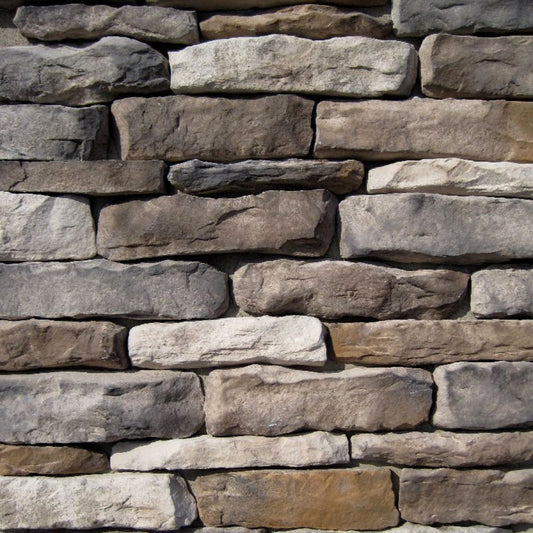
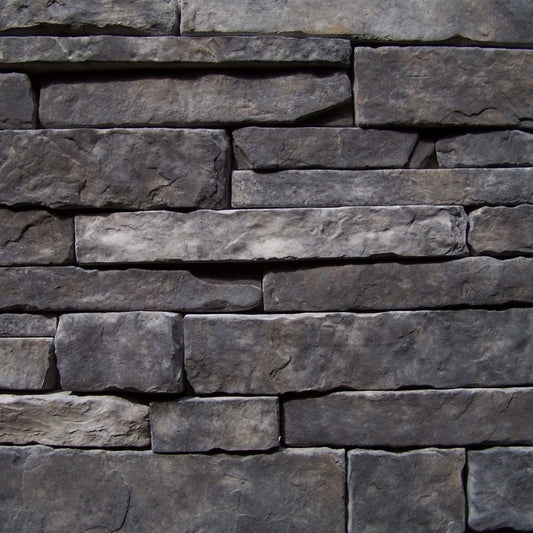
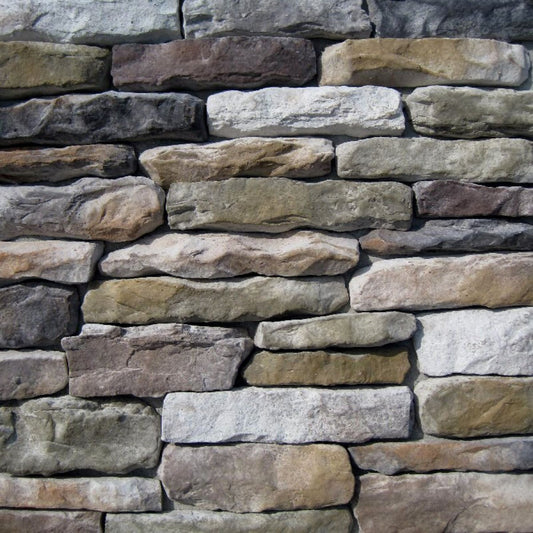
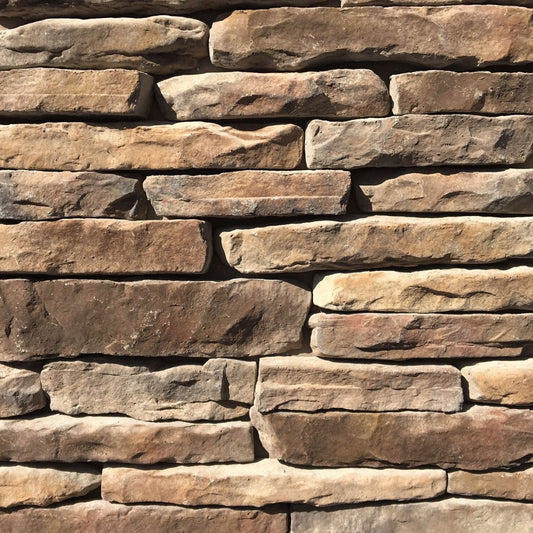
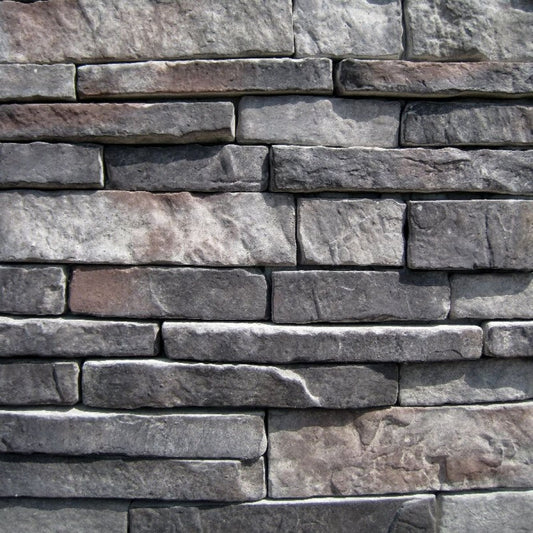
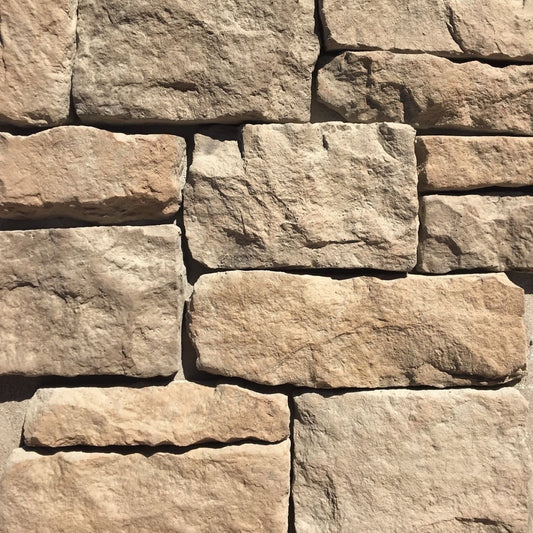
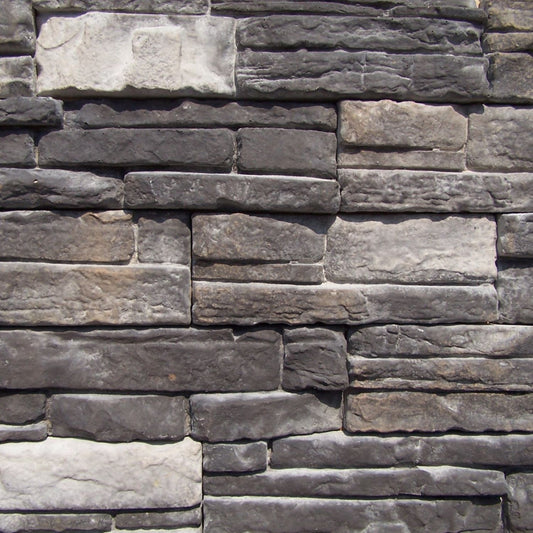
Pictured is ledge stone mossy creek.