
Manufactured Stone Veneer Buying Guide: How to Choose the Right Stone
Share
When buying manufactured stone veneer, focus on quality, style, and installation requirements to ensure long-term performance. Manufactured stone veneer is a lightweight, cost-effective alternative to natural stone, available in a range of colors and profiles to suit any design. Choosing the right product involves evaluating durability, climate compatibility, and overall aesthetic to achieve a realistic, lasting finish.
Manufactured stone veneer has quickly become a go-to material for homeowners, builders, and designers looking to achieve the timeless look of natural stone without the weight, cost, or installation complexity. Whether you are planning a full exterior transformation, upgrading a fireplace, or adding a statement accent wall, the right stone veneer can dramatically elevate the look and value of your space.
But not all manufactured stone veneer is created equal. With a wide range of styles, colors, quality levels, and installation requirements to consider, choosing the right product can feel overwhelming. This buying guide breaks down everything you need to know, from how manufactured stone veneer is made to how it performs over time, so you can make a confident, informed decision that aligns with your design goals and budget.
What is Manufactured Stone Veneer and Why It’s So Popular
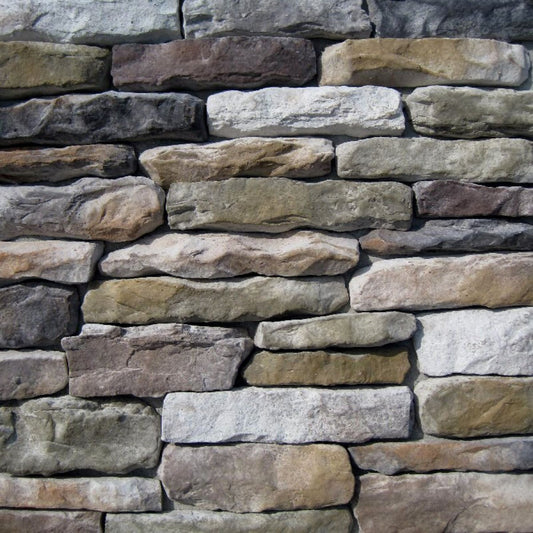
Manufactured stone veneer has become one of the most sought-after materials in both residential and commercial design. Created using a blend of cement, lightweight aggregates, and iron oxide pigments, it is molded and colored to replicate the appearance of natural stone with remarkable realism. Advances in manufacturing have made it increasingly difficult to distinguish from quarried stone, especially when installed by a skilled professional. For a deeper look at what this material is and how it differs from natural stone, check out our what is manufactured stone veneer?
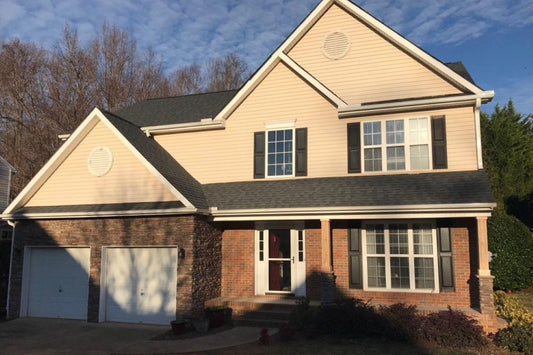
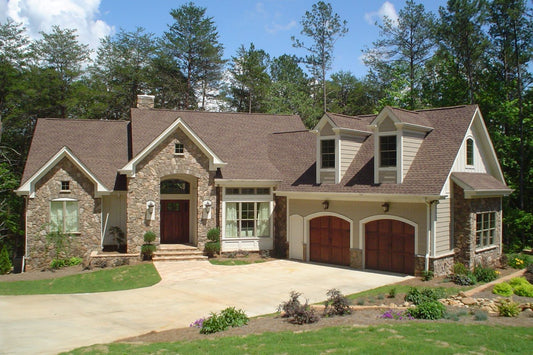
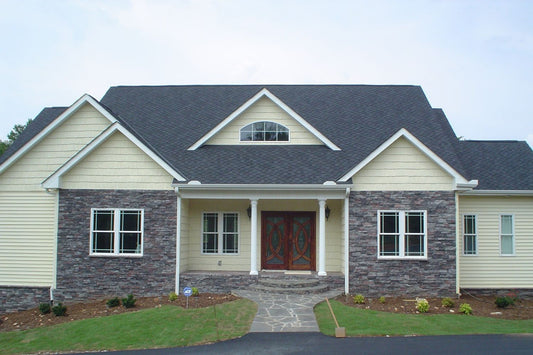
Homeowners and designers are drawn to manufactured stone veneer because it offers the visual impact of full-thickness stone without the structural demands or high costs. Unlike natural stone, which often requires footings or reinforcement, manufactured stone veneer can be applied to a wide range of surfaces, making it a versatile option for interior and exterior applications. From fireplaces and feature walls to full home exteriors, it provides a high-end look that enhances curb appeal and interior ambiance.
The popularity of manufactured stone veneer is also tied to its consistency. Because it is produced in controlled environments, color and shape variations are more predictable, allowing for better planning and design cohesion. This consistency makes it easier to achieve a balanced and intentional look across large surfaces.
Understanding Materials, Composition, and Manufacturing
At its core, manufactured stone veneer is engineered for performance and aesthetics. The primary ingredients typically include Portland cement, lightweight aggregates, and carefully formulated pigments that mimic natural mineral tones. These materials are poured into molds that are often taken from real stone, capturing intricate textures and surface details.
The manufacturing process involves curing the stone under controlled conditions to ensure strength and durability. High-quality products undergo strict quality control measures to maintain consistency in color, size, and structural integrity. This process is what allows manufactured stone veneer to offer both aesthetic appeal and long-term performance.
One of the key advantages of manufactured stone veneer is its relatively low weight compared to natural stone. This reduces installation complexity and allows it to be applied to vertical surfaces without the need for additional structural support. The lighter weight also contributes to lower shipping costs and easier handling on job sites.
Understanding how manufactured stone veneer is made can help you evaluate product quality. Denser, well-cured stones tend to perform better over time, particularly in climates that experience freeze-thaw cycles. Inferior products may be more prone to moisture absorption or surface degradation, which can impact both appearance and longevity.
For a more detailed breakdown of the components and how they work together to create realistic, durable stone, see our supporting post: what is manufactured stone veneer made of?
Choosing the Right Style and Profile for Your Space
Selecting the right style of manufactured stone veneer is one of the most important decisions in the buying process. The style you choose will define the overall character of your project, whether you are aiming for a rustic, modern, traditional, or contemporary look.
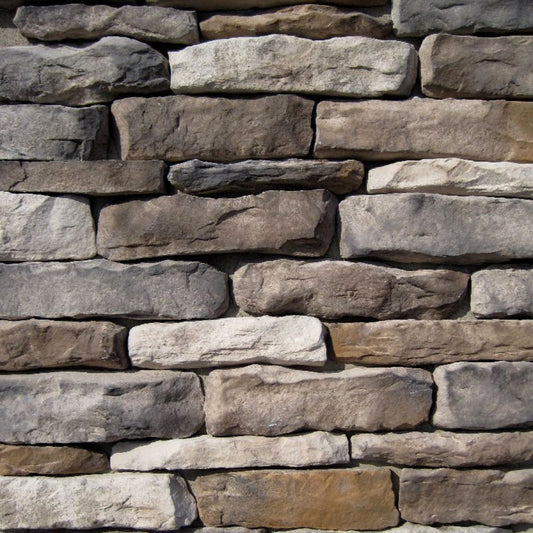
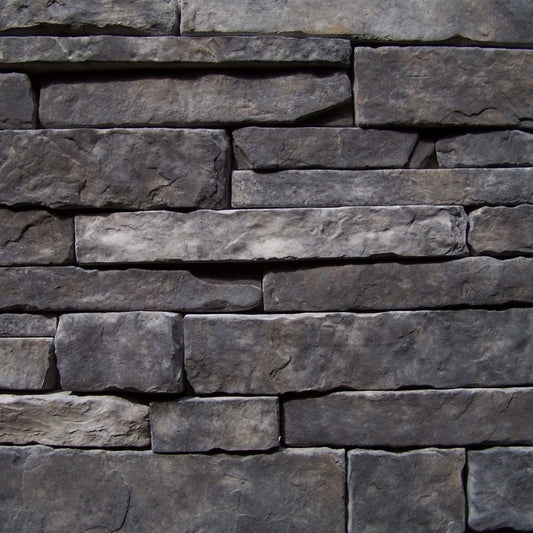
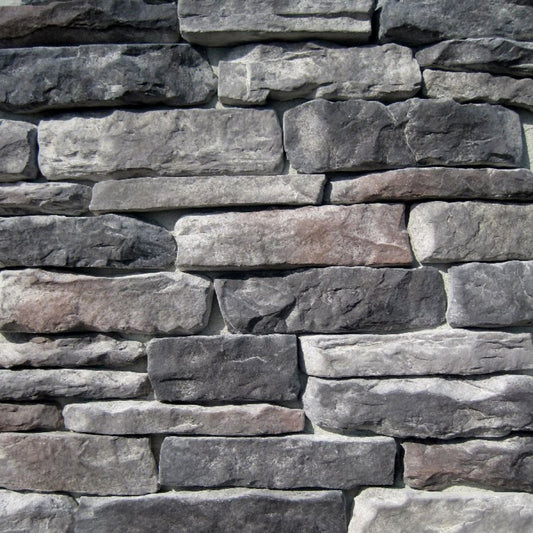
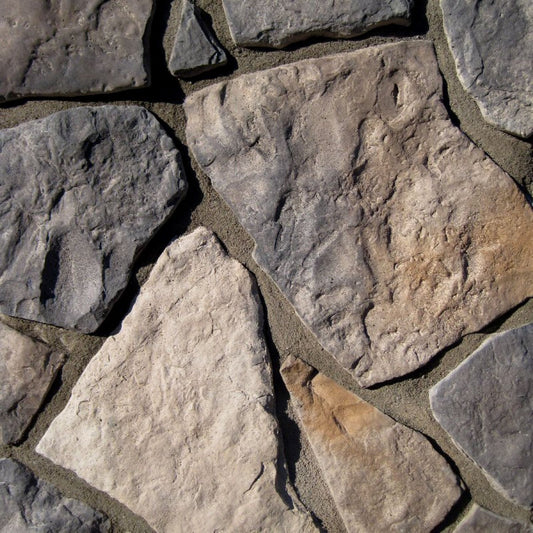
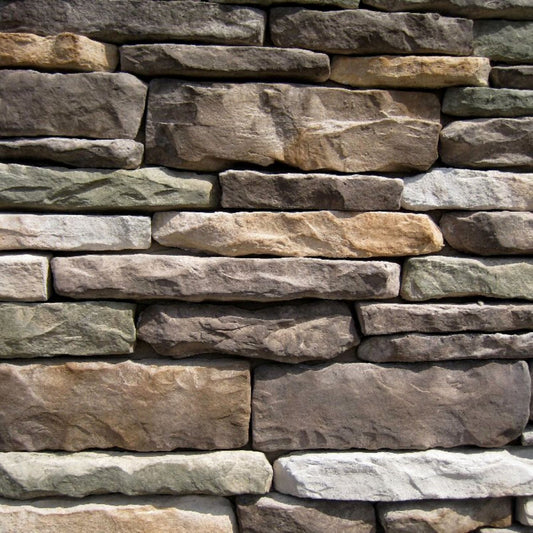
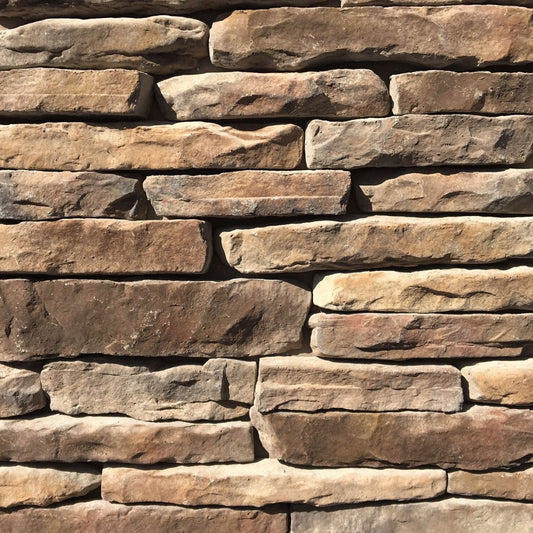
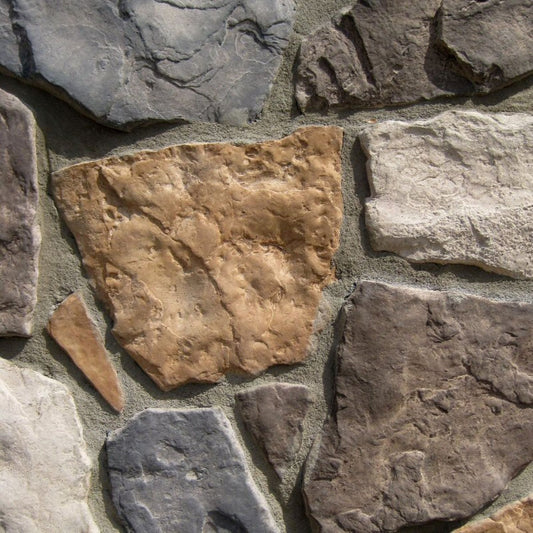
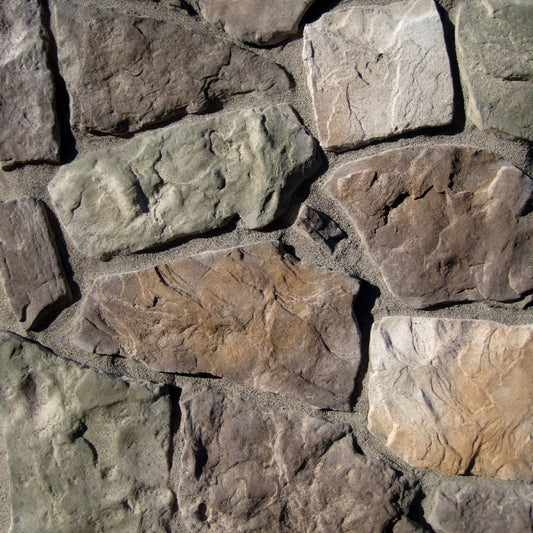
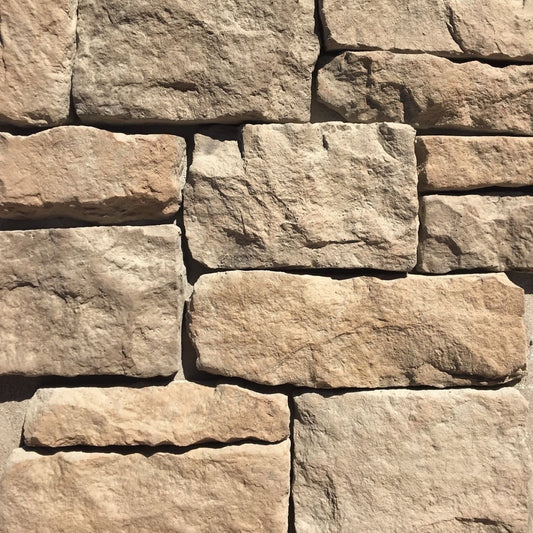
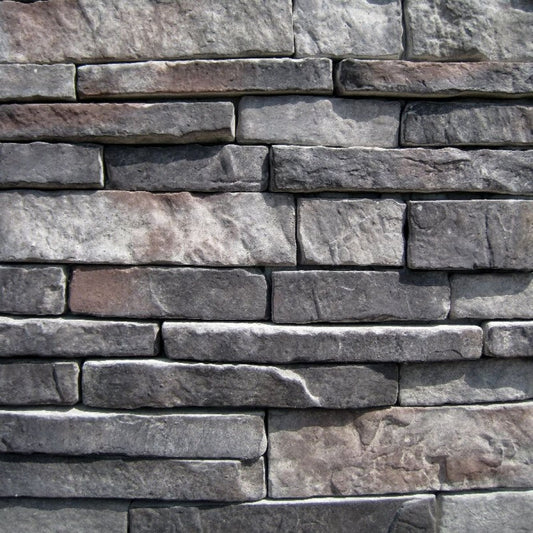
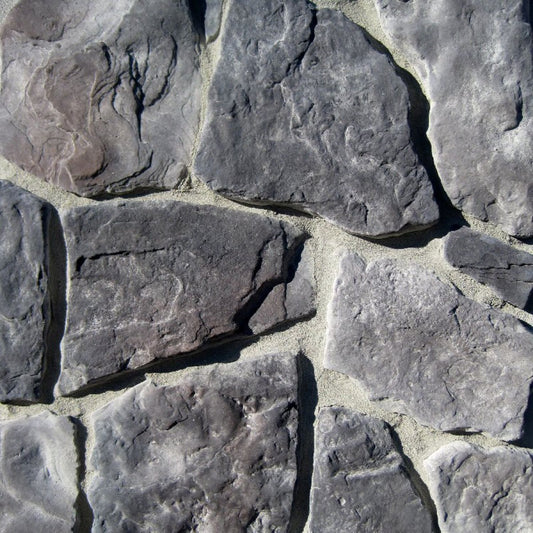
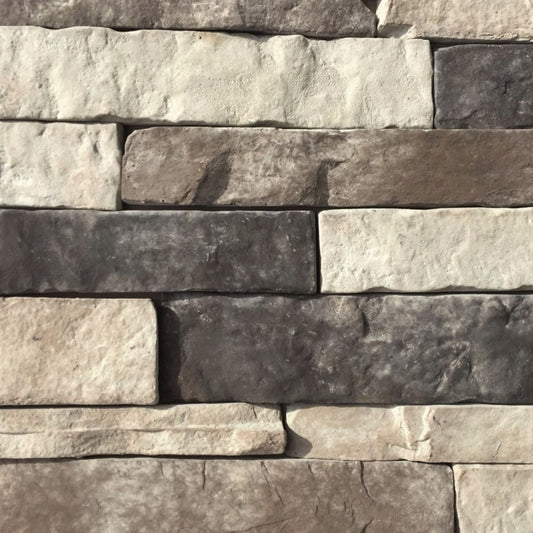
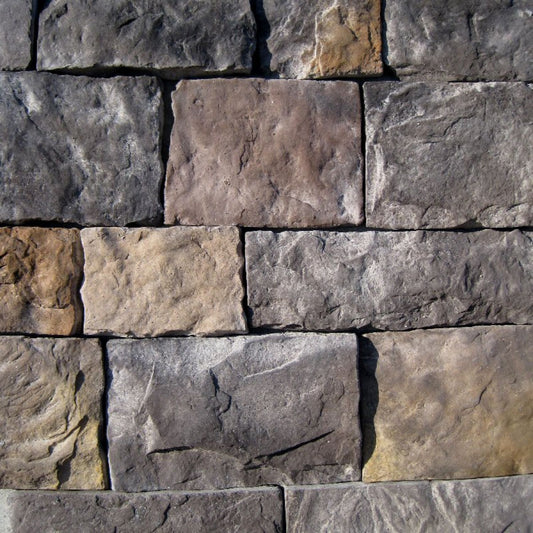
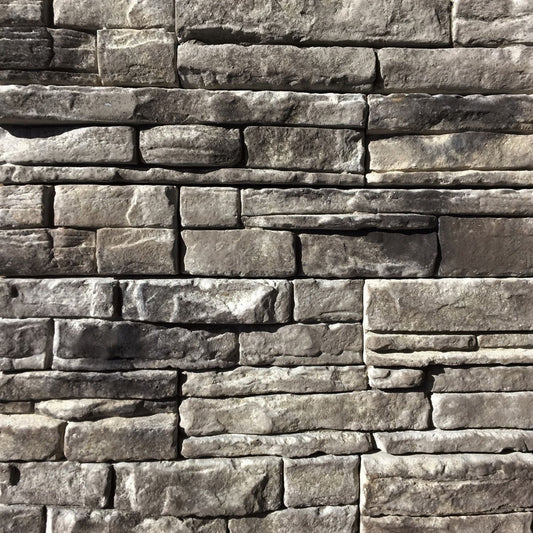
Manufactured stone veneer is available in a wide range of profiles that replicate different types of natural stone. These include ledgestone, fieldstone, river rock, limestone, and ashlar patterns, among others. Each profile offers a unique texture and layout that influences how the finished surface will appear. For example, stacked stone creates a linear, stacked look that works well in modern designs, while fieldstone provides a more irregular, organic appearance suited to traditional or rustic settings. To better understand how each option impacts the final look, explore our detailed guide on stone veneer profiles, where we break down the most popular styles and their ideal applications.
The scale of the stone is another important consideration. Larger stones can create a bold, dramatic effect, especially on expansive exterior walls, while smaller stones tend to feel more detailed and intricate. The size and arrangement of the stones should complement the scale of the space and the surrounding architectural elements.
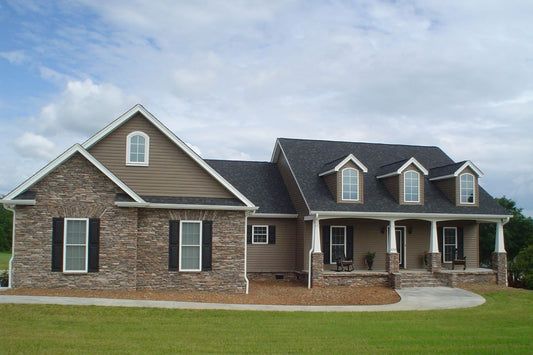
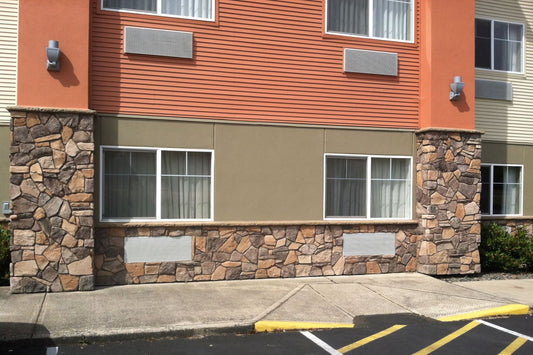
It is also important to think about how the stone will interact with other materials in your design. Manufactured stone veneer is often paired with siding, wood, stucco, or brick. Choosing a style that harmonizes with these materials will create a cohesive and balanced look.
In addition to style and scale, you’ll need to decide between stone veneer panels and individual stones. Panels come pre-assembled with multiple stones, allowing for faster installation and more uniform coverage, which is ideal for large surfaces. Individual stones offer greater flexibility for custom layouts and detailed designs, perfect for accent walls or fireplaces. For a closer look at the advantages of each option, see our supporting post: stone veneer panels or individual stones.
Color Selection and Its Impact on Design
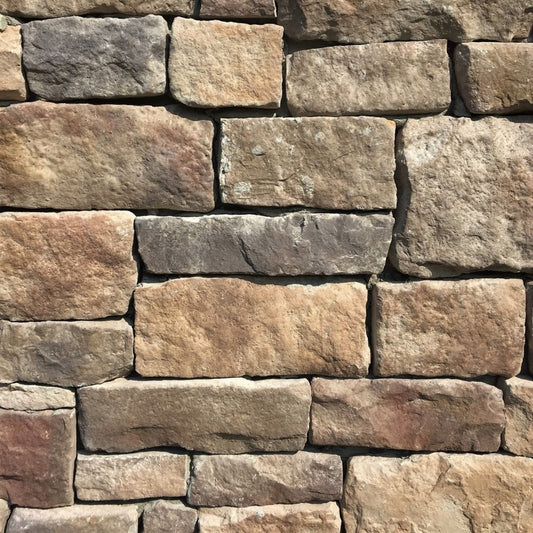
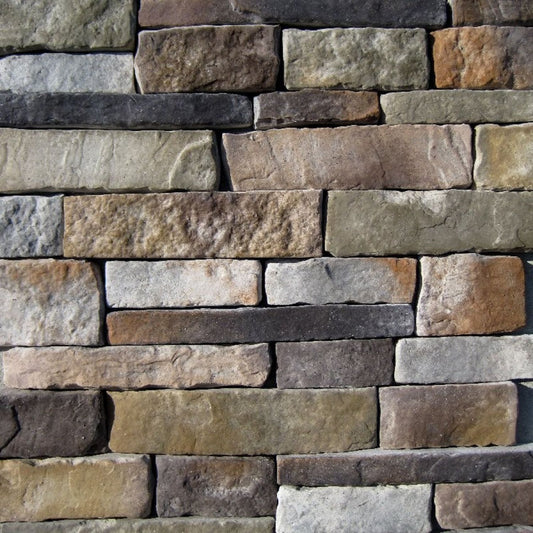
Color plays a critical role in the overall success of your manufactured stone veneer project. The right color palette can enhance architectural features, create contrast, or tie together different elements of a space. When selecting a color, it is important to consider both the immediate environment and the long-term appearance of the stone. Natural lighting conditions, surrounding materials, and even landscaping can influence how a color appears once installed. What looks ideal in a showroom or sample board may look different in full sunlight or shaded areas.
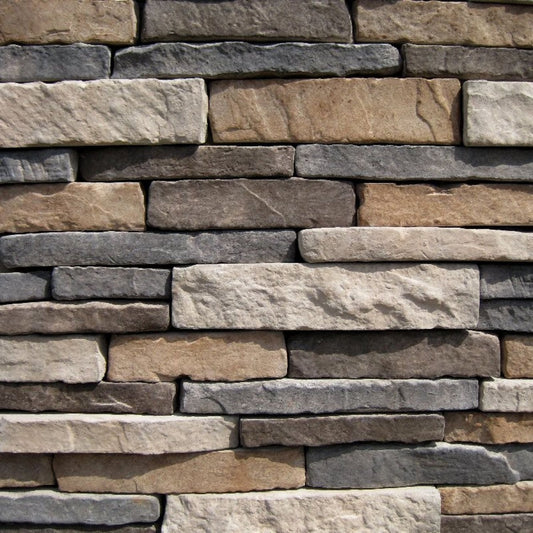
Neutral tones such as grays, beiges, and browns are popular choices because they offer versatility and timeless appeal. These colors tend to complement a wide range of architectural styles and are less likely to feel dated over time. More dramatic color options can create a striking visual impact but should be chosen carefully to ensure they align with the overall design vision.
For a more detailed guide on selecting the ideal stone veneer color for your home, including tips on blending colors and coordinating with other materials, see our supporting post, the perfect stone veneer color for your house.
Where Manufactured Stone Veneer Can Be Used
One of the key benefits of manufactured stone veneer is its versatility. It can be used in a wide variety of applications, both indoors and outdoors, making it a flexible design solution for many types of projects.
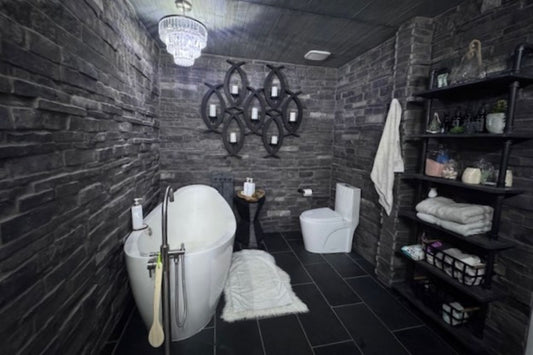
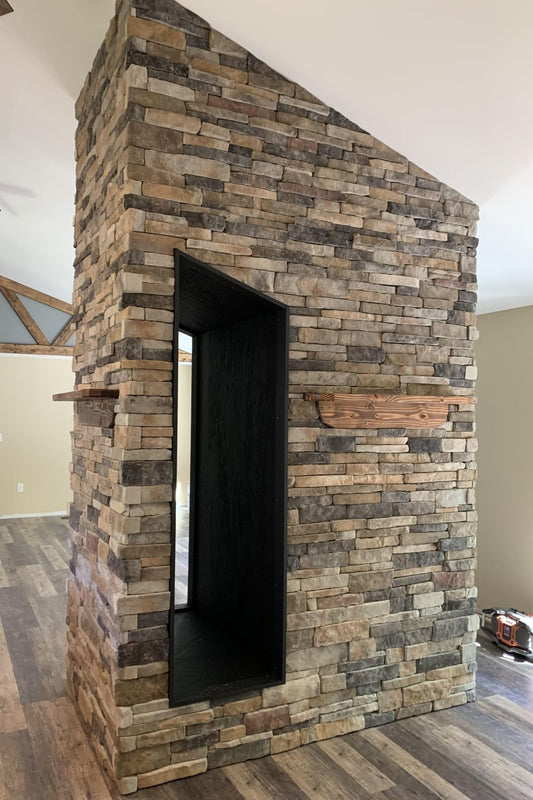
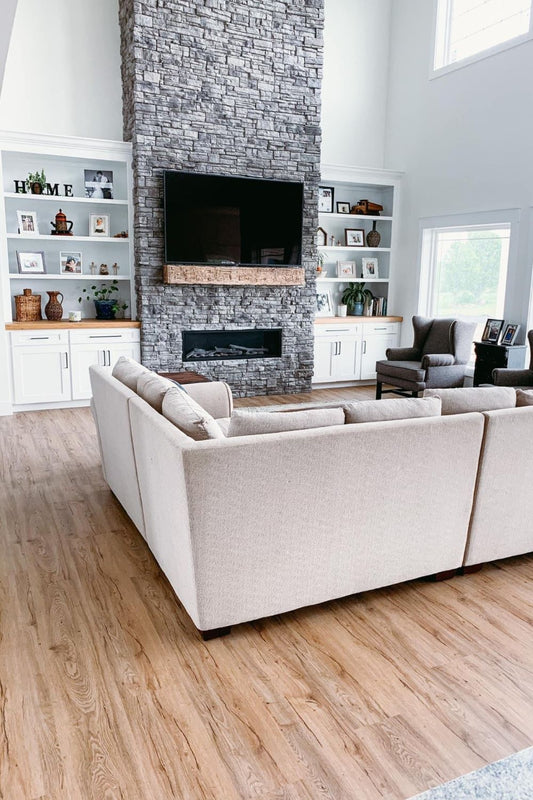
Interior applications include fireplaces, accent walls, kitchen backsplashes, and entryways. In these settings, manufactured stone veneer can add warmth, texture, and visual interest without overwhelming the space. It is often used as a focal point that anchors the design of a room.
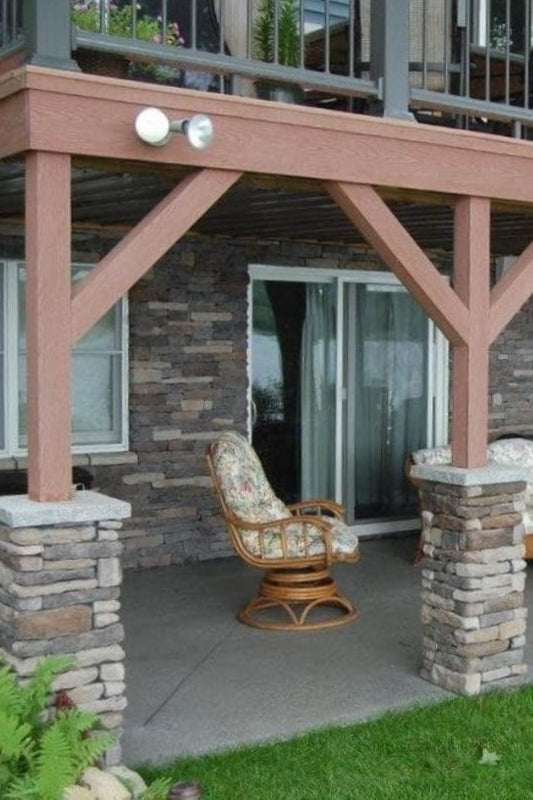
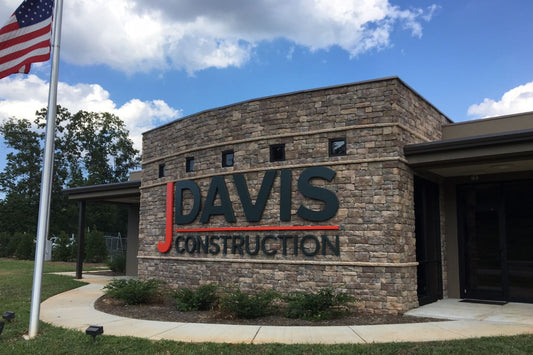
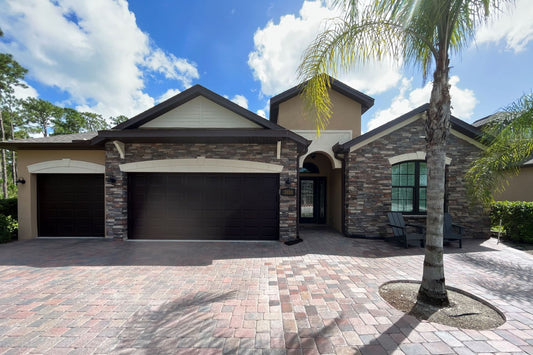
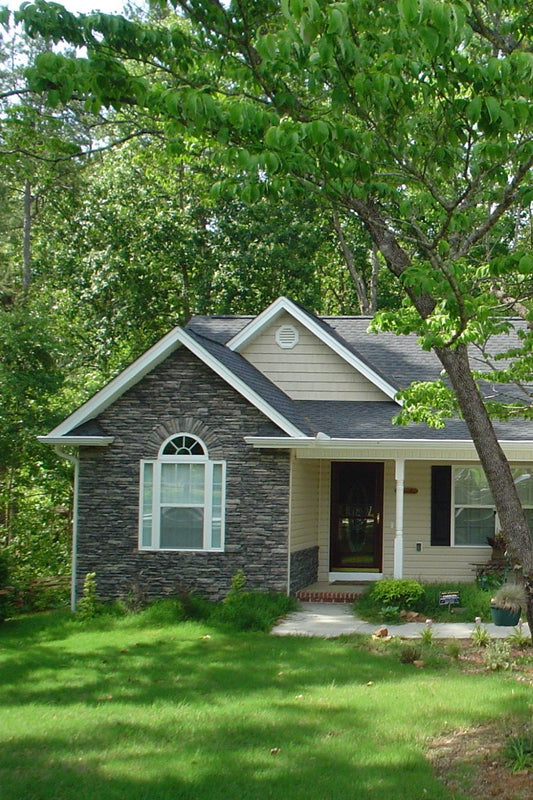
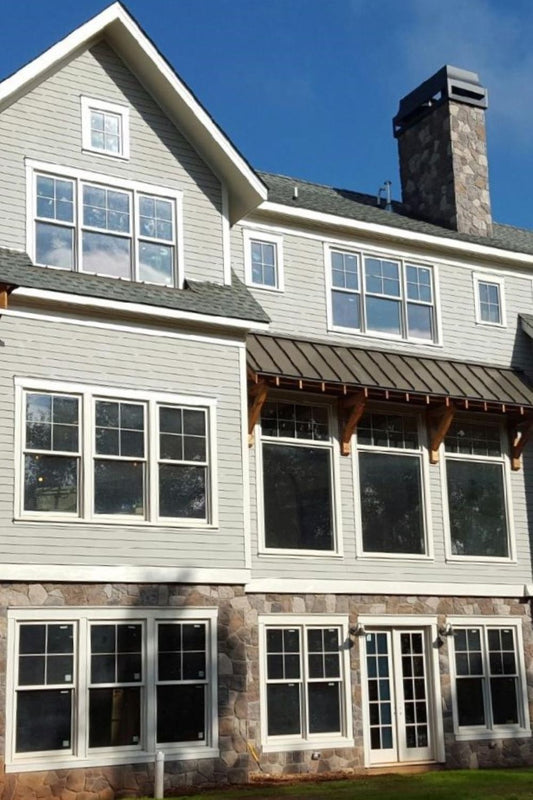
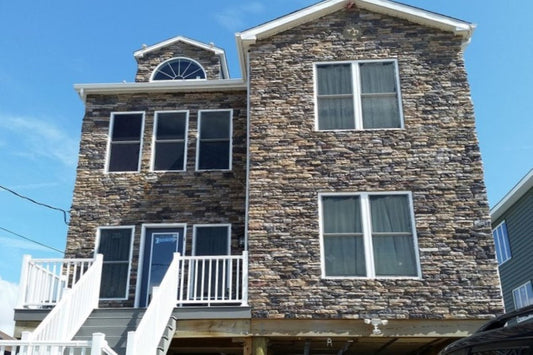
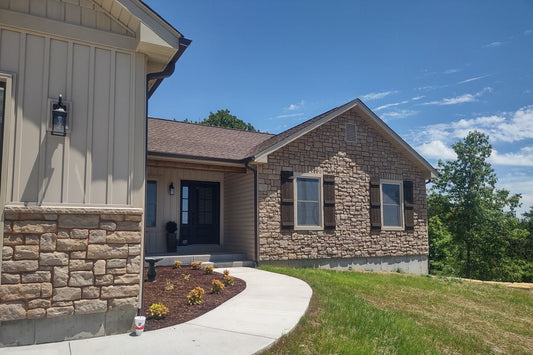
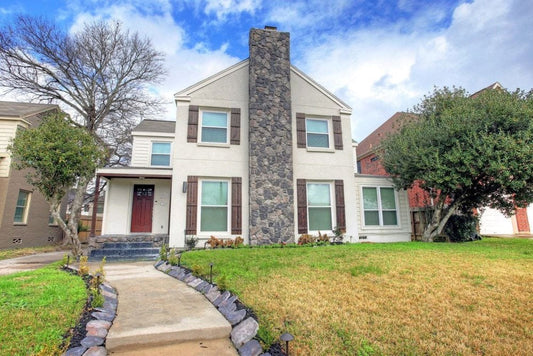
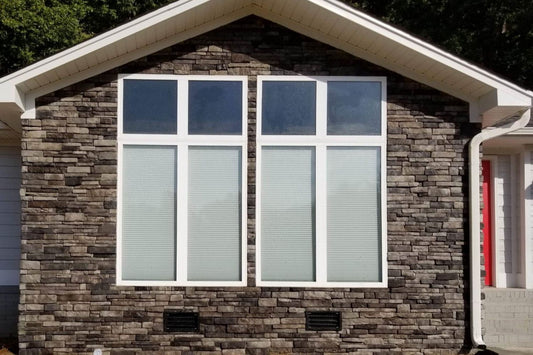
Exterior applications are equally popular and include full home facades, partial cladding, columns, retaining walls, and outdoor kitchens. Manufactured stone veneer is designed to withstand exposure to the elements, making it suitable for use in a range of climates when installed correctly.
It is important to consider the specific requirements of each application. Areas exposed to moisture, such as exterior walls or near water features, require proper installation techniques to prevent water infiltration. Similarly, areas near heat sources, such as fireplaces or grills, must meet appropriate clearance and safety standards.
Climate Considerations and Long-Term Performance
Climate is a critical factor to consider when purchasing manufactured stone veneer, particularly in regions that experience significant temperature fluctuations. Freeze-thaw cycles can have a significant impact on the performance of masonry materials, making it essential to choose a high-quality product that is designed for durability.
In colder climates, manufactured stone veneer must be able to resist moisture penetration and withstand repeated freezing and thawing without cracking or deteriorating. Proper installation is equally important, as inadequate drainage or sealing can lead to water infiltration and long-term damage.
In warmer or more humid climates, resistance to moisture and mold is also important. Manufactured stone veneer should be installed with appropriate moisture barriers and ventilation to ensure long-term performance.
Understanding how the product will perform in your specific climate can help you make a more informed decision and avoid potential issues down the line. Investing in a reputable brand with proven performance can provide added peace of mind.
Installation Methods and What to Expect
The installation process for manufactured stone veneer is a key factor in its overall performance and appearance. While the material itself is designed to be user-friendly, achieving a professional finish requires careful attention to detail and adherence to best practices.
Manufactured stone veneer is typically installed using a mortar system over a properly prepared substrate. This may include a moisture barrier, metal lath, and scratch coat, depending on the application and surface conditions. Each layer plays a critical role in ensuring adhesion and durability.
The layout and placement of the stones are also important considerations. A well-executed installation will feature a balanced distribution of shapes and colors, with tight joints and consistent spacing. Poor installation can result in visible patterns, uneven surfaces, or weak adhesion.
While some homeowners choose to tackle installation as a DIY project, many opt to hire experienced professionals to ensure the best results. A skilled installer will have the knowledge and tools needed to handle complex details and achieve a high-quality finish.
Quality, Durability, and What to Look For
Not all manufactured stone veneer products are created equal, and quality can vary significantly between manufacturers. When evaluating options, it is important to look beyond appearance and consider factors that affect long-term performance.
One important distinction is that most manufactured stone veneer is surface-colored, meaning the pigments are applied to the outer layer rather than blended all the way through the material. This is what allows manufacturers to achieve the rich tonal variation and natural highlights found in real stone, but it also means that quality depends heavily on how well that surface color is applied and bonded. High-quality manufactured stone veneer will have consistent, well-adhered surface coloration that does not appear overly uniform or artificial. The goal is a natural, multi-tonal finish with depth and variation, not a flat or painted look. Inferior products may show signs of weak pigmentation, fading, or inconsistent coverage, which can become more noticeable over time or after exposure to the elements.
Durability is closely tied to both the manufacturing process and proper installation. Because the color is concentrated on the surface, handling and installation should be done carefully to avoid unnecessary chipping or abrasion. That said, reputable manufacturers design their products to withstand normal job site conditions and long-term wear when installed correctly. Once in place, the veneer should maintain its appearance and structural integrity for many years.
It is also important to look for products that have been tested for strength, moisture absorption, and freeze-thaw resistance, especially in colder climates. A well-manufactured stone veneer will resist cracking, delamination, and premature deterioration when paired with proper moisture management and installation techniques.
Ultimately, choosing a high-quality manufactured stone veneer comes down to selecting a trusted manufacturer, reviewing samples in real lighting conditions, and ensuring the product is suited for your specific environment. When these factors are aligned, surface-colored stone veneer can deliver a highly realistic appearance with reliable, long-term performance.
Sustainability and Long-Term Appeal of Stone Veneer
Sustainability and long-term value are increasingly important considerations when choosing building materials. Manufactured stone veneer can offer lasting value through its durable cement-based construction, relatively low maintenance requirements, and ability to remain visually appealing for many years. When properly installed and maintained, it can provide a long-lasting finish without requiring frequent replacement or refinishing.
The long-term appeal of stone veneer also goes beyond durability. Stone-inspired designs have remained popular across a wide range of architectural styles, making manufactured stone veneer a versatile choice that can continue to complement a home as other design trends change.
For a closer look at the sustainability, durability, maintenance, and timeless design qualities of stone veneer, read our complete post to sustainability and long-term appeal of stone veneer.
How to Choose the Right Supplier
Selecting the right supplier is an important part of the buying process. A reputable supplier will offer high-quality products, knowledgeable support, and reliable service.
Look for suppliers with a strong track record and positive customer reviews. They should be able to provide detailed information about their products, including specifications, installation guidelines, and performance data.
Access to samples is also valuable, as it allows you to see and feel the product before making a decision. Comparing samples in your actual space can help you make a more confident choice.
Customer support is another important factor. A good supplier will be available to answer questions, provide guidance, and assist with any issues that may arise during your project.
How to Buy Manufactured Stone Veneer Online
Buying manufactured stone veneer online offers convenience and access to a wide variety of styles, colors, and profiles, but it requires careful consideration to ensure you get the right product for your project. When purchasing online, start by reviewing detailed product descriptions, specifications, and high-resolution images to confirm the style, scale, and color match your design vision. Many online suppliers also provide sample kits, which are invaluable for seeing how the stone looks in your actual space before committing to a full order.
It’s also important to verify the reputation of the online supplier. Look for reviews, ratings, and testimonials from other customers to ensure you are purchasing from a trusted source. Reputable suppliers often provide detailed installation guides, customer support, and shipping information to help the buying process go smoothly.
Another key consideration is shipping and handling. Manufactured stone veneer is heavy and can be fragile if mishandled. Confirm that the supplier uses secure packaging and reliable carriers to minimize the risk of damage during transit. Understanding return policies and warranties is equally important, as this ensures protection if the product arrives damaged or doesn’t meet your expectations.
By carefully evaluating product quality, supplier reliability, and shipping logistics, buying stone veneer online can be a convenient and stress-free way to source the material for your project. For a step-by-step guide and tips for ordering with confidence, see our supporting post on how to buy stone veneer online.
Why Ordering Stone Veneer Samples Matters
Choosing the right manufactured stone veneer involves more than browsing photos or product descriptions online. While images can provide a general idea, they often don’t capture the true color variation, texture, and depth of the material. That’s why ordering samples is such an important step in the buying process. For a deeper look at what to expect and how to evaluate them effectively, see our post on manufactured stone veneer samples.
Taking the time to review samples in person allows you to see how the stone looks in your actual lighting conditions and alongside other design elements. It also helps you compare profiles, colors, and finishes with confidence before committing to a full order. By ordering samples, you can make a more informed decision and ensure the final result aligns with your vision.
How to Calculate How Much Stone Veneer You Need
Accurately determining how much manufactured stone veneer to order is essential to avoid delays, extra costs, or leftover material. Start by measuring the surface area where the stone will be applied, including walls, fireplaces, columns, or exterior facades. Multiply the height by the width of each surface to get the square footage, and be sure to account for openings such as windows or doors by subtracting their area from the total.
Once you have your total square footage, consider the coverage per box or pallet provided by the manufacturer. Coverage can vary depending on the stone profile, thickness, and installation technique, so always refer to the product specifications. Many installers recommend adding an extra 10 to 15 percent to your order to account for cuts, waste, and irregular layouts, ensuring you have enough material to complete the project without interruptions.
It’s also important to think about how the stones will be arranged. Random patterns, corner pieces, or intricate designs may require slightly more material than a straightforward installation. Planning ahead helps prevent last-minute trips to reorder and keeps your project on schedule.
For a step-by-step approach to calculating your exact stone veneer needs, along with tips to minimize waste and optimize coverage, see our supporting guide, how much stone veneer do I need to order?
Cost Factors and Budget Planning
One of the biggest advantages of manufactured stone veneer is its cost-effectiveness compared to natural stone. Manufactured stone is generally lighter, easier to transport, and simpler to install, which reduces both material and labor costs. Natural stone, by contrast, is quarried, cut, and often requires additional structural support, making it significantly more expensive upfront.
Understanding the cost of manufactured stone veneer involves more than just the price of the material. While it is generally more affordable than natural stone, several factors can influence the overall cost of a project. Material costs can vary depending on the style, color, and manufacturer. More intricate profiles or custom color blends may come at a premium. In addition to the stone itself, you will need to account for installation materials such as mortar, lath, and moisture barriers.
Labor is another significant factor, particularly for larger or more complex projects. Professional installation can add to the upfront cost but often results in better long-term performance and fewer maintenance issues. Shipping and handling costs may also be a consideration, especially for larger orders or remote locations. Because manufactured stone veneer is lighter than natural stone, these costs are typically lower but should still be factored into your budget.
Beyond cost, manufactured stone offers consistent color, shape, and quality that can be easier to plan and install than irregular natural stone. Homeowners can achieve the look and texture of real stone at a fraction of the price, making it an attractive choice for those balancing aesthetics, durability, and budget. Taking a comprehensive approach to budgeting, including materials, labor, shipping, and project complexity, can help avoid surprises and ensure your project stays on track financially.
For a detailed comparison of costs, installation considerations, and value, see our supporting post, is manufactured stone cheaper than real stone?
Shipping Manufactured Stone Veneer
Shipping manufactured stone veneer requires careful planning to ensure that the material arrives in perfect condition and on time. Because the stones are relatively lightweight compared to natural stone, shipping costs are generally lower, but the product can still be fragile and prone to chipping or damage if not handled correctly. Most suppliers package stone veneer in sturdy boxes or pallets with protective padding to minimize breakage during transit.
When ordering, it’s important to confirm the shipping method and carrier. Many suppliers offer curbside delivery, freight, or LTL (less-than-truckload) options depending on the size of your order. Understanding these options and associated costs ahead of time can help you plan your project and avoid unexpected fees.
Timing is another critical factor. Shipping delays can affect project schedules, especially for large installations or when coordinating with contractors. Communicating with the supplier about lead times and tracking information ensures you receive your stone veneer when needed.
Proper handling upon arrival is also essential. Inspect all pallets or boxes for damage and set aside any broken or chipped stones before installation. This helps prevent delays and ensures a consistent, high-quality finished surface.
For a complete guide on shipping manufactured stone veneer, including tips for reducing damage, calculating shipping costs, and coordinating deliveries, see our supporting post, shipping stone veneer. For tips on reducing shipping costs and making the pickup process easier, check out our guide, pick up your stone veneer and save on shipping.
Stone Veneer Lead Time
Manufactured stone veneer is typically made to order, which means it’s not always sitting in a warehouse ready for immediate shipment. Instead, each batch is produced specifically for your project to ensure consistent color blending, quality control, and availability of the selected profile. Because of this, it’s important to factor production and delivery timelines into your project schedule. For a deeper understanding of this process and what it means for your order, see our post on why is stone veneer made to order?
Planning ahead helps avoid delays, especially for larger exterior projects or builds with tight construction timelines. Since stone veneer is produced in controlled batches, this approach minimizes noticeable color variation and ensures a more cohesive final result. By accounting for lead times early in the design and purchasing phase, you can keep your project on track while benefiting from the higher quality and consistency that made-to-order stone veneer provides.
Manufactured Stone Veneer Buying Guide
Manufactured stone veneer offers a compelling combination of beauty, versatility, and performance, making it an excellent choice for a wide range of projects. By understanding the key factors involved in selecting and installing the material, you can make informed decisions that enhance both the appearance and value of your space.
Taking the time to evaluate style, color, quality, and installation requirements will ensure that your investment delivers lasting results. Whether you are updating an interior feature or transforming your home’s exterior, manufactured stone veneer provides a timeless and durable solution that continues to grow in popularity.
From Mountain View Stone: What You Should Know
At Mountain View Stone, we always remind customers that choosing the right manufactured stone veneer goes beyond appearance, it’s about long-term performance, proper installation, and selecting a product suited to your environment. While today’s stone veneer offers incredibly realistic textures and colors, not all products are manufactured to the same standards. Paying close attention to density, surface coloration, and moisture resistance is especially important in climates with frequent rain or freeze-thaw conditions. We also strongly recommend viewing samples in your actual space and planning installation carefully, whether you’re working with a contractor or taking a DIY approach. When you prioritize quality materials and proper techniques from the start, manufactured stone veneer becomes a durable, low-maintenance investment that enhances both the beauty and value of your home for years to come.
Frequently Asked Questions About Manufactured Stone Veneer Buying
What is manufactured stone veneer and how is it different from natural stone?
Manufactured stone veneer is a lightweight, cement-based material designed to mimic the appearance of natural stone. Unlike quarried stone, it is easier to install, more affordable, and does not typically require additional structural support. It also offers consistent color and size for easier design planning.
Can I install manufactured stone veneer myself, or should I hire a professional?
While DIY installation is possible, hiring a skilled installer or stone mason ensures proper adhesion, consistent spacing, and long-term durability. Professionals can prevent common issues such as uneven surfaces, loose stones, or water damage.
How do I choose the right style and color for my project?
Consider the architectural style of your home, surrounding materials, and the effect you want to achieve. Profiles like ledgestone, fieldstone, or limestone each create different textures, while color should complement your exterior or interior finishes for a cohesive look.
How much manufactured stone veneer should I order?
Measure the height and width of all surfaces to calculate total square footage, accounting for windows, doors, and waste. Most suppliers recommend adding 10-15% extra for cuts and irregular layouts.
Is manufactured stone veneer more cost-effective than real stone?
Yes, manufactured stone is generally lighter, easier to transport, and simpler to install, reducing material and labor costs. It provides the aesthetic appeal of natural stone at a fraction of the price, while maintaining durability and performance.
Can manufactured stone veneer be used both indoors and outdoors?
Absolutely. It is versatile enough for interior applications like fireplaces and accent walls, as well as exterior uses such as home facades, columns, and retaining walls. Proper installation and moisture management are key to ensuring long-term performance in any environment.
What's Next?
Upgrade your space today! Shop now or order a sample to experience the quality firsthand!
Have a Question?
Please see our full terms of service or check out our frequently asked questions.
For general information and questions please call: (864) 882-8960 Mon. - Fri. 8am - 5pm (EST) or email: info@mountainviewstone.net we are more than happy to help you.
Or you can submit your questions via our contact us page.
We look forward to working with you on your upcoming project.
The Mountain View Stone Team
Pictured is hackett stone kona.