
Sustainability and Long-Term Appeal of Stone Veneer
Share
Manufactured stone veneer offers long-term appeal through its durable cement-based construction, low maintenance requirements, timeless appearance, and ability to complement changing home styles. When properly installed and maintained, stone veneer can provide a lasting exterior or interior finish that continues to look attractive for decades.
Homeowners are paying more attention to how long building materials will last, how much maintenance they require, and whether their design choices will continue to look appealing years after installation. These considerations have made durability and long-term value increasingly important when choosing materials for exterior and interior projects. For homeowners also thinking about the potential financial benefits of their material choices, our complete guide does stone veneer increase home value? to explores how stone veneer can contribute to a home's appearance, curb appeal, and overall value.
Manufactured stone veneer can fit into this conversation in several ways. Its cement-based construction is designed for long-term use, while its natural stone-inspired appearance can complement a wide range of architectural styles. Unlike short-lived decorative finishes that may need frequent replacement or extensive maintenance, properly installed manufactured stone veneer can remain part of a home for many years.
Sustainability is not simply about whether a material is labeled environmentally friendly. The longevity of a building product, the maintenance it requires, the frequency with which it needs to be replaced, and whether its appearance remains desirable all contribute to its overall long-term value. For homeowners considering stone veneer, these factors are worth looking at together.
What Makes Stone Veneer a Long-Term Building Material?
Manufactured stone veneer is designed to provide the appearance of natural stone in a lighter, more versatile veneer system. Cement-based manufactured stone veneer is made using Portland cement, lightweight aggregates, and mineral pigments. The finished product provides a durable architectural surface suitable for a variety of residential applications when installed correctly.
Durability is one of the most important factors to consider when evaluating any building material for long-term use. For a closer look at the construction, performance, and factors that contribute to longevity, see our complete guide to is manufactured stone veneer durable?
One of the most important advantages of a durable finish is that it does not need to be replaced simply because the material has reached the end of a short decorative lifecycle. Proper installation and appropriate maintenance can help manufactured stone veneer remain a functional and attractive part of a home for decades.
Many manufactured stone veneer products are backed by long-term manufacturer warranties against qualifying defects. While a warranty does not guarantee that an installation will remain unchanged for a specific number of years, a long-term warranty can reflect the manufacturer's confidence in the product's durability and provide homeowners with additional protection against covered manufacturing defects.
Durability Can Support More Sustainable Building Choices
A material that lasts can reduce the need for repeated replacement. Every time an exterior finish is removed and replaced, additional materials, labor, transportation, and disposal are involved. Choosing a finish intended for long-term use can therefore be one consideration when homeowners are thinking about the overall lifecycle of a project.
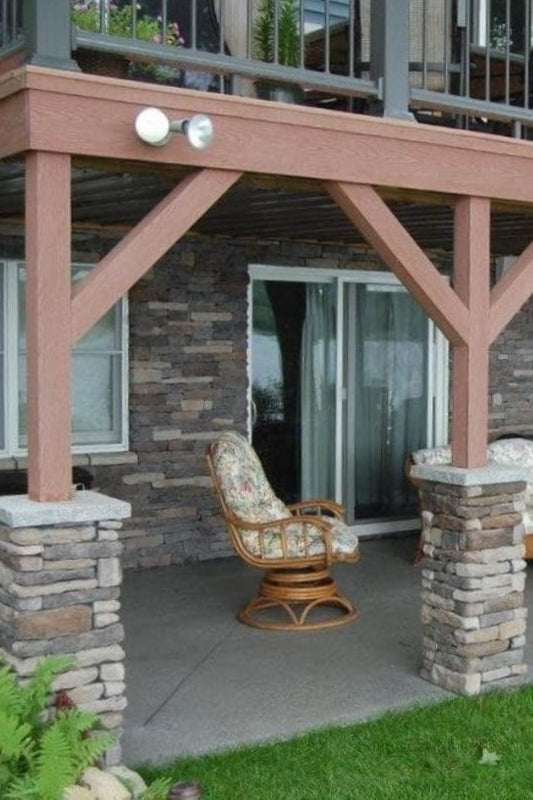
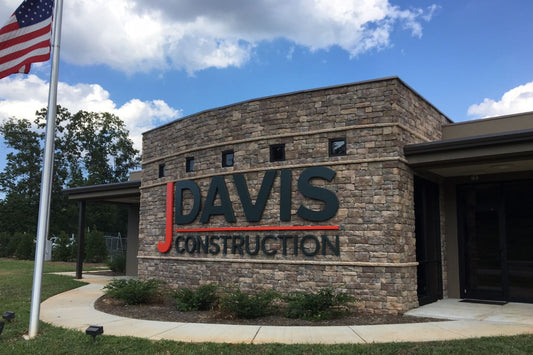
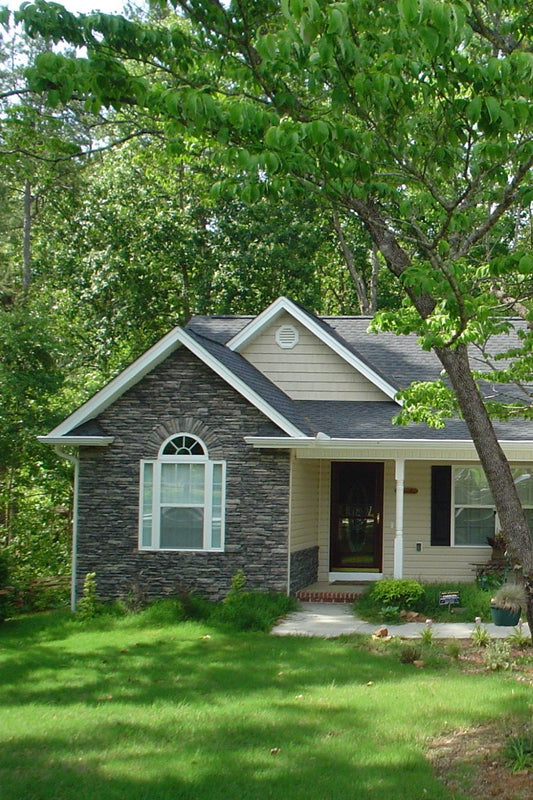
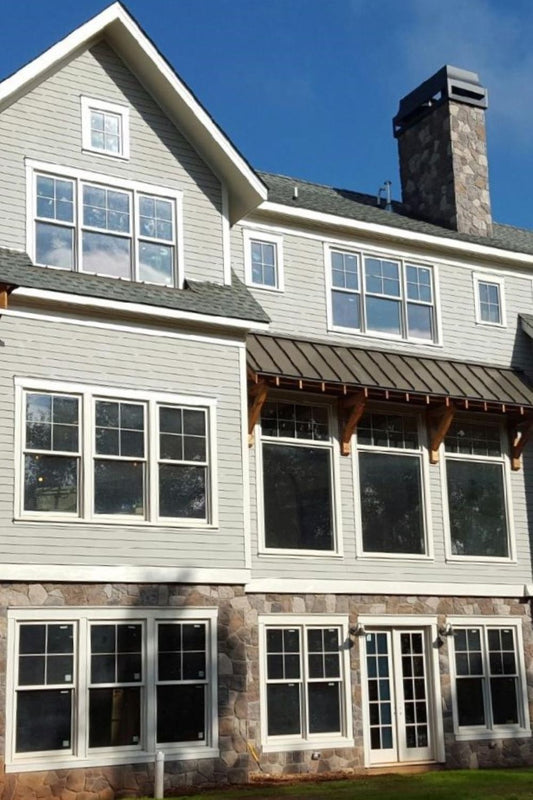
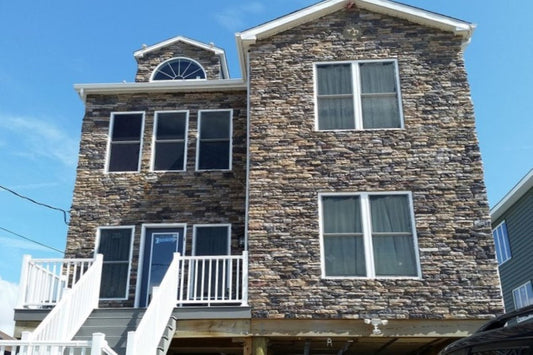
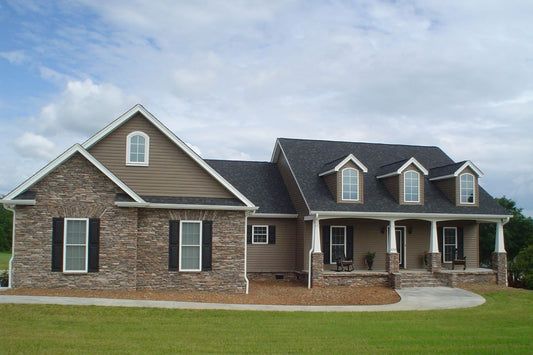
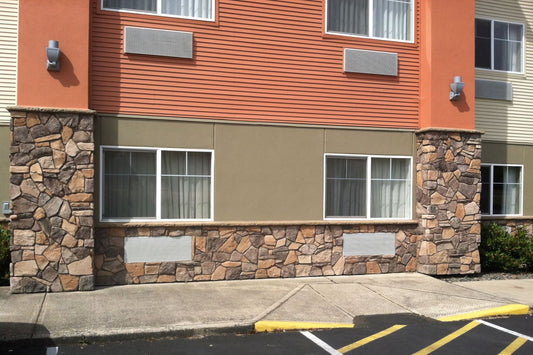
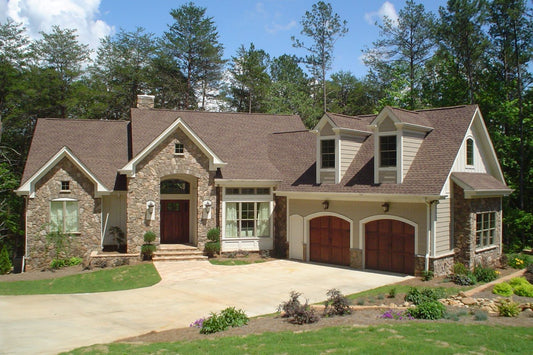
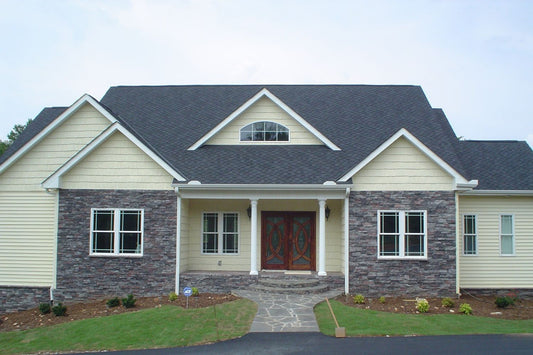
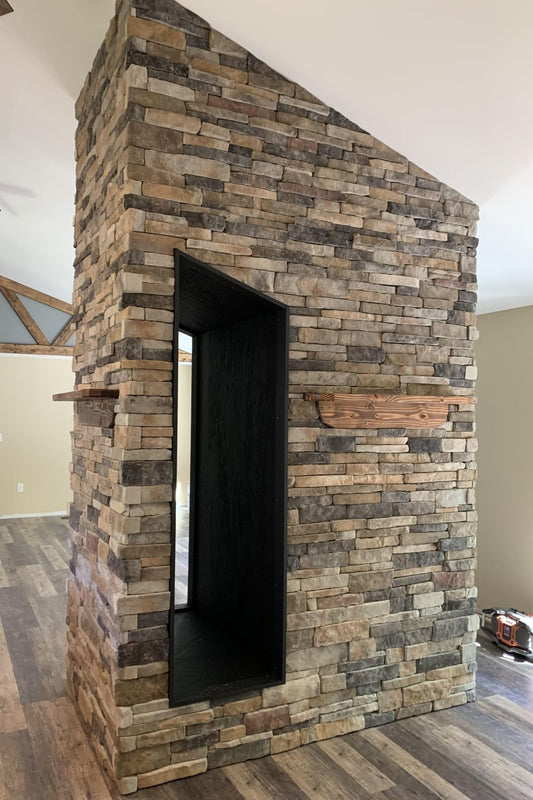
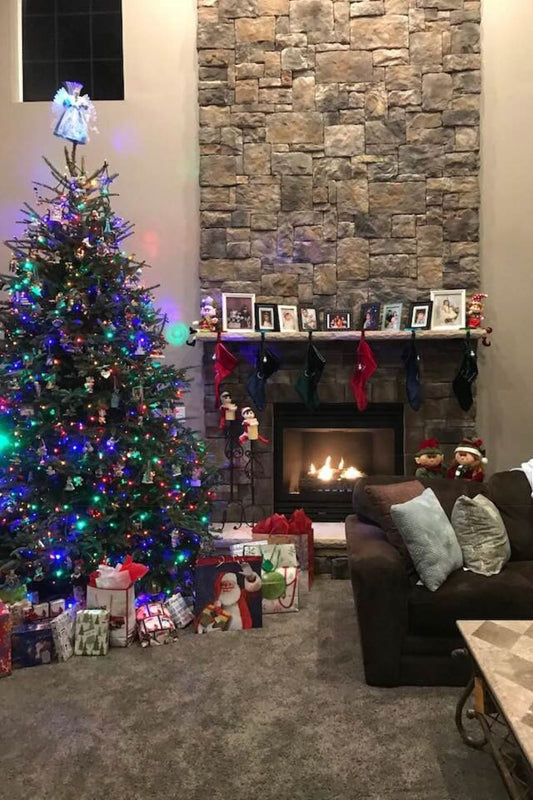
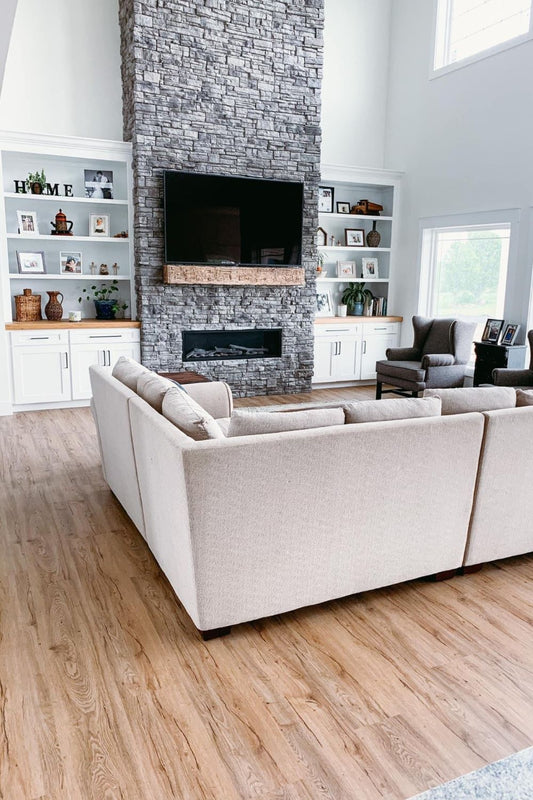
Manufactured stone veneer is particularly useful when the goal is to create a durable architectural finish without covering an entire structure with full-depth masonry. It can be used to add stone character to portions of a home, including exterior walls, foundations, entryways, architectural accents, fireplaces, and other appropriate applications.
The sustainability conversation should still be approached realistically. No building material is impact-free, and the environmental considerations of a project depend on factors such as manufacturing, transportation, installation, maintenance, and eventual replacement. However, durability and service life are important parts of evaluating a material's overall lifecycle.
Low Maintenance Can Add Long-Term Value
Long-term appeal is not only about how long a material lasts. It is also about how much work is required to keep it looking its best.
Manufactured stone veneer generally does not require routine painting to maintain its intended appearance. This can be an advantage compared with exterior finishes that need periodic repainting or refinishing. Properly installed stone veneer can provide color and texture as part of the manufactured surface rather than relying on a separate painted coating as the finished architectural appearance.
When cleaning is necessary, manufactured stone veneer can typically be maintained with appropriate, non-damaging cleaning methods. Harsh chemicals, aggressive cleaning techniques, and improper pressure washing can damage the surface and should be avoided. Following the manufacturer's care and maintenance recommendations helps protect the appearance and performance of the installation over time.
A material that requires relatively little routine maintenance can also make long-term ownership simpler. Homeowners can spend less time maintaining the finish while retaining the architectural character that attracted them to stone veneer in the first place.
Timeless Design Can Extend the Life of a Home's Appearance
Sustainability and longevity are not limited to physical durability. A home's appearance also has a lifecycle.
Some design trends become dated quickly, encouraging homeowners to remodel even when existing materials are still functional. Stone has a much longer architectural history and has been used across traditional, rustic, contemporary, and transitional home designs. Manufactured stone veneer brings those stone-inspired textures and colors into a format that can work with many different architectural styles.
This gives stone veneer a potential advantage when designing for long-term appeal. A carefully selected stone profile and color can complement a home without being tied too closely to a short-lived decorating trend.
Neutral and natural-looking stone colors can work particularly well as a foundation for changing design preferences. Exterior paint colors, doors, landscaping, lighting, and other decorative elements can change over time while the stone remains a consistent architectural feature.
Manufactured Stone Veneer Can Work With Different Home Styles
Another reason stone veneer can have long-term design appeal is its versatility. Different profiles can create very different architectural impressions, allowing homeowners to select a look that fits the character of the house.
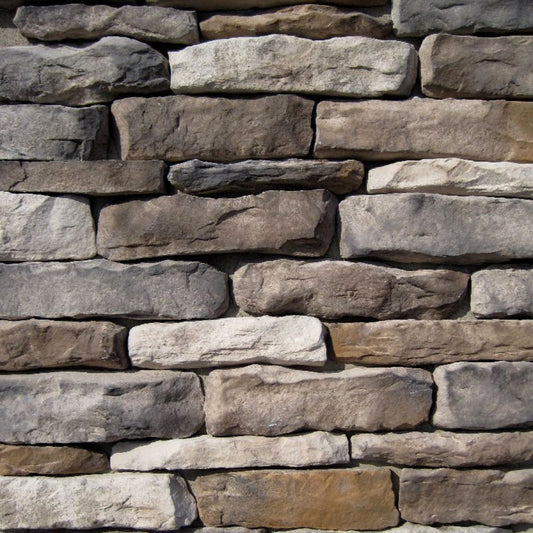
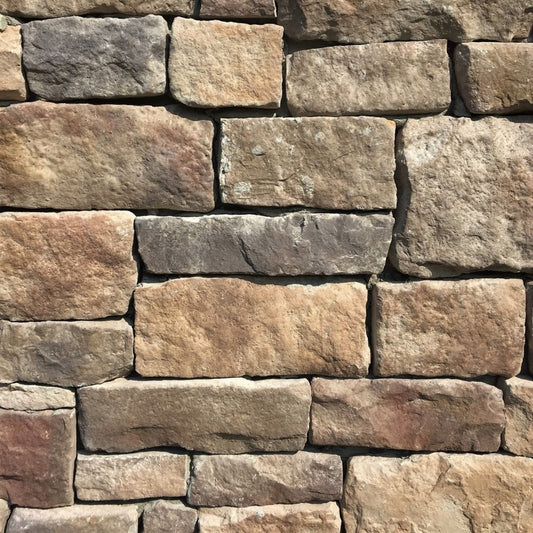
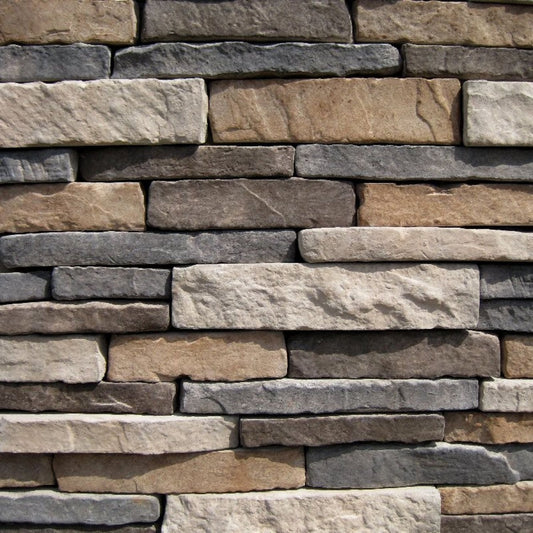
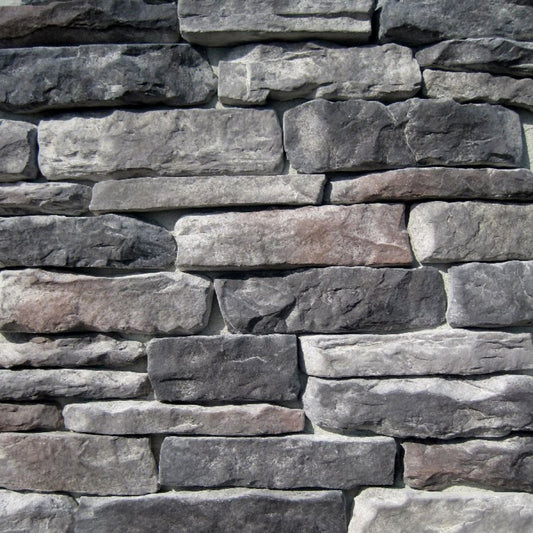
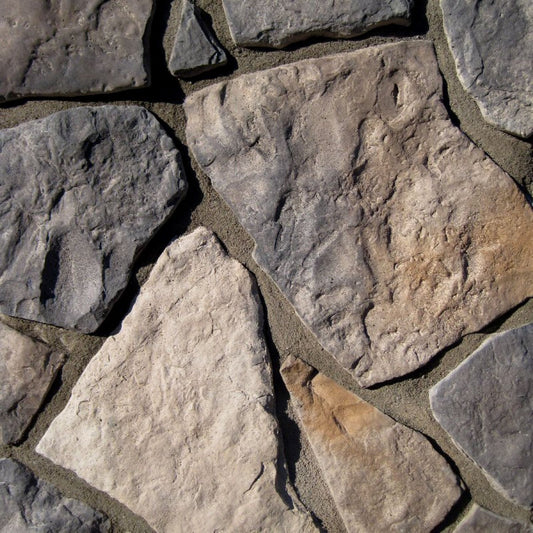
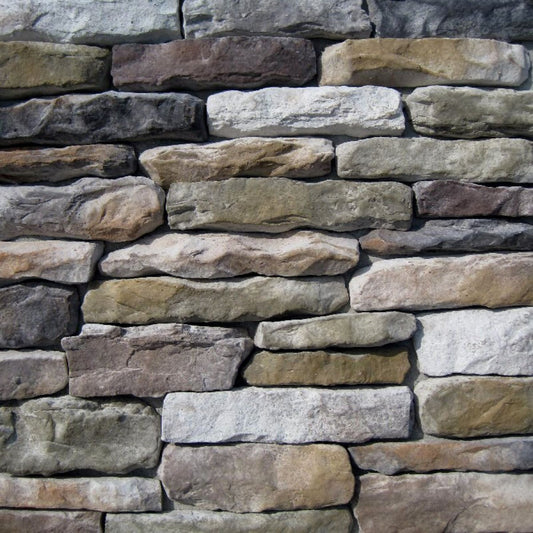
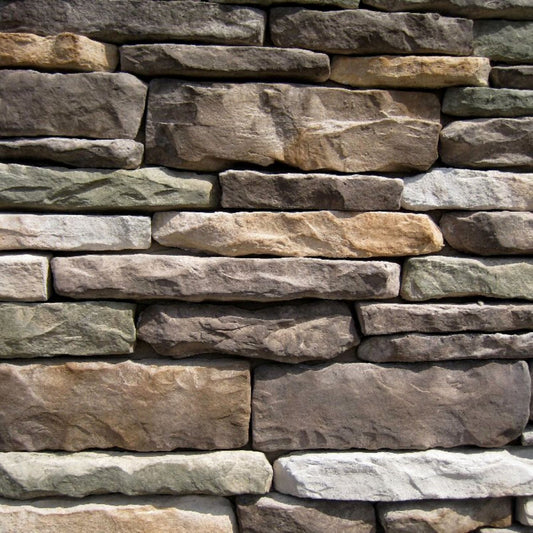
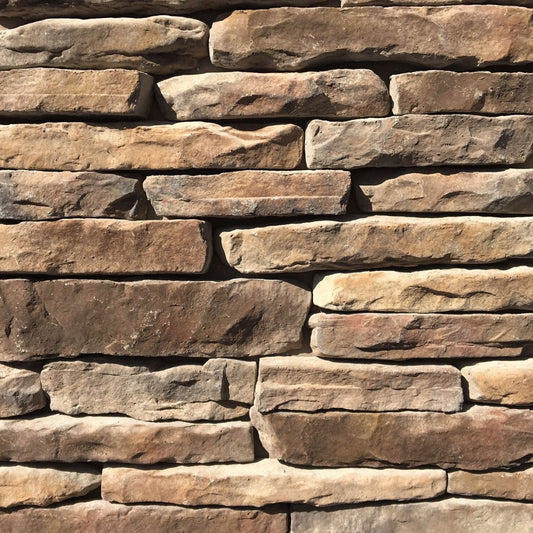
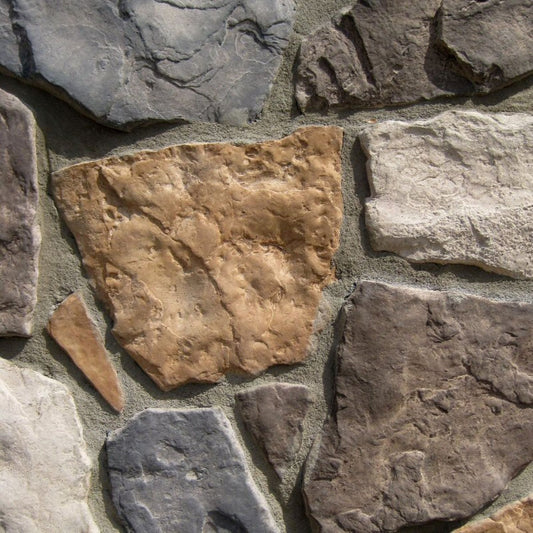
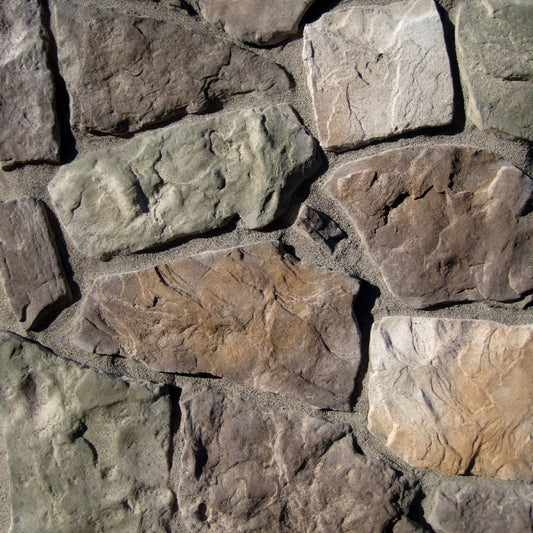
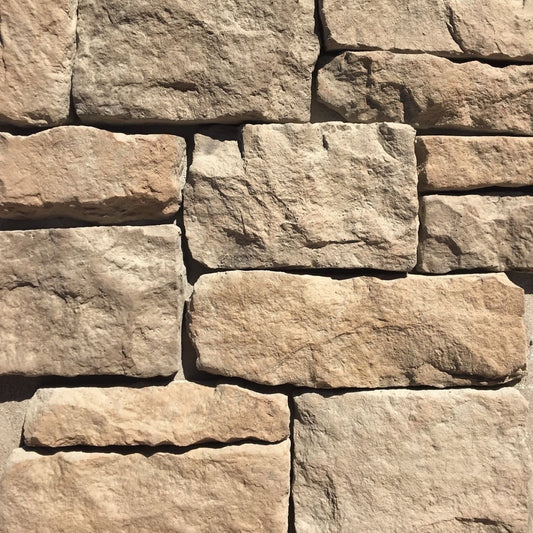
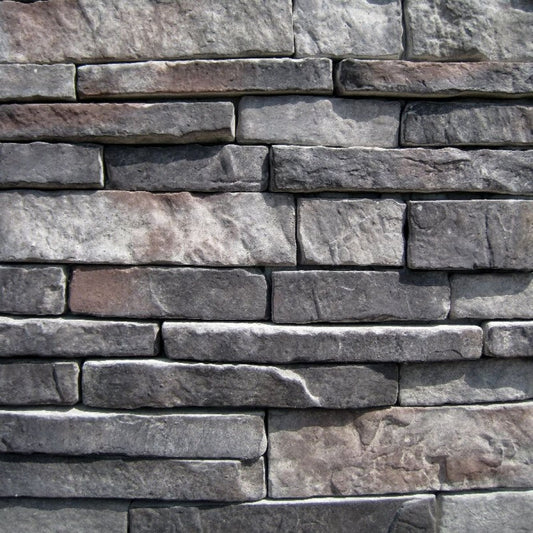
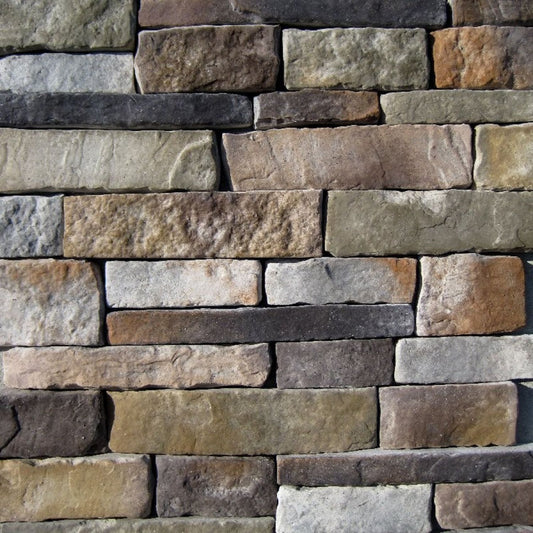
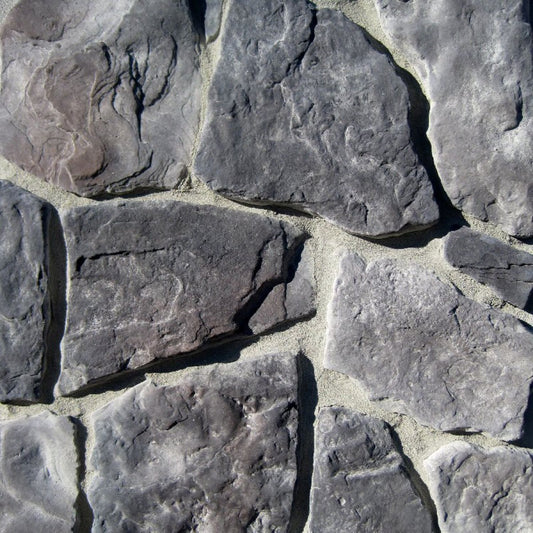
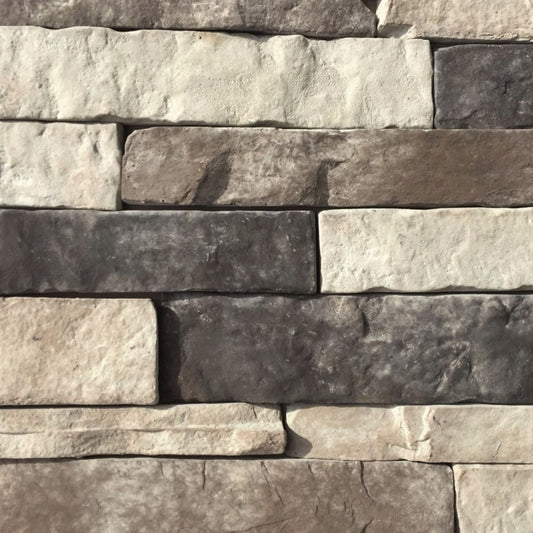
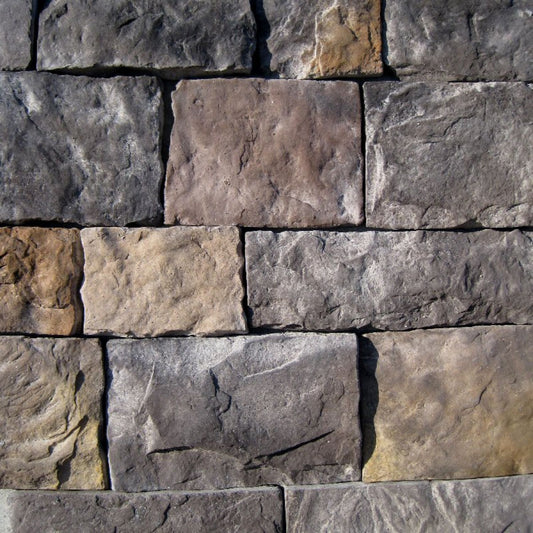
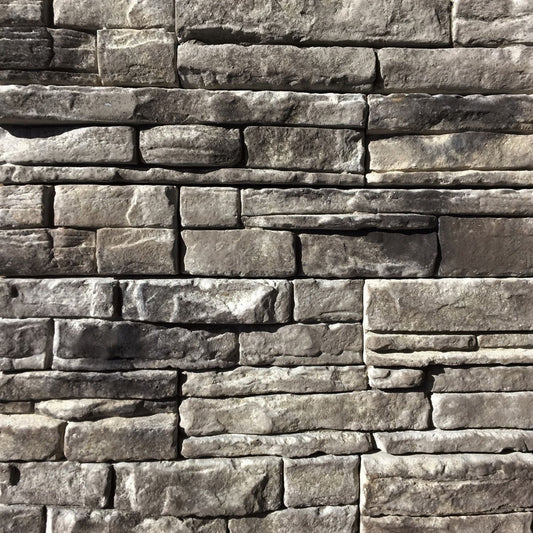
Ledgestone can provide longer, thinner stones with pronounced horizontal coursing, while stacked stone uses tightly fitted individual stones with minimal or narrow mortar joints. Other profiles can create the appearance of field stone, ashlar stone, castle-style masonry, or other traditional masonry aesthetics.
Seeing how different stone profiles, colors, and applications work in real projects can make the selection process easier. Our stone veneer inspiration guide offers ideas for using manufactured stone veneer throughout both exterior and interior spaces.
This variety makes manufactured stone veneer useful for both new construction and renovation projects. It can provide a substantial architectural feature without requiring the entire house to be redesigned around the material.
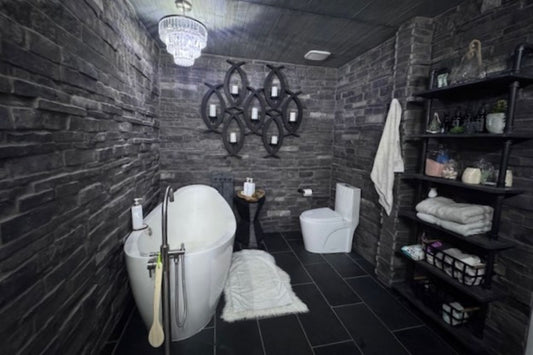
Stone can also transition between exterior and interior spaces. Coordinating stone around an entryway, fireplace, outdoor living area, or other architectural feature can create visual continuity throughout a property.
Stone Veneer and Renovation Longevity
Long-term sustainability can also be considered when renovating an existing home. Replacing an entire exterior or undertaking a major structural renovation is not always necessary to change a home's appearance.
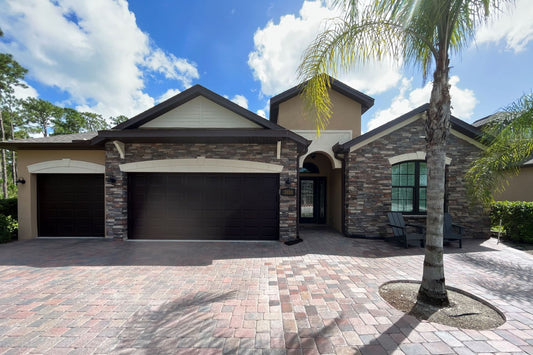
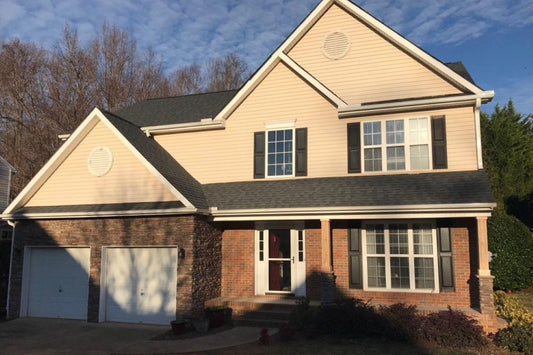
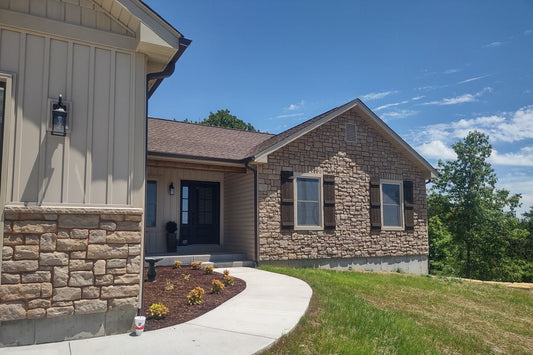
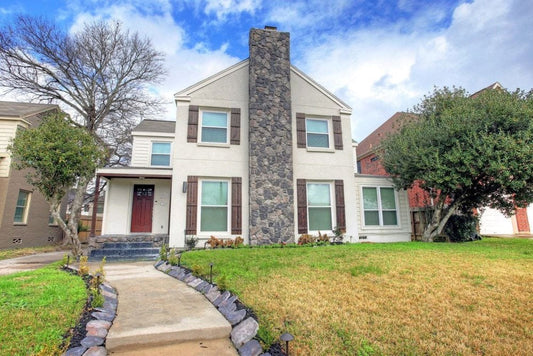
Manufactured stone veneer can be used strategically to update specific architectural areas. A foundation wall, porch, entryway, chimney, garage facade, or other appropriate area can receive a stone veneer treatment without requiring the homeowner to completely change the structure.
This approach can give an existing home a substantially different appearance while retaining much of the original building. In the right application, updating architectural finishes rather than replacing larger portions of the structure can be a practical way to extend the useful life and appeal of a home.
Proper Installation Is Essential to Long-Term Performance
The longevity of manufactured stone veneer depends heavily on proper installation. Even a durable material can experience problems if the substrate, moisture management, mortar, clearances, or installation methods are incorrect.
Manufactured stone veneer should be installed using Type S mortar and the appropriate preparation for the specific substrate. Exterior and moisture-sensitive applications require proper moisture management, metal lath, and a scratch coat where applicable. Stone veneer should not be treated as a simple decorative panel that can be attached with construction adhesive.
Proper installation also helps protect the surrounding structure. Stone veneer is not intended to function as a waterproofing system, so appropriate drainage and moisture management remain important components of a successful installation.
Following the manufacturer's installation requirements is one of the most important steps a homeowner can take to maximize the service life of a stone veneer project.
Choosing Stone Veneer With Long-Term Appeal in Mind
A long-lasting stone veneer installation begins with choosing a profile and color that work with the home's architecture rather than simply following a temporary trend. Consider how the stone will interact with the roof, siding, trim, windows, doors, landscaping, and other permanent features.
There are also practical considerations to evaluate before placing an order, including the stone profile, color, quantity, samples, installation requirements, and the type of project being completed. Our complete manufactured stone veneer buying guide covers the key factors to consider when comparing products and selecting stone veneer for your project.
Sustainability and Long-Term Appeal of Stone Veneer
The sustainability of a building project involves more than selecting a material with an environmental marketing label. Durability, maintenance, replacement frequency, installation quality, design longevity, and the useful life of the finished product all deserve consideration.
Manufactured stone veneer brings several of these characteristics together. Its cement-based construction is designed for durability, its maintenance requirements are relatively straightforward, and its natural stone-inspired appearance can work with architectural styles that evolve over time.
For homeowners planning to stay in their homes for many years, these qualities can make stone veneer a practical long-term design choice. Rather than selecting a finish that is intended to make an immediate statement and quickly be replaced, homeowners can choose a material designed to become a lasting part of the architecture.
When properly selected, installed, and maintained, manufactured stone veneer can provide the combination of durability and timeless visual appeal that homeowners are often looking for when planning a long-term investment in their property.
From Mountain View Stone: What You Should Know
At Mountain View Stone, we believe long-term value starts with choosing a manufactured stone veneer that is made to last. Our cement-based manufactured stone veneer is made in the USA using Portland cement, lightweight aggregates, and mineral pigments, and is designed for both durability and lasting visual appeal. A long-lasting installation also depends on proper preparation, installation, and care. Manufactured stone veneer should be installed using Type S mortar and according to the appropriate installation requirements for the application. When properly installed and maintained, stone veneer can remain an attractive architectural feature of your home for decades. We also encourage homeowners to think beyond current design trends when selecting a profile and color. Stone veneer can provide a timeless architectural element that continues to complement changing exterior colors, landscaping, and home improvements over the years. With a 50-year limited manufacturer's warranty against manufacturer defects, Mountain View Stone is committed to providing products designed for long-term performance and appeal.
Frequently Asked Questions About Sustainability and Long-Term Appeal of Stone Veneer
Is manufactured stone veneer a sustainable building material?
Manufactured stone veneer can be considered from a sustainability perspective based on factors such as durability, service life, maintenance requirements, and replacement frequency. Sustainability depends on the complete lifecycle of a building material rather than one characteristic alone.
How long can manufactured stone veneer last?
Properly installed manufactured stone veneer is designed for long-term use and can provide decades of service when installed and maintained according to the manufacturer's requirements. Many manufacturers also offer long-term warranties against qualifying defects, subject to their specific terms, conditions, and exclusions.
How much maintenance does manufactured stone veneer require?
Manufactured stone veneer generally requires relatively little routine maintenance compared with finishes that need regular painting or refinishing. Proper cleaning methods and periodic inspection can help maintain its appearance and performance.
Does manufactured stone veneer go out of style?
Stone has been used in residential architecture for centuries, and stone-inspired designs can complement traditional, rustic, contemporary, and transitional homes. Choosing a profile and color that complement the home's architecture can help create long-term visual appeal.
Can stone veneer help extend the life of an older home?
Manufactured stone veneer can be used as part of a renovation to update appropriate exterior and interior architectural areas without completely replacing the structure. Its ability to refresh specific areas can make it useful for improving the appearance of an existing home.
What is most important for making stone veneer last?
Proper installation is one of the most important factors in long-term performance. The substrate must be prepared correctly, moisture management must be addressed, appropriate mortar and installation methods must be used, and the finished veneer should be maintained according to the manufacturer's recommendations.
What's Next?
Ready to bring the timeless appeal of stone to your home? Shop now to explore stone veneer styles and colors for your project or order a sample to see the color, texture, and quality in person before making your decision. Start planning your project with Mountain View Stone.
Have A Question?
Please see our full terms of service or check out our frequently asked questions.
For general information and questions please call: (864) 882-8960 Mon. - Fri. 8am - 5pm (EST) or email: info@mountainviewstone.net we are more than happy to help you.
Or you can submit your questions via our contact us page.
We look forward to working with you on your upcoming project.
The Mountain View Stone Team
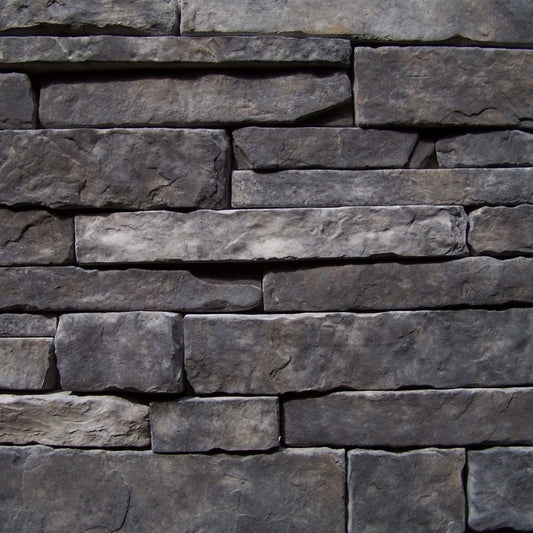
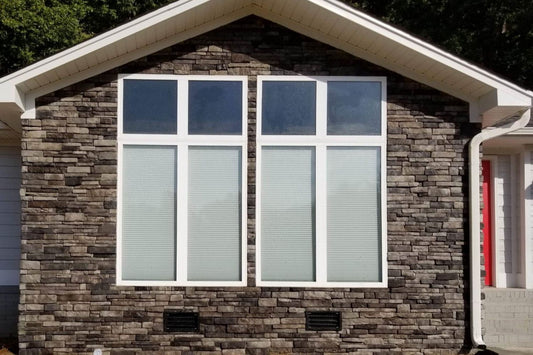
Pictured is ledge stone midnight enhanced with AI.