
When to Use a Moisture Barrier Behind Manufactured Stone Veneer
Share
A moisture barrier is typically required when installing manufactured stone veneer on exterior walls or moisture-sensitive substrates such as wood framing, plywood, OSB, drywall, or cement board. It helps prevent water intrusion behind the veneer system, protecting the structure from rot, mold, and long-term moisture damage. Proper moisture management is essential for durable manufactured stone veneer installations, especially in wet, cold, or freeze-thaw climates.
Manufactured stone veneer is designed to provide the appearance of natural stone while offering lighter weight, easier installation, and greater versatility across residential and commercial projects. While the visible stone surface often gets the most attention, the performance of the installation depends heavily on what lies behind it. Proper surface preparation, as outlined in our guide on preparing your wall surface for stone veneer, plays a critical role in creating a reliable installation system. One of the most important components in that system is the moisture barrier.
Moisture management is critical because stone veneer installations are not completely waterproof. Wind-driven rain, melting snow, condensation, and humidity can all introduce moisture behind the veneer over time. Without a properly installed moisture barrier, trapped water can damage wall sheathing, framing, insulation, and interior finishes.
Understanding when a moisture barrier is required helps homeowners, contractors, and builders avoid installation failures and maintain long-term durability. Climate conditions, wall construction, substrate type, and building code requirements all influence whether a moisture barrier should be used and how it should be installed.
Why manufactured stone veneer needs moisture protection
Manufactured stone veneer is considered a cladding material rather than a waterproof barrier. Even though the surface itself is durable and weather resistant, moisture can still penetrate through mortar joints, small cracks, and natural absorption. This is especially true during prolonged rain exposure or repeated freeze-thaw cycles.
Water intrusion becomes more serious when veneer is installed over wood-framed construction. Moisture that reaches untreated sheathing or framing can lead to mold growth, wood rot, corrosion of fasteners, and deterioration of insulation. Over time, these issues may compromise structural integrity and require expensive repairs. This is where understanding long-term performance becomes especially important, as discussed in our guide is manufactured stone veneer durable? which explores how factors like moisture exposure, climate, and installation quality influence overall lifespan.
A moisture barrier acts as a drainage plane between the veneer system and the wall assembly. Instead of allowing water to soak directly into the structure, the barrier directs moisture downward and away from vulnerable materials. In properly designed wall systems, this drainage approach is one of the primary defenses against moisture-related failures.
Manufactured stone veneer installations in colder climates particularly benefit from moisture barriers because freeze-thaw cycles increase the likelihood of trapped moisture expanding and causing damage. Areas with heavy rainfall, snow accumulation, or high humidity also require careful moisture management planning.
When a moisture barrier is required
In most exterior manufactured stone veneer installations, a moisture barrier is required by building codes and manufacturer installation guidelines. This applies especially when the veneer is installed over wood framing, plywood, oriented strand board (OSB), gypsum sheathing, or cement board assemblies.
Wood-framed exterior walls are highly vulnerable to moisture damage, making a moisture barrier essential. The barrier separates the veneer assembly from moisture-sensitive structural components and helps create a controlled drainage path. Without this protection, even small amounts of water intrusion can accumulate behind the veneer system over time.
Moisture barriers are also commonly required when installing manufactured stone veneer over cement backer board on exterior applications. While cement board itself resists moisture damage better than wood-based materials, water can still pass through to the wall assembly behind it. The moisture barrier ensures the overall wall system remains protected.
In commercial projects, building envelope requirements often specify multiple layers of moisture management components. These systems may include water-resistant barriers, drainage mats, flashing details, weep screeds, and rainscreen assemblies to improve long-term performance.
Even in drier climates, moisture barriers remain important because weather conditions can change seasonally. Occasional storms, condensation, irrigation over spray, or snow buildup may still expose the veneer system to water intrusion.
Situations where a moisture barrier may not be necessary
There are some situations where a separate moisture barrier may not be required, although these are less common and depend heavily on the wall assembly design.
Interior manufactured stone veneer applications generally do not require moisture barriers because they are not exposed to rain or exterior weather conditions. Feature walls, fireplaces, accent walls, and interior columns typically rely on the substrate alone without additional moisture protection. However, wet interior environments such as showers, spas, or steam rooms may still require waterproofing systems depending on local code requirements.
Concrete and masonry substrates can sometimes eliminate the need for a traditional moisture barrier because the wall itself already provides substantial moisture resistance. For example, applying manufactured stone veneer directly to a properly prepared concrete foundation wall may not require the same layered moisture protection used in framed wall assemblies. Even so, local codes and manufacturer specifications should always be followed.
Certain modern wall systems incorporate integrated weather-resistant barriers directly into the sheathing product. In these cases, an additional moisture barrier layer may not be necessary if the assembly already meets drainage and water-resistance requirements. Proper flashing, sealing, and transition details remain essential regardless of the system used.
Types of moisture barriers used behind stone veneer
Several types of moisture barriers are commonly used in manufactured stone veneer installations. The correct choice depends on climate conditions, wall design, local building codes, and manufacturer recommendations.
Building paper is one of the traditional materials used behind stone veneer systems. Asphalt-saturated paper has long been used as a water-resistant barrier because it provides basic moisture protection while remaining breathable. Many installations use two layers of building paper to improve drainage and durability.
House wrap membranes are another common option. These synthetic barriers are designed to resist water infiltration while allowing water vapor to escape from the wall assembly. Proper installation is critical because poorly sealed seams or penetrations can reduce effectiveness.
Fluid-applied weather barriers have become increasingly popular in modern construction. These coatings create a continuous moisture-resistant membrane directly over the sheathing surface. They are often used in high-performance commercial and residential wall systems because they can seal complex transitions and penetrations more effectively than sheet materials.
Drainage mats and rainscreen systems may also be added behind manufactured stone veneer in high-moisture environments. These assemblies create an air gap that improves drainage and drying potential, helping reduce the risk of trapped moisture.
The importance of proper flashing and drainage
A moisture barrier alone cannot protect a manufactured stone veneer installation if flashing and drainage details are missing or improperly installed. Effective moisture management requires the entire wall assembly to work together.
Flashing is used around windows, doors, roof intersections, transitions, and penetrations to redirect water away from vulnerable areas. Improper flashing is one of the most common causes of water intrusion behind veneer systems. Even a high-quality moisture barrier may fail if water is allowed to enter at unprotected openings.
Weep screeds are another critical component in many exterior installations. Installed at the base of the wall, weep screeds allow trapped moisture to exit the system. Without a drainage exit point, water may accumulate behind the veneer and increase the likelihood of long-term damage.
Proper lapping of moisture barrier layers is equally important. Each layer should overlap in a way that sheds water downward rather than directing it behind the assembly. Incorrect overlaps can unintentionally channel water into the wall system instead of away from it.
Expansion joints, sealants, and transition details also help manage movement and prevent moisture infiltration over time. Manufactured stone veneer systems experience thermal expansion, contraction, and minor structural movement, making flexible moisture management details essential.
Moisture barriers in cold and freeze-thaw climates
Freeze-thaw climates create additional challenges for manufactured stone veneer installations. In regions where temperatures regularly fluctuate above and below freezing, trapped moisture can expand as it freezes, leading to cracking, mortar deterioration, and delamination.
A properly installed moisture barrier helps minimize the amount of water entering the wall assembly in the first place. Combined with good drainage and ventilation, this reduces the risk of moisture becoming trapped behind the veneer system during freezing conditions.
Snow accumulation and ice buildup can also expose veneer systems to prolonged moisture contact. Areas near grade level, rooflines, and horizontal transitions are particularly vulnerable. Moisture barriers provide added protection against water infiltration during seasonal freeze-thaw cycles.
Manufactured stone veneer installed in northern climates often benefits from enhanced drainage systems and careful detailing around penetrations. Proper installation practices become even more important in regions with heavy snowfall or extended wet seasons.
Common moisture barrier installation mistakes
Many manufactured stone veneer failures can be traced back to improper moisture management practices rather than problems with the veneer itself. One common mistake is failing to install a moisture barrier at all, especially during DIY projects or renovations.
Another issue is improper overlap and sealing of barrier materials. Small gaps, reversed laps, or unsealed penetrations can allow water intrusion behind the assembly. These problems may remain hidden for years before visible damage appears.
Incorrect flashing installation is another major source of failure. Water often enters around windows, doors, decks, and roof transitions if flashing details are incomplete or improperly integrated with the moisture barrier.
Using incompatible materials can also create moisture problems. Some wall assemblies require breathable barriers to allow vapor escape, while others depend on fully sealed waterproof membranes. Selecting the wrong system may trap moisture within the wall instead of allowing proper drying.
Skipping drainage components such as weep screeds or rainscreen gaps may further increase the likelihood of moisture accumulation. Even high-quality moisture barriers perform best when paired with effective drainage strategies.
When to use a moisture barrier behind manufactured stone veneer
Manufactured stone veneer is capable of lasting for decades when installed correctly. While the visible stone and mortar contribute to appearance and durability, moisture management remains one of the most important factors affecting long-term performance.
A properly designed moisture barrier system protects structural materials, improves drainage, and helps the wall assembly dry effectively over time. It also reduces the risk of costly repairs caused by hidden water damage.
Whether the project involves a residential fireplace surround, a full exterior facade, a commercial feature wall, or a foundation application, understanding the role of moisture barriers is essential. Following manufacturer guidelines, local building codes, and proven installation practices helps ensure the veneer system performs as intended for many years.
From Mountain View Stone: what you should know
At Mountain View Stone, we always recommend treating moisture management as a critical part of any manufactured stone veneer installation, especially for exterior walls and projects in wet or freeze-thaw climates. Manufactured stone veneer is designed to shed water, not act as a waterproof barrier, which is why properly installed moisture barriers, flashing, and drainage details are essential for long-term performance. Even high-quality stone veneer can experience installation issues if moisture becomes trapped behind the system. Following manufacturer guidelines, local building codes, and proven wall assembly practices helps protect the structure, improve durability, and ensure your stone veneer installation performs well for years to come.
Frequently asked questions
1. Do all manufactured stone veneer installations require a moisture barrier? No. Interior applications often do not require moisture barriers, while most exterior framed wall installations do. Requirements depend on substrate type, climate, and building codes.
2. What happens if stone veneer is installed without a moisture barrier? Without a moisture barrier, water can penetrate behind the veneer and damage sheathing, framing, insulation, and interior finishes. This may lead to mold, rot, and structural deterioration.
3. Can house wrap be used as a moisture barrier behind stone veneer? Yes. Many manufactured stone veneer systems use approved house wrap membranes as part of the water-resistant barrier assembly, provided they are installed correctly.
4. Is a moisture barrier needed over concrete walls? Not always. Solid concrete and masonry walls may not require a separate moisture barrier in some applications, although local codes and manufacturer instructions should still be followed.
5. What is the difference between a moisture barrier and waterproofing? A moisture barrier helps manage and redirect water within a wall assembly, while waterproofing aims to completely prevent water penetration. Manufactured stone veneer systems typically rely on moisture management rather than full waterproofing.
6. Why are weep screeds important in stone veneer installations? Weep screeds allow trapped moisture to drain out from behind the veneer system. They help prevent water accumulation and reduce the risk of long-term moisture damage.
What's next?
Transform your space with our premium stone veneer. Shop now or order a sample to see the quality and style in person.
Have a question?
Please see our full terms of service or check out our frequently asked questions.
For general information and questions please call: (864) 882-8960 Mon. - Fri. 8am - 5pm (EST) or email: info@mountainviewstone.net we are more than happy to help you.
Or you can submit your questions via our contact us page.
We look forward to working with you on your upcoming project.
The Mountain View Stone Team
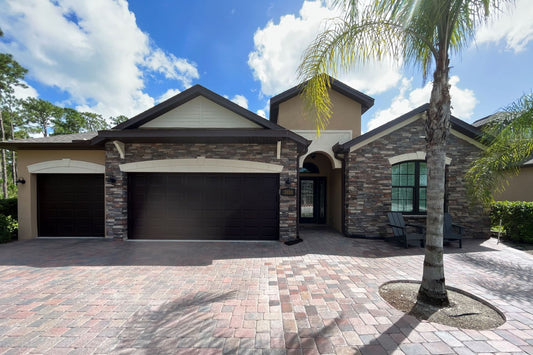
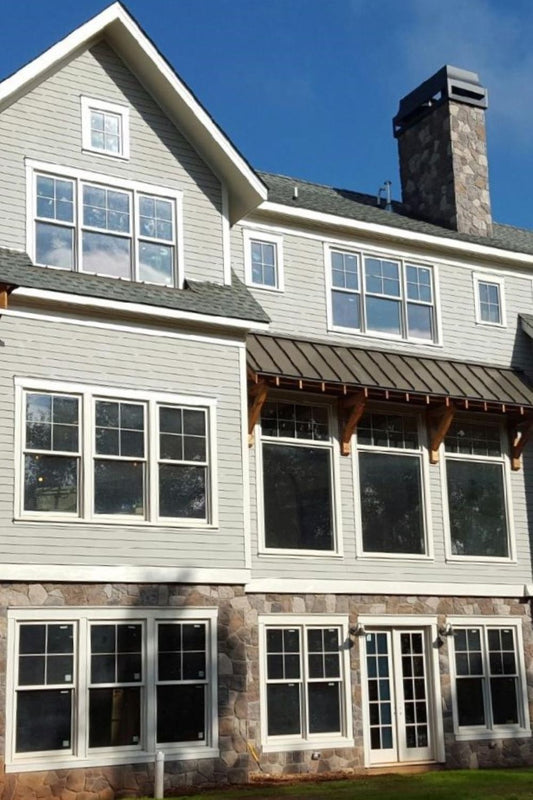
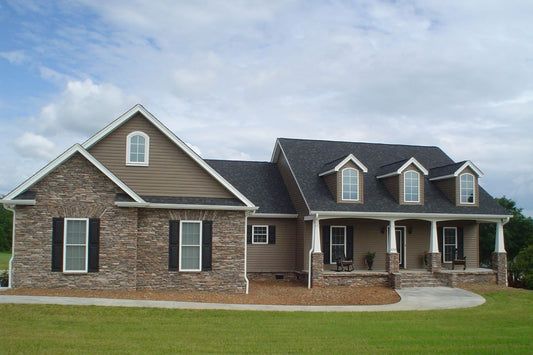
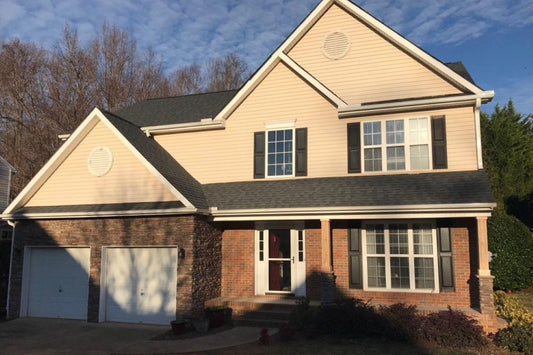
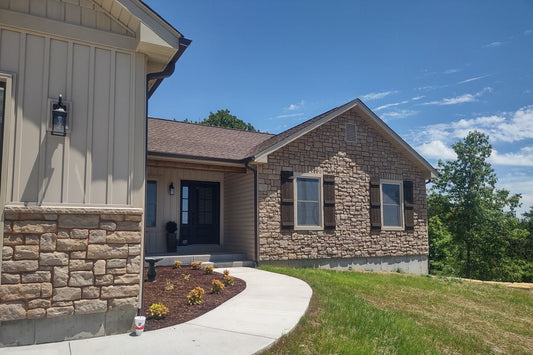
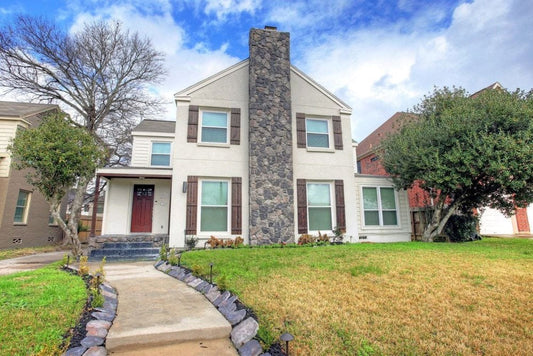
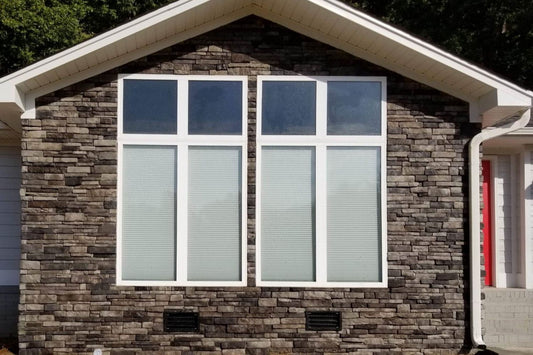
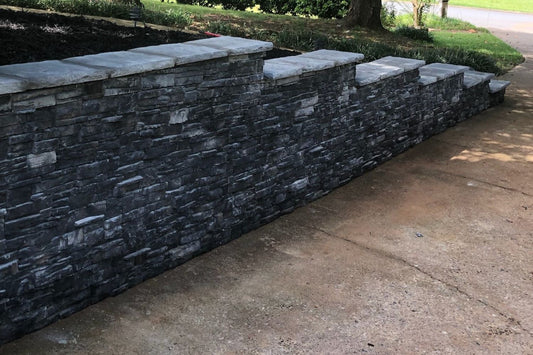
Pictured is an AI generated image of a stone veneer installation using a moisture barrier.