
Can You Install Stone Veneer Over Cement Board?
Share
Originally posted August 25, 2025, updated June 15, 2026.
You should not install stone veneer directly over cement board. While cement board can be part of the wall assembly, manufactured stone veneer requires a metal lath and a properly applied mortar scratch coat to create a mechanical bond. Without this system, the veneer may fail due to poor adhesion, moisture intrusion, or movement over time.
When planning a manufactured stone veneer installation, one of the most common questions from contractors, installers, and DIY renovators is whether cement board can be used as a direct substrate. Because cement board is widely known as a durable, moisture-resistant surface for tile installations, it is often assumed that it can also support stone veneer in the same way. For a full step-by-step breakdown of proper substrate preparation, see our complete guide on preparing your wall surface for stone veneer.
However, stone veneer behaves very differently from tile systems. It is significantly heavier, relies on mechanical bonding rather than simple adhesion, and is exposed to different stress loads over time. This means that while cement board may appear to be a suitable base, it is not designed to function as the final bonding surface for manufactured stone veneer.
Stone veneer should not be installed directly over cement board. A proper installation requires additional reinforcement layers that allow mortar to grip, cure, and hold the weight of the stone securely over the long term. Understanding why this is the case is essential to preventing installation failure, costly repairs, and premature deterioration of the finished surface.
Why cement board alone is not enough for stone veneer
Cement board is engineered primarily for ceramic and porcelain tile systems. These materials are relatively thin, uniform, and light compared to manufactured stone veneer. Tile installations rely heavily on thin-set adhesion across a smooth, consistent surface.
Manufactured stone veneer, on the other hand, is thicker, irregular in shape, and significantly heavier. It also requires a textured, reinforced bonding system rather than a simple adhesive layer. While cement board is structurally stable, it does not provide the necessary mechanical keying surface for mortar to properly grip stone veneer.
Without that mechanical bond, the installation is dependent entirely on surface adhesion, which is not sufficient for long-term performance. Over time, environmental stress such as temperature changes, moisture exposure, and structural movement can break that bond, leading to loosening or detachment of the stone.
In short, cement board alone is stable, but it is not a complete stone veneer substrate system.
The correct way to install stone veneer over cement board
Although cement board should not be used as the final bonding surface, it can still play a role as part of a properly built wall assembly. The key is understanding that it must be reinforced to create a system designed specifically for stone veneer.
A corrosion-resistant metal lath is first installed over the cement board. This lath is mechanically fastened and acts as the structural grid that allows mortar to grip securely. It transforms the otherwise smooth surface into a reinforced bonding field.
Once the lath is in place, a mortar scratch coat is applied. This layer is pressed through the lath so that it embeds and locks into the structure beneath. After it is applied, the surface is intentionally scored to create additional texture, increasing the surface area for bonding.
This scratch coat must be allowed to cure properly before stone installation begins. Curing is not just a waiting period, it is what allows the mortar to achieve its full strength and durability.
After curing, manufactured stone veneer is installed using a Type S mortar. Each stone is pressed firmly into place, ensuring full contact with the scratch coat. This system creates a layered bond where the stone is supported not just by surface adhesion, but by a reinforced mortar bed designed specifically for heavy cladding materials.
This process is what separates a long-lasting installation from one that may fail prematurely.
Risks of skipping lath and scratch coat
When installers attempt to apply stone veneer directly to cement board, they eliminate the most critical components of the system: mechanical reinforcement and mortar embedment. This creates several serious risks.
One of the most immediate issues is poor adhesion. Without lath and scratch coat, the mortar has nothing to grip beyond the surface of the cement board. This weak bond is vulnerable to gravity, vibration, and thermal movement, all of which can cause individual stones to loosen or shift over time.
Moisture intrusion is another significant concern. Stone veneer systems are designed to manage moisture through layered construction. Without proper reinforcement and mortar embedment, water can find its way behind the veneer more easily. Once moisture becomes trapped behind the surface, it can lead to deterioration of both the substrate and the veneer itself.
Over time, these issues result in costly repairs. What may begin as a small area of failure often spreads, requiring partial or full removal of the stone veneer system. In most cases, the cost of correcting improper installation far exceeds the cost of doing it correctly from the beginning.
Interior vs. exterior stone veneer installations
The role of cement board can vary depending on whether the installation is indoors or outdoors, but the fundamental requirement for lath and scratch coat does not change.
For exterior applications, cement board is typically used as part of a larger weather-resistant wall assembly. It may sit behind a drainage plane or weather barrier system, but it still requires metal lath and scratch coat before stone veneer is applied. Exterior installations are exposed to freeze-thaw cycles, rain, and UV exposure, making proper installation even more critical.
For interior installations, cement board is sometimes used in high-moisture areas or where additional rigidity is needed. However, even indoors, stone veneer cannot be installed directly onto cement board. The same lath and scratch coat system is required to ensure proper bonding strength and prevent detachment over time.
In both cases, the performance of the system depends less on the board itself and more on the reinforced mortar structure built on top of it.
Common misconceptions about stone veneer installation
One of the most common misconceptions is that construction adhesive or modified thin-set can replace a full mortar system. While adhesives have their place in construction, they are not designed to support the weight and long-term movement of manufactured stone veneer. Relying on adhesive alone often leads to failure, especially in exterior environments.
Another misunderstanding is that drywall or cement board alone can serve as a complete substrate. While both materials provide a flat, stable surface, neither is designed to bond directly with stone veneer. Without lath and scratch coat, there is no mechanical key for the mortar to lock into, which is essential for durability.
There is also a tendency to underestimate how much weight stone veneer systems carry. Even relatively small installations place significant load stress on the wall assembly. Without proper reinforcement, that load is transferred directly to weak surface adhesion points rather than being distributed through a bonded mortar system.
Understanding these misconceptions helps ensure that installations are built to last rather than simply looking correct at first glance.
Can you install stone veneer over cement board?
While cement board is a strong and versatile building material, it is not designed to serve as a direct bonding surface for manufactured stone veneer. A successful installation depends on creating a reinforced system that includes metal lath and a properly cured mortar scratch coat.
When these steps are followed correctly, stone veneer becomes a durable, long-lasting architectural finish capable of withstanding both interior and exterior conditions. Skipping these steps may save time initially, but it almost always leads to premature failure and costly repairs.
For best results, always treat cement board as part of the system, not the final surface, and build upward using the correct installation method for stone veneer.
From Mountain View Stone: what you should know
At Mountain View Stone, we see a lot of installation issues that come down to skipping critical preparation steps rather than problems with the material itself. Cement board is a strong and reliable substrate for many applications, but stone veneer requires a true masonry bonding system to perform as intended. That means metal lath and a properly applied scratch coat are not optional, they are essential for creating the mechanical bond that holds the stone in place long term. When these steps are followed correctly, manufactured stone veneer performs beautifully for decades. When they are skipped or simplified, even the best-quality stone can fail prematurely.
Frequently Asked Questions
1. Can stone veneer be installed directly on cement board? No, stone veneer should not be installed directly on cement board. It requires a metal lath and mortar scratch coat to create a proper bonding surface capable of supporting the weight and long-term movement of the material.
2. Do I always need metal lath for stone veneer? Yes, in most installations metal lath is required. It provides the mechanical reinforcement that allows mortar to bond securely to the wall system and support the stone veneer.
3. Can I use adhesive instead of mortar for stone veneer? No, adhesive should not be used as a substitute for mortar. Manufactured stone veneer must be installed with Type S mortar over a scratch coat to ensure proper strength and durability.
4. Is cement board required for interior stone veneer walls? Cement board is not always required indoors, but when it is used, it still must be paired with metal lath and a scratch coat before stone veneer installation can begin.
5. What happens if I skip the scratch coat? Skipping the scratch coat significantly increases the risk of failure. Without it, the mortar does not have a proper bonding layer, which can lead to loose stones, cracking, and water intrusion behind the veneer.
6. Can stone veneer go over drywall? Yes, in some interior applications stone veneer can be installed over drywall, but only when metal lath and a scratch coat are properly applied first.
What's next?
Enhance your next project with high-quality manufactured stone veneer. Shop now and design with confidence or order a sample to feel the realistic texture and vibrant tones.
Have a question?
Please see our full terms of service or check out our frequently asked questions.
For general information and questions please call: (864) 882-8960 Mon. - Fri. 8am - 5pm (EST) or email: info@mountainviewstone.net we are more than happy to help you.
Or you can submit your questions via our contact us page.
We look forward to working with you on your upcoming project.
The Mountain View Stone Team
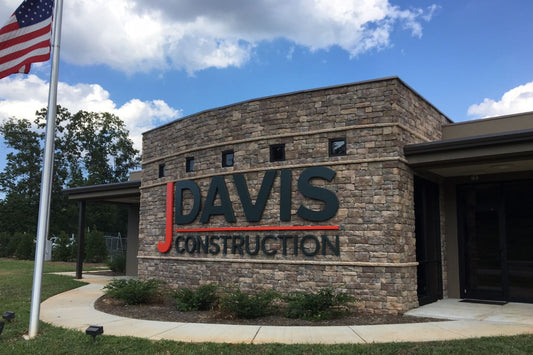
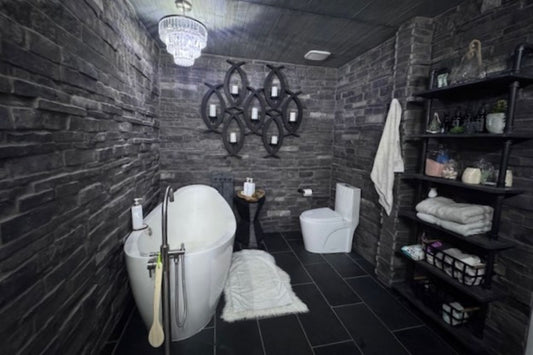
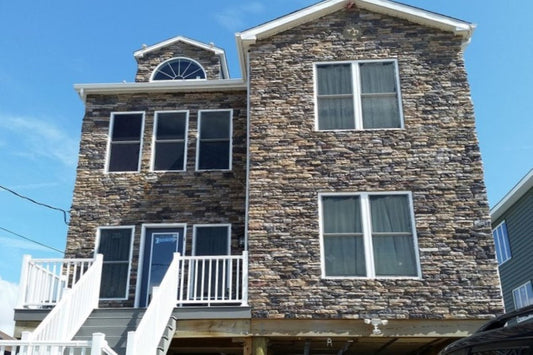
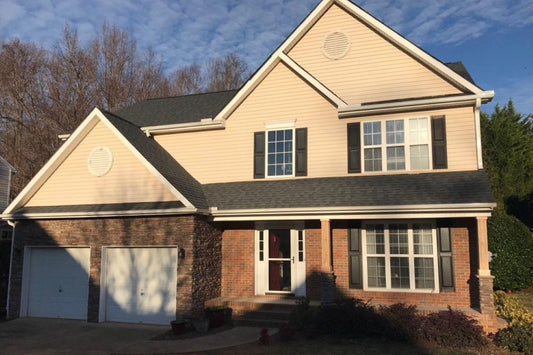
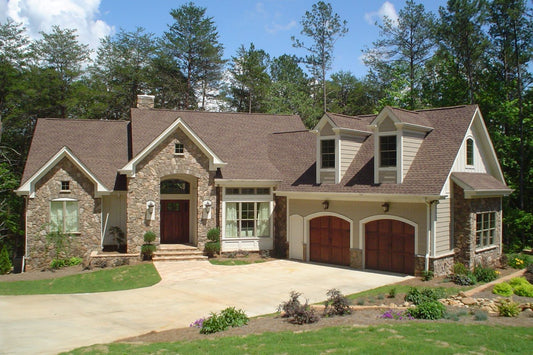
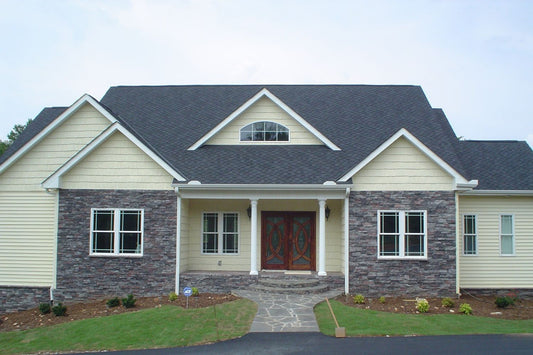
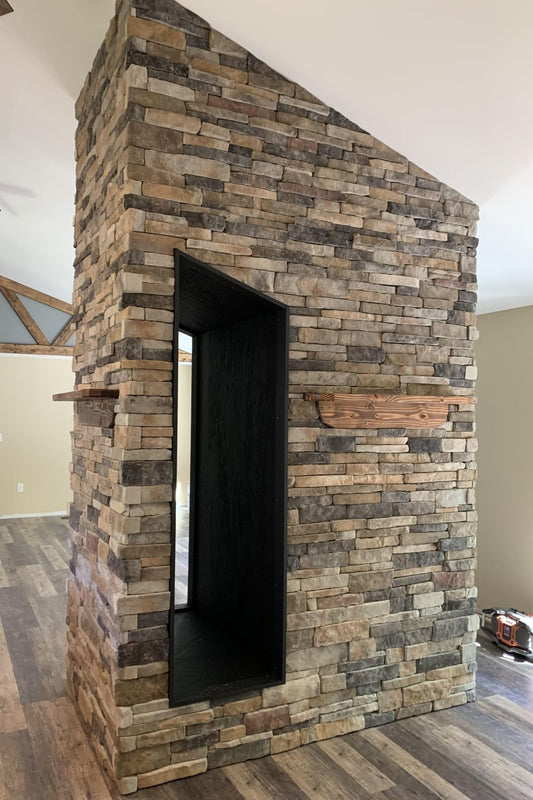
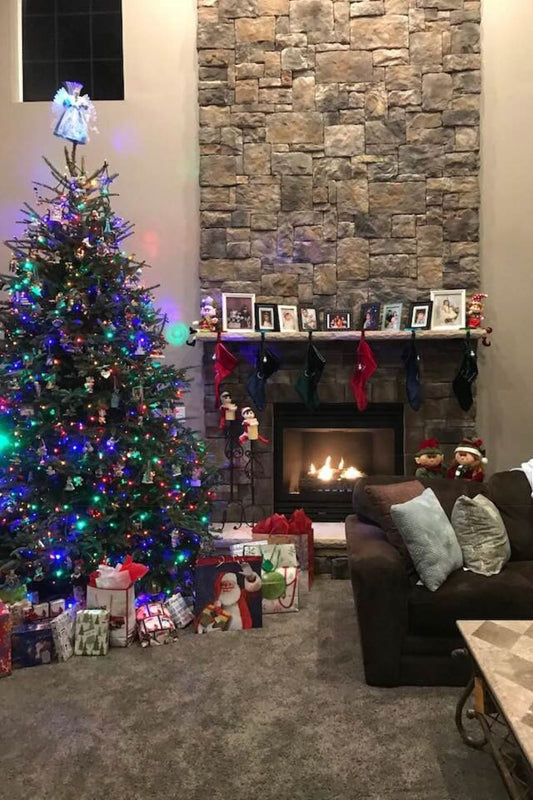
Pictured is an AI generated image of a stone veneer installation over cement board.