
Can You Install Stone Veneer Over Wood? What You Need to Know
Share
Manufactured stone veneer can be installed over wood-based substrates such as plywood or OSB when the proper installation system is used. For exterior applications, the wood substrate should be protected with a weather-resistant barrier, followed by metal lath and a properly applied scratch coat before the stone veneer is installed with the recommended mortar.
Wood is one of the most common building materials used in residential construction, so it is natural to wonder whether manufactured stone veneer can be installed over it. Whether you are adding stone to an exterior wall, covering part of a wood-sided home, creating a stone accent around an entryway, or updating a fireplace surround, stone veneer can be an effective way to add texture and architectural character to a wood-framed structure. Before installation begins, the wall must be properly prepared for the veneer system. Our complete guide to preparing your wall surface for stone veneer explains the key steps for creating a suitable, secure surface for manufactured stone veneer.
The important distinction is that stone veneer should not simply be attached directly to exposed wood and treated like siding. A proper installation creates a suitable surface between the wood substrate and the manufactured stone. This typically involves a weather-resistant barrier for exterior applications, metal lath, a scratch coat, and the appropriate mortar.
When installed correctly, manufactured stone veneer can be used successfully on many wood-framed homes and buildings. Understanding the substrate, moisture protection, surface preparation, and installation requirements is essential for creating a durable finished installation.
Can Stone Veneer Be Installed Over Wood?
Manufactured stone veneer can be installed over wood, but it must be installed using the proper substrate preparation. Wood framing, plywood, and OSB are common components of exterior wall assemblies, but manufactured stone veneer is not normally installed directly onto bare wood.
The installation system is designed to provide a stable, mortar-friendly surface while also protecting the wall assembly from moisture. For an exterior application, a weather-resistant barrier is generally installed over the wood substrate before the metal lath is attached. A scratch coat is then applied over the lath to create the appropriate bonding surface for the mortar and stone veneer.
This approach allows manufactured stone veneer to become part of the exterior wall finish without relying on the wood itself to provide the bonding surface.
It is also important to distinguish between installing stone veneer over a wood substrate and installing it directly over existing wood siding. Existing siding can create additional complications, including uneven surfaces, movement, moisture concerns, and questions about whether the existing material is an appropriate substrate. In many cases, removing existing siding and preparing the underlying wall assembly provides a more reliable installation surface.
What Goes Between Wood and Stone Veneer?
The materials between the wood substrate and stone veneer are an important part of the installation system. For exterior applications, a weather-resistant barrier helps protect the underlying wall assembly from water that may penetrate the exterior veneer system.
Metal lath is then installed over the prepared wall assembly. The lath provides a mechanical surface for the mortar and scratch coat. The scratch coat creates a textured cementitious surface that allows the stone veneer to be properly installed.
The manufactured stone veneer is then set using the mortar recommended by the stone veneer manufacturer and applicable installation requirements. Type S mortar is always recommended for stone veneer installations. Construction adhesives, mastic, and thin-set products are not recommended as substitutes for the specified mortar system.
This layered approach is important because manufactured stone veneer is not simply being glued to wood. The complete wall assembly is designed to provide support, moisture management, and a suitable surface for the veneer.
Can You Install Stone Veneer Over Plywood or OSB?
Plywood and OSB are commonly used as sheathing in wood-framed walls, and manufactured stone veneer can be installed over these types of wood-based substrates when the proper installation system is followed.
The plywood or OSB provides part of the underlying wall structure, but it does not become the direct bonding surface for the stone veneer. Exterior installations should incorporate the appropriate weather-resistant barrier, metal lath, and scratch coat before the veneer is applied.
The condition of the wood substrate also matters. It should be structurally sound and properly secured before beginning the veneer installation. Damaged, deteriorated, loose, or moisture-compromised sheathing should be addressed before installing stone veneer.
Proper flashing and moisture management around windows, doors, roof intersections, wall penetrations, and other vulnerable areas are equally important. Stone veneer is an exterior finish, not a substitute for the underlying wall's water-management system.
Can You Install Stone Veneer Over Wood Siding?
Installing manufactured stone veneer over existing wood siding requires more consideration than installing it over properly prepared wood sheathing. Although it may sometimes be possible depending on the siding material and wall assembly, existing siding can make it more difficult to create a flat, secure, and properly prepared substrate.
Wood siding can also move as it responds to changes in moisture and temperature. If the existing siding is loose, damaged, uneven, or deteriorated, installing veneer over it can create problems with the finished installation.
For that reason, the best approach is often to evaluate the existing siding and determine whether it should be removed before installing the stone veneer system. Removing the siding can allow the installer to inspect the underlying wall, address any moisture or structural issues, install the appropriate weather-resistant barrier, and create a properly prepared surface for metal lath and the scratch coat.
Because existing wall assemblies vary, the correct approach should be determined based on the specific construction of the building and the applicable local building requirements.
Can Stone Veneer Be Installed Over Wood Indoors?
Manufactured stone veneer can also be used over suitable wood-based substrates in interior applications, although the installation requirements can differ from exterior walls.
Interior projects such as accent walls, fireplace surrounds, entryways, and feature walls may incorporate plywood or other appropriate wood substrates. The substrate must be structurally sound and capable of supporting the veneer installation. The required preparation depends on the specific substrate, location, manufacturer instructions, and applicable building codes.
Fireplace installations require particular care. Manufactured stone veneer should not be installed inside a firebox or in areas exposed to direct flame. Heat can affect not only the veneer but also the underlying substrate, mortar, adhesives, framing, and other components of the wall assembly.
When installing stone veneer around a fireplace or other heat-producing appliance, the clearances and installation requirements for the appliance must be followed. The veneer should never be treated as a way to eliminate required clearances from combustible construction.
Why Can't Stone Veneer Simply Be Attached Directly to Wood?
It may seem convenient to attach stone veneer directly to plywood, OSB, or wood siding, but doing so does not provide the installation system that manufactured stone veneer is designed to use.
Mortar needs an appropriate surface to bond and mechanically lock into. Bare wood does not provide the same type of cementitious surface as a properly prepared scratch coat. Wood can also expand, contract, and respond to moisture differently than the mortar and veneer.
The purpose of the metal lath and scratch coat is to create a suitable transition between the underlying wall assembly and the manufactured stone veneer. Skipping these components can compromise the installation and may also violate manufacturer requirements or applicable building codes.
For this reason, following the complete installation instructions is much more important than simply finding a way to physically attach the stone to the wood.
What Type of Mortar Should Be Used Over Wood?
The mortar used for manufactured stone veneer should be selected according to the manufacturer's installation requirements and applicable building codes. Type S mortar is is always recommended for stone veneer installations.
The mortar is used with the properly prepared scratch coat and should be applied according to the manufacturer's installation instructions. Construction glue, mastic, and other general-purpose adhesives should not be substituted for the specified mortar system.
Using the correct mortar is particularly important because the installation depends on the interaction between the scratch coat, mortar, and back of the manufactured stone. The goal is to create a secure mechanical and mortar bond rather than relying on an adhesive attached directly to a wood surface.
Does Installing Stone Veneer Over Wood Require a Moisture Barrier?
For exterior installations, moisture management is a critical part of the wall assembly. A weather-resistant barrier is typically installed over the wood substrate before the metal lath and scratch coat.
The weather-resistant barrier helps protect the underlying wall from moisture that can reach the wall assembly. It works together with properly detailed flashing, drainage, penetrations, and other components of the exterior wall system.
The exact requirements can vary depending on the building design, location, wall construction, and local building code. Installing stone veneer without properly addressing moisture management can create problems behind the veneer that may not become apparent until significant damage has occurred.
A manufactured stone veneer installation should therefore be considered as part of the complete exterior wall system rather than as an isolated decorative covering.
Is Manufactured Stone Veneer Too Heavy for a Wood-Framed House?
Manufactured stone veneer is specifically designed to provide the appearance of natural stone without the weight associated with full-bed natural masonry. This makes it suitable for many wood-framed residential and commercial buildings when the wall assembly is properly designed and installed.
However, lightweight does not mean that the veneer can be installed without proper preparation. The wall and attachment system still need to meet applicable structural and building requirements.
Manufactured stone veneer should also never be treated as a structural component of the building. It is a non-structural finish that is installed over an appropriate wall assembly.
Can You Install Stone Veneer Over Wood?
Installing manufactured stone veneer over wood is entirely possible, and it is a common application for wood-framed homes. The key is understanding that the stone veneer should not simply be attached directly to the wood.
A properly prepared exterior installation typically includes the wood-based substrate, weather-resistant barrier, metal lath, scratch coat, mortar, and manufactured stone veneer. Each layer has a purpose, from protecting the wall from moisture to creating the appropriate surface for the veneer.
Before beginning a project, inspect the existing wall assembly and make sure the substrate is sound. Follow the stone veneer manufacturer's installation instructions and local building codes, particularly around moisture management, windows and doors, structural requirements, and heat-producing appliances.
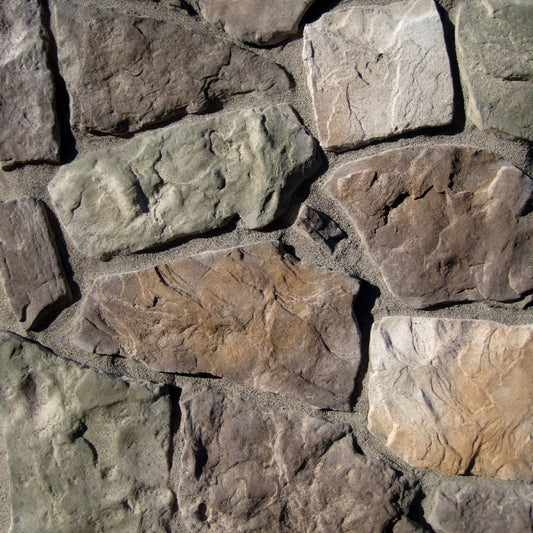
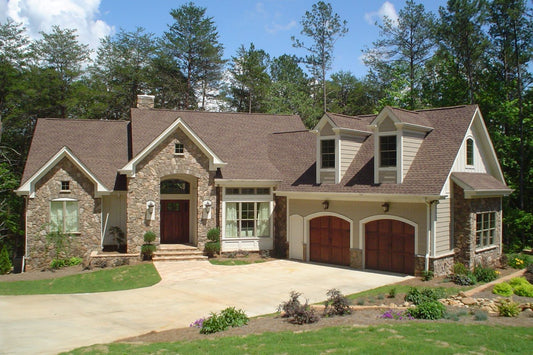
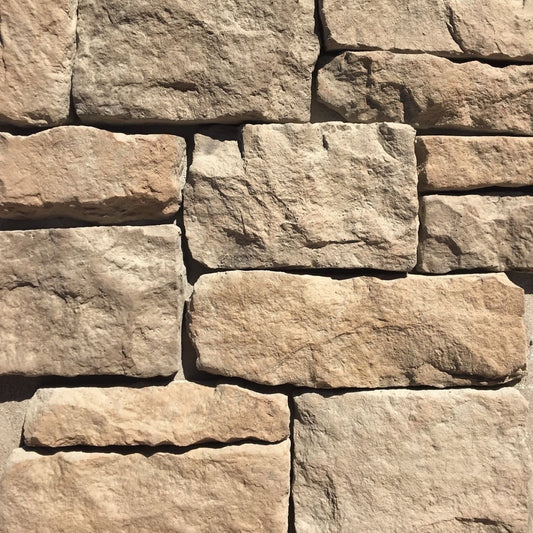
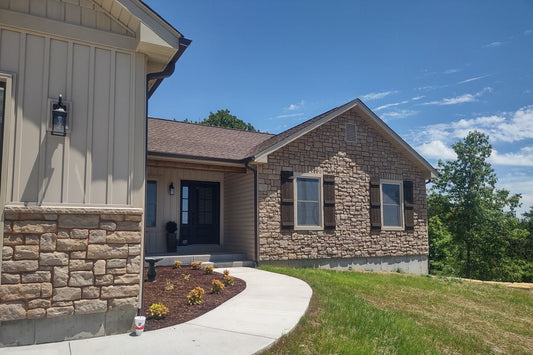
With the right preparation, manufactured stone veneer can transform a wood-framed exterior, entryway, accent wall, porch, or other area with the authentic appearance and texture of natural stone while maintaining the advantages of a lightweight manufactured product.
From Mountain View Stone: What You Should Know
At Mountain View Stone, we know that installing manufactured stone veneer over a wood-framed wall requires more than simply attaching stone to the surface. The proper preparation of the wall is essential for a secure, long-lasting installation. For exterior applications, the wood substrate should be properly protected with a weather-resistant barrier, followed by metal lath and a scratch coat before the manufactured stone veneer is installed with Type S mortar. Always follow the manufacturer's installation instructions and applicable local building codes for your specific project. When properly prepared and installed, manufactured stone veneer can be an attractive and durable finish for wood-framed homes, accent walls, entryways, porches, and other residential or commercial applications.
Frequently Asked Questions
Can you install manufactured stone veneer directly over plywood?
Manufactured stone veneer should not normally be installed directly over bare plywood. A properly prepared installation system is required. For exterior applications, this generally includes a weather-resistant barrier, metal lath, scratch coat, and the appropriate mortar before the veneer is installed.
Can you install stone veneer over wood siding?
It may be possible depending on the type and condition of the existing siding and the wall assembly, but installing over existing wood siding requires careful evaluation. Removing the siding may provide a more suitable surface and allow the installer to inspect and properly prepare the underlying wall.
Do you need metal lath for stone veneer over wood?
For manufactured stone veneer installations over wood-based substrates, metal lath is part of the required installation system. The lath provides a suitable mechanical surface for the scratch coat and mortar. Always follow the specific manufacturer's installation instructions and local building codes.
Do you need a moisture barrier under stone veneer over wood?
For exterior applications, a weather-resistant barrier is an important component of the wall assembly beneath the metal lath and scratch coat. Proper moisture management also requires appropriate flashing and detailing around openings and other areas where water can enter the wall system.
What mortar should you use for stone veneer over wood?
The mortar should meet the requirements of the manufactured stone veneer manufacturer and applicable building codes. Type S mortar is recommended for manufactured stone veneer installations. General construction adhesives, mastic, and thin-set should not be substituted for the recommended mortar system.
Can you install stone veneer over wood indoors?
Yes, manufactured stone veneer can be used over suitable wood-based substrates for many interior applications, provided the substrate and installation method are appropriate for the project. Fireplace and heat-related installations require additional attention to clearances, combustible materials, and applicable codes.
What's Next?
Elevate your home with premium manufactured stone veneer designed to capture the authentic texture, depth, and natural color variation of real stone. Shop now to find the right style for your project and create a timeless, durable finish that adds character to any space. Want to see the texture and color up close first? Order a sample and experience the look of our manufactured stone veneer for yourself.
Have a Question?
Please see our full terms of service or check out our frequently asked questions.
For general information and questions please call: (864) 882-8960 Mon. - Fri. 8am - 5pm (EST) or email: info@mountainviewstone.net we are more than happy to help you.
Or you can submit your questions via our contact us page.
We look forward to working with you on your upcoming project.
The Mountain View Stone Team
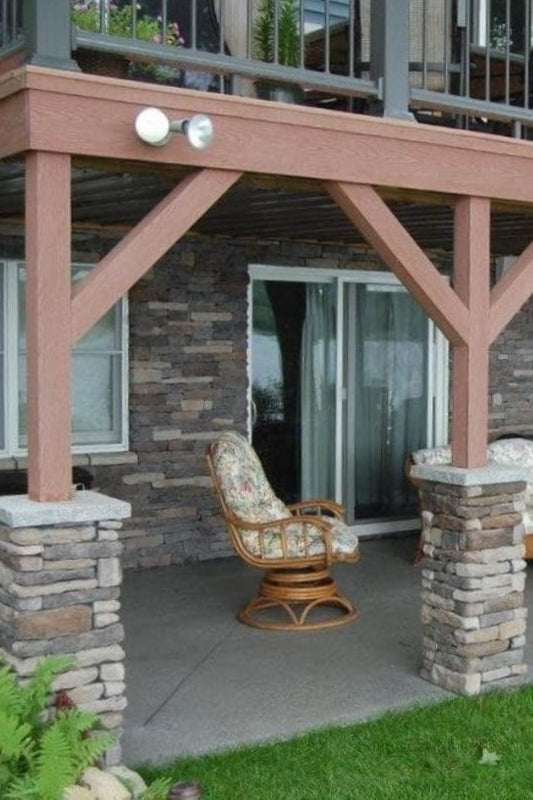
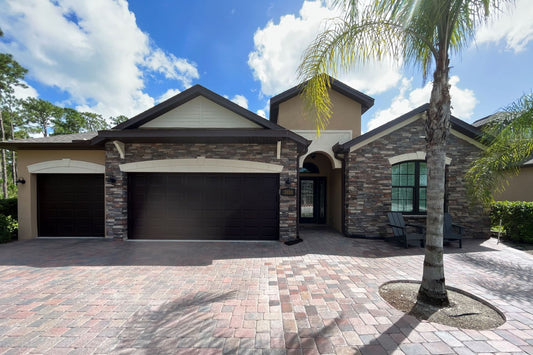
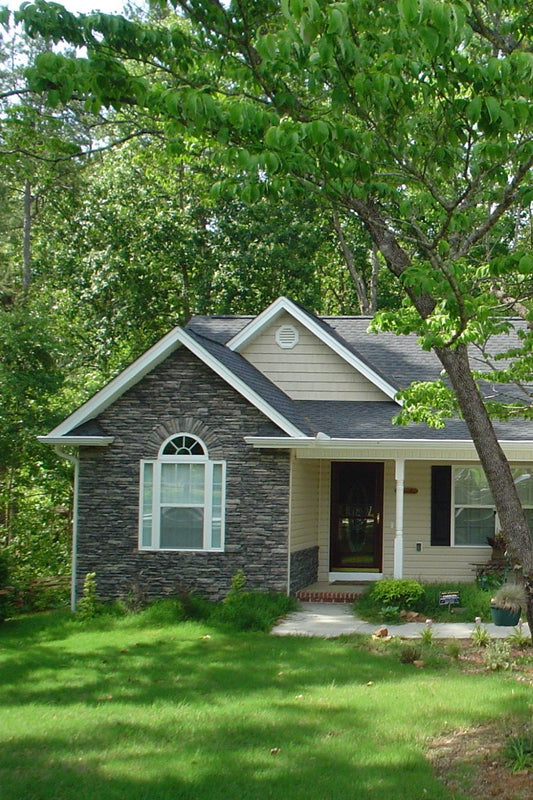
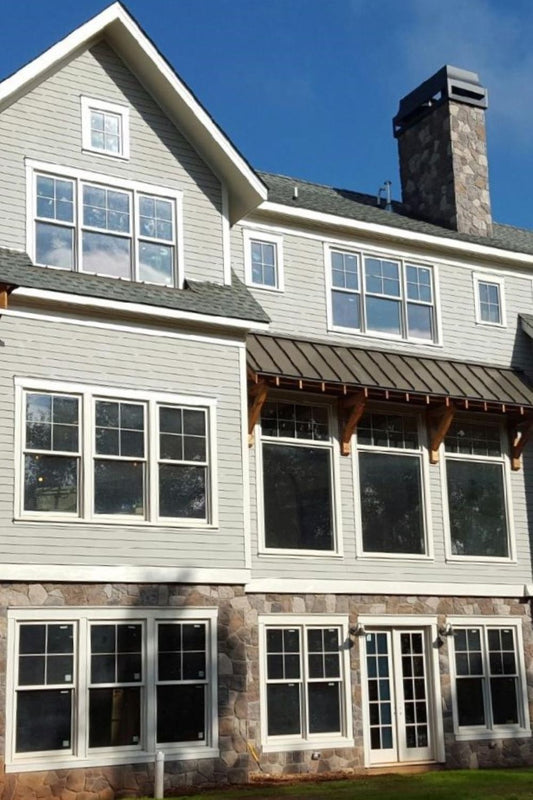
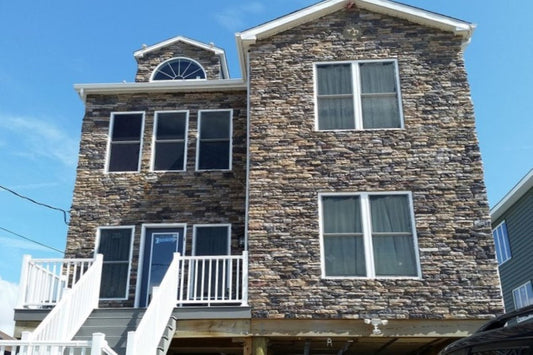
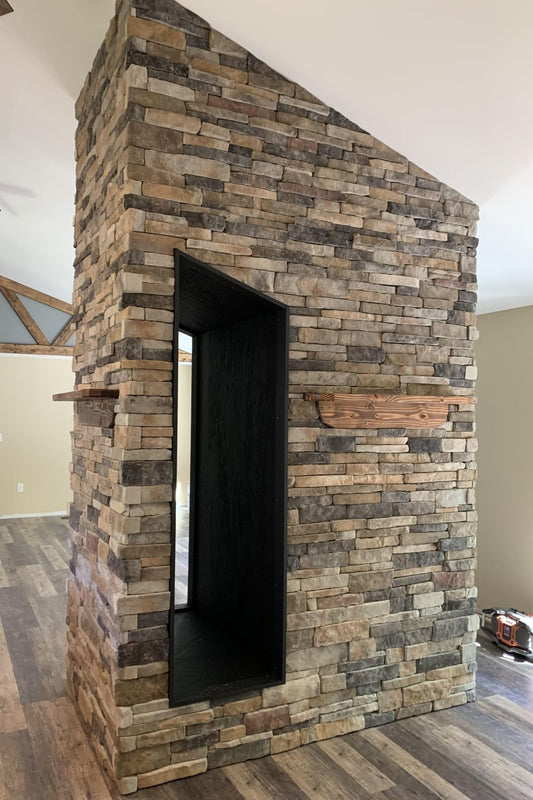
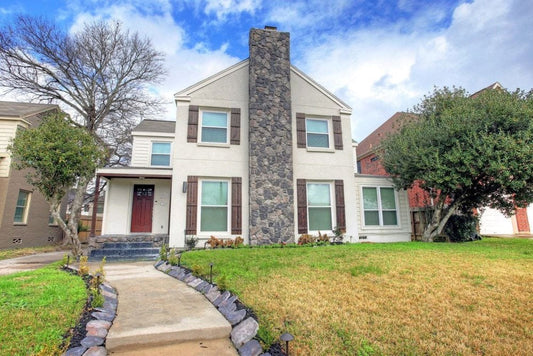
Pictured is an AI generated image of a stone veneer installation over wood.