
Castle Rock vs. Limestone: Key Differences in Size, Style, and Stone Veneer Design
Share
Originally posted Apr 11, 2025, updated April 27, 2026.
Castle rock stone veneer (also known as hackett stone) features bold, rugged, oversized stones with a historic look, while limestone offers clean, refined rectangular blocks for a timeless architectural style.
Choosing the right stone veneer profile is one of the most important design decisions in any residential or commercial project. While color often gets the most attention, the shape and style of the stone, known as the profile, play an even bigger role in defining the final look. Two of the most popular manufactured stone veneer styles today are castle rock, sometimes referred to as hackett stone, and limestone. For a deeper breakdown of all available styles, shapes, and applications, see our manufactured stone veneer profiles guide.
Both profiles are widely used in exterior facades, fireplaces, accent walls, and architectural features, but they deliver very different visual effects. Castle rock leans toward bold, historic character with a rugged presence, while limestone offers a more refined, structured, and timeless aesthetic. Understanding how these two styles differ will help you choose the right one for your design goals and ensure your project feels cohesive and intentional.
What is castle rock stone veneer?
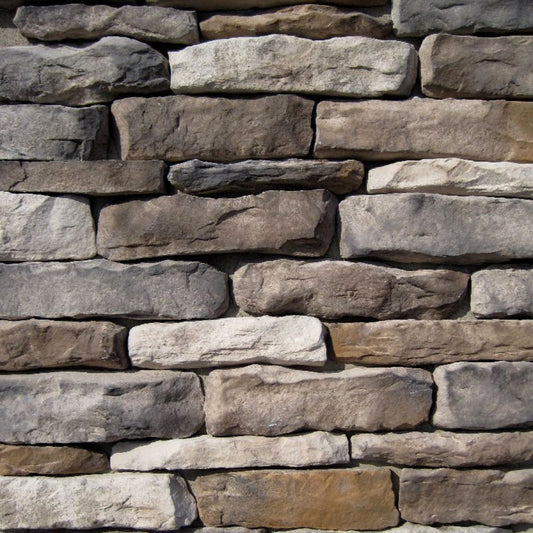
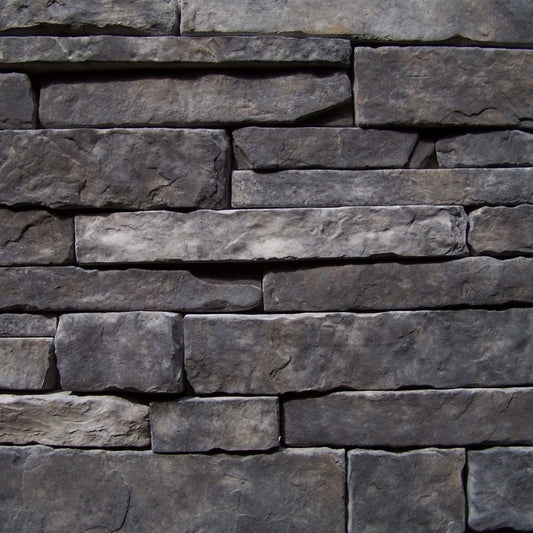
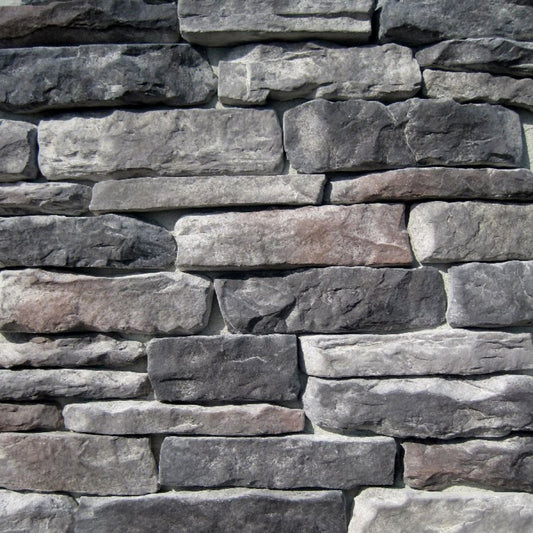
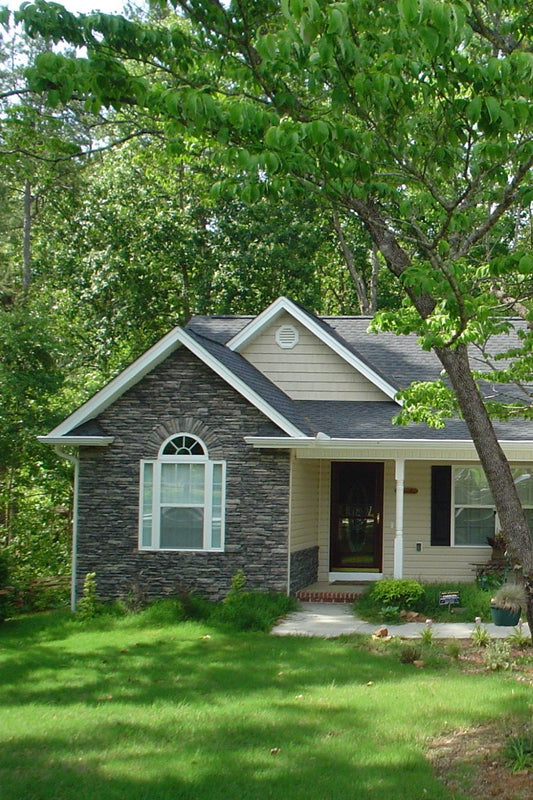
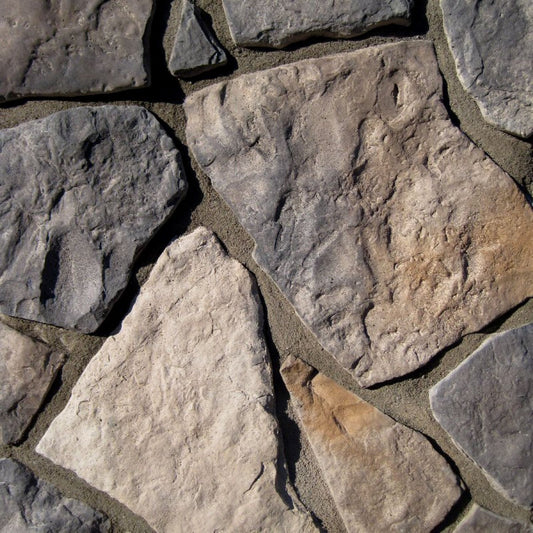
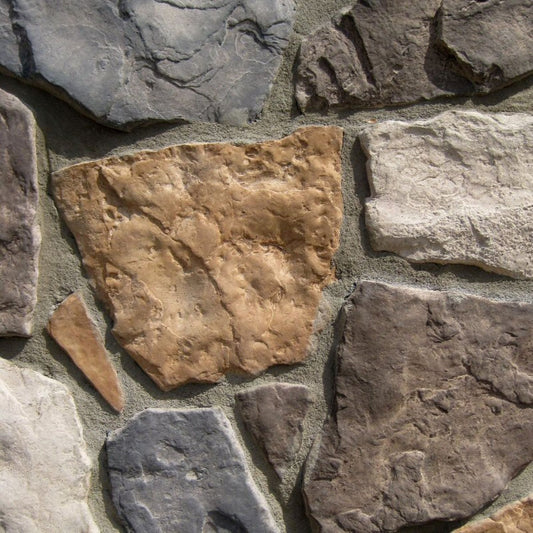
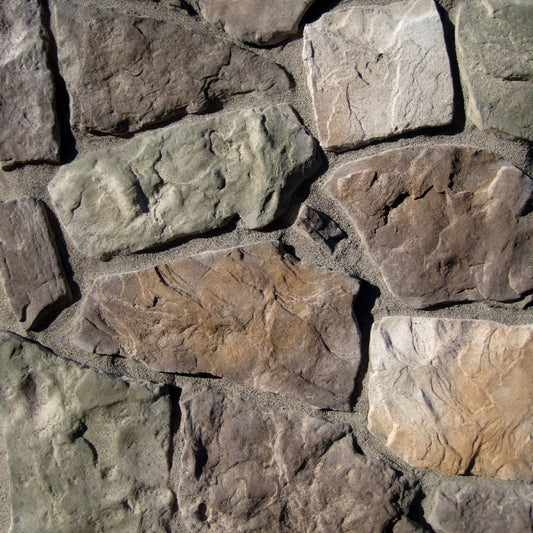
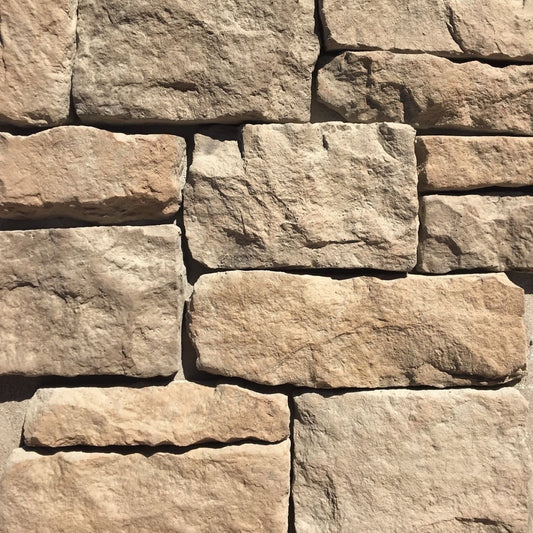
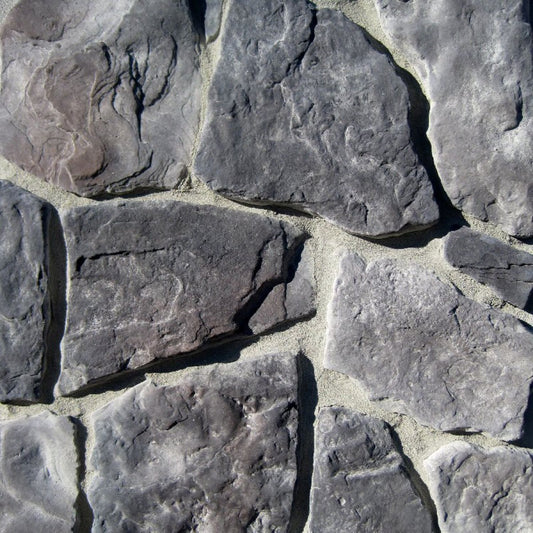
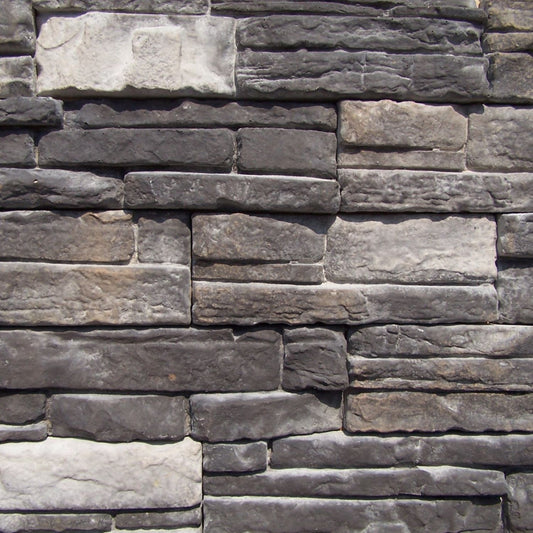
Castle rock stone veneer, also commonly referred to as hackett stone, is a manufactured profile designed to capture the look of historic masonry found in castles, estates, and traditional stone buildings. It features large, bold stone shapes that create a strong, grounded appearance, making it ideal for designs that aim to feel substantial and architectural.
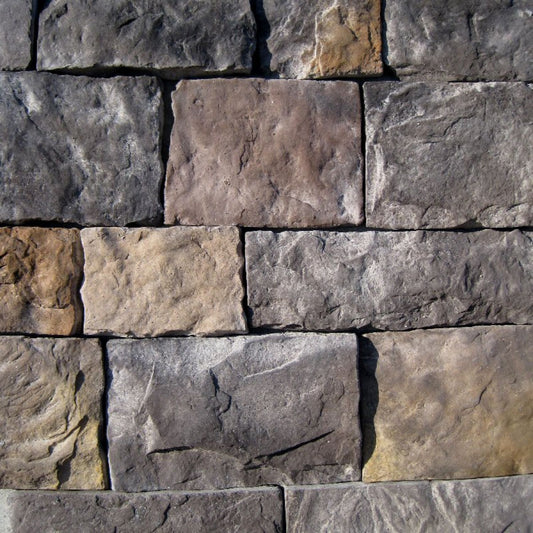
One of the most defining characteristics of castle rock (hackett stone) is its oversized, block-like format. The stones are noticeably larger than many other veneer profiles, which immediately gives walls a heavier, more structural presence. This scale is a key reason it is often chosen for statement features both inside and outside the home.
The pattern typically follows a random ashlar layout, meaning the stones are rectangular or square-like but arranged in a non-repeating, naturally varied pattern. This creates visual interest while still maintaining a sense of order and balance across the surface.
Texture is another important element. Castle rock (hackett stone) usually includes deep surface detail such as split faces or hand-chiseled finishes. These textures enhance shadowing and depth, helping the stone look more dimensional and authentic, especially on large wall areas exposed to natural light.
Because of its bold and historic character, castle rock is commonly used in rustic, traditional, and heritage-inspired designs. It works especially well in mountain-style homes, craftsman architecture, Tudor influences, and other builds where a strong, timeless stone presence is desired.
What is limestone stone veneer?
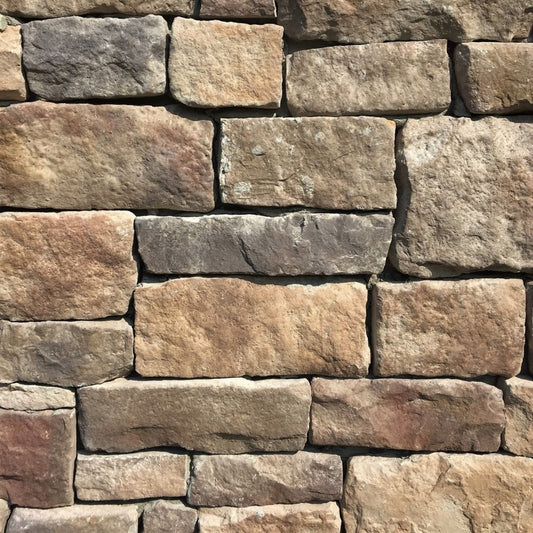
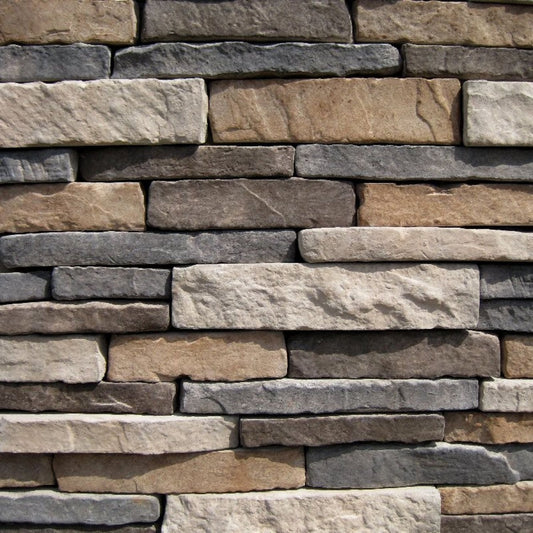
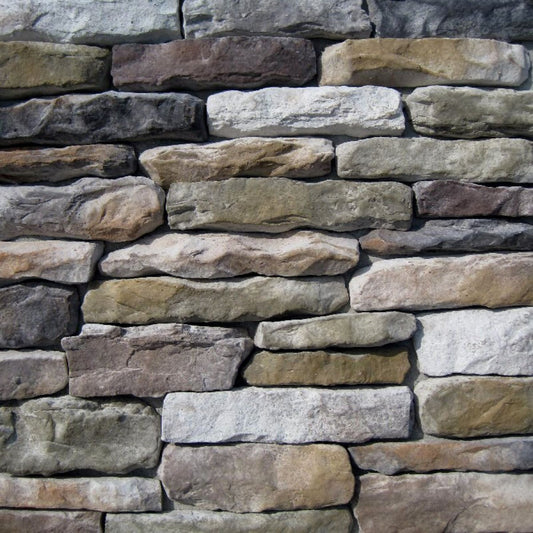
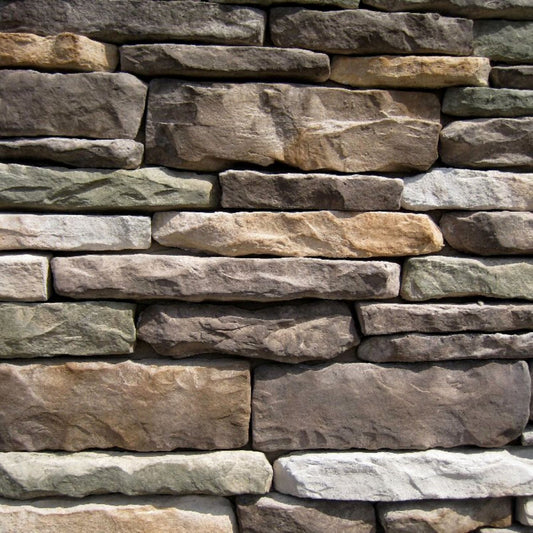
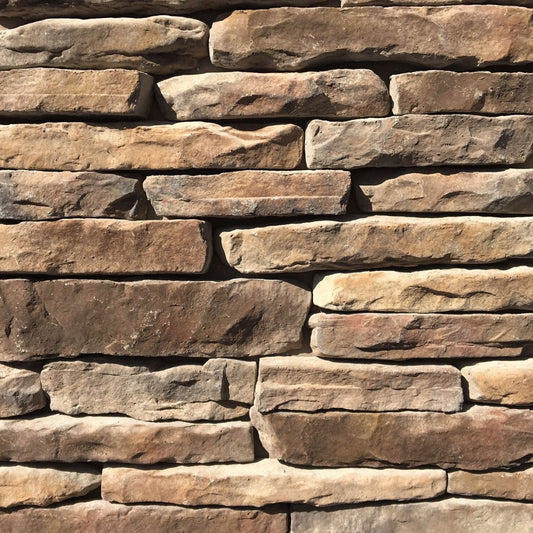
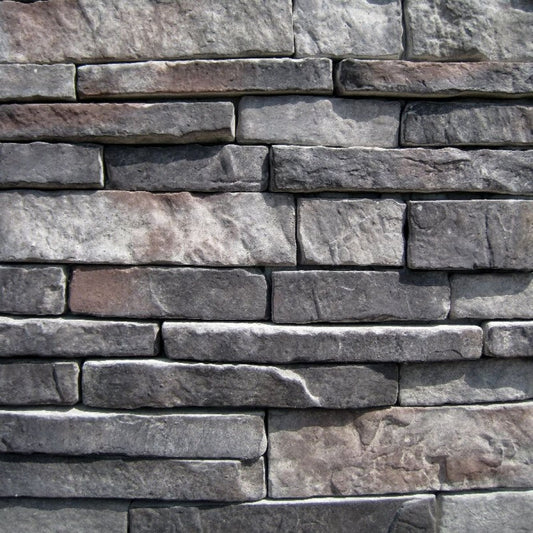
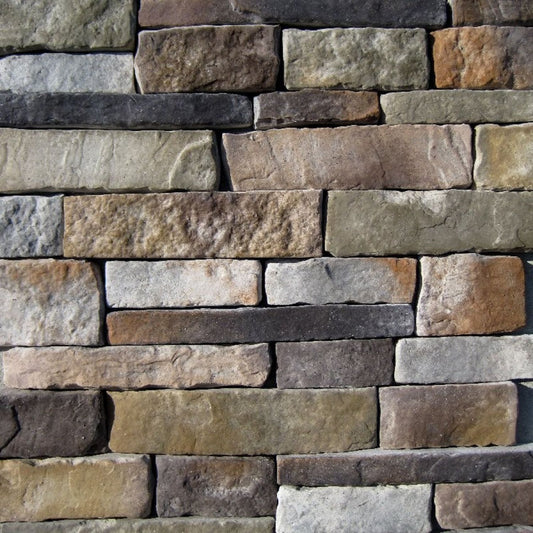
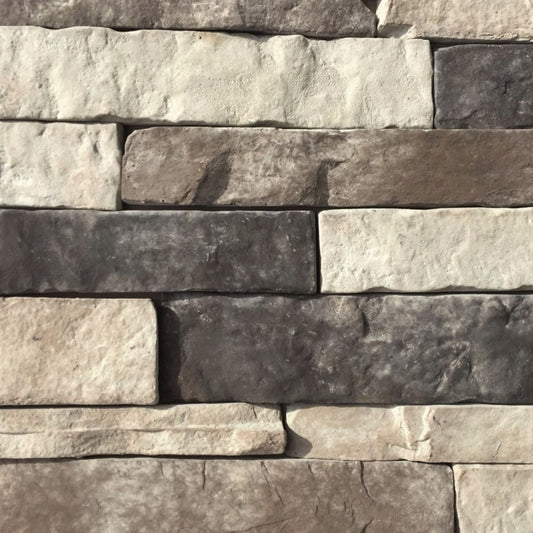
Limestone stone veneer is inspired by the timeless elegance of natural limestone, a material that has been used in architecture for centuries. Unlike the bold and rugged character of castle rock, limestone focuses on clean lines, balanced proportions, and subtle texture.
The stones are typically rectangular and carefully proportioned to create a structured and harmonious layout. This consistent geometry gives limestone its signature refined appearance, making it ideal for projects that prioritize elegance and simplicity.
Surface texture is much softer compared to castle rock. Limestone veneer often features lightly textured or smooth finishes that mimic hand-cut or naturally weathered limestone. This understated surface treatment allows the shape and layout of the stone to take center stage rather than relying on heavy texture or shadow.
Limestone is widely used in both traditional and modern architecture because of its versatility. It can complement colonial-style homes, French country designs, transitional architecture, and even contemporary builds that need a touch of natural warmth. Its adaptability makes it one of the most flexible stone veneer profiles available.
This profile is often chosen for applications where a clean, sophisticated aesthetic is desired. It performs equally well on exterior walls, interior fireplaces, garden features, and architectural accents where balance and subtlety are key design goals.
Key differences between castle rock and limestone
Although both castle rock and limestone are manufactured stone veneer profiles, their visual impact is very different. Castle rock emphasizes scale, texture, and historical character, while limestone focuses on proportion, order, and refinement.
Castle rock tends to feel heavier and more dramatic. Its larger stones and irregular layout create a sense of strength and permanence that works well in rustic or traditional environments. It is often used when the goal is to create a bold architectural statement or evoke the feeling of old-world construction.
Limestone, on the other hand, offers a more controlled and elegant appearance. Its consistent shapes and softer textures create a calm, balanced look that blends easily into a wide range of architectural styles. It is often chosen when the goal is timeless design rather than visual drama.
Both profiles are available in a wide range of colors, which allows them to adapt to different environments and design palettes. However, even when using similar color tones, the overall impression will remain distinct due to differences in shape and texture.
Choosing the right stone veneer profile for your project
Selecting between castle rock and limestone ultimately comes down to the design direction of your project. If your goal is to create a strong architectural focal point with rustic or historic character, castle rock is often the natural choice. Its bold structure and deep texture make it ideal for feature walls, large exterior surfaces, and spaces where visual impact is a priority.
If your project calls for a more refined and versatile aesthetic, limestone is typically the better option. Its clean geometry and subtle surface detail allow it to integrate seamlessly into both modern and traditional environments without overwhelming the surrounding design elements.
It is also important to consider how the stone will interact with other materials in your project. Castle rock pairs well with heavy timber, metal accents, and natural wood finishes, while limestone complements glass, steel, and more minimalist design elements.
Because both options are manufactured stone veneer, they offer practical advantages beyond aesthetics. They are lighter than natural stone, easier to install, and more cost-efficient to transport and handle, all while maintaining a highly realistic appearance.
Design flexibility and real-world applications
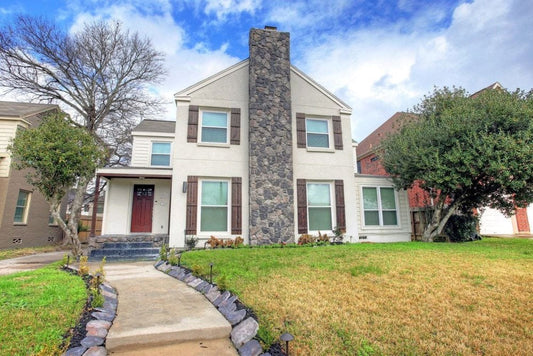
One of the advantages of both castle rock and limestone is their versatility across different applications. Castle rock is frequently used in statement-making exterior facades, large fireplaces, and structural features where scale and presence matter. It is particularly effective in mountain-style homes and rustic architecture where natural materials play a dominant role.
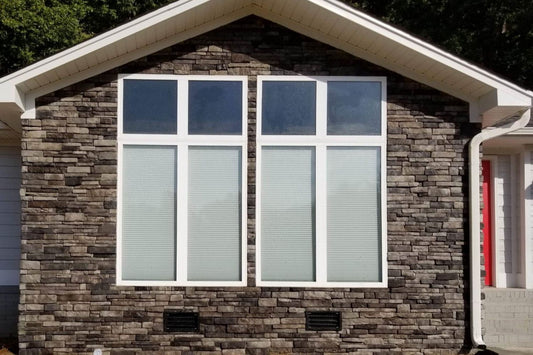
Limestone is often used in projects where subtlety and refinement are more important. It is commonly seen in exterior cladding for upscale residential homes, interior feature walls, and architectural detailing where a clean, cohesive look is desired. Its adaptability allows it to transition easily between interior and exterior spaces without feeling out of place.
Both profiles also work well in mixed-material designs, where stone is combined with siding, stucco, wood, or metal to create layered architectural interest. The key is ensuring that the chosen profile supports the overall design intent rather than competing with it.
Blending castle rock and limestone in one design
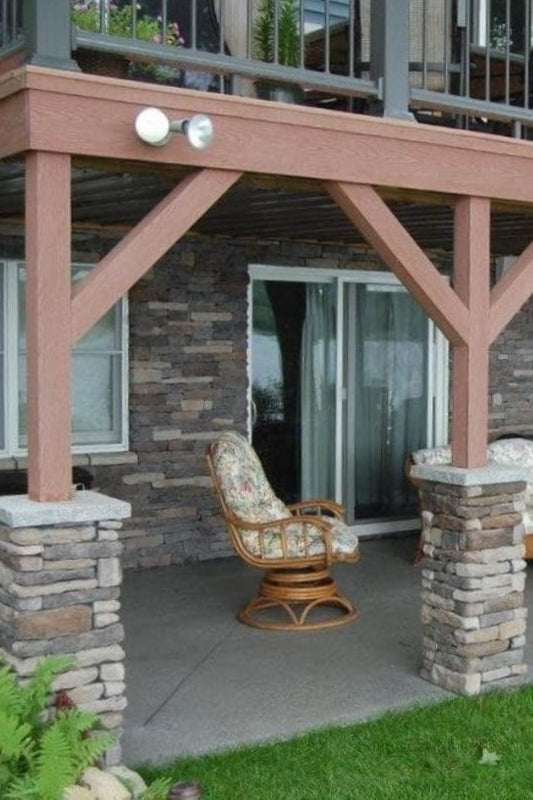
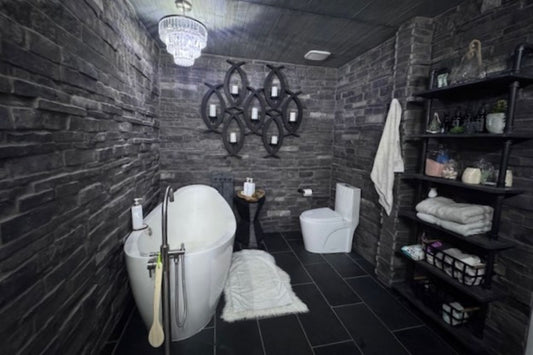
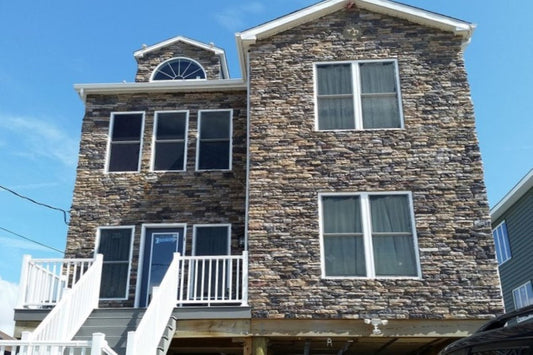
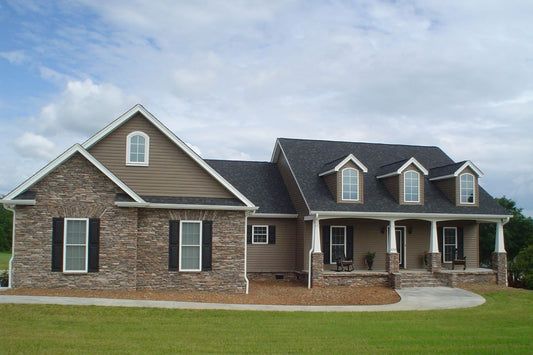
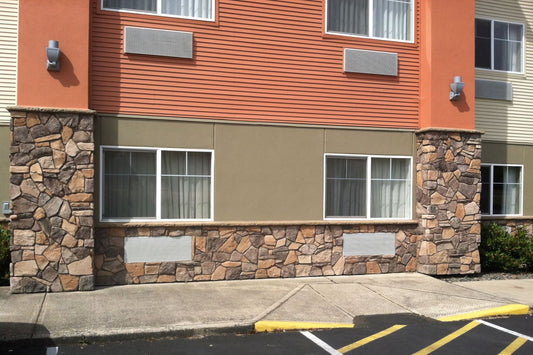
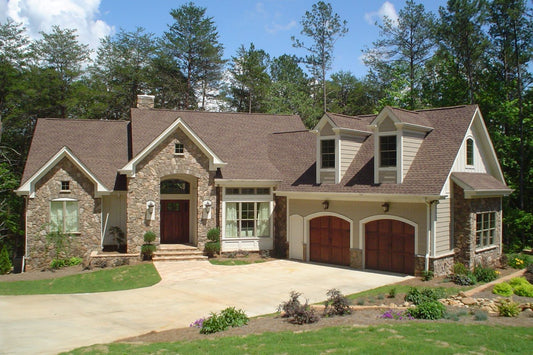
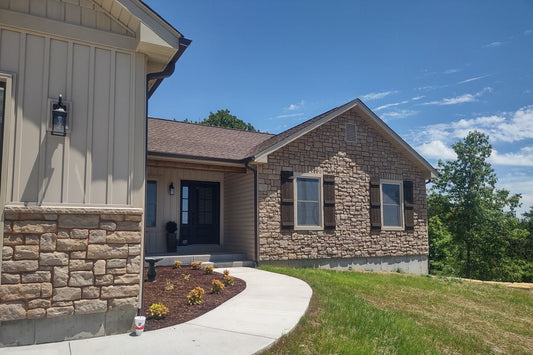
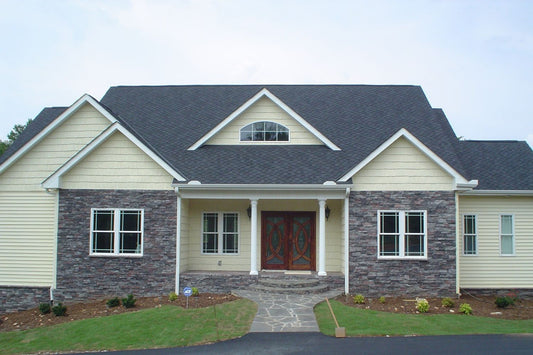
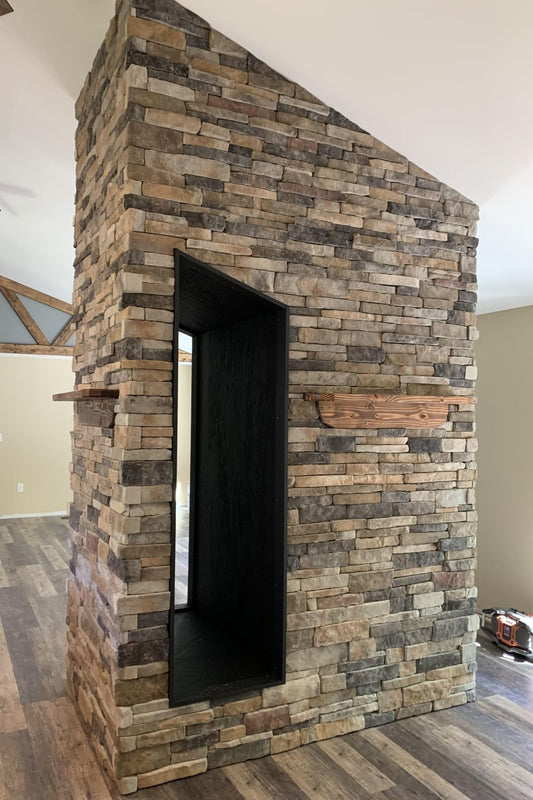
While castle rock (hackett stone) and limestone are often treated as distinct styles, they can also be thoughtfully combined within the same project to create a more layered and custom architectural look. When blended correctly, the contrast between the two profiles can add depth and visual hierarchy, helping different areas of a building feel intentionally defined rather than uniform.
Castle rock brings weight, texture, and a sense of historic character, while limestone contributes order, structure, and visual calm. Using castle rock in focal areas such as entryways, fireplaces, or feature walls, and limestone in broader exterior or secondary surfaces can create a balanced composition that feels both dynamic and cohesive.
The key to successfully blending the two is maintaining consistency in tone and ensuring the transition between profiles feels purposeful rather than abrupt. When done well, the combination can elevate a design by highlighting architectural focal points while still preserving a clean, unified overall appearance.
Castle rock vs. limestone
Castle rock and limestone represent two distinct approaches to stone veneer design. Castle rock delivers boldness, texture, and historical character, while limestone offers structure, elegance, and timeless appeal. Neither is inherently better than the other; instead, each serves a different design purpose.
The right choice depends on the atmosphere you want to create and how the stone will interact with the rest of your space. By understanding the visual language of each profile, you can make a more confident decision that enhances both the style and value of your project.
From Mountain View Stone: what you should know
At Mountain View Stone, we’ve learned that most design challenges don’t come from the stone itself, but from choosing the wrong profile for the space it’s being used in. Castle rock (hackett stone) and limestone are both excellent options, but they create very different visual outcomes, and that difference becomes most obvious once installed at scale. Castle rock tends to define a space with bold texture and heavy shadowing, while limestone brings balance, structure, and a more refined architectural feel. When we help customers choose between profiles, we always focus on how the stone will interact with the building’s style, lighting, and surrounding materials, because those factors ultimately determine whether the final result feels cohesive or out of place.
Frequently asked questions
1. What is castle rock stone veneer used for? Castle rock stone veneer is commonly used for rustic or traditional designs, including fireplaces, exterior facades, and feature walls where a bold, historic look is desired.
2. Is limestone stone veneer modern or traditional? Limestone is versatile and works in both modern and traditional designs due to its clean lines and understated texture.
3. Can castle rock and limestone be used together? Yes, they can be combined in certain designs, but it is important to maintain balance so one profile does not overpower the other.
4. Which stone veneer is easier to install? Both are manufactured stone veneer products and are significantly easier to install than natural stone due to their lighter weight and consistent sizing.
5. Does limestone or castle rock look more expensive? Both can achieve a high-end appearance, but limestone typically delivers a more refined, upscale aesthetic, while castle rock creates a bold, architectural statement.
6. Which is better for exterior use? Both are suitable for exterior applications when properly installed, and the best choice depends on whether you prefer a rugged or refined design style.
What's next?
Transform your space with premium stone veneer designed to elevate any project. Shop now to find the right style for your design or order a sample to see the texture and color in person. Start building your vision today.
Have a question?
Please see our full terms of service or check out our frequently asked questions.
For general information and questions please call: (864) 882-8960 Mon. - Fri. 8am - 5pm (EST) or email: info@mountainviewstone.net we are more than happy to help you.
Or you can submit your questions via our contact us page.
We look forward to working with you on your upcoming project.
The Mountain View Stone Team
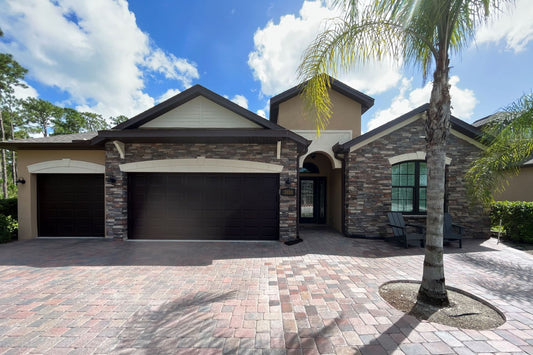
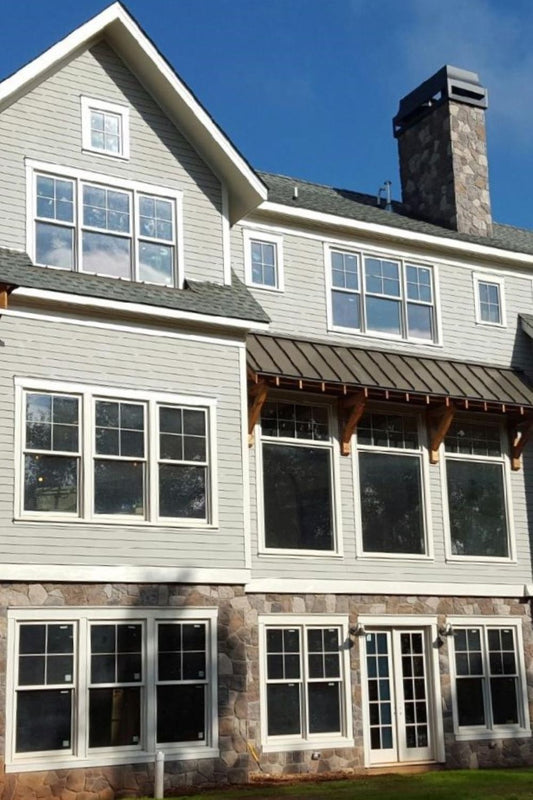
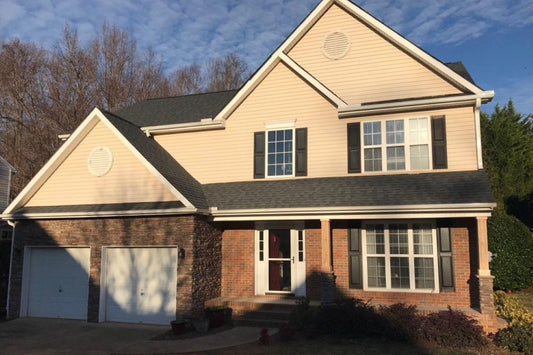
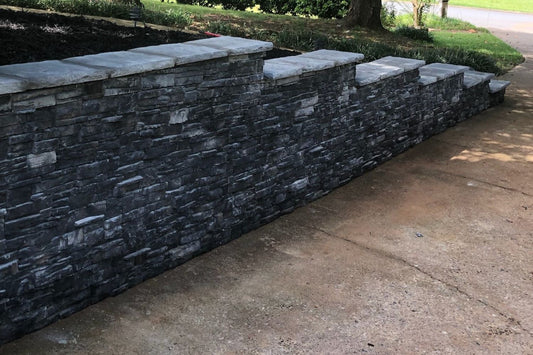
Pictured is hackett stone rustic blended with lime stone rustic.