
Does Stone Veneer Need Grout? Grouted vs. Dry Stacked Installation Guide
Share
Originally posted March 6, 2025, updated June 4, 2026.
Manufactured stone veneer does not always require grout. Some styles, like stacked stone, are designed for dry stacking with no visible joints, while others use grout for a traditional look and added stability. The best choice depends on your design preference, installation method, and project conditions.
Manufactured stone veneer has become a go-to material for homeowners, builders, and designers who want the timeless look of natural stone without the added weight, cost, or installation complexity. Its versatility allows it to be used across a wide range of applications, from fireplaces and accent walls to exterior facades and outdoor living spaces.
One of the most common questions that comes up during the planning phase is whether manufactured stone veneer requires grout. The answer is not as straightforward as a simple yes or no. It depends on the style of stone, the desired finished look, and how the material is installed. Understanding the differences between grouted and dry-stacked installations will help you make the right decision for your project and ensure a result that looks great and performs well over time.
Does manufactured stone veneer require grout?
Manufactured stone veneer can be installed with or without grout, and both approaches are widely used in residential and commercial projects. The decision largely comes down to aesthetics and functionality. Some stone veneer profiles are specifically designed to be installed tightly together without visible joints, while others are intended to include mortar between the stones for a more traditional appearance.
Grout is commonly used in styles that mimic classic masonry, where visible joints are part of the overall look. In contrast, dry-stacked installations eliminate visible mortar lines, creating a clean and continuous surface. Each method has its own visual character and performance considerations, which is why it is important to understand how they differ before beginning installation.
Understanding grouted stone veneer installations
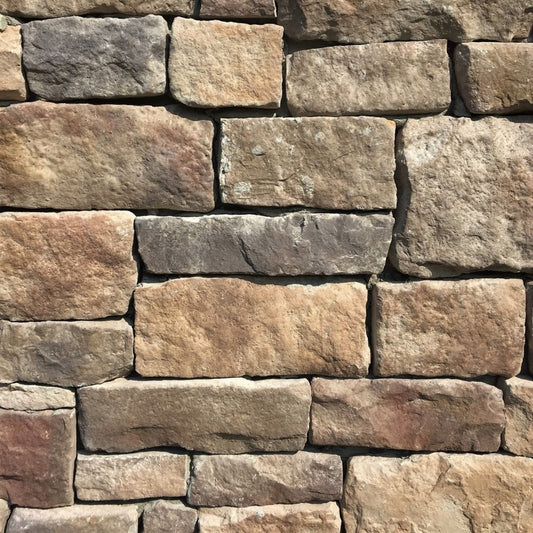
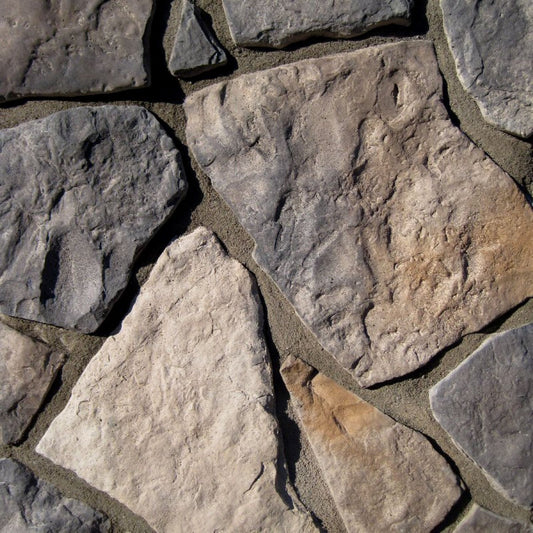
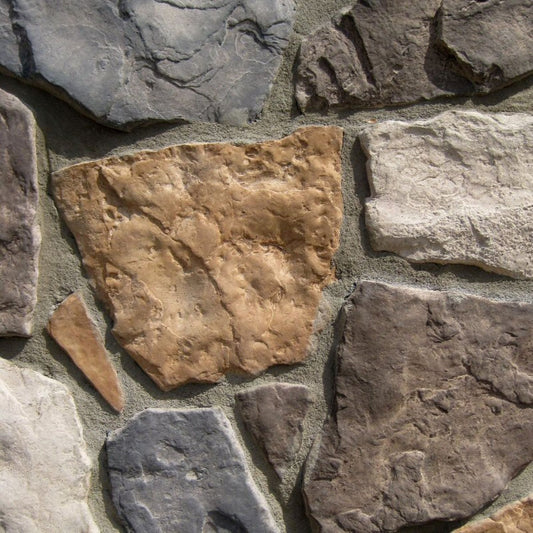
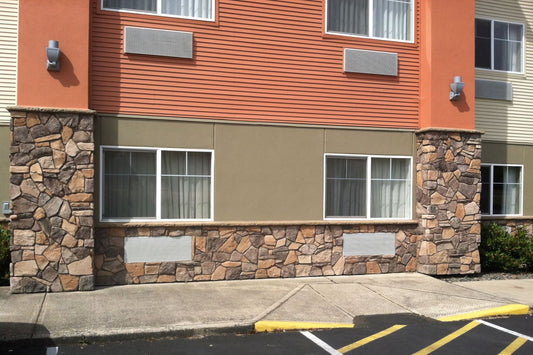
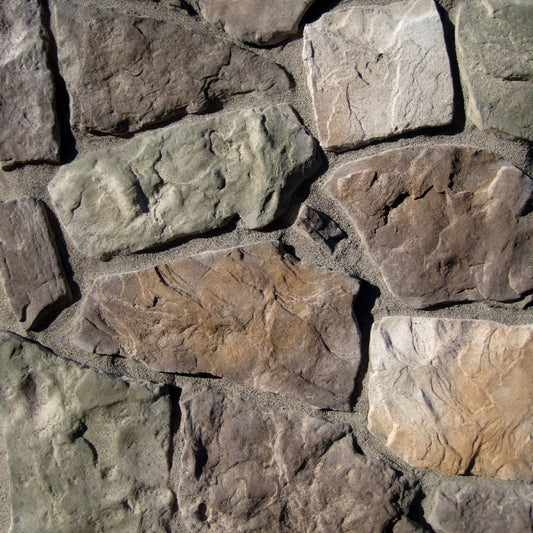
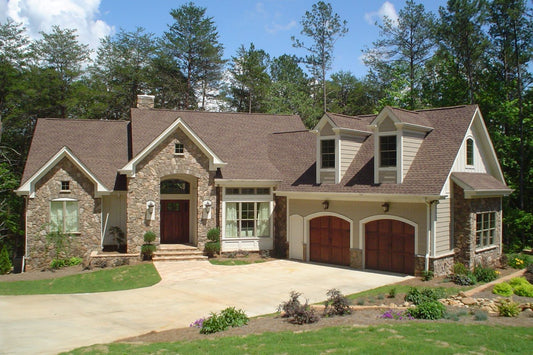
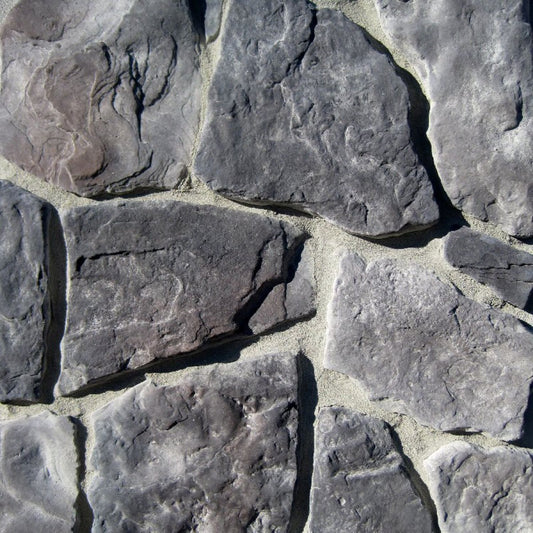
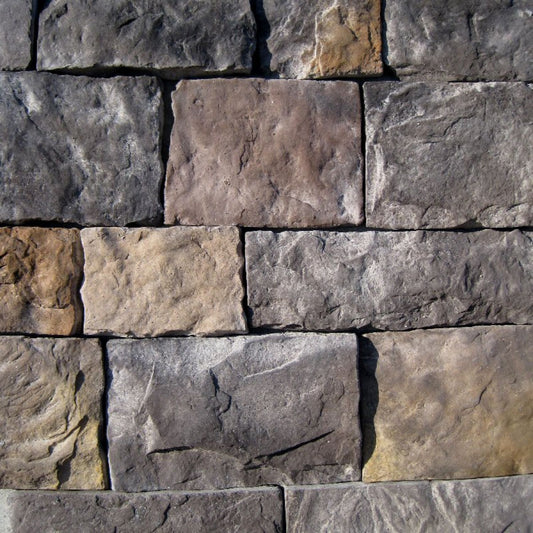
Grouted stone veneer installations involve placing mortar between each piece of stone to create defined joints. This method closely resembles traditional masonry construction and is often used to replicate historic or rustic stonework. The presence of grout lines adds depth and contrast, emphasizing the individual shapes and textures of each stone.
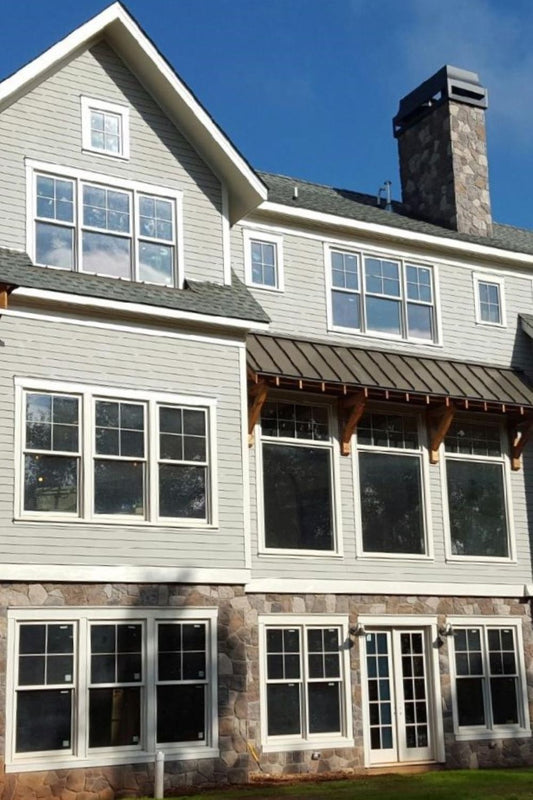
One of the main advantages of using grout is the sense of authenticity it brings to a project. It works particularly well with stone profiles that feature irregular shapes, such as fieldstone or river rock, where the mortar helps tie everything together visually. The grout also plays a practical role by helping to secure the stones in place and reduce movement over time.
From an installation standpoint, grouted stone veneer can be more forgiving. Because the mortar fills in gaps between stones, there is more flexibility when placing each piece. This allows installers to make minor adjustments without compromising the final appearance. In environments where moisture exposure is a concern, properly applied grout joints can also help reduce water penetration, contributing to the longevity of the installation. If you’re planning a project yourself, our DIY stone veneer installation guide provides a step-by-step overview of surface preparation, layout, and proper installation techniques to help ensure a professional finish.
The style of the grout joint itself can influence the overall look. A standard joint creates a balanced and uniform appearance, while a heavier application can produce an overgrouted effect that feels aged and weathered. A recessed joint, on the other hand, pulls the mortar back slightly to highlight the contours of each stone, adding depth and shadow.
What is dry stacked stone veneer?
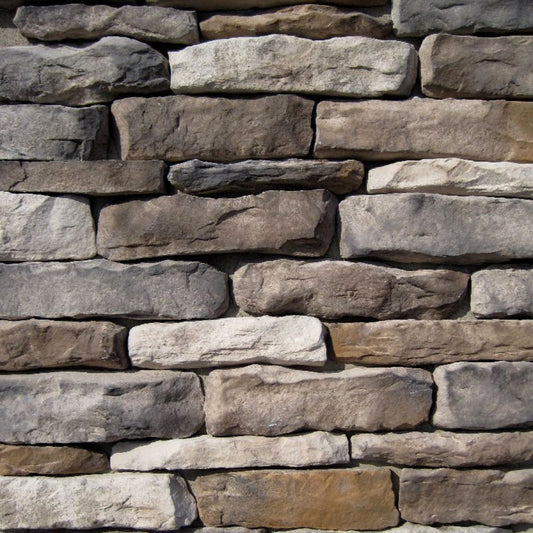
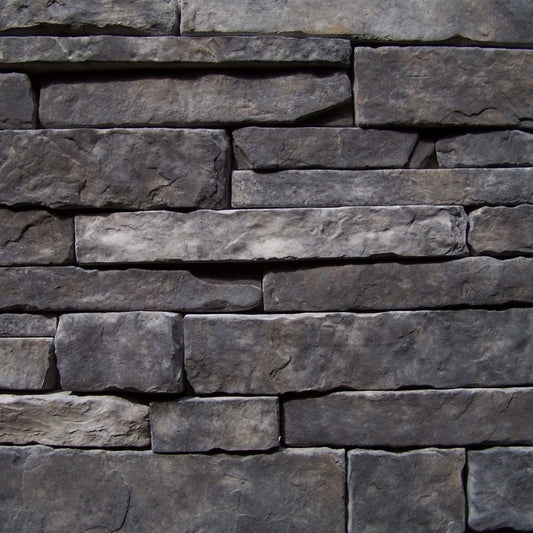
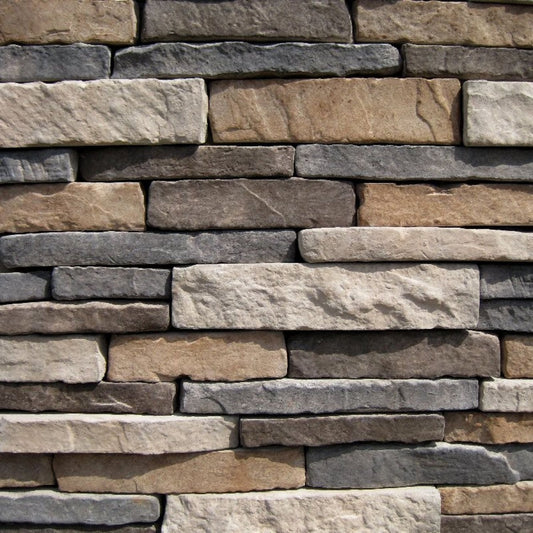
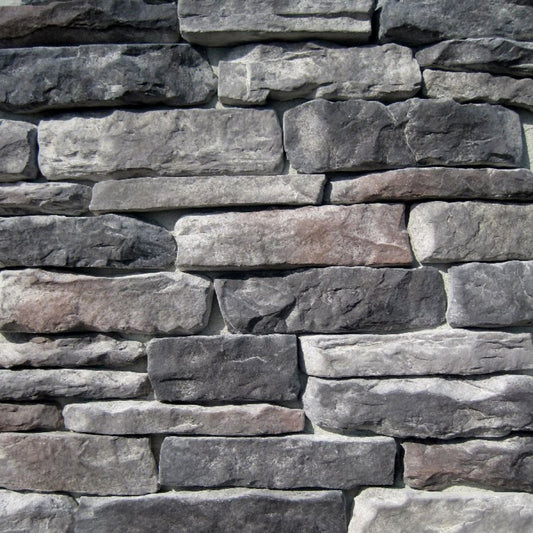
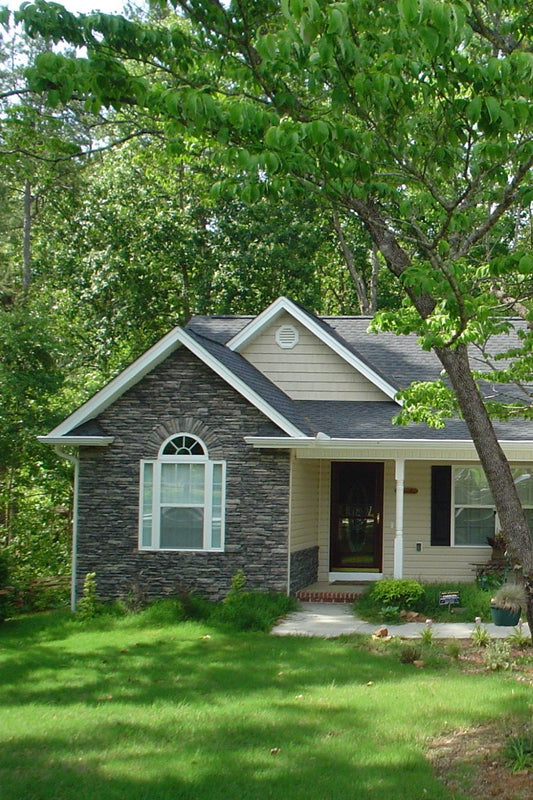
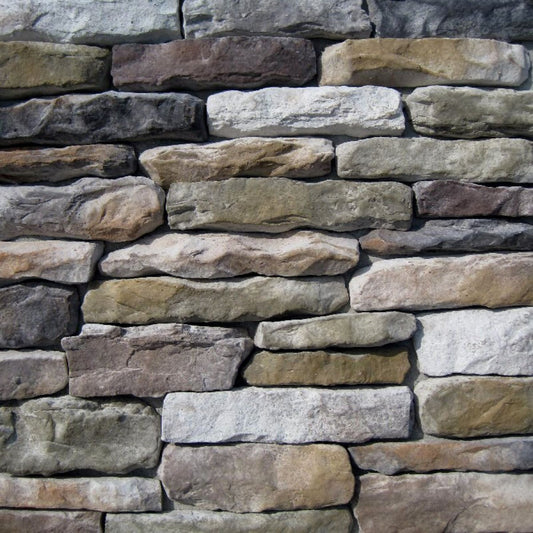
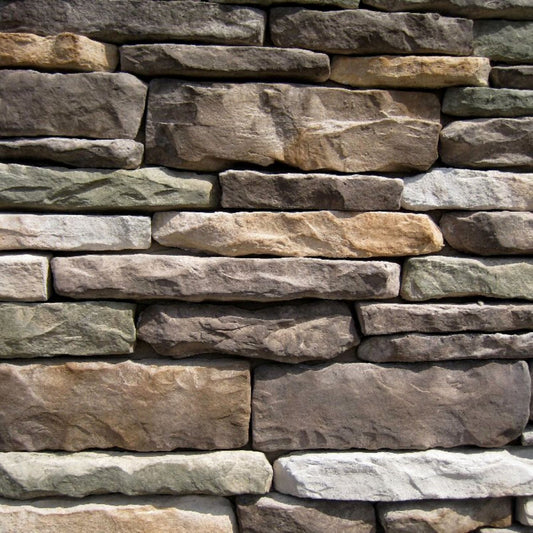
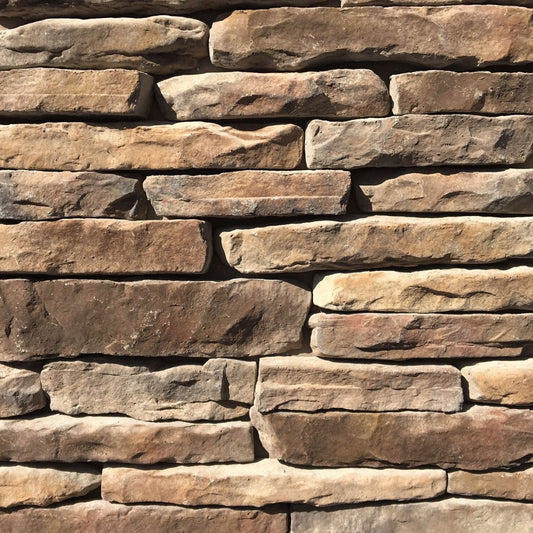
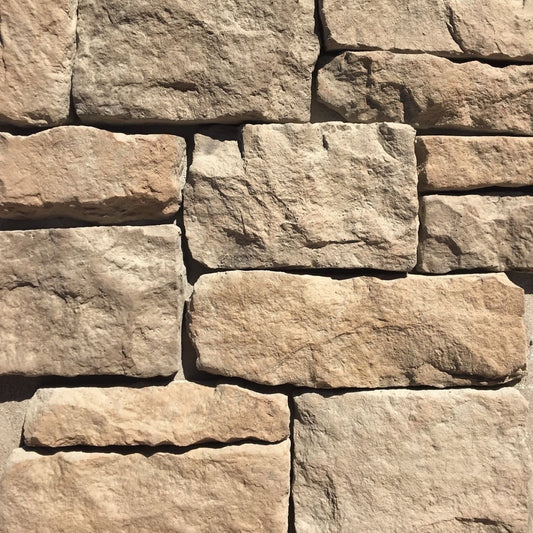
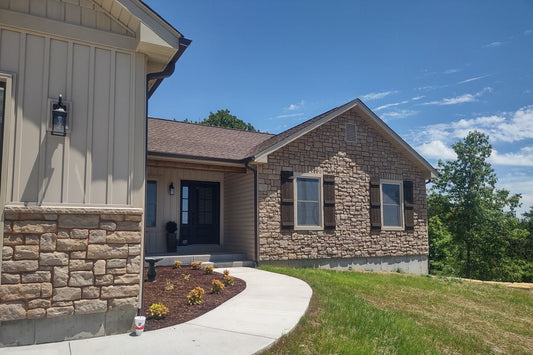
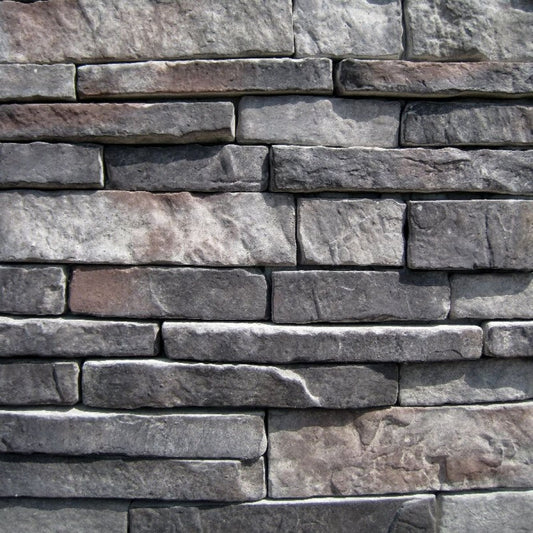
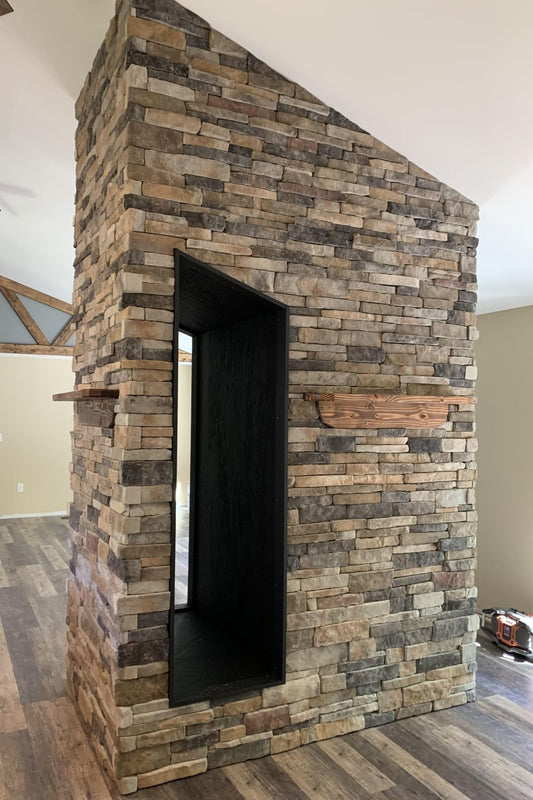
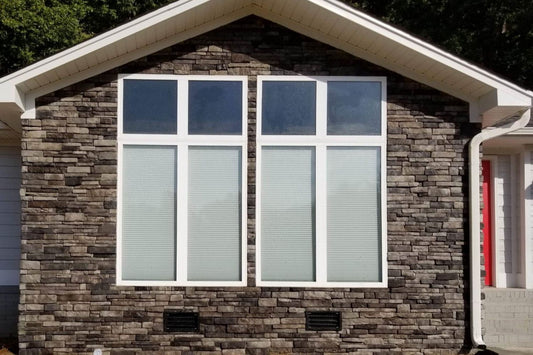
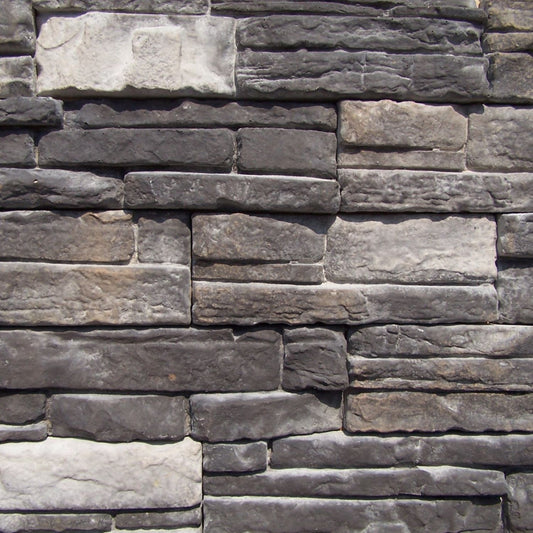
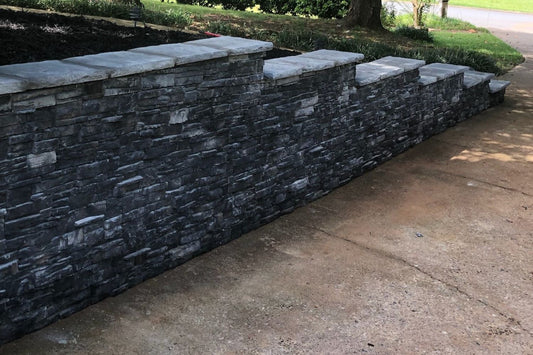
Dry stacked stone veneer is installed without visible grout lines, creating a tight, seamless appearance. The stones are carefully fitted together so that they appear to interlock naturally, resulting in a clean and modern finish that has become increasingly popular in contemporary design.
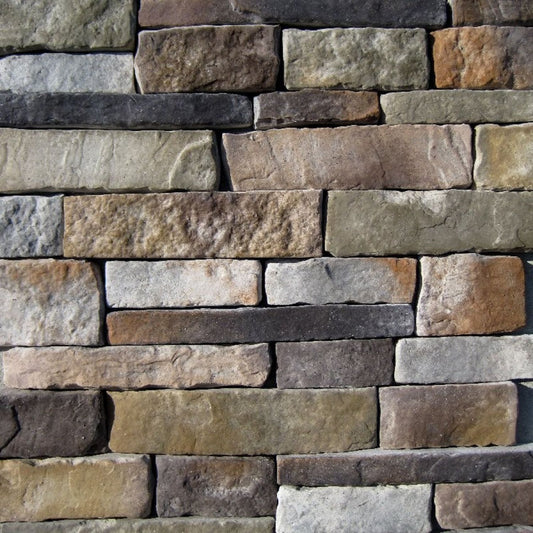
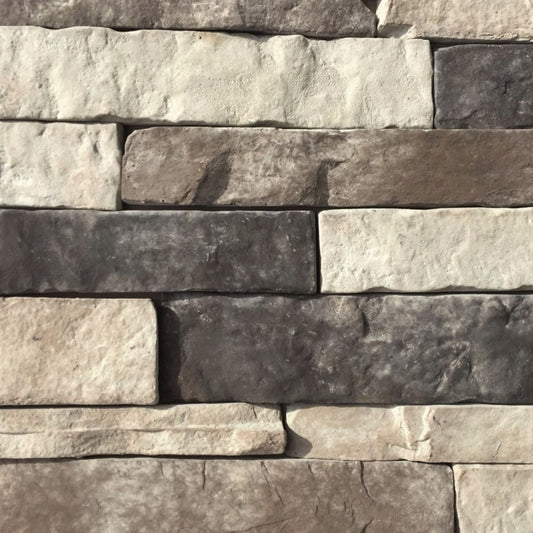
This method is commonly used with limestone and stacked stone profiles, which are manufactured with consistent dimensions to allow for a precise fit. The absence of grout shifts the focus entirely to the texture and color of the stone, giving the surface a refined and cohesive look.
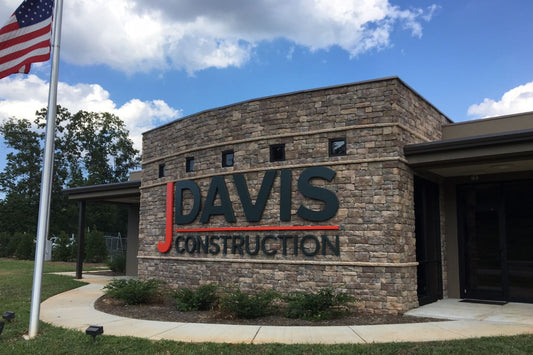
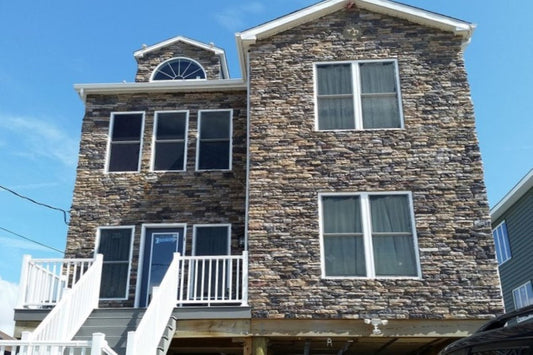
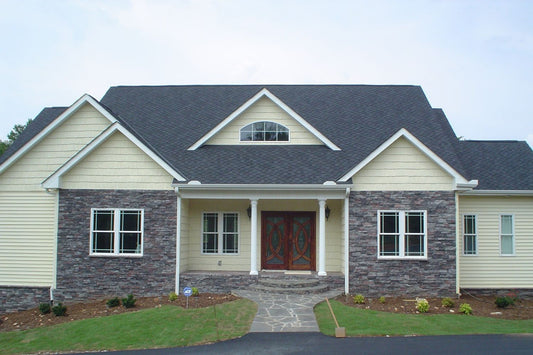
Dry stacked installations are often preferred for interior accent walls, fireplaces, and modern exterior facades where a sleek aesthetic is desired. Because there are no visible joints, the finished surface tends to feel more streamlined and architectural.
Another advantage of dry stacking is the simplified installation process. Without the need to apply and finish grout, the project can often be completed more quickly. Maintenance is also reduced, as there are no mortar joints that may need cleaning or repair over time.
However, this method requires a higher level of precision during installation. Each stone must be placed carefully to ensure a tight fit, and the substrate must be properly prepared to provide strong adhesion. In some cases, additional fastening methods or high-performance mortars may be needed to ensure long-term stability. For a full breakdown of techniques, tools, and step-by-step instructions, see our guide on how to install manufactured stone veneer.
Key differences between grouted and dry stacked installations
The visual difference between grouted and dry stacked stone veneer is immediately noticeable. Grouted installations emphasize the individuality of each stone through visible joints, creating a more traditional and textured appearance. Dry stacked installations, by contrast, create a continuous surface that feels more modern and minimal.
Performance considerations also vary between the two methods. Grouted stone veneer tends to offer added stability because the mortar helps lock the stones together. This can be especially beneficial in exterior applications or areas exposed to moisture and temperature fluctuations. Dry stacked stone relies more heavily on proper adhesion and installation technique, making preparation and execution critical.
The choice between these methods also affects maintenance. Grouted installations may require occasional upkeep to maintain the appearance of the mortar joints, while dry stacked surfaces generally require less ongoing maintenance but demand greater precision upfront.
How to choose the right installation method
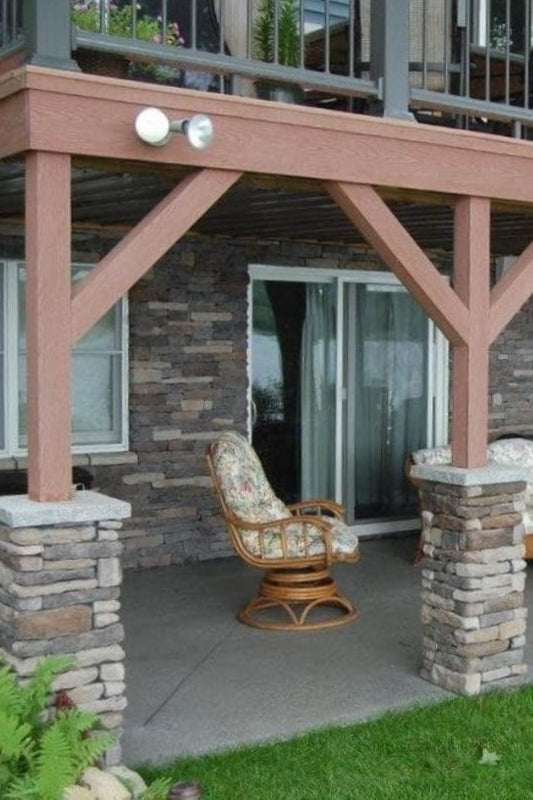
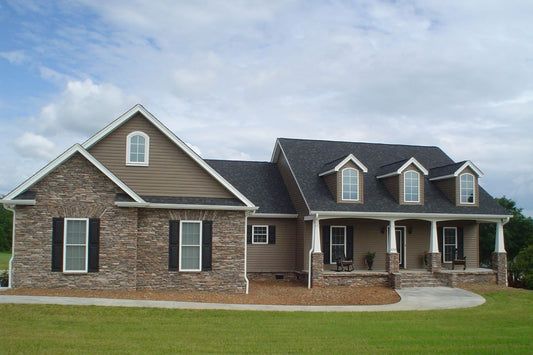
Choosing between grouted and dry stacked manufactured stone veneer comes down to your design goals, the specific product you are using, and the conditions of your installation area. If you are aiming for a classic, rustic, or old-world look, a grouted installation will likely provide the character and depth you are looking for. It is particularly well-suited for traditional homes, outdoor applications, and surfaces where a more robust installation is desired.
If your goal is a sleek, modern aesthetic, dry stacking is often the better choice. It works especially well in contemporary interiors and as a feature element in minimalist designs. The clean lines and seamless appearance can make a dramatic impact, particularly when paired with complementary materials like wood or metal.
Environmental factors should also be considered. Areas exposed to moisture, freeze-thaw cycles, or heavy use may benefit from the added durability of a grouted system. On the other hand, interior applications with controlled conditions can take full advantage of the visual appeal of dry stacked stone.
Ultimately, the best approach is to select a method that aligns with both your design vision and the practical requirements of your project.
Does stone veneer need grout?
Manufactured stone veneer does not always require grout, but the choice between grouted and dry stacked installation plays a major role in both the appearance and performance of the finished project. Grouted installations offer a timeless, traditional look with added stability and flexibility during installation, while dry stacked stone delivers a clean, modern aesthetic with fewer visible joints and reduced maintenance.
By understanding the strengths of each method and considering your specific project needs, you can confidently choose the right approach for your space. With proper installation and thoughtful design, manufactured stone veneer can transform any surface into a durable and visually striking feature.
From Mountain View Stone: what you should know
At Mountain View Stone, whether or not you use grout should always be determined by the stone profile, the desired finished look, and the installation environment. Some profiles are specifically engineered for dry stacking and should not be forced into a grouted application, while others rely on mortar joints for both appearance and performance. Proper installation is key in either case, including a well-prepared substrate, the right mortar, and adherence to manufacturer guidelines and local building codes. Taking the time to match the installation method to the product and project conditions will ensure a durable, professional-looking result that performs as well as it looks.
Frequently asked questions
1. Does manufactured stone veneer always need grout? No, manufactured stone veneer can be installed with or without grout depending on the style and desired finished appearance.
2. What types of stone veneer use grout? Stone styles like fieldstone, river rock, and other irregular profiles typically use grout to create a traditional masonry look.
3. What is dry stacked stone veneer? Dry stacked stone veneer is installed without visible mortar joints, creating a tight, seamless appearance often used in modern designs.
4. Is dry stacked stone veneer durable? Yes, when properly installed with strong adhesion and a suitable substrate, dry stacked stone veneer is durable and long-lasting.
5. Which is better: grouted or dry stacked stone veneer? Neither is universally better. Grouted installations offer a classic look and added stability, while dry stacked installations provide a clean, modern aesthetic.
6. Is grouted stone veneer better for outdoor use? Grouted stone veneer can offer added protection against moisture and temperature changes, making it a strong choice for many exterior applications.
What's next?
Need help selecting the right stone veneer for your project? Shop now or order a sample to see the styles in person!
Have a question?
Please see our full terms of service or check out our frequently asked questions.
For general information and questions please call: (864) 882-8960 Mon. - Fri. 8am - 5pm (EST) or email: info@mountainviewstone.net we are more than happy to help you.
Or you can submit your questions via our contact us page.
We look forward to working with you on your upcoming project.
The Mountain View Stone Team
Pictured is lime stone white oak.