
Stone Veneer vs. Natural Stone Siding: What’s the Difference and Which is Better?
Share
Originally posted July 17, 2023, updated January 9, 2026.
Stone veneer is a manufactured, lightweight alternative to natural stone that mimics its appearance while offering easier installation and lower cost. Natural stone is quarried from the earth, providing unmatched authenticity and long-term durability but requiring higher investment and structural support.
Choosing the right stone siding or feature material can define not only the appearance of your project but also how it performs over time. For a detailed breakdown of options and considerations, see our guide on comparing manufactured stone veneer.
Stone has long been associated with durability, craftsmanship, and timeless design, making it one of the most sought-after materials for both interior and exterior applications. Whether you are planning a full exterior facade, upgrading a fireplace, or creating a statement accent wall, the type of stone you choose will influence everything from installation complexity to long-term maintenance.
For most homeowners and builders, the decision comes down to stone veneer versus natural stone. At a glance, both options can achieve a similar high-end look, offering rich textures, natural color variation, and strong visual impact. However, beneath the surface, they are fundamentally different materials. They vary in how they are made, how they are installed, how much they cost, and how they perform in different environments.
These differences can have a significant impact on your project. Factors such as structural requirements, climate exposure, budget constraints, and design flexibility all play a role in determining which option is the better fit. What works well for a large exterior application may not be ideal for an interior feature, and a material that fits one budget may not align with another.
Understanding these distinctions is essential before making a final decision. By comparing stone veneer and natural stone in terms of composition, installation, durability, and overall value, you can choose a solution that not only looks right but also performs well for years to come.
What is manufactured stone veneer?
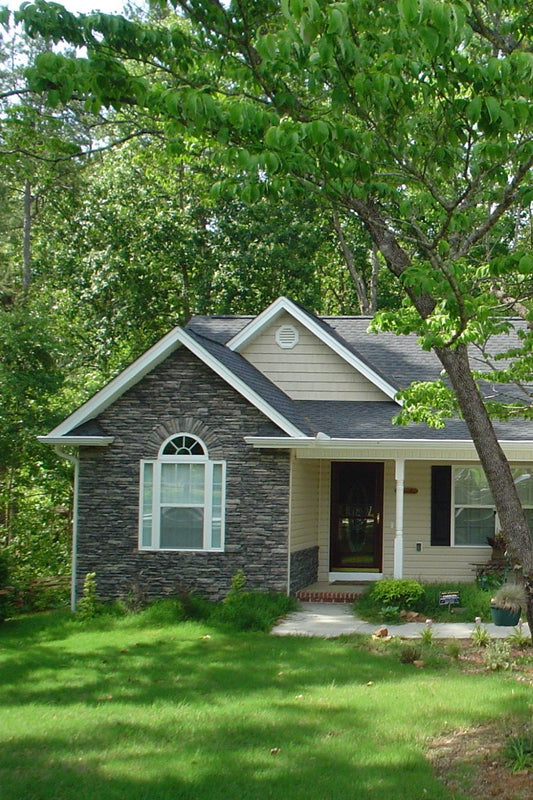
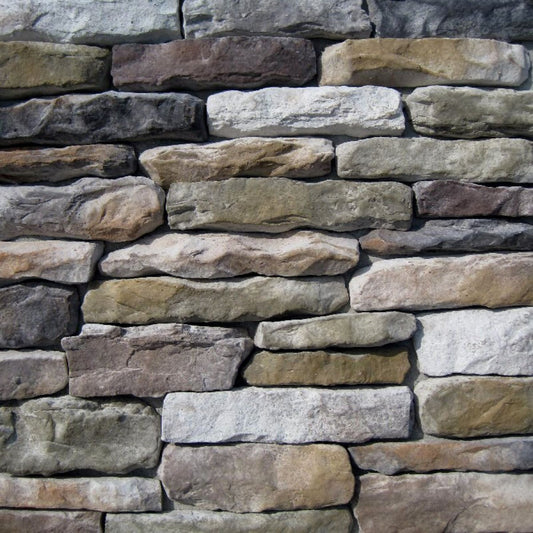
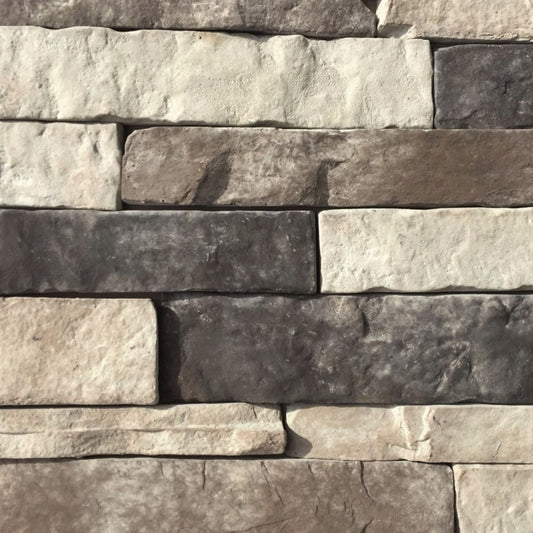
Manufactured stone veneer is an engineered building material designed to replicate the look and texture of natural stone. It is made using a blend of lightweight aggregates, Portland cement, and mineral oxide pigments. These materials are cast into molds created from real stone, allowing the finished product to capture realistic textures, depth, and natural variation. For a more detailed look at manufactured stone veneer composition, dimensions, weight, coverage, and other technical product details, see our stone veneer specifications guide.
Because it is manufactured, stone veneer offers greater control over color consistency and shape. This results in a more predictable installation process and a uniform finished appearance. At the same time, modern manufacturing techniques have made it increasingly difficult to distinguish high-quality stone veneer from natural stone once installed.
One of its defining characteristics is its lightweight composition. Unlike full-depth natural stone, veneer does not require additional structural support, making it suitable for a wide range of interior and exterior applications.
What is natural stone?
Natural stone is quarried directly from the earth and cut into usable pieces for construction and design. Each piece is entirely unique, shaped by geological processes over time. This results in a material with unmatched authenticity, natural variation, and organic beauty.
Because it is a full-depth material, natural stone is significantly heavier than manufactured alternatives. This weight contributes to its durability but also requires more complex installation methods and structural considerations.
Natural stone has been used in construction for centuries and is known for its longevity. When properly installed and maintained, it can last for generations while developing a natural patina that enhances its character over time.
Key differences between stone veneer and natural stone
The most fundamental difference lies in how the materials are made. Manufactured stone veneer is engineered to replicate natural stone, while natural stone is the original material formed in nature. This distinction influences everything from cost and installation to performance and appearance.
Weight is one of the most noticeable differences. Stone veneer is significantly lighter, which simplifies installation and expands the range of surfaces it can be applied to. Natural stone’s weight, while contributing to its durability, requires reinforced support and more labor-intensive installation.
Cost is another major factor. Manufactured stone veneer is generally more affordable due to lower material, transportation, and labor costs. Natural stone tends to be more expensive because of quarrying, cutting, and the specialized installation required.
Consistency also varies between the two. Stone veneer offers controlled sizing, shape, and color, making it easier to achieve a specific design outcome. Natural stone, on the other hand, features greater variation, which can create a more organic and unique appearance.
Installation and structural considerations
Installation is often where the differences between these materials become most apparent. Manufactured stone veneer is designed for efficiency and flexibility. Its lighter weight allows it to be installed on a variety of surfaces without the need for additional footings or structural reinforcement. This makes it a practical choice for renovations, interior applications, and projects with tight timelines.
Natural stone installation is more complex. Because of its weight and thickness, it typically requires a reinforced foundation or structural support system. Installation often involves skilled masons and longer project timelines, which can increase overall costs.
For many homeowners and builders, the ease of installation associated with stone veneer is a deciding factor, particularly when working within budget or structural limitations.
Durability and long-term performance
Both materials are durable, but they perform differently over time. Natural stone is widely regarded as one of the most durable building materials available. It can withstand extreme weather conditions, including freeze-thaw cycles, heat, and moisture, with minimal impact on its structural integrity.
Manufactured stone veneer is also engineered for durability. High-quality products are designed to resist weather exposure, UV rays, and temperature fluctuations. While it may not match the generational lifespan of full-depth natural stone, it still offers long-term performance suitable for most residential and commercial applications.
Maintenance requirements also differ. Stone veneer generally requires minimal upkeep, typically limited to occasional cleaning and inspection. Natural stone may require more attention over time, including sealing and periodic maintenance to preserve its appearance.
Design flexibility and aesthetic options
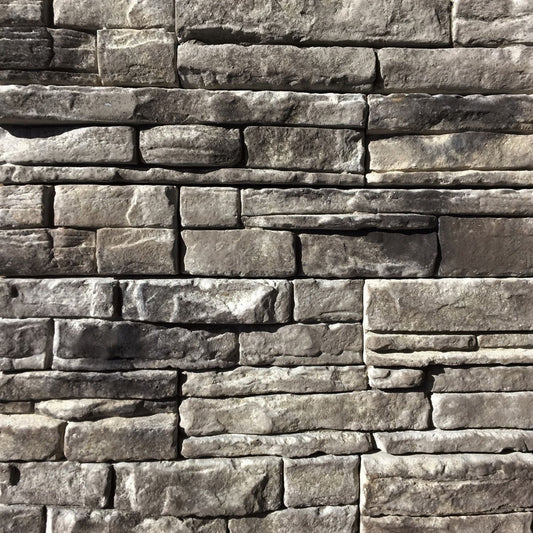
Design versatility is one of the strongest advantages of manufactured stone veneer. Because it is produced in controlled conditions, it is available in a wide range of colors, textures, and profiles. This allows for greater customization and the ability to match specific design visions.
Natural stone offers a different kind of appeal. Its beauty comes from its unpredictability. No two pieces are exactly alike, and this variation creates a one-of-a-kind look that cannot be fully replicated. For those seeking a truly organic and traditional aesthetic, natural stone remains unmatched.
The choice between the two often comes down to whether you prefer controlled consistency or natural variation.
Cost comparison and overall value
Budget plays a significant role in the decision-making process. Manufactured stone veneer is typically more cost-effective, not only in terms of material price but also installation and transportation. Its lighter weight reduces shipping costs, and its ease of installation lowers labor expenses.
Natural stone represents a higher upfront investment. However, its longevity and perceived value can make it worthwhile for certain projects, particularly those focused on long-term durability or high-end architectural appeal.
From a return-on-investment perspective, both materials can enhance curb appeal and property value. Stone veneer provides an accessible way to achieve a premium look, while natural stone offers a higher-end finish with lasting impact.
Stone veneer vs. faux stone panels
Another comparison that often arises is between manufactured stone veneer and faux stone panels. While both aim to replicate the look of real stone, they are fundamentally different products.
Faux stone panels are typically made from lightweight materials such as polyurethane or composite plastics. They are designed for quick installation and are often used for decorative purposes. However, they generally lack the depth, texture, and durability of manufactured stone veneer.
Manufactured stone veneer, being cement-based and molded from real stone textures, offers a more realistic appearance and better long-term performance. For projects where authenticity and durability are priorities, it is usually the preferred choice.
Stone veneer vs. natural stone siding
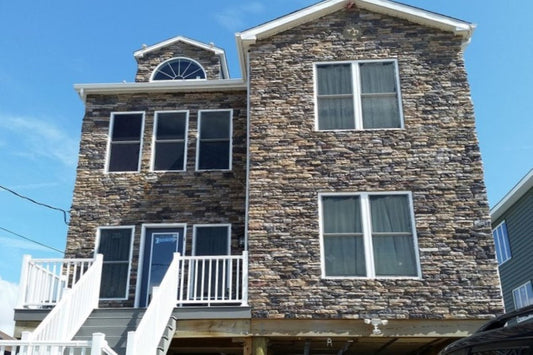
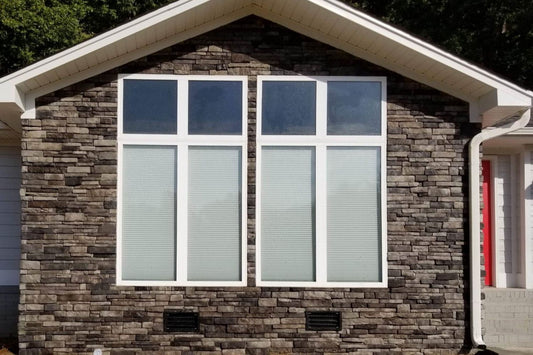
Selecting between stone veneer and natural stone depends on a combination of design preferences, budget, and practical considerations. If you are looking for a lightweight, cost-effective solution that delivers a realistic stone appearance with easier installation, manufactured stone veneer is often the best fit.
If your priority is authenticity, long-term durability, and a truly unique appearance, natural stone may be the better choice, provided your budget and structure can support it.
Both materials have their place in modern design, and each can create stunning results when chosen and installed correctly.
From Mountain View Stone: what you should know
At Mountain View Stone, we want homeowners to understand that while both stone veneer and natural stone can create stunning results, they serve different needs. Stone veneer offers a lightweight, cost-effective alternative that delivers the authentic look of natural stone with easier installation and minimal structural requirements. It provides consistent color, texture, and shape, making it ideal for interior and exterior projects where efficiency and design control matter. Natural stone, on the other hand, delivers unmatched authenticity, durability, and a unique, one-of-a-kind appearance, though it requires greater investment and structural support. By understanding these distinctions, you can select the right material to achieve the aesthetic, performance, and value goals for your project, ensuring a finish that is both beautiful and lasting.
Frequently asked questions
1. What is the main difference between stone veneer and natural stone siding? The main difference is how the materials are made. Stone veneer is a manufactured product designed to replicate the look of natural stone, while natural stone siding is quarried directly from the earth. Stone veneer is lighter, more affordable, and easier to install, whereas natural stone offers unmatched authenticity and long-term durability.
2. Is stone veneer cheaper than natural stone siding? Yes, stone veneer is typically more cost-effective than natural stone siding. Lower material costs, reduced transportation expenses, and easier installation make stone veneer a popular option for homeowners looking to achieve a stone look on a budget.
3. Does stone veneer look like real stone? High-quality stone veneer closely mimics the appearance of natural stone. It is molded from real stone textures and offers consistent color and shape, making it difficult to distinguish from natural stone once installed, especially from a distance.
4. Which option is more durable: stone veneer or natural stone? Natural stone is generally more durable and can last for generations when properly installed and maintained. Stone veneer is also durable and weather-resistant, but it typically has a shorter lifespan compared to full-depth natural stone siding. That being said, some manufactured stone veneers come with 50-year (or more) warranties.
5. Is stone veneer easier to install than natural stone? Yes, stone veneer is much easier to install. Its lightweight construction allows it to be applied to a wider range of surfaces without additional structural support. Natural stone is heavier and often requires reinforced foundations and specialized installation.
6. How much maintenance do stone veneer and natural stone require? Stone veneer requires minimal maintenance, usually just occasional cleaning and inspections. Natural stone siding requires more upkeep, including sealing, cleaning, and potential repairs over time to preserve its appearance and durability.
7. Which is better for resale value: stone veneer or natural stone? Both can enhance curb appeal and home value, but natural stone often carries a higher perceived value due to its authenticity and longevity. Stone veneer still offers an excellent return on investment by improving appearance at a lower upfront cost.
What's next?
Elevate your project with our exquisite stone veneer! Shop now to browse our collections or order a sample to experience the quality firsthand!
Have a question?
Please see our full terms of service or check out our frequently asked questions.
For general information and questions please call: (864) 882-8960 Mon. - Fri. 8am - 5pm (EST) or email: info@mountainviewstone.net we are more than happy to help you.
Or you can submit your questions via our contact us page.
We look forward to working with you on your upcoming project.
The Mountain View Stone Team
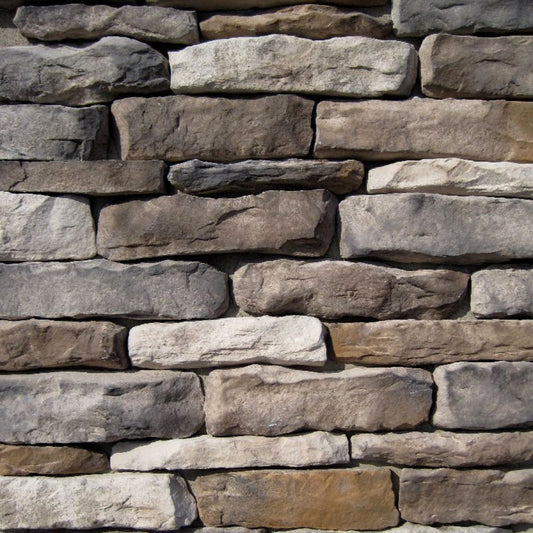
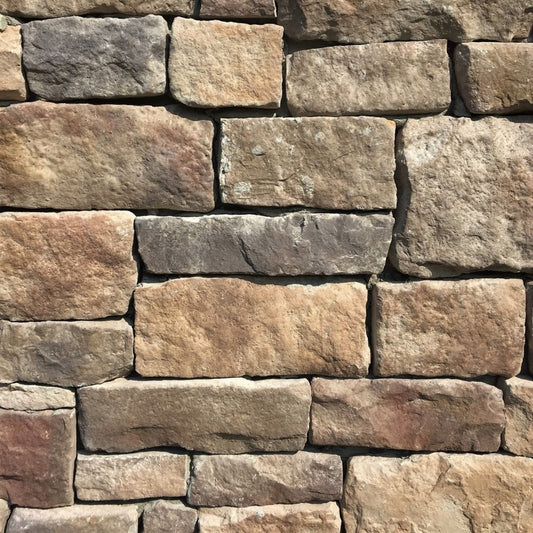
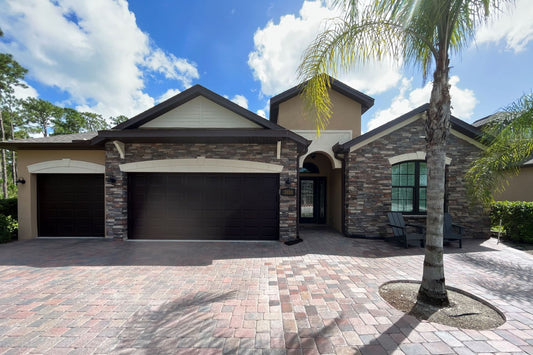
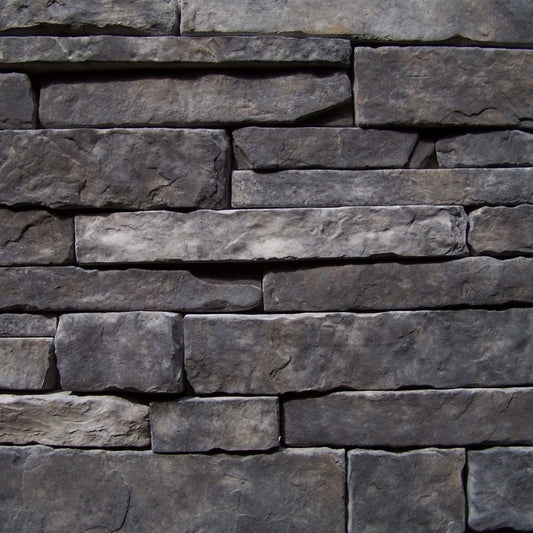
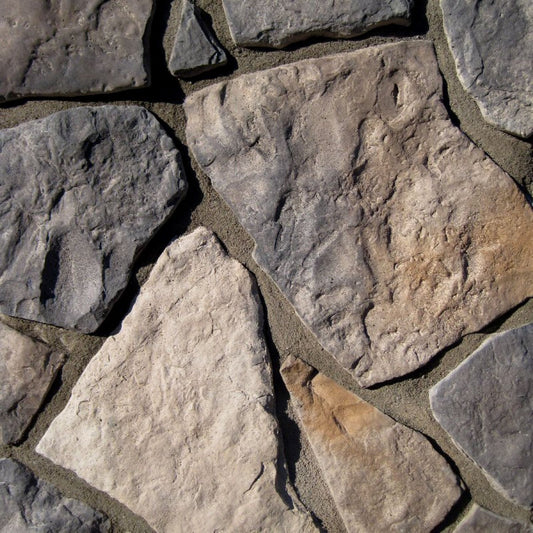
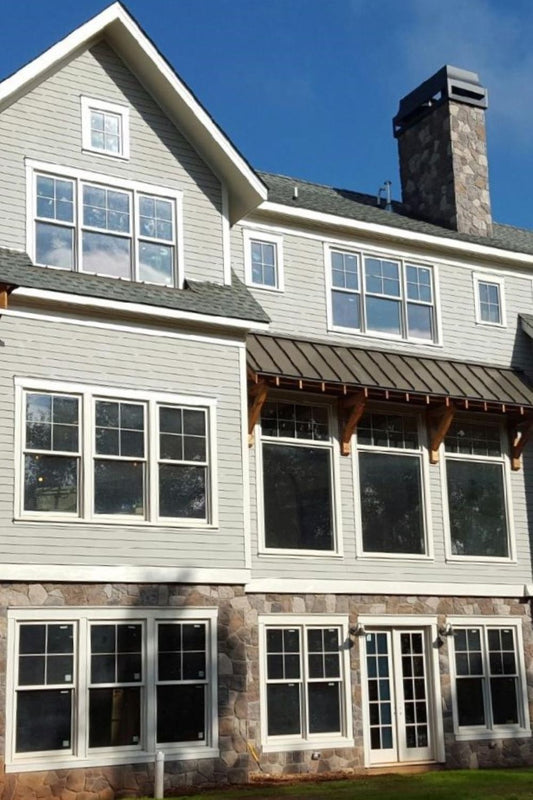
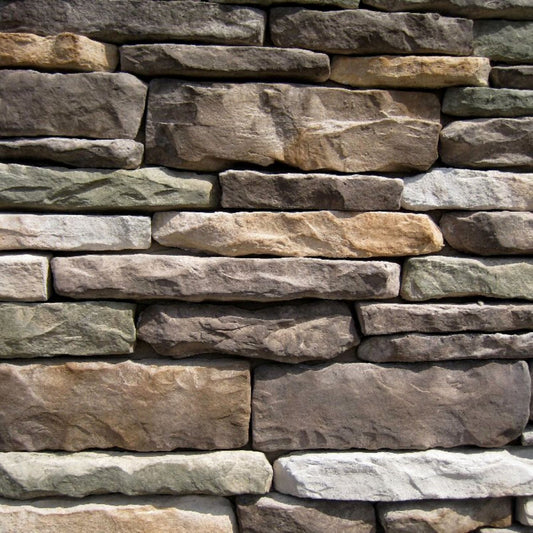
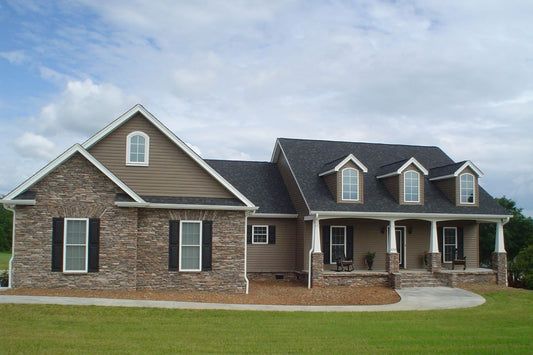
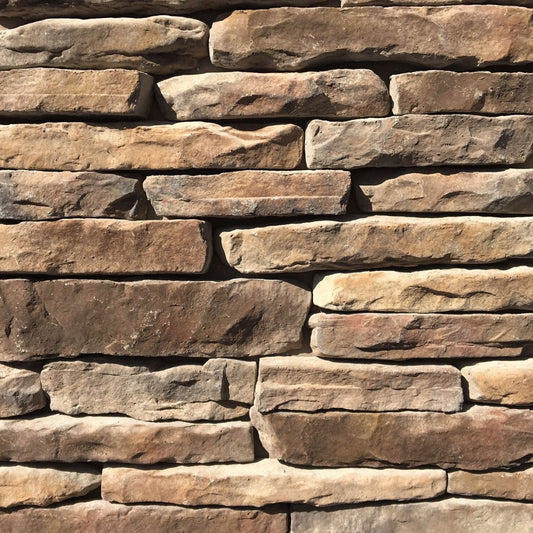
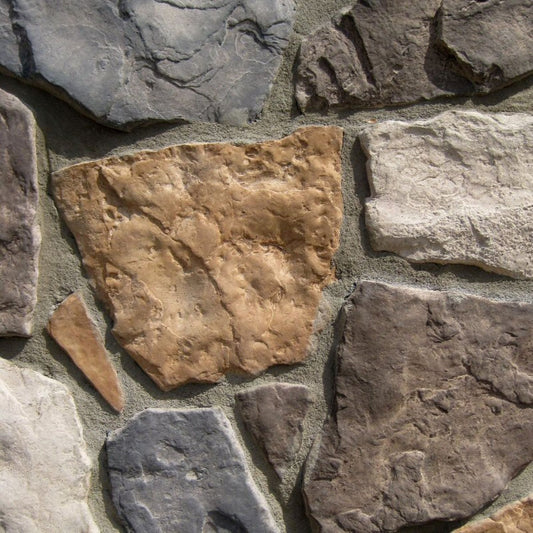
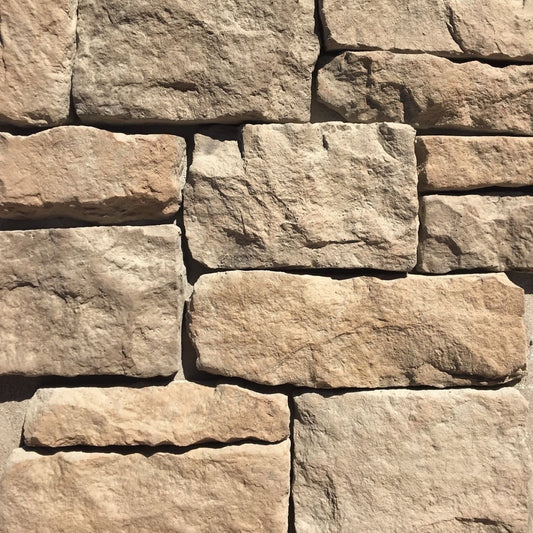
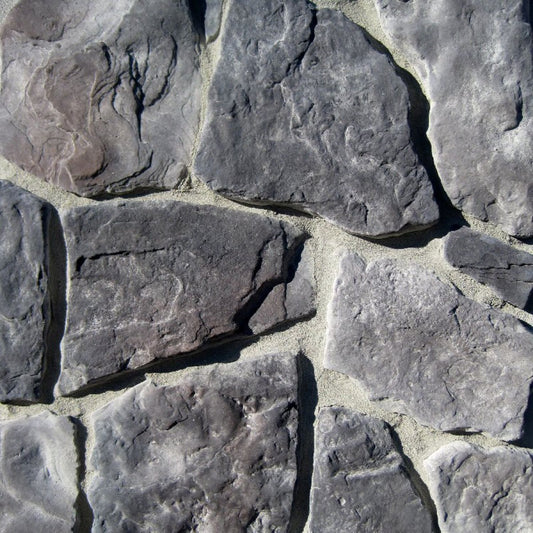
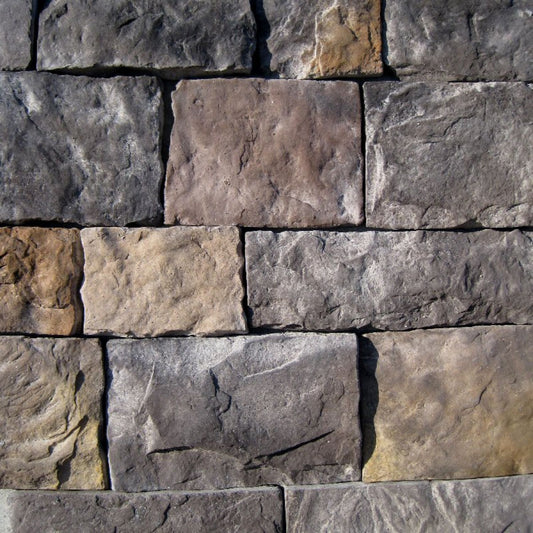
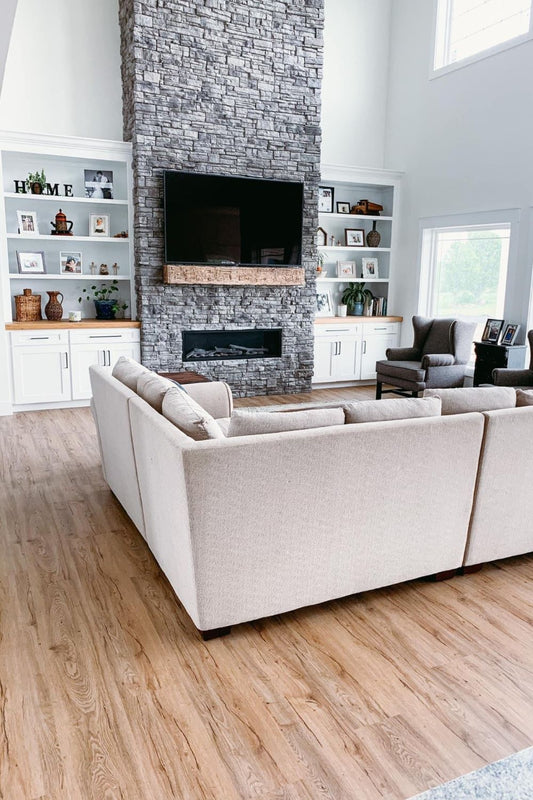
Pictured is field stone kona.