
Manufactured Stone Veneer vs. Fiber Cement Siding: Which is Better?
Share
Manufactured stone veneer and fiber cement siding are both durable exterior cladding options, but they serve different purposes. Stone veneer provides the authentic appearance and texture of masonry, while fiber cement siding offers a practical, low-maintenance siding solution for covering large wall areas. Many homes use both materials together to combine the character of stone with the versatility of siding.
Choosing an exterior finish is an important decision when building or renovating a home. The material you select affects the appearance of the house, long-term maintenance, installation requirements, durability, and overall curb appeal. Two popular options are manufactured stone veneer and fiber cement siding. If you're considering manufactured stone veneer for your project, our complete guide comparing manufactured stone veneer, provides a deeper look at the benefits, features, and considerations to keep in mind before choosing your exterior finish.
Although these materials are sometimes compared as alternatives, they are not exactly the same type of product. Fiber cement siding is primarily a siding system designed to cover large exterior wall areas, while manufactured stone veneer is a masonry-style cladding designed to provide the appearance of natural stone.
Understanding the differences between manufactured stone veneer and fiber cement siding can help homeowners, builders, architects, and designers determine which material makes the most sense for a particular project. In many cases, the best solution is not choosing one over the other but combining the two.
What is Manufactured Stone Veneer?
Manufactured stone veneer is a lightweight masonry product designed to replicate the appearance of natural stone. It is manufactured using cement, lightweight aggregates, and mineral-based pigments to create individual stones with realistic colors, textures, shapes, and surface variation.
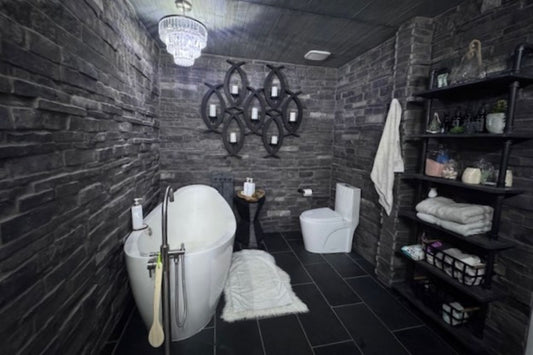
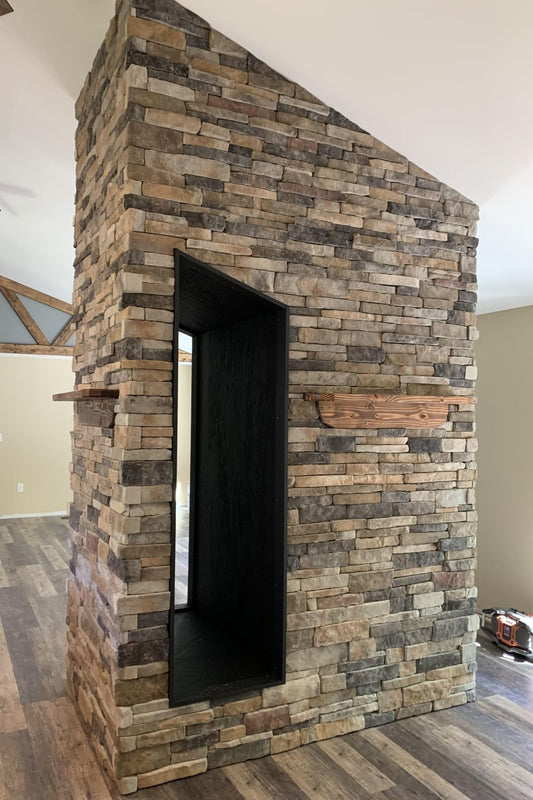
Unlike full-depth natural stone, manufactured stone veneer is significantly lighter and generally requires less structural support. It can be used on exterior walls, foundations, columns, entryways, fireplaces, accent walls, and other vertical surfaces when installed over an appropriate substrate.
One of the biggest advantages of manufactured stone veneer is its ability to create a genuine masonry appearance without the weight and expense associated with full-depth natural stone. Individual stones can also be arranged in different patterns and combinations, allowing the finished installation to complement a wide range of architectural styles.
What is Fiber Cement Siding?
Fiber cement siding is a composite siding material made primarily from cement, cellulose fibers, sand, and other ingredients. It is manufactured in a variety of forms, including horizontal lap siding, vertical panels, shingles, and trim products.
Fiber cement is popular because it provides a durable alternative to traditional wood siding while requiring less maintenance. It is available in many colors and profiles and can be manufactured to resemble painted wood siding, shingles, or other traditional exterior materials.
Because fiber cement siding is designed specifically as a siding system, it is particularly well suited to covering large areas of an exterior wall. Its relatively uniform appearance also makes it a good fit for homeowners who prefer a clean, consistent exterior.
Manufactured Stone Veneer vs. Fiber Cement Siding: Appearance
Appearance is one of the most significant differences between manufactured stone veneer and fiber cement siding.
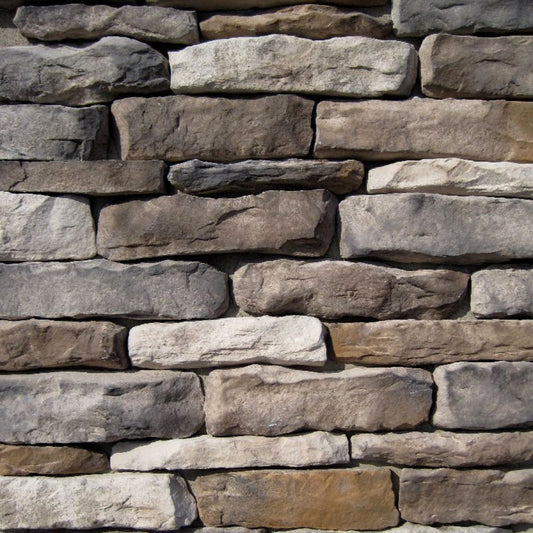
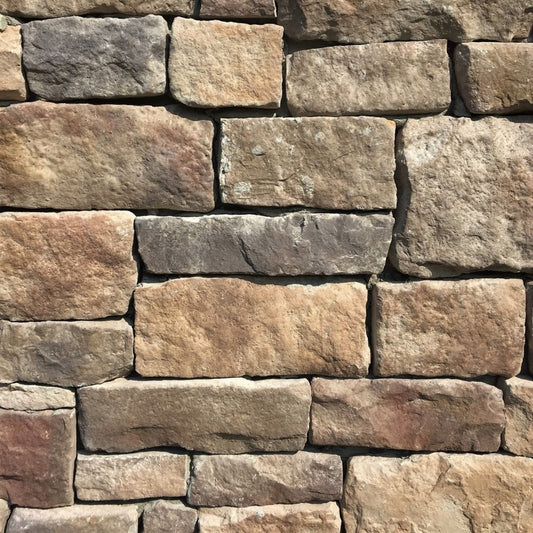
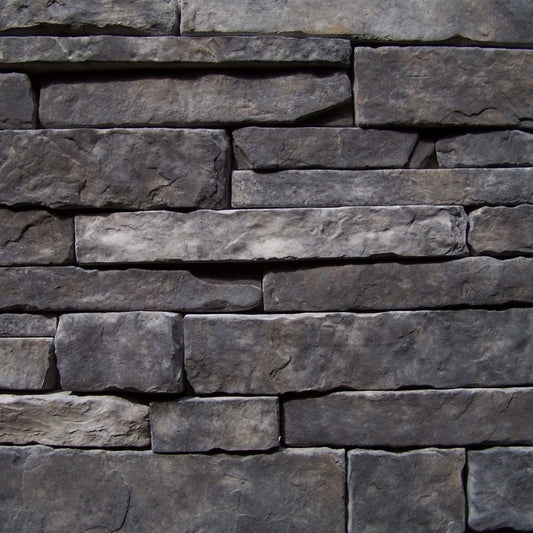
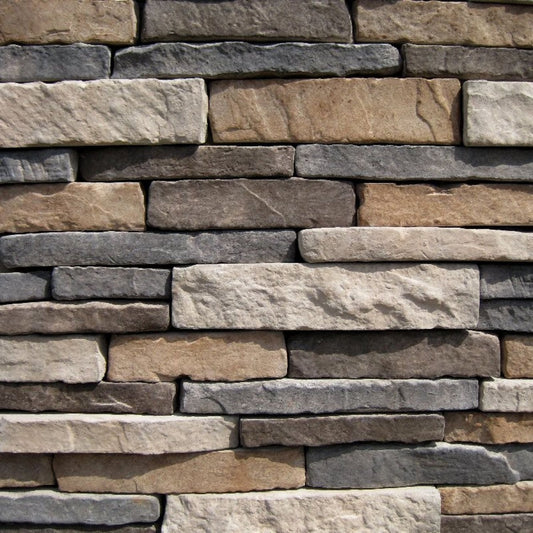
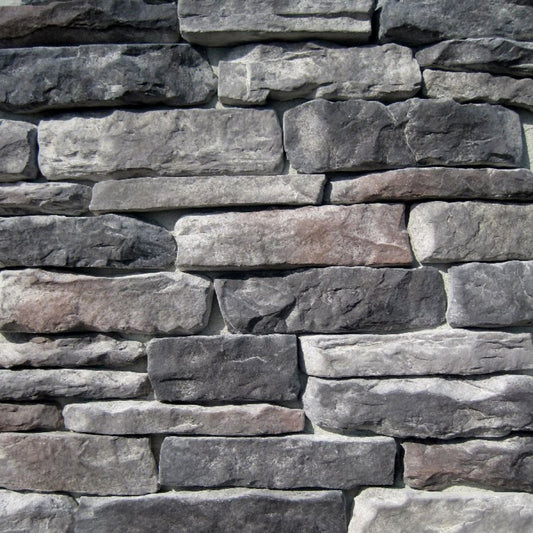
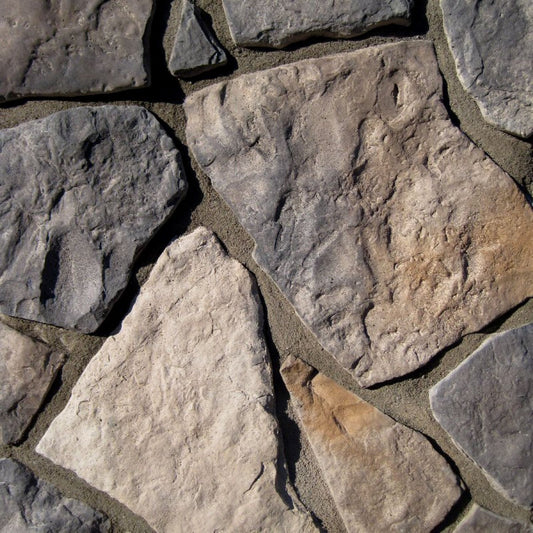
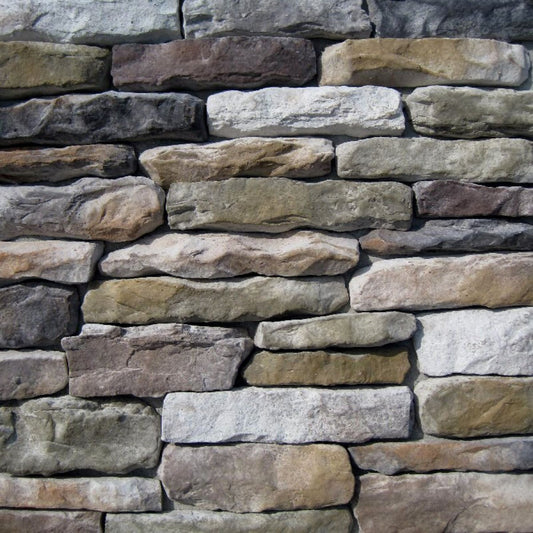
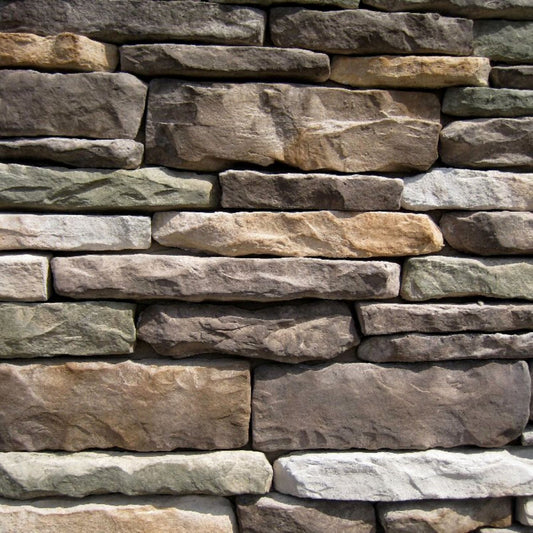
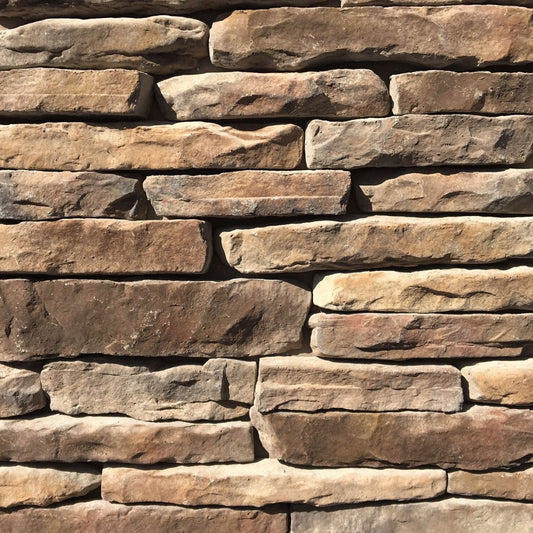
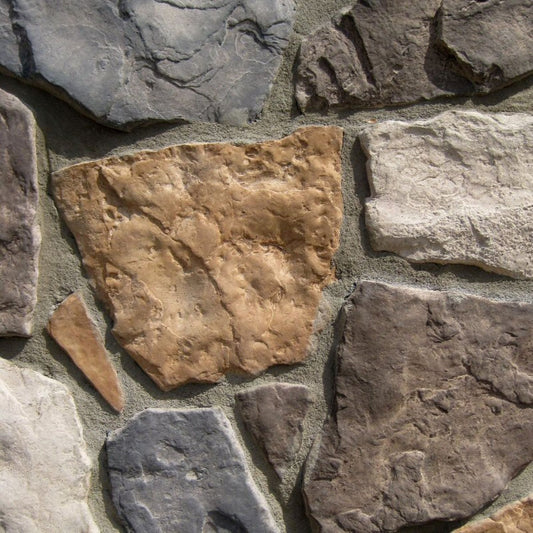
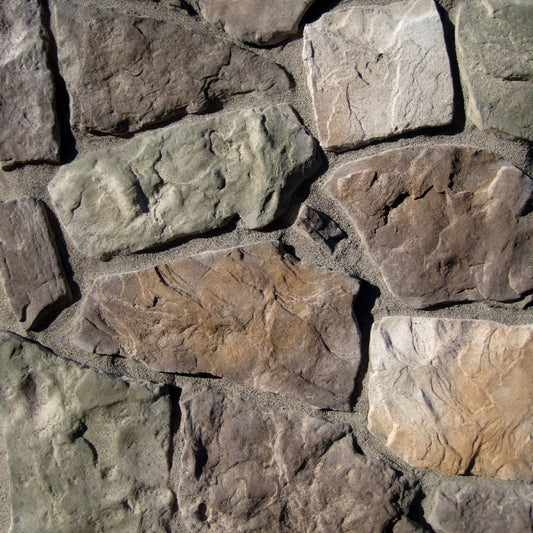
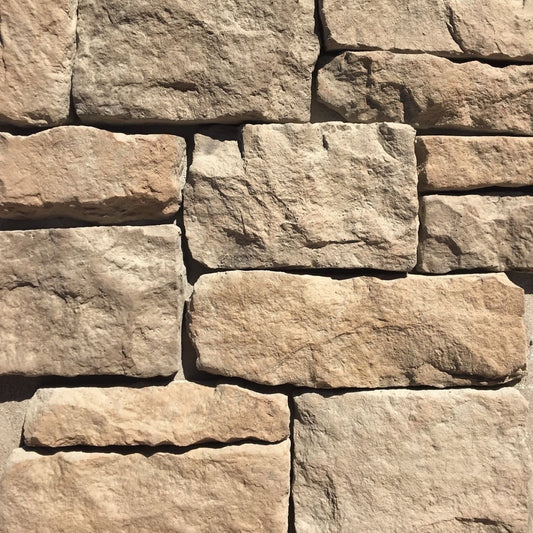
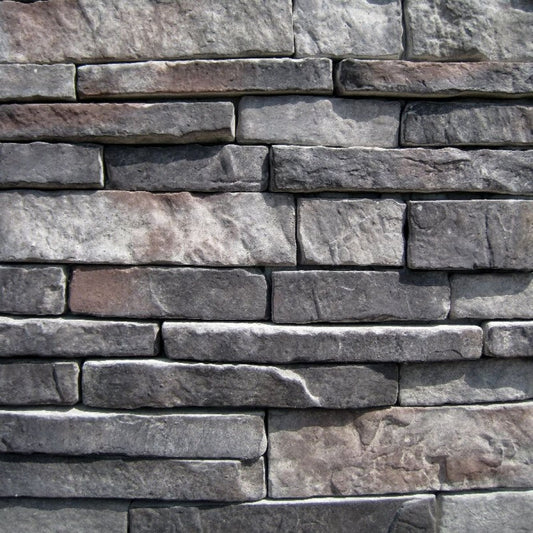
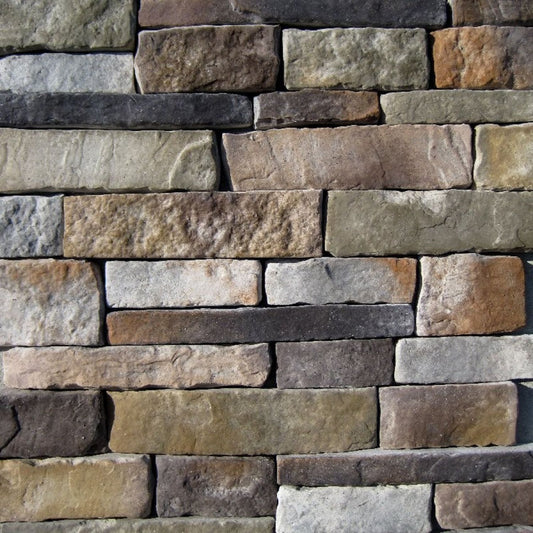
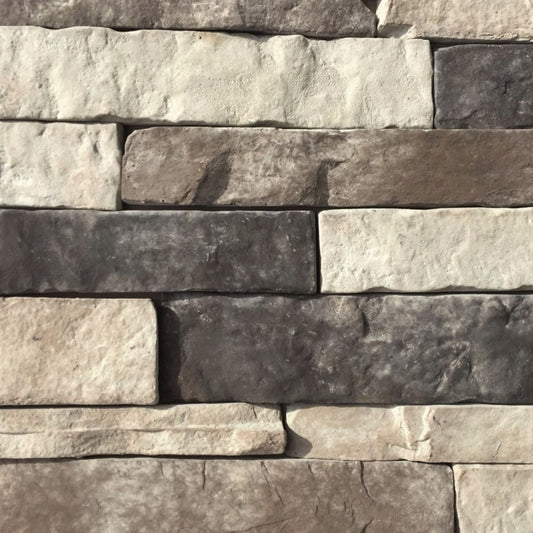
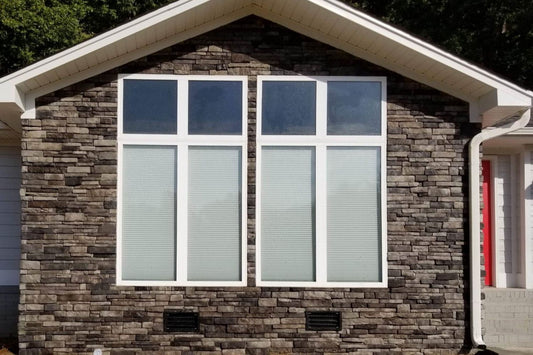
Manufactured stone veneer is intended to look like natural masonry. Individual stones have variations in size, shape, texture, and color, creating a dimensional surface that changes with natural light. Depending on the profile, manufactured stone veneer can resemble ledgestone, fieldstone, stacked stone, limestone, or other traditional masonry styles.
Fiber cement siding generally has a flatter and more uniform appearance. While some products are designed to mimic the look of wood, the finished wall typically has a consistent pattern across the surface.
For homeowners looking to create a strong architectural focal point, stone veneer offers considerably more texture and visual depth. Fiber cement, on the other hand, is often preferred when a clean, traditional siding appearance is the goal.
Durability and Weather Resistance
Both manufactured stone veneer and fiber cement siding are designed for exterior use and can provide long-lasting performance when properly installed.
Manufactured stone veneer is made from cement-based materials and is resistant to many of the problems associated with traditional wood siding. It does not rot like wood and can provide a durable masonry-style exterior when installed according to the manufacturer's requirements and applicable building codes.
Fiber cement siding is also known for its durability. It resists many common problems associated with wood siding, including rot and insect damage, and is designed to withstand normal outdoor exposure.
The important distinction is that neither material should be considered maintenance-free. Proper installation, flashing, drainage, clearances, painting or finishing requirements, and routine inspection all contribute to the long-term performance of an exterior cladding system.
Installation Differences
Manufactured stone veneer and fiber cement siding have very different installation methods.
Manufactured stone veneer is installed as a masonry veneer system. Depending on the substrate, installation may require a weather-resistant barrier, corrosion-resistant metal lath, a scratch coat, and Type S mortar. The substrate must be properly prepared before the stone is applied.
The individual nature of manufactured stone veneer also means installation involves arranging stones, managing joints, cutting pieces where necessary, and creating a visually balanced finished surface. This makes the installation more similar to masonry work than conventional siding installation.
Fiber cement siding is installed using siding-specific techniques. Individual boards or panels are fastened to the wall structure, with attention given to flashing, joints, fasteners, weather protection, and manufacturer-specific installation requirements.
Because of these differences, homeowners should not assume that installing stone veneer is simply a matter of applying a siding product to the wall. Each material requires its own installation system.
Maintenance Requirements
Maintenance is another area where manufactured stone veneer and fiber cement siding differ.
Manufactured stone veneer generally requires relatively little routine maintenance once it has been properly installed. The masonry surface does not require periodic painting in the same way painted fiber cement siding does. However, the installation should still be inspected periodically for damaged stones, mortar joint issues, cracks, drainage problems, or conditions that could allow water to enter behind the veneer.
Fiber cement siding typically requires maintenance related to its finish. Depending on the product and finish, painted surfaces may eventually require cleaning, repainting, or touch-ups. Caulking and joints may also need periodic inspection and maintenance.
The amount of maintenance required ultimately depends on the product, climate, installation quality, and exposure conditions.
Cost Considerations
Comparing the cost of manufactured stone veneer and fiber cement siding is not always straightforward because they are typically used differently.
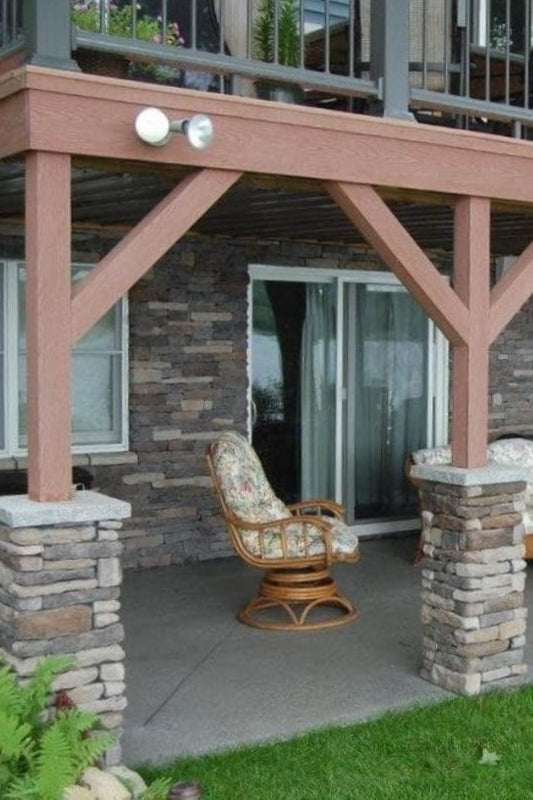
Fiber cement siding is designed to cover entire exterior walls efficiently, making it practical for large areas of a home. Manufactured stone veneer is often used selectively on portions of an exterior, such as the lower section of a facade, garage, entryway, chimney, porch columns, or architectural accent areas.
The total installed cost depends on the material, amount required, design complexity, labor, substrate preparation, accessories, and regional installation rates. Stone veneer installations can require more specialized labor because individual stones must be laid and detailed as a masonry veneer.
For this reason, comparing only the material price per square foot can be misleading. The more useful comparison is the total installed cost and the architectural value each material provides.
Which Material is Better for Curb Appeal?
If the primary goal is adding texture, character, and architectural interest, manufactured stone veneer has a significant advantage.
Stone has been used in architecture for centuries, and masonry continues to be associated with permanence and craftsmanship. Manufactured stone veneer recreates that visual character while providing a lighter alternative to full-depth natural stone.
Fiber cement siding can create excellent curb appeal as well, particularly when used to achieve a traditional painted-wood appearance. It is also available in many colors and profiles, making it easy to coordinate with roofing, trim, doors, windows, and other exterior finishes.
However, the two materials create fundamentally different visual effects. Fiber cement provides a consistent siding surface, while stone veneer creates a textured masonry focal point.
Can You Use Manufactured Stone Veneer and Fiber Cement Together?
Absolutely. In fact, combining the two materials is one of the most common and effective exterior design approaches.
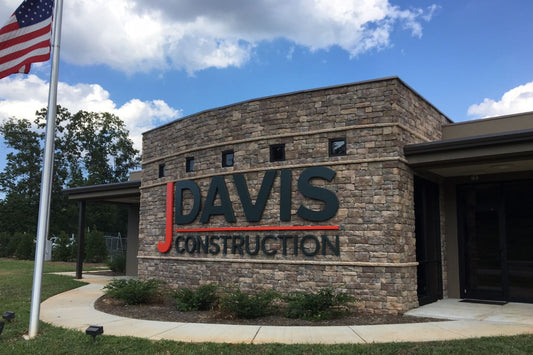
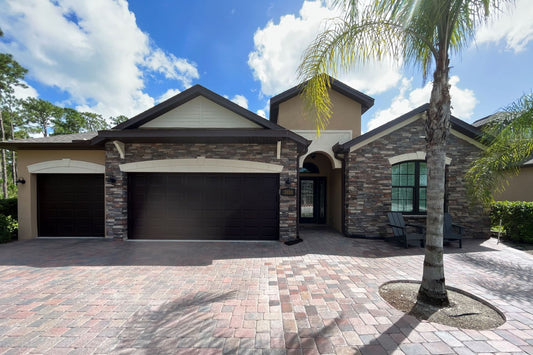
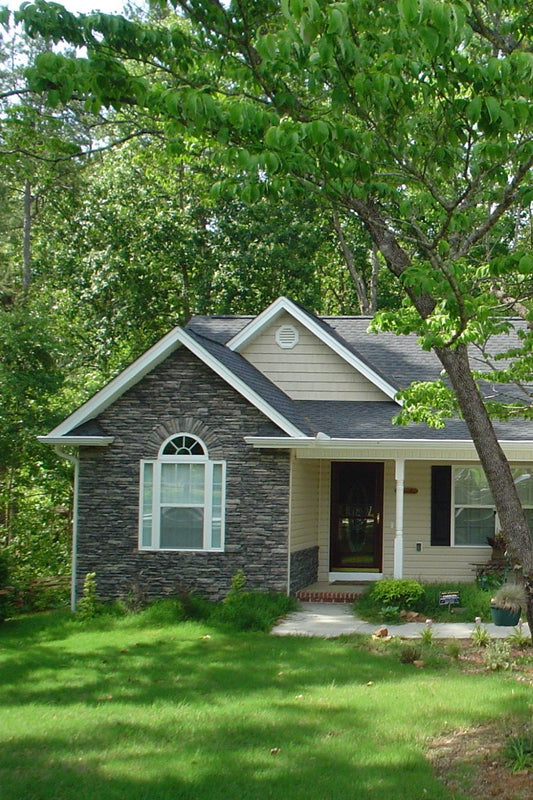
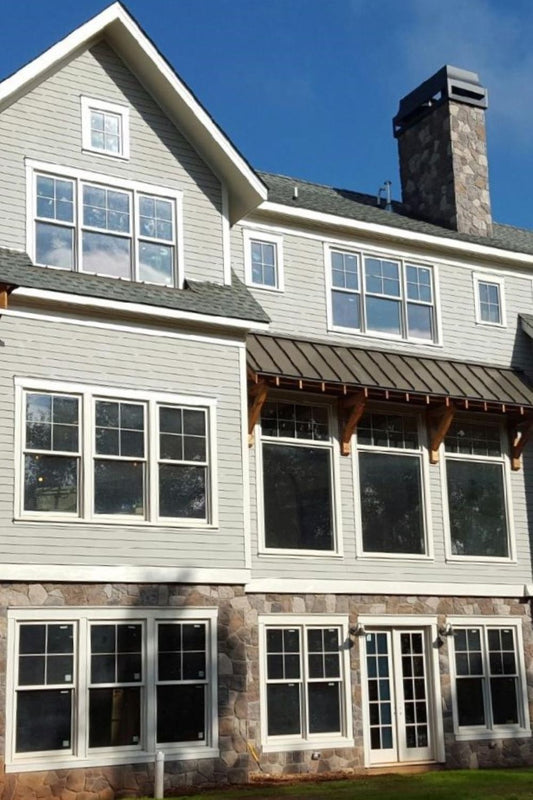
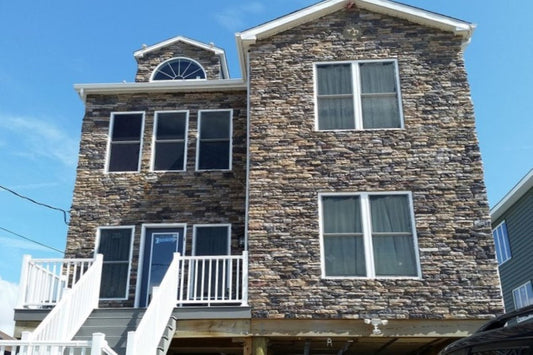
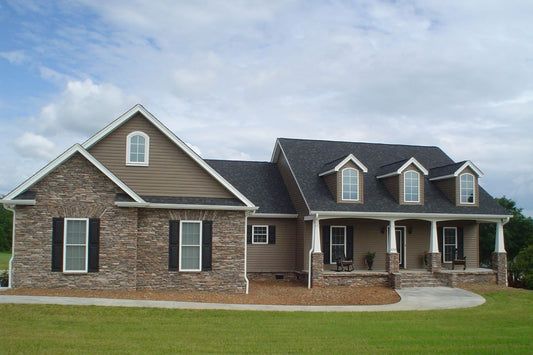
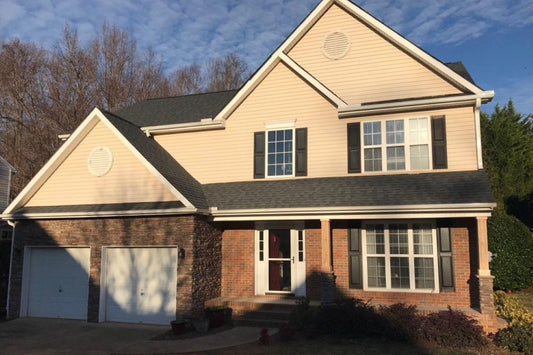
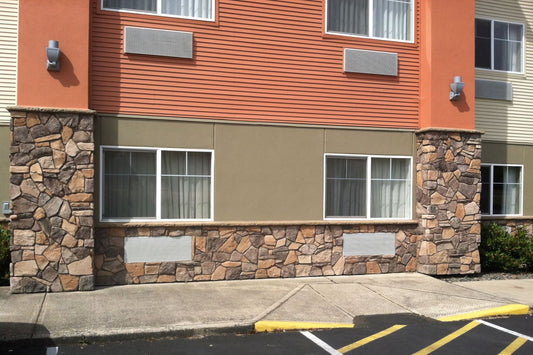
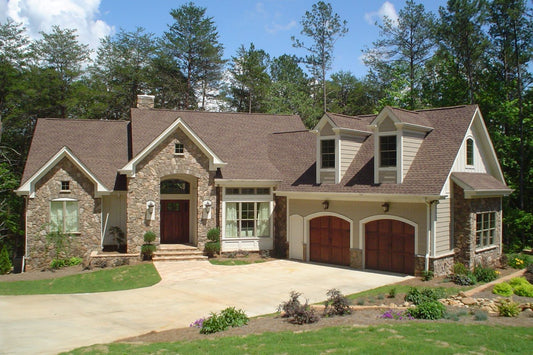
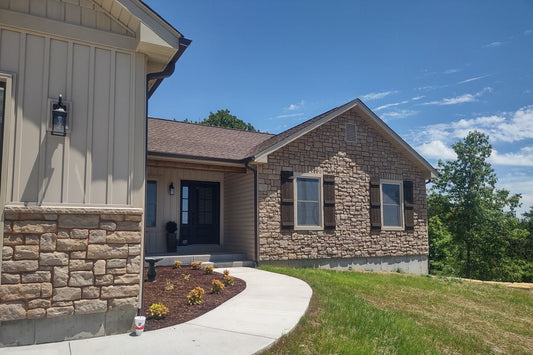
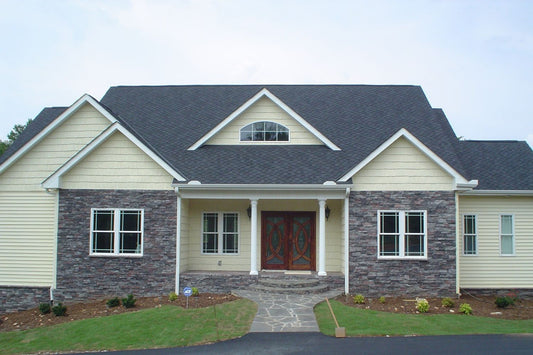
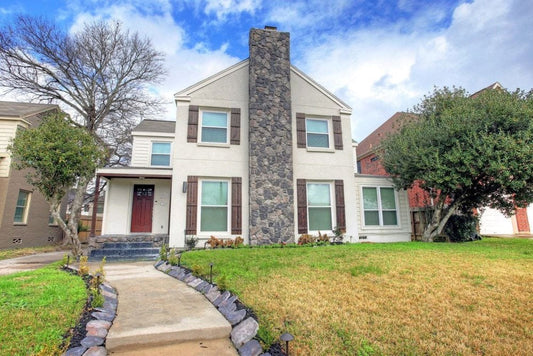
A home can use fiber cement siding across the majority of the exterior while incorporating manufactured stone veneer around the entryway, garage, foundation, porch, chimney, gables, or other architectural features.
This combination provides the practicality and coverage of siding while adding the texture and character of masonry. Stone can also help visually anchor a home by creating a heavier-looking base beneath lighter siding.
The key is choosing colors and textures that work together. Warm stone generally pairs well with warm siding colors, while gray or cool-toned stone can complement cooler siding and trim. The roof, windows, doors, and other permanent finishes should also be considered when selecting the stone color.
Is Manufactured Stone Veneer or Fiber Cement Better?
Neither material is universally better because they are designed to accomplish different things.
Fiber cement siding is an excellent choice when the goal is to cover large exterior areas with a durable, versatile siding material. It offers numerous profiles and finish options and works well across many architectural styles.
Manufactured stone veneer is the better choice when the goal is to create a masonry appearance, add texture, emphasize architectural features, or achieve the look of natural stone without using full-depth stone.
For many projects, combining the two provides the best result. Fiber cement can serve as the primary exterior cladding while manufactured stone veneer is used strategically to create contrast and architectural interest.
Manufactured Stone Veneer vs. Fiber Cement Siding
The best exterior material depends on the overall design of the home, the area being covered, the desired appearance, installation requirements, maintenance expectations, and budget.
If you want a clean, uniform siding appearance across large areas, fiber cement siding may be the practical choice. If you want the dimensional texture and timeless appearance of masonry, manufactured stone veneer may be a better fit.
For homeowners who do not want to choose between the two, a combination of fiber cement siding and manufactured stone veneer can provide a balanced exterior. The siding handles the broad wall surfaces while stone highlights the areas where texture and architectural character matter most.
From Mountain View Stone: What You Should Know
At Mountain View Stone, we manufacture lightweight manufactured stone veneer designed to provide the authentic appearance of natural stone with a more versatile and cost-effective alternative. When comparing manufactured stone veneer with fiber cement siding, it is important to remember that these materials are not necessarily competing products. Fiber cement is an excellent choice for covering large exterior areas, while manufactured stone veneer adds texture, dimension, and the timeless character of masonry. For many homes, combining the two creates a balanced exterior that offers both practical siding coverage and distinctive stone accents.
Frequently Asked Questions About Manufactured Stone Veneer vs. Fiber Cement Siding
Is manufactured stone veneer more durable than fiber cement siding?
Both materials can provide excellent long-term durability when properly installed and maintained. Manufactured stone veneer offers a masonry-style surface that does not require painting, while fiber cement provides a durable siding material that typically requires maintenance of its finish over time.
Is manufactured stone veneer more expensive than fiber cement siding?
The total cost depends on the product, installation, amount of coverage, and project requirements. Fiber cement is generally designed for efficient installation across large wall areas, while manufactured stone veneer can involve more labor because it is installed as a masonry veneer. Comparing total installed costs is more useful than comparing material prices alone.
Can fiber cement siding be installed next to manufactured stone veneer?
Yes. Fiber cement siding and manufactured stone veneer are frequently used together on residential exteriors. Stone can be used around entryways, garages, foundations, porches, chimneys, and other architectural features while fiber cement covers larger wall areas.
Does manufactured stone veneer require more maintenance than fiber cement siding?
Manufactured stone veneer generally requires little routine maintenance compared with painted siding. However, the veneer and mortar joints should still be inspected periodically. Fiber cement siding may require cleaning, caulk maintenance, and repainting or touch-ups depending on its finish and exposure.
Which is better for modern homes, stone veneer or fiber cement siding?
Both can work well on modern homes. Fiber cement can provide clean horizontal or vertical lines, while manufactured stone veneer can add texture and contrast. Modern designs often combine simple siding profiles with carefully selected stone veneer to create visual interest without making the exterior look overly busy.
Can manufactured stone veneer replace all of the siding on a house?
Manufactured stone veneer can cover large portions of an exterior when the wall assembly and installation meet the applicable requirements, but it is not simply a direct replacement for a siding system. Proper substrate preparation, weather protection, lath, scratch coat, mortar, clearances, and installation details are essential for a successful stone veneer installation.
What's Next?
Transform your home with premium manufactured stone veneer designed to add lasting character, texture, and curb appeal. Shop now or order a sample to see the authentic texture, color, and quality up close before you order.
Have a Question?
Please see our full terms of service or check out our frequently asked questions.
For general information and questions please call: (864) 882-8960 Mon. - Fri. 8am - 5pm (EST) or email: info@mountainviewstone.net we are more than happy to help you.
Or you can submit your questions via our contact us page.
We look forward to working with you on your upcoming project.
The Mountain View Stone Team
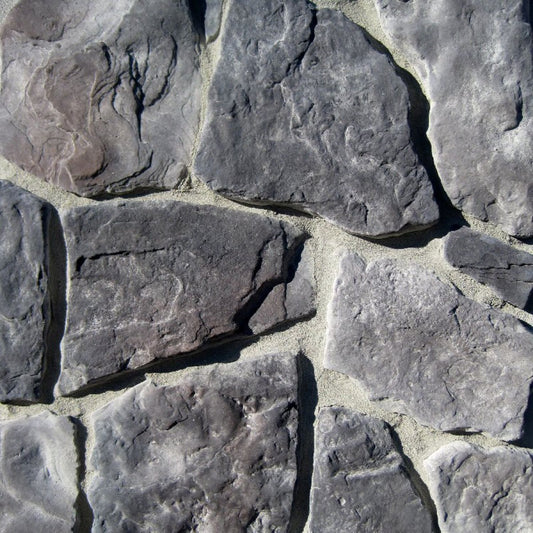
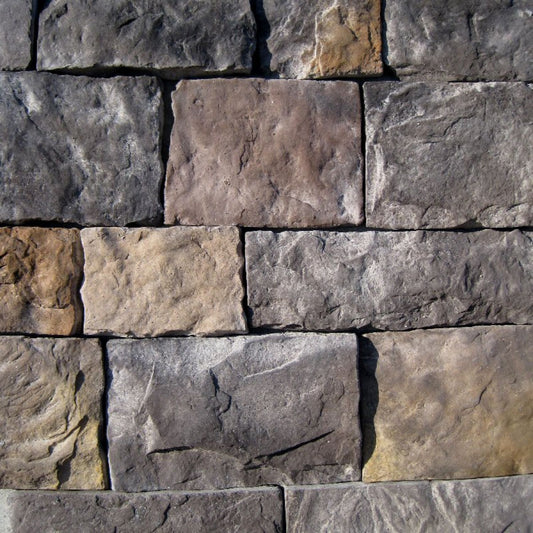
Pictured is field stone mossy creek.