
Manufactured Stone Veneer vs. Natural Stone for Commercial Use
Share
Manufactured stone veneer is often the preferred choice for commercial construction because it delivers the appearance of natural stone at a lower cost, with reduced structural requirements and faster installation. Natural stone offers unmatched authenticity and longevity but typically comes with higher material, transportation, and labor costs. The best choice depends on project budget, design goals, building structure, and long-term maintenance considerations.
Stone has been a defining feature of commercial architecture for centuries. From hotels and office buildings to retail centers and multifamily developments, stone creates a sense of permanence, quality, and visual appeal that few other building materials can match. When selecting stone for a commercial project, developers, architects, builders, and property owners often face a common question: should they choose natural stone or manufactured stone veneer? For a deeper breakdown of material selection, see our complete guide stone veneer for commercial applications.
Both materials can create impressive commercial facades, feature walls, entrances, and interior design elements. However, they differ significantly in cost, installation requirements, structural considerations, maintenance needs, and overall project efficiency.
Understanding these differences is essential for making informed decisions that align with project budgets, timelines, and performance expectations. This post explores how manufactured stone veneer compares to natural stone in commercial applications and examines the factors that influence which option may be best for a particular project.
Understanding Natural Stone
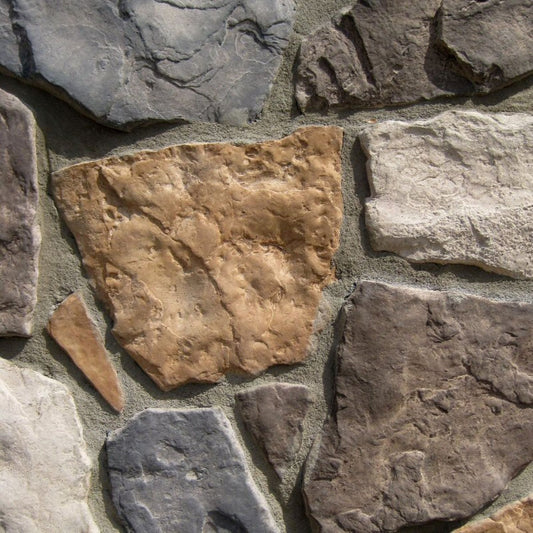
Natural stone is quarried directly from the earth and cut into usable building materials. Common commercial building stones include limestone, granite, sandstone, slate, and fieldstone.
Each piece of natural stone possesses unique colors, textures, veining, and geological characteristics developed over thousands or even millions of years. Because no two pieces are identical, natural stone offers a level of authenticity and variation that many architects and designers appreciate.
Commercial projects have historically used natural stone to create prestigious appearances and long-lasting building exteriors. Government buildings, institutional facilities, luxury hotels, and high-end office developments frequently incorporate natural stone because of its timeless appeal and proven durability.
However, natural stone's weight, installation complexity, and cost can present challenges in modern commercial construction environments where budgets and schedules are often tightly controlled.
Understanding Manufactured Stone Veneer
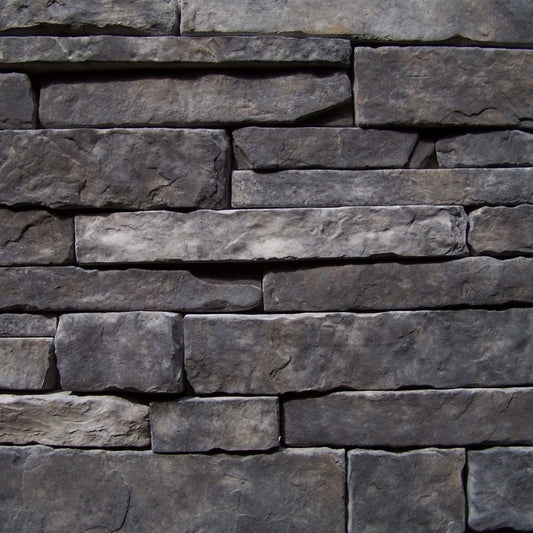
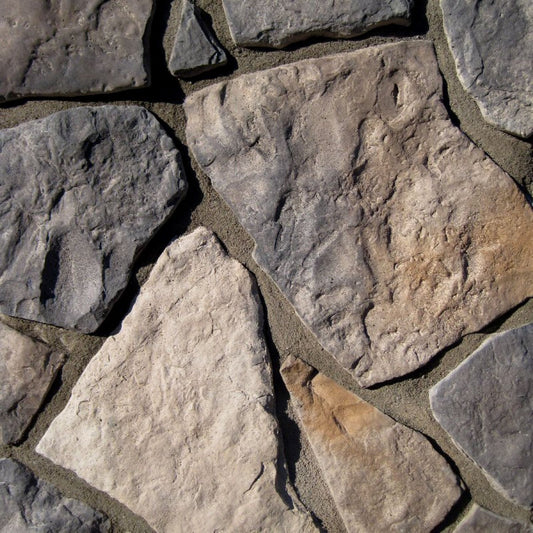
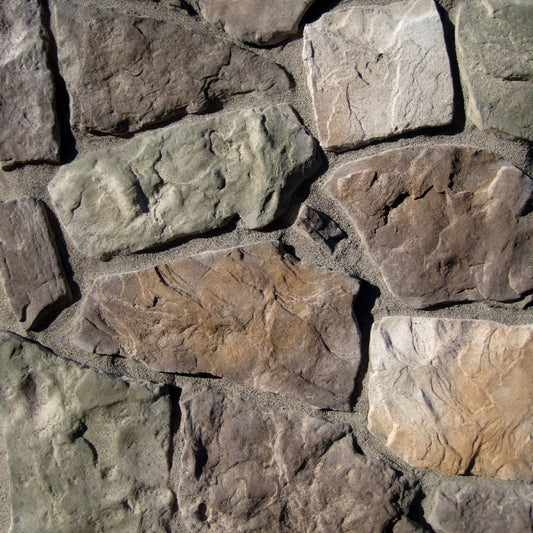
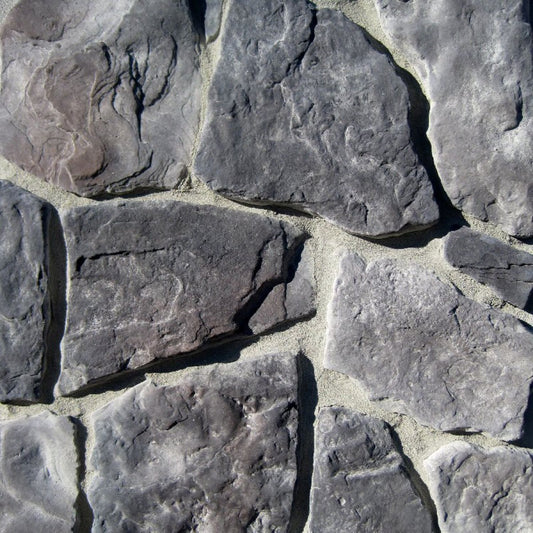
Manufactured stone veneer is a lightweight cladding product made from cement, aggregates, pigments, and specialized molds designed to replicate the appearance of natural stone.
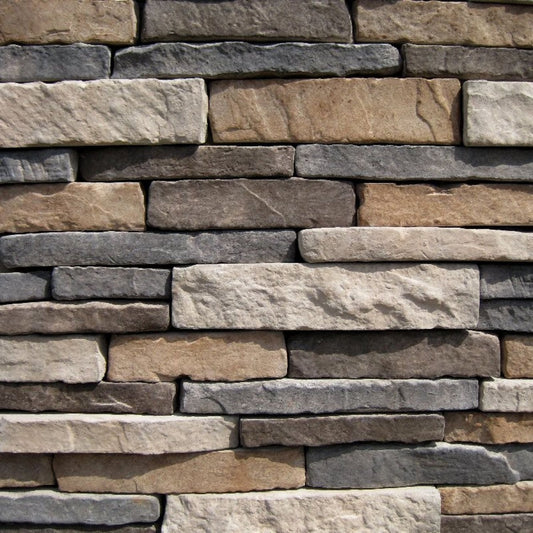
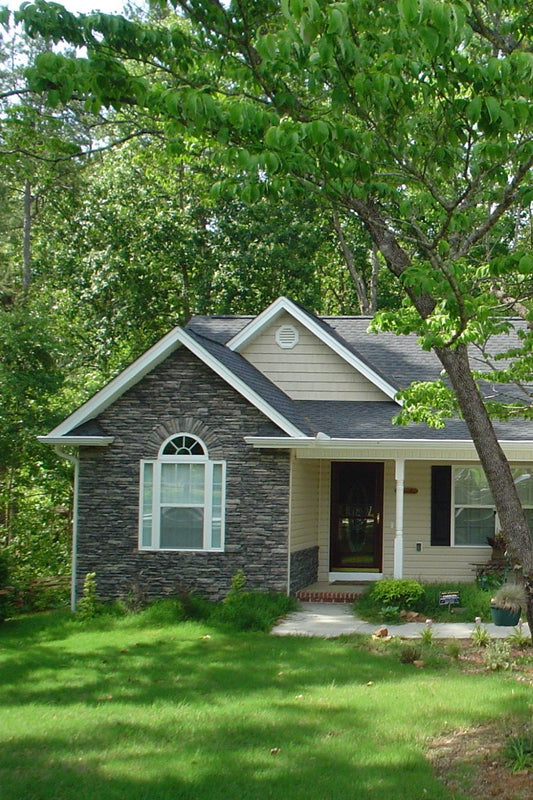
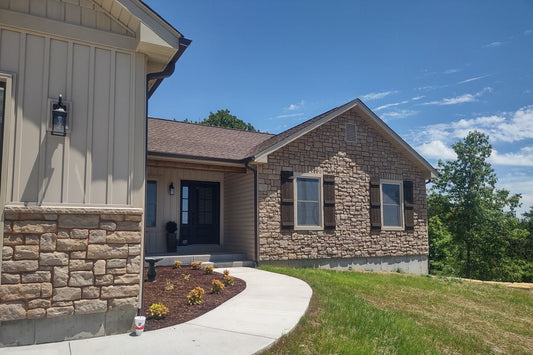
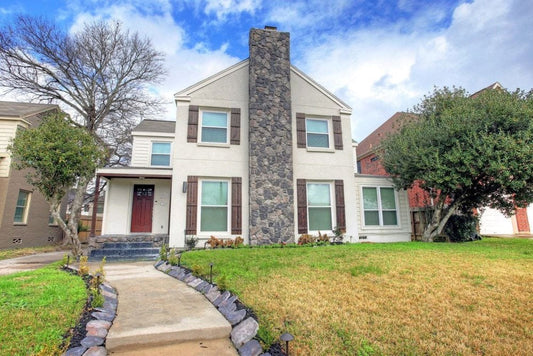
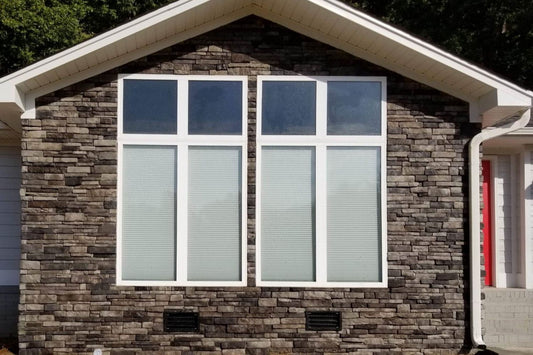
Modern manufacturing techniques allow stone veneer products to closely mimic the textures, colors, and profiles found in natural stone while offering greater consistency and predictability. High-quality manufactured stone veneer can be difficult to distinguish from natural stone once installed.
Rather than serving as a structural building component, manufactured stone veneer functions as an architectural finish applied to properly prepared wall systems.
Commercial builders increasingly use manufactured stone veneer because it provides the aesthetic benefits of stone while reducing installation costs, transportation expenses, and structural demands on the building.
Cost Comparison for Commercial Projects
Cost is often one of the most significant factors influencing material selection in commercial construction.
Natural stone generally carries higher upfront costs due to quarrying, processing, transportation, and installation requirements. Material costs alone can be substantially higher than manufactured stone veneer, particularly when sourcing specialty stone from distant quarries.
Transportation costs can also become a major consideration. Natural stone is significantly heavier than manufactured stone veneer, resulting in higher freight expenses and more complex site logistics.
Installation costs frequently widen the price gap even further. Natural stone often requires specialized masons, additional structural support, and more labor-intensive installation techniques. The increased labor requirements can have a substantial impact on large commercial projects.
Manufactured stone veneer typically provides a more budget-friendly alternative. Lower material costs, reduced freight expenses, and faster installation can generate significant savings without sacrificing visual appeal.
For developers working within strict construction budgets, manufactured stone veneer often delivers the appearance of natural stone while preserving capital for other project priorities.
Structural Considerations
Building structure plays a critical role when comparing natural stone and manufactured stone veneer.
Natural stone is considerably heavier than manufactured alternatives. This additional weight may require enhanced wall assemblies, larger foundations, reinforced structural systems, or specialized attachment methods depending on the application.
These structural requirements can increase engineering complexity and project costs, especially on larger commercial developments.
Manufactured stone veneer is designed to be lightweight. Its reduced weight minimizes loads on building structures and often allows greater flexibility in design and installation.
This advantage can be particularly valuable in renovation projects, tenant improvements, retrofits, and multifamily developments where existing structural capacity may limit material choices.
Because less structural support is typically required, manufactured stone veneer can help streamline both design and construction processes.
Installation Speed and Project Timelines
Construction schedules directly affect project profitability, making installation efficiency an important consideration.
Natural stone installation generally requires more time due to the weight and variability of the material. Individual pieces often require greater fitting, shaping, and handling during installation. Specialized equipment may also be necessary for certain applications.
Longer installation timelines can affect labor budgets and potentially delay project completion dates.
Manufactured stone veneer is often easier and faster to install. The lighter weight allows crews to work more efficiently while reducing physical handling demands. Consistent product dimensions can also simplify installation and improve productivity.
For commercial developers facing aggressive construction schedules, faster installation can provide meaningful advantages by helping projects reach occupancy sooner.
Design Flexibility and Architectural Options
Both natural stone and manufactured stone veneer offer extensive design possibilities, but they provide different types of flexibility.
Natural stone delivers unique geological characteristics that many architects value. Variations in color, texture, and shape create a distinctive appearance that cannot be fully replicated.
For landmark projects or buildings seeking a truly one-of-a-kind aesthetic, natural stone may be preferred.
Manufactured stone veneer offers flexibility in a different way. Manufacturers can produce a wide variety of profiles, colors, textures, and styles designed to complement contemporary commercial architecture.
Because products are manufactured under controlled conditions, designers often benefit from greater consistency across large installations. This can be particularly important on expansive commercial facades where uniformity is desired.
Manufactured stone veneer also makes it easier to match specific design themes across multiple properties, helping developers maintain brand consistency throughout commercial portfolios.
Durability and Long-Term Performance
Durability remains a primary concern for commercial property owners seeking long service life and low maintenance costs.
Natural stone has demonstrated exceptional longevity for centuries. Many historic buildings constructed with natural stone remain in service today. When properly installed and maintained, natural stone can provide decades of reliable performance.
Manufactured stone veneer is also designed for long-term durability. High-quality products are engineered to withstand weather exposure, temperature fluctuations, and freeze-thaw cycles when installed according to manufacturer specifications.
Modern stone veneer products have achieved impressive performance records in a wide range of commercial applications throughout North America.
Ultimately, long-term performance depends not only on the material itself but also on proper installation practices, moisture management, and adherence to building code requirements.
Maintenance Requirements
Commercial property owners often evaluate materials based on ongoing maintenance obligations.
Natural stone generally requires periodic cleaning and may benefit from sealing depending on the stone type and environmental exposure. Certain stones can be susceptible to staining, moisture absorption, or weathering over time.
Manufactured stone veneer also benefits from periodic inspection and cleaning. Quality installations that incorporate proper drainage and moisture management systems typically require minimal routine maintenance.
Both materials can provide excellent long-term appearance retention when properly maintained. However, maintenance expectations should be evaluated based on specific project conditions, local climate, and building use.
Sustainability Considerations
Sustainability has become an increasingly important factor in commercial construction.
Natural stone is often viewed as an environmentally friendly material because it originates directly from the earth and can have a very long service life. However, quarrying, processing, and transportation can contribute to environmental impacts.
Manufactured stone veneer may offer sustainability advantages through reduced transportation requirements due to its lighter weight. Lower structural demands can also reduce overall material usage in some building systems.
Environmental performance should be evaluated on a project-specific basis, considering sourcing, transportation distances, building design, and long-term lifecycle expectations.
Manufactured Stone Veneer vs. Natural Stone for Commercial Use
Both natural stone and manufactured stone veneer can create beautiful, durable commercial buildings that leave lasting impressions on visitors, tenants, and customers.
Natural stone remains an excellent choice for prestigious projects where authenticity, historical character, and premium architectural expression are primary goals. Luxury hospitality developments, institutional buildings, and certain high-end commercial properties may justify the additional investment.
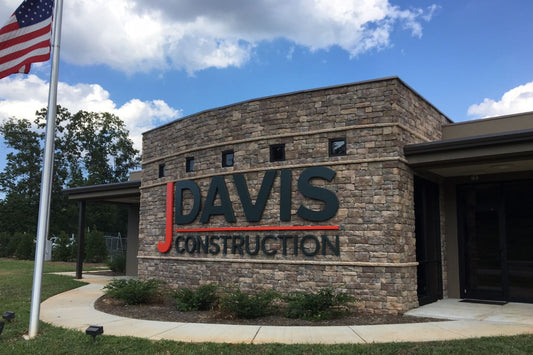
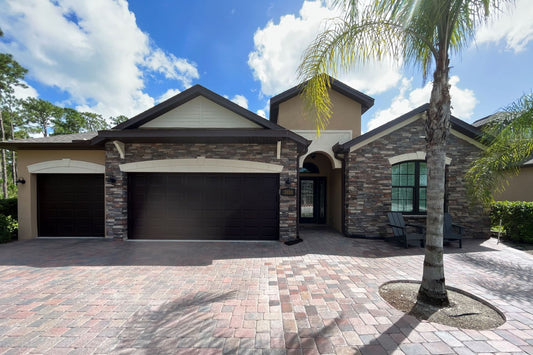
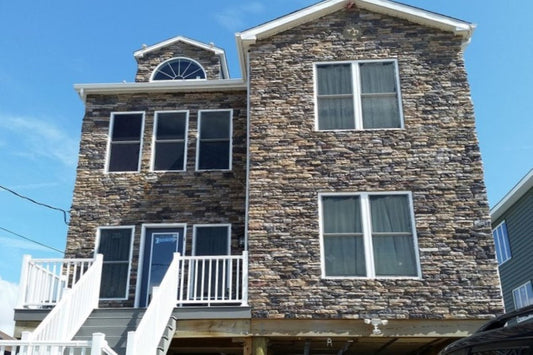
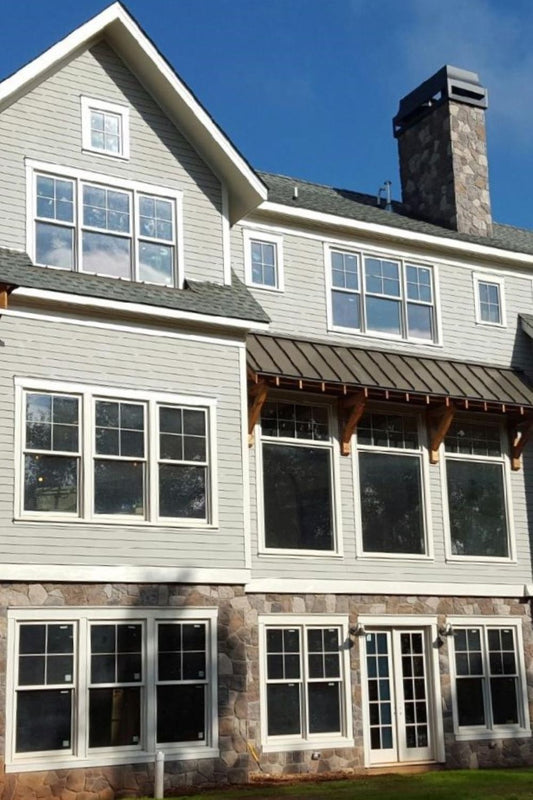
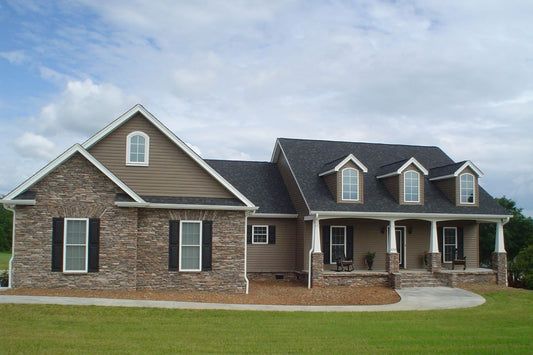
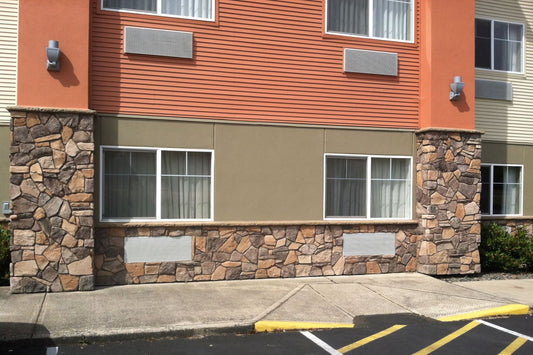
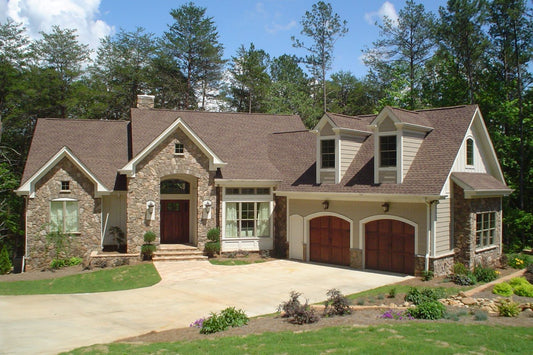
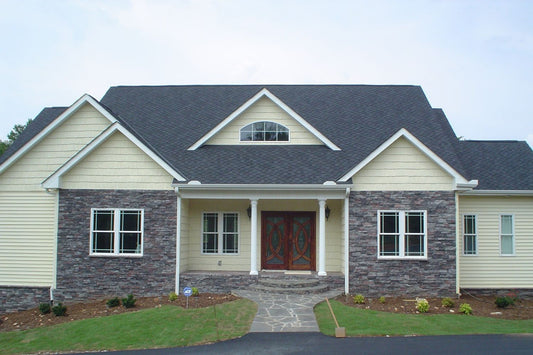
Manufactured stone veneer is often the preferred solution for commercial projects seeking a balance between aesthetics, performance, and cost efficiency. Retail centers, office buildings, multifamily developments, restaurants, hotels, and mixed-use projects frequently benefit from its lighter weight, lower installation costs, and design flexibility.
Working with experienced stone veneer suppliers and installers can help ensure the chosen material delivers the desired results while meeting project timelines and performance requirements.
From Mountain View Stone: What You Should Know
At Mountain View Stone, we’ve seen firsthand how the choice between natural stone and manufactured stone veneer in commercial projects usually comes down to balancing design intent with practical construction realities like budget, structural load, and installation timelines. While natural stone delivers unmatched authenticity and long-term prestige, manufactured stone veneer often provides a more efficient path to achieving a similar aesthetic with less weight, simpler installation, and greater cost control, especially on large-scale developments where speed and consistency matter. The right choice isn’t about one material being better than the other, but about selecting the option that best aligns with the performance, schedule, and financial goals of the project.
Frequently Asked Questions About Manufactured Stone Veneer vs. Natural Stone for Commercial Use
Is manufactured stone veneer suitable for commercial buildings?
Yes. Manufactured stone veneer is widely used on commercial buildings including hotels, restaurants, retail centers, office buildings, multifamily developments, and mixed-use properties.
Is natural stone stronger than manufactured stone veneer?
Natural stone is generally stronger as a material, but manufactured stone veneer is designed as a cladding system rather than a structural component. Both can provide excellent long-term performance when properly installed.
Does manufactured stone veneer look like real stone?
High-quality manufactured stone veneer is designed to closely replicate natural stone. Modern manufacturing techniques produce realistic textures, colors, and profiles that can be difficult to distinguish from natural stone.
Which is more affordable for commercial construction?
Manufactured stone veneer is typically more affordable due to lower material costs, reduced transportation expenses, lighter structural requirements, and faster installation.
Is manufactured stone veneer suitable for both interior and exterior applications?
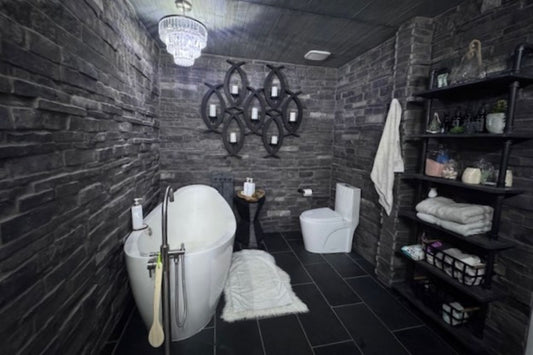
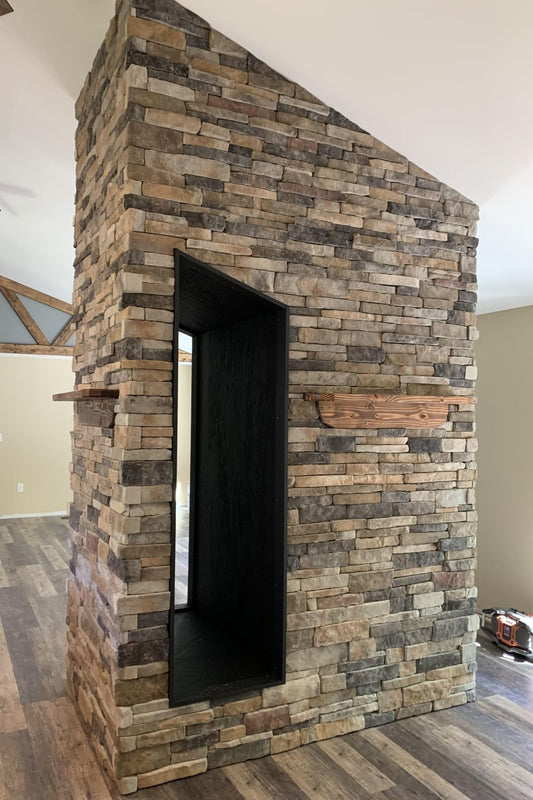
Yes. Manufactured stone veneer is commonly used for both interior and exterior commercial applications including feature walls, fireplaces, facades, lobbies, and building entrances.
What is the expected lifespan of manufactured stone veneer?
When properly installed and maintained, manufactured stone veneer can provide decades of service life and withstand challenging weather conditions in commercial environments.
Are You a Pro?
At Mountain View Stone, we work closely with architects, designers, contractors, and builders who need more than just a material supplier, they need a reliable partner who understands commercial demands. From specification support to custom color development and project coordination, our focus is on helping professionals bring complex facade designs to life with confidence. Whether you’re working on a large-scale commercial development or a detailed architectural feature, we’re here to support your vision with consistent, made-to-order stone veneer solutions built for real-world performance.
We also have a dedicated team for trade and commercial professionals, so feel free to reach out directly at pros@mountainviewstone.net for project support, inquiries, or additional information about our verified pro program.
What's Next?
Bring your vision to life with our premium stone veneer. Shop now to discover the perfect style or order a sample to experience the texture and color in person. Start your project today.
Have a Question?
Please see our full terms of service or check out our frequently asked questions.
For general information and questions please call: (864) 882-8960 Mon. - Fri. 8am - 5pm (EST) or email: info@mountainviewstone.net we are more than happy to help you.
Or you can submit your questions via our contact us page.
We look forward to working with you on your upcoming project.
The Mountain View Stone Team
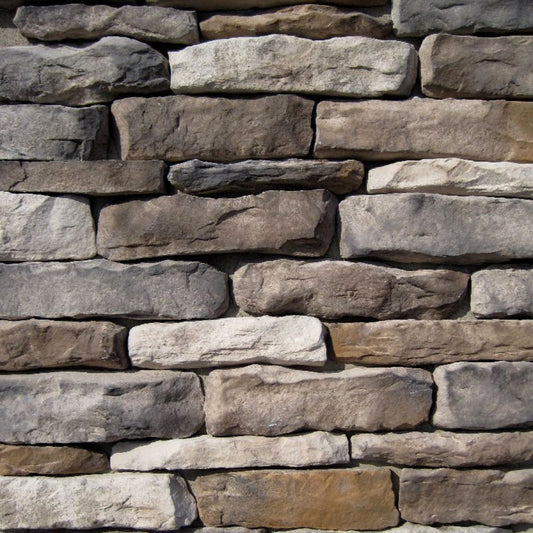
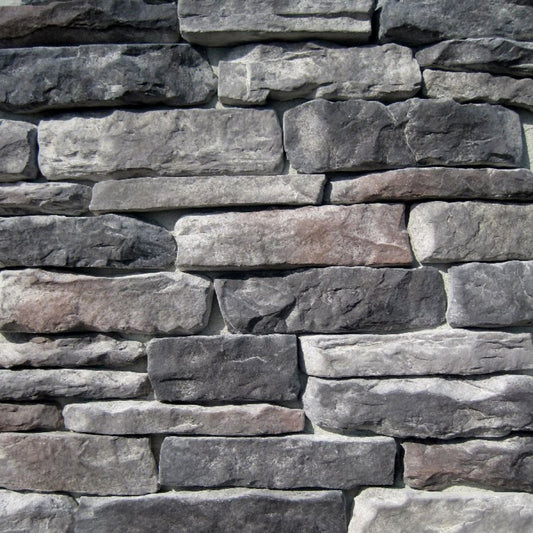
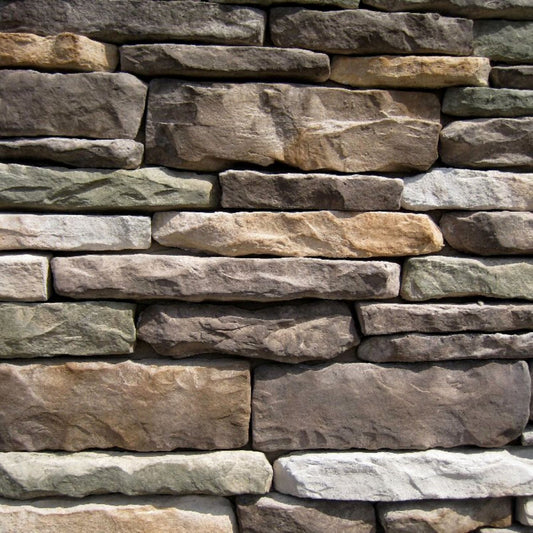
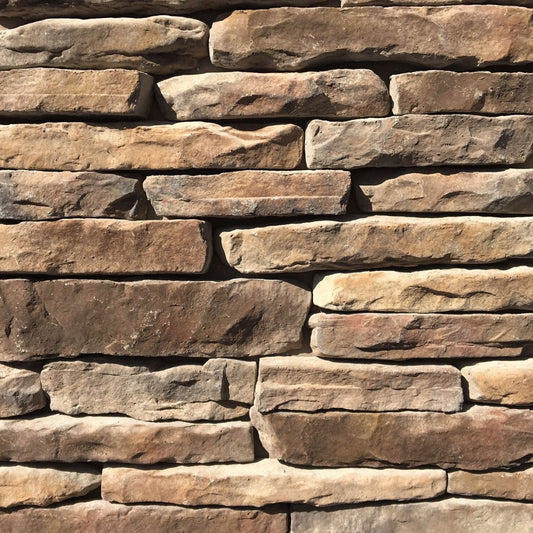
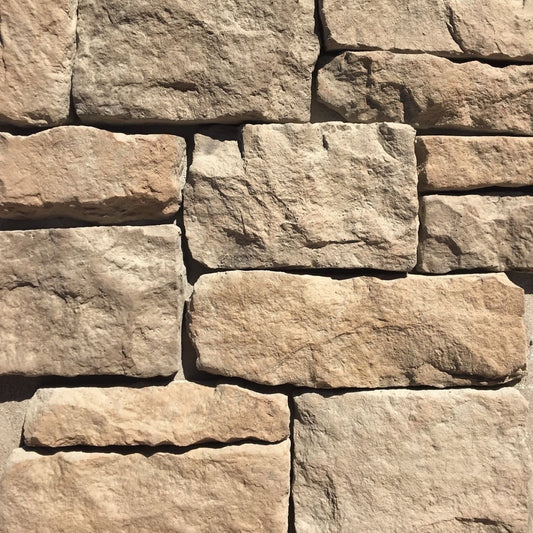
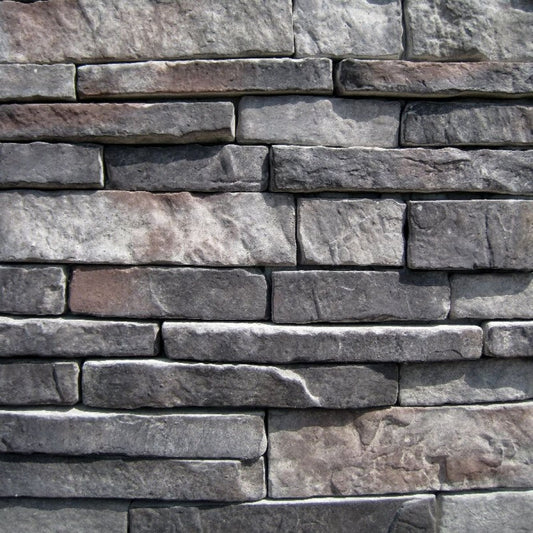
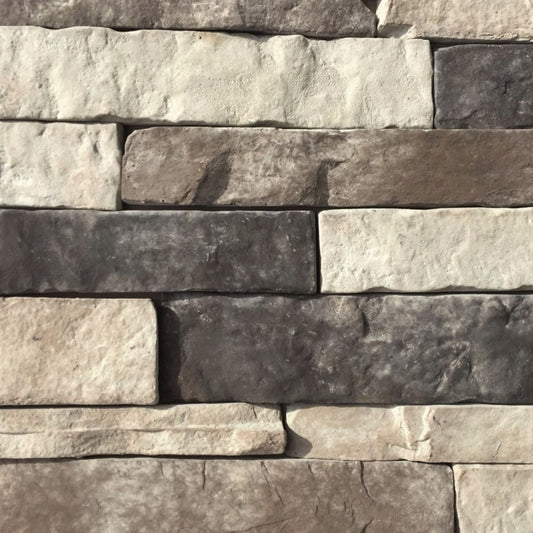
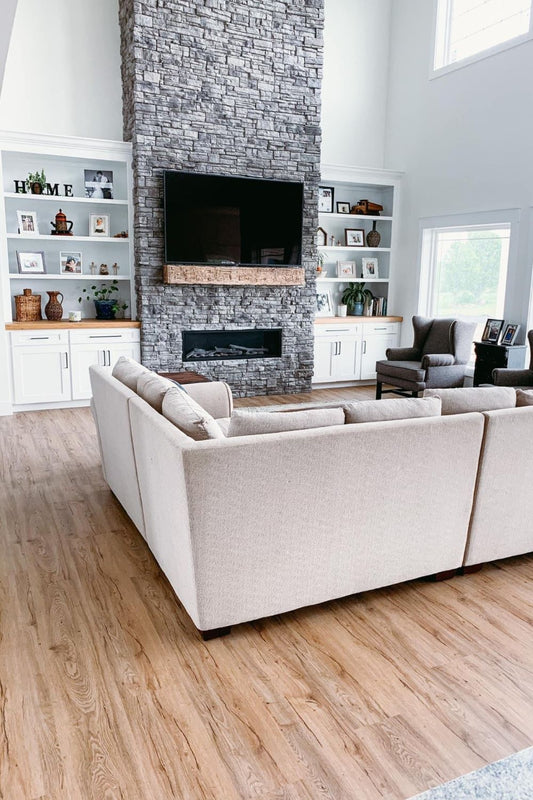
Pictured is stack stone glacier.