
Mobile Home Skirting with Manufactured Stone Veneer: What You Need to Know
Share
Manufactured stone veneer can be used for mobile home skirting when the underlying wall assembly is properly prepared. Stone veneer creates a durable, attractive finished appearance while helping transform the exposed area beneath a manufactured home into a more finished architectural feature.
Mobile home skirting serves an important practical purpose, but that does not mean it has to look utilitarian. Traditional vinyl or metal skirting can provide basic coverage around the bottom of a manufactured home, while manufactured stone veneer offers a way to create a more substantial, custom appearance.
Stone veneer skirting can make a manufactured home look more like a site-built home by visually connecting the home to its foundation area. It can also complement porches, steps, retaining walls, columns, and other exterior features.
However, installing manufactured stone veneer around a mobile home requires more planning than simply attaching stone to the existing skirting. The substrate, moisture management, ventilation, movement, clearance, and installation method all need to be considered before beginning the project.
What is Mobile Home Skirting?
Mobile home skirting, sometimes called mobile home underpinning, is the material installed around the lower perimeter of a manufactured or mobile home. It covers the space between the bottom of the home and the ground while providing a finished appearance.
Skirting can serve several purposes beyond appearance. It can help shield the area underneath the home from weather and debris, provide a visual barrier around the crawlspace, and contribute to the overall finished appearance of the property.
Manufactured stone veneer takes the concept a step further by replacing a basic skirting appearance with the look of masonry. Because manufactured stone veneer is designed to replicate the appearance of natural stone while being lighter than full-depth masonry, it can be an attractive option for exterior architectural applications.
The important distinction is that manufactured stone veneer is a veneer, not a foundation and not a structural support system. It should not be relied upon to support the home or replace the structural components of a manufactured home.
Why Use Manufactured Stone Veneer for Mobile Home Skirting?
One of the biggest reasons homeowners consider stone veneer skirting is appearance. The lower portion of a manufactured home can sometimes make the structure look visually disconnected from the surrounding property. A stone veneer installation can create a stronger transition between the home and the ground.
Stone also provides considerable flexibility from a design standpoint. A homeowner can select a profile and color that complements the siding, roof, trim, porch, landscaping, or other exterior finishes.
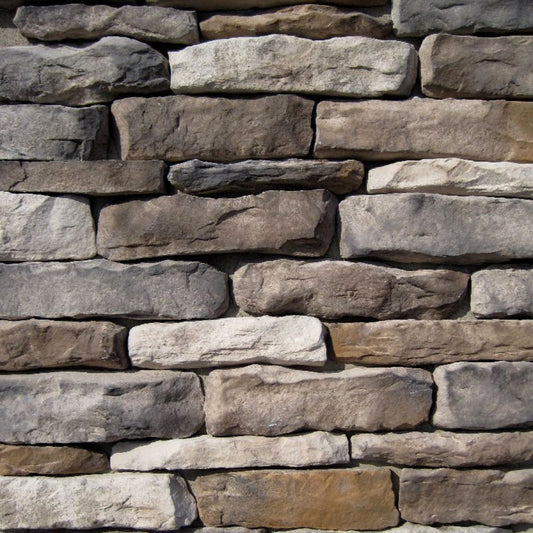
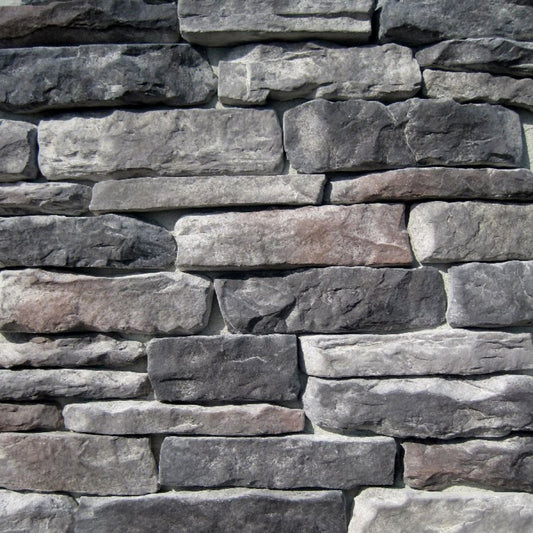
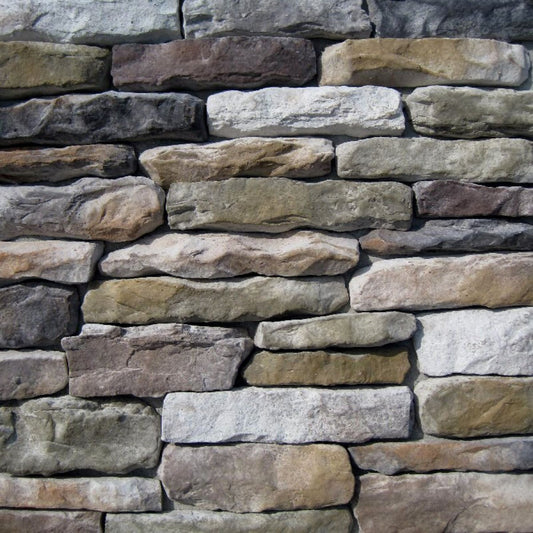
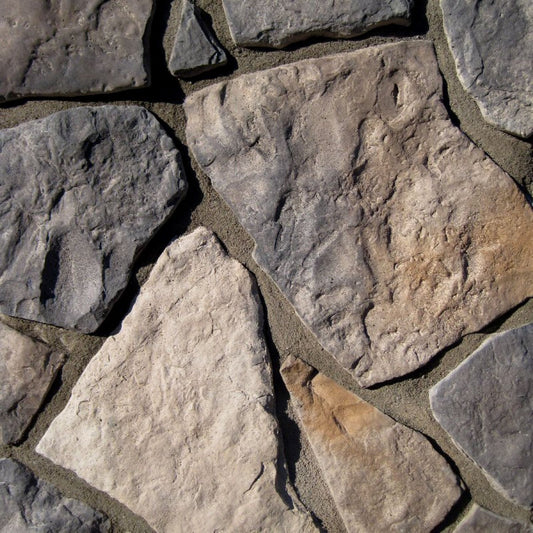
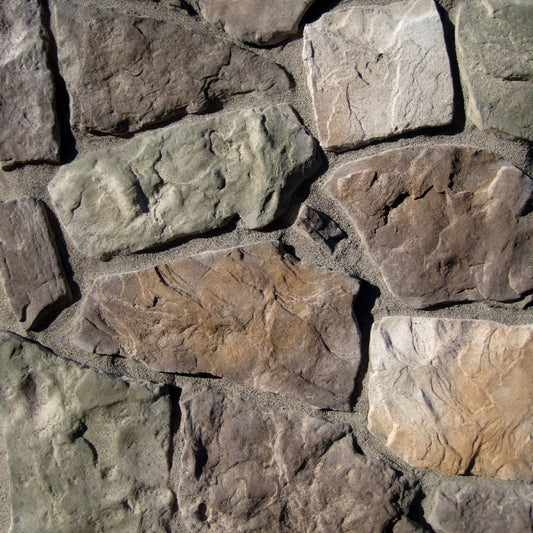
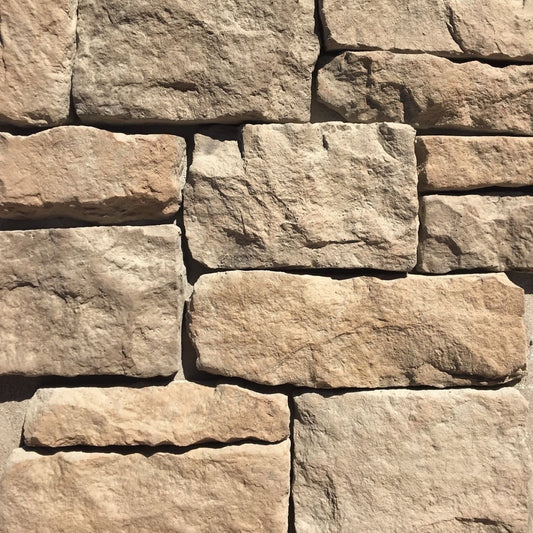
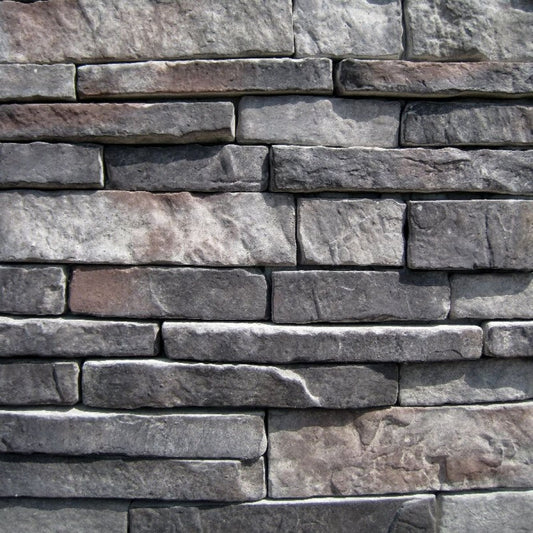
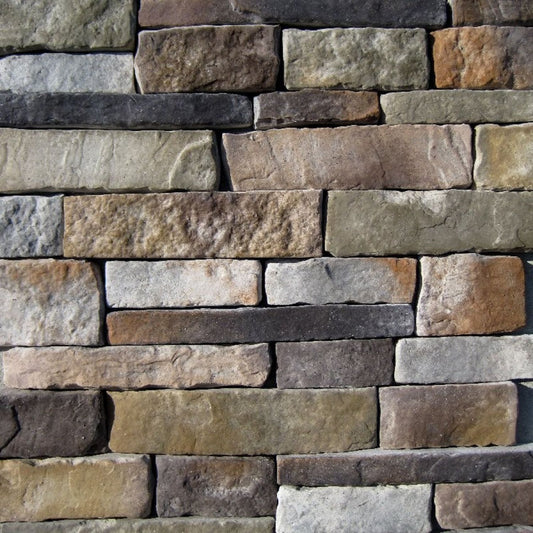
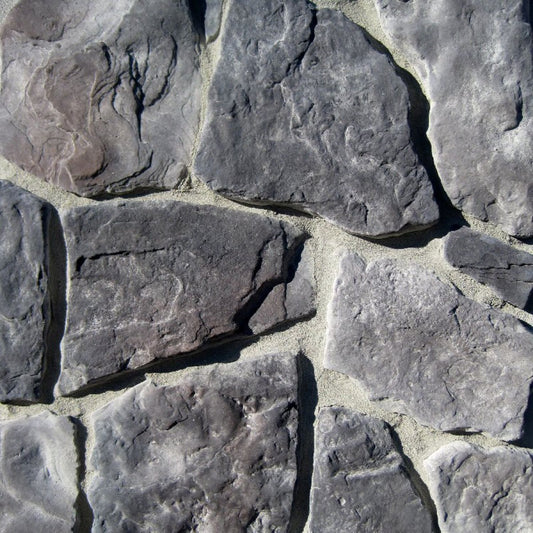
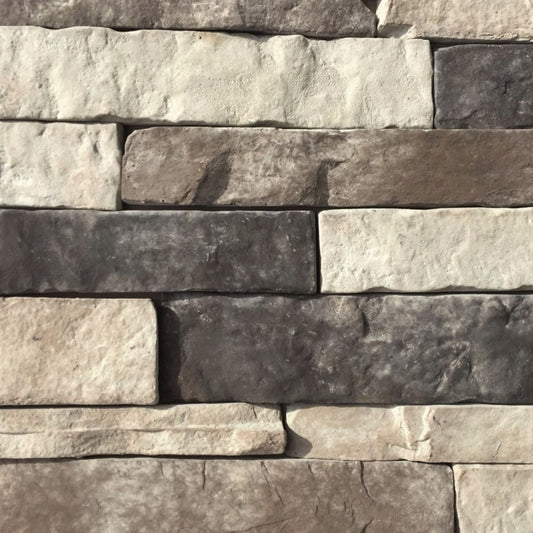
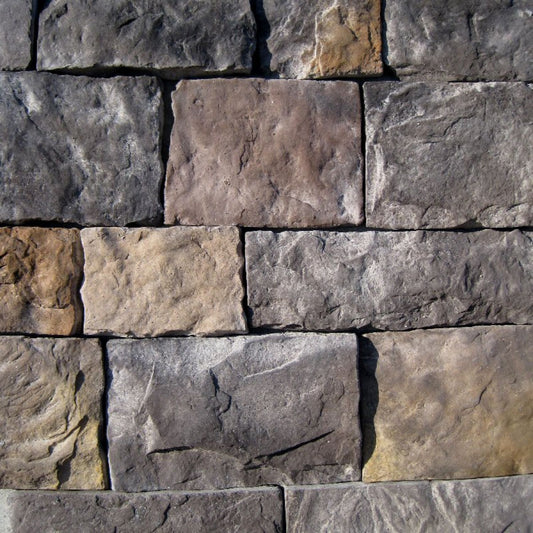
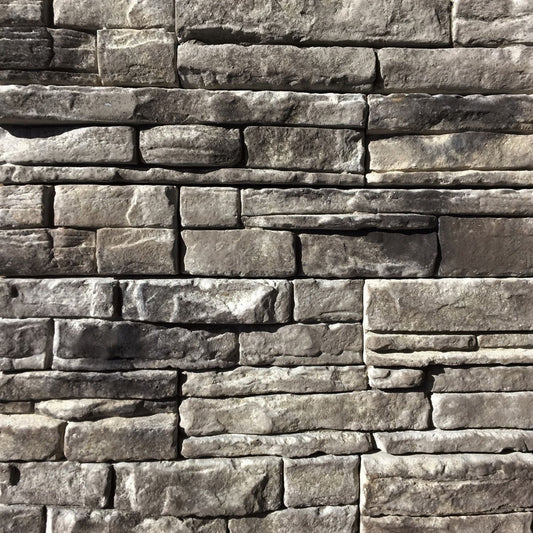
For example, ledgestone can create a natural, linear appearance with its varied shapes, sizes, and textures, while stacked stone offers a more uniform, tightly layered look. Irregular fieldstone can provide a more rugged, natural appearance, while larger-format profiles can make the base of the home feel more substantial and architectural.
Because individual manufactured stones can be arranged to accommodate different areas of a project, stone veneer can also work well around corners, steps, doors, crawlspace access points, and other features that may make a simple skirting system look unfinished.
Can You Install Stone Veneer Directly Over Mobile Home Skirting?
This is one of the most important questions to answer before starting a project. Manufactured stone veneer should not simply be attached directly to existing vinyl, metal, or other unsuitable skirting materials.
The veneer needs a properly prepared substrate capable of supporting the lath, scratch coat, mortar, and stone. The existing skirting may not have the structural characteristics or attachment necessary for that type of installation.
A successful project therefore starts with evaluating what is actually underneath the existing skirting. Depending on the construction and design of the home, the appropriate substrate may need to be constructed or prepared specifically for the veneer installation.
If the existing skirting is flexible, moves significantly, or was never designed to carry a masonry veneer system, simply covering it with mortar and stone is not an appropriate solution.
Preparing the Substrate for Stone Veneer Skirting
Proper substrate preparation is one of the most important factors in a successful manufactured stone veneer installation. The stone itself is only one component of the finished system. The materials beneath it need to provide a stable and appropriate surface.
For installations over wood-based construction, the substrate should first be protected with an appropriate weather-resistant barrier. Metal lath is then installed to provide a mechanical base for the mortar. A mortar scratch coat is applied over the lath and properly prepared before the veneer is installed.
Type S mortar is always recommended for installing manufactured stone veneer. Construction adhesives, mastic, and thin-set products are not recommended for installation and can affect warranty coverage.
The substrate should also be evaluated for movement and moisture exposure before installation. Manufactured stone veneer is not intended to compensate for an unstable or improperly constructed wall.
If the skirting area is being newly constructed rather than simply replacing an existing finish, it is worth planning the substrate, access points, ventilation, and finished grade before the stone is installed.
Moisture and Ventilation Matter
Moisture management is particularly important around the lower perimeter of a manufactured home. The space underneath the home may require ventilation, drainage, and access depending on the home's construction and local requirements.
Installing stone veneer should not eliminate required crawlspace ventilation or create a situation where water becomes trapped behind the veneer. Any required vents or access panels need to remain functional and accessible.
The stone veneer itself should also be installed with appropriate clearances from the ground. Manufactured stone should not be installed directly against soil or grass. Maintaining the appropriate clearance helps reduce exposure to moisture, dirt, landscaping equipment, and other conditions that can affect the finished installation.
Before beginning a skirting project, homeowners should determine how water moves around the home and make sure the proposed veneer system does not interfere with existing drainage or ventilation.
How High Should Stone Veneer Skirting Be?
The appropriate height of manufactured stone veneer skirting depends on the design of the home, the elevation of the structure, the desired appearance, and the construction details of the installation.
Some homeowners want the stone to cover the entire visible foundation or skirting area, while others use stone veneer as an architectural accent along the bottom portion of the home.
The height can also influence the visual proportions of the home. A relatively low stone base can provide a subtle transition between the siding and landscape, while a taller stone installation can make the home appear more substantial.
Regardless of the desired appearance, the finished stone should maintain appropriate clearances from soil and pavement. Stone veneer should not touch the ground. It must be installed with at least 4 inches of clearance above soil and 2 inches above hard surfaces to prevent moisture damage, efflorescence, and freeze-thaw deterioration.
Local building requirements may impose additional requirements, so the finished installation should be planned accordingly.
Choosing a Stone Style for a Manufactured Home
The best stone profile for mobile home skirting depends largely on the architectural style you want to create.
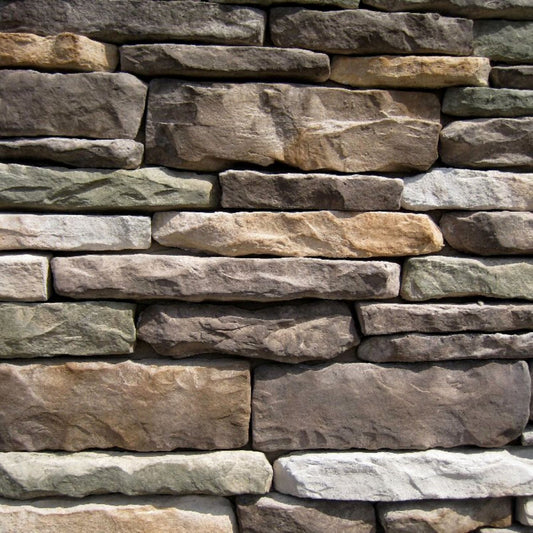
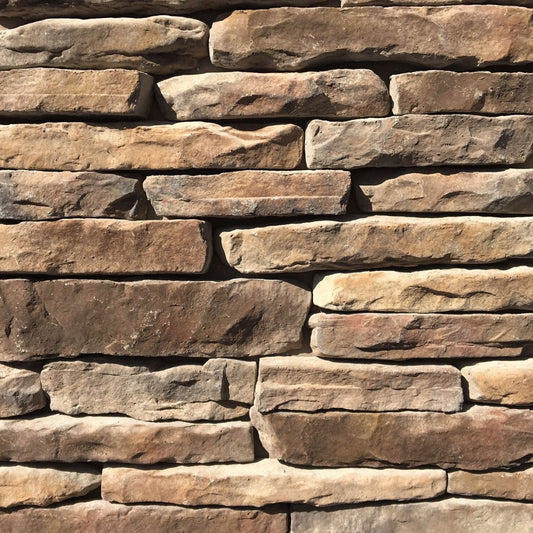
Ledgestone features varied shapes, sizes, and textures that create a natural, rugged appearance while maintaining a generally horizontal orientation.
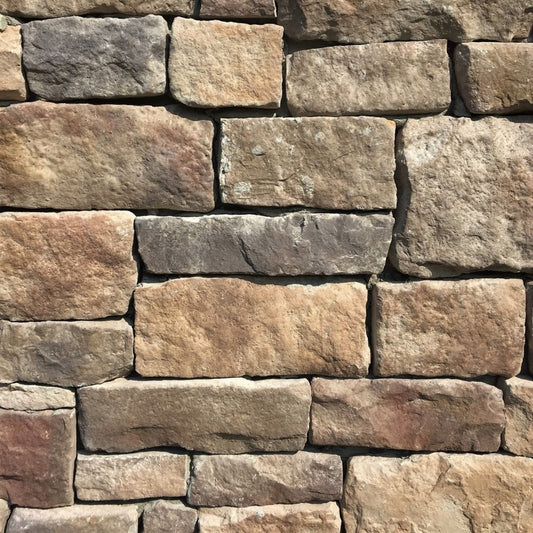
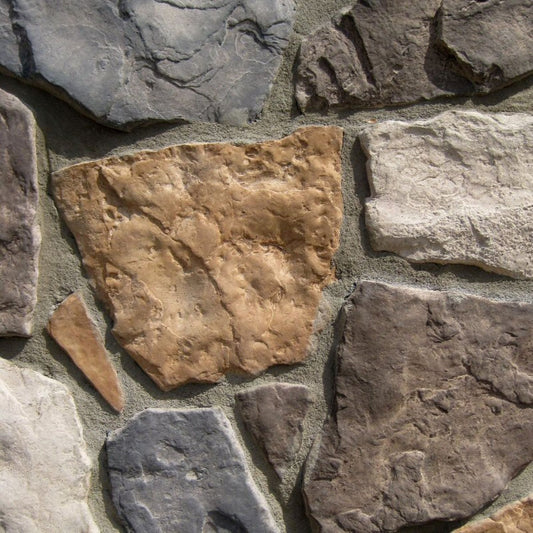
Fieldstone provides a more irregular appearance. Its varying shapes and sizes can make the skirting look more natural and can work particularly well with homes surrounded by landscaping, trees, and other natural elements.
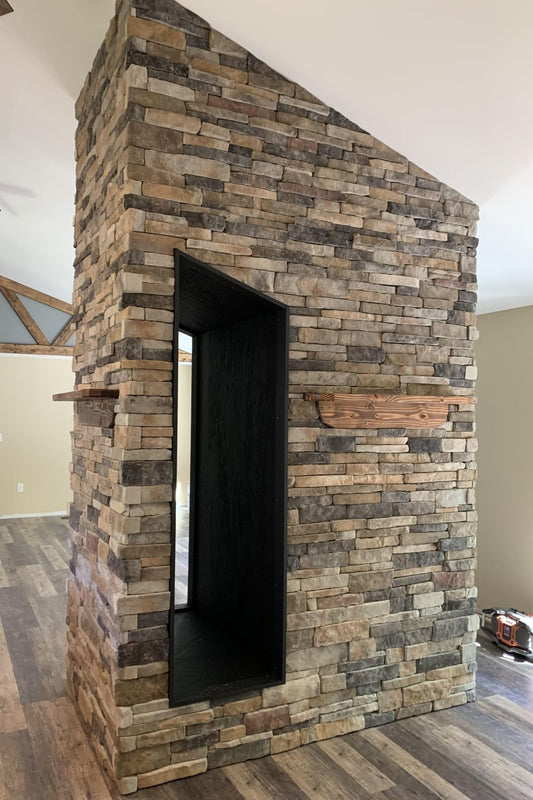
Stacked stone can provide a highly textured appearance with horizontal courses of stone. It can work especially well when the goal is to give the bottom of the home a stronger architectural presence.
Larger-format profiles can also be effective when homeowners want the skirting to resemble a substantial stone foundation.
The key is to select a profile and color that works with the home's existing exterior rather than treating the skirting as an isolated design element.
Does Stone Veneer Make a Mobile Home Look Like a House?
Manufactured stone veneer can significantly change the visual appearance of a manufactured home, particularly when it is incorporated into the home's overall exterior design.
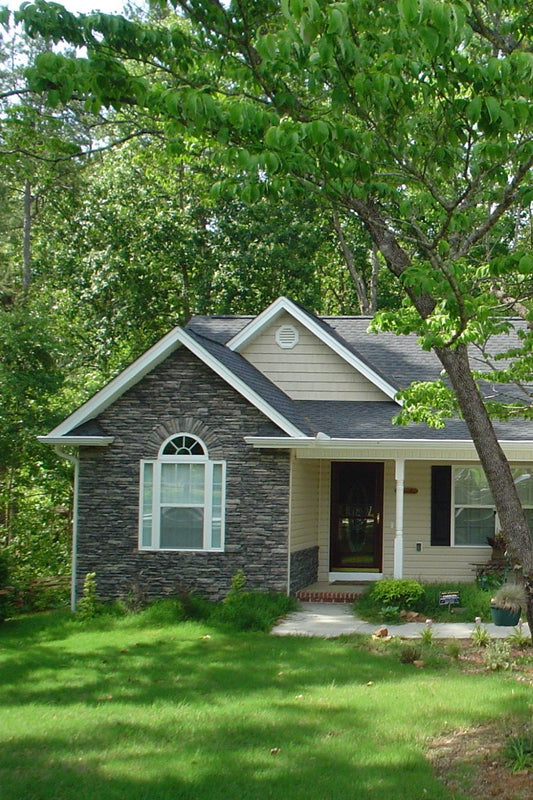
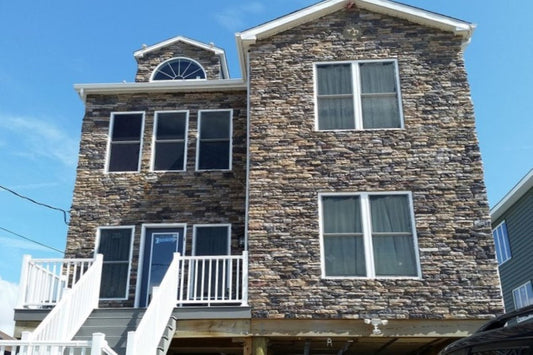
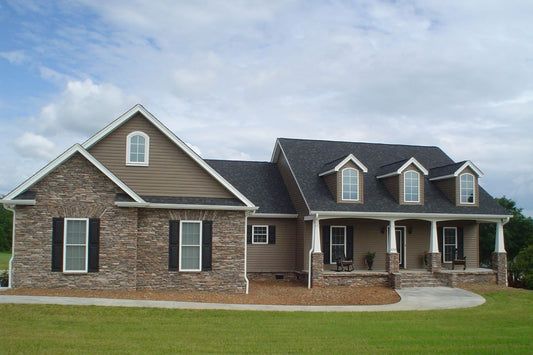
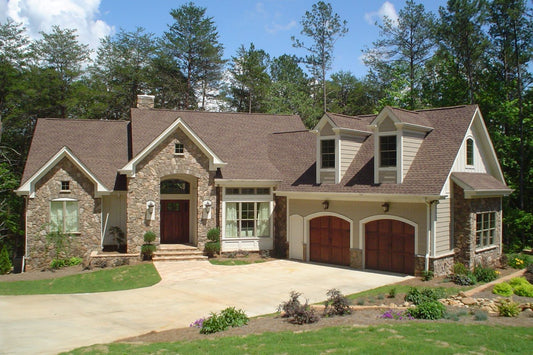
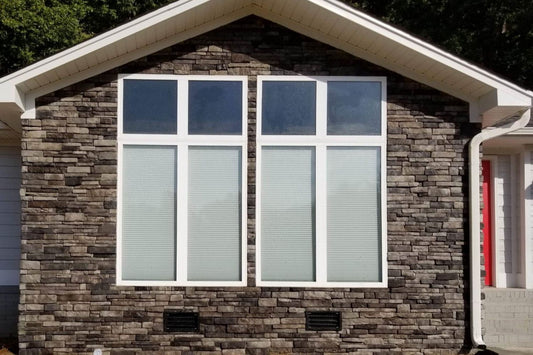
A stone base can visually anchor the structure and create the impression of a more substantial foundation. Combining the veneer with complementary siding, trim, porch materials, steps, landscaping, and other exterior elements can create a cohesive appearance.
The result does not have to imitate a traditional masonry house. Stone veneer can also be used to create a modern, rustic, farmhouse, or contemporary exterior depending on the stone profile and color selected.
One advantage of using manufactured stone veneer is that it can be used selectively. Instead of covering the entire exterior, homeowners can concentrate the stone around the bottom of the home, entryway, porch, or other architectural areas.
Stone Veneer Skirting Around Porches and Steps
A manufactured stone veneer skirting project can become even more visually effective when the stone continues onto adjacent architectural features.
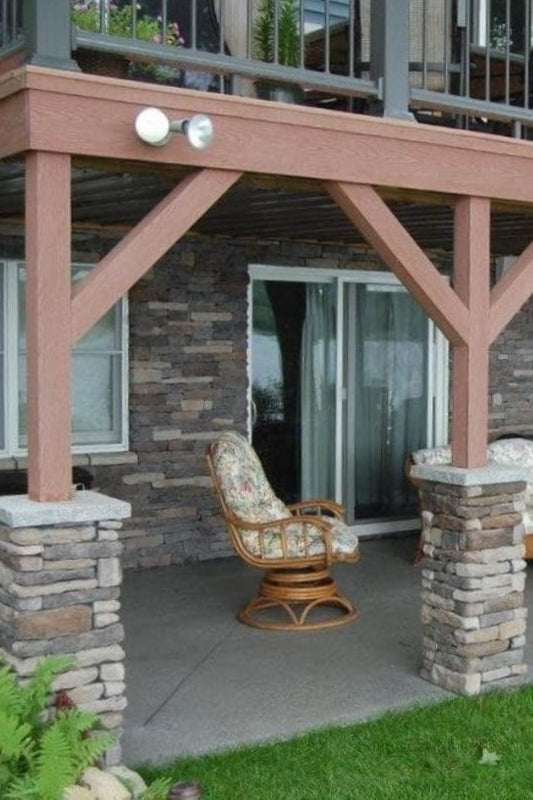
For example, stone veneer around the base of a porch can visually connect the porch to the home. Stone can also be used around steps, columns, and other areas where a change in material can make the finished exterior feel more intentional.
Care should be taken around transitions and edges. The veneer should not interfere with doors, access panels, vents, utilities, or other components of the manufactured home.
When installing stone near a porch or other structure, each surface should be evaluated to determine whether it provides an appropriate substrate and whether movement between structures needs to be accommodated.
Is Manufactured Stone Veneer Durable for Mobile Home Skirting?
Manufactured stone veneer can be a durable exterior finish when it is installed over an appropriate substrate and according to the manufacturer's installation requirements.
The durability of the finished system depends on more than the stone itself. Proper substrate preparation, mortar selection, weather protection, clearances, drainage, and installation technique all play important roles.
Manufactured stone veneer should still be treated as an exterior finish rather than a structural component. Proper installation and maintenance are essential to achieving the expected service life of the system.
Planning Your Mobile Home Stone Skirting Project
The best time to address substrate and drainage questions is before the first piece of stone is installed. A finished stone veneer installation can look excellent, but correcting an improperly prepared substrate afterward can be considerably more difficult.
Start by evaluating the existing skirting and determining what is actually supporting it. Consider where water drains, where ventilation is required, and how access to the area underneath the home will be maintained.
Then select a stone profile and color that complement the existing exterior. Ordering samples can be especially useful because manufactured stone can look different depending on sunlight, surrounding materials, and landscape colors.
Finally, make sure the installation follows the manufacturer's requirements and applicable building codes. When the substrate and installation details are properly planned, manufactured stone veneer can provide a dramatic improvement to the appearance of a manufactured home while creating a durable exterior finish.
Mobile Home Skirting with Manufactured Stone Veneer
Mobile home skirting does not have to be an afterthought. With the right substrate and installation approach, manufactured stone veneer can turn the lower portion of a manufactured home into a deliberate architectural feature.
Whether you prefer the irregular shapes and natural character of fieldstone, the varied shapes and sizes of ledgestone, or the more uniform appearance of stacked stone, manufactured stone veneer gives homeowners greater design flexibility than many traditional skirting materials.
The most important consideration is making sure the stone is installed as part of a properly designed wall assembly. When moisture management, ventilation, substrate preparation, clearances, and mortar installation are addressed from the beginning, manufactured stone veneer can provide an attractive and durable finish that helps give a manufactured home a more finished exterior appearance.
From Mountain View Stone: What You Should Know
At Mountain View Stone, we manufacture lightweight manufactured stone veneer designed for a variety of interior and exterior applications. When considering stone veneer for mobile home skirting or underpinning, proper substrate preparation and installation are especially important. Manufactured stone veneer is a finish material, not a structural foundation, so the underlying assembly must be stable, properly protected from moisture, and prepared according to installation requirements. Understanding these details before starting your project can help you achieve the appearance you want while ensuring the veneer is installed correctly.
Frequently Asked Questions About Mobile Home Skirting with Manufactured Stone Veneer
Can you use manufactured stone veneer for mobile home skirting?
Yes. Manufactured stone veneer can be used for mobile home skirting when it is installed over a properly prepared and structurally appropriate substrate. The veneer should not simply be attached directly to flexible vinyl or metal skirting.
Is mobile home skirting the same as underpinning?
The terms mobile home skirting and mobile home underpinning are often used to describe the material or finished enclosure around the bottom of a manufactured or mobile home. Terminology can vary by region, but both terms can refer to the area being enclosed beneath the home.
Can stone veneer be installed directly over wood on a mobile home?
Manufactured stone veneer can be installed over a properly prepared wood-based substrate, but it should not be mortared directly onto exposed plywood, OSB, or wood siding. Exterior installations generally require appropriate weather protection, metal lath, and a mortar scratch coat.
Does stone veneer skirting need ventilation?
Stone veneer should not block or eliminate ventilation required for the area underneath a manufactured home. Any required crawlspace vents need to remain functional, and the installation should be designed so that moisture is properly managed.
How far should manufactured stone veneer be kept above the ground?
Manufactured stone veneer should not contact the ground. A clearance of approximately 4 inches above soil or grass and approximately 2 inches above pavement or concrete slabs is commonly recommended. Local building requirements and manufacturer specifications may vary.
What type of mortar should be used for manufactured stone veneer?
Type S mortar is commonly used for installing manufactured stone veneer. Construction adhesives, mastic, and thin-set products are generally not recommended unless specifically approved by the manufacturer. Always follow the manufacturer's current installation instructions for the specific product and application.
What's Next?
Elevate your home with premium manufactured stone veneer featuring authentic textures, natural color variation, and timeless character. Shop now to find the right stone for your project and create a durable, beautiful finish for interior or exterior spaces or order a sample to experience the detail and color up close.
Have a Question?
Please see our full terms of service or check out our frequently asked questions.
For general information and questions please call: (864) 882-8960 Mon. - Fri. 8am - 5pm (EST) or email: info@mountainviewstone.net we are more than happy to help you.
Or you can submit your questions via our contact us page.
We look forward to working with you on your upcoming project.
The Mountain View Stone Team
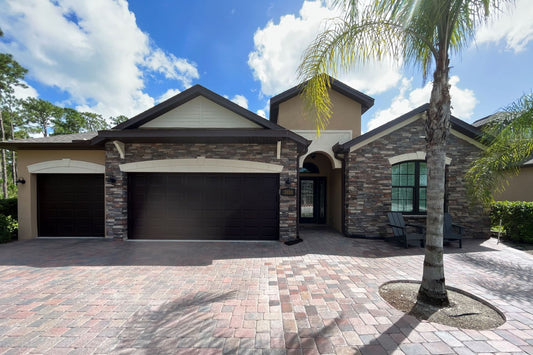
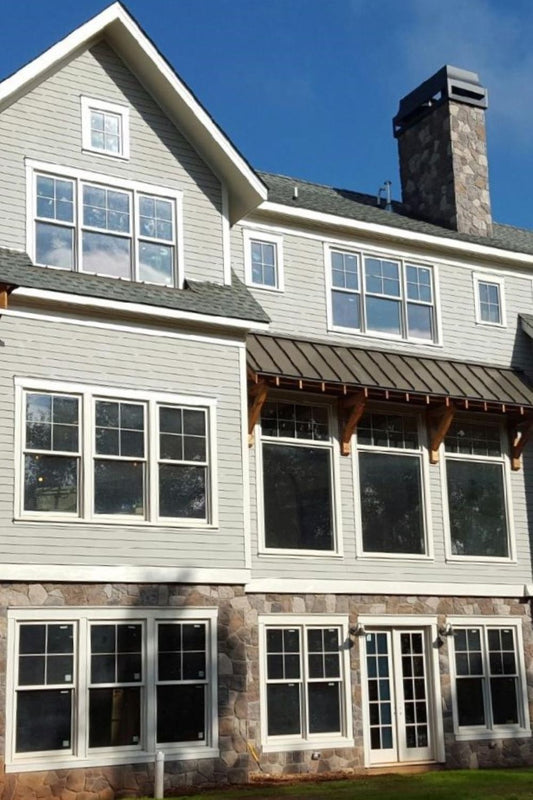
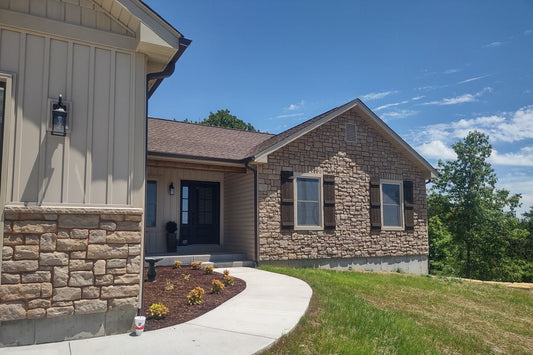
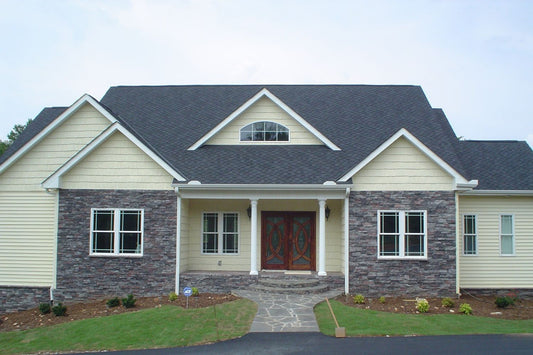
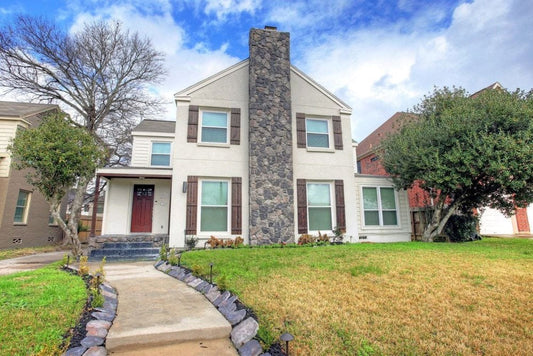
Pictured is an AI generated image of stone veneer on a mobile home.