
Stone Veneer and Freeze-Thaw Cycles: Cold Climate Performance and Durability
Share
Originally posted March 14, 2025, updated April 15, 2026.
Manufactured stone veneer can withstand freeze-thaw cycles when installed with proper moisture control, drainage, and breathable materials. The biggest risk is trapped water behind the veneer, not the cold itself. With correct installation and maintenance, stone veneer performs reliably in harsh winter climates.
If you live in a region with long winters and constant temperature swings, you have likely seen firsthand how destructive the freeze-thaw cycle can be. Surfaces that absorb moisture are especially vulnerable, as repeated freezing and thawing can lead to cracking, spalling, and early material failure. That makes durability a top concern when selecting exterior finishes that will be exposed to the elements year-round. As detailed in our complete guide: the ultimate guide to manufactured stone veneer for exterior spaces, exterior performance depends on building the full system correctly, not just selecting the right veneer product.
When installed with proper drainage, a weather-resistant barrier, and attention to detail, manufactured stone veneer performs exceptionally well in freeze-thaw environments. Most issues arise not from the cold, but from water intrusion or trapped moisture within the system, which can compromise both appearance and structural integrity over time.
What is the freeze-thaw cycle and why it matters
The freeze-thaw cycle occurs when moisture enters a material, freezes as temperatures drop, and expands. When temperatures rise, the ice melts, leaving behind water that can travel deeper into pores or small cracks. As this cycle repeats, pressure builds within the material, leading to cracking, surface deterioration, or structural weakening.
Manufactured stone veneer is made from cement, lightweight aggregates, and pigments designed to replicate natural stone. While it is engineered for durability and consistency, it remains slightly porous. This means it can absorb some moisture, making proper water management essential for long-term performance in cold climates.
The critical issue is not exposure to cold temperatures, but repeated exposure to moisture combined with freezing conditions. If water is properly controlled, freeze-thaw damage becomes far less likely.
How freeze-thaw cycles affect stone veneer
The effects of freeze-thaw cycles on manufactured stone veneer are almost always tied to moisture intrusion. When water finds its way into or behind the system, freezing temperatures can amplify small issues into larger failures over time.
Moisture penetration is one of the most common concerns. If water gets behind the veneer due to poor installation practices, inadequate flashing, or lack of drainage, it can freeze and expand. This expansion creates pressure that may push the veneer away from the wall surface. In addition, excess moisture can lead to efflorescence, which appears as white mineral deposits on the face of the stone.
Cracking and spalling can occur when moisture becomes trapped within the veneer itself. As water freezes and expands inside tiny pores, it can create microfractures. Over time, these fractures may grow, eventually causing pieces of the surface to flake or break away.
Adhesion failure is the most serious issue. When water infiltrates behind the veneer and weakens the mortar bond, entire sections can loosen or detach. This is not a failure of the stone veneer product itself, but rather a failure of the system designed to manage water.
Why proper installation is critical in cold climates
Installation is the single most important factor in determining whether manufactured stone veneer will withstand freeze-thaw conditions. A well-installed system is designed to manage moisture, not eliminate it entirely.
A properly constructed wall assembly includes a weather-resistant barrier that prevents bulk water from reaching the structure behind the veneer. Equally important is a drainage plane or gap that allows any incidental moisture to escape. Without this, water can become trapped, creating ideal conditions for freeze-thaw damage.
Mortar selection also plays a role. In colder climates, a high-strength mortar such as Type S is commonly used because it offers better durability and bonding strength. Correct mortar application ensures that each stone is securely adhered and less vulnerable to movement or separation.
Attention to details such as flashing, terminations, and transitions is essential. These areas are often where water intrusion begins, and they must be handled carefully to prevent long-term issues.
As explained in our complete guide: is manufactured stone veneer durable? long-term performance is influenced just as much by installation and moisture management as it is by the material itself.
Managing moisture to prevent freeze-thaw damage
Moisture control extends beyond installation. Even the best system can be compromised if water is consistently directed toward it or allowed to accumulate.
Proper site drainage is a key factor. Gutters, downspouts, and grading should direct water away from walls rather than toward them. Areas like exterior fireplaces, columns, and wainscoting are especially vulnerable because they are more exposed to direct moisture.
In some cases, applying a breathable sealer can help reduce water absorption. The key is choosing a product that repels liquid water while still allowing vapor to escape. Sealers that trap moisture inside the veneer can actually make freeze-thaw damage worse rather than better.
Routine inspection also plays an important role. Small cracks, loose stones, or deteriorating mortar joints should be addressed early before they allow more water into the system.
Is manufactured stone veneer suitable for cold climates?
Manufactured stone veneer is widely used in regions that experience severe winters, and for good reason. It offers durability, design flexibility, and a lighter weight compared to full-thickness stone, making it easier to install correctly.
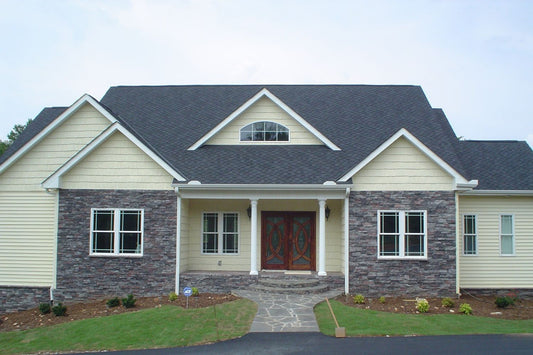
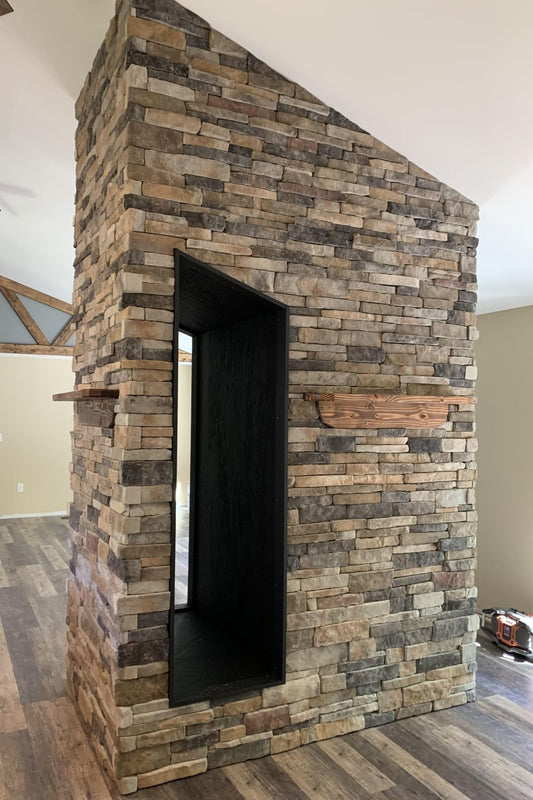
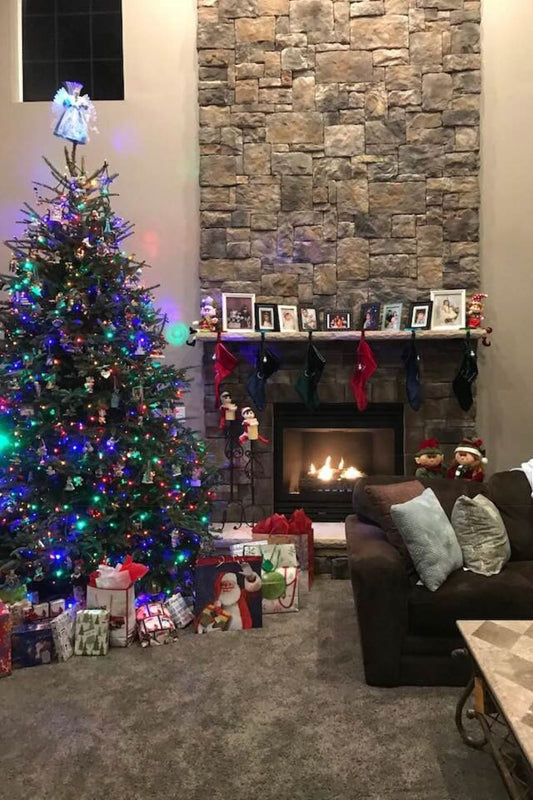
When installed using best practices, it performs well on exterior facades, chimneys, fireplaces, and other architectural features exposed to the elements. Its engineered composition allows for consistent quality and reliable performance across a wide range of conditions.
The key takeaway is that cold temperatures alone do not cause failure. It is the combination of moisture intrusion and freezing conditions that leads to problems. By addressing moisture at every stage, from design to installation to maintenance, stone veneer can last for decades even in demanding climates.
Long-term performance and maintenance
Maintaining manufactured stone veneer in a freeze-thaw environment does not require intensive upkeep, but it does require awareness. Periodic inspections help catch early signs of trouble before they become costly repairs.
Checking for proper drainage, ensuring that flashing remains intact, and repairing minor damage as it appears will go a long way toward preserving the system. Over time, even well-installed veneer may benefit from resealing, depending on the environment and level of exposure.
It is also important to avoid practices that introduce excessive moisture, such as constantly spraying water against the surface or allowing snow and ice to accumulate and melt repeatedly in the same area without proper drainage.
Stone veneer and freeze-thaw cycles
Manufactured stone veneer is a durable and reliable choice for cold-weather applications, but its performance depends heavily on how well moisture is managed. Freeze-thaw cycles are not inherently damaging unless water is allowed to infiltrate and become trapped within the system.
By focusing on proper installation, effective drainage, and routine maintenance, homeowners and builders can ensure that stone veneer remains intact and visually appealing through years of harsh winter conditions.
From Mountain View Stone: what you should know
At Mountain View Stone, we have seen firsthand that freeze-thaw performance comes down to controlling moisture at every stage of a project. High-quality manufactured stone veneer is built to handle harsh climates, but even the best product will struggle if water is allowed to get behind it or remain trapped within the system. That is why we always emphasize proper installation techniques, including the use of a weather-resistant barrier, adequate drainage, and careful attention to flashing and transitions. When these fundamentals are followed, stone veneer not only withstands freeze-thaw cycles but continues to look and perform as intended for decades.
Frequently asked questions
1. Does manufactured stone veneer crack in freezing temperatures? Manufactured stone veneer does not typically crack from cold temperatures alone. Cracking usually occurs when moisture enters the material or gets trapped behind it and then freezes.
2. Do I need to seal stone veneer in cold climates? Sealing is not always required, but in high-moisture environments, a breathable sealer can help reduce water absorption while allowing vapor to escape.
3. What is the biggest cause of stone veneer failure in winter? The most common cause is water getting behind the veneer due to poor installation or lack of drainage, not the freeze-thaw cycle itself.
4. Can stone veneer be used on exterior fireplaces in snowy regions? Yes, stone veneer is commonly used on exterior fireplaces in cold climates, as long as proper flashing, drainage, and installation techniques are followed.
5. How long does stone veneer last in freeze-thaw conditions? When installed correctly and maintained properly, manufactured stone veneer can last for decades, even in regions with frequent freeze-thaw cycles.
What's next?
Transform your vision into reality with our premium stone veneer! Shop now to find the ideal style or order a sample to feel the texture and see the colors up close. Start your project today!
Have a question?
Please see our full terms of service or check out our frequently asked questions.
For general information and questions please call: (864) 882-8960 Mon. - Fri. 8am - 5pm (EST) or email: info@mountainviewstone.net we are more than happy to help you.
Or you can submit your questions via our contact us page.
We look forward to working with you on your upcoming project.
The Mountain View Stone Team
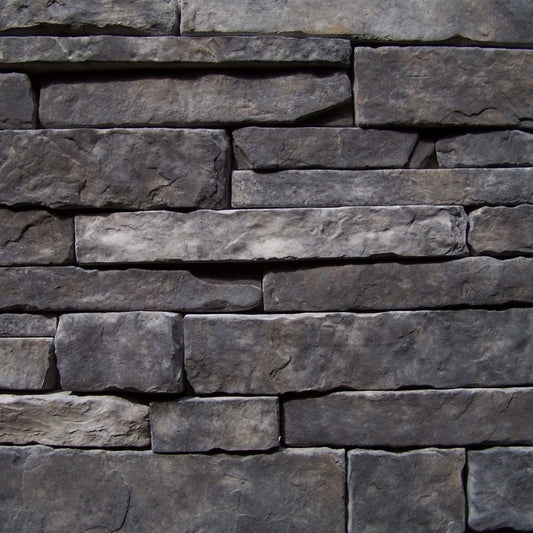
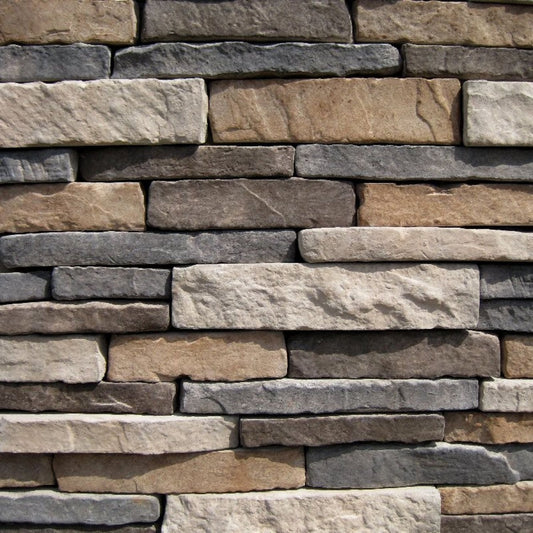
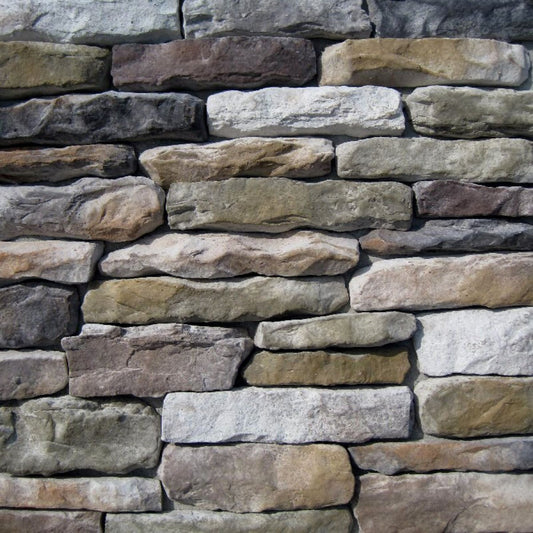
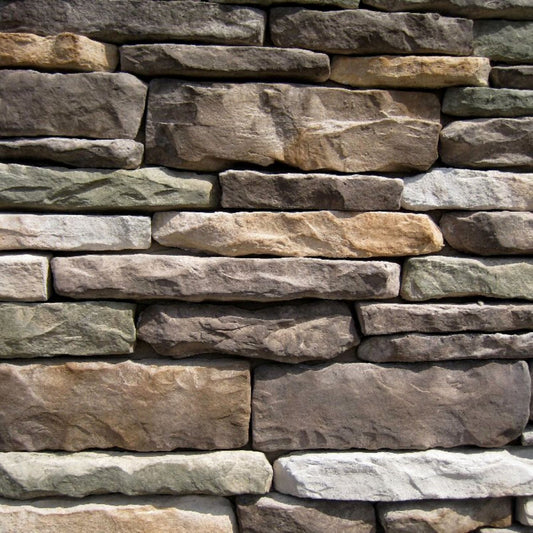
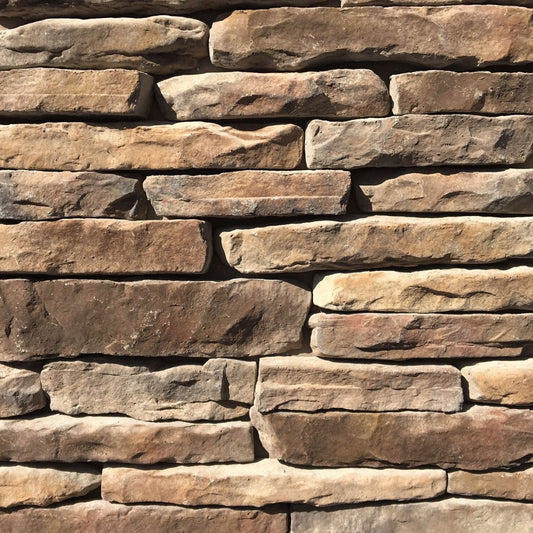
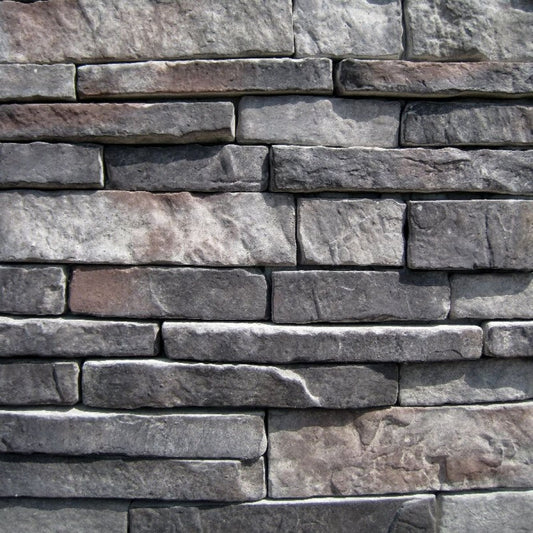
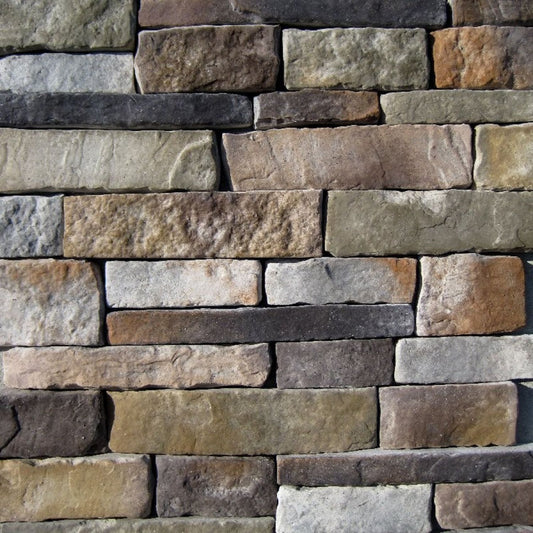
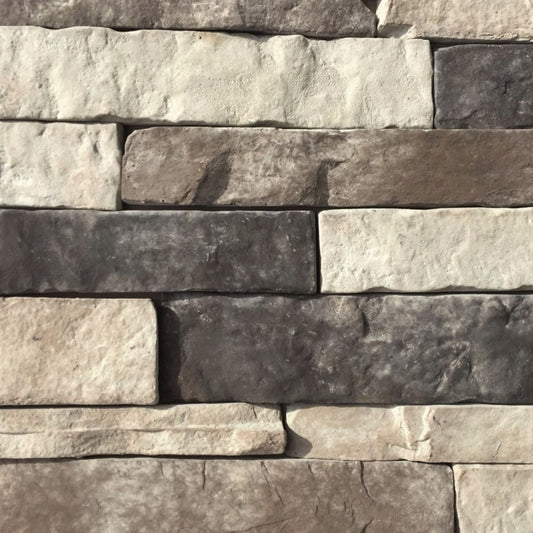
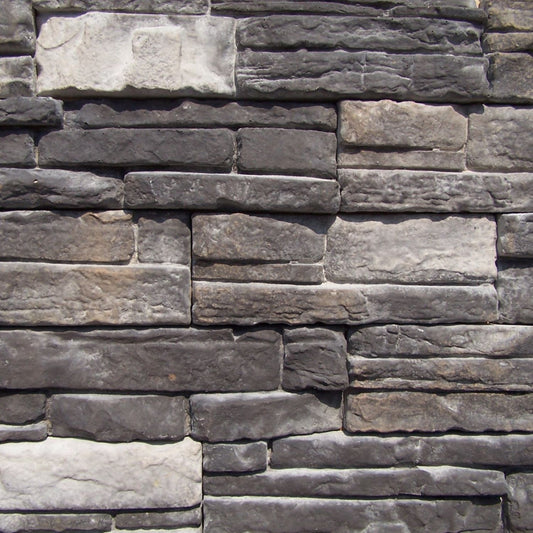
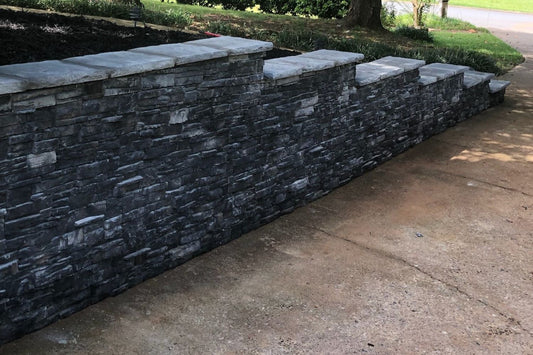
Pictured is stack stone glacier.