
Stone Veneer for Commercial Renovations and Building Upgrades
Share
Manufactured stone veneer is an effective choice for commercial renovations and building upgrades because it improves exterior appearance, adds architectural character, and provides a durable, lightweight alternative to full-depth stone.
Commercial buildings often need to balance appearance, durability, budget, and construction requirements. Whether renovating an older property, updating a retail storefront, modernizing an office building, or improving the exterior of a multifamily development, the right exterior finish can make a significant difference. For a broader look at how manufactured stone veneer can be used in commercial projects, see our complete guide to stone veneer for commercial applications. Manufactured stone veneer provides an effective way to transform an existing commercial building without the weight, cost, and structural requirements associated with full-depth natural stone.
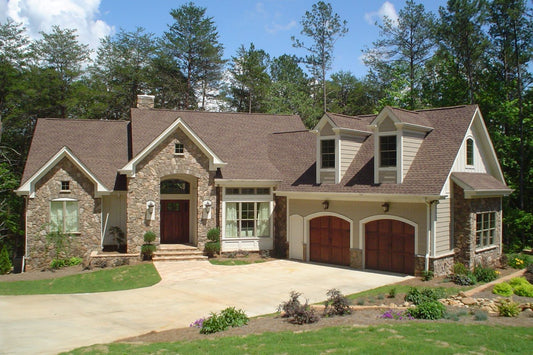
Stone veneer for commercial renovations can be used to refresh outdated exteriors, highlight architectural features, create a more upscale appearance, and give an existing property a completely different visual identity. Because manufactured stone veneer is available in a wide range of colors, profiles, textures, and stone shapes, it can complement both traditional and contemporary commercial architecture.
For property owners, developers, architects, and contractors, manufactured stone veneer offers an opportunity to make a noticeable building upgrade while maintaining flexibility in design. From entrance features and columns to entire exterior walls, stone veneer can be incorporated into commercial renovation projects in ways that enhance both aesthetics and perceived value.
Why Use Stone Veneer for Commercial Renovations?
A commercial renovation does not always require rebuilding an entire structure. In many cases, updating the exterior can dramatically improve the appearance of an aging or underwhelming property. Manufactured stone veneer allows contractors and designers to introduce the appearance of natural stone while working with a veneer system designed for architectural applications.
One of the biggest advantages is design flexibility. Manufactured stone veneer can be installed across large wall surfaces or used selectively around entrances, windows, columns, parapets, signage, and other architectural details. This makes it possible to create a cohesive exterior without covering every surface in stone.
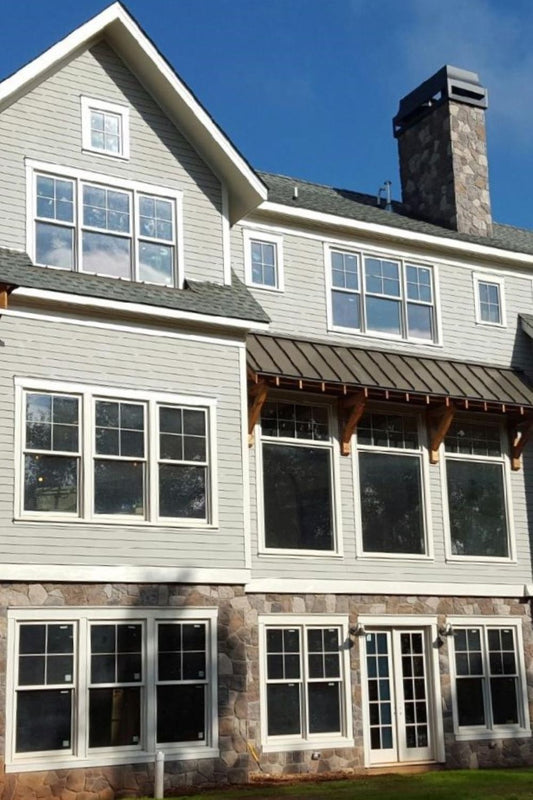
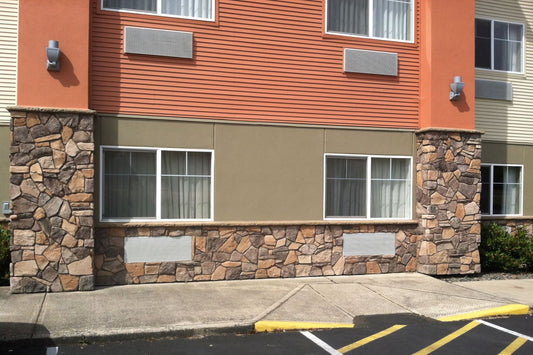
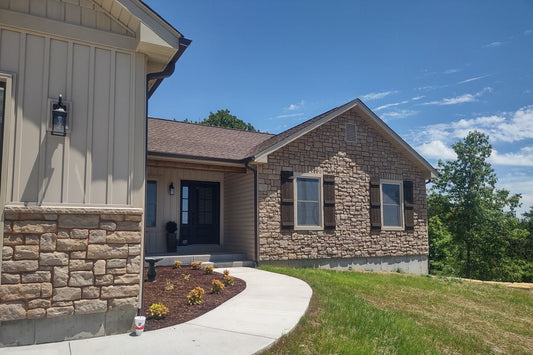
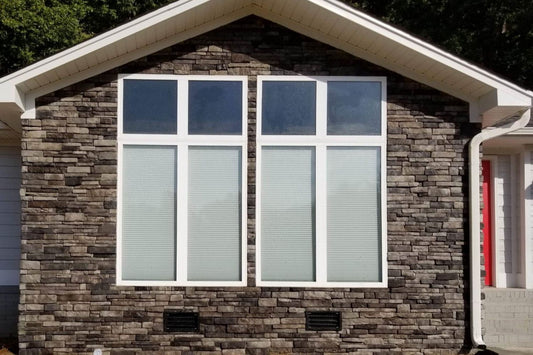
For buildings that currently have dated siding, stucco, concrete, brick, or other exterior finishes, stone veneer can also become part of a broader exterior modernization. Combining stone with metal, wood-look materials, siding, glass, or painted surfaces can create a contemporary commercial appearance while retaining the building's existing structure.
The result is more than a cosmetic improvement. A thoughtfully designed exterior can help a property look better maintained, more distinctive, and more consistent with its intended market.
Improving Commercial Curb Appeal With Manufactured Stone Veneer
First impressions matter in commercial real estate. Customers, tenants, clients, and visitors often form an opinion about a property before they ever enter the building. A dated or visually inconsistent exterior can make an otherwise functional property appear less attractive.
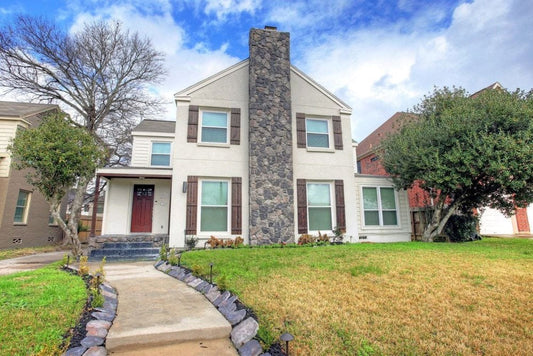
Manufactured stone veneer can create a stronger visual presence around the areas people notice first. Building entrances, reception areas, monument signs, storefront surrounds, columns, and prominent exterior walls are natural locations for architectural stone veneer.
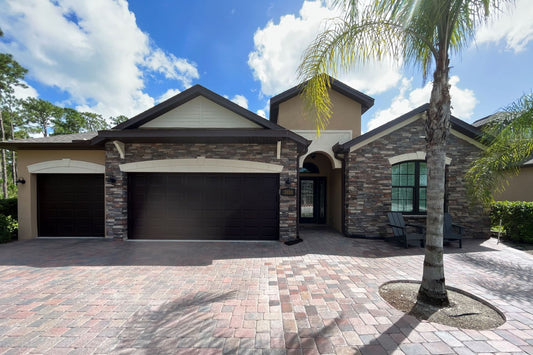
For retail properties, stone can help create a distinctive storefront that separates the business from neighboring buildings. For offices and professional buildings, it can contribute to a more established and substantial appearance. Multifamily properties can use stone veneer to add visual interest to entryways, common areas, garages, and exterior elevations.
Because manufactured stone veneer can be produced in different profiles and color combinations, the design can be tailored to the character of the property rather than forcing every renovation into the same aesthetic.
Renovating Older Commercial Buildings With Stone Veneer
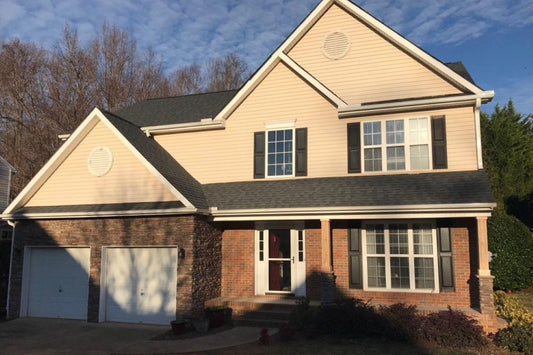
Older commercial properties frequently present a design challenge. Their structures may remain useful, but their exteriors can look dated compared with newer construction. A renovation that updates the facade can give the property a fresh identity without requiring complete reconstruction.
Stone veneer is particularly useful in this situation because it can be incorporated into a larger facade renovation. An existing building can be visually divided into different materials, with manufactured stone veneer providing a substantial architectural element while other areas receive new siding, paint, metal panels, or other finishes.
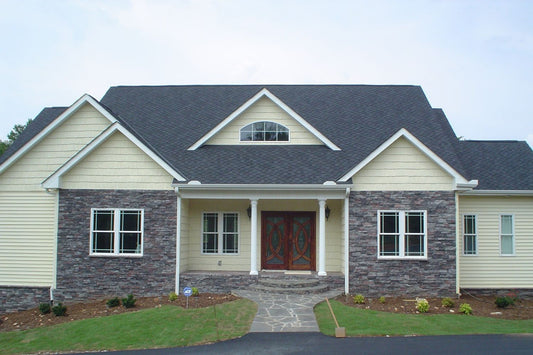
The stone does not necessarily need to cover the entire building. In fact, selective placement can often create a more sophisticated result. A stone-clad entrance surrounded by complementary siding or masonry can establish a focal point without overwhelming the architecture.
For renovation projects where the goal is to make an older building feel newer and more valuable, the texture and variation of manufactured stone veneer can provide considerably more visual depth than a flat painted surface.
Stone Veneer for Commercial Entrances and Architectural Features
Commercial entrances are among the most effective locations for stone veneer. The main entrance is naturally a focal point, and adding stone around the doorway can help establish a stronger sense of arrival.
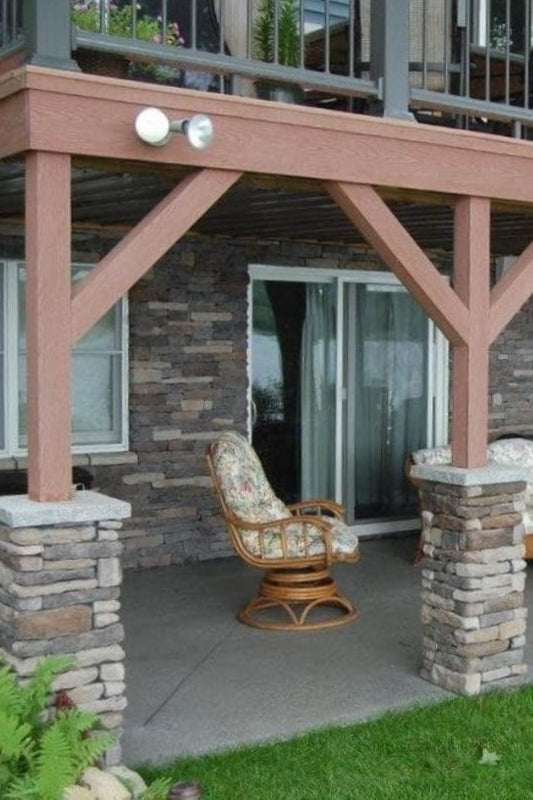
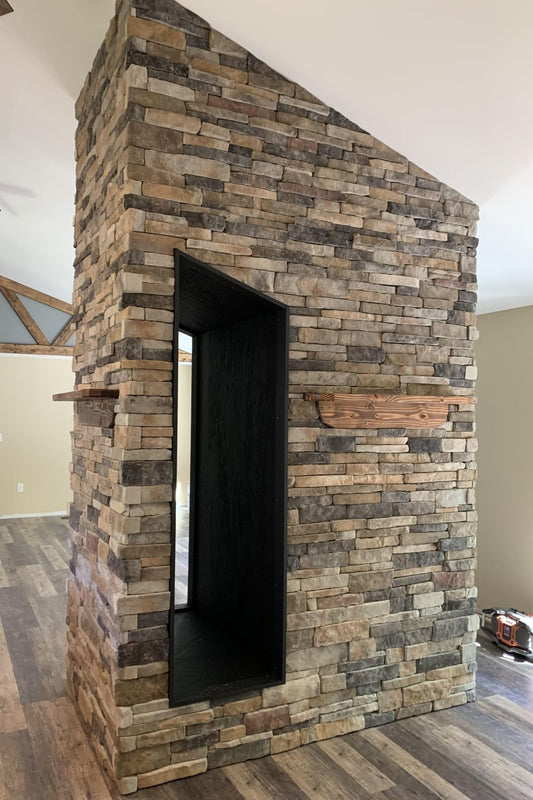
Manufactured stone veneer can also be used around windows, on columns and pilasters, beneath rooflines, along parapets, and around other architectural features. These applications allow designers to emphasize the building's structure rather than simply adding decorative material to a flat wall.
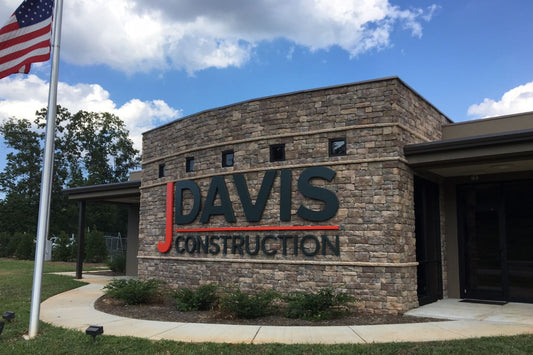
Stone veneer is also well suited to commercial signage and monument features. A stone-clad sign can create a more permanent and substantial appearance than a freestanding sign made entirely from lightweight materials. For shopping centers, office developments, apartment communities, restaurants, and other commercial properties, stone can help visually connect signage with the surrounding architecture.
The ability to coordinate the stone color and profile with the rest of the building is important. Warm neutral tones can complement traditional architecture, while gray, charcoal, black, or mixed-color stone can work well with modern commercial designs.
Combining Stone Veneer With Other Exterior Materials
Modern commercial renovations rarely rely on a single exterior material. Designers frequently combine several finishes to create contrast and visual hierarchy. Manufactured stone veneer works particularly well in these mixed-material designs.
Stone can be paired with fiber cement siding, metal panels, brick, wood-look materials, stucco, glass, and painted surfaces. The contrast between textured stone and smoother materials can help define different sections of a building while maintaining a cohesive appearance.
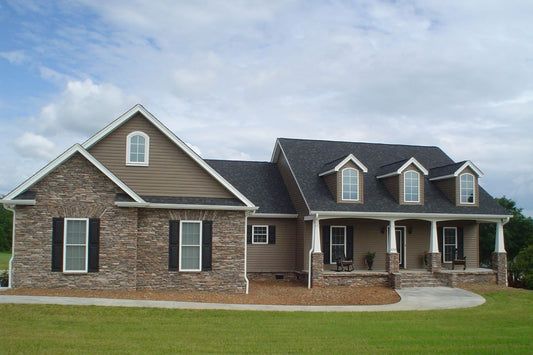
For example, a commercial building could use manufactured stone veneer around the main entrance while incorporating a modern panel system across the upper facade. Another design might use stone veneer on lower wall sections and columns while using siding or metal on the remaining elevations.
This flexibility makes stone veneer useful for renovation projects where architects want to retain portions of an existing exterior while introducing new materials and architectural details.
Durability and Maintenance for Commercial Applications
Commercial buildings are exposed to weather, temperature changes, moisture, traffic, and everyday wear. Exterior renovation materials therefore need to provide more than visual appeal.
Manufactured stone veneer is cement-based and designed for exterior architectural applications when installed according to appropriate installation requirements. Proper substrate preparation, moisture management, mortar selection, and installation are important for achieving a durable result.
Like other exterior masonry materials, stone veneer can require periodic cleaning and maintenance depending on the building's environment. Properly installed veneer should also be designed with the surrounding wall assembly and moisture management system in mind. Manufactured stone veneer is not a waterproofing system by itself, so the underlying wall assembly remains an important part of the renovation.
For commercial property owners, selecting a material that can maintain its appearance over time can make an exterior renovation more worthwhile. A well-designed stone veneer facade can provide long-term architectural character rather than simply serving as a short-term cosmetic improvement.
Planning Stone Veneer Into a Commercial Building Upgrade
Successful commercial renovations begin with planning. Before selecting a manufactured stone veneer, the project team should consider the existing wall assembly, substrate, moisture management, architectural design, installation requirements, and overall material transitions.
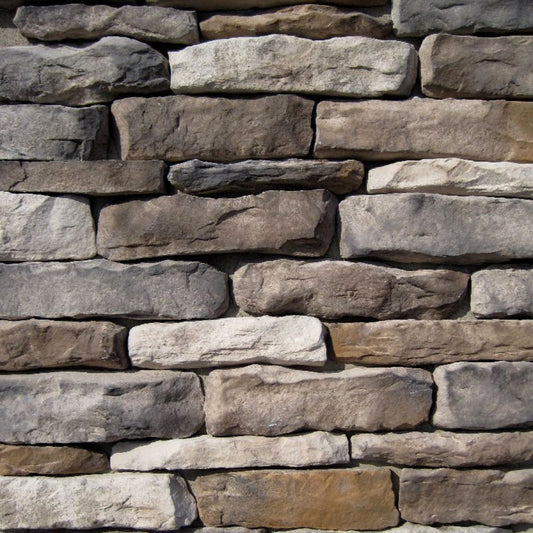
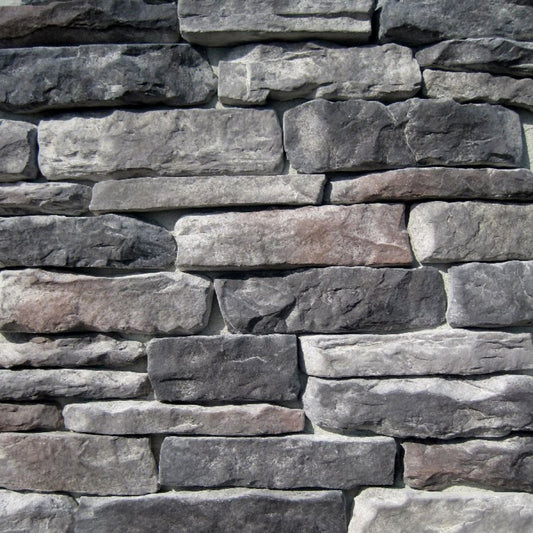
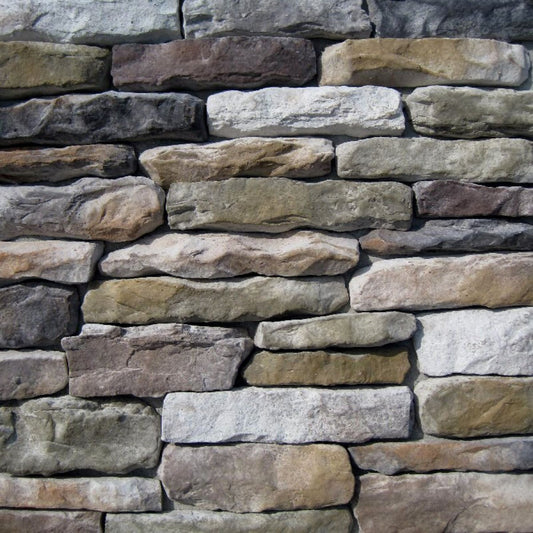
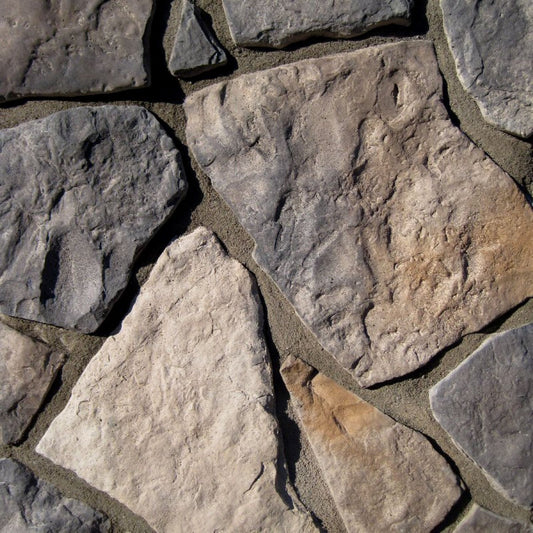
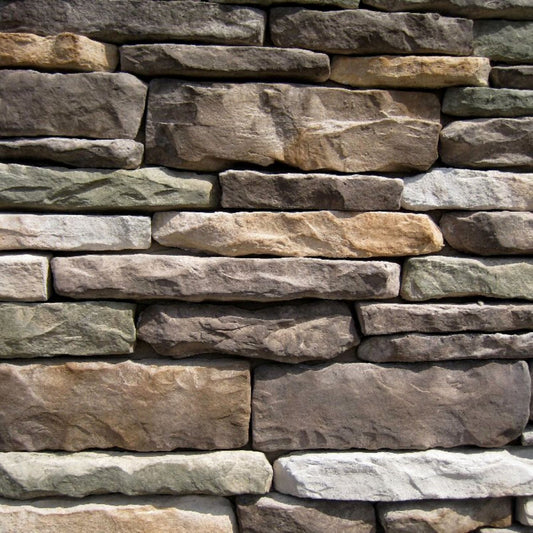
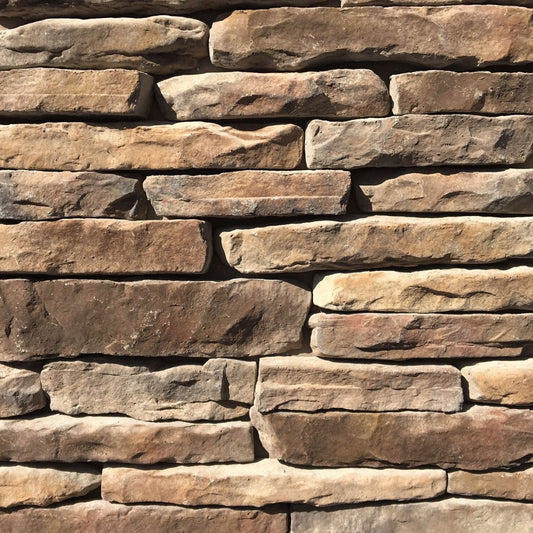
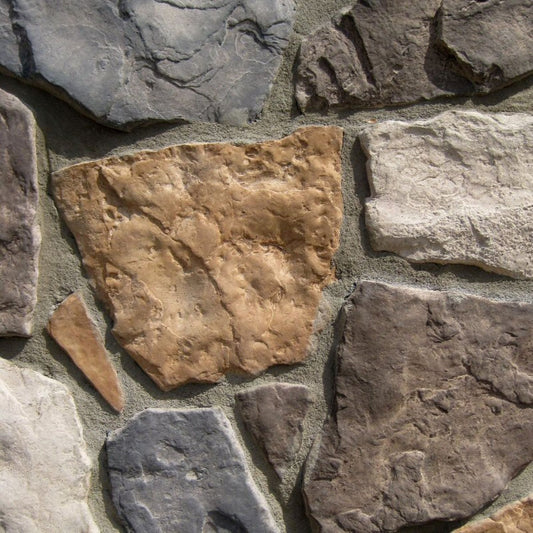
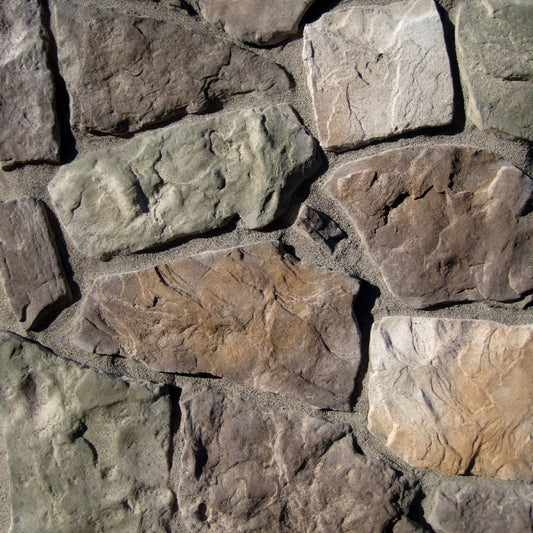
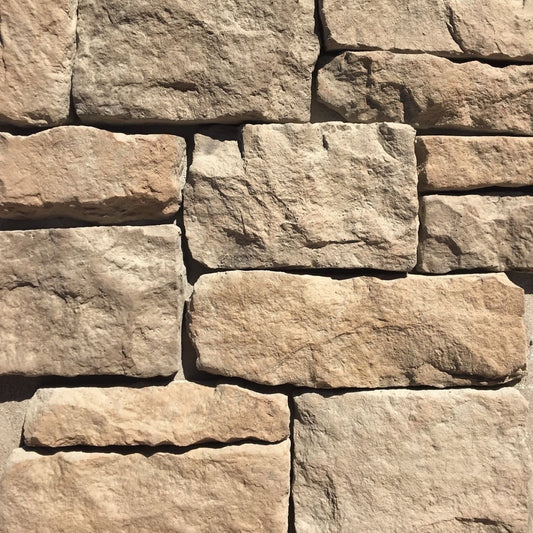
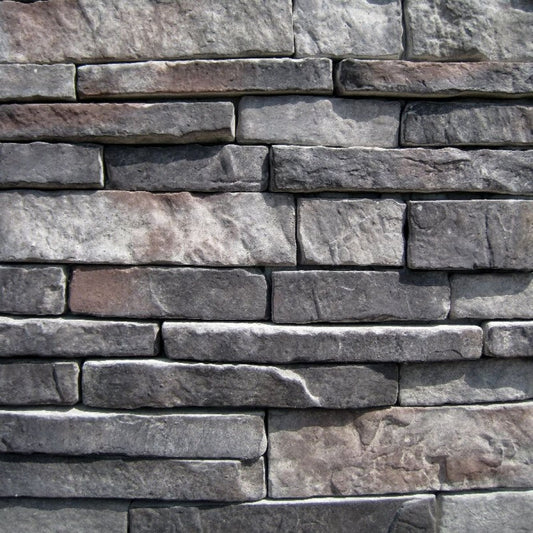
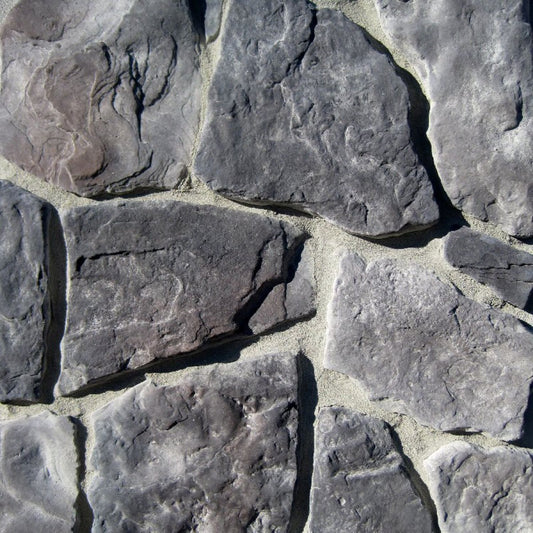
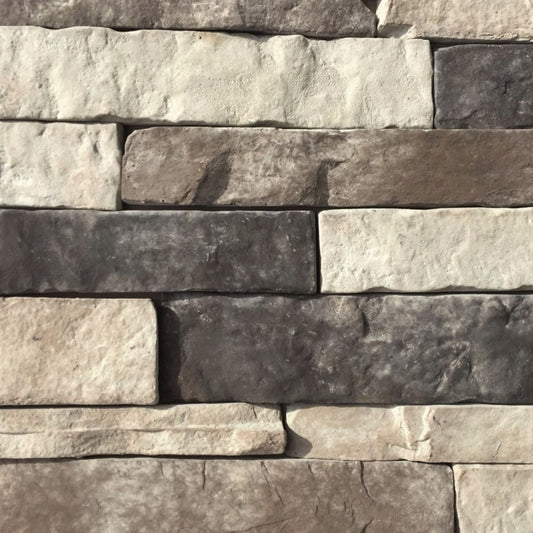
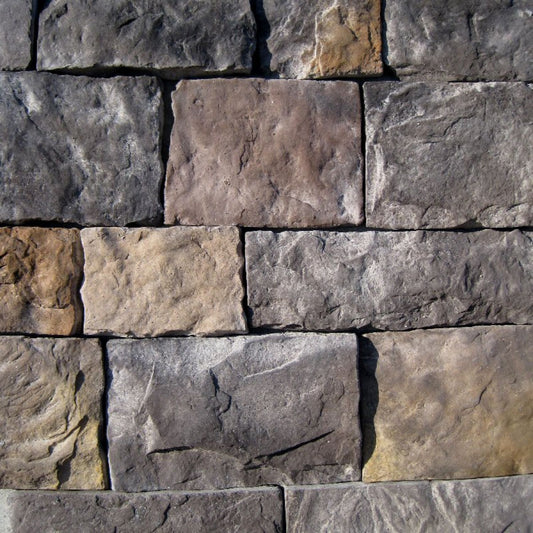
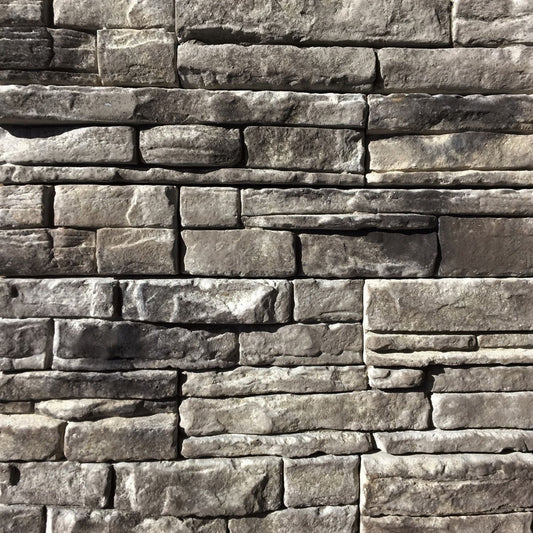
The desired appearance should also be established early. Different stone veneer profiles can produce dramatically different architectural effects. Tightly fitted stacked stone emphasizes individual stones with narrow visible mortar joints, while ledgestone creates more pronounced horizontal coursing with longer, thinner stones. Ashlar and other stone profiles can provide different proportions and patterns suited to more traditional or formal commercial architecture.
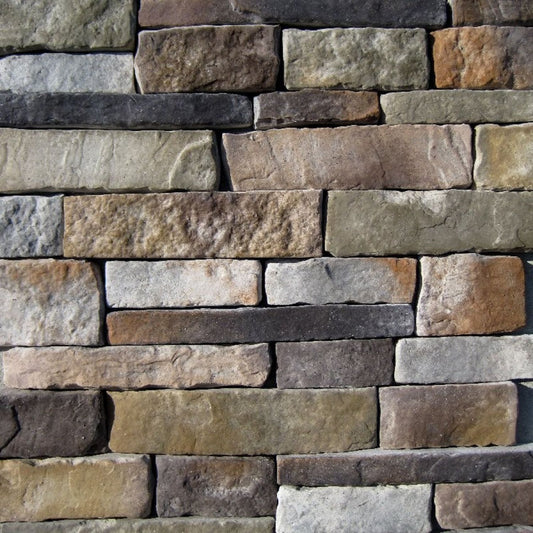
Color selection is equally important. The stone should work with the building's existing or planned roof, trim, siding, windows, doors, signage, and surrounding landscape. Samples are especially useful because manufactured stone veneer can look different under natural daylight, shade, and interior lighting than it does in a digital photograph.
Planning these details before installation helps prevent the stone from looking like an afterthought. Instead, it becomes an integrated part of the building's architectural design.
A Cost-Effective Alternative to Full-Depth Stone
One reason manufactured stone veneer is attractive for commercial renovation projects is that it can provide the appearance and character of masonry without requiring full-depth stone construction. The veneer is designed as a facing material rather than a structural wall system, which can provide greater flexibility when renovating an existing building.
The overall project cost depends on the selected product, quantity, substrate, installation requirements, site conditions, labor, and other construction factors. However, stone veneer can be a practical option when a project needs the visual impact of stone without rebuilding walls as full-depth masonry.
For commercial property owners considering an exterior upgrade, the material can therefore occupy a useful middle ground between a relatively basic facade refresh and a much more extensive reconstruction.
Creating a Stronger Commercial Property Identity
A successful commercial renovation should do more than make a building look newer. It should help communicate what the property represents.
Stone has long been associated with permanence, quality, and craftsmanship. Manufactured stone veneer allows commercial properties to incorporate those visual qualities into contemporary renovation projects while providing considerable flexibility in profile, color, and application.
For businesses competing for customers, property owners attracting tenants, or developers seeking to create a recognizable architectural identity, an improved exterior can be an important part of the overall investment. Stone veneer can establish focal points, reinforce branding, and help a previously dated building feel more intentional and professionally designed.
Stone Veneer for Commercial Renovations and Building Upgrades
Stone veneer for commercial renovations offers architects, contractors, developers, and property owners a versatile way to upgrade existing buildings and improve exterior appearance. Manufactured stone veneer can be used on entrances, feature walls, columns, signage, storefronts, and larger facade areas, making it suitable for a wide range of commercial building upgrades.
Its combination of architectural character, design flexibility, and durable cement-based construction makes manufactured stone veneer a practical choice for many renovation projects. When properly selected and installed as part of a well-designed wall assembly, it can give an older or ordinary commercial building a refreshed appearance that is built to remain visually appealing for years.
Whether the goal is to modernize an office, update a retail property, improve a multifamily development, or create a more distinctive commercial entrance, manufactured stone veneer can turn an exterior renovation into a significant architectural transformation.
From Mountain View Stone: What You Should Know
At Mountain View Stone, we understand that commercial renovation projects require more than choosing a stone color and profile. Manufactured stone veneer is a permanent architectural finish, so it is important to plan for the existing substrate, moisture management, installation requirements, project schedule, and the overall design of the building before ordering materials. Our manufactured stone veneer is made in the USA using Portland cement, lightweight aggregates, and mineral oxide pigments, and each product is designed to provide the appearance and character of natural stone while remaining practical for architectural applications. Commercial projects can also benefit from ordering stone veneer samples before making a final selection, particularly when coordinating the veneer with existing brick, siding, metal, windows, signage, or other exterior finishes. Because commercial orders are made to meet project requirements, we recommend allowing adequate time for product production, freight delivery, and installation planning so the stone arrives when it is needed on the jobsite.
Frequently Asked Questions About Stone Veneer for Commercial Renovations and Building Upgrades
Is manufactured stone veneer durable enough for commercial exteriors?
Yes. Manufactured stone veneer can be used on many commercial buildings and renovation projects, including offices, retail properties, restaurants, multifamily developments, commercial entrances, monument signs, and architectural feature walls. Proper substrate preparation and installation are essential.
Can stone veneer be installed over an existing commercial building exterior?
It depends on the existing wall assembly and substrate. Commercial renovation projects should be evaluated to determine whether the existing surface is suitable and what preparation or additional wall components are required. Exterior applications may require appropriate moisture management, a weather-resistant barrier, metal lath, and a mortar scratch coat depending on the substrate.
How durable is manufactured stone veneer for commercial exteriors?
Manufactured stone veneer is designed for architectural applications and can provide a durable exterior finish when installed correctly. The longevity of the installation depends on proper substrate preparation, moisture management, installation practices, and ongoing maintenance.
Can commercial buildings combine stone veneer with other siding materials?
Yes. Manufactured stone veneer can be combined with materials such as siding, brick, metal panels, stucco, wood-look products, and glass. Combining materials can create architectural contrast and help define entrances, feature areas, and different sections of a commercial facade.
Can stone veneer improve the curb appeal of an older commercial building?
Yes. Adding manufactured stone veneer to prominent areas such as entrances, columns, storefront surrounds, feature walls, and signage can significantly change the visual character of an older commercial property. It can help a dated building appear more substantial, modern, and professionally designed.
What should be considered before using stone veneer in a commercial renovation?
The project team should evaluate the existing substrate, wall assembly, moisture management, stone profile, color, installation requirements, building design, and how the veneer will transition to other exterior materials. Planning these elements before installation helps ensure the finished stonework looks integrated with the overall architecture.
Are You a Pro?
At Mountain View Stone, we work closely with architects, designers, contractors, and builders who need more than just a material supplier, they need a reliable partner who understands commercial demands. From specification support to custom color development and project coordination, our focus is on helping professionals bring complex facade designs to life with confidence. Whether you’re working on a large-scale commercial development or a detailed architectural feature, we’re here to support your vision with consistent, made-to-order stone veneer solutions built for real-world performance.
We also have a dedicated team for trade and commercial professionals, so feel free to reach out directly at pros@mountainviewstone.net for project support, inquiries, or additional information about our verified pro program.
What's Next?
Bring your project to life with premium manufactured stone veneer from Mountain View Stone. Shop now to find the perfect style for your project or order a sample to see the color, texture, and craftsmanship in person. Start planning your project today.
Have a Question?
Please see our full terms of service or check out our frequently asked questions.
For general information and questions please call: (864) 882-8960 Mon. - Fri. 8am - 5pm (EST) or email: info@mountainviewstone.net we are more than happy to help you.
Or you can submit your questions via our contact us page.
We look forward to working with you on your upcoming project.
The Mountain View Stone Team
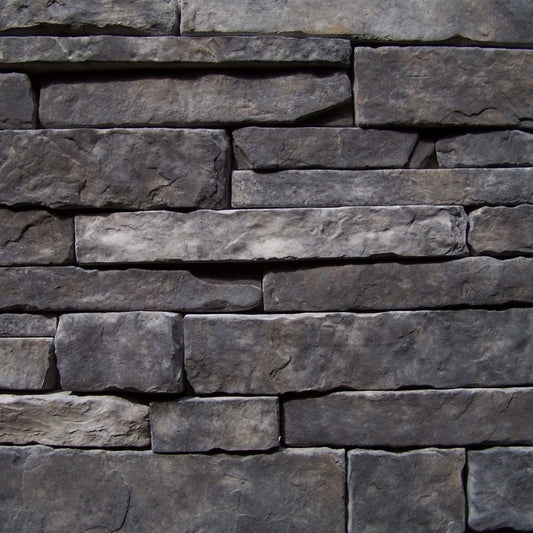
Pictured is lime stone ash.