
Stone Veneer Near Heat Sources? Fire Safety, Clearances, and Installation Guide
Share
Originally posted February 17, 2025, updated April 8, 2026.
Yes, manufactured stone veneer can be installed near heat sources like fireplaces, BBQs, and wood stoves because it is non-combustible. However, safe installation requires proper clearances, non-combustible backing materials, and heat-resistant mortars to prevent damage and ensure long-term performance.
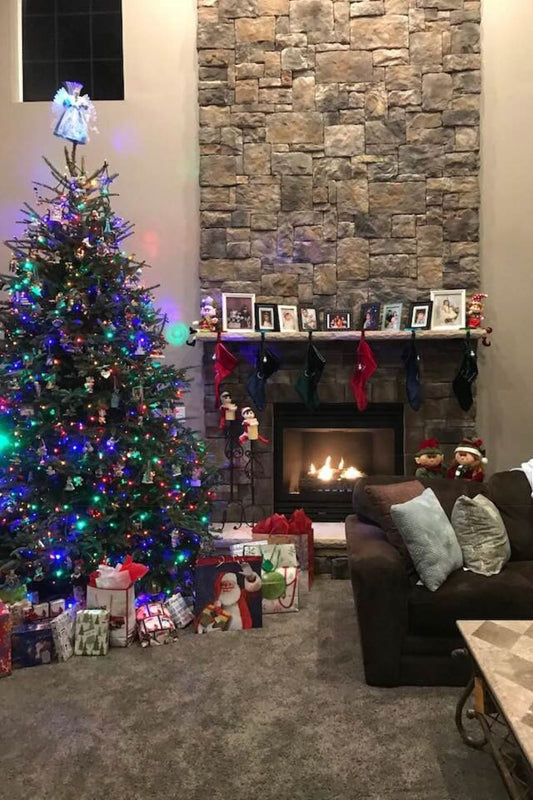
Manufactured stone veneer has become a go-to material for homeowners and builders looking to achieve the look of natural stone without the added weight or cost. It is frequently used to enhance fireplaces, outdoor kitchens, and feature walls, many of which are located near significant heat sources. This naturally leads to an important question: can stone veneer safely handle high temperatures? The answer is yes, but only when it is installed correctly. For more inspiration and guidance, see our complete article on stone veneer fireplaces.
While the stone veneer itself is designed to resist heat and does not burn, the overall system surrounding it plays a critical role in safety and durability. From substrates and mortars to clearances and ventilation, every component must be carefully considered when working in heat-prone areas. Understanding how manufactured stone veneer performs under heat, along with following proper installation practices, will ensure that your project not only looks great but also stands the test of time.
Understanding fire ratings and heat resistance
Manufactured stone veneer is composed primarily of Portland cement, lightweight aggregates, and mineral-based pigments. This composition makes it a non-combustible material, meaning it will not ignite, burn, or contribute to the spread of flames. This characteristic is one of the main reasons it is widely used around fireplaces and outdoor cooking areas. To better understand long-term performance, see is manufactured stone veneer durable?
However, it is important to distinguish between the stone veneer itself and the full wall system. While the veneer can handle high temperatures, the materials behind it may not. Substrates such as drywall or plywood, along with certain adhesives, can degrade or even become hazardous when exposed to prolonged heat.
Fire ratings are therefore not just about the surface material. They apply to the entire assembly, including the backing, fasteners, and bonding agents. This is why proper installation methods are essential when using stone veneer near heat sources. A well-designed system ensures that heat is safely managed and does not compromise the structure behind the veneer.
Installation considerations for heat-prone areas
Installing manufactured stone veneer near heat sources requires careful planning and adherence to building codes. Clearance distances are one of the most important factors to consider. Wood-burning stoves, for example, often require a significant buffer between the heat source and any combustible materials. These clearances can vary depending on the appliance, but they are critical for preventing heat damage and reducing fire risk.
Fireplaces and BBQ installations also require attention to heat transfer. Even though the visible surface may be non-combustible, heat can radiate through materials and affect what lies beneath. This is why protective barriers and proper spacing are essential components of any installation near high temperatures.
Local building codes and manufacturer guidelines should always be consulted before beginning a project. These standards are designed to ensure safety and may specify exact clearance requirements, approved materials, and installation techniques. Ignoring these recommendations can lead to structural issues or safety hazards over time.
The importance of non-combustible backing
One of the most critical aspects of installing stone veneer near heat sources is the choice of substrate. While the veneer itself is heat-resistant, it must be supported by materials that can withstand similar conditions. Cement board, concrete, and properly prepared masonry surfaces are all suitable options because they do not burn or degrade under high temperatures.
Using combustible materials such as drywall or plywood behind stone veneer in heat-exposed areas can lead to serious problems. Over time, heat can weaken these materials, causing the veneer to loosen or fail. In more extreme cases, it can even create a fire hazard.
A properly constructed backing system ensures that the entire installation performs as intended. It provides a stable foundation for the veneer while also protecting the structure from heat-related damage. This step is especially important for projects involving fireplaces, wood stoves, or outdoor cooking areas.
Choosing the right mortars and adhesives
Mortar plays a crucial role in securing manufactured stone veneer, and not all mortars are created equal when it comes to heat resistance. Standard mortars may perform well in typical conditions, but prolonged exposure to high temperatures can cause them to break down over time.
For installations near heat sources, it is important to use mortars that are specifically designed to handle elevated temperatures. Heat-resistant or refractory mortars are formulated to maintain their strength and integrity even when exposed to intense heat. This helps prevent issues such as cracking, loosening stones, or complete bond failure.
Selecting the right mortar is not just about durability. It is also about safety. A strong, heat-resistant bond ensures that the stone veneer remains securely in place, even in demanding environments.
Managing heat, expansion, and ventilation
Temperature fluctuations can have a significant impact on building materials. As surfaces heat up and cool down, they naturally expand and contract. Over time, this movement can lead to cracks or other forms of damage if it is not properly managed.
When installing stone veneer near heat sources, it is important to account for this thermal movement. Proper spacing, the use of expansion joints, and thoughtful design all contribute to a more resilient installation. These measures allow materials to move slightly without causing stress or damage to the veneer.
Ventilation is another key consideration. Allowing heat to dissipate helps reduce the overall temperature within the wall system, minimizing the risk of damage to both the veneer and the underlying materials. Good airflow can significantly extend the lifespan of the installation while maintaining its appearance.
Ideal applications for stone veneer near heat sources
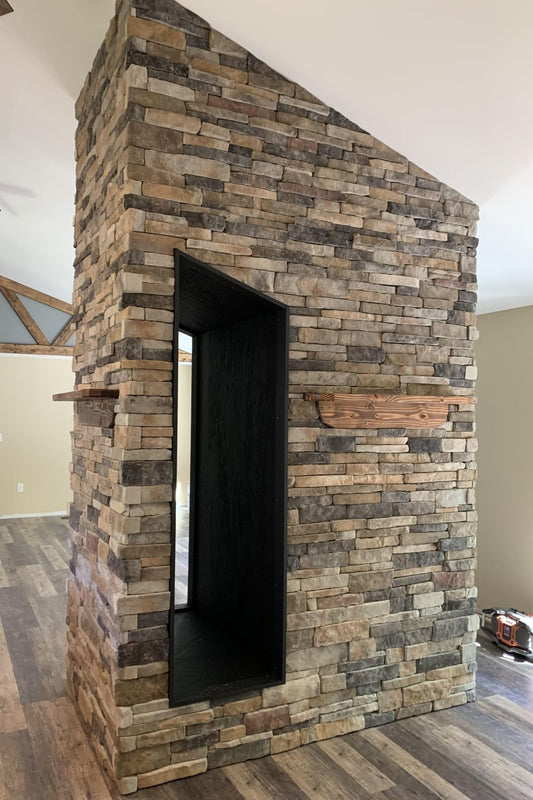
Manufactured stone veneer is well-suited for a variety of applications where heat is present, provided that proper installation techniques are followed. Fireplace surrounds are among the most common uses, offering a natural and inviting focal point for both indoor and outdoor spaces. When installed with appropriate backing and clearances, stone veneer performs exceptionally well in these environments.
Outdoor kitchens and BBQ areas are another popular application. Stone veneer adds texture and visual appeal, helping to create a cohesive and high-end design. However, it is important to ensure that the veneer is not placed in direct contact with extreme heat, such as inside fireboxes or immediately adjacent to burners.
Wood-burning stoves also benefit from the addition of stone veneer, particularly when creating a decorative surround or accent wall. As with other heat sources, maintaining proper clearance and using the right materials is essential to prevent heat-related issues.
These applications highlight the versatility of manufactured stone veneer, demonstrating that it can be both functional and visually striking in heat-exposed environments.
Stone veneer near heat sources?
Manufactured stone veneer is a durable, attractive, and fire-resistant material that can be safely used near fireplaces, BBQs, and wood-burning stoves when installed correctly. Its non-combustible nature makes it an ideal choice for heat-prone areas, but the success of any installation depends on more than just the surface material.
Proper clearances, non-combustible backing, heat-resistant mortars, and thoughtful design all play a role in ensuring long-term safety and performance. By following building codes and manufacturer recommendations, homeowners and builders can confidently incorporate stone veneer into their projects without compromising on safety.
When done right, stone veneer not only enhances the visual appeal of a space but also provides lasting durability in even the most demanding environments.
From Mountain View Stone: what you should know
At Mountain View Stone, we always recommend carefully reviewing your project plans when installing stone veneer near heat sources. Every application is different, and factors like clearance requirements, substrate choice, and ventilation can significantly impact the final result. Ordering a sample and consulting with a professional installer can help ensure your project meets both design expectations and safety standards. While we are happy to provide guidance, it is ultimately the responsibility of the customer to confirm compliance with local building codes and manufacturer specifications before installation.
Frequently asked questions
1. Can manufactured stone veneer withstand high heat? Yes, manufactured stone veneer is non-combustible and can withstand high temperatures, making it suitable for use near fireplaces and outdoor cooking areas when installed properly.
2. How close can stone veneer be to a fireplace or stove? Clearance requirements vary depending on the heat source and local building codes. It is important to follow manufacturer guidelines and code regulations for safe distances.
3. Do I need special materials behind stone veneer near heat? Yes, non-combustible backing materials such as cement board or masonry surfaces are required to ensure safety and durability in heat-prone areas.
4. What type of mortar should be used near heat sources? Heat-resistant or refractory mortar is recommended for installations near fireplaces, BBQs, and stoves to prevent bond failure over time.
5. Is stone veneer safe for outdoor kitchens and BBQ areas? Yes, stone veneer works well in outdoor kitchens and BBQ areas as long as it is not exposed to direct flame or extreme heat and is installed with proper clearances.
6. Can stone veneer crack from heat exposure? Improper installation or lack of expansion joints can lead to cracking over time. Proper design and materials help prevent this issue.
What's next?
Bring your vision to life with our premium stone veneer! Shop now for the perfect style or order a sample to see the quality for yourself. Start your project today!
Have a question?
Please see our full terms of service or check out our frequently asked questions.
For general information and questions please call: (864) 882-8960 Mon. - Fri. 8am - 5pm (EST) or email: info@mountainviewstone.net we are more than happy to help you.
Or you can submit your questions via our contact us page.
We look forward to working with you on your upcoming project.
The Mountain View Stone Team
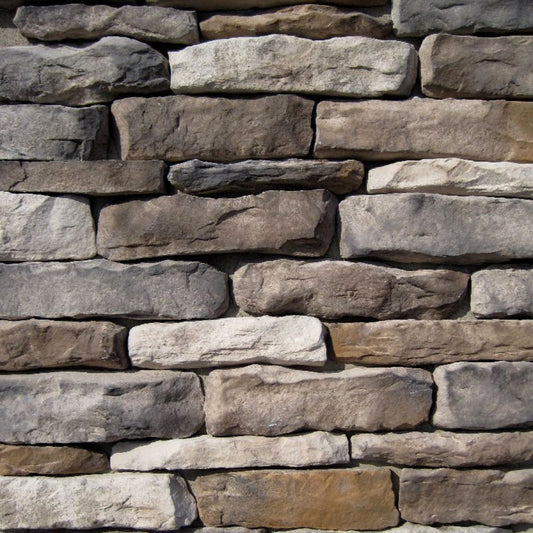
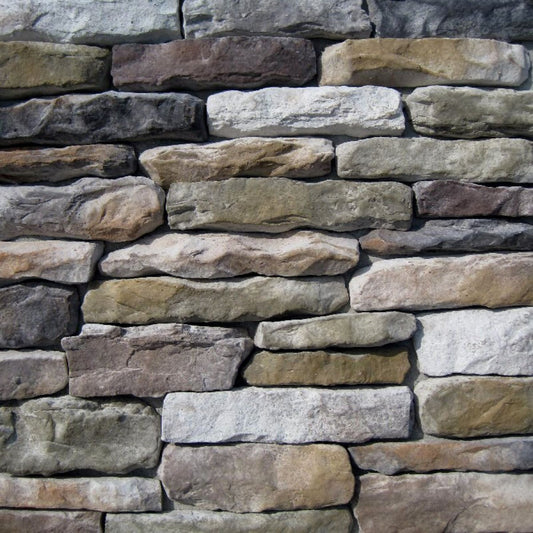
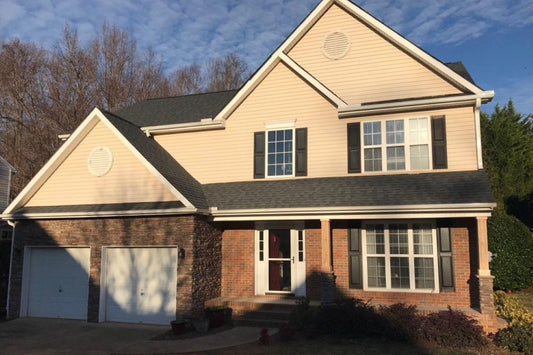
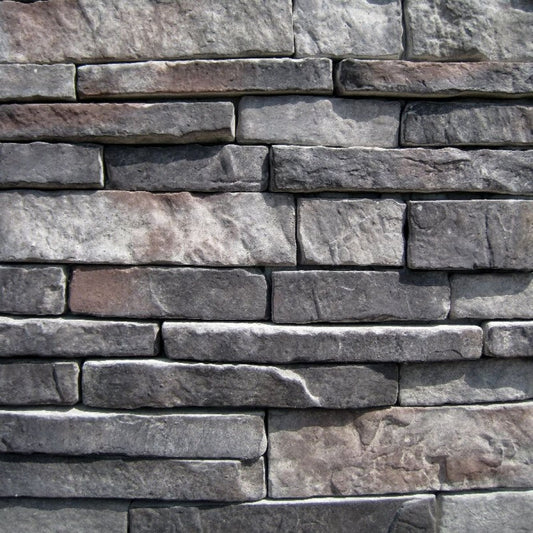
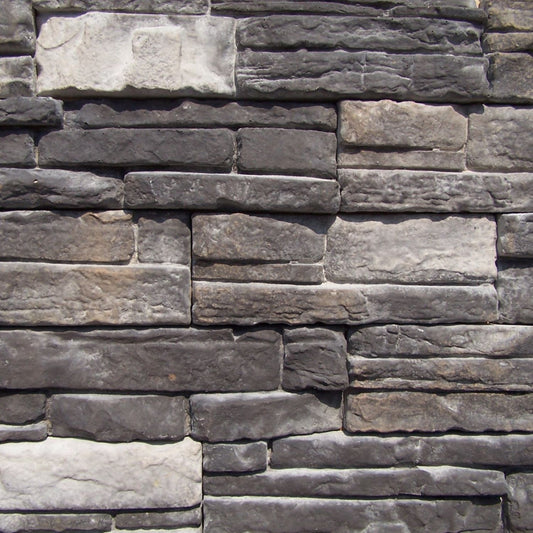
Pictured is brick veneer old towne.