
Bring Stone Veneer Inside and Outside Your House: Creating a Connected Home Design
Share
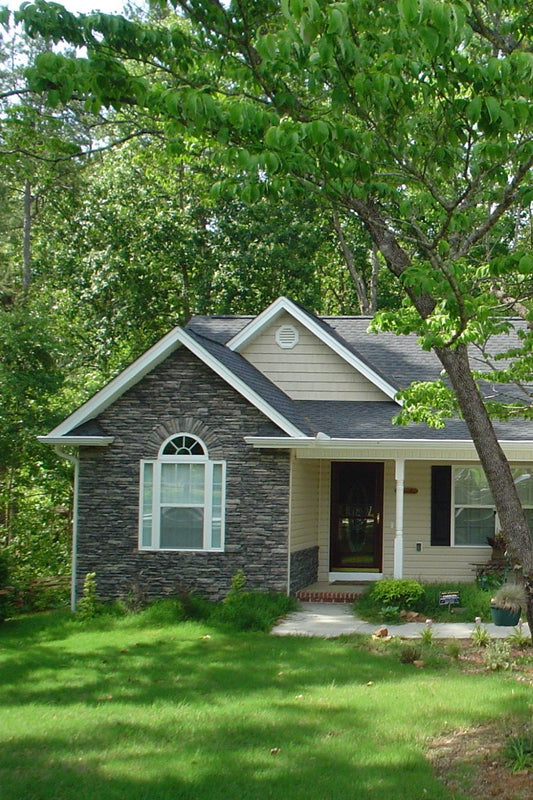
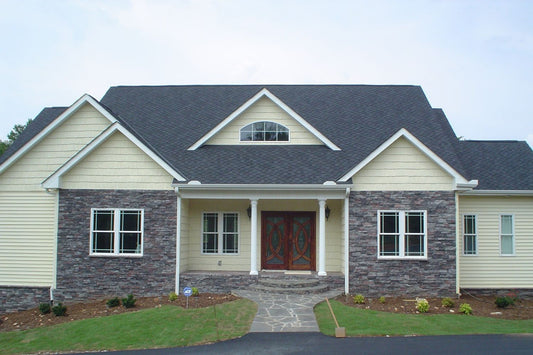
Bring stone veneer inside and outside your house by using the same or coordinating stone colors, profiles, and textures in key interior and exterior areas. This creates visual continuity between spaces such as fireplaces, entryways, accent walls, porches, and exterior walls while giving your home a cohesive, intentional design.
Stone has a natural ability to make a home feel warm, substantial, and connected to its surroundings. While manufactured stone veneer is often associated with exterior applications, it can also be used indoors to create striking fireplaces, accent walls, entryways, kitchen features, and other architectural details. One of the most effective ways to use stone veneer is to bring that same design language from inside your home to the exterior. For a closer look at the many ways manufactured stone veneer can be used throughout a home, see our complete guide to where can you install manufactured stone veneer?
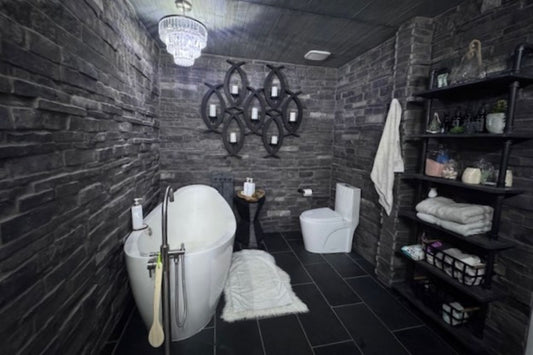
Using coordinating manufactured stone veneer inside and outside your house can create a visual transition that makes the entire property feel more cohesive. Rather than treating the interior and exterior as completely separate design projects, you can select stone colors, textures, and profiles that complement one another. The result can be a home where an interior fireplace relates naturally to an exterior chimney, an entryway connects with a stone-clad exterior porch, or an indoor accent wall visually carries through to an outdoor living space.
Why Use Coordinating Stone Veneer Inside and Outside Your House?
Interior and exterior spaces are often designed independently, but the areas where they meet can benefit from a more unified approach. Doors, windows, fireplaces, porches, patios, and covered outdoor living areas all create opportunities to connect the architecture of your home from one side of the wall to the other.
Coordinating manufactured stone veneer can help establish that connection. You do not necessarily need to use the exact same stone everywhere. In fact, combining complementary stone profiles or colors can create more visual interest. The goal is to establish a relationship between the materials rather than making every surface identical.
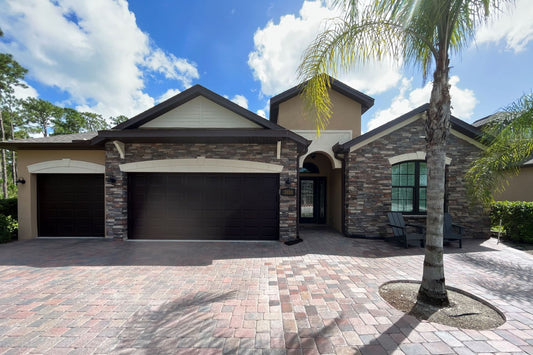
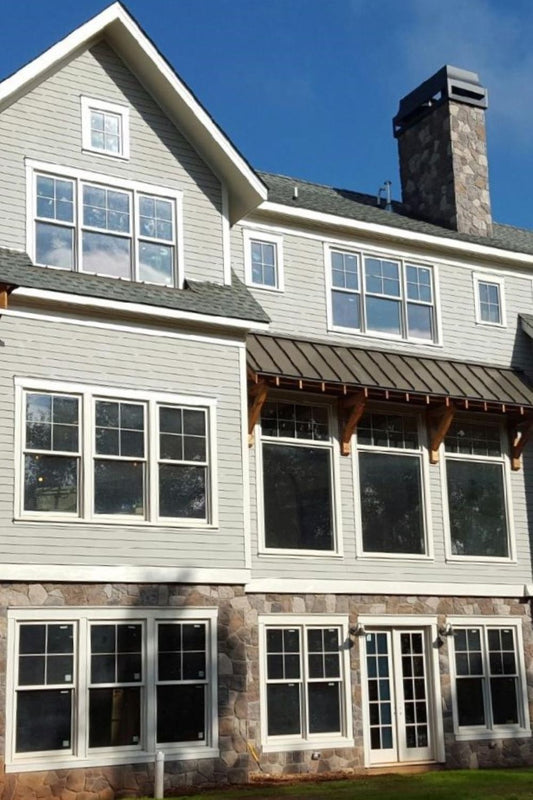
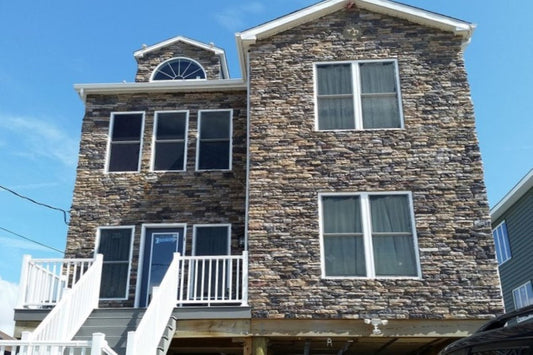
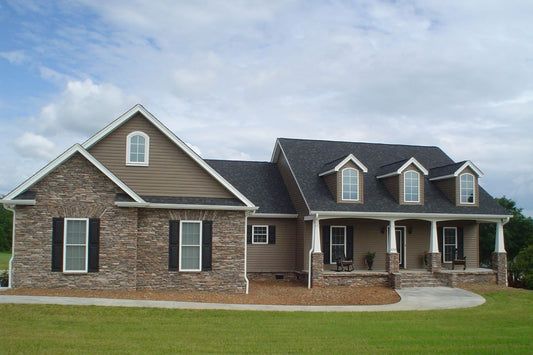
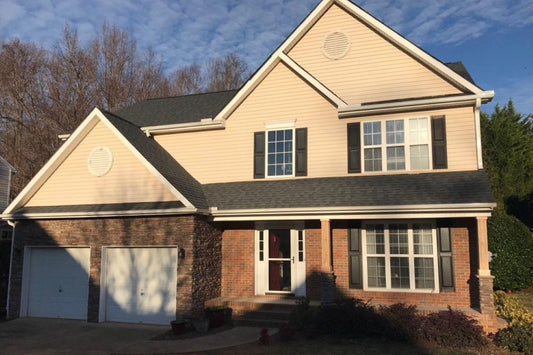
For example, a stone veneer fireplace inside the living room can use a color that also appears around the exterior chimney or on a portion of the home's front elevation. An entryway featuring stone veneer can transition naturally to a stone-clad exterior porch or foundation wall. Even when the applications are separated by walls, doors, and windows, repeating related materials helps the home feel intentionally designed.
Start With a Stone Color That Works Throughout the Home
Color is one of the easiest ways to create continuity between interior and exterior stone veneer. When selecting manufactured stone veneer for multiple areas of your home, consider how the stone will interact with the other permanent materials already present. Flooring, cabinetry, roofing, siding, brick, trim, countertops, and painted surfaces can all influence which stone colors work best.
A stone color that looks attractive inside may also work beautifully outdoors when it shares undertones with the home's exterior materials. Warm stone can complement wood, cream, beige, and earth-toned finishes, while cooler stone colors can work well with gray siding, darker trim, and contemporary architectural designs.
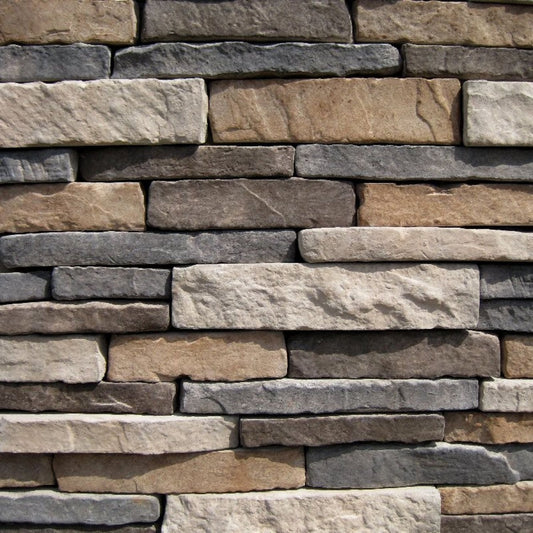
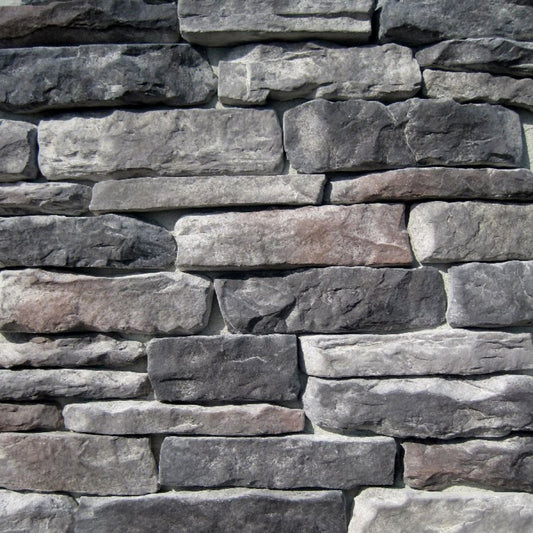
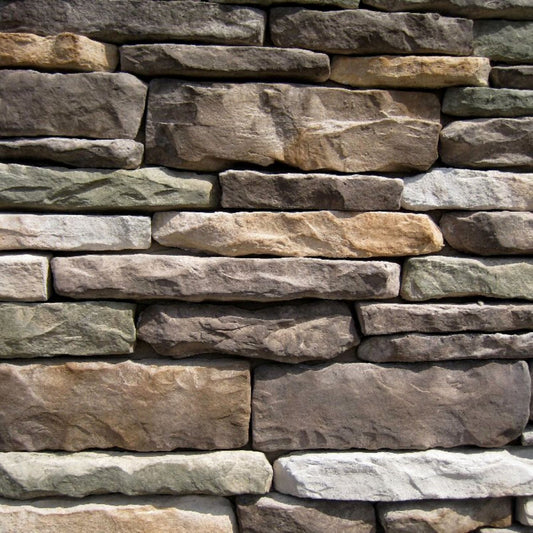
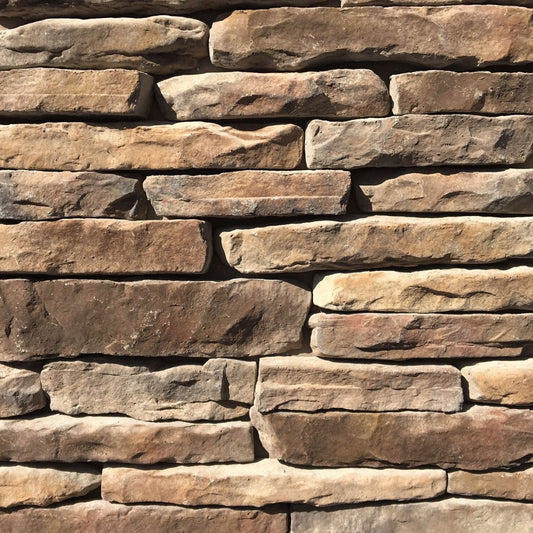
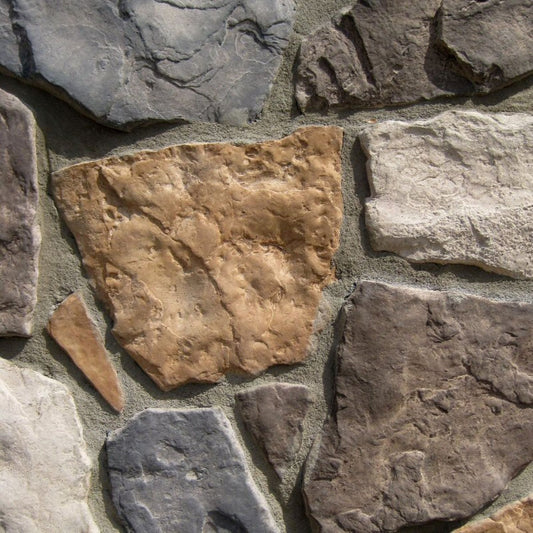
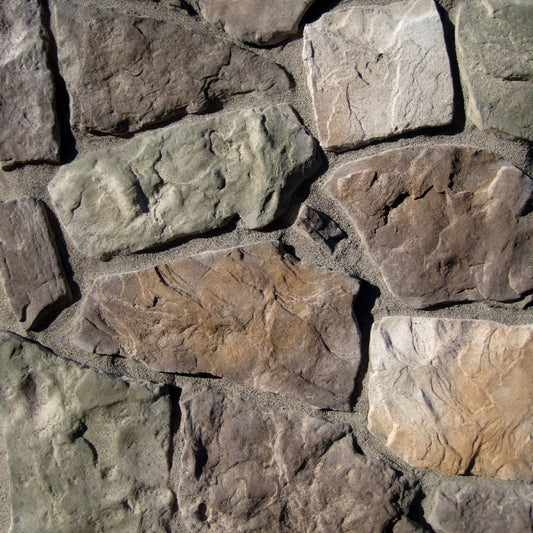
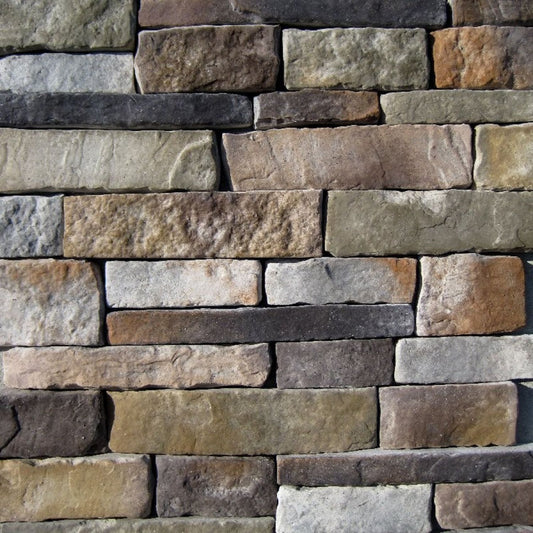
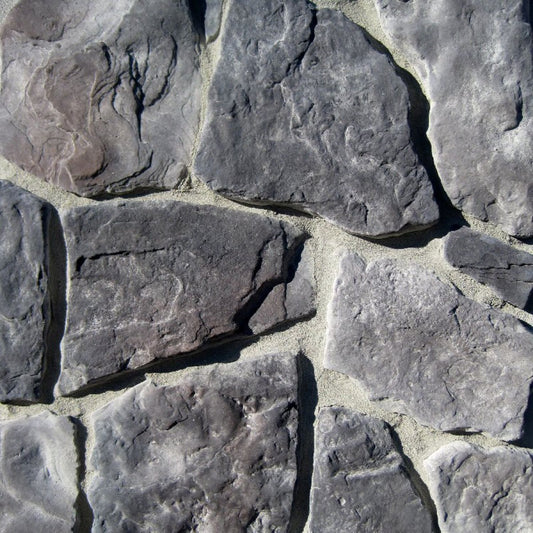
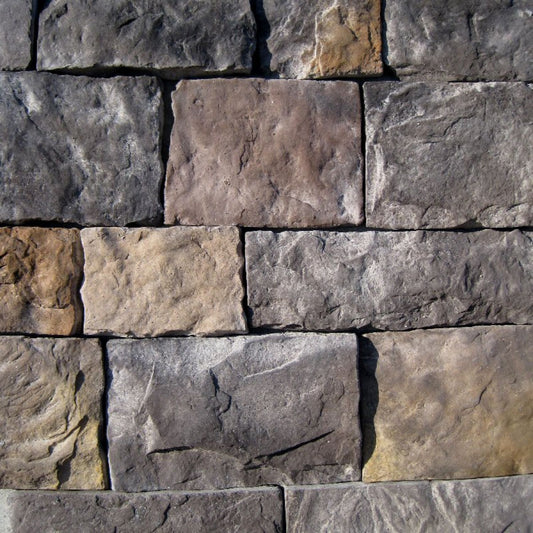
The goal is not necessarily to match every material. Instead, look for colors that repeat or complement one another. Manufactured stone veneer typically contains multiple shades within the overall color blend, giving you several opportunities to connect the stone with colors already found throughout the home.
Use the Same Stone Profile to Create a Stronger Connection
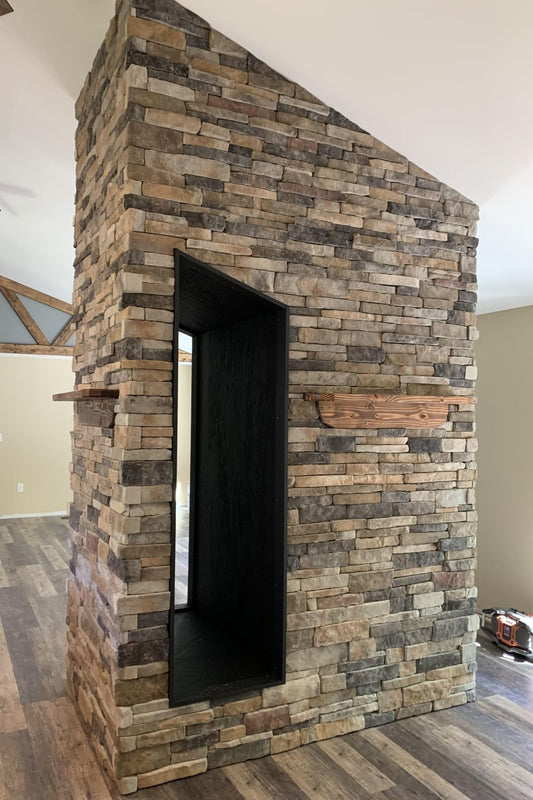
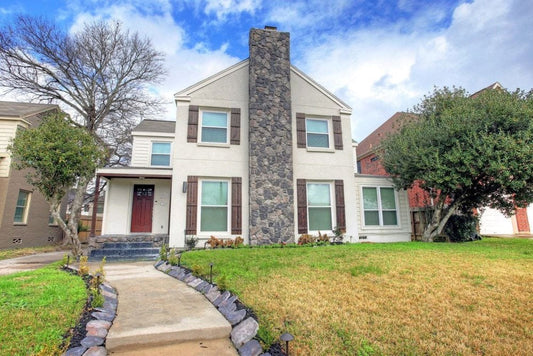
Color is important, but the profile of the stone also has a major effect on the finished design. Using the same stone profile inside and outside can create a particularly strong visual connection. A stone fireplace inside the home and an exterior chimney constructed with the same profile can immediately feel like parts of the same architectural feature.
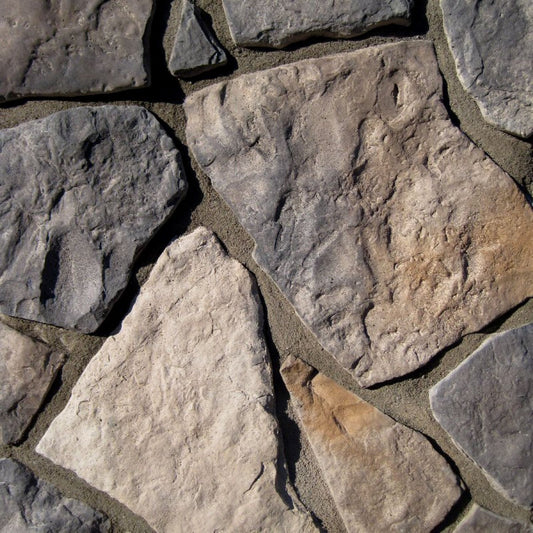
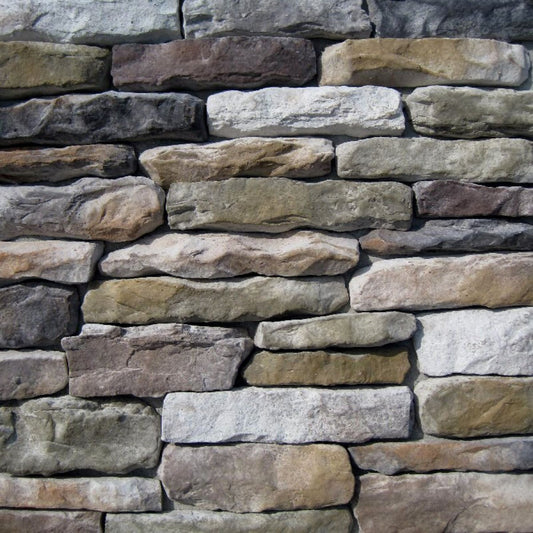
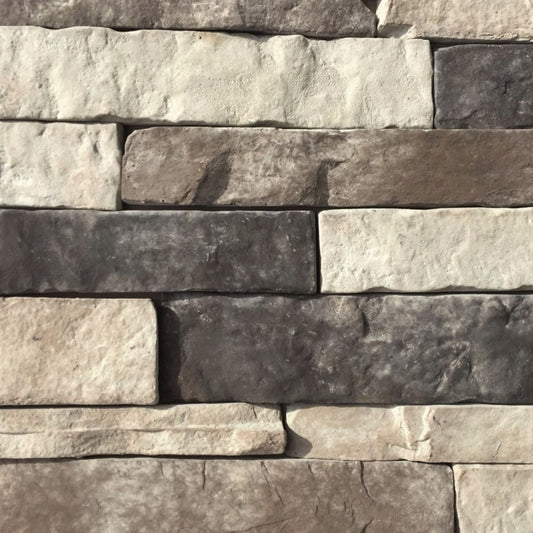
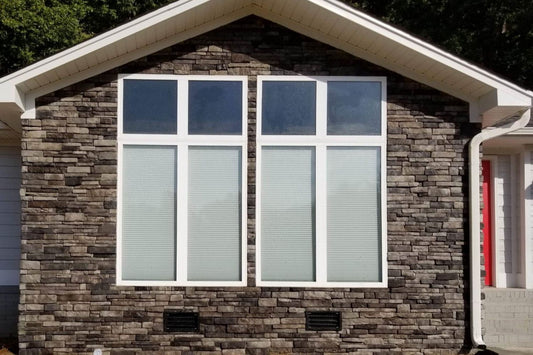
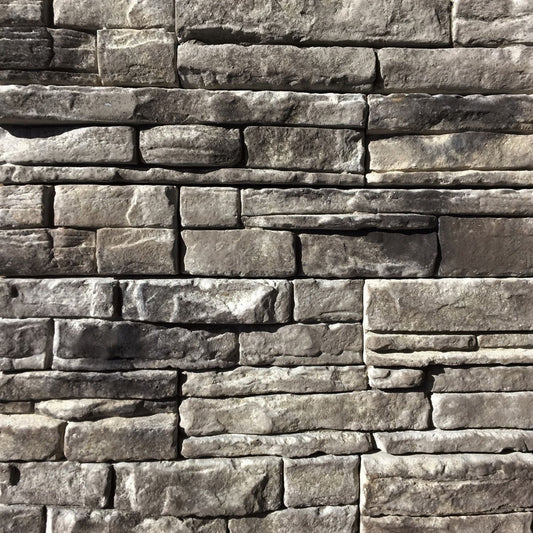
Different profiles can also be coordinated successfully. Stacked stone, for example, features tightly fitted individual stones with minimal or narrow mortar joints, creating a more compact appearance. Ledgestone uses longer, thinner stones with pronounced horizontal coursing and visible horizontal lines. These differences can be used intentionally to give each space its own character while maintaining a relationship through color.
The key is to avoid choosing interior and exterior materials that compete with one another. If the interior stone has substantial texture and variation, a complementary exterior stone can provide continuity without making the entire home feel visually busy.
Carry Stone From an Interior Fireplace to the Exterior
Fireplaces are one of the most natural places to begin when bringing stone veneer inside and outside your house. A fireplace already acts as a major architectural focal point, making it an ideal location for establishing a stone design that can continue elsewhere.
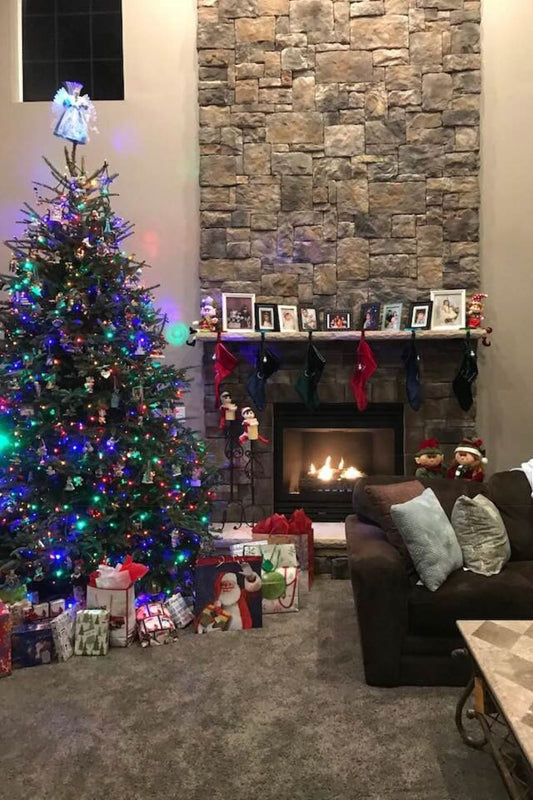
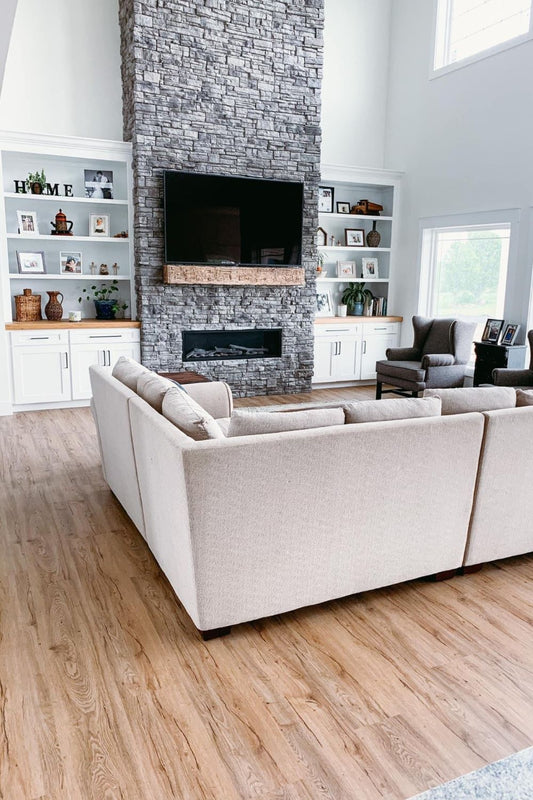
An interior fireplace can feature manufactured stone veneer around the firebox, extending upward toward the ceiling or incorporating the surrounding wall. The same or coordinating stone can then appear on the exterior chimney or around an outdoor fireplace. When these areas are visible from nearby spaces, the repeated stone helps create a sense that the architecture continues through the home.
For homes with an outdoor living area, this approach can be particularly effective. An indoor fireplace and outdoor fireplace do not need to be identical, but coordinating their stone color can visually connect the two entertaining spaces.
Create a Connected Entryway From Inside to Outside
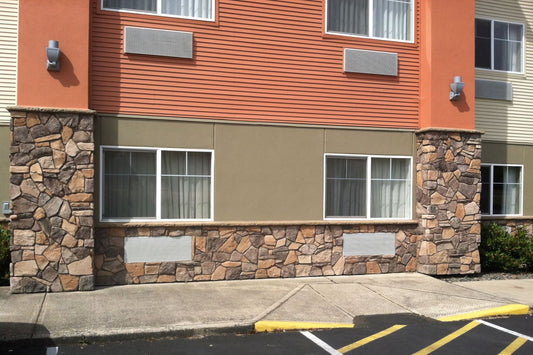
The front entrance is another excellent opportunity to transition stone veneer between indoor and outdoor spaces. The exterior entry may incorporate manufactured stone around the front door, porch columns, foundation, or portions of the facade. Inside, the foyer can use a coordinating stone accent wall or architectural feature.
Because the entryway is the transition point between the exterior and interior, related materials can make the move from outside to inside feel more natural. A stone color used around the exterior front door can be repeated on an interior wall, while complementary wood flooring and trim can soften the transition.
This approach works particularly well when the front entry is visible from the home's main living areas. Instead of the exterior stone ending abruptly at the door, related materials can continue the design story into the home.
Extend Stone Into Outdoor Living Spaces
Outdoor living areas are increasingly designed as extensions of the interior rather than completely separate spaces. Covered patios, outdoor kitchens, fireplaces, porches, and entertaining areas can all benefit from materials that relate to the home's interior design.
Manufactured stone veneer can help reinforce that connection. If the interior uses a warm, natural stone color, carrying similar tones onto an outdoor fireplace, kitchen feature, or architectural wall can make the outdoor space feel like a continuation of the living area.
This is especially effective when large windows or sliding doors create a direct visual connection between the indoor and outdoor spaces. When people can see the stone indoors and a coordinating stone feature immediately outside, the two areas can feel more like one connected environment. For more ideas on using stone veneer throughout exterior spaces, explore the ultimate guide to manufactured stone veneer for exterior spaces.
Use Stone as an Accent Rather Than Covering Everything
Bringing stone veneer inside and outside your house does not mean covering every available wall with stone. In many designs, stone is most effective when it is used selectively to emphasize important architectural features.
Inside the home, that might mean a fireplace wall, partial accent wall, kitchen feature, staircase wall, or entryway. Outside, the same stone could appear on the chimney, foundation, porch, entry, columns, or a portion of the exterior facade.
Repeating the material in carefully selected locations can actually create stronger continuity than using it everywhere. The surrounding siding, drywall, wood, paint, brick, and other materials provide contrast that allows the stone to remain an architectural focal point.
Coordinate Stone Without Making Everything Match
One common concern when designing with stone veneer indoors and outdoors is whether everything needs to match exactly. It does not. A cohesive design can actually be more interesting when the materials coordinate instead of being identical.
You might use the same stone color in two locations while changing the profile. You could also use the same profile with a complementary color in another part of the home. Another option is to repeat a secondary color found within a stone blend elsewhere in the property.
These approaches create visual relationships without making the home appear overly uniform. The best combination depends on the home's architecture, existing materials, lighting, and the size of each application.
Think About the Entire Home Before Choosing Your Stone
When a stone veneer project involves both interior and exterior applications, it is helpful to consider the entire home before selecting the final materials. Look at the exterior facade, roof, siding, trim, flooring, cabinetry, fireplaces, countertops, and outdoor living areas as parts of one overall design.
Samples can be especially helpful because manufactured stone veneer can look different depending on surrounding colors and lighting. An interior space may have warm artificial lighting, while exterior stone can appear different in direct sunlight or shade. Viewing samples in both environments can help you determine whether the colors coordinate as intended.
For homeowners focusing specifically on interior applications, our guide to manufactured stone veneer for indoors covers design ideas, common applications, and important considerations for bringing stone veneer into your living spaces.
It is also important to distinguish between individual stone products and panel-style products when planning an installation. Individual stone veneer provides variation in individual stone shapes and faces, while stone panel products use sections to create a different installation and visual approach. Choosing the appropriate product for each application can help achieve the appearance you want while maintaining a consistent overall design.
Bring Stone Veneer Inside and Outside Your House
Manufactured stone veneer can do more than add texture and character to an individual wall. When thoughtfully coordinated, it can help connect the architecture throughout your home. A fireplace can relate to a chimney, an entryway can transition into a foyer, and an outdoor living space can feel like an extension of the interior.
The most successful designs typically begin with a common visual element such as color, texture, or stone profile. From there, the material can be repeated selectively in locations where it reinforces the architecture. You do not have to use the exact same stone everywhere. What matters is creating enough visual connection that the interior and exterior feel like parts of the same home.
Whether you are remodeling a fireplace, updating an entryway, creating an outdoor living space, or designing a new home from the ground up, coordinating stone veneer can provide a natural way to bring the design together. With the right combination of colors, profiles, and applications, stone can transition from the inside of your home to the outside in a way that feels intentional, architectural, and timeless.
From Mountain View Stone: What You Should Know
When bringing manufactured stone veneer from the inside of your home to the outside, think about the overall design rather than trying to make every area look exactly the same. Coordinating colors, textures, and stone profiles can create a natural connection between interior and exterior spaces while still allowing each area to have its own character. Samples are a helpful way to compare stone colors with your existing flooring, siding, trim, cabinetry, and other finishes before placing an order. It is also important to plan each application based on the specific installation surface and location. Interior and exterior installations may have different substrate and preparation requirements, so proper installation is essential for a durable, long-lasting result. Manufactured stone veneer should be installed using Type S mortar and according to the appropriate installation requirements for the application.
Frequently Asked Questions About Bringing Stone Veneer Inside and Outside Your House
Can manufactured stone veneer be used both inside and outside a house?
Yes. Manufactured stone veneer can be used for many interior and exterior applications when the installation surface, preparation, mortar, and application are appropriate for the location. Interior applications can include fireplaces, accent walls, entryways, and architectural features, while exterior applications can include facades, chimneys, porches, outdoor living areas, and other approved surfaces.
Does indoor and outdoor stone veneer have to match?
No. Indoor and outdoor stone veneer does not have to be identical. Using the same color, a complementary color, or a related stone profile can create continuity while allowing each area to have its own character. The most cohesive designs generally coordinate the materials rather than requiring an exact match.
How do I coordinate stone veneer with the exterior of my house?
Start by considering the colors and textures already present on your home's exterior, including siding, roofing, trim, doors, windows, and other masonry. Choose a stone veneer color that complements those materials, then look for opportunities to repeat that stone or a related color indoors on features such as fireplaces, accent walls, and entryways.
Can I use stone veneer on an interior fireplace and exterior chimney?
Coordinating stone veneer on an interior fireplace and exterior chimney can create a strong architectural connection. The same stone profile and color can be used for a consistent appearance, or complementary materials can be selected to create subtle variation while maintaining a cohesive design.
Can stone veneer make an outdoor living area feel like an extension of the house?
Yes. Coordinating stone veneer between interior and exterior spaces can help visually connect patios, porches, outdoor fireplaces, and kitchens with nearby living areas. Repeating stone colors or textures is particularly effective when large windows or doors provide a direct view between the indoor and outdoor spaces.
Should I use the same stone veneer throughout my entire house?
Not necessarily. Using stone veneer selectively can often create a more balanced design. The same stone can be repeated on important architectural features, while complementary profiles or colors can be used in other areas. This creates continuity without making every wall look the same.
What's Next?
Ready to bring the timeless look of stone into your home? Shop now to explore styles and colors for your project or order a sample to see the quality and color in person before you decide. Start bringing your vision to life with Mountain View Stone.
Have A Question?
Please see our full terms of service or check out our frequently asked questions.
For general information and questions please call: (864) 882-8960 Mon. - Fri. 8am - 5pm (EST) or email: info@mountainviewstone.net we are more than happy to help you.
Or you can submit your questions via our contact us page.
We look forward to working with you on your upcoming project.
The Mountain View Stone Team
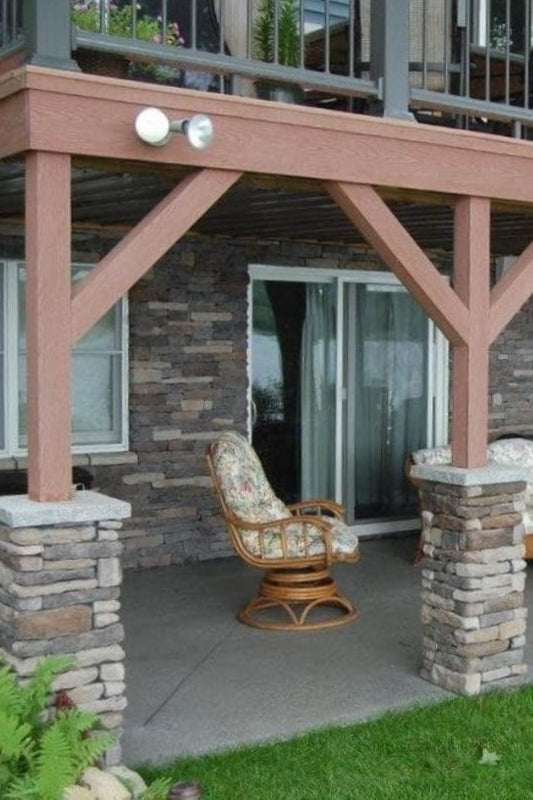
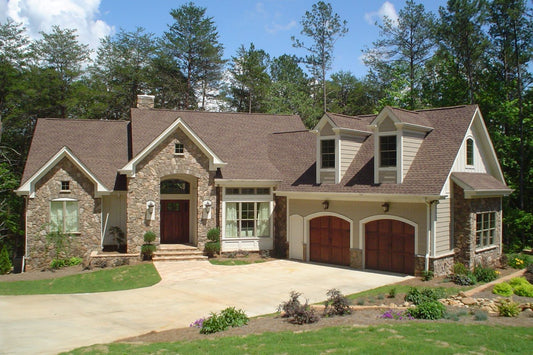
Pictured is an AI generated image of a stone veneer installation inside and outside a house.