
Stone Veneer Sills: The Finishing Detail That Elevates Every Installation
Share
Originally posted August 27, 2025, updated June 20, 2026.
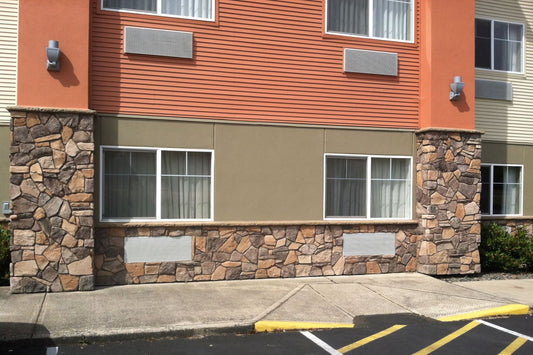
Stone veneer sills are finishing trim pieces installed below windows, at wainscoting caps, and at transition points in stone veneer installations. They create a clean, finished edge while also helping shed water away from the surface to protect the wall system from moisture damage. In addition to their functional role, sills enhance the overall appearance of manufactured stone veneer by delivering a more polished, professional, and architectural finish that ties the design together.
When planning a manufactured stone veneer project, most attention naturally goes toward selecting the right stone profile, color blend, and overall layout. These choices define the visual impact of the installation and set the tone for the entire space. However, what often separates a good installation from a truly professional one is not the main stone surface at all, but the details that frame and complete it.
Stone veneer sills are one of those essential finishing components that are frequently overlooked. They may seem secondary compared to the stone itself, but they play a critical role in both appearance and performance. Whether used beneath windows, on top of wainscoting, or as transition caps, sills bring structure, definition, and durability to a veneer system.
Manufacturers design coordinating sill pieces specifically to complement their stone profiles, ensuring consistency in both color and texture. The result is a finished installation that feels intentional, cohesive, and built to last.
What stone veneer sills are and why they matter
Stone veneer sills are specially shaped trim units that function as horizontal caps within a stone veneer installation. They are typically installed where a vertical stone surface needs a defined top edge or where an architectural transition occurs. The most common placements include the base or top of window openings, the termination point of stone wainscoting, and structural breaks where stone meets another exterior or interior material.
Unlike flat stone pieces, sills are designed with a slight projection and a sloped surface. This shape is not accidental. It serves a functional purpose by directing water away from the wall surface, helping prevent moisture from sitting on or behind the veneer system. At the same time, this profile creates a strong visual break that frames sections of stone in a deliberate and architectural way.
Without sills, stone veneer installations can sometimes appear unfinished or abrupt at their edges. The transition between materials or surfaces may feel visually harsh, especially around windows or wall terminations. Sills solve this issue by introducing a clean horizontal line that anchors the design.
The role of stone veneer sills in a finished design
A well-executed stone veneer project depends on balance. The stone itself provides texture and depth, but it is the supporting components that bring structure to the overall composition. Sills play a major role in achieving this balance.
One of their most important contributions is visual clarity. By defining edges and transitions, sills help guide the eye across the installation in a controlled and intentional way. This is particularly important in architectural features such as windows and accent walls, where symmetry and proportion matter.
Sills also contribute to perceived quality. Even when high-end stone veneer is used, the absence of proper finishing details can make the installation feel incomplete. Adding sills signals craftsmanship and attention to detail, elevating the entire project from a basic surface treatment to a finished architectural feature.
In both residential and commercial applications, this difference is immediately noticeable. A stone facade with properly integrated sills looks designed, while one without them can appear improvised or unfinished.
Functional benefits beyond appearance
While the visual improvement is significant, the practical benefits of stone veneer sills are equally important. One of their primary functions is water management. Because of their angled design, sills help shed rainwater away from the surface of the wall. This reduces the likelihood of water pooling at critical junctions such as window heads or wainscoting caps.
Over time, moisture is one of the most common factors that can affect the longevity of exterior veneer systems. By redirecting water away from vulnerable edges, sills help reduce exposure and improve the durability of the installation.
Another functional advantage is added protection at transition points. Where stone veneer ends and another material begins, there is often a natural vulnerability in the system. Sills act as a protective barrier, helping shield these areas from direct exposure to weather and environmental wear.
Durability is also built into their design. Manufactured stone veneer sills are created to match the performance standards of the surrounding stone, meaning they are engineered to withstand freeze-thaw cycles, temperature changes, and long-term environmental exposure. This makes them suitable for both interior and exterior applications.
Where stone veneer sills are commonly used
Stone veneer sills are versatile components that can be incorporated into many areas of a design. One of their most common applications is beneath windows, where they create a strong visual base while also supporting water runoff. They are also frequently used at door openings, helping frame entrances with a more substantial architectural presence.
In wainscoting installations, sills often function as the top termination point. This creates a defined horizontal break between stone and painted drywall or siding, allowing each material to stand on its own while still feeling connected. They can also be used on knee walls, column caps, and other partial-height stone features where a clean top edge is needed.
In each of these cases, the sill is not simply decorative. It becomes part of the structural language of the design, reinforcing the geometry and flow of the overall installation.
Choosing the right stone veneer sills
Selecting the right sill involves more than simply matching color. While color coordination is important for visual consistency, it is only one part of the decision-making process.
The profile of the sill should complement the style of the stone veneer being used. A heavily textured, rustic stone may pair best with a more natural, rugged sill profile, while a smoother, contemporary stone may require a cleaner and more refined edge detail. The goal is to maintain harmony between components so that no single element feels out of place.
Size is another important consideration. Sills must be properly proportioned to the openings or transitions they are framing. If they are too small, they can feel visually weak. If they are too large, they can overwhelm the design and disrupt balance. Proper sizing ensures that the sill integrates seamlessly into the structure rather than standing out unnecessarily.
When all of these factors are considered together, the result is a cohesive installation where every component supports the overall design intent.
Installation considerations and long-term performance
Proper installation is essential to ensure stone veneer sills perform as intended. They are typically set using a compatible mortar system over a properly prepared substrate. One of the most important installation details is ensuring that the sill is slightly sloped outward. This subtle angle is what allows water to drain away effectively rather than sit on the surface.
Attention to detail during installation also affects long-term performance. Correct alignment, secure bonding, and consistent integration with surrounding stone all contribute to how well the sill functions over time. When installed properly, sills become a seamless part of the veneer system rather than an add-on component.
Stone veneer sills
Stone veneer sills may seem like a small detail in the context of a larger project, but they play a major role in both the appearance and longevity of a finished installation. By defining edges, improving water management, and enhancing visual structure, they bring a level of refinement that elevates the entire design.
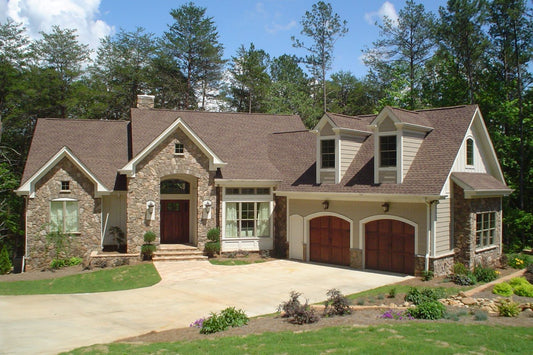
Whether used on residential facades, fireplaces, or commercial exteriors, sills provide the finishing touch that transforms stone veneer from a surface material into a complete architectural system.
From Mountain View Stone: what you should know
At Mountain View Stone, we’ve seen how often the smallest details make the biggest difference in a finished stone veneer project. Stone veneer sills are one of those details that can completely change both the look and performance of an installation. When properly selected and installed, they help create clean architectural lines, improve water shedding at vulnerable transition points, and bring a more refined, professional finish to your design. Whether you’re working on an exterior facade, a fireplace surround, or a wainscoting feature, choosing the right sill profile and integrating it correctly ensures your stone veneer system not only looks complete but also performs as intended for years to come.
Frequently asked questions
1. What are stone veneer sills used for? Stone veneer sills are used as finishing trim pieces that cap stone veneer installations at windows, doors, and wall transitions. They provide both visual definition and functional water shedding.
2. Do stone veneer sills improve durability? Yes. They help direct water away from the wall surface and protect vulnerable transition points, which improves the long-term durability of the veneer system.
3. Can stone veneer sills be used indoors? They can be used indoors as decorative trim elements, particularly around fireplaces, feature walls, and interior wainscoting transitions where a finished edge is desired.
4. Are stone veneer sills required for every installation? They are not strictly required, but they are strongly recommended because they improve both the appearance and performance of the finished project.
5. How do I match sills with my stone veneer? Sills should be selected based on color, texture, and profile compatibility. Many manufacturers offer coordinated options designed to match their veneer lines.
What's next?
Elevate your next project with premium manufactured stone veneer. Shop now to bring your design vision to life with confidence or order a sample to experience the authentic texture and rich colors up close.
Have a question?
Please see our full terms of service or check out our frequently asked questions.
For general information and questions please call: (864) 882-8960 Mon. - Fri. 8am - 5pm (EST) or email: info@mountainviewstone.net we are more than happy to help you.
Or you can submit your questions via our contact us page.
We look forward to working with you on your upcoming project.
The Mountain View Stone Team
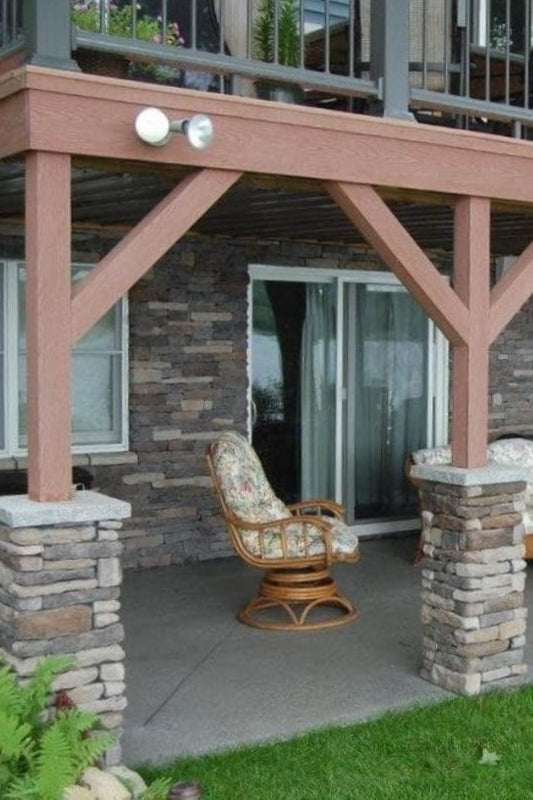
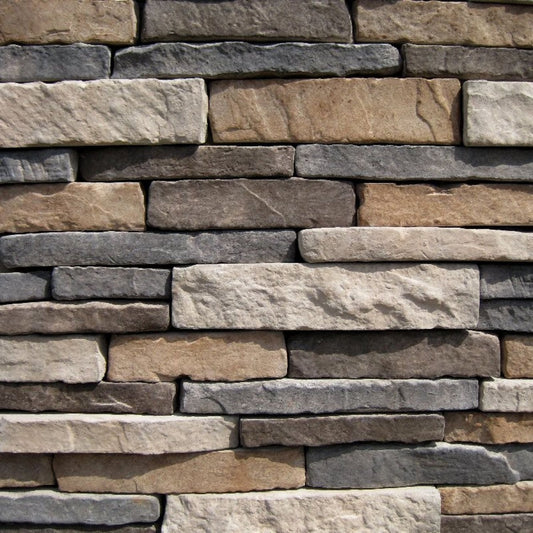
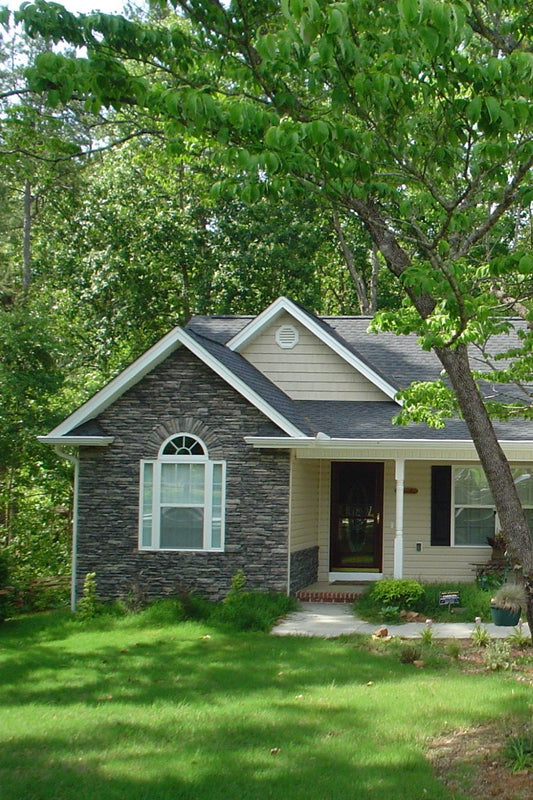
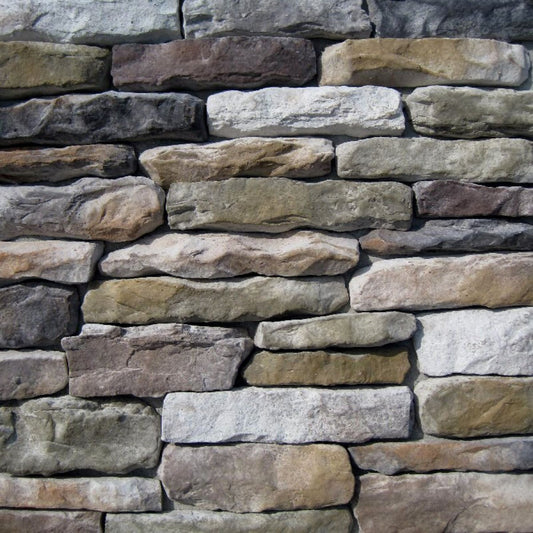
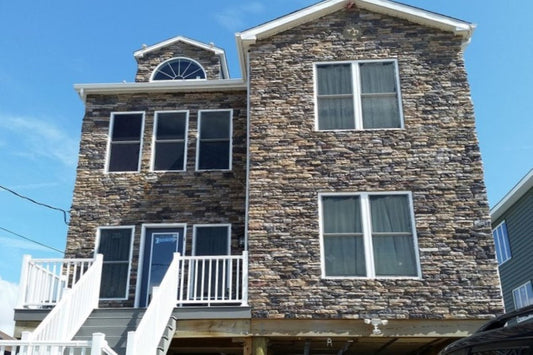
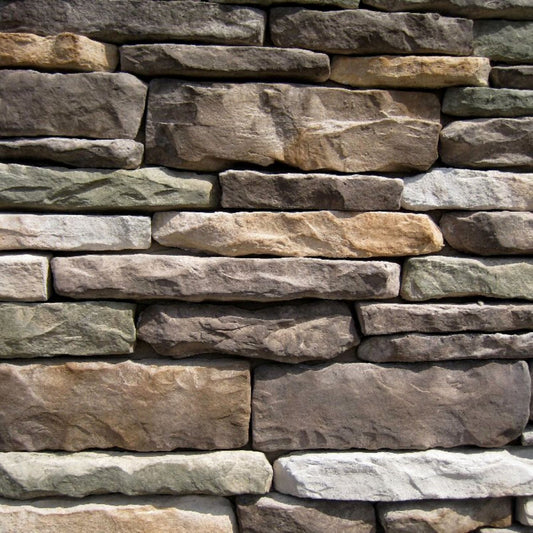
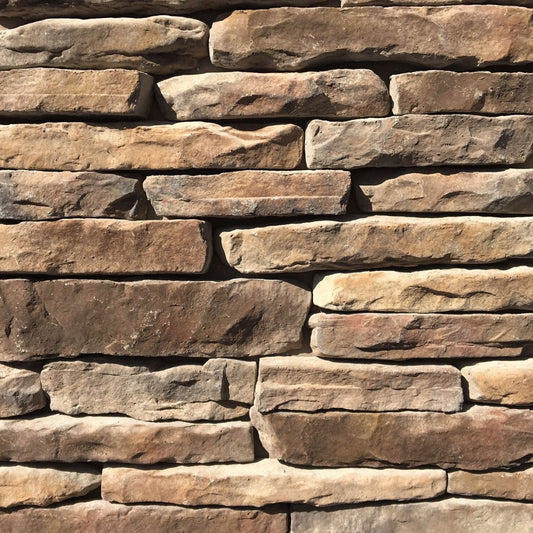
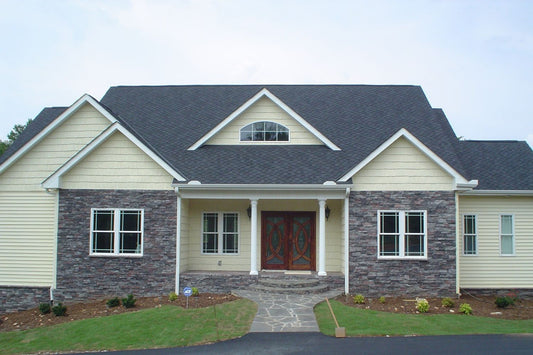
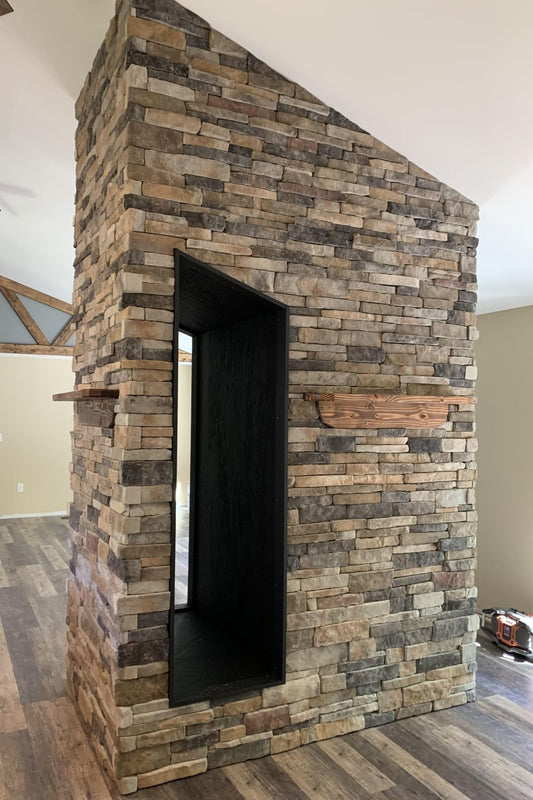
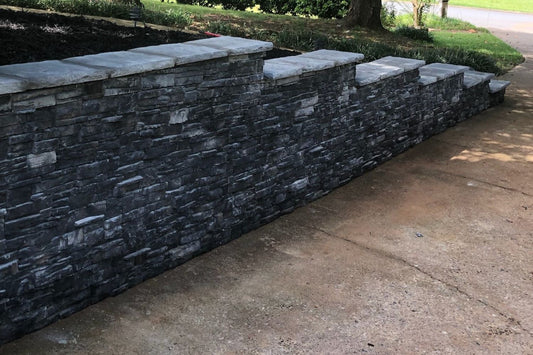
Pictured is stacked stone outback with sill buff.