
Limestone Manufactured Stone Veneer: Design Ideas, Benefits, and Installation Guide
Share
Limestone (ashlar) manufactured stone veneer is a lightweight, engineered cladding designed to replicate the clean lines and refined texture of natural cut limestone. It offers easier installation, consistent sizing, and lower costs while delivering a timeless architectural appearance suitable for both modern and traditional designs.
Limestone has been a cornerstone of architectural design for centuries, valued for its soft texture, subtle colour variations, and refined, structured appearance. From historic civic buildings to modern custom homes, its appeal has remained remarkably consistent. Today, limestone ashlar manufactured stone veneer allows homeowners, builders, and designers to achieve that same timeless look with far greater efficiency and flexibility. To explore how this profile compares to other styles, see our manufactured stone veneer profiles guide.
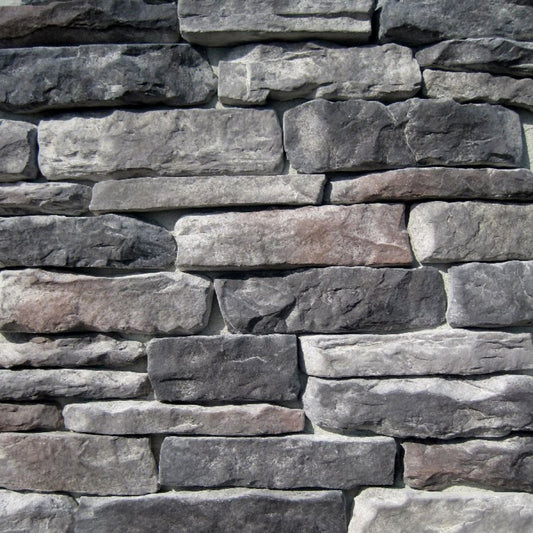
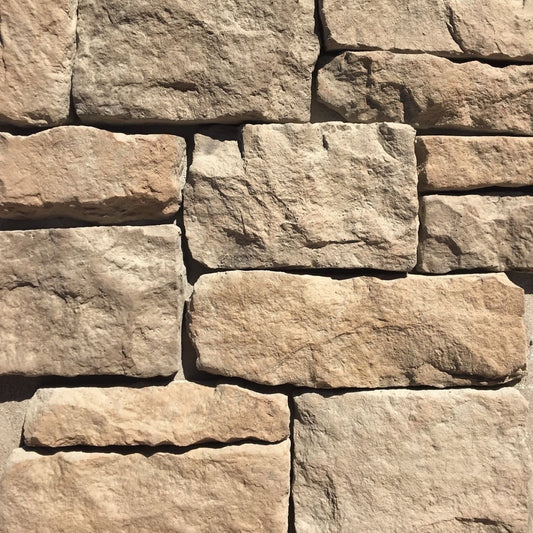
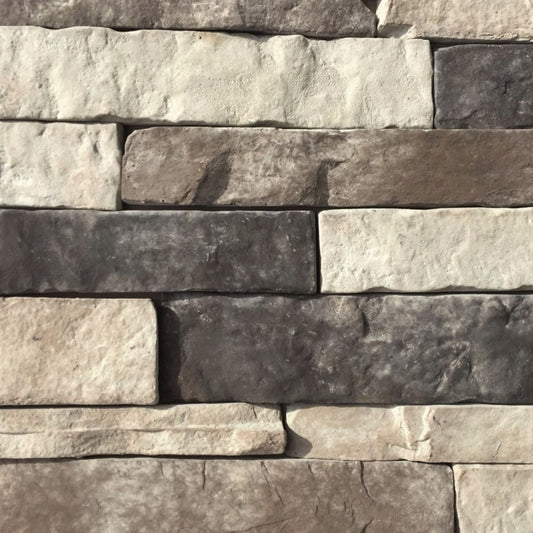
This modern cladding material is engineered to replicate precisely cut limestone blocks arranged in an ashlar pattern, where rectangular stones of varying sizes are fitted together in a structured yet natural layout. The result is a clean, sophisticated finish that works across a wide range of architectural styles. With reduced weight, simplified installation, and improved cost control, manufactured stone veneer has become a practical alternative to full-bed natural limestone.
What is limestone manufactured stone veneer?
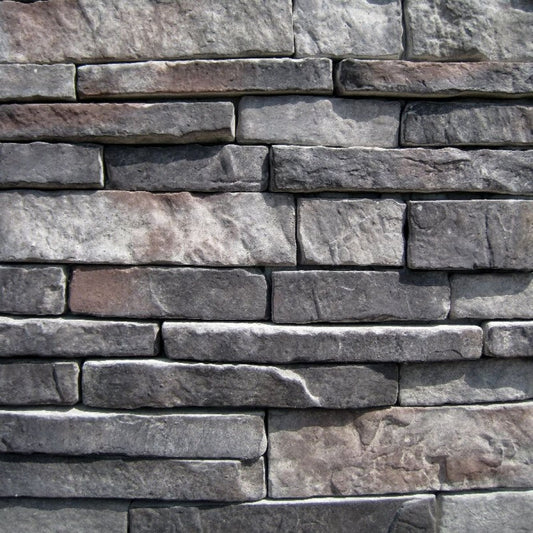
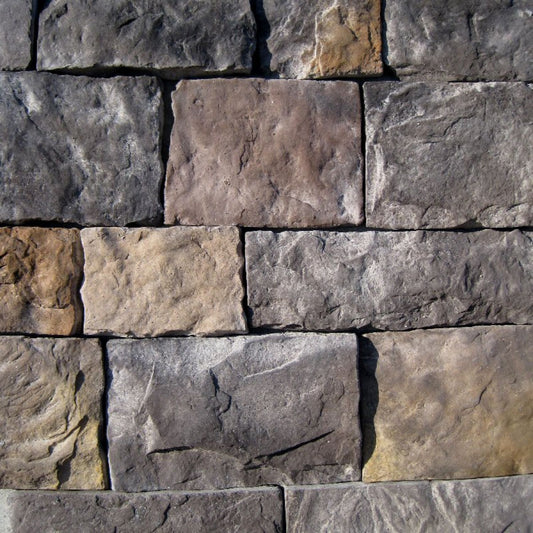
Limestone ashlar manufactured stone veneer is a concrete-based product molded and coloured to mimic the appearance of quarried limestone blocks. The term "ashlar" refers to the way the stones are cut and arranged. Unlike irregular stone profiles, ashlar features rectangular shapes in a semi-patterned layout, creating a more formal and architectural look.
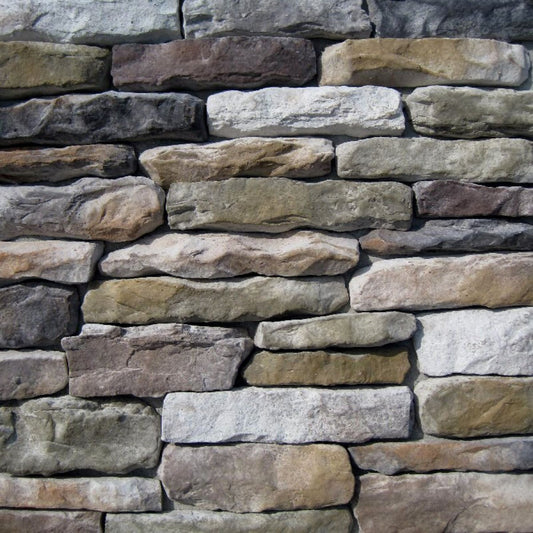
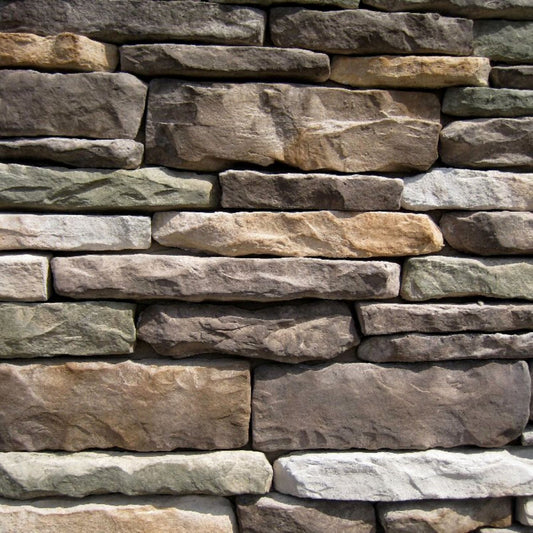
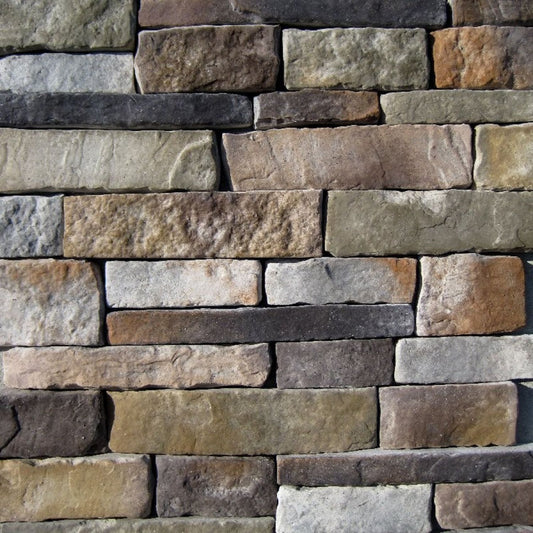
Each piece is cast using molds taken from real limestone, capturing subtle textures such as gentle surface pitting, soft edges, and natural stratification. Pigments are blended throughout the material to replicate the muted tones typically associated with limestone, including creams, beiges, greys, and occasional warmer undertones.
Because it is a veneer product, it is significantly thinner and lighter than natural stone. This allows it to be installed on a wider variety of surfaces without the need for additional structural support, making it ideal for both interior and exterior applications.
The appeal of ashlar patterns in modern design
One of the defining characteristics of limestone veneer is its structured layout. The rectangular shapes create a sense of order and balance that contrasts with more rugged or irregular stone profiles. This makes it particularly appealing for projects where a clean, refined aesthetic is desired.
The ashlar pattern bridges the gap between traditional and contemporary design. In traditional homes, it complements classic architectural elements such as columns, symmetrical facades, and formal entryways. In modern settings, it pairs well with minimalist lines, large windows, and mixed materials like wood, glass, and metal.
This versatility is one of the reasons limestone veneer is frequently used in high-visibility areas such as front elevations, feature walls, and fireplaces. It delivers visual impact without overwhelming the overall design.
Advantages over natural limestone
While natural limestone remains a premium building material, manufactured stone veneer offers several practical advantages that make it more accessible for a wide range of projects.
The reduced weight is one of the most significant benefits. Natural limestone is heavy and often requires reinforced foundations or specialized installation methods. Manufactured veneer, on the other hand, can typically be installed using standard wall systems, making it suitable for renovations and retrofits.
Consistency is another key advantage. Because each piece is manufactured, the sizing and thickness are more uniform. This allows for faster installation and a more predictable finished appearance, especially important when working with ashlar patterns that rely on alignment and spacing.
Cost is also a major factor. Manufactured stone veneer generally has lower material and installation costs compared to natural limestone. This makes it possible to achieve a high-end look without exceeding budget constraints.
In addition, modern manufacturing techniques allow for improved durability and performance. The materials are designed to withstand environmental exposure, including moisture and temperature fluctuations, when installed correctly.
Common applications for limestone veneer
Limestone manufactured stone veneer is used across a wide range of residential and commercial applications. Its clean and structured appearance makes it particularly effective in areas where design clarity and visual balance are important.
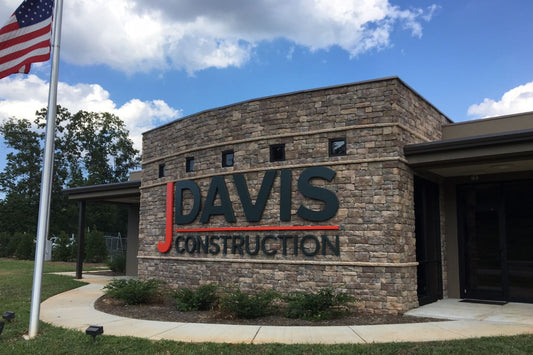
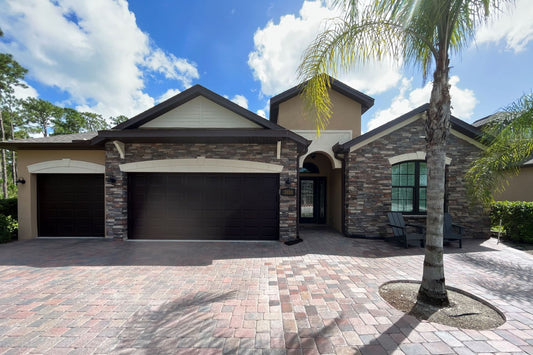
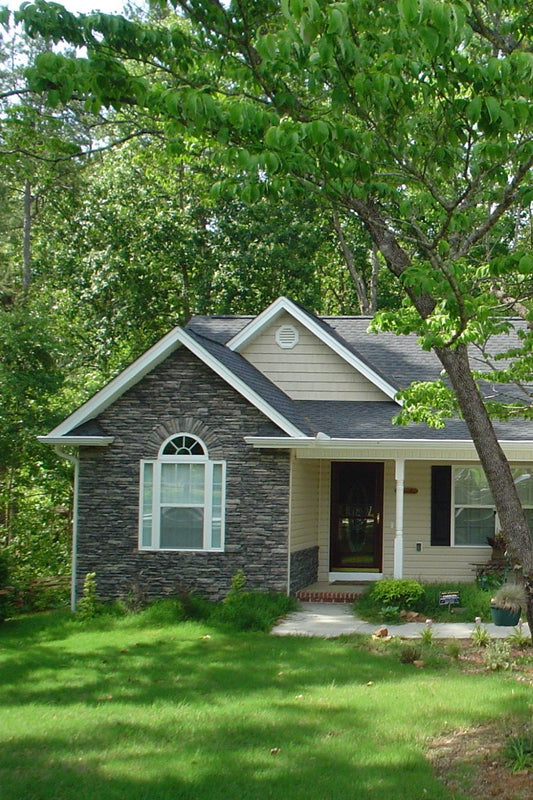
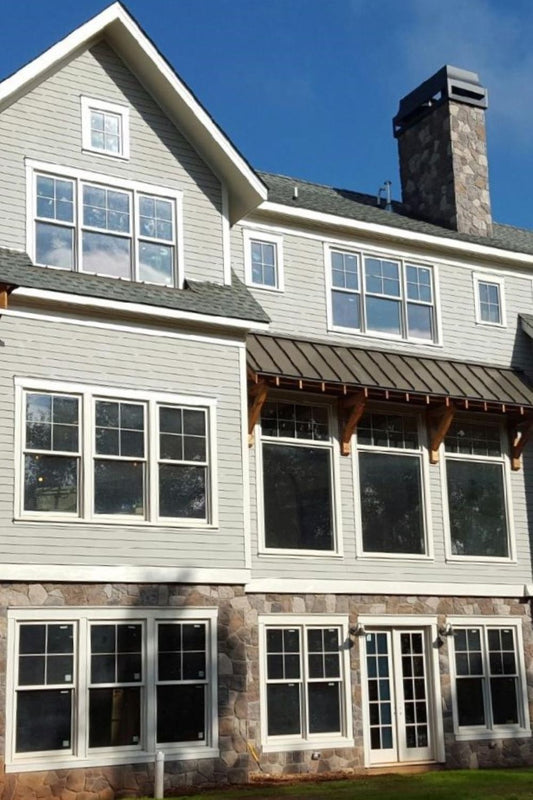
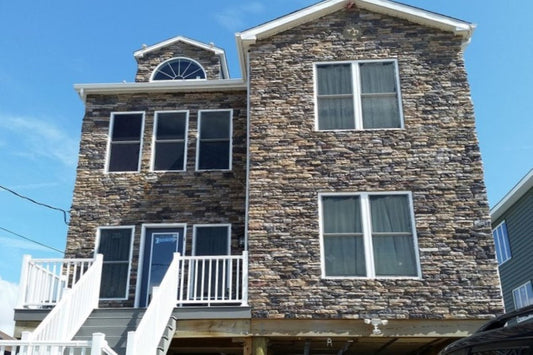
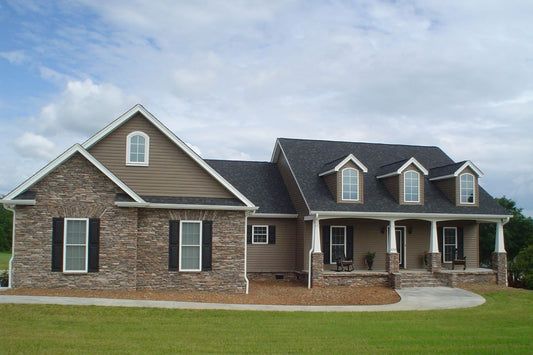
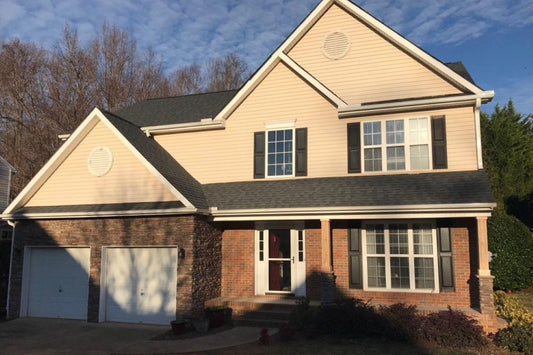
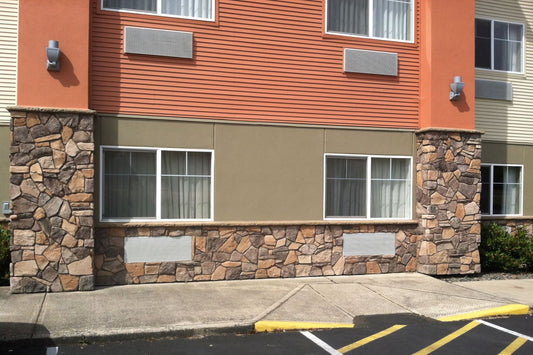
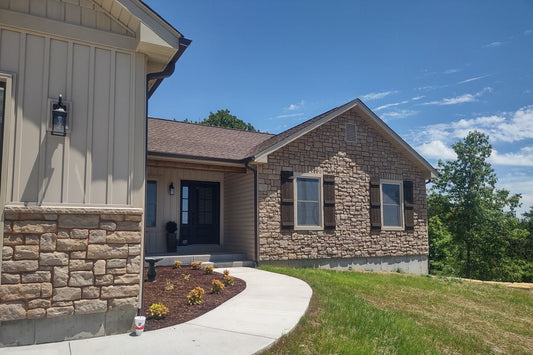
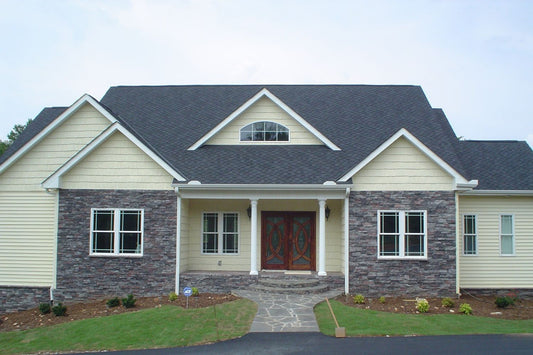
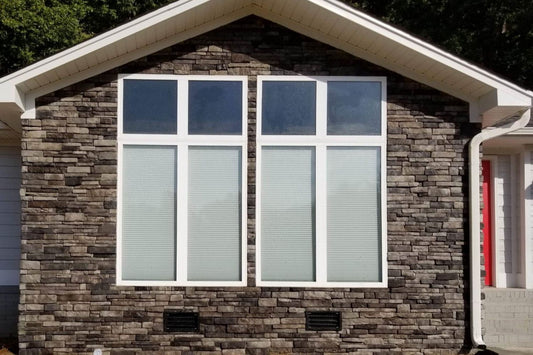
Exterior facades are one of the most popular uses. The veneer can be applied as a full cladding or as an accent combined with siding, stucco, or brick. It is often used to highlight entryways, garages, and architectural features, adding depth and contrast to the building envelope.
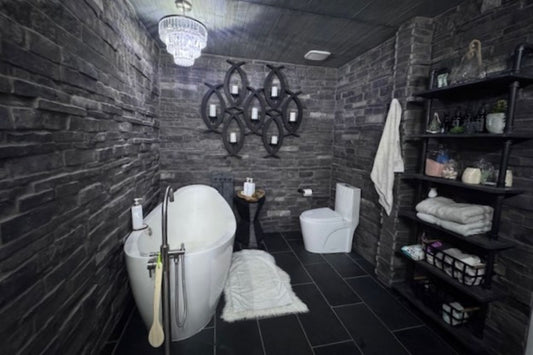
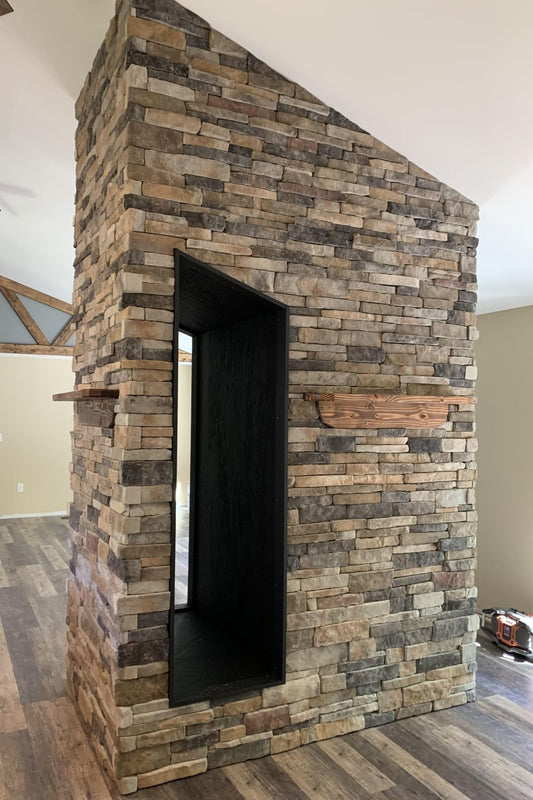
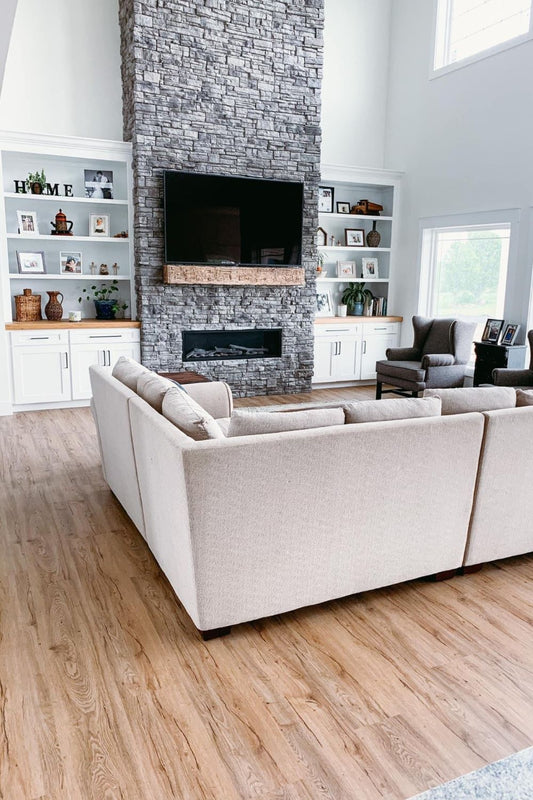
Interior applications are equally common. Feature walls, fireplaces, and accent niches benefit from the refined texture and neutral colour palette of limestone. The material adds warmth and character without overpowering the space, making it suitable for living rooms, bedrooms, and even commercial interiors.
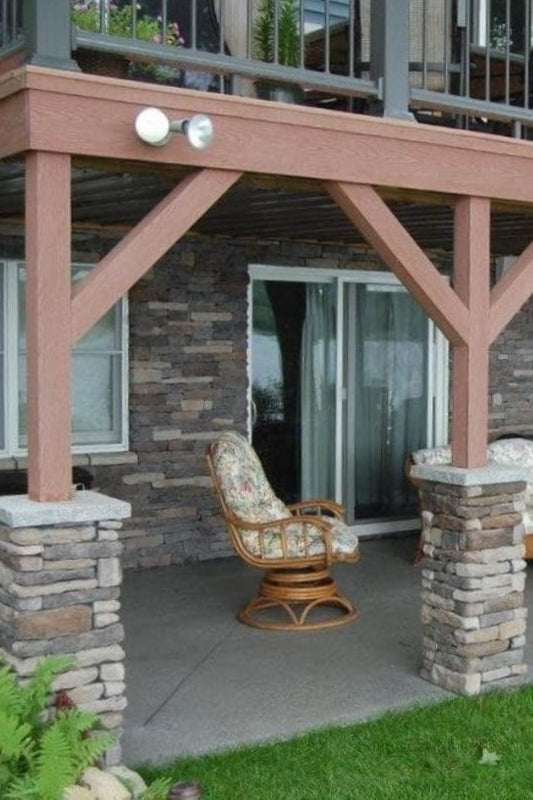
It is also frequently used in outdoor living spaces. Columns, outdoor fireplaces, and kitchen surrounds can all be finished with limestone ashlar veneer, creating a cohesive transition between indoor and outdoor design elements.
Colour and texture considerations
One of the defining qualities of limestone is its subtlety. Unlike more dramatic stone types, limestone typically features soft, understated tones that create a calm and cohesive aesthetic. Manufactured stone veneer replicates this characteristic through carefully blended pigments and surface detailing.
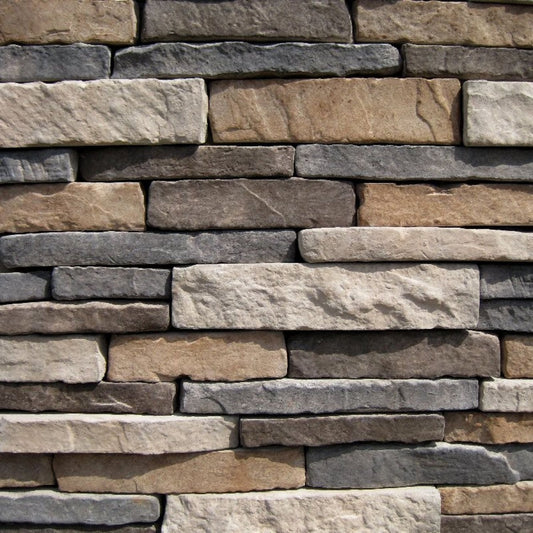
The colour palette generally includes shades of ivory, taupe, light grey, and sandy beige. These neutral tones make it easy to coordinate with other building materials and finishes. Whether paired with dark trim for contrast or lighter elements for a monochromatic look, limestone veneer provides flexibility in design.
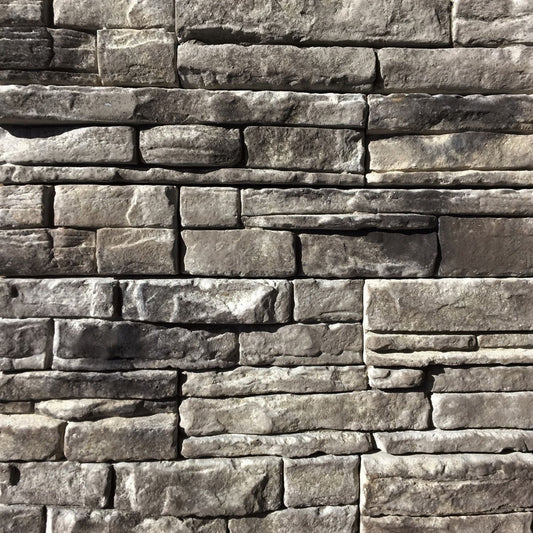
Texture also plays an important role. The surface is usually smoother than rugged stone profiles, but still includes enough variation to create depth and shadow. This balance allows the material to interact with light in a subtle way, enhancing the overall appearance without creating harsh contrasts.
Installation and performance considerations
Proper installation is essential to ensure the long-term performance of limestone manufactured stone veneer. Like all stone veneer products, it is not inherently waterproof, which means that moisture management must be addressed through the use of appropriate substrates, weather-resistant barriers, and drainage systems.
The structured nature of ashlar patterns requires careful planning during installation. Maintaining consistent spacing and alignment is key to achieving the desired look. Installers often dry-lay the stones beforehand to ensure a balanced distribution of sizes and shapes.
When installed correctly, the veneer performs well in a variety of climates. It can withstand temperature changes, including freeze-thaw cycles, provided that water is properly managed and does not become trapped behind the material.
Maintenance requirements are relatively minimal. Periodic cleaning and inspection are usually sufficient to keep the veneer looking its best. In some cases, sealing may be recommended depending on the application and exposure conditions.
Limestone veneer in contemporary architecture
In recent years, limestone ashlar manufactured stone veneer has seen increased use in contemporary architecture. Designers are drawn to its ability to add texture and depth while maintaining a clean and controlled aesthetic.
It is often used in combination with modern materials such as steel, glass, and smooth panel systems. This contrast highlights the natural qualities of the stone while reinforcing the overall design concept. The result is a balanced composition that feels both grounded and sophisticated.
The neutral tones of limestone also align well with current design trends that favour earthy, calming colour palettes. This makes it a popular choice for projects aiming to create a sense of warmth and connection to natural materials.
Is limestone stone veneer right for your project?
Choosing the right stone veneer profile depends on both aesthetic preferences and practical considerations. Limestone veneer is an excellent option for those seeking a refined, timeless look with clean lines and subtle texture.
It works particularly well in projects where symmetry, structure, and balance are important design elements. At the same time, its versatility allows it to adapt to a wide range of styles, from traditional to modern.
By offering the appearance of natural limestone with the added benefits of reduced weight, easier installation, and cost efficiency, manufactured stone veneer provides a compelling solution for many residential and commercial applications.
Limestone manufactured stone veneer
Limestone manufactured stone veneer offers a refined, timeless aesthetic that continues to resonate across both traditional and modern architecture. Its clean lines, soft textures, and neutral tones make it one of the most versatile stone veneer options available today. Whether used to elevate a home’s exterior, create a striking fireplace, or add depth to an interior feature wall, it delivers the look of natural limestone without the challenges associated with full-bed stone.
Beyond its visual appeal, the practical benefits are what truly set it apart. With lighter weight, easier installation, and more predictable costs, it opens the door to high-end design for a wider range of projects. When paired with proper installation and moisture management, limestone manufactured stone veneer provides long-lasting performance and enduring style. For homeowners, builders, and designers alike, it remains a smart and reliable choice that balances beauty with functionality.
From Mountain View Stone: what you should know
At Mountain View Stone, we understand that achieving the look of natural limestone is about more than just colour and shape. It’s about capturing the subtle textures, balanced proportions, and clean lines that define this classic material. Our limestone manufactured stone veneer profile is designed with consistency and realism in mind, making it easier to create a polished, architectural finish without the unpredictability of natural stone. We also recognize that installation plays a critical role in the final result. That’s why we focus on producing stone that is not only visually accurate but also installer-friendly, with manageable weights and consistent dimensions that support efficient, high-quality workmanship. Whether you’re designing a modern exterior, a timeless interior feature, or a commercial space, choosing the right stone is only part of the equation. Proper planning, detailing, and installation are what bring the entire vision together.
Frequently asked questions
1. What is the difference between ashlar and other stone veneer patterns? Ashlar patterns use rectangular, cut-stone shapes arranged in a structured layout, while other profiles like fieldstone or ledgestone are more irregular and rustic in appearance.
2. Is limestone manufactured stone veneer suitable for exterior use? Yes, it is designed for both interior and exterior applications when installed with proper moisture management systems and appropriate materials.
3. Does limestone veneer look realistic? High-quality manufactured stone veneer is molded from real stone and uses blended pigments, resulting in a highly realistic appearance that closely mimics natural limestone.
4. What is the lifespan of manufactured stone veneer? When properly installed and maintained, it can last for decades. Longevity depends on installation quality, climate conditions, and exposure.
5. Can limestone veneer be used around fireplaces? Yes, limestone veneer is commonly used for fireplaces, but proper clearances and heat-resistant installation practices must be followed.
6. Is sealing required for limestone manufactured stone veneer? Sealing is not always required but may be recommended in certain environments, especially where the veneer is exposed to moisture, staining, or heavy use.
What's next?
Bring your vision to life with our premium stone veneer. Shop now to find the perfect fit or order a sample to see the texture and colour in person. Start your project today.
Have a question?
Please see our full terms of service or check out our frequently asked questions.
For general information and questions please call: (864) 882-8960 Mon. - Fri. 8am - 5pm (EST) or email: info@mountainviewstone.net we are more than happy to help you.
Or you can submit your questions via our contact us page.
We look forward to working with you on your upcoming project.
The Mountain View Stone Team
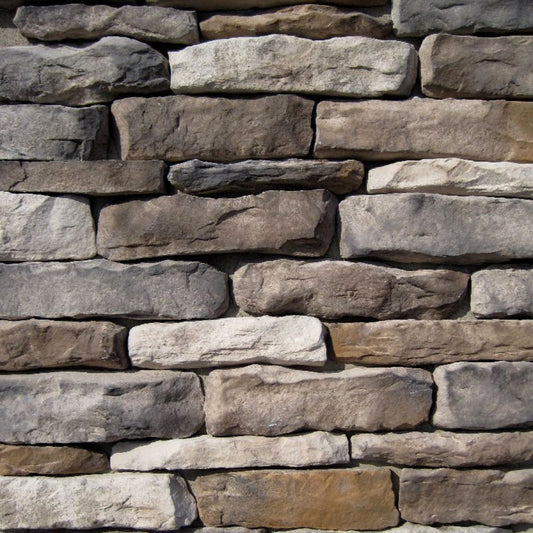
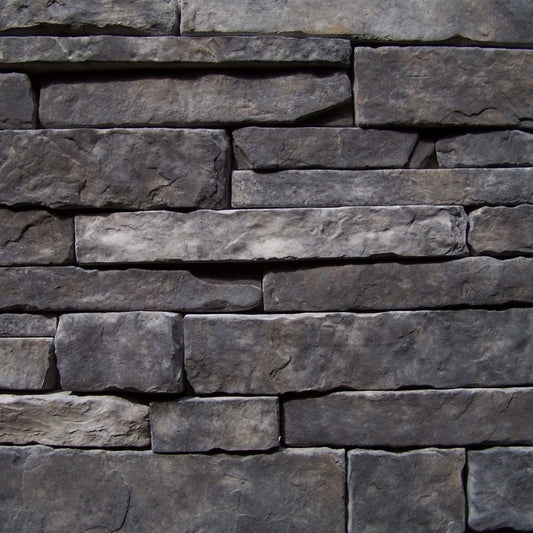
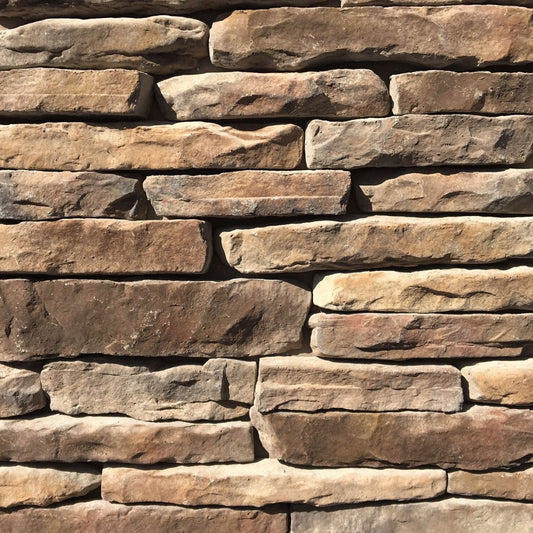
Pictured is lime stone adaline.