

Stone Veneer Columns, Posts, Pillars, and Arches: Design, Installation and Inspiration
Share
Originally posted August 19, 2024, updated February 27, 2026.
Stone veneer columns wrap structural posts with lightweight manufactured stone to create the appearance of natural masonry. They are commonly used on porch posts, entryways, pergolas, and driveway pillars to enhance curb appeal and architectural detail while remaining more affordable and easier to install than full-bed natural stone.
Stone veneer is one of the most versatile and visually impactful building materials available today. Whether you are looking to enhance curb appeal, add architectural interest to your home, or create elegant outdoor living spaces, manufactured stone veneer offers a lightweight, durable, and cost-effective solution for columns, posts, pillars, and arches. Unlike full-bed natural stone, it provides the rich texture and natural variations of real stone while remaining significantly easier to install and maintain. When properly installed, stone veneer can transform simple structural elements into architectural focal points that add value and character to both modern and traditional homes.
Columns and arches are often among the first features visitors notice when approaching a home. Plain wooden or concrete posts may serve a structural purpose, but wrapping these elements in stone veneer dramatically elevates the visual appeal of the space. The natural texture of stone introduces depth, warmth, and timeless elegance that few other materials can match. From welcoming front porch columns to stately driveway pillars and garden arches, stone veneer creates a lasting impression while maintaining the flexibility and practicality homeowners expect from modern building materials.
This guide explores everything homeowners should know about using stone veneer on columns, posts, pillars, and arches. It explains what manufactured stone veneer is, why it is ideal for vertical architectural features, how it compares to natural stone, and where it can be used both inside and outside the home. It also discusses installation considerations, cost factors, design inspiration, and maintenance practices that help ensure long-term durability and performance.
What is manufactured stone veneer?
Manufactured stone veneer is a lightweight building material designed to replicate the appearance and texture of natural stone. It is typically made from a blend of cement, lightweight aggregates, and iron oxide pigments that produce realistic colors and natural-looking variations. The mixture is poured into molds created from real stone, allowing manufacturers to reproduce the subtle textures and shapes found in natural stone formations.
Because manufactured stone veneer is significantly lighter than traditional masonry stone, it can be installed on a wide range of surfaces without requiring the heavy structural support associated with full-bed stone construction. This reduced weight makes it especially suitable for vertical features such as columns, posts, pillars, and arches where structural limitations might otherwise make natural stone impractical.
Another advantage of manufactured stone veneer is its design flexibility. It is available in numerous styles, including ledgestone, stacked stone, fieldstone, and limestone patterns. Each style offers a unique visual effect that complements different architectural styles. Whether a homeowner is designing a rustic cottage, a contemporary home, or a traditional colonial exterior, there is a stone veneer profile that can enhance the design.
Durability is another defining characteristic. Manufactured stone veneer is engineered to withstand weather exposure, including moisture, temperature fluctuations, and ultraviolet sunlight. When installed using proper flashing, mortar, and substrate preparation, it can perform reliably for decades while maintaining its color and structural integrity.
Why choose stone veneer for columns, posts, pillars, and arches
Columns, posts, pillars, and arches are essential structural components in many homes, but they also present valuable design opportunities. Wrapping these elements in stone veneer transforms them from simple support structures into architectural highlights that enhance the entire property.
One of the main reasons homeowners choose stone veneer for these features is the visual impact it creates. The natural textures and irregular shapes of stone add dimension and authenticity that cannot be replicated by painted wood or synthetic materials. Even a single stone-wrapped column can dramatically improve the appearance of a porch, entryway, or outdoor living space.
Weight and installation practicality also play a significant role. Natural stone is extremely heavy and often requires reinforced foundations or specialized structural support. Manufactured stone veneer, on the other hand, is lightweight enough to be installed over properly prepared framed structures or masonry surfaces. This makes it an excellent choice for deck posts, pergolas, porch columns, and other vertical features where structural capacity may be limited.
Cost is another important factor. While natural stone offers unmatched authenticity, it is typically far more expensive in both materials and labor. Manufactured stone veneer provides a similar visual result at a fraction of the cost, allowing homeowners to achieve a high-end architectural appearance without exceeding their renovation budget.
Durability also contributes to its popularity. Stone veneer is designed to resist chipping, fading, and weather damage. It performs well in climates that experience freeze-thaw cycles, intense sunlight, and seasonal moisture exposure. With proper installation and occasional maintenance, stone veneer columns and pillars can maintain their beauty for decades.
Stone veneer vs natural stone for columns
Homeowners considering stone-wrapped columns often debate whether to choose natural stone or manufactured stone veneer. Both materials can produce beautiful results, but they differ significantly in cost, weight, installation requirements, and overall practicality.
Natural stone is quarried directly from the earth and cut into pieces suitable for masonry construction. Because it is solid stone, it is extremely durable and offers unmatched authenticity. However, it is also very heavy and often requires structural support or reinforced foundations. Installing natural stone typically involves specialized masonry skills, additional labor, and higher material costs.
Manufactured stone veneer provides many of the visual benefits of natural stone while eliminating several of the practical challenges. Because it is lighter, it can be installed on a broader range of surfaces without requiring structural reinforcement. Installation is also more efficient, making it accessible for many professional installers and even experienced DIY homeowners.
From a design perspective, modern manufacturing techniques have made stone veneer remarkably realistic. The molds used in production capture the fine details of natural stone, allowing the finished product to closely replicate the texture and depth of quarried materials. Many homeowners find that manufactured stone veneer delivers the same aesthetic impact as natural stone while offering greater flexibility and affordability.
Maintenance requirements for both materials are relatively similar. Both benefit from proper drainage and flashing during installation, and both may require occasional cleaning or sealing depending on environmental conditions. For most residential applications, manufactured stone veneer provides the ideal balance between visual appeal, practicality, and cost.
Design inspiration for stone veneer columns and posts
Stone veneer offers tremendous design versatility, allowing homeowners to tailor the appearance of their columns and posts to match their architectural style. Different stone profiles create different visual effects, making it possible to achieve rustic, modern, traditional, or contemporary aesthetics.
Ledgestone veneer is often chosen for homes seeking a warm, rustic atmosphere. Its irregular shapes and natural textures create depth and variation that complement wood beams, timber framing, and earthy exterior finishes. This style works particularly well on cabins, cottages, and farmhouse-inspired homes.
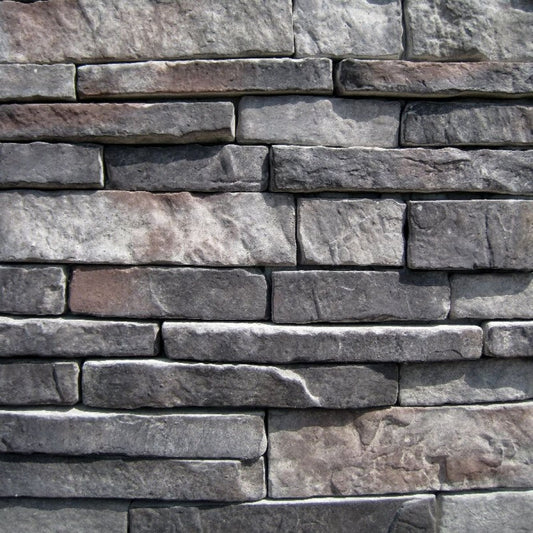
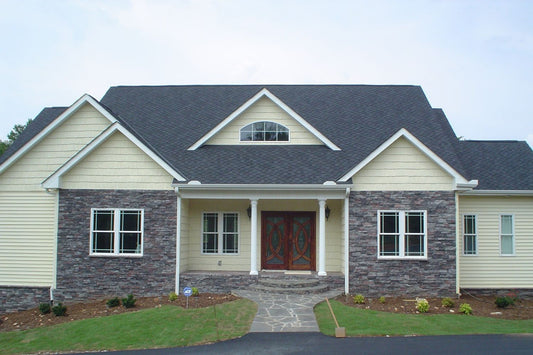
Stacked stone veneer provides a more modern and streamlined appearance. Its clean lines and uniform arrangement create a sophisticated look that suits contemporary architecture. Stacked stone is commonly used on porch columns, entryway pillars, and outdoor kitchens where a refined design aesthetic is desired.
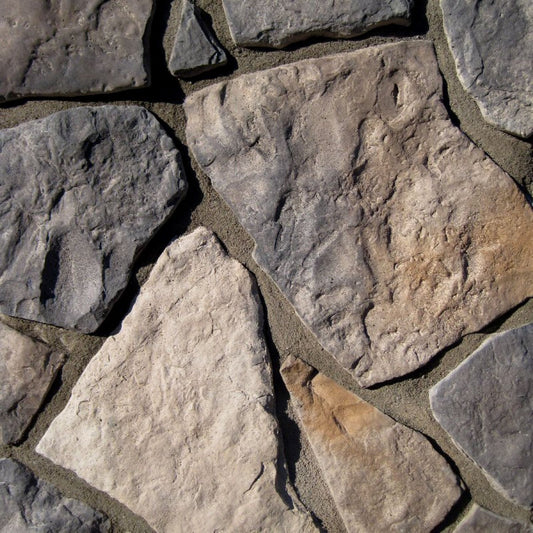
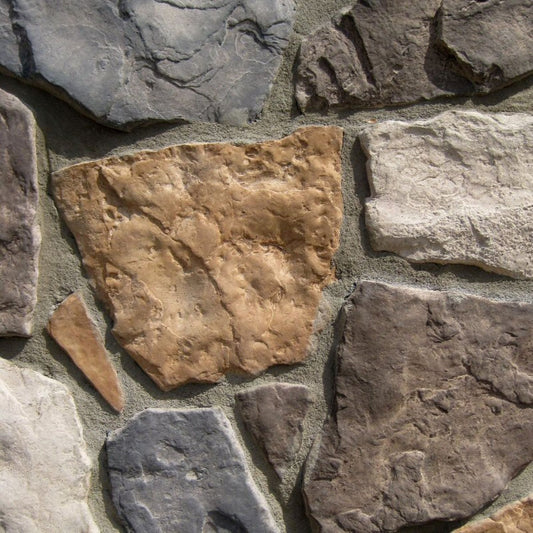
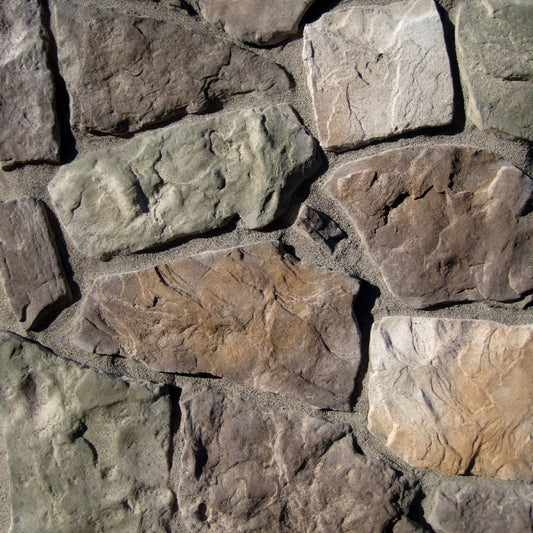
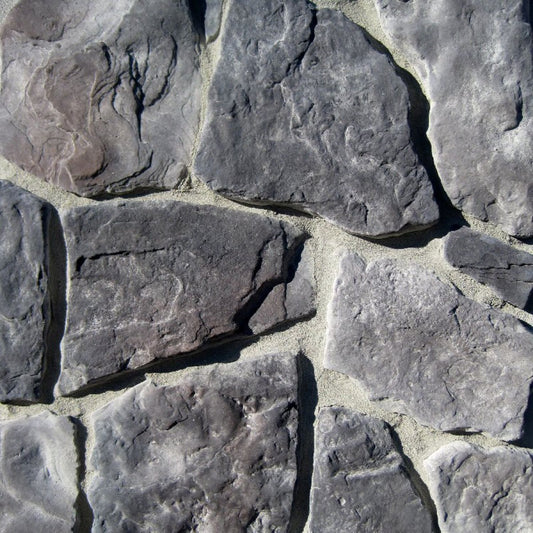
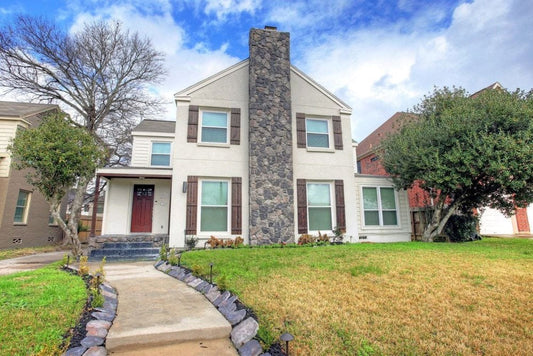
Fieldstone veneer evokes a traditional, historic feel with its rounded shapes and organic patterns. This style is well suited to colonial homes, country estates, and classic architectural designs where a timeless appearance is preferred.
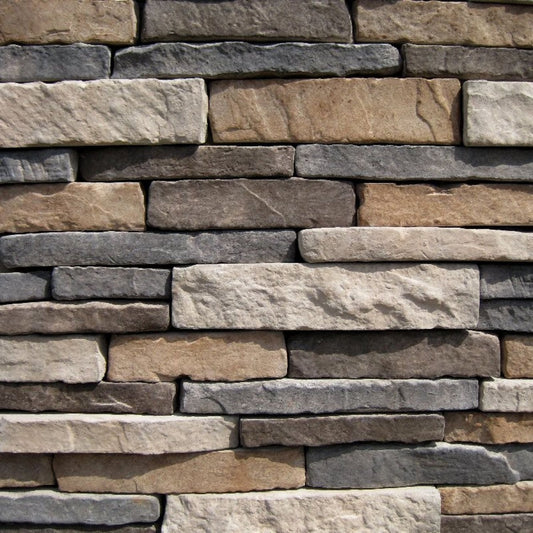
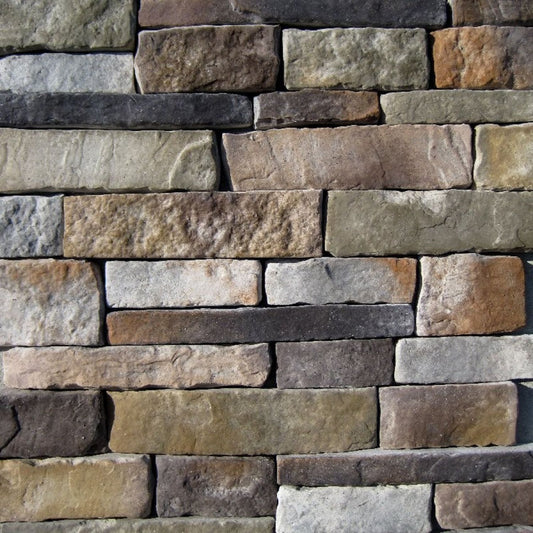
In addition to style selection, color also plays an important role in design. Stone veneer is available in a wide range of natural tones, from warm browns and tans to cool grays and charcoal hues. Choosing colors that complement existing siding, roofing, and landscaping helps create a cohesive and balanced exterior design.
Where stone veneer columns and pillars are commonly used
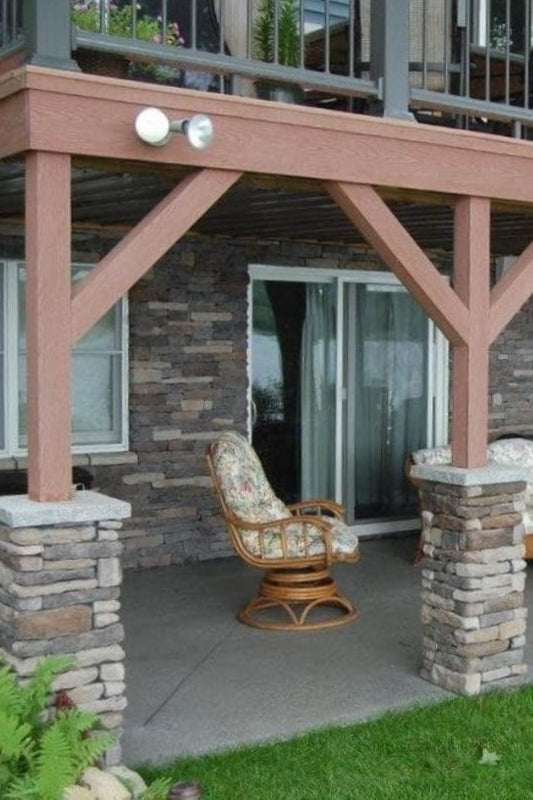
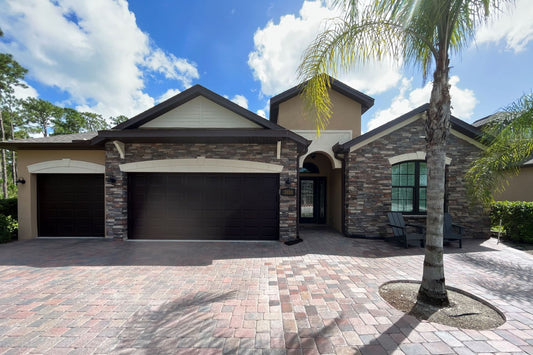
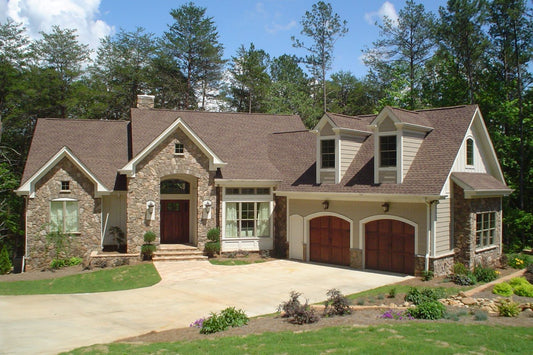
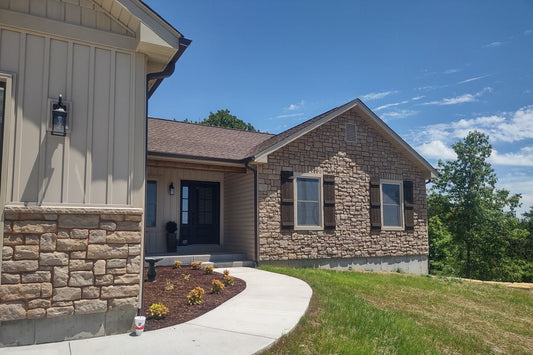
Stone veneer columns and pillars appear in many residential and landscape designs. One of the most common applications is on front porch columns, where stone wrapping instantly enhances the entryway and creates a welcoming first impression. Even modest homes can gain a sense of permanence and architectural sophistication with stone-accented porch posts.
Deck posts and pergola supports are also popular locations for stone veneer. Wrapping these structural elements adds visual weight and stability to outdoor living spaces, helping the structure feel integrated with the surrounding landscape.
Driveway pillars and gateposts provide another opportunity to use stone veneer creatively. These features can frame entrances, support gates, or incorporate lighting and address markers while contributing to the overall curb appeal of the property.
Garden arches and walkway entrances benefit from stone veneer as well. Stone-wrapped pillars can define pathways, support arched structures, or create elegant transitions between different outdoor spaces.
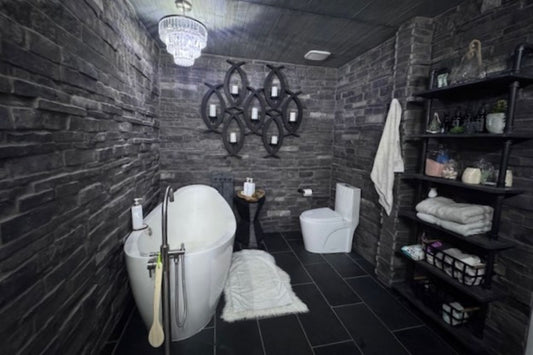
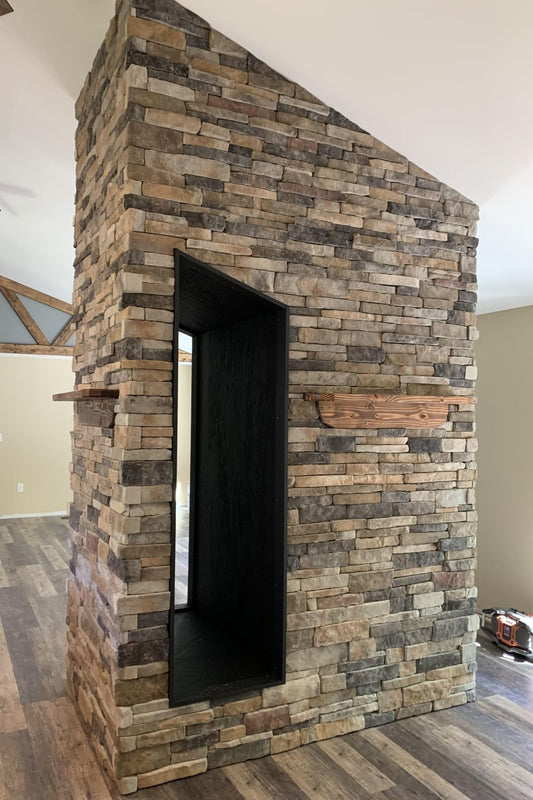
Inside the home, stone veneer can be used on interior columns or arched doorways to introduce natural textures into living spaces. Interior applications often complement fireplaces, accent walls, or open-concept layouts where architectural elements play a central design role.
Stone veneer installation on vertical and curved surfaces
Installing stone veneer on columns, posts, pillars, and arches requires careful preparation and attention to detail. Vertical surfaces present unique challenges because gravity affects mortar adhesion during installation. Proper substrate preparation and mortar application techniques are essential for achieving a secure bond.
Most installations begin with a weather-resistant barrier applied to the substrate, followed by galvanized metal lath that provides a bonding surface for mortar. A scratch coat is then applied over the lath and allowed to cure before the stone pieces are installed. This layered system creates a strong base that supports the weight of the veneer.
Curved surfaces such as round columns or arches require flexible metal lath that can conform to the shape of the structure. Specially designed corner pieces and smaller stone units are often used to achieve smooth transitions and consistent spacing around curved forms. Learn more about installing stone veneer on round surfaces in our post, stone veneer on curved surfaces. Installing stone veneer on columns, posts, pillars, and arches requires careful preparation and attention to detail. This is especially true when working with non-standard angles, such as sloped or 45-degree surfaces, which often require precise cuts and mitering techniques. For step-by-step guidance, see our article on how to install manufactured stone veneer on angled surfaces.
Mortar selection also plays an important role. Polymer-modified mortar is commonly recommended for vertical applications because it provides enhanced bonding strength and flexibility. During installation, each stone piece is back-buttered with mortar before being pressed firmly into the scratch coat.
Sealing the stone is optional but can provide additional protection in areas exposed to heavy moisture or staining. A breathable masonry sealer helps repel water while allowing trapped moisture to escape, preserving both the stone and the mortar joints.
Tools and materials needed for stone veneer column installation
Installing stone veneer on columns, posts, and pillars requires a combination of masonry tools and specialized materials designed to support vertical stone installations. Having the proper tools on hand before beginning the project helps ensure the work progresses smoothly and that the finished result looks clean and professional.
One of the most important tools used in stone veneer installation is a masonry trowel. A trowel is used to apply mortar to both the substrate and the back of each stone piece during installation. Installers typically use the back-buttering method, which involves spreading a layer of mortar on the back of each stone before pressing it firmly into the prepared scratch coat. This technique ensures proper adhesion and helps prevent stones from loosening over time.
Cutting tools are also essential, particularly when working around corners, arches, or irregular column shapes. A wet saw equipped with a diamond blade is commonly used to make precise cuts in manufactured stone veneer. For smaller adjustments or field modifications, an angle grinder with a diamond masonry blade can be used to trim pieces to fit specific spaces. These tools allow installers to create tight joints and natural-looking layouts that blend seamlessly around columns and pillars.
Mortar selection is another critical factor in successful stone veneer installation. Most manufacturers recommend a Type S mortar designed specifically for manufactured stone veneer applications. This type of mortar provides strong bonding strength and flexibility, which is particularly important when installing stone on vertical surfaces. Properly mixed mortar should have a thick consistency that allows the stone to adhere securely without sliding.
Metal lath and a weather-resistant barrier are also necessary components for many installations. When applying stone veneer to wood-framed posts or structural columns, a weather barrier is first installed to protect the underlying structure from moisture. Galvanized metal lath is then attached to the surface to provide a textured base that allows the scratch coat and mortar to bond effectively.
Additional tools such as levels, masonry brushes, mixing buckets, and grout bags are also commonly used throughout the installation process. Levels help maintain straight lines and consistent stone placement, while grout bags are used to fill mortar joints when installing styles that require visible grout lines.
Although the list of tools may seem extensive, most are standard masonry tools used in a variety of construction applications. With proper preparation and the right materials, installing stone veneer on columns and posts becomes a manageable process that delivers durable and visually striking results.
Premade stone veneer column kits vs. traditional installation
Premade stone veneer column kits are sometimes marketed as quick installation solutions for wrapping posts. These kits typically consist of preassembled panels designed to fit standard post dimensions. While they can simplify installation, they often limit design flexibility and customization.
Because column kits are manufactured in fixed sizes and patterns, they may not fit irregular or non-standard columns perfectly. The repeating patterns can also create a uniform appearance that lacks the natural variation associated with traditional masonry.
Traditional stone veneer installation using individual pieces offers far greater design freedom. Each stone is placed by hand, allowing installers to blend colors, vary joint spacing, and adjust patterns for a natural, handcrafted appearance. This approach also accommodates custom column sizes and unique architectural features.
Although traditional installation requires more time and skill than panelized systems, it typically produces a higher-quality result. The finished column appears more authentic and can be tailored precisely to the design vision of the homeowner or architect.
Cost considerations for stone veneer columns
The cost of adding stone veneer to columns and pillars depends on several factors, including the type of stone selected, the size of the structure, and whether the project is completed as a DIY installation or by a professional contractor.
Manufactured stone veneer is generally more affordable than natural stone due to lower material and transportation costs. Its lighter weight also reduces labor expenses during installation. For many homeowners, wrapping porch columns or entryway pillars with stone veneer represents one of the most cost-effective ways to improve curb appeal.
Project size also influences cost. Larger columns or tall driveway pillars require more materials and installation time than smaller porch posts. Design complexity can also affect pricing, especially when curved surfaces or intricate patterns are involved.
While professional installation ensures high-quality results, some homeowners choose to install stone veneer themselves on smaller projects. DIY installation can reduce labor costs, but it requires careful preparation, the proper tools, and attention to manufacturer guidelines.
Regardless of installation method, stone veneer columns often deliver strong return on investment because they significantly enhance the visual appeal and perceived quality of a home’s exterior.
Common mistakes when installing stone veneer columns and posts
While manufactured stone veneer is designed to be easier to install than traditional masonry stone, certain installation mistakes can compromise both the appearance and durability of the finished project. Understanding these potential issues helps homeowners and installers avoid costly repairs and ensures that stone veneer columns perform well over time.
One of the most common mistakes is improper surface preparation. Stone veneer must be installed on a stable and properly prepared substrate to ensure adequate bonding strength. Installing veneer directly over painted, sealed, or unstable surfaces can prevent mortar from adhering correctly, which may eventually lead to loose stones or structural failure. Preparing the surface with the appropriate weather barrier, metal lath, and scratch coat creates a reliable foundation for the stone installation.
Another frequent issue occurs when mortar is applied incorrectly. Mortar that is too wet may cause stones to slide during installation, while mortar that is too dry may not bond effectively with the substrate. Achieving the correct mortar consistency is essential for strong adhesion. Each stone should also be properly back-buttered to ensure full mortar coverage before being pressed into place.
Inconsistent stone layout is another mistake that can affect the visual quality of a finished column. Manufactured stone veneer is packaged in multiple boxes to ensure natural color variation. Failing to blend stones from different boxes during installation can result in visible color clustering that appears unnatural. Professional installers typically dry-lay stones or alternate pieces from several boxes to achieve a balanced and organic appearance.
Improper drainage and flashing can also cause long-term problems, particularly in exterior installations. Columns exposed to rain and moisture must be properly protected so water does not become trapped behind the veneer. Adequate drainage and flashing details help direct water away from the structure and prevent moisture damage.
Finally, rushing the installation process can negatively impact the overall result. Allowing the scratch coat to cure properly, carefully placing each stone, and cleaning excess mortar during installation all contribute to a professional finish. Taking the time to follow manufacturer guidelines ensures that stone veneer columns remain durable, secure, and visually appealing for many years.
Interior and exterior applications
Stone veneer is not limited to exterior columns. Inside the home, it can highlight arched doorways, interior pillars, and accent walls, adding warmth and natural texture. For outdoor living spaces, stone veneer enhances pergolas, patios, entryway arches, and gateposts, creating cohesive and upscale aesthetics.
For exterior porch columns and entryway posts, stone veneer provides a strong, welcoming visual statement that increases perceived quality and permanence. Driveway pillars and gateposts wrapped in stone veneer not only improve aesthetics but also allow functional additions such as lighting, address plaques, or decorative hardware.
Maintenance and longevity
Stone veneer columns and pillars require relatively little maintenance compared with many other exterior finishes. The materials used in manufactured stone veneer are designed to withstand weather exposure, ultraviolet sunlight, and temperature changes without fading or deteriorating.
Routine maintenance typically involves periodic inspection of mortar joints to ensure they remain intact and free from cracks. If small cracks appear over time, repointing the mortar can restore the integrity of the installation and prevent moisture infiltration.
Cleaning stone veneer is usually straightforward. A mild detergent solution and a soft brush are sufficient for removing most dirt or debris. Harsh chemicals and high-pressure washing should be avoided because they may damage the stone surface or weaken mortar joints.
In regions that experience heavy moisture or freeze-thaw cycles, applying a breathable sealer can provide additional protection. When properly installed and maintained, stone veneer columns and pillars can retain their appearance and structural performance for decades.
Finishing stone veneer with capstones
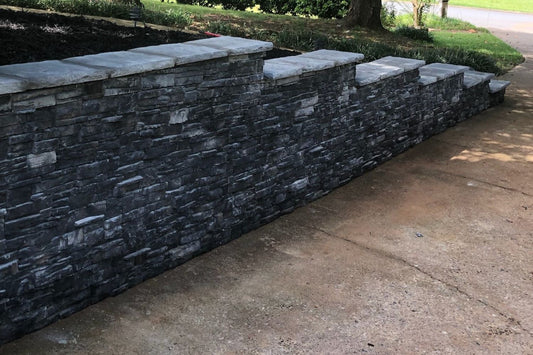
Capstones are an ideal finishing touch for stone veneer columns, posts, pillars, and arches, providing both style and protection. Placing a capstone atop these vertical structures creates a polished, cohesive look while shielding the underlying stone from moisture and wear. Whether you’re designing an entryway, outdoor feature, or decorative accent, the right capstone ensures your column or arch stands out as a professional, finished element. To learn more about selecting and installing the perfect piece, see our post what is a capstone?
Stone veneer columns, posts, pillars, and arches
Stone veneer offers homeowners an exceptional way to elevate architectural features such as columns, posts, pillars, and arches. Its lightweight construction, realistic appearance, and versatility make it a practical alternative to traditional masonry while still delivering the timeless beauty associated with natural stone.
Whether used to enhance a front porch, define a driveway entrance, support a pergola, or accent interior spaces, stone veneer introduces texture, depth, and character that enrich the overall design of a home. With careful installation and routine maintenance, these stone-wrapped features can remain beautiful and durable for many years.
By choosing stone veneer for vertical architectural elements, homeowners gain the flexibility to customize color, texture, and layout while achieving a sophisticated, high-end appearance that enhances curb appeal and long-term property value.
From Mountain View Stone: what you should know
At Mountain View Stone, we often see homeowners overlook the transformative impact stone veneer can have on columns, posts, pillars, and arches. While manufactured stone veneer mimics the beauty and texture of natural stone, it’s significantly lighter, easier to install, and more cost-effective, making it ideal for both interior and exterior vertical features. Proper installation is key: stone veneer is a non-structural cladding, so it must be applied over a sound substrate with the correct moisture barrier, metal lath, and scratch coat to ensure long-lasting durability. Choosing the right style, color, and layout can elevate even simple structural elements into architectural focal points that enhance curb appeal and add value to your home. From porch posts to garden arches, understanding these essentials helps homeowners achieve a polished, high-end look that performs beautifully for decades.
Frequently asked questions
1. Is manufactured stone veneer suitable for exterior posts and columns? Yes, manufactured stone veneer is engineered for interior and exterior applications. Made from cement, lightweight aggregates, and iron oxides, it is designed to withstand moisture, UV exposure, freeze-thaw cycles, and temperature fluctuations. When properly installed with the correct moisture barrier and flashing, stone veneer columns and posts can perform beautifully for decades.
2. Do stone veneer columns require structural support? Manufactured stone veneer is a non-structural cladding, meaning it does not provide load-bearing support. It must be installed over a structurally sound substrate such as concrete, masonry, or properly prepared framed columns with metal lath and a scratch coat. Because it’s significantly lighter than natural stone, it typically does not require additional foundation reinforcement, making it ideal for porch posts and entry columns.
3. How much does it cost to add stone veneer to posts and columns? The cost of installing manufactured stone veneer on posts and columns varies depending on the style selected (ledgestone, stacked stone, fieldstone), project size, and labor rates in your area. However, it is generally far more affordable than natural stone due to lower material costs and reduced installation labor. Homeowners often choose stone veneer columns as a high-impact, cost-effective way to improve curb appeal.
4. Can manufactured stone veneer be installed over existing columns? In many cases, yes. Manufactured stone veneer can be installed over existing concrete or masonry columns. For wood-framed posts, proper preparation is required, including a weather-resistant barrier, metal lath, and a scratch coat before applying the stone. It’s important to follow manufacturer installation guidelines to ensure long-term durability and code compliance.
5. Does stone veneer on columns increase home value? Upgrading plain posts to stone veneer columns can significantly enhance curb appeal, which may positively impact resale value. Entryway columns wrapped in manufactured stone veneer create a strong first impression and add perceived quality and permanence to a home’s exterior, making it an attractive feature for potential buyers.
What's next?
Transform your home with our beautiful stone veneer! Shop now to explore our collection or order a sample to experience the quality and texture firsthand!
Have a question?
Please see our full terms of service or check out our frequently asked questions.
For general information and questions please call: (864) 882-8960 Mon. - Fri. 8am - 5pm (EST) or email: info@mountainviewstone.net we are more than happy to help you.
Or you can submit your questions via our contact us page.
We look forward to working with you on your upcoming project.
The Mountain View Stone Team
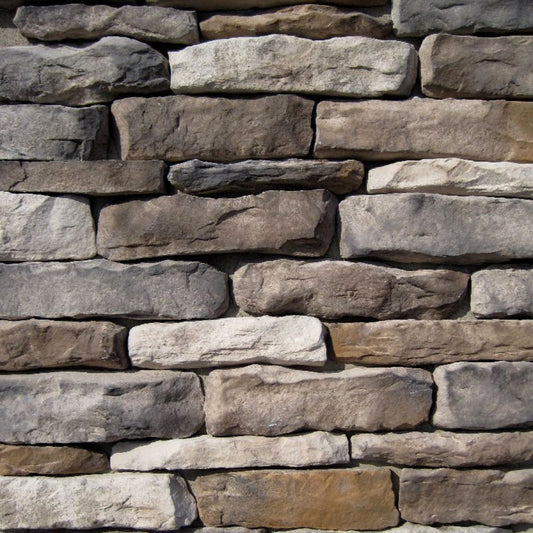
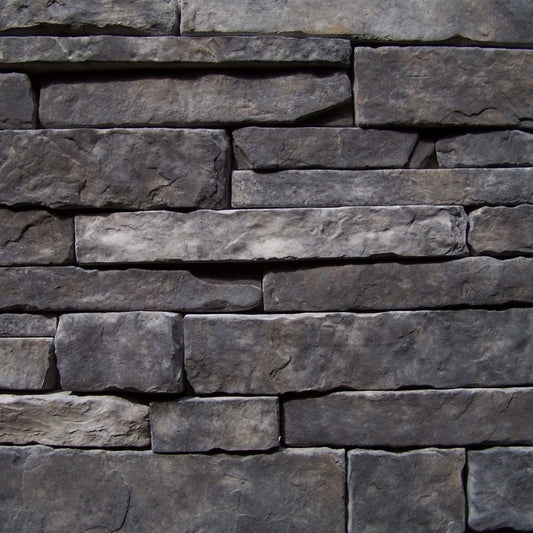
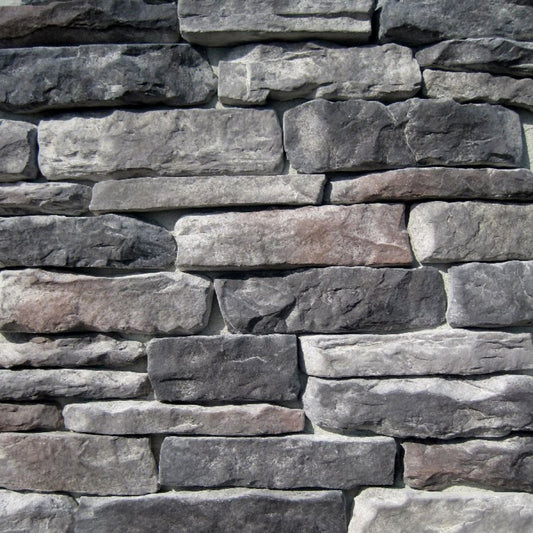
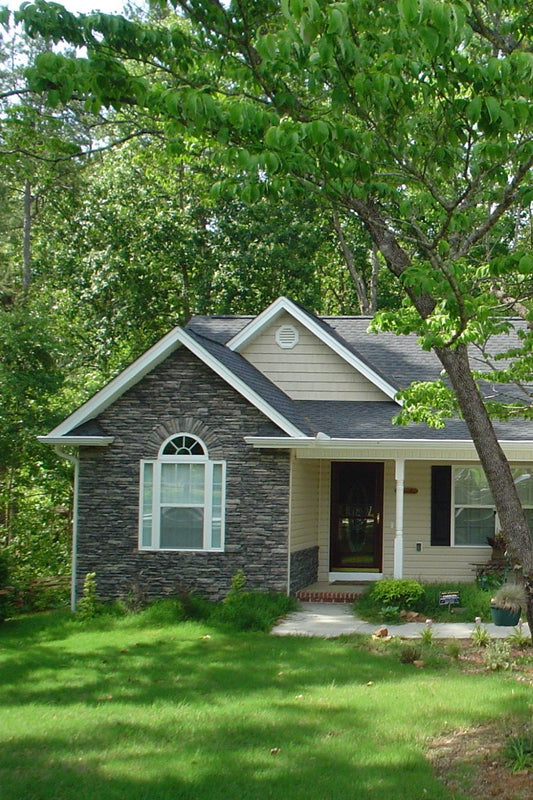
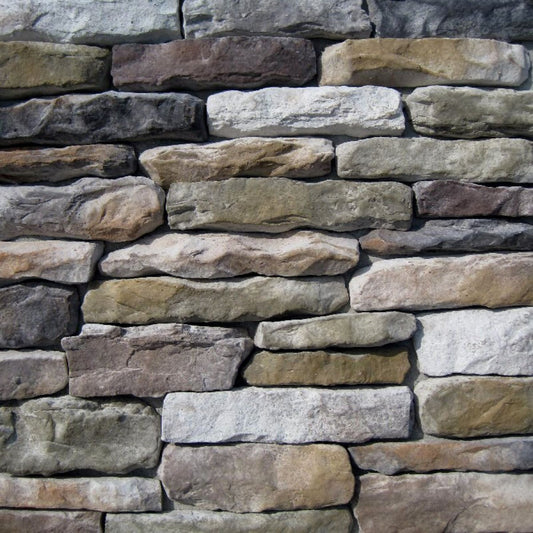
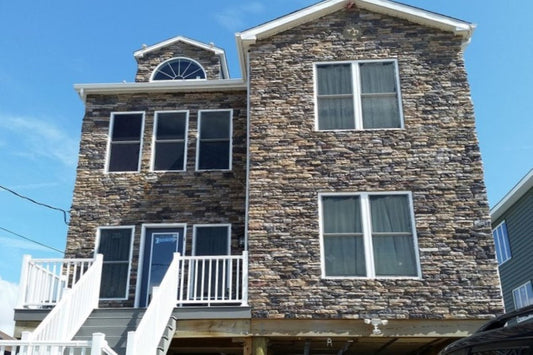
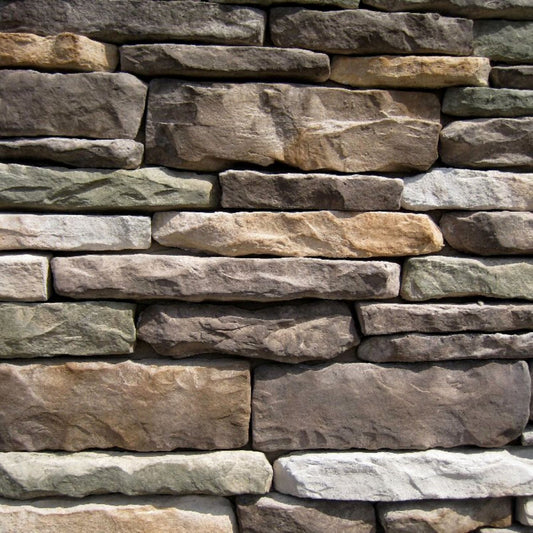
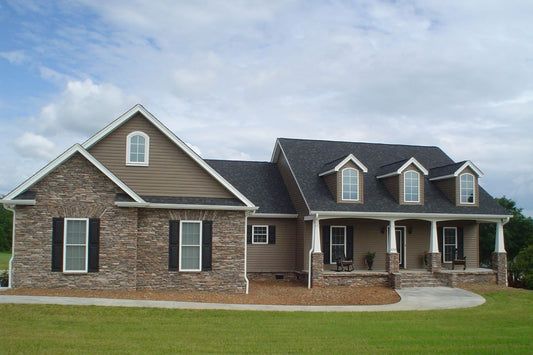
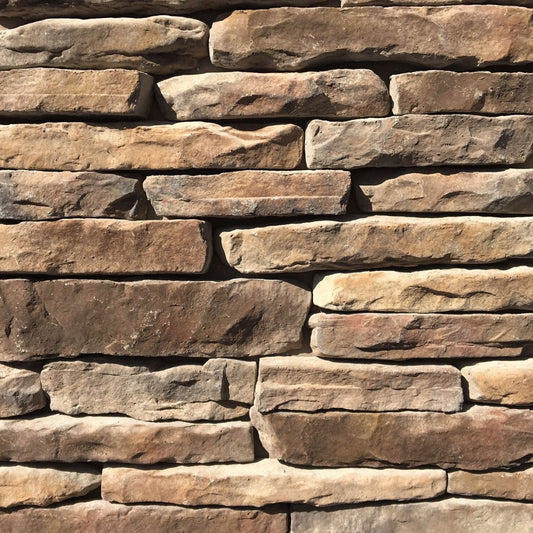
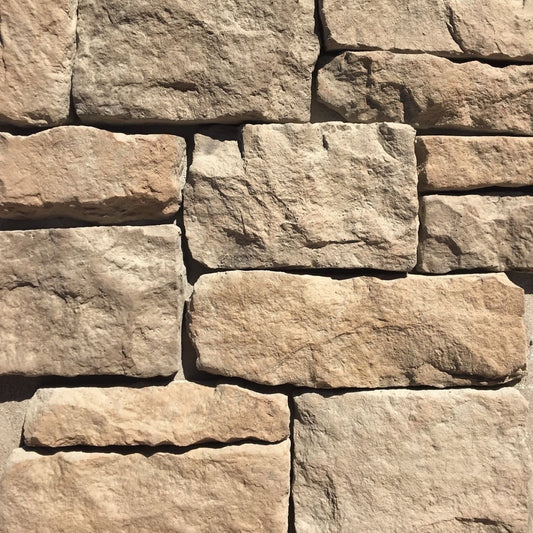
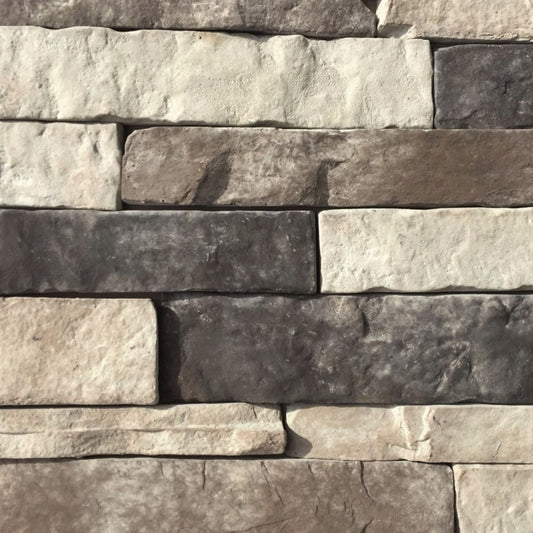
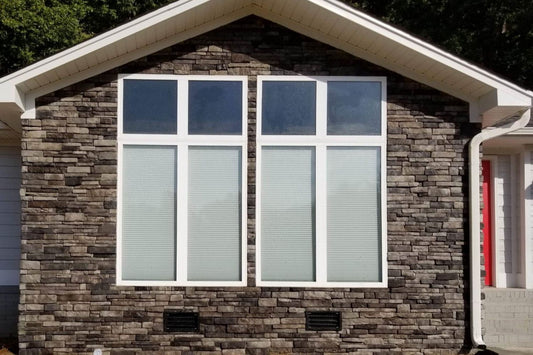
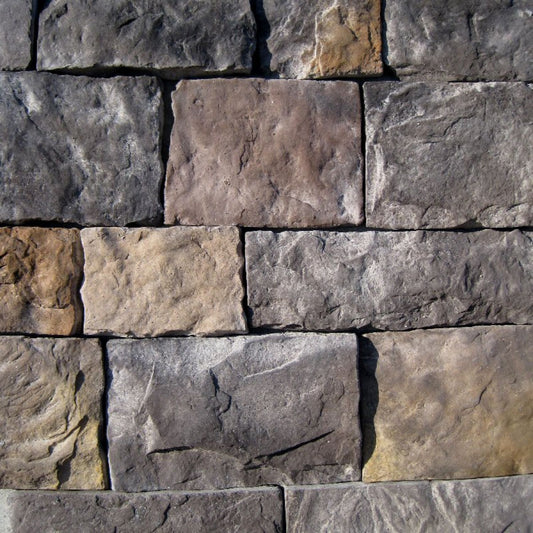
Pictured is ledge stone mossy creek.


2 comments
Updated May 5th, 2025:
Hi Fred,
Thank you for your question and interest in our stone veneer.
The easiest way to determine the square footage of stone veneer flats you will need is to measure the length and to measure the height of the area you will be installing our stone veneer on and multiply them together to get the total square footage of stone veneer flats needed for your project.
Corners are not required but they offer a professional finish by wrapping perfectly around a 90 degree outside corner. If you decide to use corners you will need to calculate the lineal feet required by simply measuring the height of all outside corners as our corners are sold by the lineal foot. On each product page there are options for both flats and corners (to the right of the main product image). Outside corners are different from inside corners. For inside corners, our flats are used. Simply run a flat piece into the corner and then a flat piece on the adjacent side.
Please feel free to email us the dimensions of your project at info@mountainviewstone.net and we can help you estimate the number of corners and flats you will need to complete your project.
Important to note we always recommend adding 10% of what you think you will need as a waste factor.
Please let us know if you have any more questions!
I’m looking to wrap 6 6×6 post with ston with caps