
Stone Veneer Corners: Installing Inside and Outside Corners
Share
Originally posted May 22, 2025, updated July 24, 2026.
Learn how to install stone veneer corners for a seamless, professional look. Prefabricated outside corners and flat stones for inside corners ensure durability, natural appearance, and easy installation.
When installing manufactured stone veneer, achieving clean, professional corners is one of the most important aspects of any project. Whether you are upgrading a fireplace surround, creating an accent wall, or enhancing an exterior facade, corners can significantly influence the final appearance. Properly executed corners provide both structural integrity and a seamless, natural transition between surfaces, helping the installation look cohesive and well-crafted over time. Whether you are handling the installation yourself or working with a contractor, it is essential to follow the manufacturer’s guidelines at every stage. For a complete step-by-step walk through of the entire process, see our DIY stone veneer installation guide.
While corners play a critical role in the overall finish, they are only one part of a properly executed installation system. A successful stone veneer project depends on careful attention to every stage, including substrate preparation, correct mortar selection and application, accurate stone placement, and proper finishing techniques. Each of these elements works together to ensure the veneer is both durable and visually consistent, delivering long-term performance and aesthetic appeal.
What Are Stone Veneer Outside Corners?
Stone veneer outside corners are specially designed L-shaped pieces created to wrap around 90-degree edges. These pre-formed components match the color, texture, and pattern of your flat stone veneer pieces, providing the natural overlap seen in full-thickness stone walls. Outside corners replicate the look of stacked or interlocking stones, offering a seamless transition at visible edges. They are particularly important for exterior applications, where proper corner construction enhances both appearance and durability.
Using prefabricated outside corners ensures the best aesthetic and functional result. They provide a natural look without exposing cut edges, maintain the visual flow of the stone pattern, reduce the time spent on intricate cuts, and increase weather resistance by minimizing seams where moisture could penetrate. While it is possible to build outside corners using flat stones, this method is more labor-intensive and requires precision.
How to Build Outside Corners Using Flats
If prefabricated corners are unavailable or you choose to customize your corner, flats can be used to construct an outside corner. One approach is mitered cuts, where two flat pieces are cut at a 45-degree angle and joined to create a sharp, seamless appearance. This technique requires a wet saw and careful measurements to prevent exposing the back of the stone. Another method involves overlapping the stones in a shiplap-style pattern, alternating each row from each wall. This approach can create a rustic, natural look, though it may not achieve the flawless finish that corner pieces provide. Both techniques demand attention to alignment and mortar placement to ensure structural integrity and visual appeal.
Stone Veneer Inside Corners
Inside corners are handled differently than outside corners. Most manufactured stone veneer products do not include dedicated inside corner pieces. Instead, skilled installers use flat stones to construct these corners. The process is simpler than outside corners and involves careful staggering and overlapping of flat pieces to achieve a natural interlocking effect. Each row alternates from one wall to the adjacent wall, ensuring the seams do not align and maintaining a consistent flow of stone pattern.
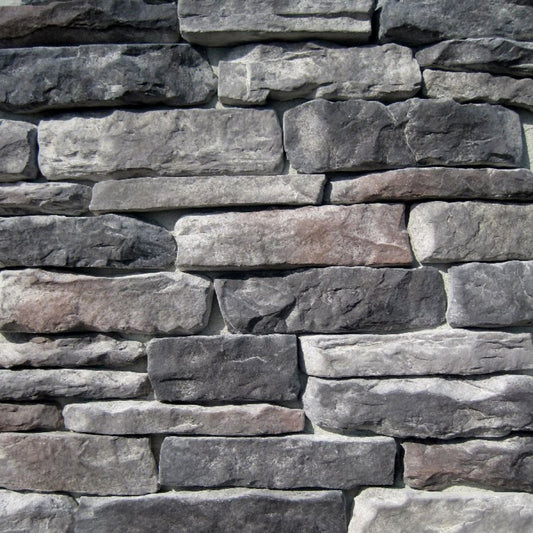
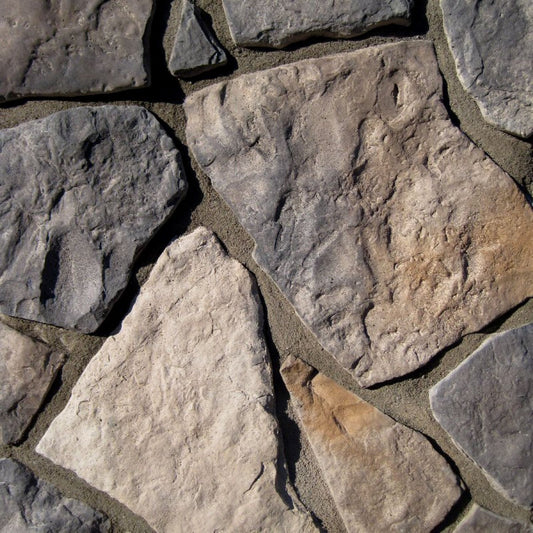
Flat stones are ideal for inside corners because they allow flexibility across different stone profiles. Styles with irregular shapes, such as ledgestone, fieldstone, or stacked stone, blend naturally at corners. Before applying mortar, dry fitting the stones in the corner is recommended to confirm proper alignment and avoid uneven seams. This step ensures that the inside corner flows seamlessly with the rest of the wall while maintaining structural strength.
Choosing the Right Stone Profiles
Certain stone profiles perform better at corners due to their size, shape, and texture. Ledgestone, fieldstone, and stacked stone are among the most adaptable profiles for inside corners because their irregular lengths and rough textures allow for easy alignment and natural-looking overlap. When planning your project, consider the overall design and pattern of the veneer, and test a few sample pieces at the corners before committing to the full installation.
Installation Tips for Stone Veneer Corners
A polished corner installation requires careful planning and preparation. Outside corners should be aligned with the natural pattern of your wall, with each course of stone level and consistent. Mortar coverage and joint spacing are critical for both structural stability and visual appeal. For inside corners, overlapping and alternating flat stones ensures that the corner is visually seamless and strong. Dry fitting pieces, trimming stones as needed, and staggering joints contribute to a professional, long-lasting result.
Check the product specifications for corner coverage, recommended profiles, and installation tips. Using the correct techniques will minimize waste, reduce installation time, and guarantee a high-quality finished appearance.
Why Prefabricated Corners Are Worth the Investment
While using flat stones for outside corners is possible, investing in prefabricated corner pieces can save significant time and effort. They create a consistent, natural overlap that enhances the overall aesthetics and durability of your installation. Properly installed corners reduce the risk of water infiltration, which is particularly important for exterior walls exposed to the elements. The visual consistency and structural benefits often outweigh the cost of purchasing additional corner pieces, making them a smart choice for both DIY projects and professional installations.
Common Mistakes to Avoid
Corner installations can be tricky, and mistakes often occur when corners are constructed using flats without careful planning. Misaligned seams, exposed stone backs, uneven mortar coverage, or poorly staggered joints can compromise both the look and longevity of your project. Always measure accurately, dry fit stones before applying mortar, and maintain a consistent overlap pattern. For inside corners, remember that the staggered overlap is key to mimicking the natural interlocking appearance of real stone. For a complete step-by-step walk through of the entire process from preparation to finishing, see our complete guide how to install manufactured stone veneer like a pro.
Stone Veneer Corner Maintenance
Once installed, stone veneer corners require minimal maintenance. Clean the surfaces periodically to remove dirt or debris and inspect mortar joints for cracks or gaps, especially in exterior applications. Promptly addressing any issues will maintain the aesthetic and structural integrity of your corners for years to come. The durability of prefabricated corners, combined with proper installation and care, ensures that your stone veneer project remains visually stunning and structurally sound.
Proper corner installation is also an important part of achieving a finished, professional-looking veneer system. From corners and transitions to sills, capstones, hearthstones, and mortar joints, the finishing details can have a significant impact on the completed project. For a closer look at these final details, see our complete guide to finishing manufactured stone veneer.
Stone Veneer Corners
Installing stone veneer corners properly is essential for achieving a polished, professional, and long-lasting result. Prefabricated outside corners simplify the process, creating seamless transitions and enhancing both the appearance and durability of your project, while flat stones provide a reliable solution for inside corners when installed with care. By understanding the differences between corner types, selecting the right stone profiles, and following proper installation techniques, you can ensure that every corner of your fireplace, accent wall, or exterior facade looks natural and cohesive. Proper planning, attention to detail, and using the correct materials not only save time and reduce waste but also give your stone veneer project a finished look that will stand the test of time.
From Mountain View Stone: What You Should Know
At Mountain View Stone, we want you to know that corner details are often what separate a standard stone veneer installation from a truly professional finish. While outside corners benefit greatly from prefabricated L-shaped pieces, inside corners rely on careful planning, consistent staggering, and proper mortar application to achieve a seamless transition between walls. Taking the time to dry fit stones, maintain level courses, and follow recommended installation practices ensures both structural integrity and a natural, cohesive appearance. Whether you’re working on a fireplace, accent wall, or exterior facade, getting the corners right is essential to achieving a durable result that looks intentional and well-crafted from every angle.
Frequently Asked Questions About Stone Veneer Corners
Can I use flat stones for outside corners?
Yes, flats can be used, but it requires precise miter cuts or an overlapping technique. Prefabricated corners are easier and produce a more natural look.
Are inside corner pieces necessary?
No, inside corners are typically formed using flat stones. Alternating rows and staggered overlaps achieve a seamless, professional appearance.
Which stone profiles work best for corners?
Ledge stone, fieldstone, and stacked stone are most adaptable due to irregular shapes that allow natural transitions at corners.
Do prefabricated corners improve weather resistance?
Yes, outside corners reduce exposed seams, minimizing moisture penetration and protecting against freeze/thaw damage.
How do I ensure alignment when installing corners?
Dry fit stones, stagger seams, and check level for each course before applying mortar to maintain structural integrity and visual appeal.
Can I trim stones to fit corners?
es, trimming with a wet saw or angle grinder is common to achieve a tight fit and a natural transition, especially at inside corners.
What's Next?
Make your vision a reality with our premium stone veneer! Shop now to explore the ideal style or order a sample to see and feel the texture and color up close. Start your project today!
Have a Question?
Please see our full terms of service or check out our frequently asked questions.
For general information and questions please call: (864) 882-8960 Mon. - Fri. 8am - 5pm (EST) or email: info@mountainviewstone.net we are more than happy to help you.
Or you can submit your questions via our contact us page.
We look forward to working with you on your upcoming project.
The Mountain View Stone Team
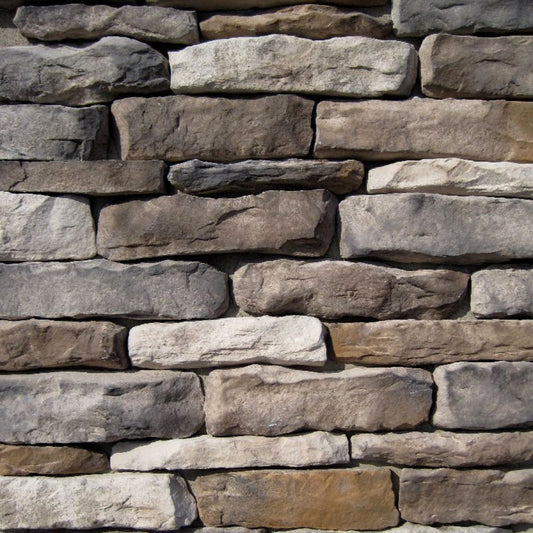
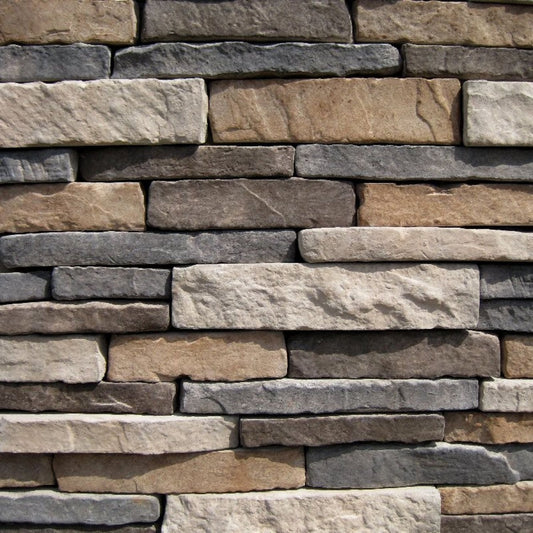
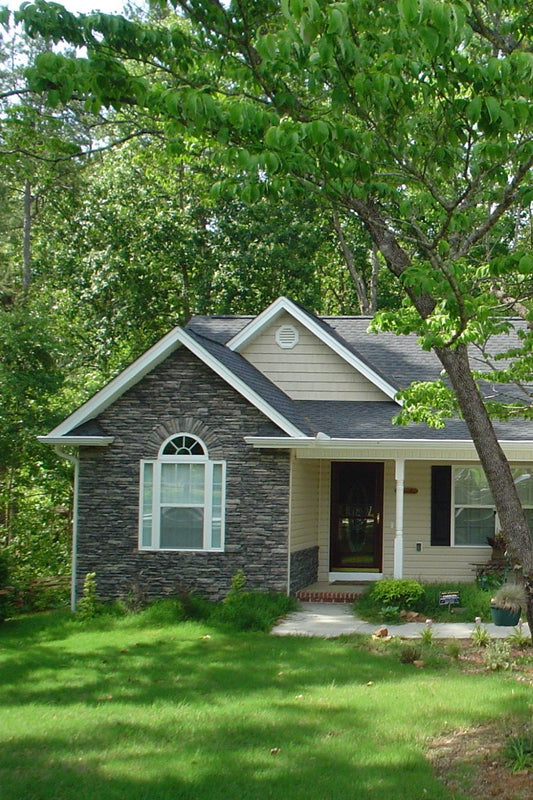
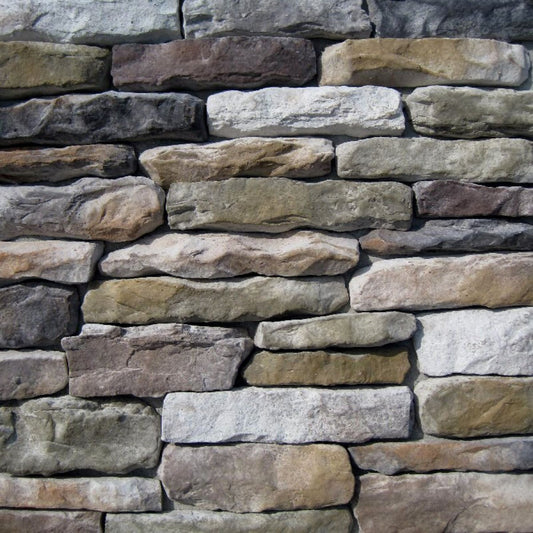
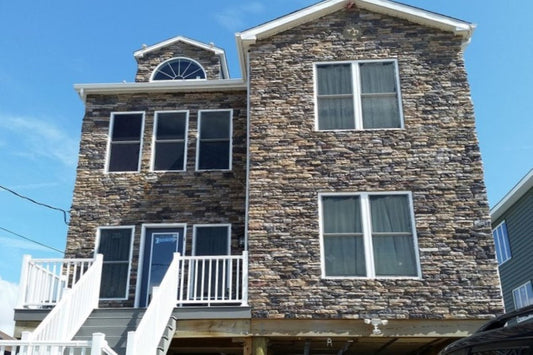
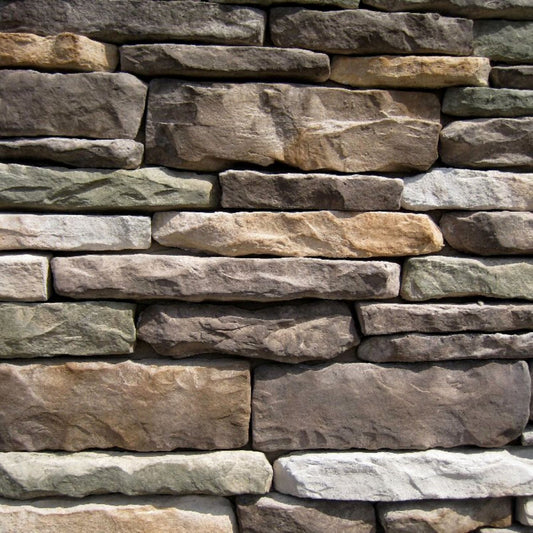
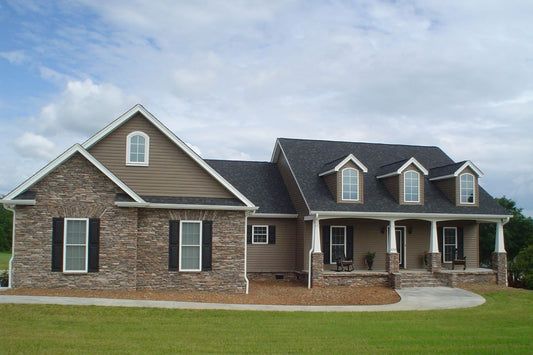
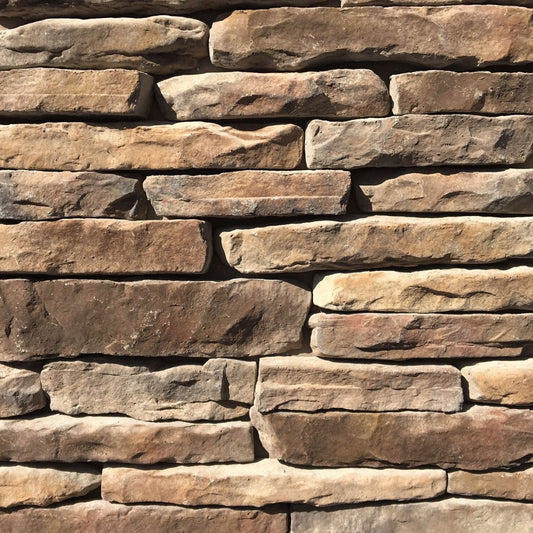
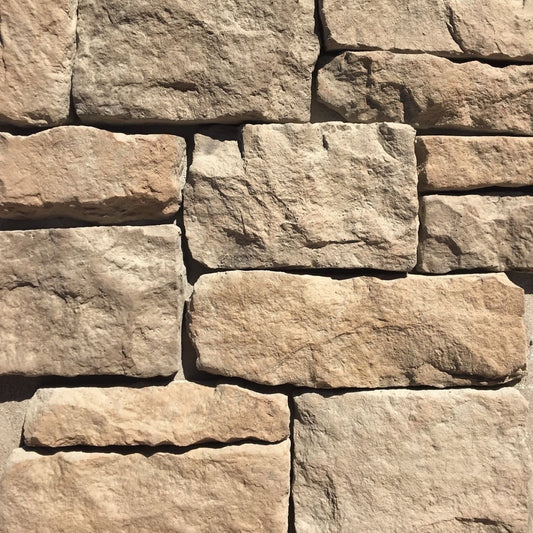
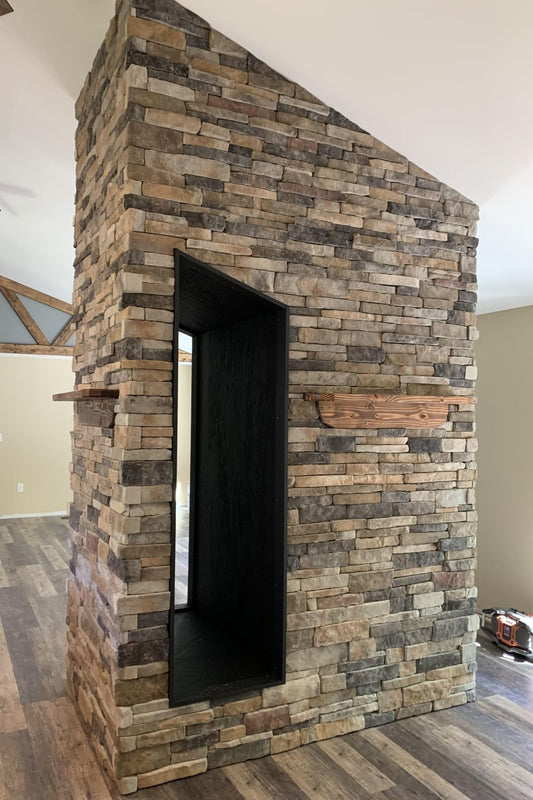
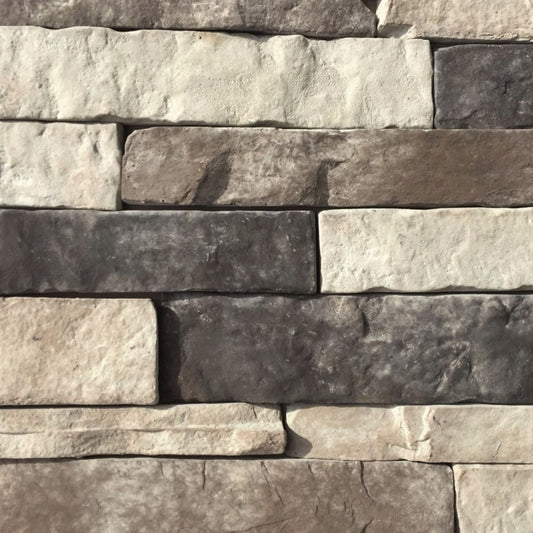
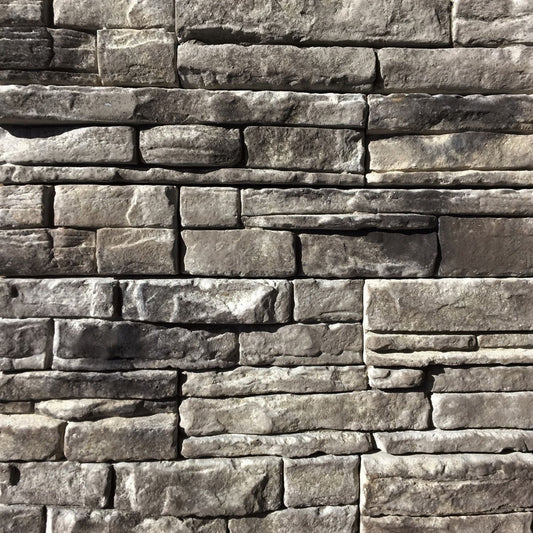
Pictured is stack stone aspen.