
Stone Veneer Installation: Mortar or Glue? What’s Best for Strength and Durability
Share
Originally posted August 1, 2025, updated September 8, 2026.
The correct material for installing manufactured stone veneer is Type S mortar, not glue or construction adhesive. Mortar creates a strong, durable, code-compliant bond that can withstand moisture, freeze/thaw cycles, and long-term structural stress, while adhesives are not designed for masonry loads and can lead to failure or safety risks.
If you are preparing to install manufactured stone veneer, one of the most important decisions you will make happens before the first stone is ever placed: choosing the right bonding material. For a complete step-by-step walk through of proper installation methods, see our DIY stone veneer installation guide. It is a common question among homeowners and even some contractors, should stone veneer be installed with mortar or with construction adhesive?
The short answer is simple and non-negotiable in professional masonry practice: use Type S mortar, not glue. While adhesives may seem easier or faster, they are not designed to handle the weight, environmental exposure, or structural demands of manufactured stone veneer. Type S mortar remains the industry standard because it creates a permanent, durable bond that has been proven across decades of real-world installations.
This post explains exactly why mortar is required, why adhesives fail in this application, and how choosing the right installation method protects both the performance and warranty of your project.
Mortar vs. Glue: The Simple Answer
When comparing mortar and glue for manufactured stone veneer installation, it is important to understand that they are not interchangeable materials. Type S mortar is a cement-based masonry product engineered specifically for bonding stone, brick, and similar heavy cladding materials. Construction adhesives, on the other hand, are designed for lightweight trim, paneling, or interior finishes where structural load is minimal.
Manufactured stone veneer is not lightweight trim. It is a cement-based product that requires a mechanical bond to a properly prepared substrate. Mortar provides that bond by physically gripping both the back of the stone and the scratch-coated surface beneath it. Adhesive simply sits between surfaces and does not integrate into the substrate in the same way, which is why it is not suitable for this application.
In every professional installation scenario, mortar is not just recommended, it is required. For a complete step-by-step breakdown of proper techniques and best practices, see our how to install manufactured stone veneer like a pro guide.
Why Type S Mortar is the Standard for Stone Veneer
Type S mortar is widely recognized in masonry work because of its balance of strength and flexibility. It is formulated with a higher cement content than Type N mortar, which gives it the compressive strength needed for structural and exterior applications. This makes it ideal for manufactured stone veneer, which is often installed on exterior walls, foundations, chimneys, and architectural features exposed to weather.
Before Type S mortar can create a reliable bond, however, the wall surface must be properly prepared. The substrate, weather-resistant barrier, metal lath, and scratch coat all play an important role in the performance of the finished veneer system. For a complete explanation of how to prepare different wall surfaces before installation, see our complete guide to preparing your wall surface for stone veneer.
One of the key advantages of Type S mortar is its ability to maintain a strong bond even under environmental stress. In climates with freeze/thaw cycles, moisture can expand and contract within materials, which places constant pressure on the bond line. Type S mortar is designed to resist this movement without breaking down, which is essential for long-term durability.
It is also compatible with a wide range of substrates, including concrete, masonry block, and properly prepared metal lath systems. When installed correctly, it creates a bonded assembly that behaves as a unified surface rather than separate layers.
This is the fundamental reason it is trusted in both residential and commercial masonry construction.
The Benefits of Using Type S Mortar for Installation
The advantages of Type S mortar go beyond simple adhesion strength. It creates a complete system of performance benefits that support the long-term success of a stone veneer installation.
A properly applied mortar bed forms a mechanical lock between the veneer and the substrate. This means the bond is not relying solely on chemical adhesion but on physical integration into a textured surface. This dramatically improves resistance to vibration, weather exposure, and structural movement.
Type S mortar is also highly resistant to moisture penetration when used as part of a full veneer system that includes proper weather barriers and flashing. This helps protect the underlying structure from water damage, which is especially important in exterior applications where rain, snow, and humidity are constant factors.
Another important benefit is its proven compliance with building codes. Because Type S mortar is a recognized masonry material, it is accepted by most North American building standards for stone veneer installations. This provides peace of mind for both homeowners and contractors, ensuring the installation meets safety and inspection requirements.
Finally, Type S mortar has a long track record of performance. It has been used for decades in masonry construction, which means its behavior under real-world conditions is well understood. That level of reliability is something adhesives simply cannot match in this application.
Why Adhesives and Construction Glue Fail in This Application
At first glance, construction adhesives may appear to offer a simpler installation method. They are easy to apply, require no mixing, and seem to bond quickly. However, these advantages are misleading when it comes to manufactured stone veneer.
The most significant issue is load-bearing capacity. Stone veneer is heavy, and when installed on vertical surfaces, it creates constant downward force. Most adhesives are not engineered to handle sustained vertical loads of this type over long periods of time. As a result, the bond can weaken gradually or fail suddenly.
Moisture is another major problem. Exterior stone veneer installations are exposed to rain, snow, and humidity. Many adhesives break down when exposed to moisture over time, leading to softening, separation, or complete bond failure. Unlike mortar, adhesives do not integrate into the substrate in a way that allows them to resist long-term water exposure.
Temperature fluctuations also play a role. As materials expand and contract with heat and cold, the bond line must be able to flex without losing strength. Mortar is designed for this type of movement. Many adhesives become brittle or lose adhesion under these conditions, especially in freeze/thaw climates.
Perhaps most importantly, using adhesives instead of mortar can void manufacturer warranties. Most stone veneer manufacturers clearly specify Type S mortar as the required installation method. Deviating from this specification can leave the installer fully responsible for any future failures.
Installation Considerations for Long-Term Performance
A successful manufactured stone veneer installation is not only about choosing the right mortar, but also about how the system is prepared and executed. Proper surface preparation is essential. Substrates must be clean, structurally sound, and correctly layered with appropriate weather-resistant barriers and metal lath when required.
Mortar should be applied in a consistent manner that allows for full coverage and proper embedding of each stone unit. The goal is to ensure there are no voids behind the stone where water or air could accumulate. Full contact between the mortar and the back of the veneer is essential for long-term stability.
Environmental conditions during installation also matter. Extreme heat or freezing temperatures can affect curing and bond strength. Professional installers typically work within recommended temperature ranges to ensure the mortar cures correctly and achieves full strength.
While these steps require attention to detail, they are what make mortar-based systems so reliable over time. The strength of the installation comes not just from the material itself, but from the complete system working together.
Code Compliance and Warranty Protection
One of the most overlooked aspects of choosing between mortar and adhesive is compliance. Building codes across North America consistently recognize mortar as the approved installation method for manufactured stone veneer. This is because it has been tested and proven under structural conditions that adhesives have not been designed to meet. Manufacturers typically specify Type S mortar in their installation guidelines for this reason. Using any other bonding method, including construction adhesives, can void warranties and shift liability to the installer.
From a risk management perspective, this is critical. A veneer installation is not just a decorative finish; it is a cladding system that must remain safely attached to a structure for decades. Following approved methods ensures both safety and long-term protection of your investment.
Stone Veneer Installation: Mortar or Glue?
When comparing mortar and glue for manufactured stone veneer installation, the conclusion is clear. Type S mortar is the only method that provides the strength, durability, and compliance required for real-world performance. Adhesives may seem convenient, but they are not designed for the structural demands of masonry veneer systems.
A properly installed mortar system delivers long-term stability, weather resistance, and peace of mind that the installation will perform as intended. For both homeowners and professionals, choosing Type S mortar is not just the best option, it is the correct one.
From Mountain View Stone: What You Should Know
At Mountain View Stone, we want every installation to perform as beautifully as it looks for decades to come. For that reason, we strongly recommend following manufacturer-approved installation methods and using Type S mortar for all manufactured stone veneer applications. While adhesives or construction glues may appear convenient, they are not designed for the weight, moisture exposure, or long-term structural demands of stone veneer systems. Using non-approved products can compromise performance and will void manufacturer warranties, leaving installers and homeowners responsible for any resulting failures. When in doubt, the safest and most reliable approach is always to follow proven masonry standards and the installation guidelines provided with your product.
Frequently Asked Questions About Stone Veneer Installation: Mortar or Glue?
Can I use construction adhesive instead of mortar for stone veneer?
No. Construction adhesives are not designed to support the weight or environmental exposure of manufactured stone veneer. They may fail over time and are not approved for masonry installations.
What type of mortar should I use for manufactured stone veneer?
Type S mortar is the recommended and industry-standard choice. It provides the strength and durability required for both interior and exterior applications.
Is Type S mortar required by building code?
In most regions, Type S mortar is the accepted material for stone veneer installations because it meets masonry performance and safety standards.
Will using glue instead of mortar void my warranty?
Yes. Most manufacturers require Type S mortar for installation. Using adhesive instead typically voids product warranties and may violate installation guidelines.
Can stone veneer be installed indoors with mortar?
Yes. Type S mortar is suitable for both interior and exterior applications, including fireplaces and feature walls, as long as proper surface preparation is followed.
Why does mortar last longer than adhesive?
Mortar forms a mechanical bond with the substrate and is designed to withstand moisture, temperature changes, and structural loads, whereas adhesives are not engineered for long-term masonry performance.
What's Next?
Enhance your space with premium manufactured stone veneer. Shop now and confidently bring your design vision to life or order a sample to experience the genuine texture and vibrant colors firsthand.
Have a Question?
Please see our full terms of service or check out our frequently asked questions.
For general information and questions please call: (864) 882-8960 Mon. - Fri. 8am - 5pm (EST) or email: info@mountainviewstone.net we are more than happy to help you.
Or you can submit your questions via our contact us page.
We look forward to working with you on your upcoming project.
The Mountain View Stone Team
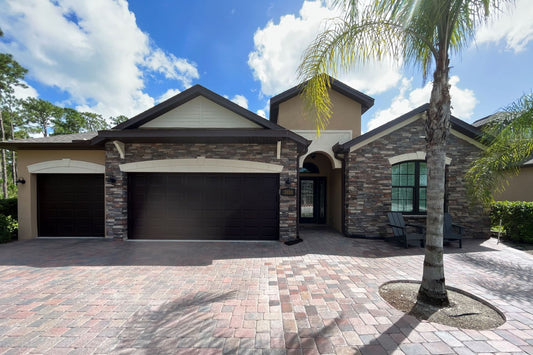
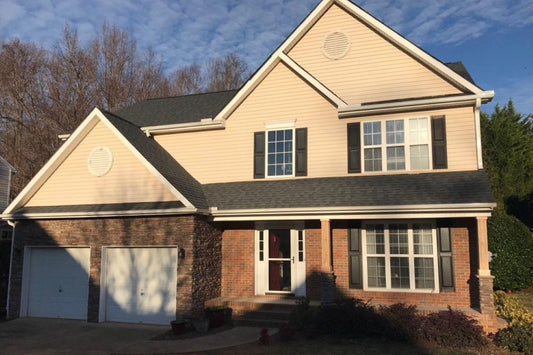
Pictured is an AI image of stone veneer installation that failed using adhesive.