
What is Manufactured Stone Veneer? Composition, Performance, and Longevity
Share
Originally posted November 17, 2021, updated January 3, 2026.
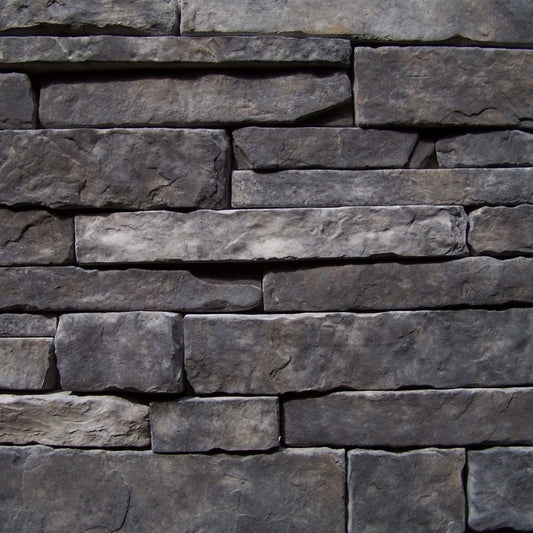
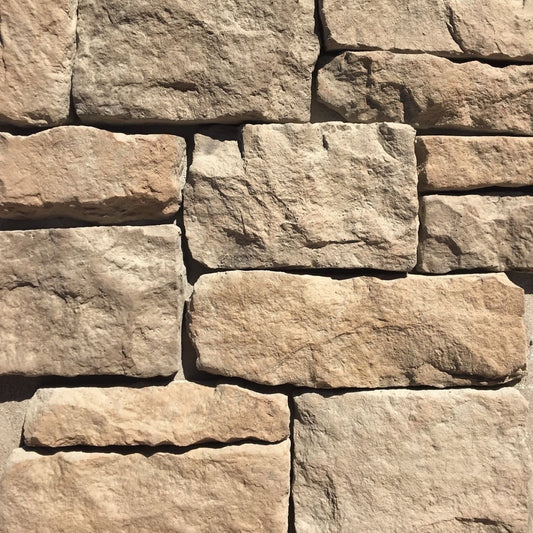
Manufactured stone veneer is a cement-based building material designed to replicate the appearance of natural stone while being lighter and more affordable. Made from Portland cement, lightweight aggregates, and pigments, it is molded from real stone textures to create a realistic finish. Manufactured stone veneer is widely used for exterior facades, fireplaces, accent walls, and landscaping features because it offers the beauty of stone with easier installation and long-term durability.
Manufactured stone veneer has become one of the most popular materials in modern home design and construction, offering the timeless look of natural stone without the cost, weight, and installation challenges of traditional masonry. Builders, designers, and homeowners continue to choose this versatile material for everything from dramatic fireplaces and elegant exterior facades to accent walls and outdoor living spaces. If you’re considering it for your project, our manufactured stone veneer buying guide provides a complete step-by-step overview of how to choose, order, and plan with confidence.
Understanding what manufactured stone veneer is, how it is made, and where it can be used helps homeowners and contractors make informed decisions from the start. While it closely resembles natural stone in appearance, it is engineered to deliver additional benefits such as lighter weight, consistent quality, and easier installation, making it a practical and visually appealing solution for a wide range of applications.
Understanding manufactured stone veneer
Manufactured stone veneer, sometimes referred to as manufactured veneer stone, architectural stone, or cultured stone, is a man-made material created to replicate the appearance and texture of natural stone. Instead of being quarried from the earth, it is produced in a controlled manufacturing environment using a blend of Portland cement, lightweight aggregates, and mineral pigments.
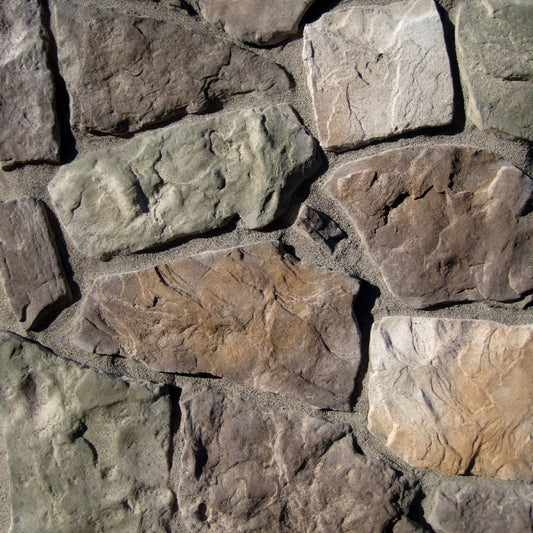
These materials are carefully combined and poured into molds that are taken directly from real stones. The molds capture intricate surface details such as natural cracks, edges, and textures, allowing the finished product to closely resemble authentic stone. Once the mixture has cured, the stones are removed from the molds and finished with carefully blended pigments that create realistic color variations.
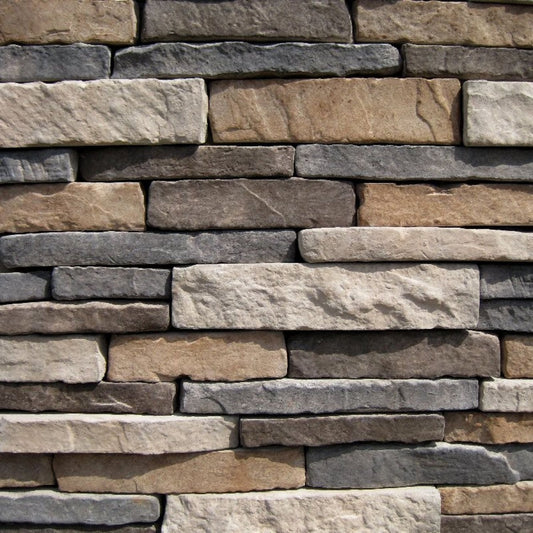
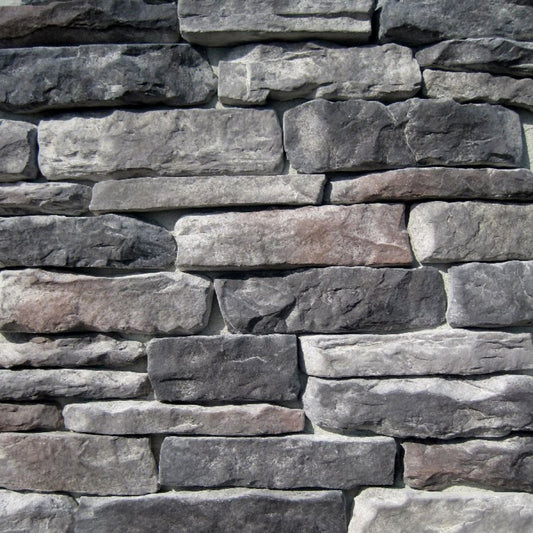
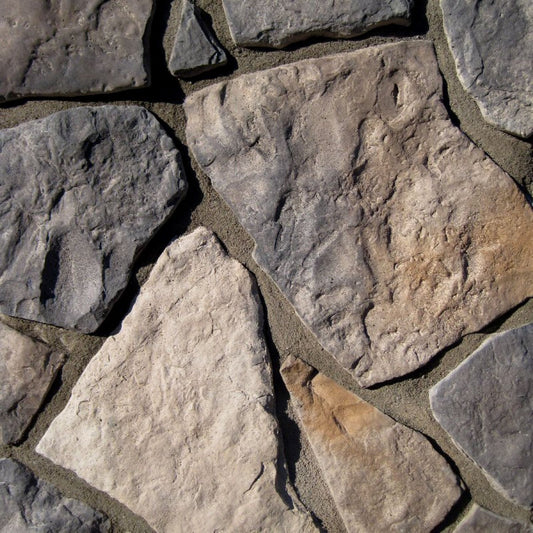
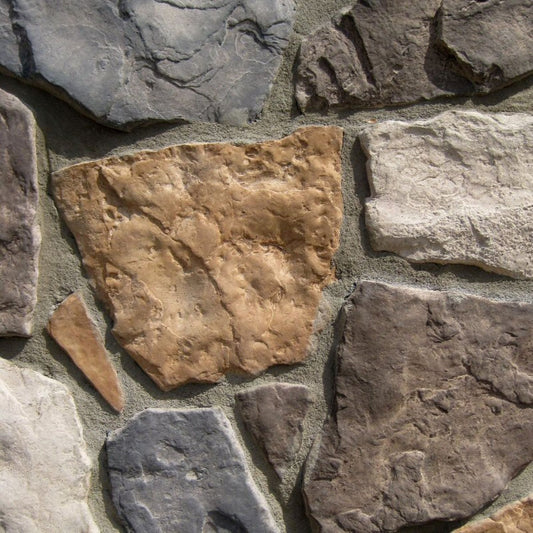
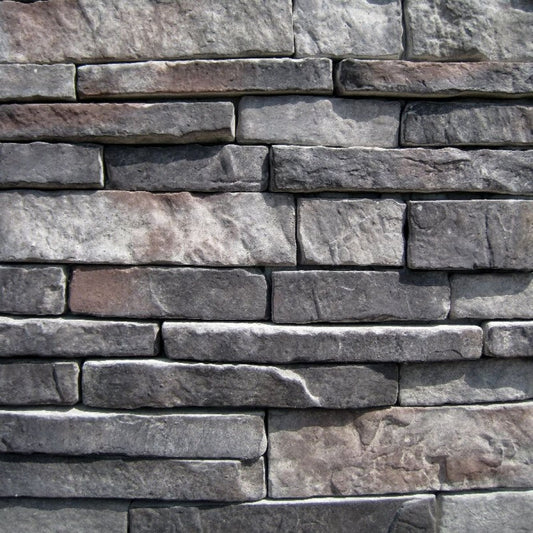
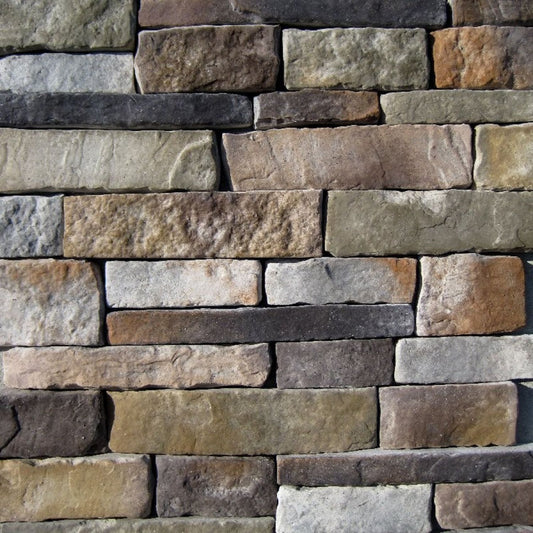
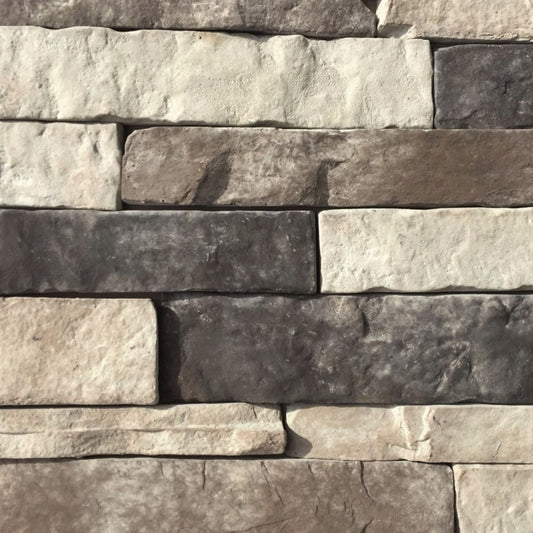
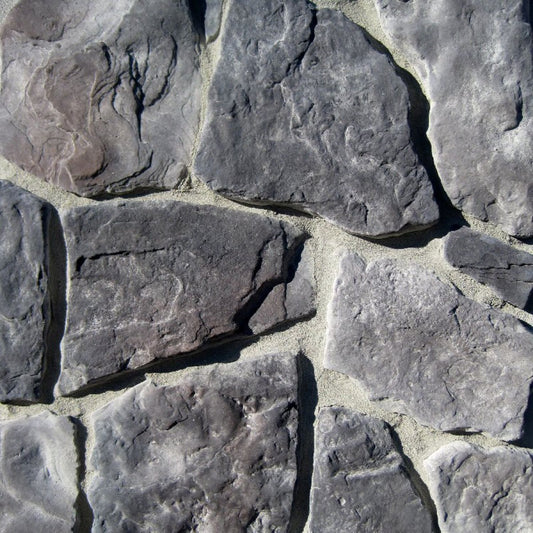
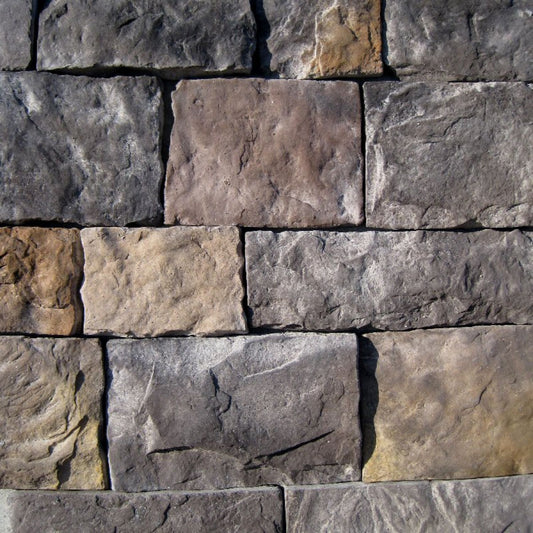
Because the production process is controlled, manufacturers can create stones in a wide range of shapes, sizes, and textures. This allows designers and homeowners to achieve specific architectural styles, whether they prefer rugged fieldstone, stacked ledge stone, or refined limestone appearances.
How manufactured stone veneer is made
The manufacturing process plays a major role in what makes stone veneer such a convincing alternative to natural stone. The process begins with creating molds from real stones so that every surface detail is accurately captured. These molds allow manufacturers to reproduce the natural irregularities that give stone its distinctive appearance.
Next, a mixture containing Portland cement, lightweight aggregates, and pigments is prepared. Portland cement provides strength and durability, while lightweight aggregates reduce the overall weight of the finished product. Mineral pigments and iron oxides are added to replicate the colors found in natural stone.
The mixture is poured into the molds and allowed to cure. During this stage, the material hardens and takes on the detailed textures of the mold. Once cured, the stones are removed and may receive additional color treatments to enhance realism. The final product is a lightweight yet durable stone veneer that closely resembles quarried stone but is easier to transport and install.
Why manufactured stone veneer is so popular
Manufactured stone veneer has grown in popularity because it offers the visual appeal of natural stone while solving many of the challenges associated with traditional masonry. One of the most significant advantages is its reduced weight. Full-bed natural stone can be extremely heavy and often requires structural reinforcement. Manufactured stone veneer is much lighter, making it easier to handle and install without placing excessive load on walls or foundations.
Another reason for its popularity is affordability. Natural stone can be expensive to quarry, transport, and install. Manufactured stone veneer allows homeowners to achieve the same aesthetic at a more accessible price point. Because the product is engineered and produced in a controlled environment, manufacturers can maintain consistent quality and color across large orders, which helps ensure a uniform appearance across a project.
The versatility of manufactured stone veneer also contributes to its widespread use. With numerous textures, colors, and profiles available, it can complement a wide variety of architectural styles, from rustic cabins and traditional homes to modern commercial buildings.
Common applications for manufactured stone veneer
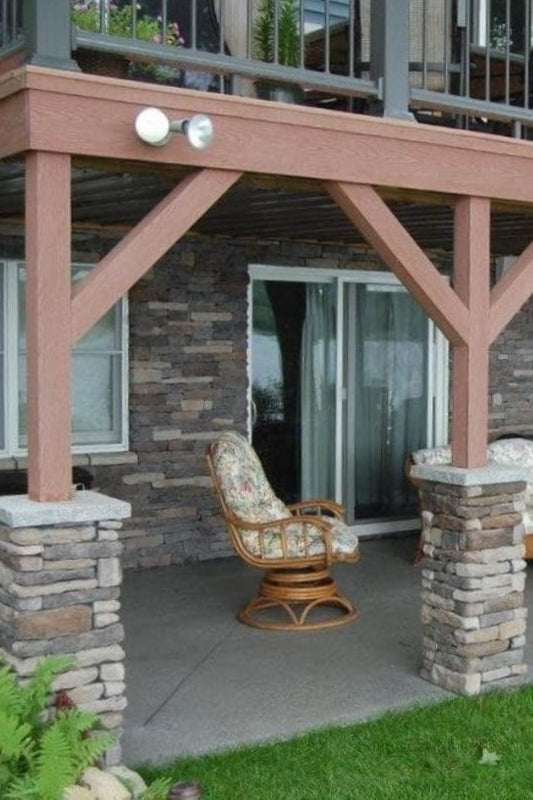
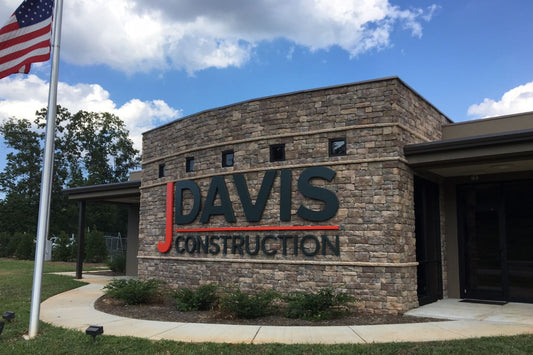
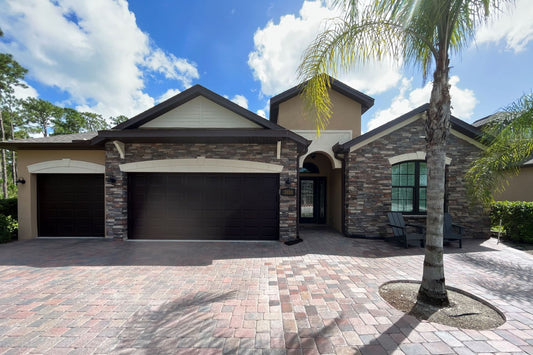
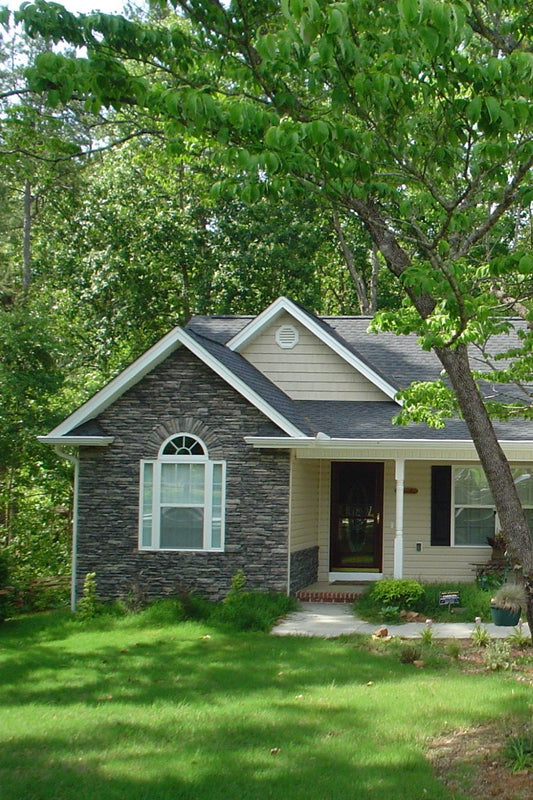
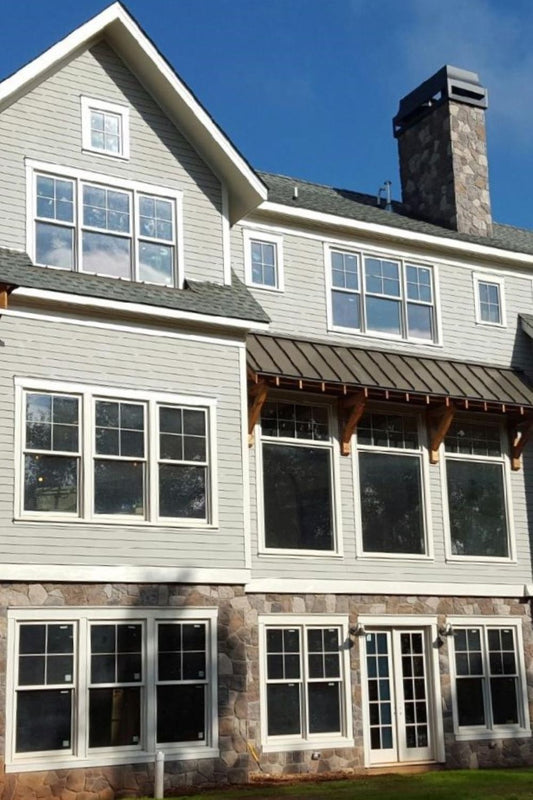
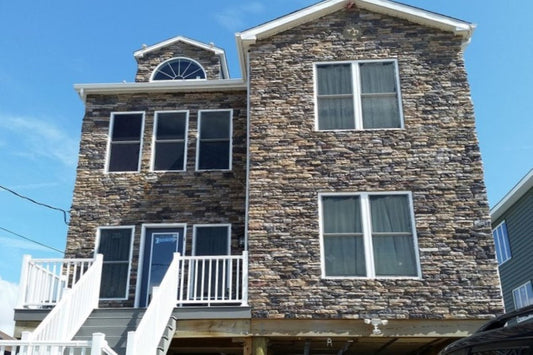
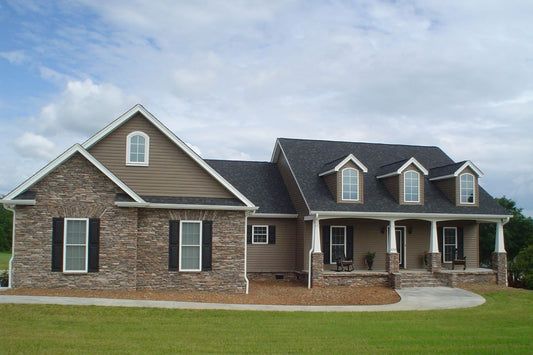
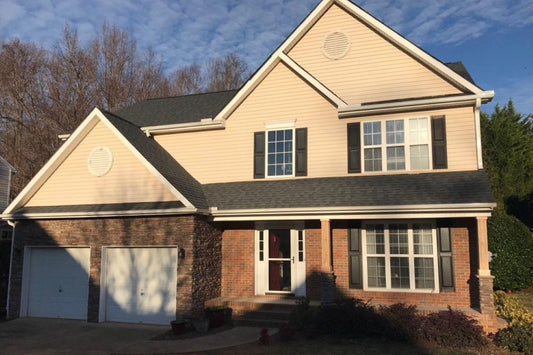
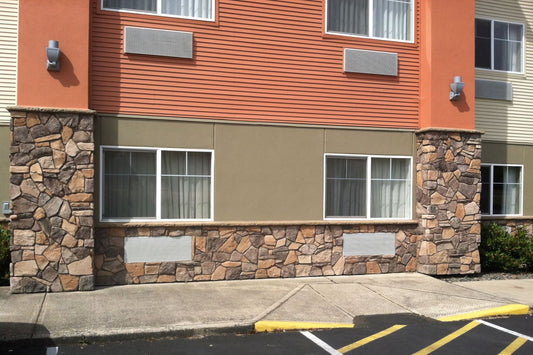
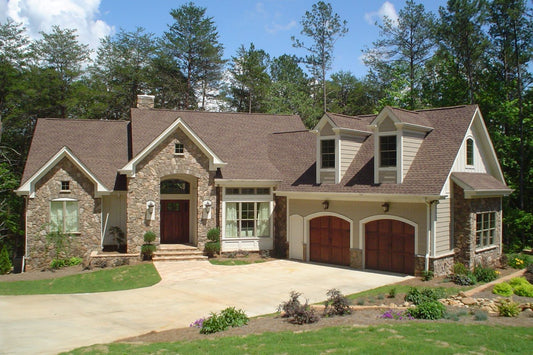
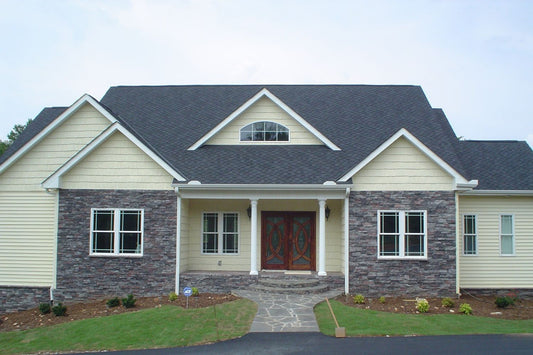
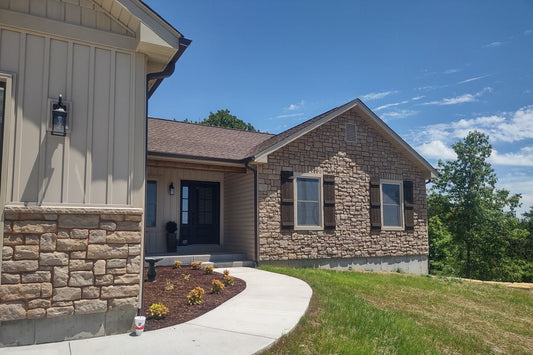
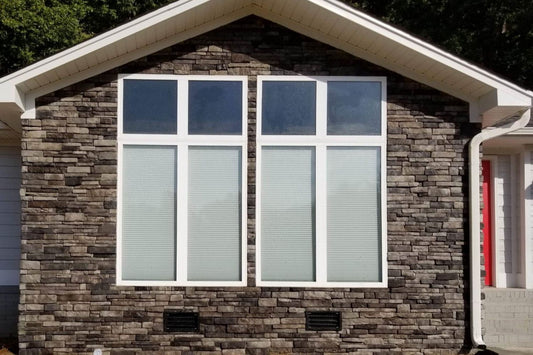
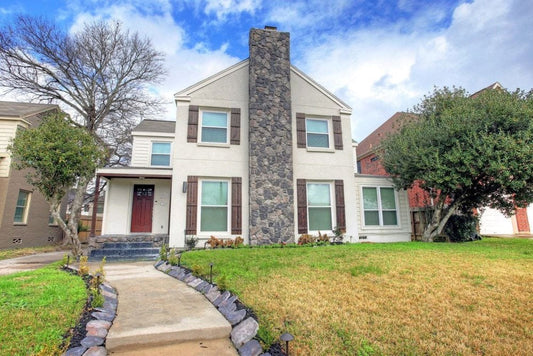
Manufactured stone veneer can be used in a wide range of interior and exterior applications. On the exterior of homes and buildings, it is frequently installed as cladding on facades, columns, entryways, and foundation walls. These installations enhance curb appeal and give properties a distinctive architectural character.
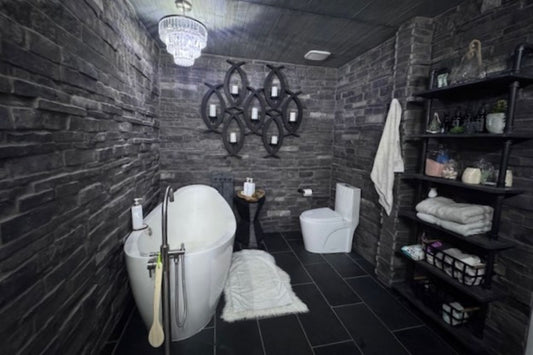
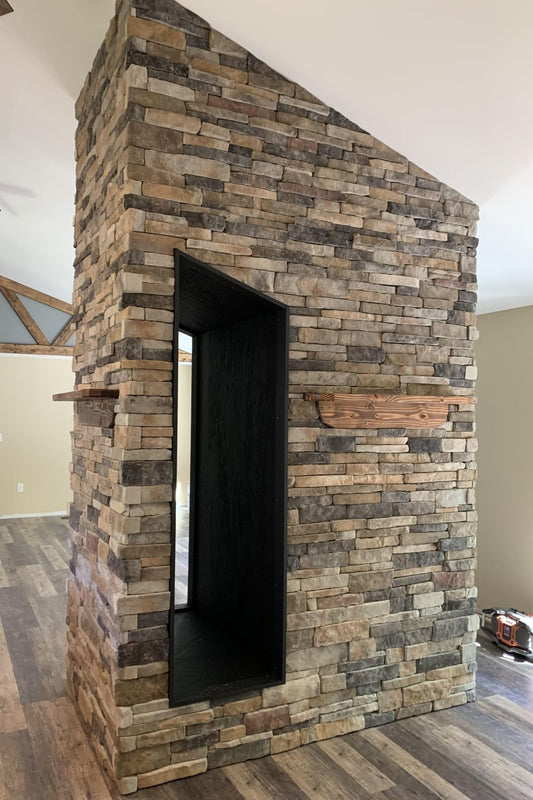
Inside the home, stone veneer is often used to create dramatic focal points. Fireplaces are one of the most popular applications because the texture and depth of stone naturally draw attention and create a warm, inviting atmosphere. Accent walls are another common interior use, adding visual interest and architectural detail to living rooms, bedrooms, and dining areas.
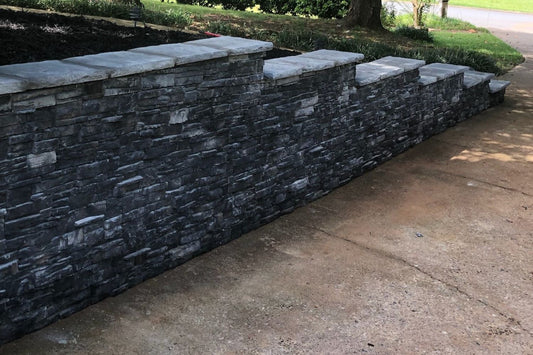
In outdoor environments, manufactured stone veneer can be incorporated into landscaping features such as retaining walls, outdoor fireplaces, fire pits, and decorative garden structures. Because it is designed to withstand environmental exposure when properly installed, it works well in outdoor living spaces where durability and aesthetics are both important.
Durability and performance
When installed according to manufacturer guidelines, manufactured stone veneer provides reliable long-term performance. The cement-based composition gives it strength and resistance to weathering, while modern pigments help prevent fading from sunlight and environmental exposure.
Many stone veneer products are engineered to withstand temperature fluctuations, moisture exposure, and freeze-thaw cycles. This makes them suitable for use in a wide range of climates. Proper installation is essential to ensuring durability, particularly for exterior applications where moisture management systems and appropriate substrates must be used.
Because manufactured stone veneer behaves similarly to traditional masonry, it also offers good resistance to impact and wear. This durability helps explain why it is frequently used in both residential and commercial construction projects. Learn how stone veneer performs over time by exploring our guide: is manufactured stone veneer durable?
Maintenance and longevity
One of the appealing aspects of manufactured stone veneer is that it generally requires minimal maintenance. Routine cleaning with mild soap and water is typically sufficient to maintain its appearance. Unlike some exterior finishes, it does not usually require painting or refinishing over time.
In some situations, breathable masonry sealers may be applied after installation to help protect against staining or moisture infiltration. However, sealing is not always necessary and depends on the specific environment and manufacturer recommendations.
Because the material is designed for long-term performance, many high-quality stone veneer products retain their appearance for decades when properly installed and maintained.
Manufactured stone veneer vs. natural stone
Although manufactured stone veneer closely resembles natural stone, there are some key differences between the two materials. Natural stone is quarried directly from the earth and cut into usable pieces, which can make it heavier and more expensive. Manufactured stone veneer is engineered to replicate the appearance of natural stone while reducing weight and cost.
Because stone veneer is lighter, it is often easier and less expensive to install. It can also be produced in a wider range of consistent shapes and colors. While natural stone offers unique variations that occur in nature, manufactured stone veneer provides controlled design options that can help achieve a specific architectural style.
Both materials can create beautiful stone finishes, but manufactured stone veneer has become a preferred choice for many projects due to its practicality and versatility. For a deeper look at how these materials stack up, see our guide on comparing manufactured stone veneer.
Frequently asked questions
1. What is manufactured stone veneer? Manufactured stone veneer is a lightweight, man-made material designed to replicate the look and texture of natural stone. It is made from cement, aggregates, and pigments molded to create realistic stone shapes and colors.
2. How is manufactured stone veneer different from natural stone? Unlike natural stone, which is quarried from the earth, manufactured stone veneer is produced in a controlled environment. This allows for consistent color, shape, and texture, while remaining lighter and more cost-effective.
3. Where can manufactured stone veneer be installed? It can be installed on interior and exterior surfaces, including home exteriors, fireplaces, accent walls, kitchen backsplashes, chimneys, and landscaping features like columns and retaining walls.
4. Is manufactured stone veneer durable and low maintenance? Yes. When properly installed, it resists weather, wear, and temperature changes. Minimal maintenance, such as occasional cleaning, is usually enough, and sealing is optional depending on the application.
5. Can I install manufactured stone veneer myself? DIY installation is possible for smaller interior projects, but professional installation is recommended for exterior walls and larger applications to ensure long-term performance and proper moisture management.
6. Does manufactured stone veneer increase home value? Yes. Its realistic, high-end appearance can enhance curb appeal and interior aesthetics, making it a popular upgrade for both renovations and new construction.
What is manufactured stone veneer?
Manufactured stone veneer represents an impressive advancement in building materials. By combining cement-based durability with molds taken from real stone, it delivers a remarkably authentic appearance while remaining lighter and more affordable than traditional masonry. Its versatility allows it to be used in a wide range of architectural and landscaping applications, making it a favorite among builders, designers, and homeowners.
Whether enhancing the exterior of a home, creating a dramatic fireplace feature, or transforming an outdoor living space, manufactured stone veneer provides the timeless beauty of stone with modern practicality. As demand for attractive, durable, and cost-effective building materials continues to grow, manufactured stone veneer remains one of the most reliable and visually striking options available.
What's next?
Transform your home with our premium stone veneer! Shop now to find the perfect design or order a sample today to see the quality up close!
Have a question?
Please see our full terms of service or check out our frequently asked questions.
For general information and questions please call: (864) 882-8960 Mon. - Fri. 8am - 5pm (EST) or email: info@mountainviewstone.net we are more than happy to help you.
Or you can submit your questions via our contact us page.
We look forward to working with you on your upcoming project.
The Mountain View Stone Team
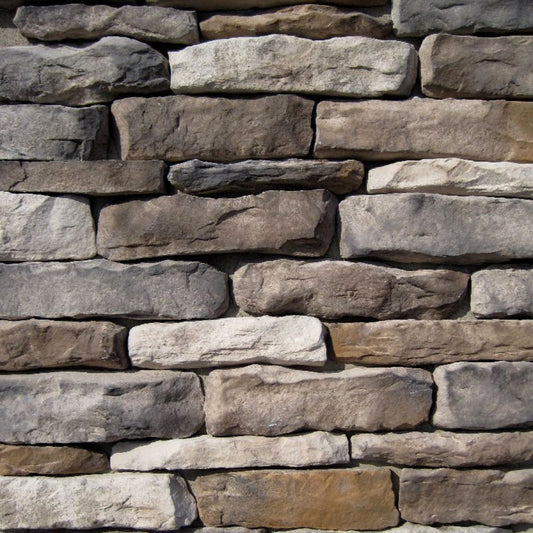
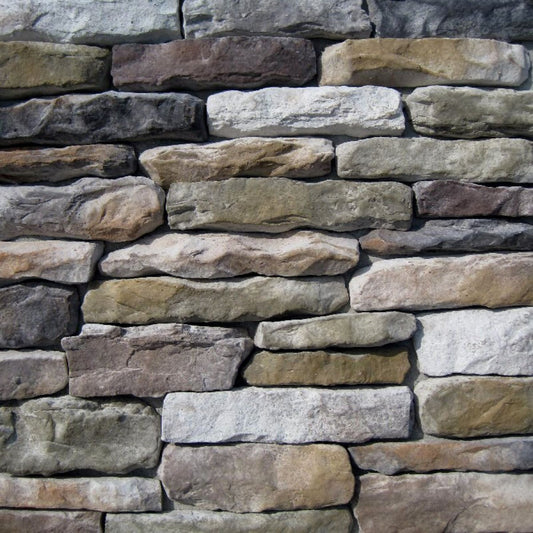
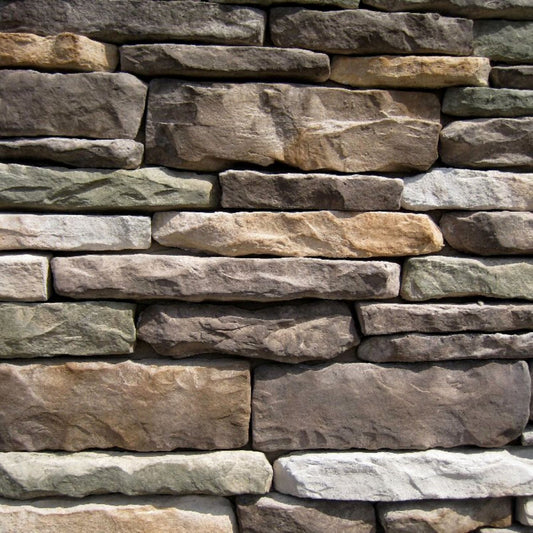
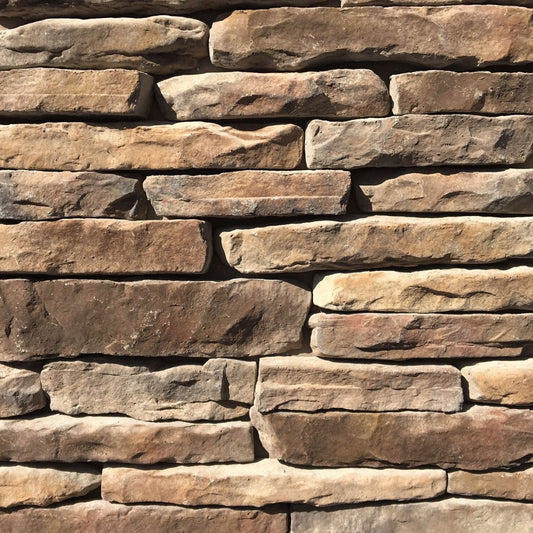
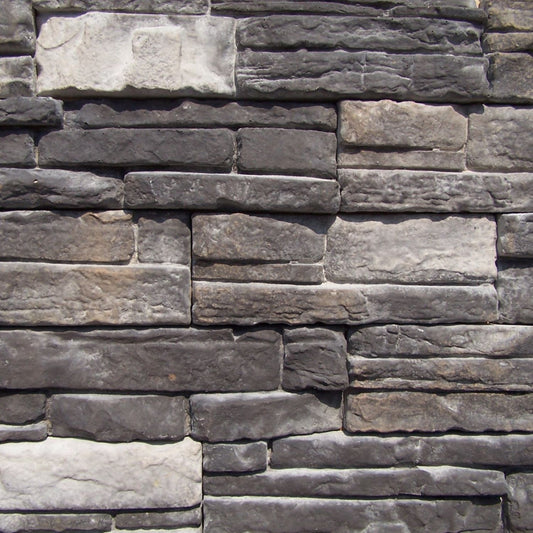
Pictured is stack stone ozark.