
Combining Different Stone Veneer Profiles and Colors: How to Create a Custom Look
Share
Combining different manufactured stone veneer profiles and colors can create a custom, cohesive look. Profiles can be blended throughout one installation or used in separate areas to add contrast, variation, and architectural interest.
Manufactured stone veneer offers plenty of flexibility for creating a customized look. While using one profile throughout a project creates a consistent appearance, combining different profiles and colors can add variation, depth, texture, and visual interest. It can also help emphasize architectural features or add character to larger installations. For more information about selecting and combining colors, see our complete guide to manufactured stone veneer colors.
There are two main ways to combine manufactured stone veneer. Different profiles or colors can be blended throughout the same installation to create one varied, cohesive appearance. One profile can remain dominant while another is used as an accent, or two profiles can be combined in more equal proportions. Different colors of the same profile can also be blended to introduce variation while maintaining a consistent stone shape and texture.
Another approach is to use different profiles in separate areas of the same project. One profile might cover the primary exterior walls while another is used around a fireplace, chimney, entryway, or other architectural feature. This creates contrast between areas while helping draw attention to specific parts of the design.
Both approaches can create a custom appearance, but the best combination depends on the project's style, scale, architecture, colors, textures, and surrounding materials. The different elements do not need to match exactly, but they should have enough visual connection to feel intentional and cohesive rather than random.
Types of Manufactured Stone Veneer Profiles
Manufactured stone veneer profiles vary in stone size, shape, texture, and overall pattern, giving each profile a distinct appearance. Some profiles create a tighter, more fitted look, while others emphasize larger stones, irregular shapes, or pronounced horizontal lines.
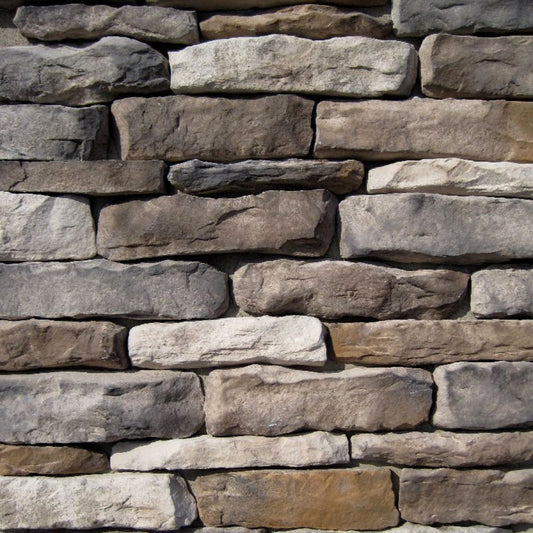
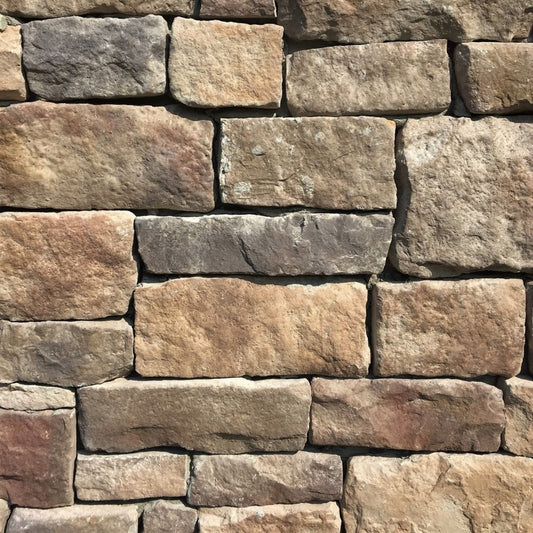
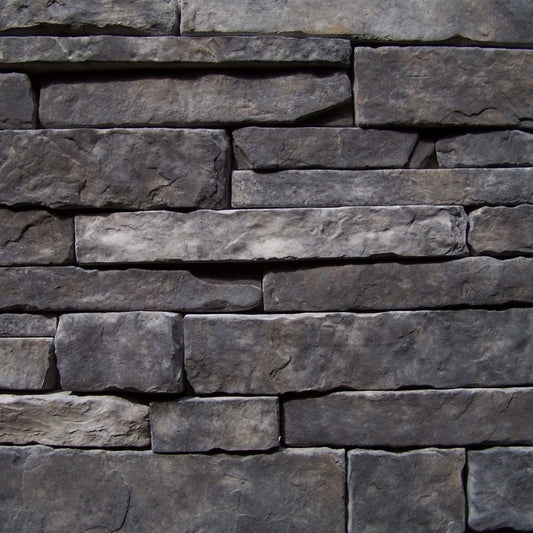
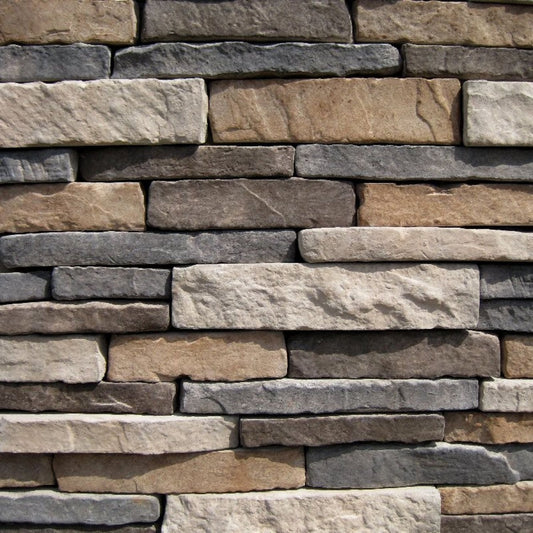
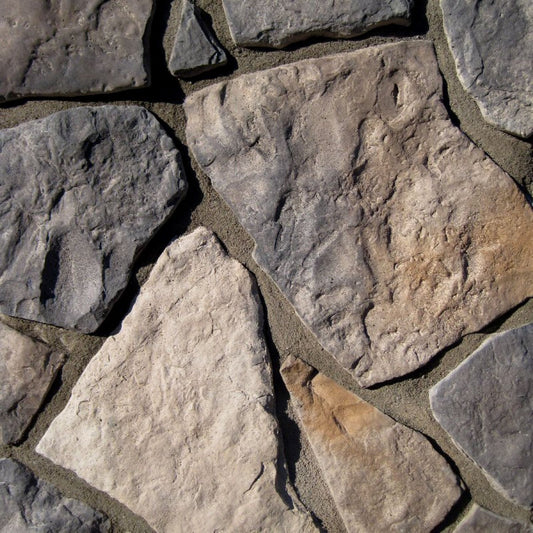
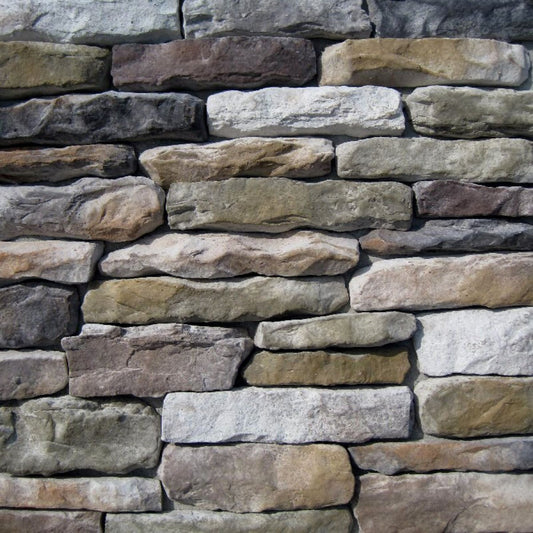
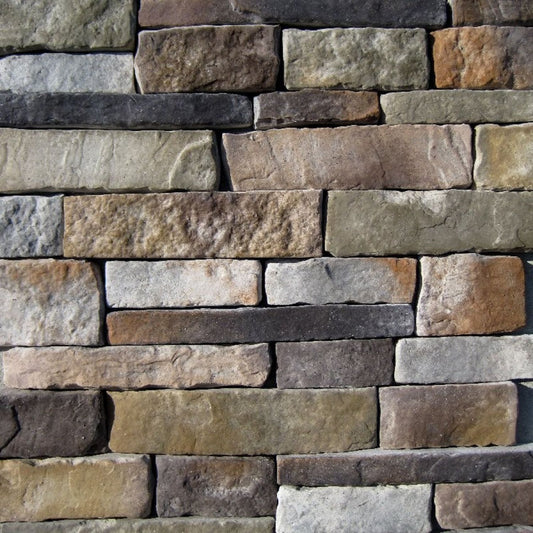
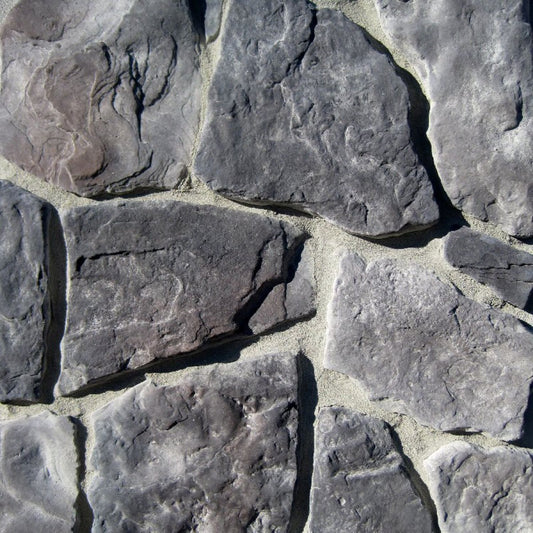
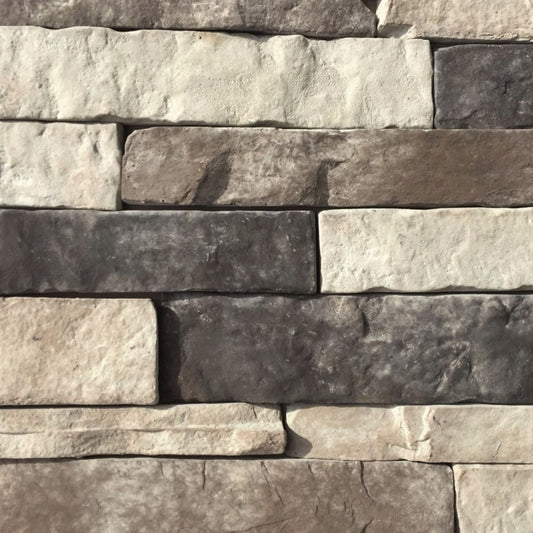
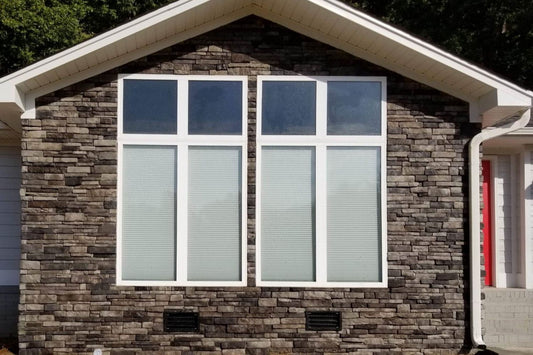
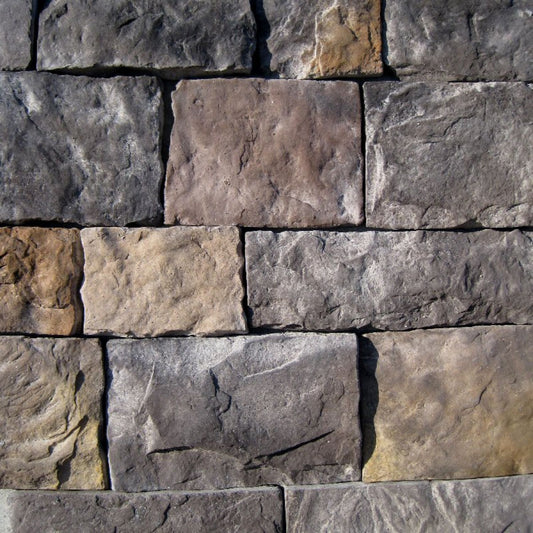
Common profile styles include stacked stone, ledgestone, fieldstone, limestone, and castle rock. Stacked stone features tightly fitted individual stones with minimal or no mortar joints whatsoever and variation in stone faces, sizes, and shapes. Ledgestone uses longer, thinner stones with pronounced horizontal coursing and visible horizontal lines. Fieldstone typically incorporates more varied, irregular stone shapes, while limestone and castle rock can provide larger-scale patterns and a different balance of stone sizes and shapes.
Understanding these differences is important when combining profiles because changes in stone scale, shape, texture, and pattern can have a significant effect on the finished appearance. For a closer look at the characteristics and design possibilities of different profiles, see our manufactured stone veneer profiles guide.
Why Combine Different Stone Veneer Profiles?
Combining stone veneer profiles can add depth and character to both interior and exterior applications. Different profiles can create contrast between stone shapes, introduce variation across a large wall, or help draw attention to a particular architectural feature.
A large exterior wall, for example, may benefit from a combination of stone sizes and shapes to create a more varied appearance. A fireplace or entryway may use a different profile from the surrounding walls to make the feature stand out.
Combining profiles can also help prevent a large installation from appearing too uniform. A secondary profile can introduce different proportions, textures, or patterns while still allowing the primary profile to remain the dominant visual element.
The amount of contrast can be adjusted depending on how the profiles are used. A subtle combination of complementary profiles can create variation without dramatically changing the appearance, while more contrasting profiles can produce a stronger design statement.
The same principle applies to color. A second color can be introduced into an otherwise consistent stone profile to create variation without changing the stone's basic shape and pattern.
Blending Different Stone Profiles Within the Same Installation
One of the most effective ways to combine manufactured stone veneer profiles is to blend them throughout the same installation. Rather than assigning each profile to a separate wall or architectural feature, the different stones are distributed throughout the installation to create one cohesive, varied appearance.
This approach can be used to introduce differences in stone size, shape, and texture while maintaining a connection between the materials. A smaller profile can remain the dominant stone while a larger profile is incorporated as an accent, or two similarly sized profiles can be combined more evenly.
For example, a smaller, more linear profile can be combined with a larger, more irregular profile. The smaller stones can establish the overall pattern while the larger stones provide visual breaks and additional variation.
The proportion of each profile has a significant effect on the finished appearance. A blend with one dominant profile will maintain more of that profile's overall character, while a more evenly divided blend will make both profiles much more noticeable.
When blending profiles, the stones should generally be distributed throughout the installation rather than grouped into separate sections. This allows the different profiles to work together as one overall pattern instead of appearing to be two unrelated stone selections.
The concept can be applied to both subtle and highly varied designs. The more similar the profiles are in scale, color, and texture, the more subtle the blend may appear. Greater differences in stone size, shape, or color will make the blended pattern more noticeable.
Using an 80/20 Stone Veneer Blend
An 80/20 blend is one example of combining different stone profiles within the same installation. Typically, the smaller profile makes up approximately 80 percent of the blend, while a larger profile accounts for the remaining 20 percent.
This approach allows the primary profile to establish the overall appearance while the larger stones introduce changes in scale and shape. The result can be more varied than using the smaller profile alone without making the larger profile dominant.
An 80/20 blend can be particularly effective when you like the overall appearance of a smaller stone profile but want to introduce larger stones as visual accents. The larger stones can break up an otherwise consistent pattern and create additional points of visual interest across a wall.
The exact proportion does not necessarily need to be treated as a rigid formula. The important concept is that one profile remains visually dominant while the secondary profile provides variation.
The same approach can also be used with differences in color. A primary color can make up most of the installation while a complementary color is introduced in a smaller proportion, creating a subtle variation without completely changing the overall appearance.
Using a 50/50 Stone Veneer Blend
A 50/50 blend takes a more balanced approach by combining two profiles in approximately equal proportions. Because neither profile is dominant, both contribute significantly to the overall appearance of the installation.
This can work particularly well when combining two smaller profiles with different stone shapes. Rather than using one profile as an accent to another, the two profiles become part of the same overall pattern.
The result is generally more varied than a predominantly single-profile installation, while still maintaining a consistent scale when the two profiles are relatively similar in size.
A 50/50 approach can also be used when the goal is to create noticeable variation without relying on one profile simply as an accent. The two materials become equal parts of the design, so their relationship in color, texture, and scale becomes especially important.
As with any blend, the profiles should be distributed throughout the installation when the goal is to create one unified stone pattern.
Blending Different Colors of the Same Profile
Combining stone does not always require different profiles. Different colors of the same manufactured stone veneer profile can also be blended throughout an installation.
This approach maintains the same stone shape and general pattern while introducing additional color variation. It can be useful when you want a more natural or varied appearance without introducing a significant difference in stone size or shape.
The proportion of each color can also be adjusted. A predominantly single-color installation with a smaller percentage of a complementary color will have a different appearance from a more evenly divided color blend.
For example, one color can establish the overall appearance while a second color is introduced throughout the installation in smaller amounts. Alternatively, two colors can be used in approximately equal proportions for a more balanced color variation.
Color blending can be especially useful when the goal is to add character without changing the basic stone profile. Because the shape and texture remain consistent, the variation comes primarily from the color relationship.
Choosing Profiles That Blend Well Together
Not every combination of stone profiles will produce the same visual effect. Before selecting profiles to blend together, consider how their shapes, sizes, colors, and textures will interact.
Profiles with similar colors but different shapes can create subtle contrast. Profiles with significantly different colors and shapes will create a more noticeable combination.
Stone size is particularly important. Pairing a smaller profile with a larger profile can create variation in scale, while combining profiles with similar stone sizes may produce a more uniform overall appearance.
Texture also plays a role. Profiles with complementary surface characteristics can work well together even when their shapes differ. Looking at individual stones next to one another can help reveal whether the textures and colors feel connected.
The goal is not necessarily to make the profiles look identical. Some of the most interesting combinations rely on noticeable differences while maintaining enough common characteristics to create visual continuity.
When considering an 80/20 blend, the relationship between the dominant and accent profiles becomes especially important. With a 50/50 blend, the two profiles need to work together more evenly because neither one will visually dominate the installation.
Combining Different Colors of Stone Veneer
Color can be combined in much the same way as stone profiles. Different colors of the same profile can be blended throughout an installation, or different profiles can be selected in complementary colors.
Using multiple colors within the same profile maintains a consistent stone shape while introducing additional variation. This can be useful when a single color feels too uniform but a completely different profile would create more contrast than desired.
When combining different profiles, using related colors can help connect the two styles. For example, a lighter and darker version of a similar color family can create contrast while maintaining a cohesive appearance.
More contrasting colors can also be used, but they should be considered in relation to the other materials surrounding the stone. Siding, paint, brick, wood, trim, flooring, countertops, and other finishes can all affect how the stone colors are perceived.
Actual samples can be particularly useful when comparing colors because lighting and surrounding materials can significantly affect the appearance of stone.
Using Different Profiles in Separate Areas
Combining stone profiles does not require them to be mixed together. Another common design approach is to use different profiles in separate areas of the same project.
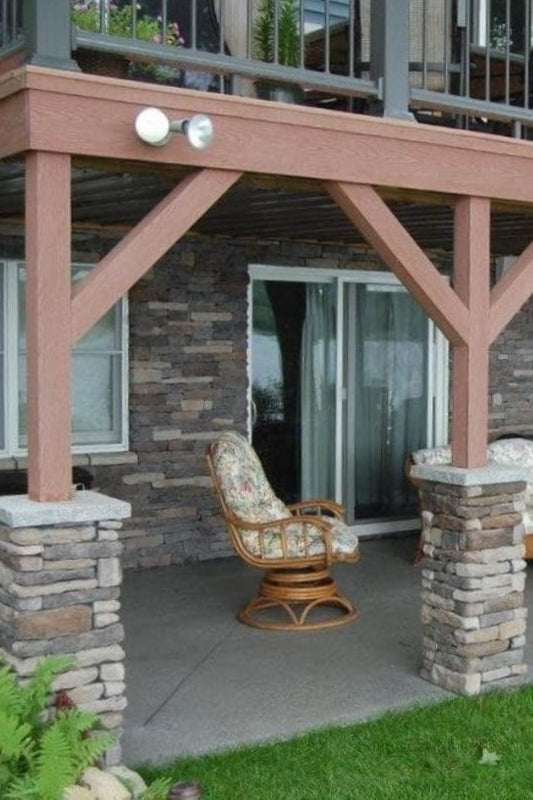
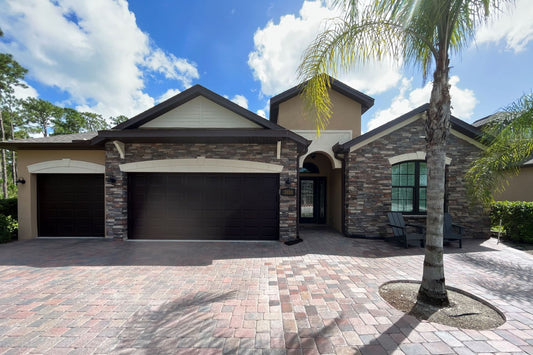
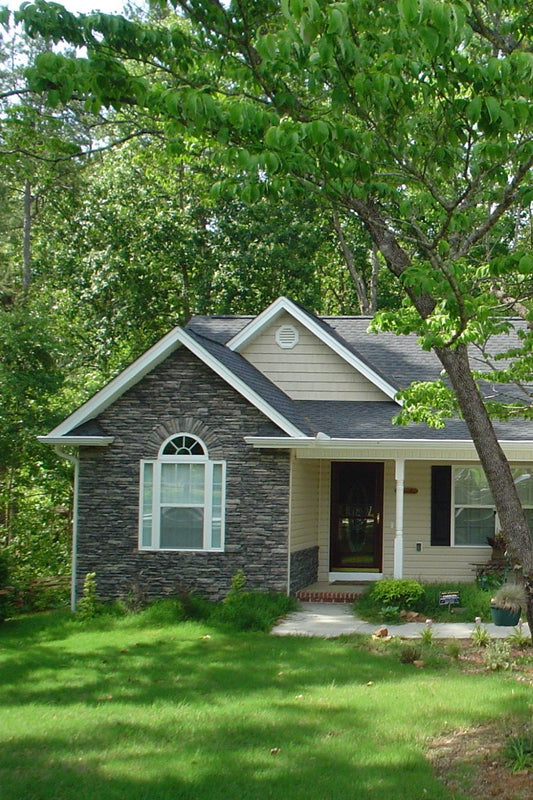
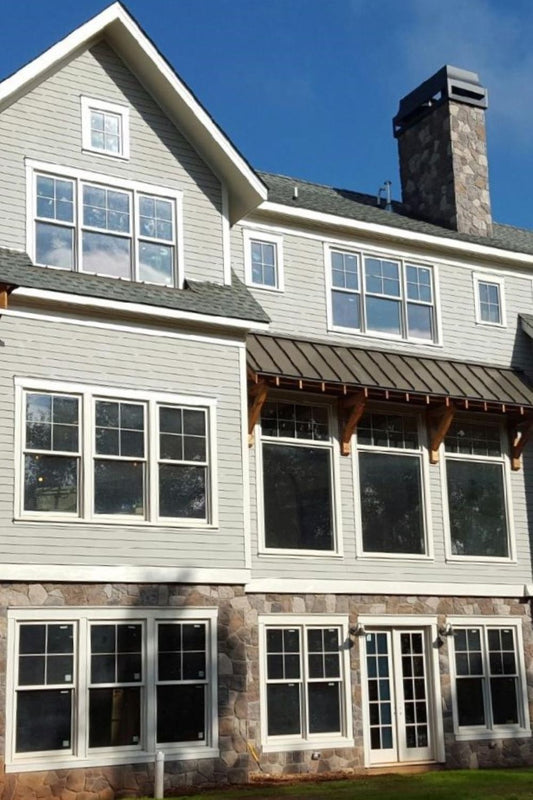
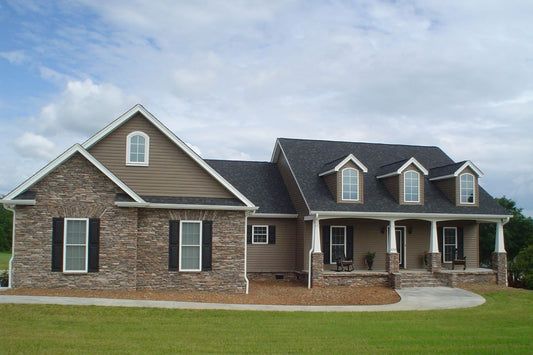
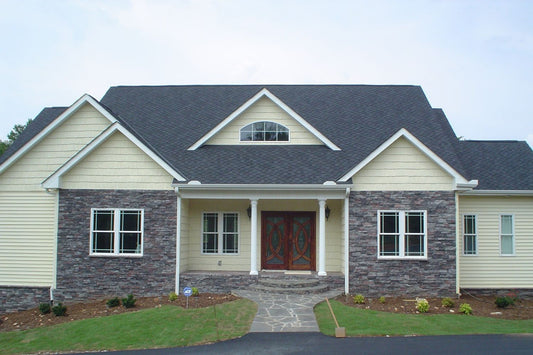
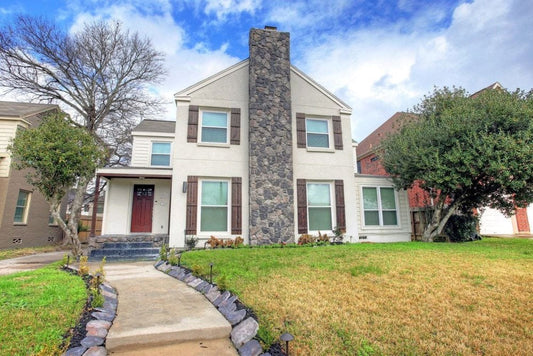
For example, one profile might cover the primary exterior walls while another is used on a chimney, entryway, garage, gable, or other architectural feature. The change in profile creates contrast while maintaining a clear boundary between the different areas.
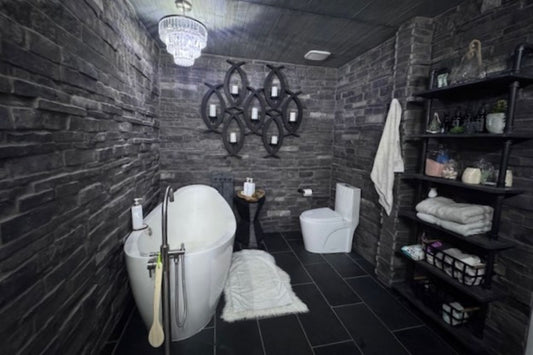
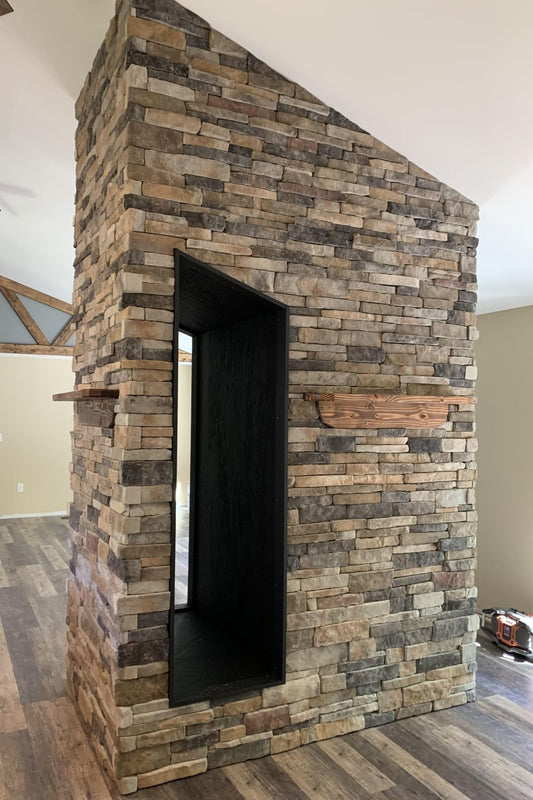
Interior projects can use the same approach. A fireplace may feature one stone profile while an adjacent accent wall uses another. A different profile can also be used to highlight an entryway, built-in feature, or other focal point.
This method works particularly well when the architecture provides natural boundaries between areas. Corners, recesses, columns, openings, and other changes in the structure can create logical locations for a change in stone profile.
Using profiles in separate areas can also be useful when the profiles have substantially different characteristics. Rather than trying to blend two dramatically different patterns together, assigning each one to a specific architectural feature can create a more deliberate transition.
Combining Smaller and Larger Stone Profiles
Combining stone profiles with different stone sizes can create another type of visual contrast. A predominantly smaller profile can be paired with larger stones to break up the pattern and introduce changes in scale.
This approach can work particularly well on large exterior walls, where a single stone size may create a repetitive appearance. Larger stones distributed throughout a smaller-stone profile can create focal points and visual variation.
The reverse can also be used in certain designs. A larger primary profile can be complemented by smaller stones in specific areas or architectural features.
Scale should always be considered in relation to the size of the building or feature. A combination that looks balanced on a large exterior wall may feel too busy on a small fireplace or accent wall.
This is one reason an 80/20 blend can be useful. A smaller profile can establish the overall scale of the wall while a larger profile introduces enough variation to keep the installation from feeling overly uniform.
Combining Profiles on Fireplaces
Fireplaces are natural focal points, making them a good location for experimenting with different stone veneer profiles.
One approach is to use a single profile across the fireplace and another profile on the surrounding wall. This creates a clear distinction between the fireplace and the rest of the room.
Another option is to blend different profiles directly on the fireplace. Combining smaller and larger stones can add variation and make the fireplace more visually prominent.
The surrounding materials should also be considered. Mantels, hearths, flooring, wall color, woodwork, and furniture can all contribute to the finished appearance. A stone combination that looks attractive on its own should also work with the rest of the room.
Because fireplaces are often smaller than exterior walls, the scale and proportion of the profiles can have an especially noticeable effect. A combination that works across a large wall may need to be adjusted when applied to a more compact feature.
Combining Profiles on Exterior Walls
Exterior applications provide many opportunities to combine manufactured stone veneer profiles. Large wall surfaces can accommodate blended profiles, while architectural features can provide natural locations for changing from one profile to another.
A primary facade might use one profile throughout, with a second profile used around the entryway or on a chimney. Alternatively, multiple profiles can be blended together across the entire facade.
The proportions of the home should influence the selection. Long horizontal stone patterns can emphasize the width of a structure, while irregular shapes and varied stone sizes can create a more organic appearance.
It is also important to consider how the stone interacts with siding, brick, stucco, wood, roofing, and trim. The stone does not exist independently from the rest of the exterior design.
For a large exterior wall, a blended installation can provide variation across the surface. For a home with strong architectural divisions, using different profiles in separate areas may provide a more structured approach.
Plan How the Profiles Will Work Together
Before installation begins, consider how the different profiles will appear once they are spread across the entire project. Looking at individual product samples is helpful, but it is also important to imagine the overall pattern rather than focusing only on individual stones.
For a blended installation, consider the approximate proportion of each profile and how the different stones will be distributed throughout the area. An 80/20 blend will have a different visual balance from a 50/50 blend, even when the same two profiles are used.
For separate areas, determine where the profile change will occur and whether the transition follows an architectural feature.
It can also be helpful to view samples together under different lighting conditions. Colors and textures can look different in direct sunlight, shade, natural indoor light, and artificial lighting.
Taking time to plan the combination before installation can help avoid a design that feels unbalanced once the stone is installed.
Keep the Overall Design Cohesive
Combining multiple profiles does not mean every section of a project needs to be different. In many cases, the strongest designs use one profile as the primary material and another as an accent or complementary element.
Consider the number of other materials already present in the project. If the design includes multiple siding materials, strong trim colors, wood accents, metal features, or patterned surfaces, adding several highly contrasting stone profiles may create too much visual competition.
On the other hand, a simple exterior or interior can provide an opportunity to use more variation in the stone itself.
The goal is to create a relationship between the different elements rather than simply adding more materials.
Whether the profiles are blended throughout one wall or separated into different architectural areas, the finished design should have a clear visual connection. Similar colors, complementary textures, consistent scale, or intentional contrast can all help achieve that connection.
Order Samples Before Making a Final Decision
Samples can be especially helpful when combining different manufactured stone veneer profiles or colors. Photographs can provide a starting point, but physical samples allow you to compare the actual shapes, textures, colors, and scale of the materials.
Place samples next to one another to see how the profiles interact. If different colors are being considered, view them together under the lighting conditions where the stone will ultimately be installed.
For a blended installation, arranging samples together can also help visualize how different stone sizes and shapes might interact.
Taking the time to evaluate the materials before ordering can make it easier to choose a combination that works with the architecture and other finishes.
Combining Different Stone Veneer Profiles and Colors
Combining manufactured stone veneer does not have to mean choosing between a completely uniform installation and a collection of unrelated materials. Different profiles and colors can be brought together in several ways to create a customized appearance.
Profiles can be blended throughout the same installation, with one profile remaining dominant in an 80/20-style combination or two profiles being used in a more balanced 50/50 blend. Different colors of the same profile can also be mixed to introduce color variation while maintaining a consistent stone shape and texture.
Another approach is to use different profiles in separate areas of the project. A primary profile can cover the main walls while another profile highlights a fireplace, chimney, entryway, gable, or other architectural feature.
Whichever approach you choose, the most important consideration is how the different elements work together as a whole. Color, scale, texture, architectural style, surrounding materials, proportion, and placement all contribute to the finished appearance.
With thoughtful planning, combining different manufactured stone veneer profiles and colors can add depth, character, and visual interest while creating a cohesive design for both interior and exterior projects.
From Mountain View Stone: What You Should Know
At Mountain View Stone, we understand that different manufactured stone veneer profiles and colors can be combined in several ways to create a custom appearance. You can blend multiple profiles throughout the same installation, combine different colors, or use different profiles in separate areas of a project to create contrast and highlight architectural features. The best combination depends on the look you are trying to achieve, the scale of the project, and the other materials being used. We can provide information about our profiles, colors, sizes, and available options to help you compare materials. If you need help developing a complete design for your specific project, a designer or other design professional can help determine how different profiles, colors, and materials can work together cohesively.
Frequently Asked Questions About Combining Different Stone Veneer Profiles and Colors
Can you combine different manufactured stone veneer profiles in the same installation?
Yes. Different manufactured stone veneer profiles can be blended throughout the same installation to create variation in stone size, shape, texture, and appearance. Profiles can also be used separately in different areas of the same project.
What is an 80/20 stone veneer blend?
An 80/20 blend generally uses one stone veneer profile as the dominant material at approximately 80 percent, with a second profile making up approximately 20 percent. The secondary profile can add larger stones, different shapes, or visual accents.
What is a 50/50 stone veneer blend?
A 50/50 blend uses two profiles in approximately equal proportions. This gives both profiles a strong presence and creates a more balanced combination of stone shapes, textures, or patterns.
Can you blend different colors of the same stone veneer profile?
Yes. Different colors of the same profile can be combined to add color variation while maintaining a consistent stone shape and texture. The colors can be used in equal or varying proportions.
Can you use different stone veneer profiles in different areas of the same house?
Yes. Different profiles can be used on separate areas of the same house, such as using one profile on the main exterior walls and another on a chimney, entryway, garage, or other architectural feature.
How do you choose stone veneer profiles that work together?
Consider the relationship between color, stone size, shape, texture, and the architecture. Profiles do not need to match exactly, but having some shared characteristics can help create a cohesive overall appearance.
What's Next?
Bring your design to life with high-quality manufactured stone veneer from Mountain View Stone. Shop now to explore our profiles and colors or order a sample to see the texture and color variation for yourself.
Have a Question?
Please see our full terms of service or check out our frequently asked questions.
For general information and questions please call: (864) 882-8960 Mon. - Fri. 8am - 5pm (EST) or email: info@mountainviewstone.net we are more than happy to help you.
Or you can submit your questions via our contact us page.
We look forward to working with you on your upcoming project.
The Mountain View Stone Team
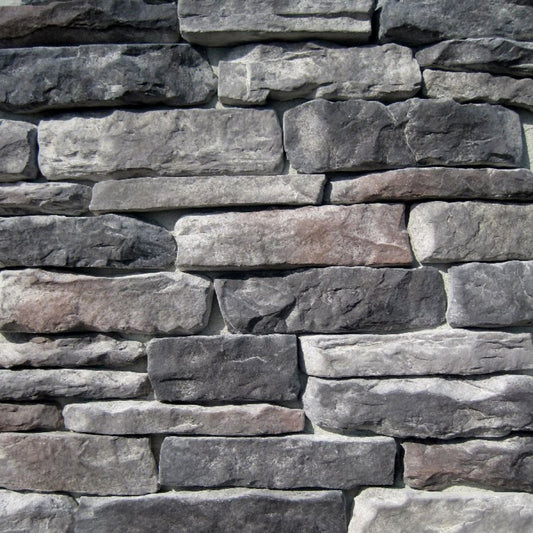
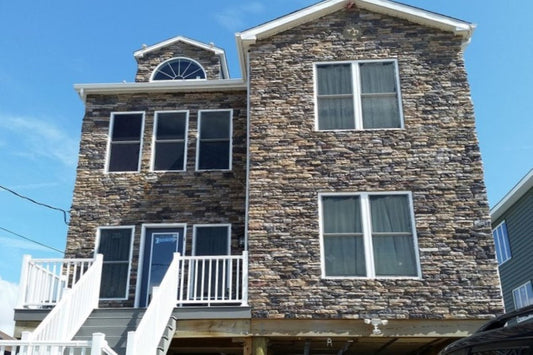
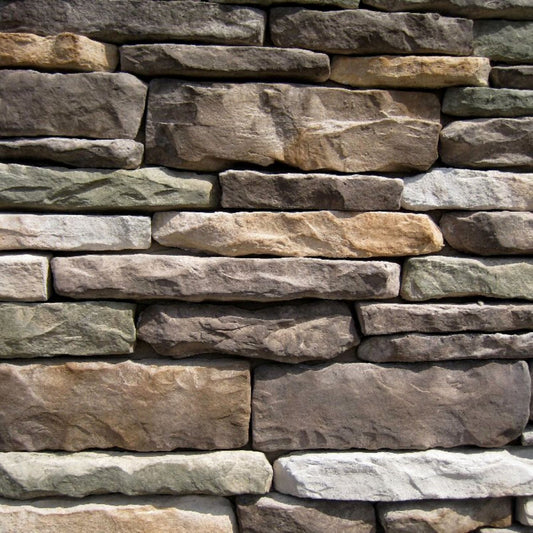
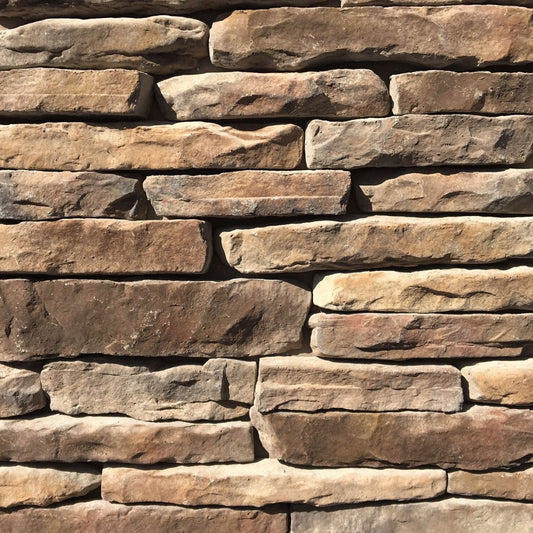
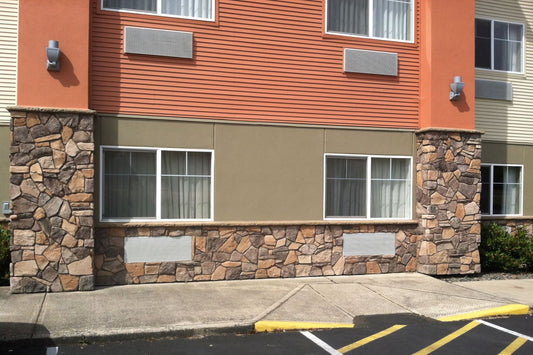
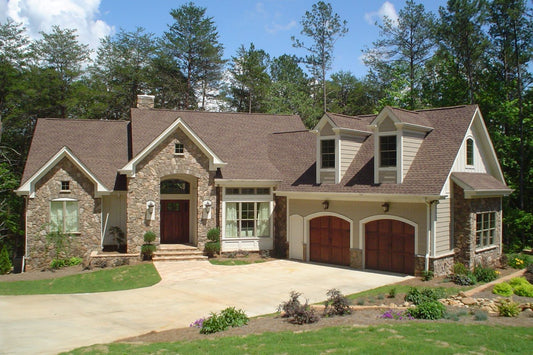
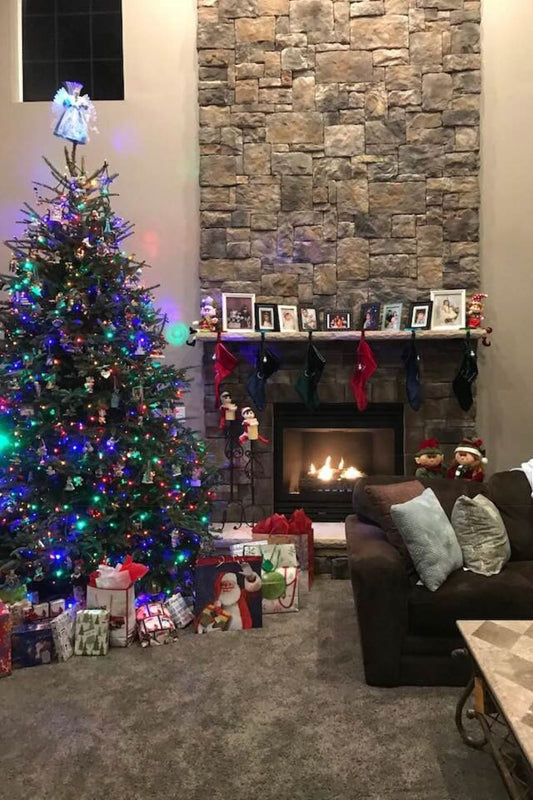
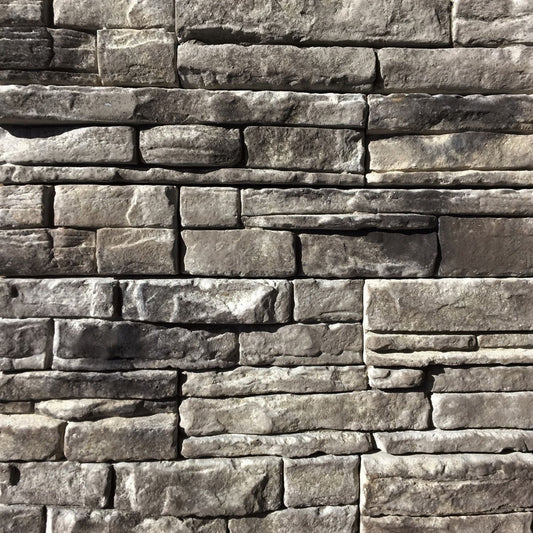
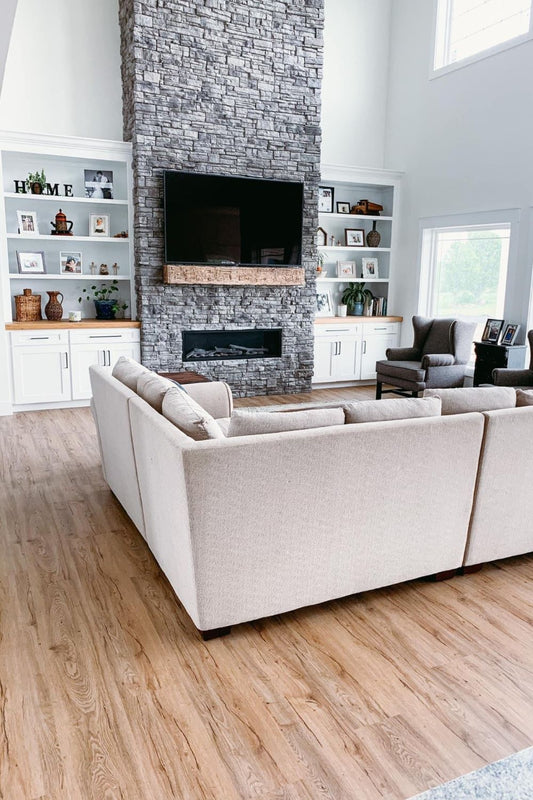
Pictured is field stone mossy creek blended with ledge stone tuscany.