
Manufactured Stone Veneer Colors: A Complete Guide to Color Options
Share
Manufactured stone veneer is available in a wide range of colors, including white, gray, black, brown, beige, tan, and blended earth tones. Color options can also be combined across different stone profiles to create custom-looking exteriors, fireplaces, accent walls, and other architectural features.
Color is one of the defining characteristics of manufactured stone veneer. The profile determines the shape and texture of the stone, but color establishes much of its visual character. A light gray stacked stone can create a distinctly contemporary appearance, while the same profile in warm earth tones can feel more traditional or rustic. White stone can brighten an exterior or fireplace, while charcoal and black stone can create dramatic contrast.
One of the advantages of manufactured stone veneer is the range of colors and color blends available. Instead of being limited to the naturally occurring stone available from a particular quarry, manufactured stone can be produced in carefully developed color combinations designed to reproduce the depth, variation, and character associated with natural stone.
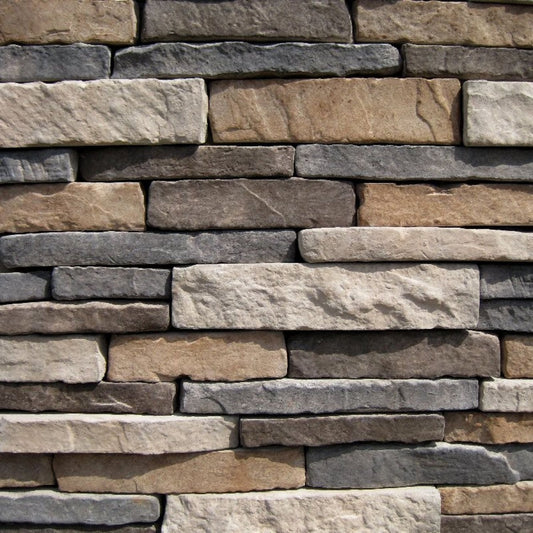
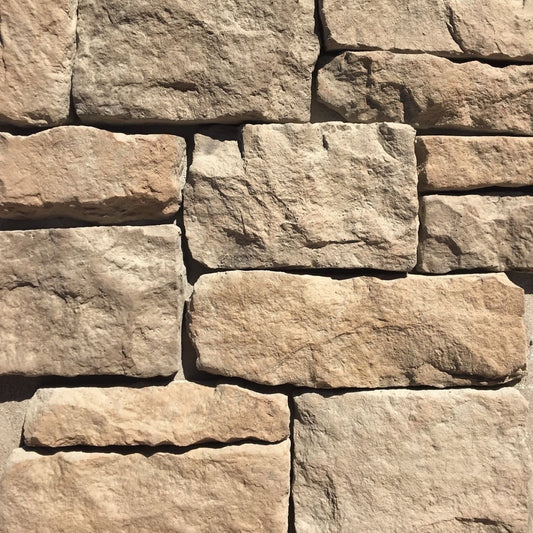
Manufactured stone veneer colors are also more complex than a simple color name might suggest. A product described as gray may contain several shades of gray, along with subtle black, cream, brown, or other complementary tones. A brown stone may include tan, beige, gray, and darker accents. These variations help create a natural appearance and allow the stone to coordinate with other building materials.
Color also interacts with the stone's profile. The same color can look completely different when produced in ledgestone, stack stone, fieldstone, limestone, or a panelized system. Stone size, shape, texture, shadow, mortar joints, and installation pattern all affect how the color is perceived once it covers a wall.
This guide explores the different manufactured stone veneer color options available, how color blends work, how profiles affect color, and how multiple colors or profiles can be combined to create a distinctive architectural appearance. If you are researching stone veneer colors for a new home, renovation, fireplace, accent wall, commercial property, or another project, understanding the broader range of options can help you narrow down the right direction before selecting a specific product.
What Colors Does Manufactured Stone Veneer Come In?
Manufactured stone veneer is available in a broad range of color families, from bright whites and soft neutrals to cool grays, deep charcoal, warm browns, tans, beiges, and natural earth tones. Many products also combine multiple shades to create a blended appearance rather than relying on one uniform color.
The most common color families used in manufactured stone veneer include white, gray, black and charcoal, beige and tan, brown, and mixed earth tones. Within each category, there can be substantial variation. A light gray may be soft and neutral, while another gray may have warmer beige undertones or deeper charcoal accents.
This range makes manufactured stone veneer suitable for many architectural styles. Light neutral colors can complement modern and contemporary designs, while warmer earth tones can work naturally with traditional, rustic, craftsman, farmhouse, and lodge-inspired architecture.
There is no universal best manufactured stone veneer color. Color selection depends on the overall design, the stone profile, the other materials being used, and whether the stone is intended to blend into the architecture or become a prominent focal point.
Understanding Manufactured Stone Veneer Color Blends
Manufactured stone veneer is often designed as a color blend rather than a single flat color. This approach creates variation between individual stones and helps reproduce the natural appearance of quarried stone.
Natural stone contains variation because individual pieces are formed under different geological conditions and can contain different minerals. Manufactured stone veneer recreates some of that visual complexity by using multiple related tones throughout a color blend.
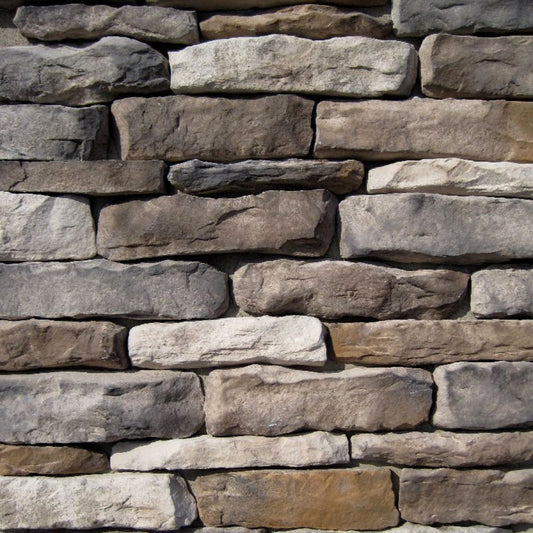
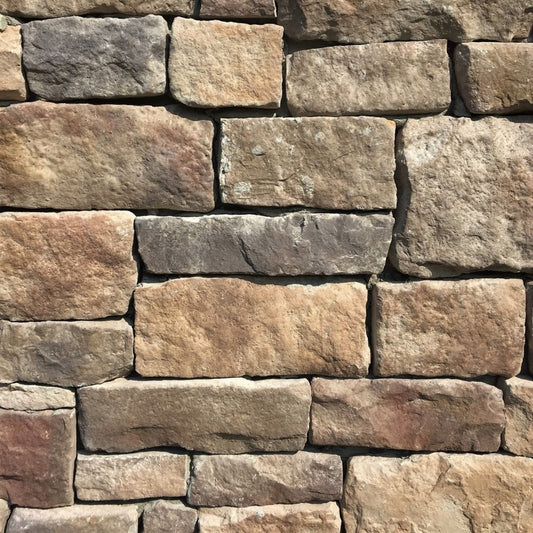
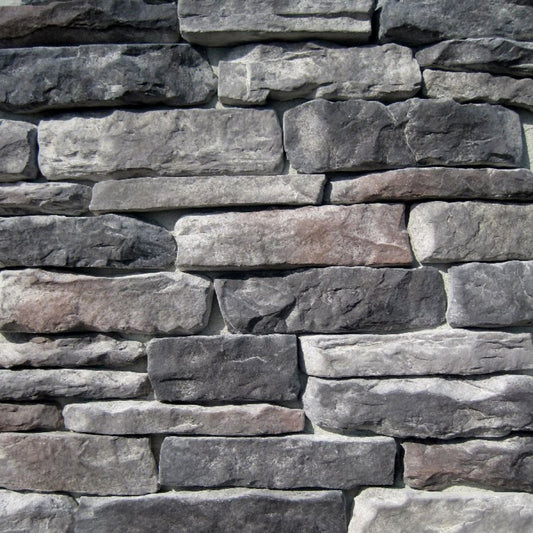
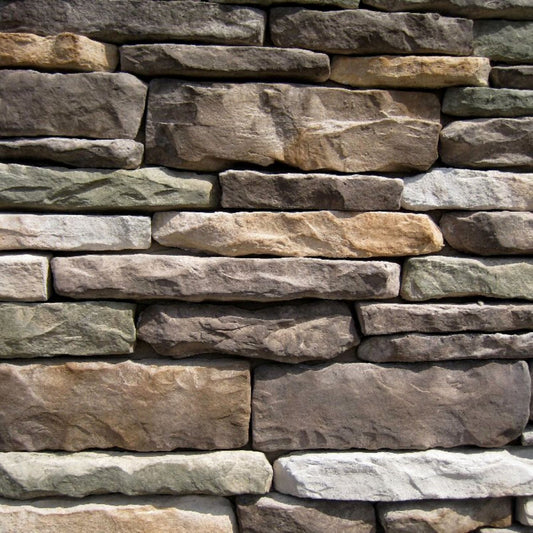
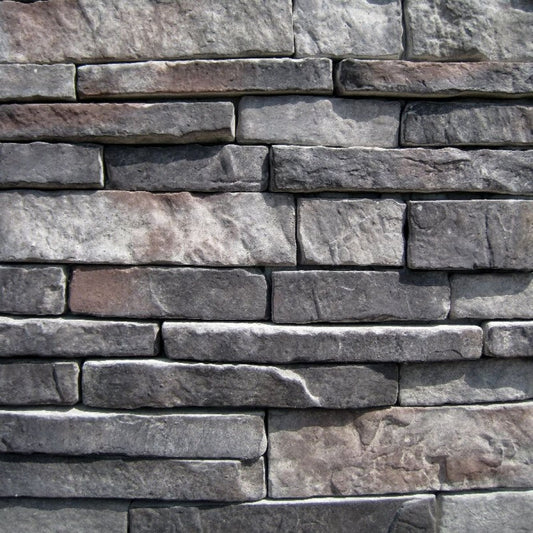
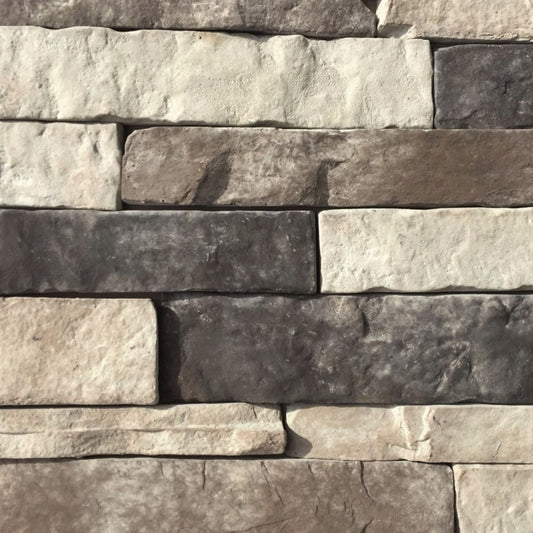
A predominantly gray blend, for example, may contain light gray, medium gray, and darker gray pieces, with subtle secondary tones. A warm earth-tone blend may combine beige, tan, brown, and darker accents.
The result is a wall with visual movement rather than a completely uniform surface.
Color variation is particularly noticeable when manufactured stone veneer is installed across a large exterior wall. Instead of creating a single block of color, the individual pieces interact with one another and create a more natural-looking masonry surface.
The term color can therefore be somewhat misleading when discussing manufactured stone veneer. In many cases, the more useful question is not simply what color is this stone? but what colors and tones are present in this stone blend?
White Manufactured Stone Veneer
White manufactured stone veneer creates a bright, clean appearance and has become an increasingly popular choice for contemporary, transitional, farmhouse, and traditional architecture.
White stone can range from crisp and bright to softer cream and ivory tones. Some white blends also incorporate subtle gray or beige elements, creating additional depth while maintaining an overall light appearance.
Because white is highly versatile, it can be paired with dark windows, black trim, charcoal roofing, natural wood, gray siding, or other neutral materials. It can also be used with white siding for a more monochromatic exterior in which the texture of the stone provides the primary contrast.
White manufactured stone veneer is not limited to exterior applications. It can also create a bright fireplace, feature wall, entryway, or other interior focal point.
The specific appearance of a white stone depends heavily on its profile and color variation. A heavily textured fieldstone in a white blend will create a different impression from a clean, linear stacked stone in a similar color.
For a deeper look at this color family, see our dedicated post to white manufactured stone veneer.
Gray Manufactured Stone Veneer
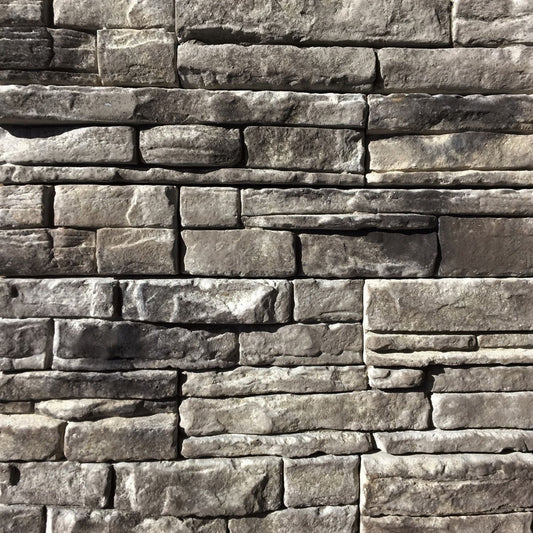
Gray is one of the most versatile manufactured stone veneer color families. It can range from very light gray to medium gray, blue-gray, warm gray, dark gray, and charcoal.
The undertones within a gray blend are particularly important. Some grays are predominantly cool and neutral, while others contain warmer beige, taupe, or brown accents.
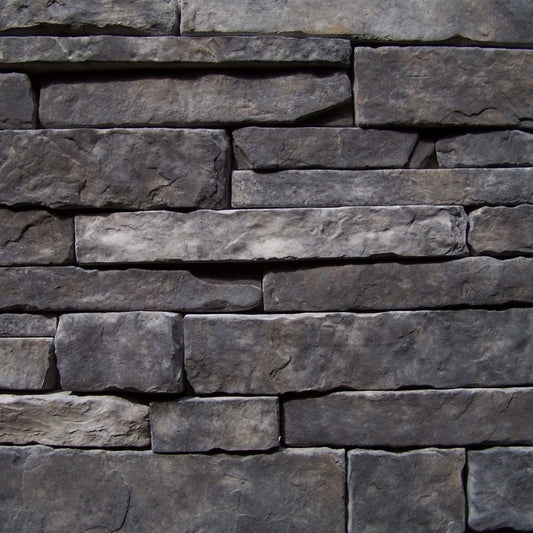
Light gray stone can create a subtle and contemporary appearance. Medium gray provides greater definition, while dark gray and charcoal create stronger contrast and visual weight.
Gray manufactured stone veneer works across a wide range of architectural styles and can complement white, black, charcoal, blue-gray, natural wood, and neutral exterior materials.
Gray has also become an important color trend in modern exterior design. As homeowners and designers have increasingly incorporated gray into siding, roofing, trim, and other architectural materials, gray stone veneer has become a natural extension of that palette.
For more on the growing popularity of this color family, see gray manufactured stone veneer.
Black and Charcoal Manufactured Stone Veneer
Black and charcoal stone veneer offers one of the strongest visual contrasts available in manufactured masonry.
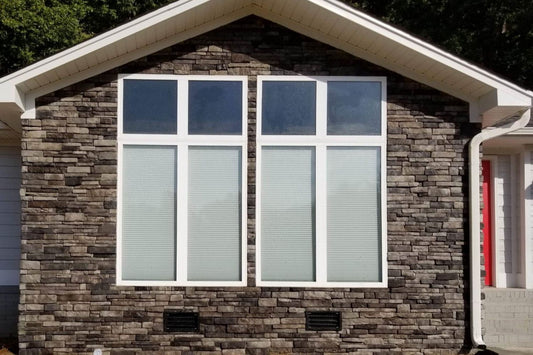
Dark stone can create a dramatic appearance on an entire facade, but it can also be especially effective when used selectively around entryways, fireplaces, columns, gables, garages, and accent walls.
Charcoal often provides a slightly softer alternative to true black. It retains the visual depth of a dark color while allowing more visible variation between individual stones.
Dark manufactured stone veneer can pair especially well with white siding, light-colored trim, large windows, natural wood, and other materials that create contrast.
The size of the installation is important when using dark stone. A small charcoal accent can function as a powerful architectural detail, while the same color used across an entire facade becomes one of the dominant visual elements of the building.
For inspiration and design ideas, see black manufactured stone veneer.
Beige and Tan Manufactured Stone Veneer
Beige and tan are classic manufactured stone veneer colors that provide a warm, natural appearance.
These colors can work particularly well with traditional, transitional, craftsman, farmhouse, and rustic architecture. They can also coordinate naturally with wood, brown roofing, cream siding, warm neutral trim, and landscaping containing natural earth tones.
Beige stone does not necessarily have to look plain. Blended beige products can incorporate cream, tan, brown, gray, and other subtle tones to create depth.
Tan and beige can also be useful when a project calls for stone that feels substantial without creating the high contrast associated with black, charcoal, or very dark gray stone.
Brown Manufactured Stone Veneer
Brown manufactured stone veneer brings a distinctly warm and natural character to an exterior or interior space.
Brown blends can range from light brown and tan to deeper chocolate, rustic brown, and brown-gray combinations. Because brown naturally relates to wood and other organic materials, it can work especially well in designs featuring timber, cedar, natural wood doors, exposed beams, or rustic landscaping.
Brown stone can also be used to give traditional homes a more established masonry appearance. Depending on the profile, it can create anything from a rugged fieldstone look to a more structured architectural appearance.
For more information about this color family, see brown manufactured stone veneer.
Neutral Manufactured Stone Veneer Colors
Neutral stone veneer colors are among the most flexible options because they can work with a broad range of exterior and interior palettes.
Neutral does not necessarily mean beige. White, cream, gray, taupe, tan, soft brown, and combinations of these colors can all fall within a neutral design palette.
Neutral stone is particularly useful when the goal is to create a timeless appearance rather than a highly saturated or dramatic color statement. It can provide texture and architectural interest while allowing siding, trim, roofing, landscaping, furniture, or other design elements to play a larger role.
Neutral stone veneer can also make it easier to coordinate multiple building materials. Because neutral blends often contain several related tones, they may naturally connect with colors already present elsewhere on a project.
For a closer look at this broader category, see neutral manufactured stone veneer colors.
Warm vs. Cool Manufactured Stone Veneer Colors
Manufactured stone veneer colors can also be divided into warm and cool color families.
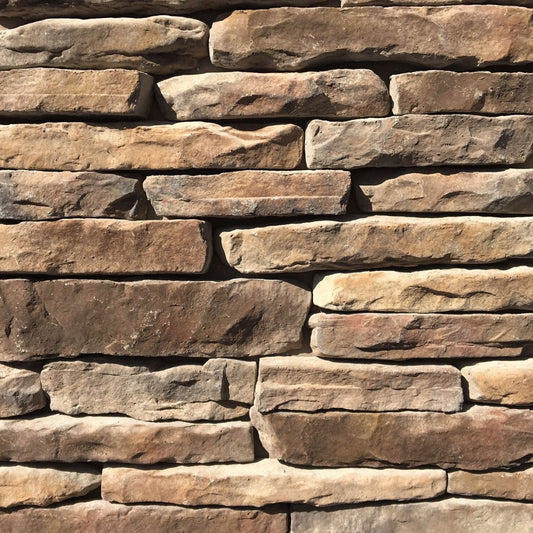
Warm stone colors typically contain undertones of beige, cream, tan, brown, or other earthy shades. These colors tend to create a welcoming, natural, traditional, or rustic appearance.
Cool stone colors generally lean toward gray, blue-gray, charcoal, or neutral tones. These colors often work well in contemporary and modern designs, particularly when paired with black, white, concrete, metal, or other cool materials.
However, a color's name does not always tell the entire story. A gray stone can contain warm undertones, and a beige stone can contain cooler gray accents. Looking at the complete blend is therefore more useful than relying solely on a basic color name.
The distinction between warm and cool colors becomes especially important when several exterior materials are being coordinated. Stone, siding, roofing, trim, and wood should not necessarily be identical, but their undertones should work together.
If you are ready to move from understanding color families to choosing a color specifically for your home, our post on choosing the perfect stone veneer color for your house goes deeper into coordinating stone with siding, roofing, trim, architecture, and the surrounding environment.
Light vs. Dark Manufactured Stone Veneer
Light and dark stone veneer create different levels of visual weight.
Light colors such as white, cream, light gray, beige, and tan can make a surface feel brighter and more open. They can also provide strong contrast against dark siding, windows, roofing, or trim.
Dark colors such as charcoal, black, and deep brown create greater visual weight. They can make architectural elements feel more substantial and can turn a stone-covered surface into a strong focal point.
Medium colors occupy a useful middle ground. Gray, tan, brown, and blended earth tones can provide definition without dominating the rest of the architecture.
The amount of stone being installed matters as well. A dark stone may be highly effective around a front door or fireplace, while covering an entire wall in that same color will produce a much stronger visual statement.
How Stone Veneer Profiles Affect Color
Color should never be considered independently from the stone profile. The size, shape, texture, and arrangement of the individual stones can significantly influence how a color blend looks once installed. For a closer look at the different styles available, see our stone veneer profiles post, which explains the characteristics and visual differences between manufactured stone veneer profiles.
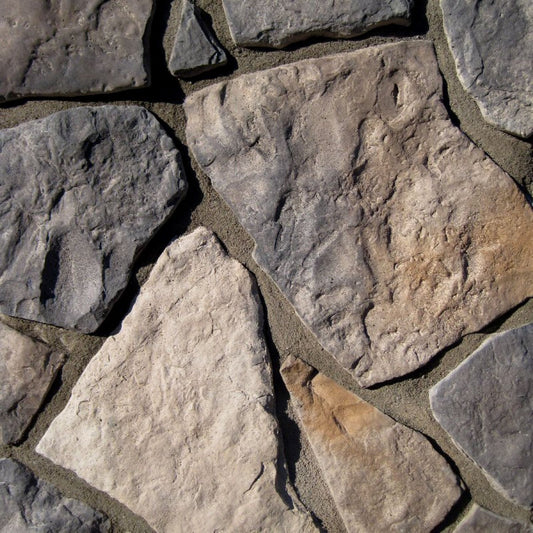
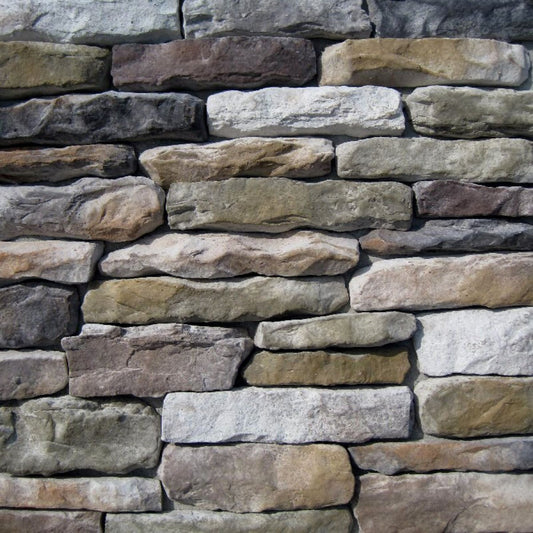
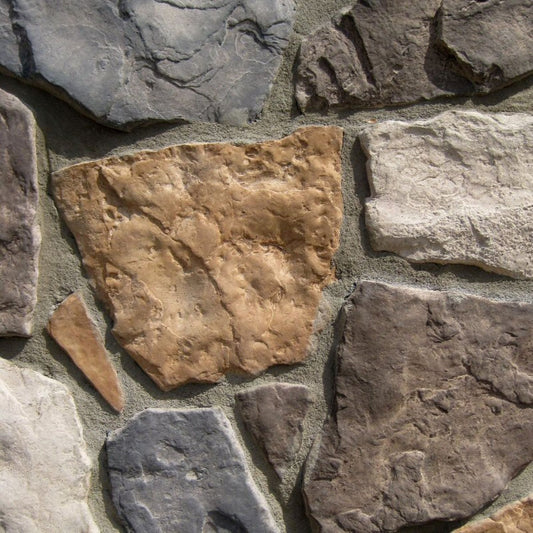
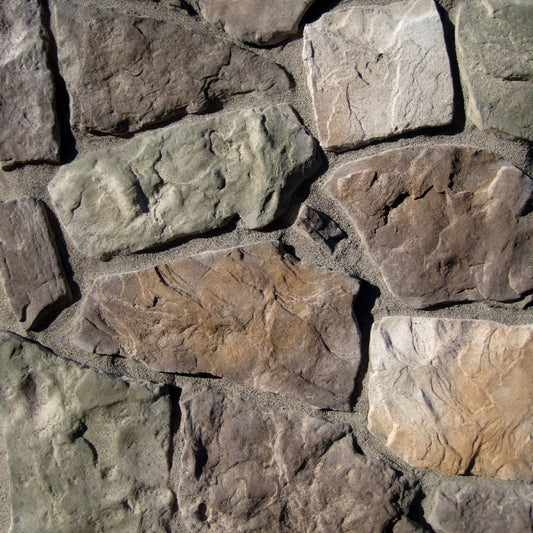
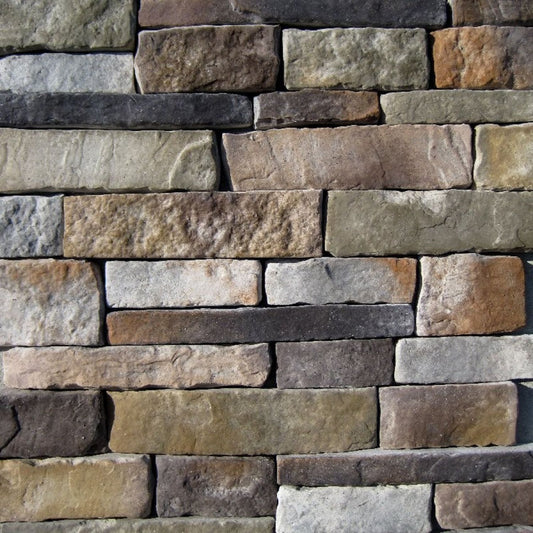
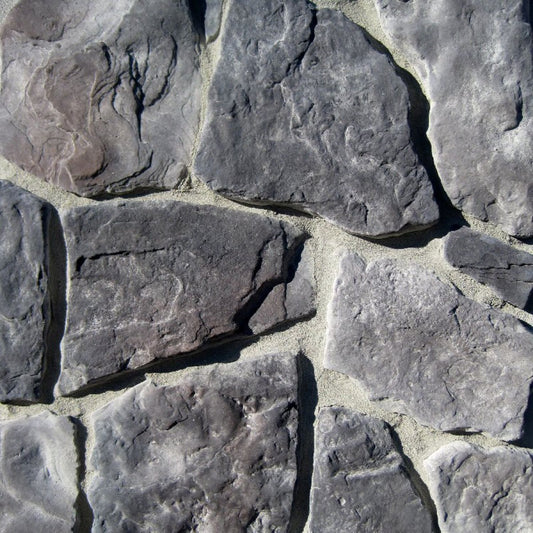
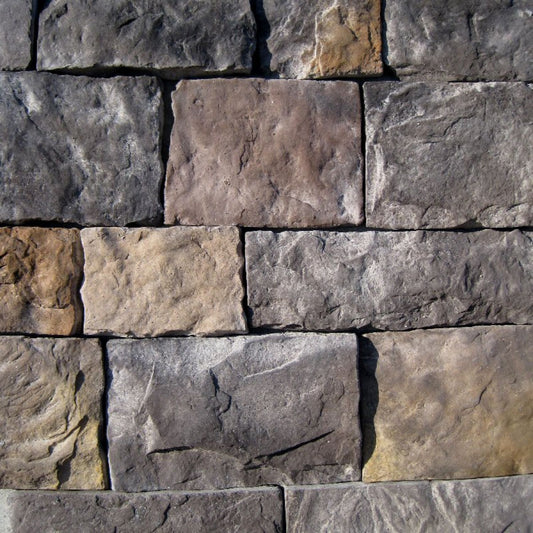
Larger, irregular fieldstone creates a naturally varied appearance, with individual pieces differing in shape, size, and surface area. Ledgestone has a more linear character, with longer, thinner stones that create pronounced horizontal coursing across the installation. Stacked stone has a distinctly tighter appearance, with individual stones fitted closely together to emphasize the color, texture, and natural variation of each piece.
Castle rock, limestone, and other architectural profiles can produce still different relationships between color, texture, and mortar.
Stone panels introduce another consideration because the stones are arranged into compact panel sections. The same color can therefore have a different visual rhythm when installed as a panelized system compared with individual stone pieces. If you're deciding between the two installation formats, our post on stone veneer panels or individual stones explains the differences between panelized veneer and individual stone installation.
This is why a color should always be evaluated in the specific profile intended for the project.
Multi-Colored Manufactured Stone Veneer
Some manufactured stone veneer blends intentionally contain several distinct colors rather than subtle variations of one dominant shade.
Multi-colored stone can create a highly natural appearance because it introduces more visual variation across the installation. It can also help connect several materials within a larger architectural palette.
For example, a blend containing gray, beige, and brown can relate to a gray roof, warm wood accents, and neutral siding simultaneously.
The key is balance. A multi-colored blend should still have an overall visual character. The goal is generally not to introduce as many unrelated colors as possible, but to combine tones that work together.
Multi-colored stone can also be particularly useful when the project has multiple existing materials that need to be visually connected.
Combining Stone Veneer Colors and Profiles
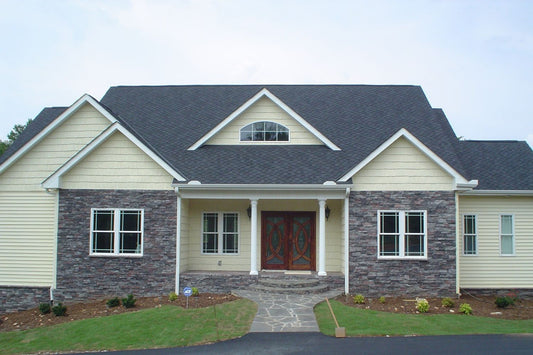
Manufactured stone veneer does not have to be limited to one color or profile throughout an entire project. Combining complementary colors, different profiles, or both can create a more customized appearance while adding depth, contrast, and visual interest.
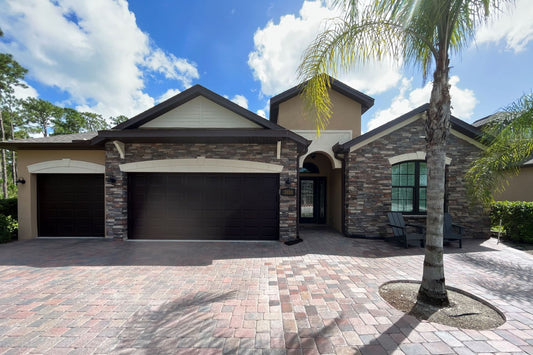
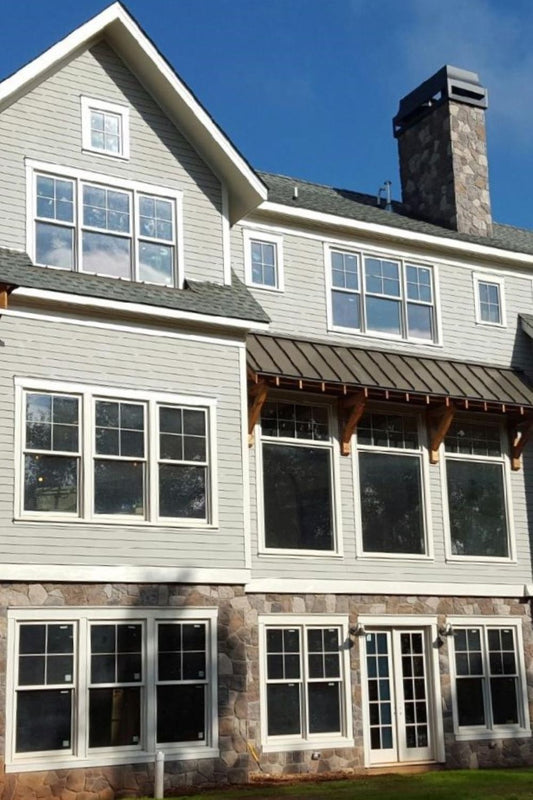
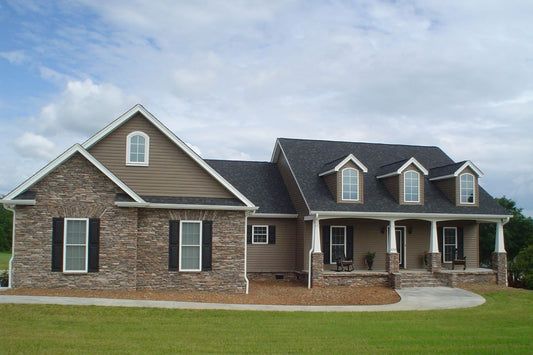
Two or more complementary colors can be blended throughout an installation or used in separate areas. A lighter stone might cover the main facade while a darker color emphasizes an entryway, gable, fireplace, or other architectural feature. Closely related neutral tones can create subtle variation, while contrasting light and dark colors can create a stronger focal point.
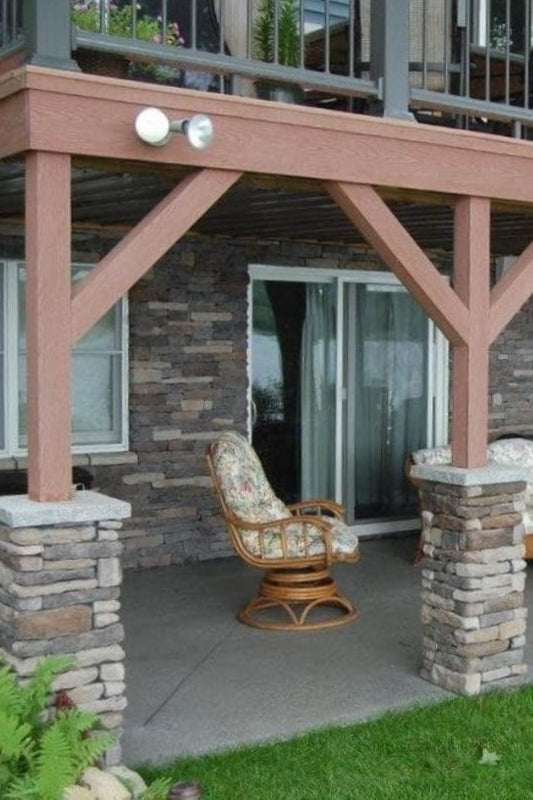
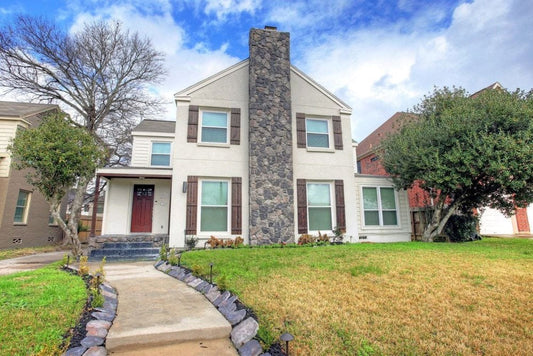
Different profiles can be combined in much the same way. One profile might be used across a main wall while another is used around an entryway, fireplace, chimney, or other architectural feature. Profiles with similar colors can create a more subtle transition, while contrasting colors and textures can make the distinction more pronounced.
Color and profile can also be varied at the same time. A lighter linear profile paired with a darker, more irregular profile, for example, creates contrast through both color and stone shape. The proportions of each element will also affect the finished appearance, whether one color or profile remains dominant or the different materials are used more evenly.
When combining colors and profiles, consider how their scale, shape, texture, and color relate to the architecture and surrounding materials. The goal is not necessarily to make everything match, but to create enough visual connection that the different elements feel intentional and cohesive.
For more ideas on using multiple colors and profiles together, see our post on combining different stone veneer profiles and colors.
Matching New Manufactured Stone Veneer to Existing Stone
Renovation projects can present a different challenge from new construction because the color and profile of some existing masonry may already be established.
Matching existing stone veneer involves more than finding a product with the same general color. The profile, stone size, texture, color variation, mortar, weathering, and age of the existing installation can all affect the appearance.
In some cases, the goal may be to find a close visual match. In other situations, a complementary color or profile may produce a better result than attempting to create an exact match.
This is particularly important when repairing or expanding an existing installation where the original product may no longer be available.
For more information, see our post on how to match new manufactured stone veneer to existing stone installations.
Custom Manufactured Stone Veneer Colors
Standard manufactured stone veneer colors are designed to accommodate a wide variety of architectural styles, but some projects require something more specific.
Custom stone veneer colors can be considered when a project has unusual architectural requirements, branding considerations, historical requirements, or a highly specific design palette.
Custom color development is different from simply painting an existing stone. Manufactured stone is produced with its color incorporated during manufacturing, allowing the finished pieces to retain the texture and variation of the stone.
The availability, minimum quantities, lead times, and development requirements for custom colors vary by manufacturer and project.
For projects that require a color outside the standard product range, see custom stone veneer colors for more information.
Manufactured Stone Veneer Colors for Exterior Applications
Exterior applications offer virtually unlimited opportunities for using manufactured stone veneer colors.
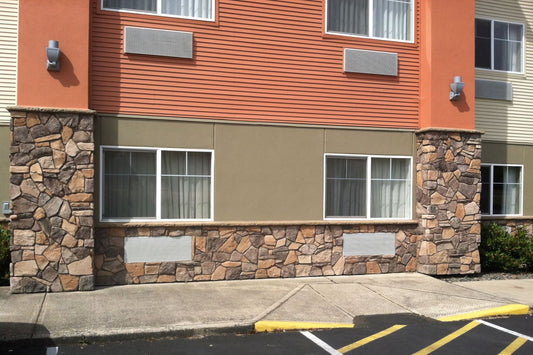
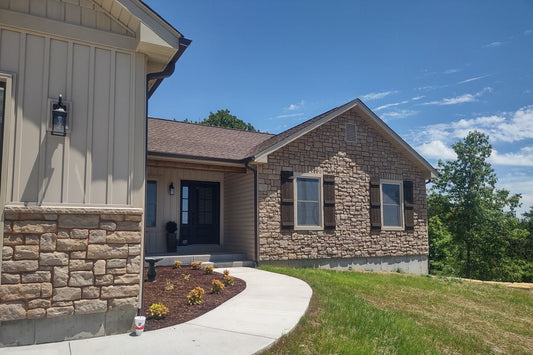
Stone can cover an entire facade or be concentrated around architectural features such as entryways, garages, columns, gables, porches, chimneys, and exterior fireplaces.
The color selected should be considered alongside the home's siding, roofing, windows, trim, doors, and landscaping. However, the stone does not have to match these elements exactly.
A complementary relationship can often be more visually effective than an exact match. A light stone against dark siding creates contrast, while a warm stone alongside similarly warm siding creates a more blended appearance.
The architecture itself should also influence the direction. Traditional homes often accommodate warm earth tones naturally, while contemporary designs can provide an opportunity for white, gray, charcoal, and other cleaner neutral palettes.
Manufactured Stone Veneer Colors for Interior Applications
Interior manufactured stone veneer provides many of the same color opportunities as exterior applications but introduces lighting and room design as additional considerations.
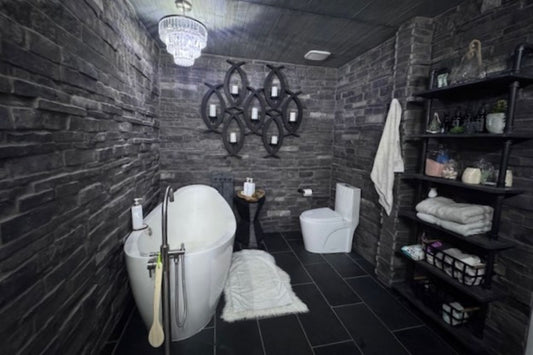
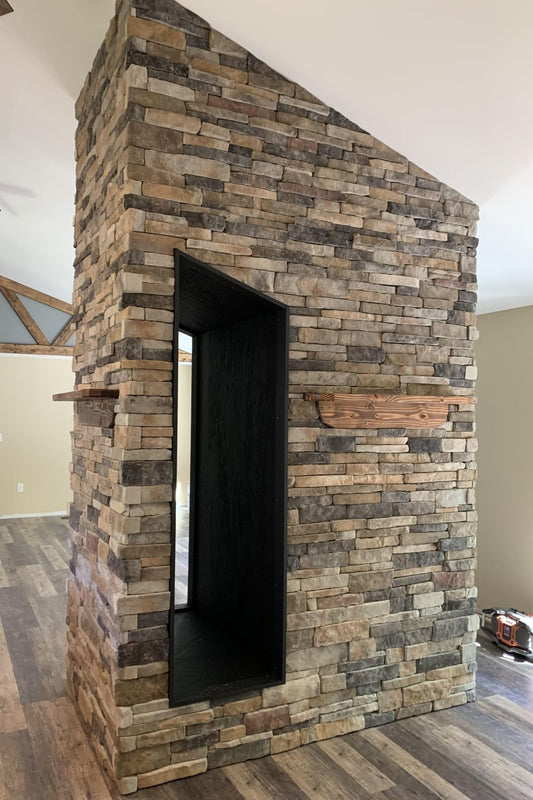
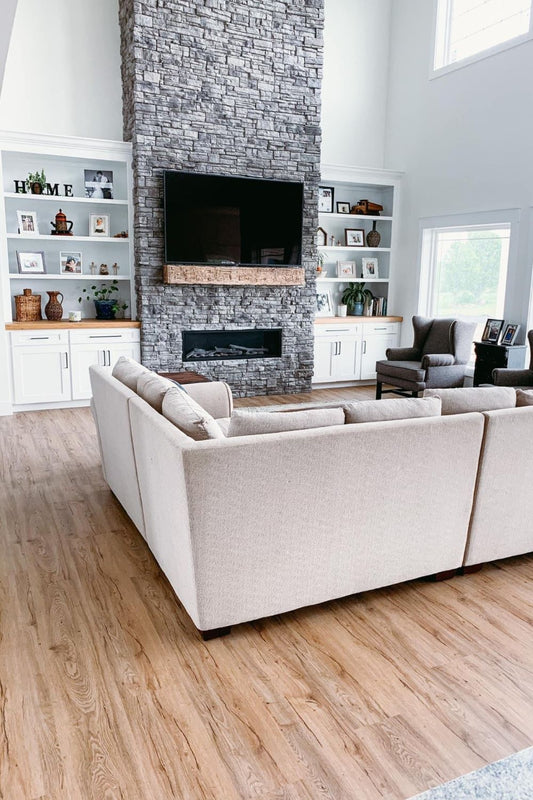
Fireplaces are one of the most common applications for interior stone veneer. A dark charcoal stone can create a dramatic focal point, while white or light gray stone can make the fireplace feel brighter and more contemporary.
Accent walls can also use color to establish the character of an entire room. Warm brown and earth-tone stone can create a rustic atmosphere, while gray and white stone can complement modern interiors.
Lighting is particularly important indoors. Warm lighting can emphasize beige, tan, and brown tones, while cooler lighting can make gray and white tones appear more prominent. For a deeper look at how illumination interacts with stone texture and color, see our post on how light and shadows work with manufactured stone veneer.
The stone should therefore be viewed in the actual room whenever possible rather than evaluated solely from a product photograph.
Manufactured Stone Veneer Colors for Fireplaces and Accent Walls
Fireplaces and accent walls are ideal applications for using manufactured stone veneer as a focal point. A contrasting color can immediately draw attention to a fireplace, with dark stone creating a dramatic, grounded appearance and lighter stone producing a brighter, more open look.
The stone profile also plays an important role because fireplaces are often viewed up close. Texture, individual stone shapes, mortar joints, and color variation all contribute to the finished appearance. Stacked stone creates a tight, compact appearance with individual stones fitted closely together, while ledgestone features longer, thinner stones that create more pronounced horizontal coursing. Even with similar colors, these different profiles can produce distinctly different visual effects. For fireplace design ideas and inspiration, explore our post on stone veneer fireplace designs to see how different stone colors, profiles, and layouts can create distinctive fireplace focal points.
Accent walls offer similar opportunities to introduce a distinctive color or profile without covering an entire room. A warm earth-tone blend can add natural character, while gray, white, or charcoal stone can complement contemporary interiors. The surrounding wall color, flooring, furnishings, and lighting should also be considered when selecting the stone.
Manufactured Stone Veneer Colors for Commercial Projects
Color selection can be particularly important in commercial architecture because the building's exterior often contributes to its identity.
Retail properties, restaurants, offices, hospitality buildings, multifamily developments, and other commercial structures may use manufactured stone veneer to establish a particular architectural character.
Neutral and earth-tone colors can provide a timeless appearance, while gray, charcoal, black, or other distinctive colors can create a more contemporary identity.
Commercial projects may also require stone to coordinate with signage, branding, adjacent buildings, existing masonry, roofing, windows, and other architectural materials.
For developments involving multiple buildings, consistency is another important consideration. The selected color palette should create a cohesive visual relationship throughout the project.
How Manufactured Stone Veneer Gets Its Color
Manufactured stone veneer is produced using cementitious materials, lightweight aggregates, and mineral-based pigments to create the appearance of natural stone.
The color is not simply painted onto the finished stone. Pigments are incorporated during manufacturing to produce the intended color and variation throughout the product. However, this does not mean the stone is colored uniformly all the way through. For a closer look at how manufactured stone veneer is actually colored, see is stone veneer colored all the way through?
Iron oxide pigments are commonly used to produce durable mineral-based colors and a broad range of natural-looking tones.
Because manufactured stone is produced rather than quarried, color can be developed and blended intentionally to achieve specific visual characteristics while maintaining variation from piece to piece.
Do Manufactured Stone Veneer Colors Fade?
Manufactured stone veneer is designed for long-term use, including exterior applications exposed to normal weather conditions. The long-term appearance of any building material can be affected by environmental exposure, installation, maintenance, and other conditions, making proper installation and care important.
It is also important to understand the difference between manufactured stone veneer and a painted surface. Manufactured stone veneer is manufactured with its intended coloration rather than relying on a simple surface coating to create the finished appearance. For more information about color retention and what can affect the appearance of stone over time, see our post on does stone veneer fade?
Can Manufactured Stone Veneer Be Painted or Limewashed?
Manufactured stone veneer is designed to provide its intended color and natural-looking variation without requiring paint or other color-altering treatments. The best way to achieve a specific appearance is to select the appropriate stone color and blend before installation.
Painting manufactured stone veneer can substantially change its appearance by covering the original color variation and texture. If you're considering changing the color of an existing installation, see our post on can you paint manufactured stone veneer? before proceeding.
Limewashing is another treatment sometimes used to create a lighter, weathered, or more subdued appearance. However, limewashing can also alter the original color and character of the stone. Our post on limewashing manufactured stone veneer explains what to consider before applying a limewash.
These treatments may also affect the manufacturer's warranty. If a project requires a lighter, darker, warmer, or cooler appearance, selecting the appropriate manufactured stone veneer color before installation is the better approach.
How to See Manufactured Stone Veneer Colors Before Ordering
Digital photographs are useful for comparing manufactured stone veneer colors, but they should not be treated as a perfect representation of how a color will appear in every environment. Photography, lighting, display settings, surrounding materials, and installation scale can all influence perceived color.
A physical sample provides a much better opportunity to evaluate the actual color, texture, and variation of a manufactured stone veneer product. For more information about ordering and evaluating samples, see our post on manufactured stone veneer samples.
Place the sample next to the materials that will remain part of the project, such as siding, roofing, trim, windows, flooring, cabinets, or other masonry. Viewing the sample under different lighting conditions can also reveal undertones that may not be immediately obvious.
This is especially valuable when comparing similar color families such as multiple grays, neutral blends, or different shades of white.
Manufactured Stone Veneer Colors
Choosing a manufactured stone veneer color is about more than selecting a shade that looks appealing on its own. The finished appearance depends on how the stone works with the rest of the design, including siding, roofing, windows, doors, trim, landscaping, lighting, and the surrounding environment. Consider whether the stone should complement these elements, create contrast, or serve as a distinct focal point.
The stone profile should be considered alongside the color as well. Differences in stone size, shape, texture, shadow, and installation pattern can significantly change how a color blend looks once installed. A color that creates one impression in a particular profile may produce an entirely different effect in another.
Manufactured stone veneer offers extensive color flexibility, from white, gray, black, and charcoal to beige, tan, brown, and other natural earth tones. Blended colorways can add depth and variation, while combining complementary colors or profiles can create a more distinctive, customized appearance.
Whenever possible, evaluate physical samples before committing to a project. Seeing the actual stone alongside the surrounding materials and under different lighting conditions provides a much clearer idea of how the color, texture, and variation will work together.
Ultimately, the best manufactured stone veneer color is one that supports the overall character of the project and creates the appearance you want to achieve.
From Mountain View Stone: What You Should Know
At Mountain View Stone, we manufacture stone veneer in a range of carefully developed colors and blends designed to create the natural variation and character of real stone. Our manufactured stone veneer is made in the USA using Portland cement, lightweight aggregate, and iron oxide pigments, with Color Lock Technology used in the manufacturing process. Because color can look different depending on the profile, lighting, surrounding materials, and installation, we recommend ordering physical samples before making a final selection. This allows you to see the actual color, texture, and variation of the stone and determine how it works with your project.
Frequently Asked Questions About Manufactured Stone Veneer Colors
What colors does manufactured stone veneer come in?
Manufactured stone veneer comes in a wide range of colors, including white, gray, black, charcoal, beige, tan, brown, and mixed earth tones. Many products are available as blended colorways containing multiple complementary shades to create a natural-looking appearance.
What is the most popular color for manufactured stone veneer?
Popular manufactured stone veneer colors include white, gray, neutral, brown, and other natural earth tones. The popularity of individual colors varies by architectural style and design trends. Gray and other neutral colors are particularly common in contemporary designs, while warm beige, tan, and brown remain popular for traditional and rustic architecture.
What is the difference between a stone veneer color and a color blend?
A stone veneer color may describe the overall color family of a product, while a color blend contains multiple related shades within that colorway. For example, a gray blend may contain light, medium, and dark gray pieces along with subtle complementary tones. Blended colors create more variation and help reproduce the appearance of natural stone.
Can you combine different manufactured stone veneer colors?
Yes. Complementary manufactured stone veneer colors can be combined to create a customized appearance. Different colors can be used on separate architectural areas or blended together throughout an installation. Color combinations can also be paired with different stone profiles for additional visual variation.
Can you customize manufactured stone veneer colors?
Custom manufactured stone veneer colors may be available for qualifying projects, depending on the manufacturer, product, quantity, and development requirements. Custom color development is different from painting existing stone because the color is developed as part of the manufacturing process.
Does manufactured stone veneer come in natural-looking colors?
Yes. Manufactured stone veneer is specifically designed to reproduce the appearance of natural masonry, including the variation found in quarried stone. Color blends, individual piece variation, texture, and profile all contribute to the natural-looking appearance of the finished installation.
What's Next?
Create a distinctive look with the color, texture, and character of manufactured stone veneer from Mountain View Stone. Shop now to discover a range of colors and profiles or order a sample to see the stone up close before choosing the right option for your project.
Have a Question?
Please see our full terms of service or check out our frequently asked questions.
For general information and questions please call: (864) 882-8960 Mon. - Fri. 8am - 5pm (EST) or email: info@mountainviewstone.net we are more than happy to help you.
Or you can submit your questions via our contact us page.
We look forward to working with you on your upcoming project.
The Mountain View Stone Team
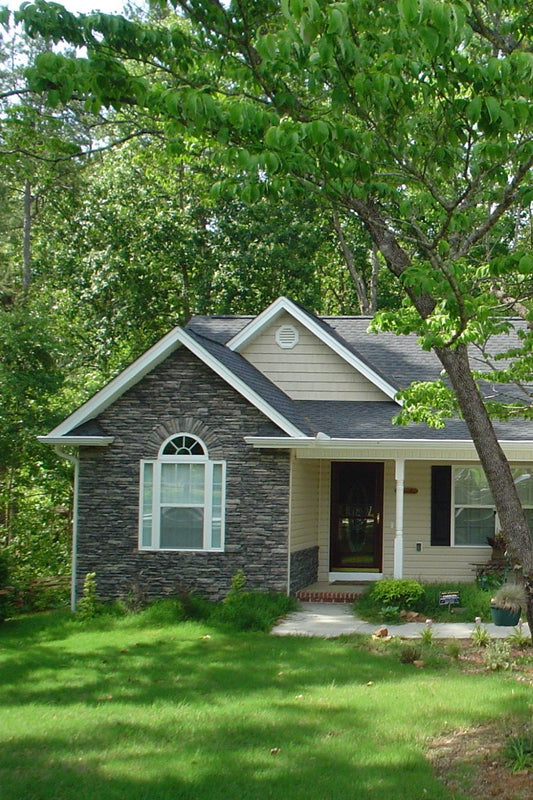
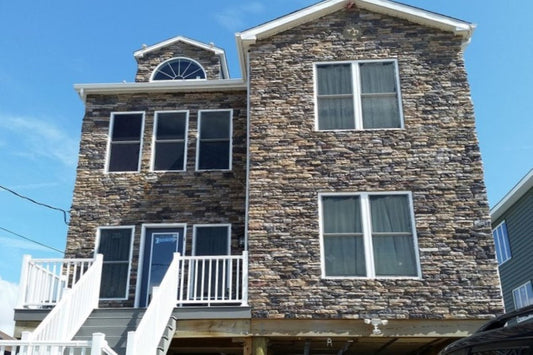
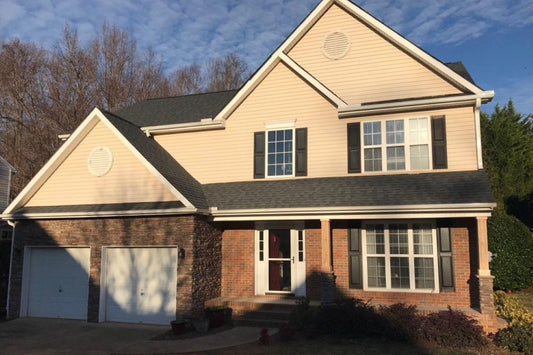
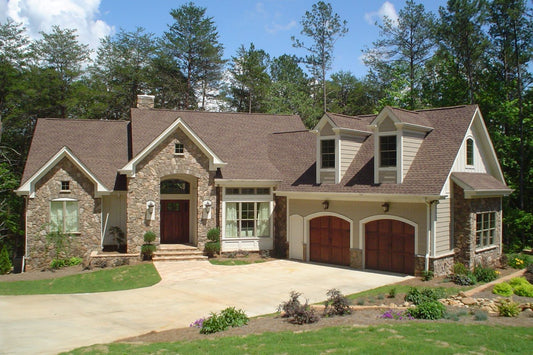
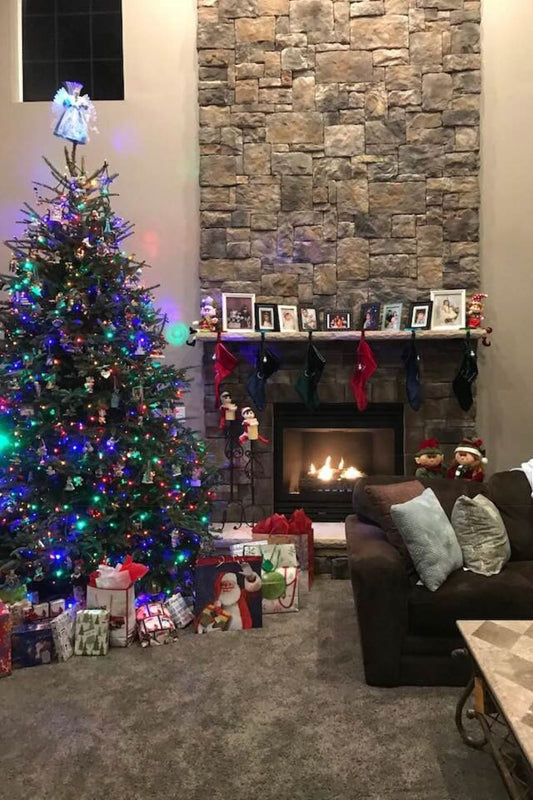
Pictured is field stone rustic blended with ledge stone rustic.