
Manufactured Stone Veneer for Tiny Homes and ADUs
Share
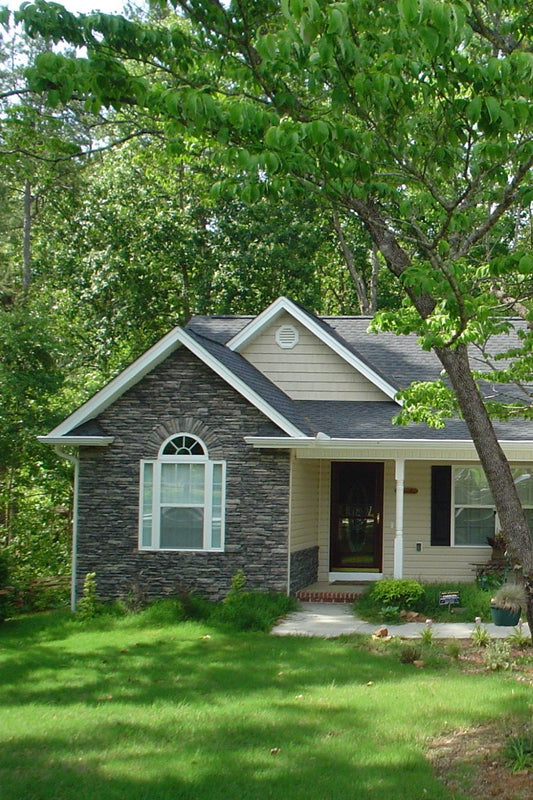
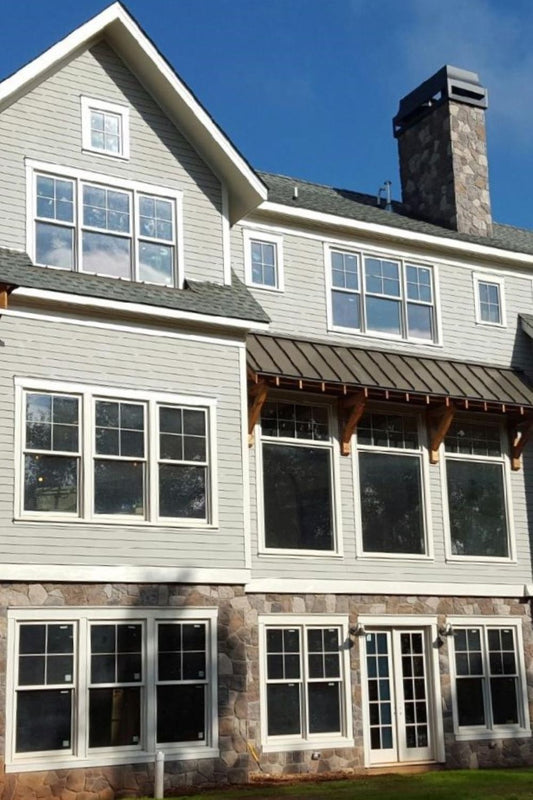
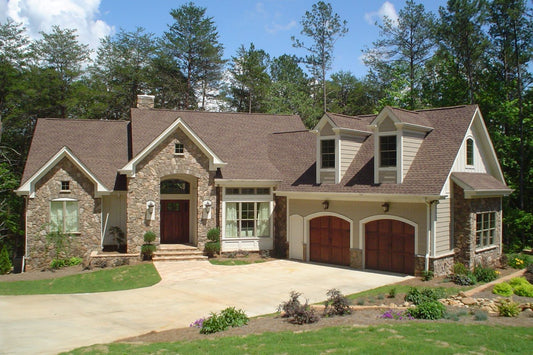
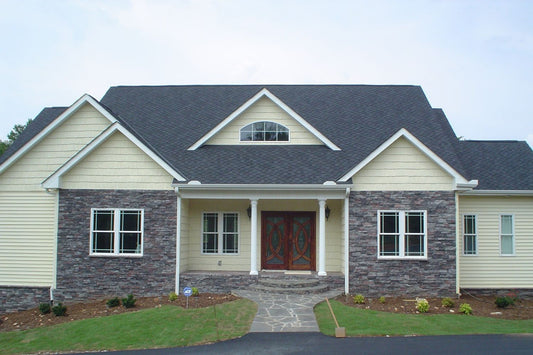
Manufactured stone veneer is an excellent choice for tiny homes and accessory dwelling units (ADUs), adding architectural character, texture, and durable exterior detail without requiring a full stone structure. It can be used to highlight entryways, exterior walls, foundations, columns, gables, and other architectural features while complementing siding, wood, metal, and other exterior materials.
Tiny homes and accessory dwelling units (ADUs) may have a smaller footprint than conventional homes, but they can still have plenty of architectural character. Manufactured stone veneer can be used selectively to highlight features such as entryways, foundations, gables, and exterior accent walls, adding texture and visual interest without overwhelming the structure. To explore the many ways stone veneer can be incorporated into a home, see our complete guide to where can you install manufactured stone veneer?
This approach is different from simply choosing materials for a small room or compact interior. Tiny homes and ADUs require consideration of the entire structure, including how the exterior materials work together, how the building relates to its surroundings, and how architectural details can make a smaller structure feel complete.
Why Manufactured Stone Veneer Works Well for Tiny Homes and ADUs
Manufactured stone veneer offers the appearance and texture of natural stone in a lightweight, versatile cladding material. Manufactured stone veneer is typically made from Portland cement, lightweight aggregates, and mineral pigments, with individual stones available in a variety of sizes, shapes, textures, and colors.
That flexibility makes manufactured stone veneer particularly useful for smaller residential structures. A tiny home or ADU does not necessarily need a large quantity of stone to make an architectural statement. A relatively small area around the front entrance, along the lower portion of an exterior wall, or around a prominent architectural feature can provide substantial visual impact.
The goal is not necessarily to make a tiny home look like a miniature version of a large house. Instead, stone veneer can help establish a deliberate architectural style that fits the size and proportions of the structure.
Because manufactured stone veneer is a non-structural cladding material, it can also be incorporated into many different exterior designs when the substrate and installation system are properly prepared. As with any stone veneer project, the specific building assembly and installation requirements should be considered before installation.
Stone Veneer for Tiny Home Exteriors
The exterior of a tiny home has to accomplish a lot within a relatively limited surface area. Siding, roofing, windows, doors, trim, and architectural accents all have to work together without making the building appear visually cluttered.
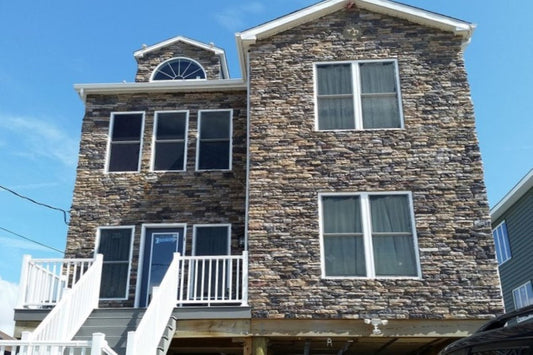
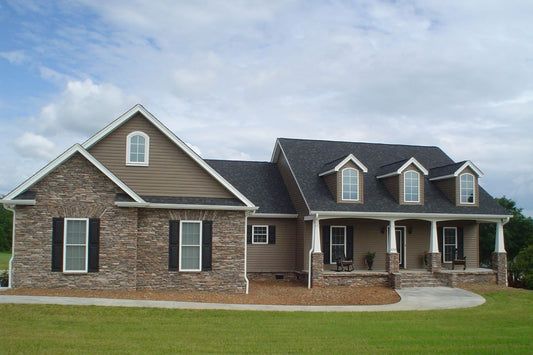
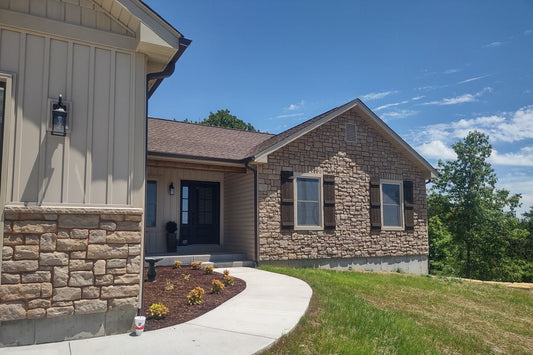
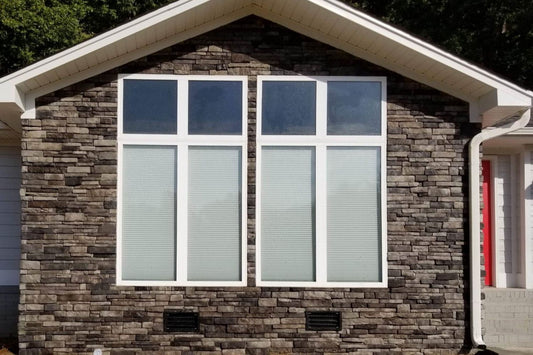
Manufactured stone veneer can provide a contrasting material that breaks up large areas of siding and gives the exterior more depth. For example, stone can be concentrated around the front door while siding continues across the remaining walls. Another approach is to use stone along the lower portion of the exterior and transition into siding above it.
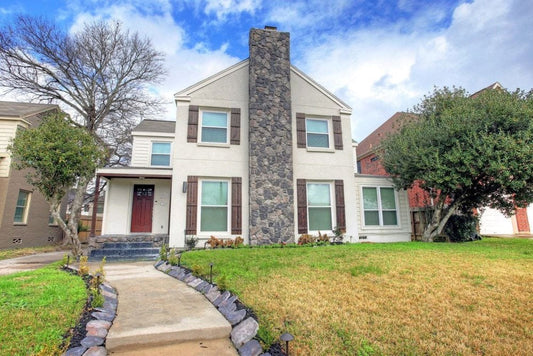
Stone veneer can also be used to emphasize a particular section of the building. A gable, chimney, porch wall, or projecting entryway can become a visual focal point when finished with a complementary stone profile and color.
This is especially useful for tiny homes because architectural features can have a greater visual influence when the overall structure is compact. Rather than relying on a large facade to create interest, carefully selected material transitions can give a smaller building a more developed architectural appearance.
For a deeper look at using manufactured stone veneer outdoors, including exterior walls, entryways, foundations, columns, and other applications, see the ultimate guide to manufactured stone veneer for exterior spaces.
Using Stone Veneer on ADUs
ADUs present a slightly different design opportunity. Because an accessory dwelling unit is typically located on the same property as a primary residence, its exterior can be designed to either complement the existing home or establish a related but distinct appearance.
Manufactured stone veneer can help create that connection. Matching or coordinating the stone color and profile between the primary home and ADU can visually tie the structures together, even when their siding, rooflines, or proportions differ.
The goal does not have to be an exact material match. A complementary stone color can establish a common design language while allowing the ADU to maintain its own identity. For example, stone used around the main home's entryway could be repeated around the ADU's entryway, creating a subtle connection between the two buildings.
This can be particularly effective when the ADU has a modern exterior that combines several materials. Stone veneer can work alongside wood siding, fiber cement siding, metal roofing, painted trim, or other contemporary exterior finishes to create contrast and texture.
Creating a Strong ADU Entryway
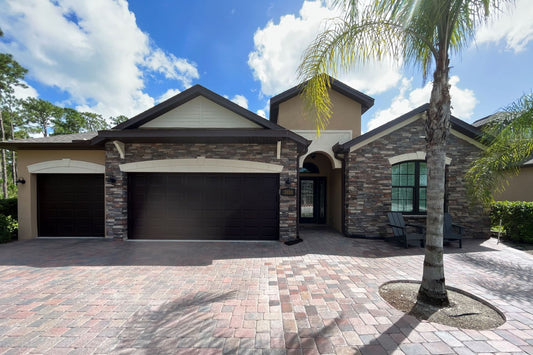
The entryway is one of the most effective locations for manufactured stone veneer on a tiny home or ADU. Since the entrance naturally draws attention, even a relatively small stone veneer installation can have a significant effect on the appearance of the entire structure.
Stone can be used around the door, along an entry wall, beneath a covered porch, or as an accent extending from the foundation toward the roofline. These applications help visually frame the entrance and give the building a more substantial architectural presence.
The stone does not need to cover the entire entryway. In many cases, combining a smaller area of stone with siding and wood or painted trim creates more visual variety than using a single material everywhere.
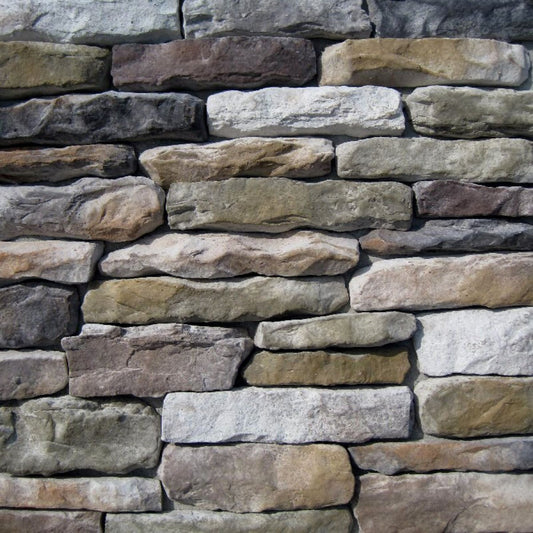
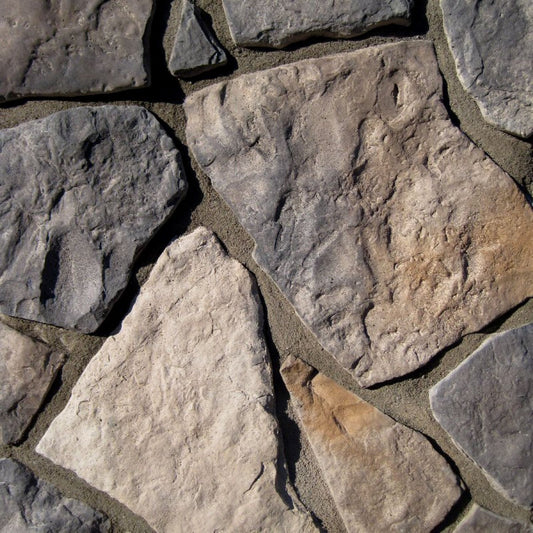
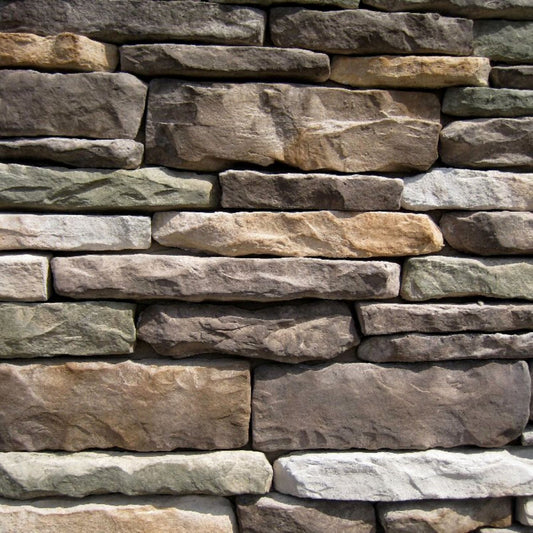
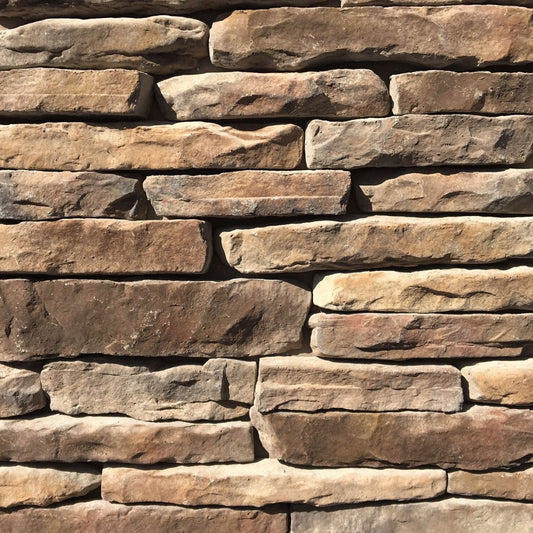
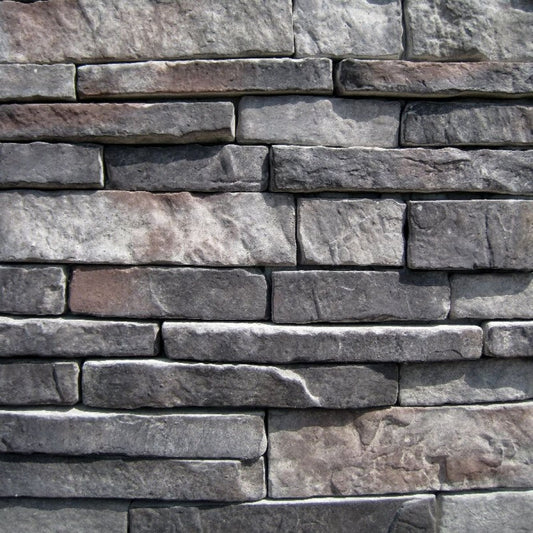
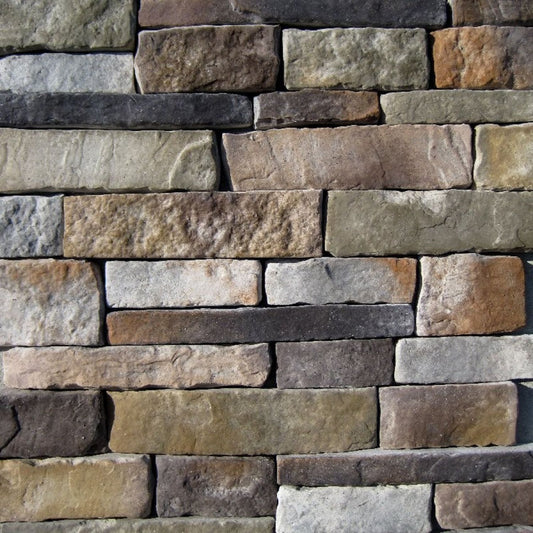
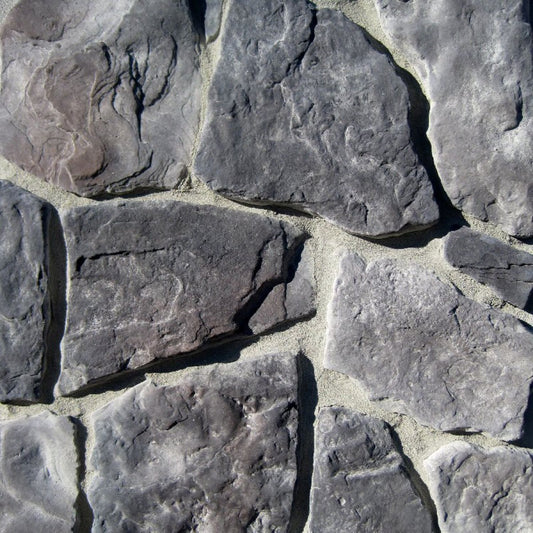
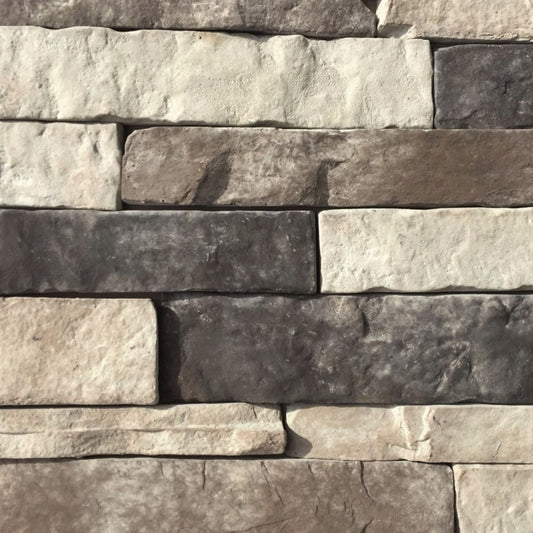
Choosing the profile and color should also take the architecture into account. A tightly fitted stacked stone profile can complement a contemporary design, while a more irregular fieldstone profile can support a traditional or rustic appearance. Ledgestone creates a different effect again, with longer, thinner stones and pronounced horizontal coursing.
Stone Veneer and Other Tiny Home Exterior Materials
One of the advantages of manufactured stone veneer is its ability to work with materials that are already common in tiny home and ADU construction.
Wood and wood-look siding can provide warmth, while stone introduces texture and a more substantial visual foundation. Metal roofing can create a modern contrast against the irregular surfaces of stone. Painted siding can provide a clean background that allows the texture and color variation of the veneer to stand out.
The key is coordination rather than uniformity. A tiny home does not need to use the same material across every exterior surface. In fact, combining complementary materials can help define different portions of the structure.
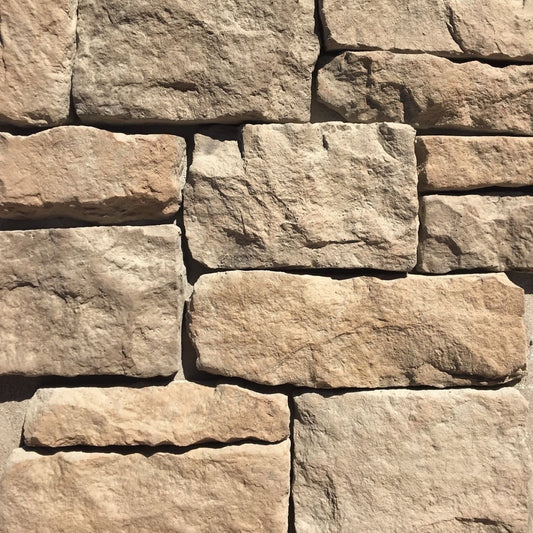
Color selection becomes particularly important because the exterior is compact. A stone color that works beautifully across a large home may have a much stronger visual presence when concentrated on a smaller ADU. Ordering an actual sample can help homeowners see how the stone interacts with siding, trim, roofing, landscaping, and changing natural light before committing to the final selection.
Using Stone Veneer Along the Foundation
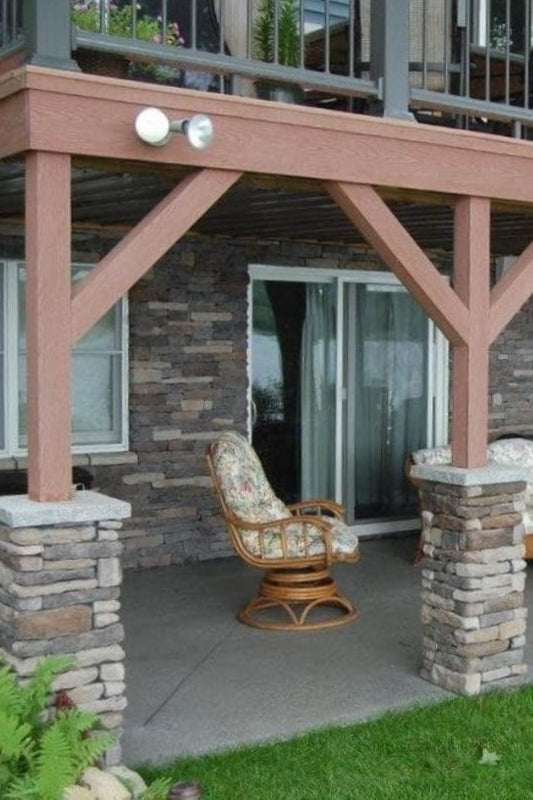
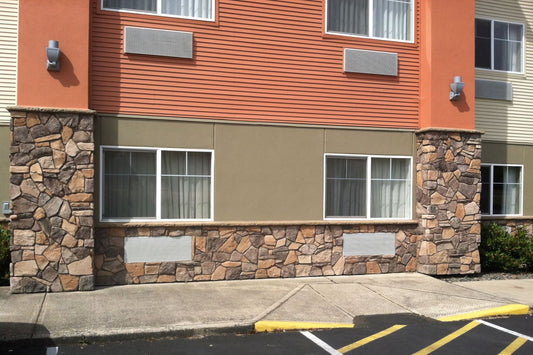
Foundation areas are another practical application for manufactured stone veneer on tiny homes and ADUs. A stone veneer foundation accent can visually ground the building and create a transition between the structure and surrounding landscape.
This approach can be particularly effective when the upper portion of the building uses siding. Stone along the lower section provides a visually substantial base, while siding above keeps the overall exterior from becoming too heavy.
The same concept can be used around raised portions of a tiny home or ADU where the foundation or lower wall is more visible. Instead of treating the foundation as an overlooked structural element, stone veneer can integrate it into the overall exterior design.
As with any exterior installation, the substrate, moisture management, clearances, and installation system need to be appropriate for the building assembly. Manufactured stone veneer should be installed using Type S mortar and according to the applicable installation requirements for the project.
Choosing the Right Stone Profile for a Tiny Home or ADU
Stone profile has a major influence on how a small structure looks. Because the overall building is compact, the scale, shape, and horizontal or vertical pattern of the stone can become an important part of the exterior design.
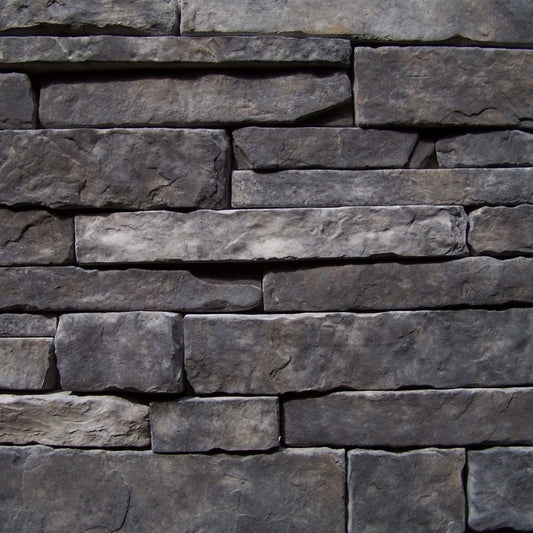
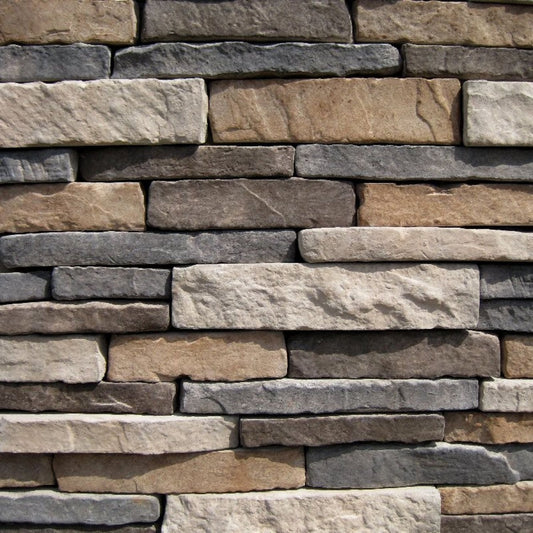
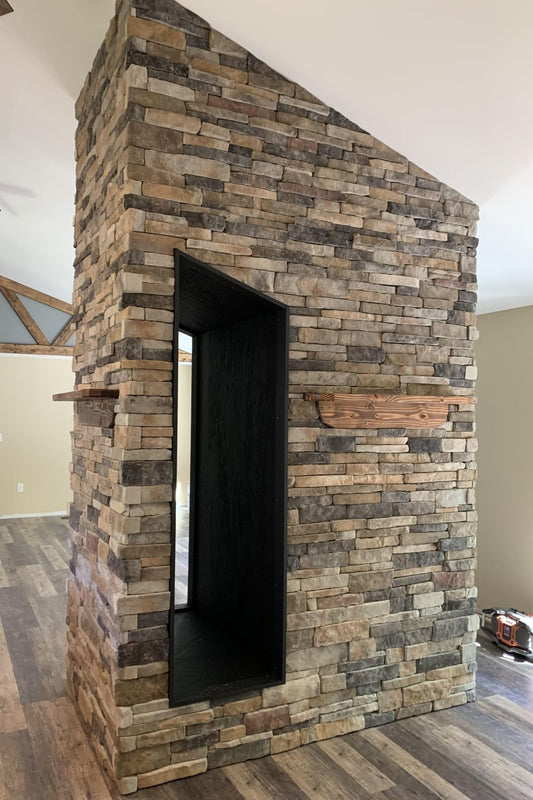
Stacked stone consists of tightly fitted individual stones with minimal mortar joints and varying faces, sizes, and shapes. Its relatively structured appearance can work well with modern or contemporary tiny homes and ADUs.
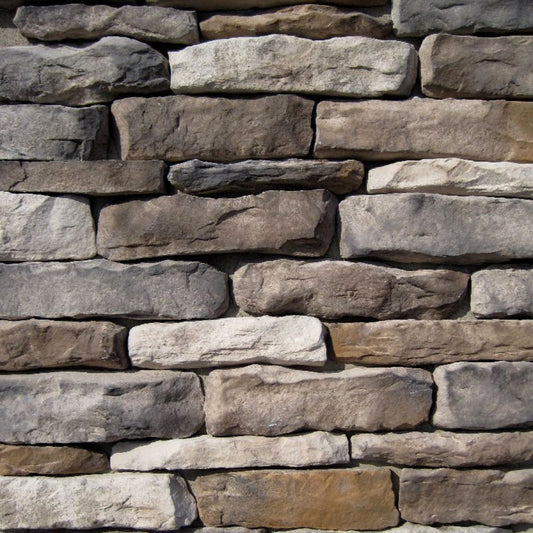
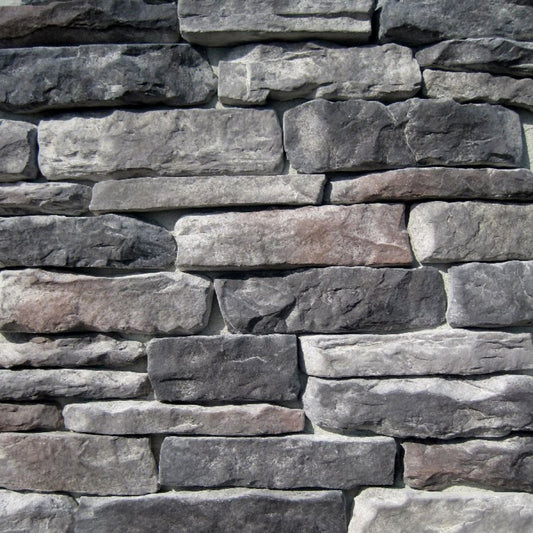
Ledgestone uses longer, thinner stones with pronounced horizontal coursing and varied sizes. This creates stronger horizontal lines and can complement cabins, cottages, ranch-inspired designs, and other architectural styles where horizontal texture is desirable.
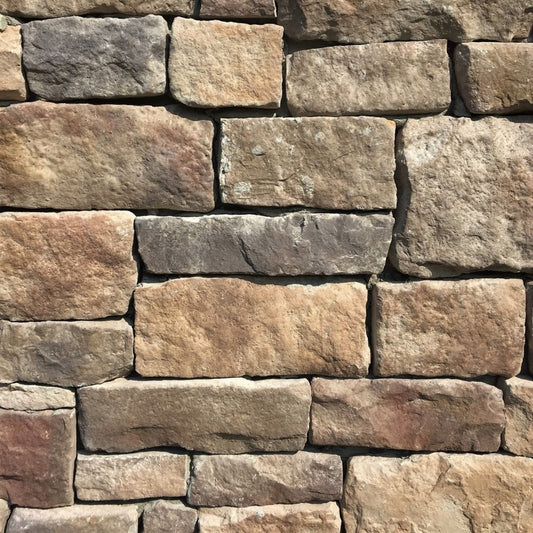
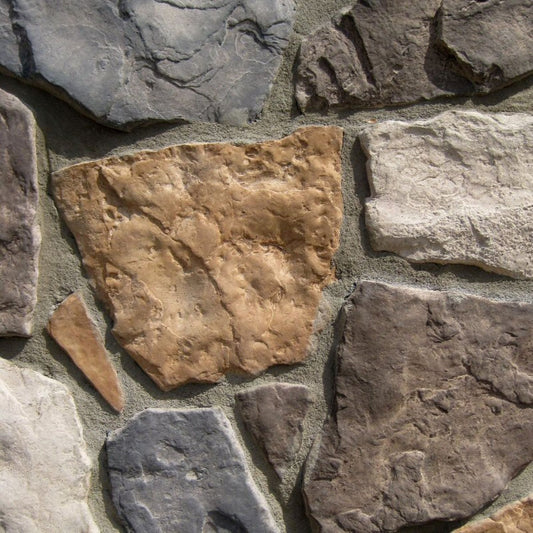
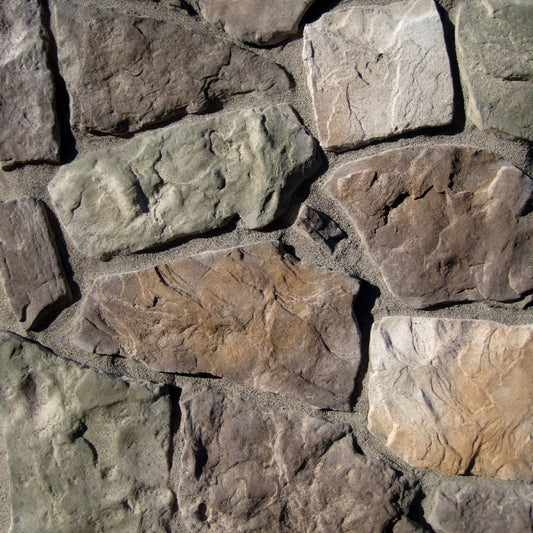
Fieldstone offers a more irregular appearance with varied shapes and sizes. It can introduce a more natural, rustic character, particularly when paired with wood siding, natural landscaping, or traditional architectural details.
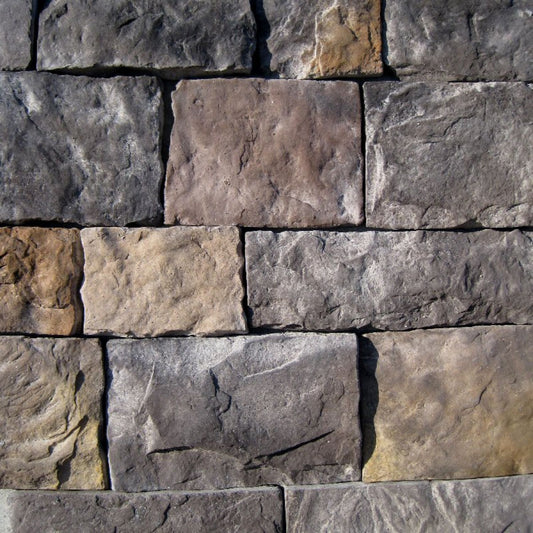
Limestone, with its ashlar-style arrangement of rectangular stones, provides another option for homeowners looking for a more refined architectural appearance. The best choice depends on the structure's proportions, exterior materials, roof design, windows, and overall architectural style. For more ideas on choosing a stone veneer style and creating a cohesive exterior design, see our stone veneer inspiration guide.
Should You Cover the Entire Tiny Home or ADU?
A full stone veneer exterior is possible in some designs, but a smaller structure does not necessarily require complete coverage to benefit from the material. Strategic applications can provide much of the architectural impact while allowing other exterior materials to remain part of the design.
Using stone selectively can also help preserve the proportions of the building. A large amount of heavily textured stone across a compact facade can become the dominant visual element, while a targeted installation can establish focal points and create contrast.
For this reason, many tiny home and ADU designs can benefit from thinking about stone veneer as an architectural accent rather than simply an exterior covering. The most successful placement often corresponds with something the designer already wants to emphasize, such as an entry, porch, gable, foundation, or architectural projection.
Connecting a Tiny Home or ADU to Its Surroundings
Tiny homes and ADUs often have a close visual relationship with their surrounding landscape. Because the structures are compact, landscaping, walkways, patios, fencing, and neighboring buildings can all influence how the exterior is perceived.
Manufactured stone veneer can help bridge the transition between the building and its surroundings. Natural-looking stone textures can complement landscaping materials and create a more grounded appearance around an entryway or lower exterior wall.
This does not mean the stone needs to match the landscape exactly. Instead, coordinating tones and textures can make the building feel more integrated with its setting. A warm stone can complement wood and natural landscaping, while cooler gray tones can work well with contemporary siding, metal accents, and modern landscaping.
Installation Considerations for Tiny Homes and ADUs
Although a tiny home or ADU may be smaller than a conventional house, manufactured stone veneer still requires proper installation. The reduced size of the structure does not eliminate the need for appropriate substrate preparation, moisture management, mortar, clearances, and installation techniques.
Exterior applications over moisture-sensitive substrates such as wood framing, plywood, OSB, drywall, cement board, or ICF require the appropriate weather-resistant barrier, metal lath, and Type S scratch coat before the stone veneer is installed. Cement board should not be treated as a direct-bond surface for the veneer.
Project-specific building requirements should also be considered before installation, particularly when an ADU is being constructed as part of a larger permitted building project. The stone veneer is a finish material, not a structural retaining system, flooring surface, or substitute for required structural construction.
Manufactured Stone Veneer for Tiny Homes and ADUs
Tiny homes and ADUs are often designed with efficiency in mind, but efficiency does not have to mean sacrificing architectural detail. Manufactured stone veneer can add a sense of permanence and craftsmanship to a smaller structure while working alongside the materials already selected for the building.
The most important consideration is intentionality. Rather than adding stone simply because there is an available wall, consider what architectural feature the stone should emphasize and how its color, profile, and texture relate to everything around it.
A carefully designed stone veneer entryway can make a tiny home feel distinctive. A stone foundation can visually anchor an ADU. A stone-clad gable can create a focal point. Coordinating stone between a primary residence and an ADU can establish a connection between the two structures.
These applications demonstrate that manufactured stone veneer is not limited by the size of the building. In many cases, a smaller structure gives the material an opportunity to play an even more deliberate role in the overall architecture.
From Mountain View Stone: What You Should Know
At Mountain View Stone, we believe manufactured stone veneer can be an effective way to give tiny homes and ADUs architectural character without requiring the entire structure to be built from stone. Smaller buildings often benefit from thoughtful material combinations, and stone veneer can complement siding, wood, metal, and other exterior finishes while emphasizing important architectural features. When planning a tiny home or ADU project, consider the stone profile, color, placement, and relationship to the rest of the building before ordering material. Actual samples can be especially helpful because stone color and texture can look different in natural sunlight than they do on a screen. Most importantly, plan the installation around the actual building assembly. Proper substrate preparation, moisture management, Type S mortar, and installation practices are essential to achieving a durable exterior application. With the right planning, manufactured stone veneer can give a tiny home or ADU a distinctive exterior that feels intentional, durable, and connected to its surroundings.
Frequently Asked Questions About Manufactured Stone Veneer for Tiny Homes and ADUs
Can manufactured stone veneer be used on a tiny home?
Yes. Manufactured stone veneer can be used on properly prepared exterior walls and architectural features of a tiny home. It can be applied selectively around entryways, foundations, gables, porches, and other exterior areas to add texture and architectural character.
Can you use manufactured stone veneer on an ADU?
Yes. Manufactured stone veneer can be incorporated into ADU exteriors when the substrate and installation system are properly prepared. It can also be coordinated with the stone veneer used on the primary residence to create a visual connection between the two structures.
Is manufactured stone veneer too heavy for a tiny home?
Manufactured stone veneer is designed as a non-structural cladding material rather than full-bed masonry. However, the supporting substrate and complete installation assembly still need to be appropriate for the application. The building's construction should be evaluated before installation.
Where should stone veneer be used on a tiny home?
Common applications include entryways, foundation accents, exterior feature walls, gables, porch areas, and other architectural features. Using stone selectively can create substantial visual impact without covering the entire exterior.
What stone profile works best for an ADU?
There is no single profile that works for every ADU. Stacked stone can complement contemporary designs, ledgestone provides pronounced horizontal coursing, fieldstone offers a more natural and rustic appearance, and limestone provides a more structured architectural look. The best choice depends on the building's architecture and other exterior materials.
Can the same stone veneer be used on the house and ADU?
Yes. Using the same stone veneer color and profile on both structures can create visual continuity between a primary home and an ADU. The stone does not have to cover the same percentage of each building; repeating the material in key architectural areas can be enough to establish a cohesive relationship.
What's Next?
Ready to bring the timeless look of stone to your home? Shop now to explore a variety of profiles and colors for your project or order a sample to see the color and texture in person before making your decision. Start bringing your vision to life with Mountain View Stone.
Have A Question?
Please see our full terms of service or check out our frequently asked questions.
For general information and questions please call: (864) 882-8960 Mon. - Fri. 8am - 5pm (EST) or email: info@mountainviewstone.net we are more than happy to help you.
Or you can submit your questions via our contact us page.
We look forward to working with you on your upcoming project.
The Mountain View Stone Team
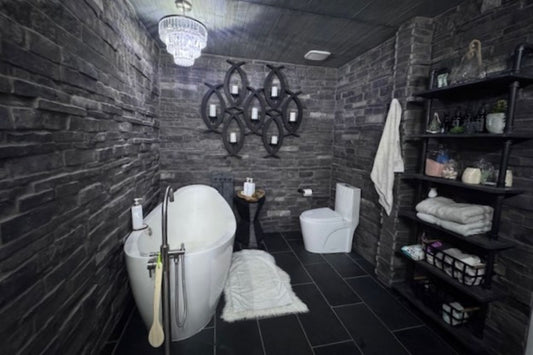
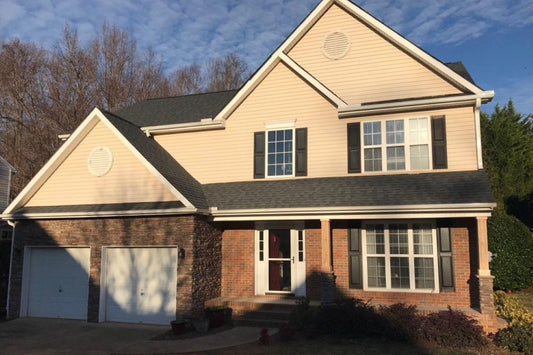
Pictured is an AI generated image of stone veneer on a tiny home.