
Comparing Manufactured Stone Veneer: Benefits, Costs, and Alternatives
Share
Originally posted September 10, 2024, updated March 6, 2026.
Manufactured stone veneer offers the authentic look of natural stone at a fraction of the weight and cost. Compare it to real stone, brick, and other siding options to see why it’s ideal for modern homes.
When it comes to enhancing the exterior of a home or commercial property, siding choices play a pivotal role in both aesthetics and performance. Among the most popular options today, manufactured stone veneer has emerged as a leading choice for homeowners, builders, and designers. Combining the look of natural stone with lightweight, easy-to-install materials, it offers an appealing alternative to traditional stone and other siding types.
However, understanding how manufactured stone veneer compares to natural stone, brick, and other siding materials is essential to making an informed decision. From cost considerations and installation requirements to durability and design versatility, each option brings unique advantages and limitations. This post dives into the details, providing a comprehensive guide to siding choices and highlighting why manufactured stone veneer is often the preferred solution.
What is manufactured stone veneer?
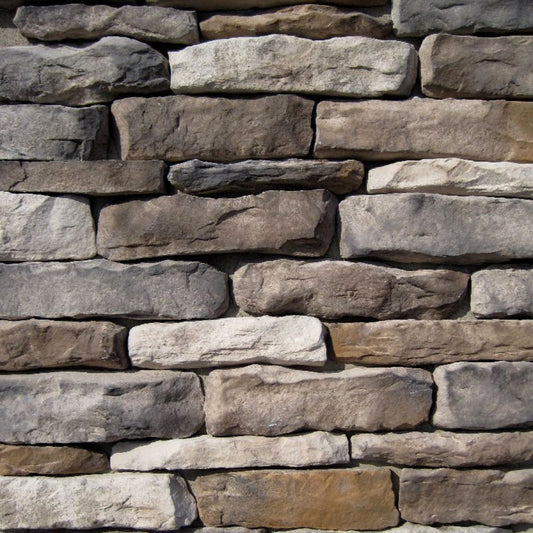
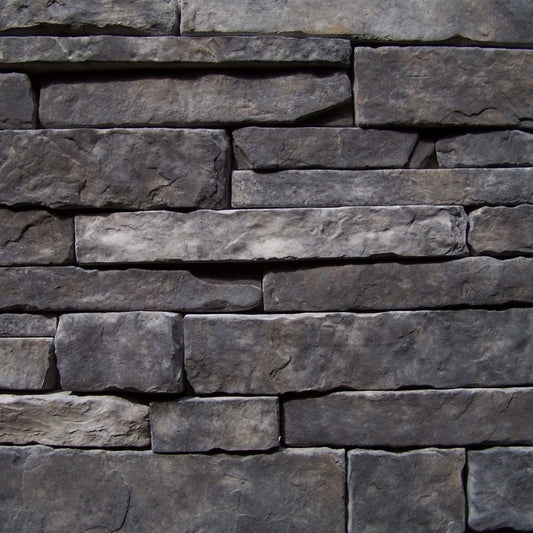
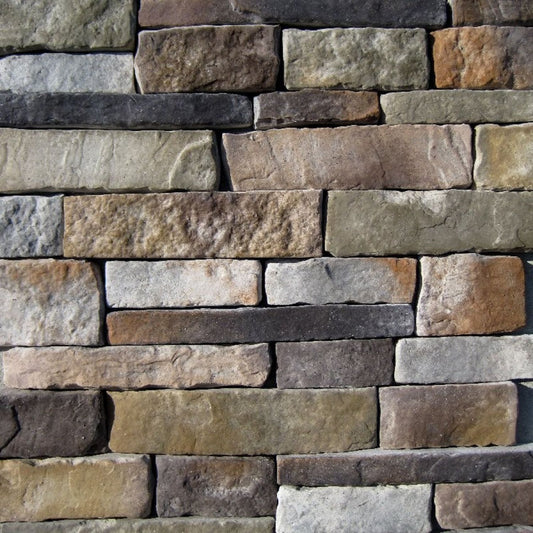
Manufactured stone veneer, also known as cultured stone, is a lightweight, thin layer of stone designed to replicate the appearance of natural stone. Made from a blend of cement, aggregates, and iron oxide pigments, it is molded into realistic stone shapes and textures. Modern production techniques allow for highly detailed patterns, color variations, and finishes, enabling homeowners to achieve the same visual appeal as natural stone at a fraction of the cost and weight.
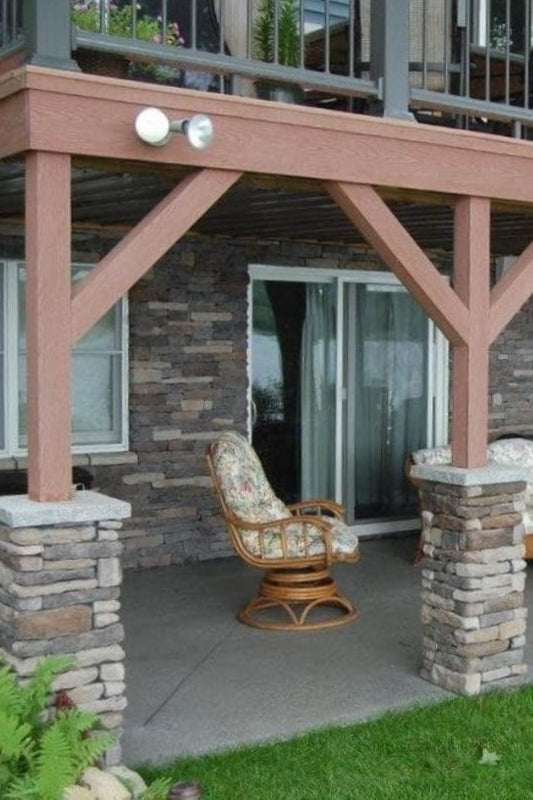
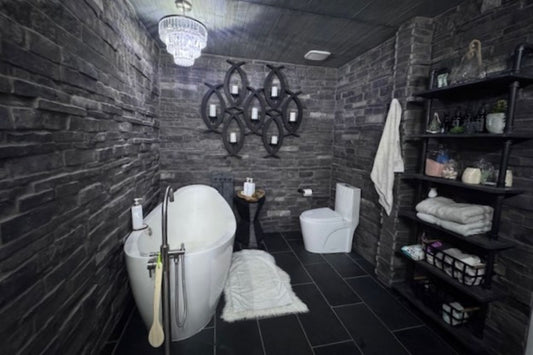
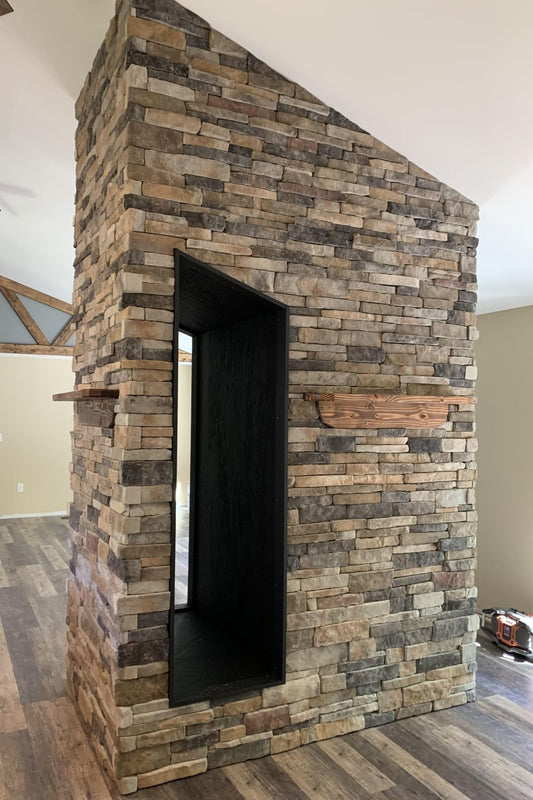
Unlike full-thickness natural stone, manufactured stone veneer is easier to handle and can be applied to a variety of substrates, including wood framing, concrete, or masonry walls. This adaptability makes it suitable for both interior and exterior applications, from fireplaces and accent walls to full exterior facades.
One of the main advantages of manufactured stone veneer is its combination of durability and design flexibility. The material is engineered to resist cracking, fading, and moisture intrusion when properly installed. With endless colors, profiles, and textures, it provides homeowners and designers with nearly limitless creative possibilities. To learn more about how this material is made and why it’s such a popular choice, see our full post on what is manufactured stone veneer?
Comparing manufactured stone veneer to natural stone
Natural stone has long been valued for its timeless beauty, durability, and luxurious appearance. Materials such as granite, limestone, sandstone, and fieldstone bring authentic textures and color variations that can give any home or commercial property a sense of permanence and high-end appeal. However, natural stone also comes with notable challenges. Its heavy weight often requires reinforced structural support, which can increase both material and labor costs. Installation timelines are typically longer, and maintenance, including sealing, cleaning, and occasional repairs, can add to the long-term expense.
Manufactured stone veneer offers a practical and attractive alternative. It replicates the look and texture of natural stone while remaining lightweight and easy to handle. Panels or individual pieces can be applied directly to properly prepared walls without extensive support systems, reducing installation time and costs. Engineered for durability, stone veneer resists cracking, chipping, and fading, and it generally requires less maintenance than natural stone, making it a convenient choice for both homeowners and commercial projects.
To explore the differences in depth and see which material might be the best fit for your project, check out our post is manufactured stone better than real stone?
Another advantage of manufactured stone veneer is its design flexibility. While natural stone is inherently unique, achieving uniformity across large surfaces can be challenging. Stone veneer provides consistent shapes, sizes, and colors while still mimicking the natural variation and depth of real stone, allowing for cohesive, polished results.
Cost is another major factor that often drives the choice between manufactured stone veneer and natural stone. While natural stone can be expensive due to quarrying, transportation, and labor-intensive installation, manufactured stone veneer delivers a similar high-end appearance at a fraction of the cost. Its lightweight construction and easier installation process reduce both material and labor expenses, making it a more budget-friendly option for large projects or renovations. For a detailed breakdown of cost differences and how stone veneer can save you money without sacrificing style, see our post is manufactured stone cheaper than real stone?
For homeowners and designers considering stone siding options, understanding the differences between these materials is essential. To explore a detailed side-by-side comparison, see our supporting post on stone veneer vs. natural stone siding.
Manufactured stone veneer vs. faux stone panels
Homeowners and designers often encounter two popular alternatives when seeking the look of stone without the weight and cost of natural materials: manufactured stone veneer and faux stone panels made from plastic or foam. While both options aim to replicate the appearance of real stone, there are important differences that can impact durability, aesthetics, and long-term performance.
Manufactured stone veneer is crafted from a blend of cement, aggregates, and pigments, molded into realistic stone shapes and textures. This results in a product that is durable, fire-resistant, and capable of withstanding weather, moisture, and everyday wear. It maintains its structural integrity over time, making it suitable for both interior and exterior applications, including high-traffic commercial areas or outdoor facades exposed to the elements.
Faux stone panels, on the other hand, are typically made from lightweight plastic, polyurethane, or foam materials. While they are easier to handle and often even quicker to install than manufactured stone veneer, their durability is limited. Plastic or foam panels can fade under prolonged sun exposure, dent or tear under impact, and may not hold up as well in extreme weather conditions. They are more suitable for decorative, temporary, or interior-only applications rather than long-term exterior use. To see a detailed comparison of these two materials and help determine which is best for your project, check out our post stone veneer vs. faux stone panels.
For an in-depth look at cost differences between manufactured stone veneer and faux stone panels, and how stone veneer can save you money while maintaining style, check out our post: is manufactured stone veneer cheaper than faux stone?
Aesthetically, manufactured stone veneer tends to offer a more authentic appearance. The textures, depth, and natural variation in color closely mimic real stone, whereas faux panels often look flatter and can sometimes appear artificial, especially up close. This difference is particularly noticeable on larger surfaces, where achieving a natural, cohesive look is critical.
While faux stone panels may offer cost and installation advantages for certain projects, manufactured stone veneer provides a premium, long-lasting solution that balances realism, durability, and low maintenance. For homeowners weighing these options, understanding the trade-offs between authenticity, longevity, and budget is key to making the best choice for their project.
To explore the key differences in detail and see which option is right for your home, check out our post the difference between stone veneer and faux stone.
Manufactured stone veneer vs. full brick
Full brick is a classic masonry option valued for its durability, fire resistance, and timeless appeal. It provides a solid, structural exterior that can last for decades with minimal maintenance. Its uniform, linear appearance works especially well for traditional, colonial, or industrial architecture, but it can be less adaptable for more contemporary or highly textured design styles.
However, that strength comes with added complexity. Full brick installation is labor-intensive and time-consuming, requiring skilled masons to lay each course with mortar. Because of its weight, it also often requires additional structural support and foundation considerations, which can increase both material and labor costs.
For homeowners comparing traditional masonry systems, it’s helpful to understand how full brick differs from modern alternatives like brick veneer systems, which are covered in more detail in our post brick veneer vs. real brick.
Manufactured stone veneer, by contrast, offers the look of natural stone with irregular shapes, textures, and color variation, creating rustic, modern, or highly customized design options. It is lightweight, easier to install in panels or individual pieces, and allows for greater creative flexibility in both interior and exterior applications.
For those specifically exploring brick-style finishes in a lighter, more versatile format, brick veneer provides a way to achieve a full brick appearance without the weight or structural demands of traditional masonry. You can learn more about how it works in our article on what is brick veneer siding?
Manufactured stone veneer vs. vinyl siding
Vinyl siding is one of the most widely used exterior cladding materials, prized for its affordability, low maintenance, and ease of installation. It is lightweight, resistant to moisture, and available in a wide range of colors and styles, making it a popular choice for many homeowners. However, when it comes to premium aesthetics and long-term curb appeal, manufactured stone veneer offers distinct advantages.
Manufactured stone veneer replicates the natural texture, depth, and color variation of real stone, creating a high-end, dimensional look that vinyl siding cannot match. While vinyl provides a smooth, uniform surface, stone veneer adds richness, architectural interest, and a sense of permanence to any exterior. This makes it ideal for accent walls, fireplaces, columns, and full facades where visual impact is a priority.
Durability is another key difference. Vinyl siding can fade over time, warp in extreme heat, or crack under impact, particularly in areas exposed to harsh weather or heavy wear. Manufactured stone veneer, engineered for strength and weather resistance, maintains its appearance for decades and can withstand temperature fluctuations, moisture, and everyday wear.
Although vinyl siding is generally less expensive upfront, manufactured stone veneer offers a greater return on investment by boosting property value, enhancing curb appeal, and providing long-lasting, low-maintenance beauty. For homeowners considering both options, understanding the differences in aesthetics, durability, and long-term value is essential. To explore this comparison in depth, see our supporting post is stone veneer better than vinyl siding?
Comparing manufactured stone veneer to other siding materials
Beyond natural stone and brick, homeowners often consider other siding materials such as fiber cement, wood, and stucco. Each has its own pros and cons in terms of cost, durability, and appearance.
Fiber cement siding offers durability, fire resistance, and versatility in design. It can mimic wood or stucco but does not replicate the authentic look of stone. Manufactured stone veneer surpasses fiber cement in visual texture and the ability to create a focal point that draws attention, such as an entryway, fireplace, or feature wall.
Wood provides natural warmth and beauty but requires ongoing maintenance to prevent rot, insect damage, and weathering. While wood is ideal for certain architectural styles, stone veneer offers the longevity and low-maintenance appeal of stone without compromising the natural aesthetic that homeowners desire.
Stucco offers a smooth or textured finish that can work well in Mediterranean or Southwestern-style homes. However, it lacks the dimensional depth and realistic stone appearance that manufactured stone veneer provides. Stone veneer can complement or replace stucco in accent areas to create a more dynamic and high-end exterior look.
Benefits of manufactured stone veneer
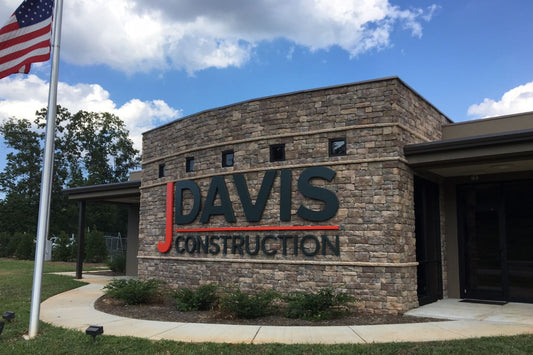
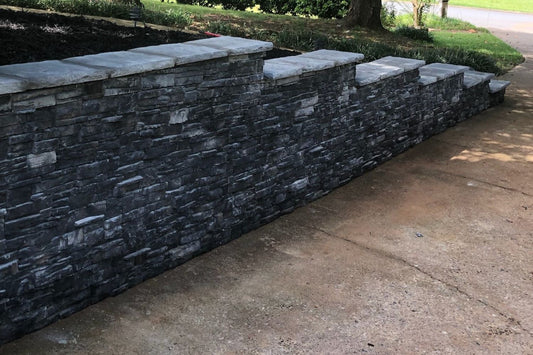
Manufactured stone veneer offers a wide range of benefits that make it a popular choice for both modern homes and commercial properties. It delivers the luxurious look of natural stone at a fraction of the cost, saving on materials and labor. Its lightweight construction reduces installation complexity and eliminates the need for extensive structural support, making it a practical solution for many projects.
Because manufactured stone veneer is thin and lightweight, it can be applied over most existing surfaces, reducing renovation costs and increasing design flexibility. Panels and individual pieces can be installed efficiently, making it ideal for both new builds and remodels. This ease of installation helps shorten project timelines while still achieving a high-end, polished look.
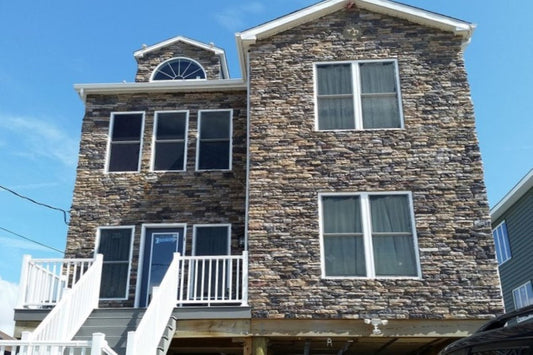
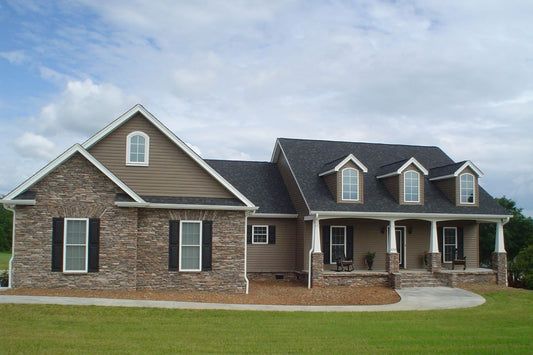
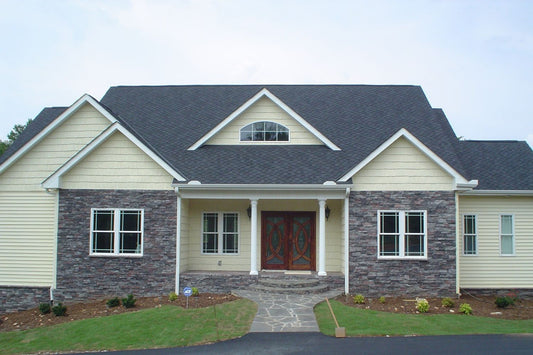
Manufactured stone veneer comes in a wide variety of colors, textures, and profiles, allowing it to complement traditional, rustic, or contemporary architectural styles. It is perfect for accent walls, fireplaces, exterior facades, and commercial features, giving homeowners and designers the freedom to create unique, visually striking spaces.
Engineered to withstand everyday wear, manufactured stone veneer resists cracking, chipping, fading, and moisture damage. When properly installed, it provides long-lasting performance for both interior and exterior applications, making it a reliable and enduring choice for high-traffic areas or challenging environments.
Unlike natural stone or wood, stone veneer requires minimal upkeep. Simple periodic cleaning and occasional sealing are generally sufficient to keep it looking its best over time, allowing homeowners and property managers to enjoy its beauty without extensive maintenance.
The realistic textures, colors, and depth of manufactured stone veneer create a premium, high-end appearance that can enhance curb appeal and overall property value. Its visual impact makes it ideal for feature walls, entryways, and commercial spaces where first impressions matter, combining beauty with practicality for long-term satisfaction.
Comparing stone veneer profiles and colors
After comparing manufactured stone veneer to other siding materials like brick, vinyl, and wood, one of the most compelling advantages of stone veneer is the incredible variety of profiles, textures, and colors it offers. Unlike other siding options that have limited shapes or uniform surfaces, stone veneer allows homeowners and designers to achieve a truly customized look that fits both traditional and contemporary aesthetics.
Selecting the perfect stone veneer profile and color is a key step in achieving the desired aesthetic for your home or commercial project. With so many options available, it’s important to consider both the architectural style of the space and the mood you want to create.
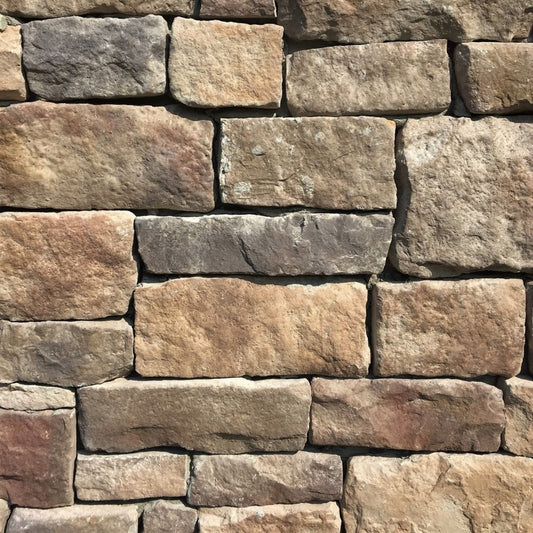
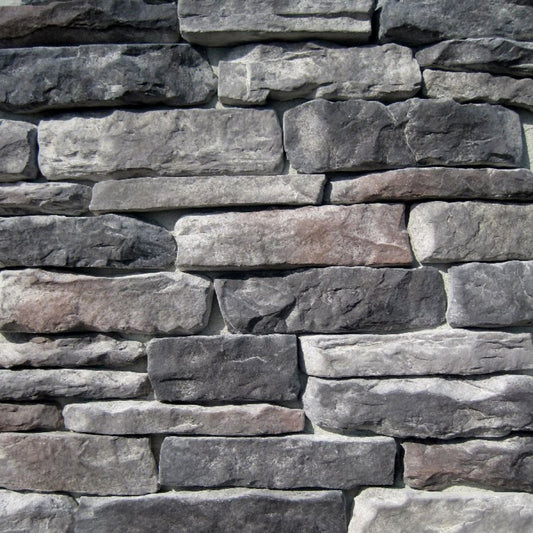
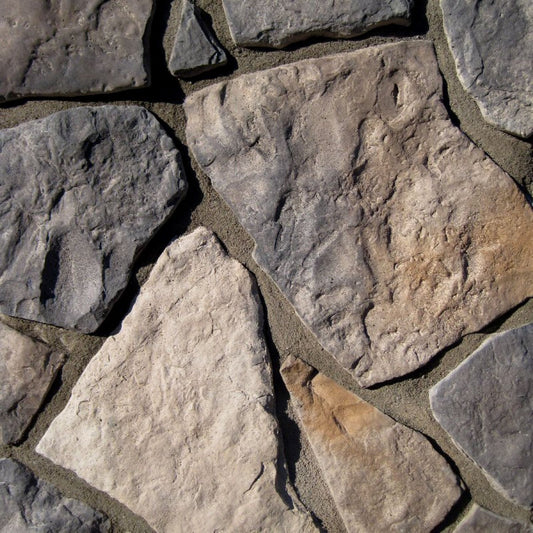
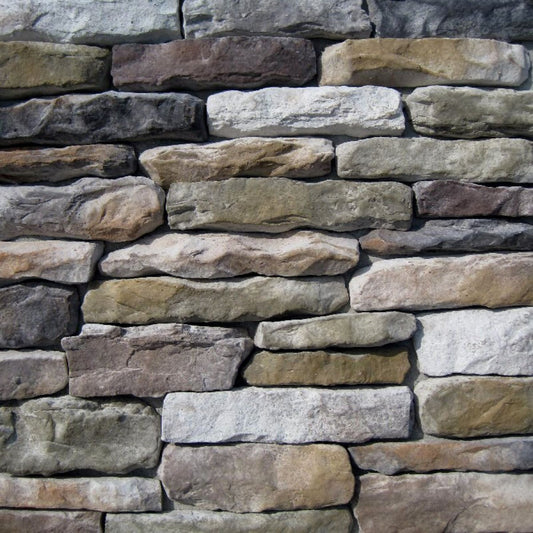
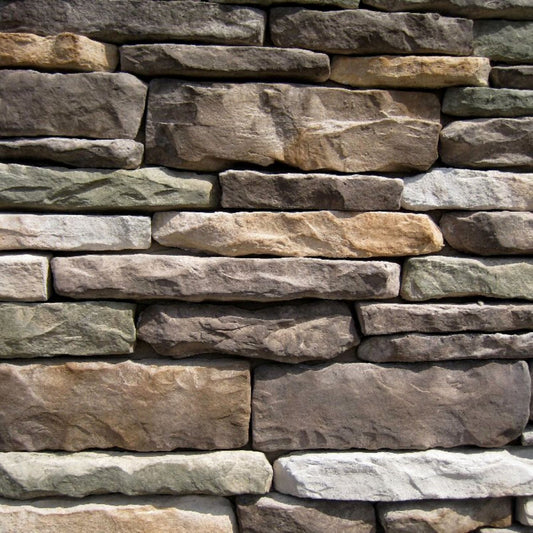
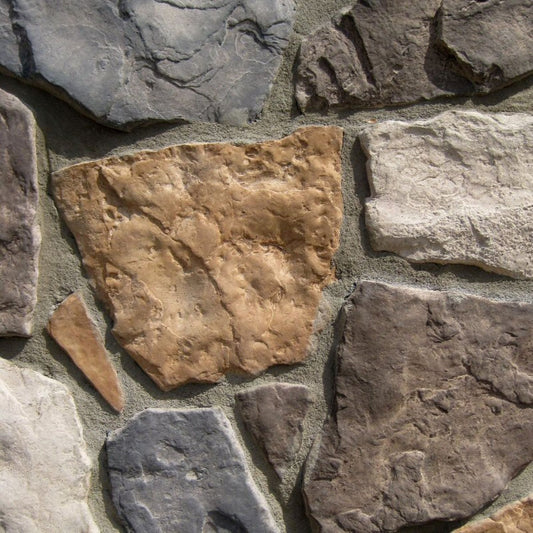
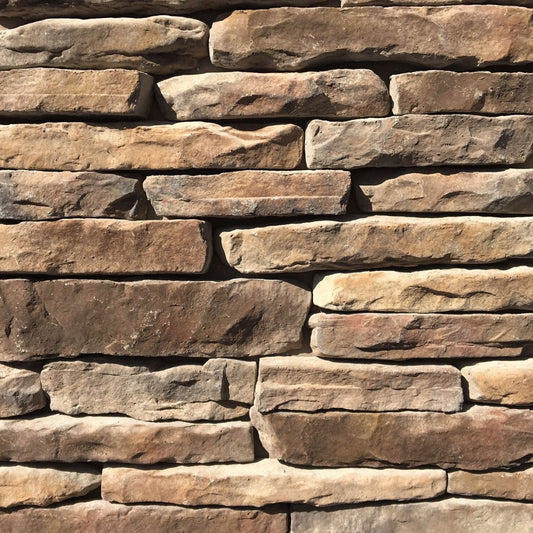
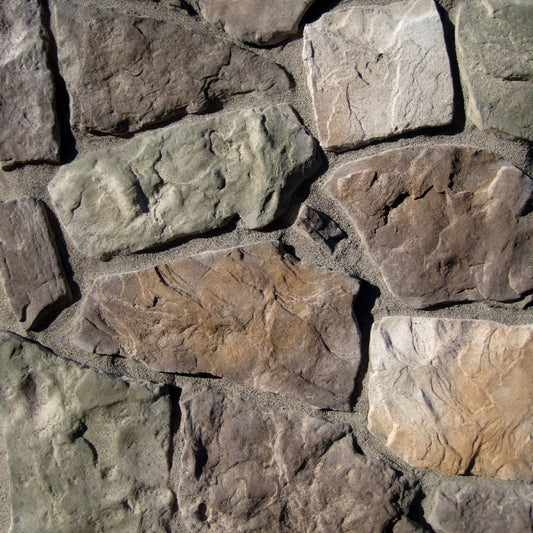
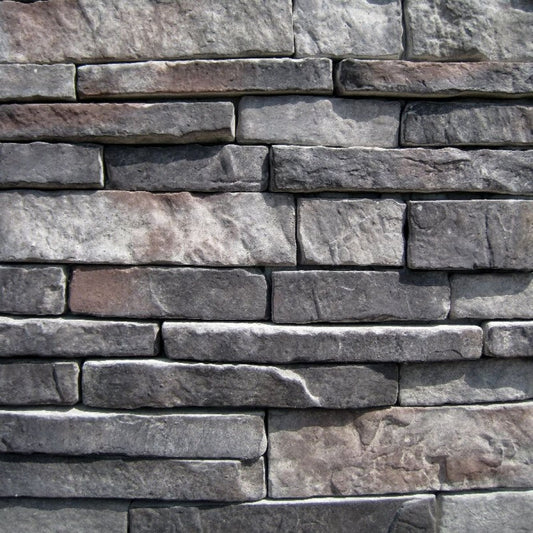
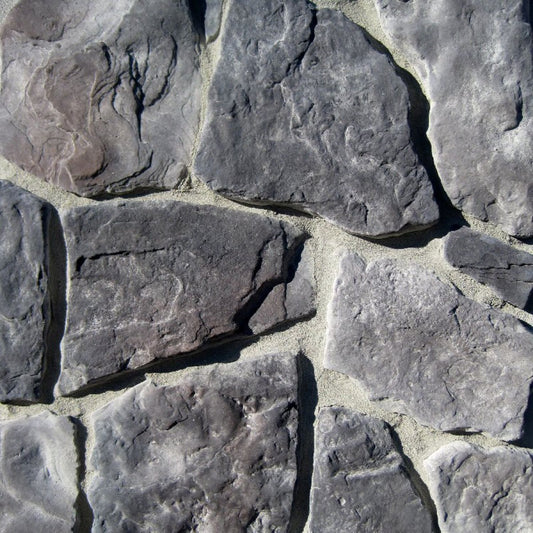
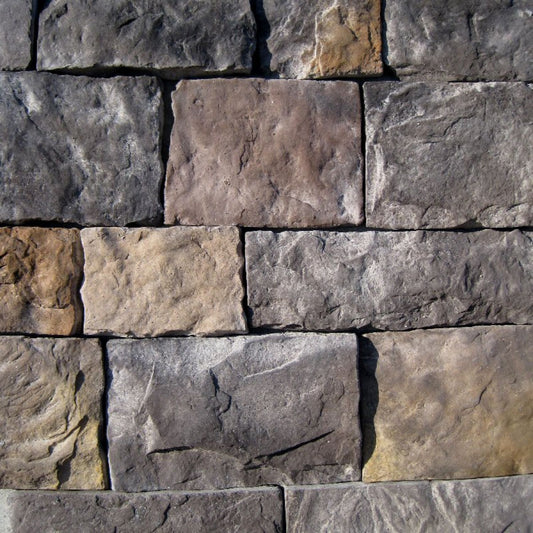
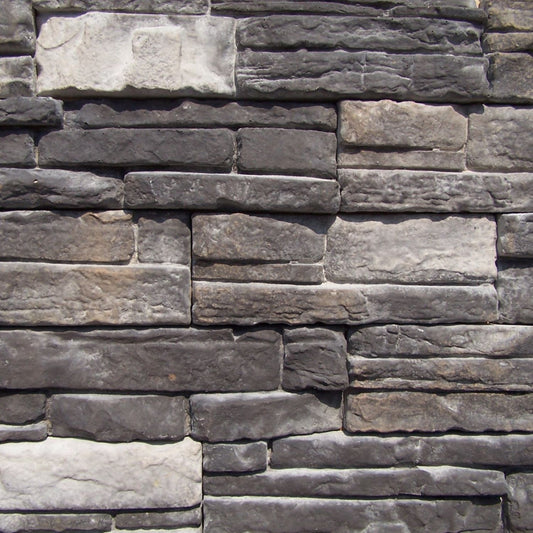
Popular stone veneer profiles include stacked stone, ledgestone, fieldstone, limestone, and more. Stacked stone offers a linear, textured appearance that works well for modern and rustic designs alike. Ledge stone creates a layered, dimensional effect that adds depth to fireplaces, accent walls, and exterior facades. Fieldstone and cobblestone profiles replicate the irregularity and charm of natural stone, ideal for creating a rustic, European-inspired look. Limestone style veneers provide clean lines and subtle texture, making them perfect for contemporary or transitional designs. To explore the full range of shapes, sizes, and textures, see our post stone veneer profiles.
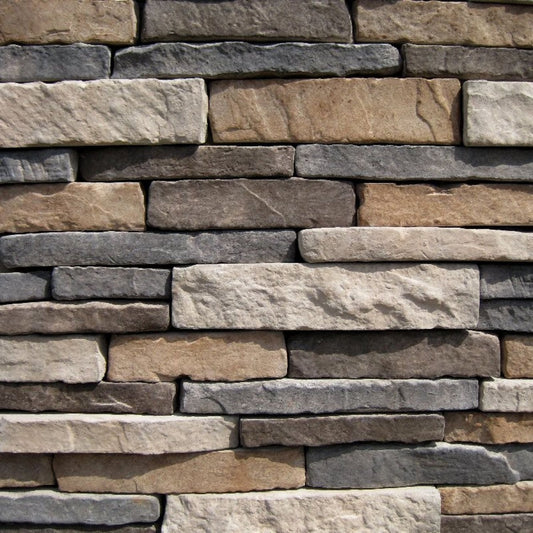
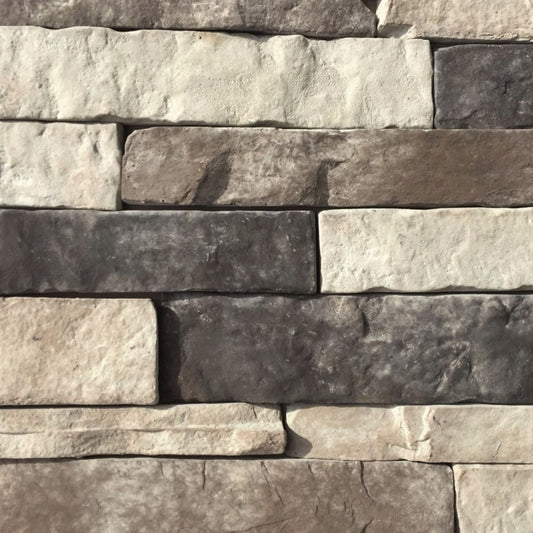
Color selection is equally important. Neutral tones like grays, taupes, and creams offer versatility and timeless appeal, while warmer browns, tans, and reddish hues create a cozy, inviting atmosphere. Advanced manufacturing techniques in manufactured stone veneer ensure consistent color blending, natural variation, and realistic veining, allowing homeowners to achieve the authentic appearance of natural stone without the added weight or cost. For guidance on picking the ideal color for your home’s style and architecture, check out our post the perfect stone veneer color for your house.
Choosing the right combination of profile and color can completely transform a space, from enhancing curb appeal to creating a striking interior feature.
Comparing manufactured stone veneer
Manufactured stone veneer stands out as a versatile, durable, and visually striking siding option for homeowners and designers alike. Compared to traditional materials like full brick, vinyl, wood, and even natural stone, stone veneer offers a unique combination of aesthetic appeal, lightweight construction, and long-term performance. Its wide variety of profiles, textures, and colors allows for unmatched design flexibility, whether you’re enhancing a modern facade, a rustic accent wall, or an elegant fireplace.
Beyond its beauty, stone veneer delivers practical advantages. It is easier to install than full brick or natural stone, requires less structural support, and provides low-maintenance durability that resists cracking, chipping, and fading over time. Cost-effective without sacrificing quality, stone veneer can elevate your home’s curb appeal and property value while providing a timeless, high-end look.
From exterior facades to interior accent walls, columns, and fireplaces, manufactured stone veneer offers a premium solution that balances style, functionality, and long-term value. By understanding the differences between stone veneer and other siding options, exploring profiles and colors, and considering maintenance and durability, homeowners can make informed choices that transform their spaces with confidence.
From Mountain View Stone: what you should know
At Mountain View Stone, we know that selecting the right siding can define both the look and performance of a home or commercial property. Manufactured stone veneer offers the authentic beauty of natural stone without the heavy weight, high cost, or structural demands associated with full-thickness stone or brick. Lightweight, durable, and versatile, it can be installed on exterior walls, chimneys, columns, and entryways, providing long-lasting curb appeal with minimal maintenance. Unlike vinyl, faux panels, or some wood and fiber cement options, stone veneer maintains its color, texture, and integrity over time while offering unmatched design flexibility through a wide range of profiles, colors, and textures. Whether you’re aiming for a modern, rustic, or traditional aesthetic, stone veneer allows you to create a high-end, dimensional look that enhances both style and property value, all while simplifying installation and reducing long-term upkeep.
Frequently asked questions
1. What is manufactured stone veneer siding? Manufactured stone veneer siding is a lightweight, man-made material designed to replicate the look of natural stone. Made from a mixture of cement, aggregates, and pigments, it offers the beauty of real stone without the weight, cost, or need for extensive structural support.
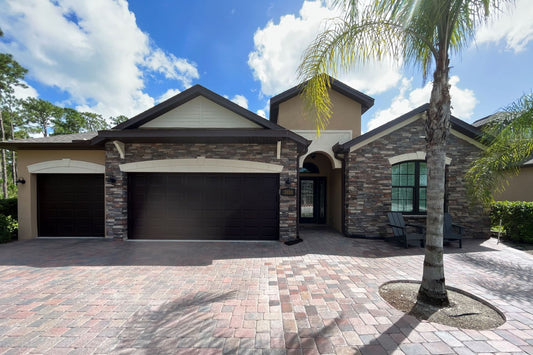
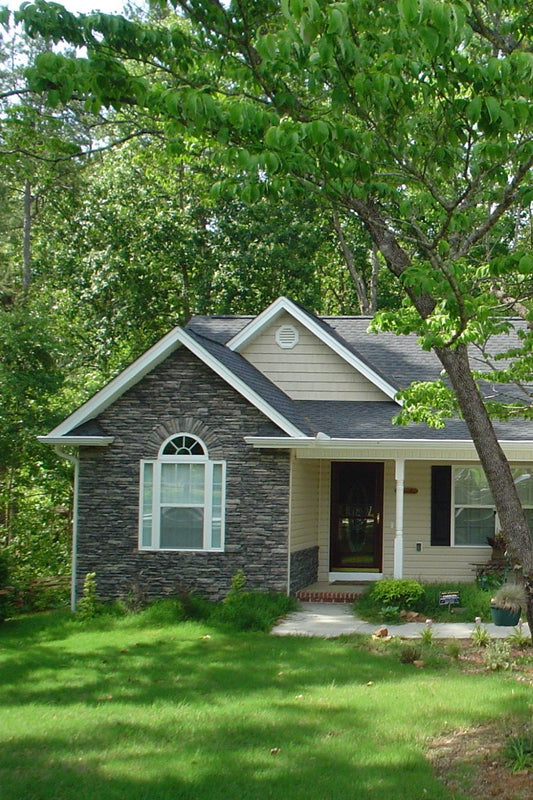
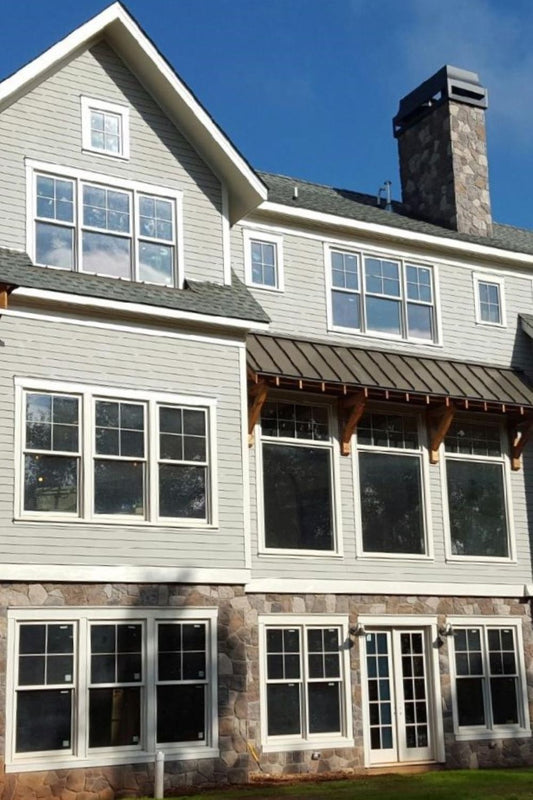
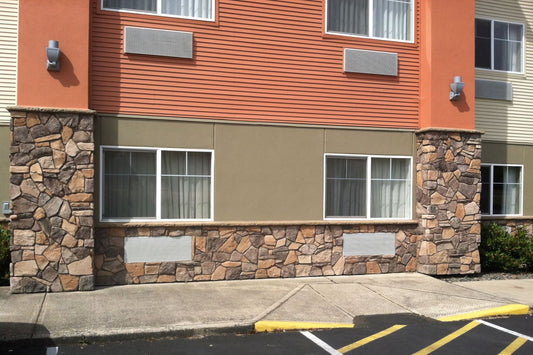
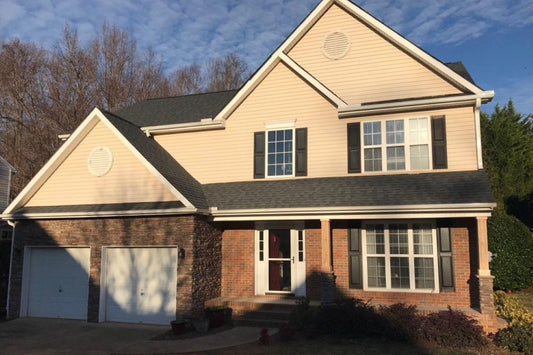
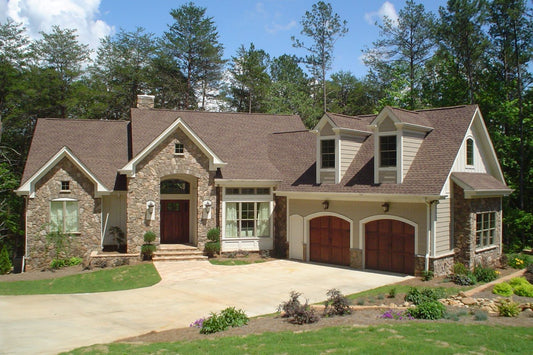
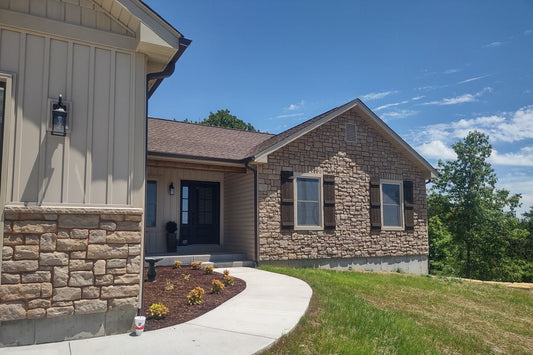
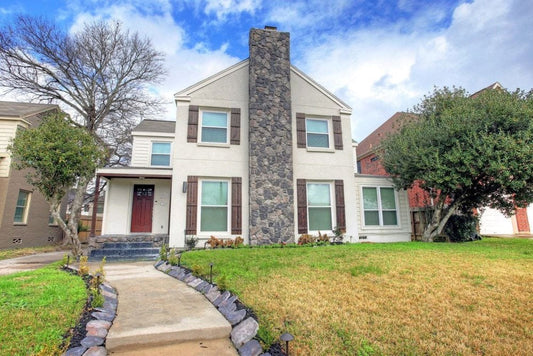
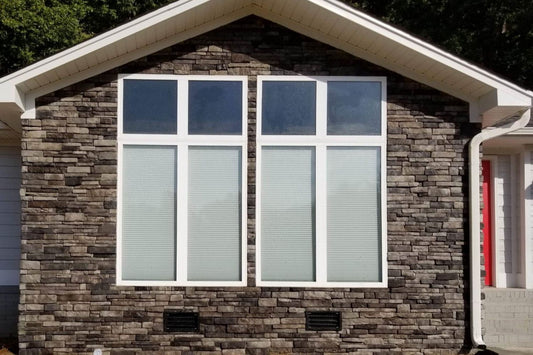
2. Can manufactured stone veneer siding be used on home exteriors? Yes! It’s ideal for exterior applications such as full facades, chimneys, front entrances, and garage surrounds. Stone veneer instantly enhances curb appeal while remaining durable and weather-resistant.
3. How durable is manufactured stone veneer siding? Manufactured stone veneer is highly durable and designed to withstand moisture, insects, and fire. With minimal maintenance, usually occasional cleaning with water and mild detergent, it can maintain its beauty for years.
4. Is stone veneer siding difficult to install? Not at all. Because it’s lightweight, manufactured stone veneer is easier and faster to install than natural stone. It can be applied to a variety of surfaces like wood, brick, and concrete, though professional installation is recommended for large projects or areas exposed to moisture.
5. What design options are available with manufactured stone veneer siding? Stone veneer siding comes in a wide variety of styles, textures, and colors, from rugged fieldstone to sleek stack stone, allowing homeowners to achieve rustic, traditional, or modern looks. It can also be used indoors for accent walls, fireplaces, or kitchen backsplashes.
6. Does manufactured stone veneer siding increase home value? Yes. Adding stone veneer siding can enhance your home’s aesthetic appeal and perceived value. Its timeless appearance and versatility make it a sought-after feature for potential buyers, while remaining more affordable than natural stone.
What's next?
Transform your space with our exquisite stone veneer! Shop now to discover your perfect match or order a sample today to experience the quality for yourself!
Have a question?
Please see our full terms of service or check out our frequently asked questions.
For general information and questions please call: (864) 882-8960 Mon. - Fri. 8am - 5pm (EST) or email: info@mountainviewstone.net we are more than happy to help you.
Or you can submit your questions via our contact us page.
We look forward to working with you on your upcoming project.
The Mountain View Stone Team
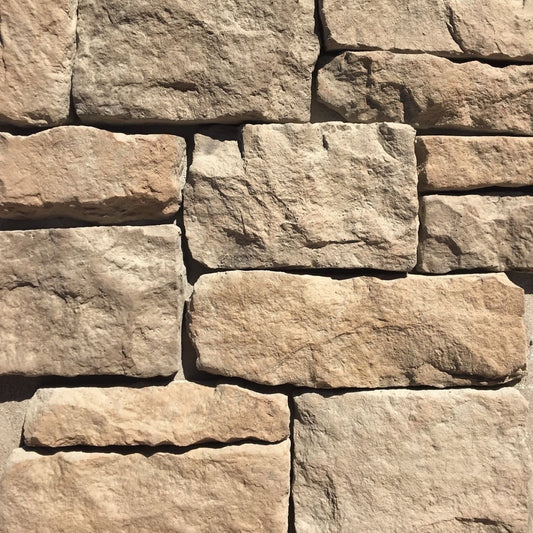
Pictured is lime stone white oak.