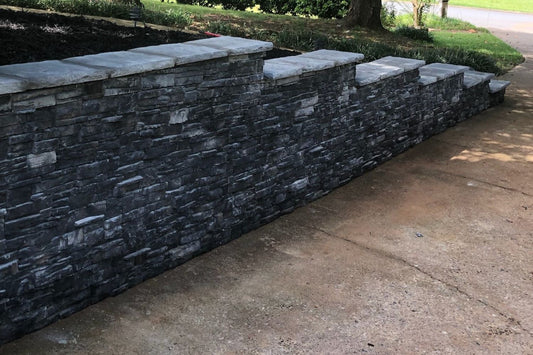

How to Seal and Protect Stone Veneer: Protection, Timing, and Maintenance Guide
Share
Sealing manufactured stone veneer isn’t always required, but it protects against water damage, stains, UV fading, and freeze-thaw cycles. Applying a breathable, penetrating sealer after installation and periodically every 3–5 years keeps the stone looking new and prolongs its lifespan.
Manufactured stone veneer has become a favorite choice for homeowners looking to achieve the natural beauty of stone without the cost and weight of traditional materials. It adds texture, long-lasting curb appeal, and versatility to both interior and exterior projects, including fireplaces, outdoor kitchens, garden walls, and entryways. As outlined in our stone veneer care and maintenance guide, sealing plays an important role in protecting your installation and preserving the stone’s natural appearance. Sealing your stone veneer is often recommended to protect it from moisture, staining, and long-term wear, especially in high-exposure or high-traffic areas. In this guide, we’ll explain why sealing is important, when to seal, how to apply sealer, and tips to maintain your stone veneer’s appearance for years to come.
Why seal manufactured stone veneer?
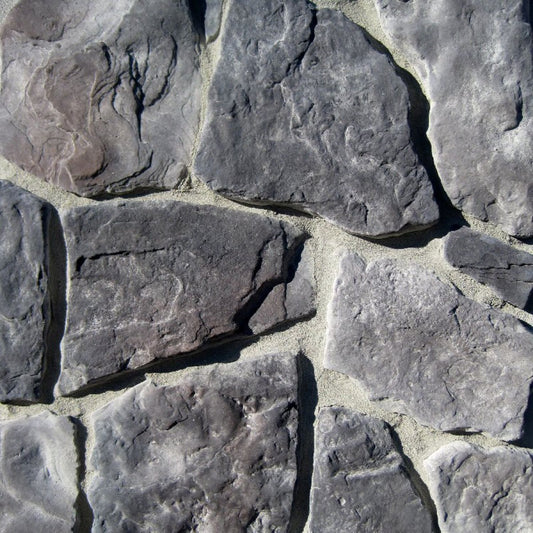
Manufactured stone veneer is made from cement, lightweight aggregates, and iron oxide pigments. Although it is designed for strength and longevity, the material is slightly porous and can absorb water and contaminants over time. Sealing creates an invisible protective barrier that helps repel moisture, dirt, oils, and stains, while also reducing the risk of color fading caused by UV exposure.
Sealing is particularly beneficial for areas exposed to frequent water or moisture, such as outdoor kitchens, garden walls, showers, or fireplaces. In climates that experience freeze-thaw cycles, sealing can help reduce the risk of surface spalling, cracking, and other moisture-related damage.
Sealing is an important part of a professional stone veneer installation, but proper installation is essential for long-term performance. That’s why many professionals follow these best practices on how to install manufactured stone veneer, ensuring every stone is securely set and aligned.
When should you seal your stone veneer?
Timing is critical to ensure proper protection and avoid damaging the stone or mortar. The ideal time to apply a sealer is immediately after installation, once the mortar has fully cured. For most mortar-set applications, this typically occurs within 24-48 hours in standard conditions. In colder or more humid environments, curing may take longer, sometimes up to 60 days. Sealing too early can trap moisture and compromise the stone’s integrity.
Sealing should also be done during dry, mild weather. Outdoor installations are best sealed when temperatures range between 50-90°F (10-32°C) with no rain expected for at least 24-48 hours. Ensuring the stone is completely dry before applying sealer is essential, as trapped moisture can lead to hazing, efflorescence, or uneven curing of the sealer.
To maintain long-term protection, resealing every 3-5 years is recommended. Areas with higher exposure to moisture, weather, or traffic, such as outdoor kitchens, fireplaces, and commercial spaces, may benefit from more frequent resealing. After deep cleaning, a fresh coat of sealer will help restore and lock in the stone’s natural look.
How to seal manufactured stone veneer
Before applying sealer, the surface should be thoroughly cleaned. Dust, dirt, or residue can prevent proper adhesion, so use a soft brush or sponge with mild detergent, rinsing thoroughly and allowing the stone to dry completely. Tougher stains may require a stone-safe cleaner, and pressure washing should be avoided unless absolutely necessary, as high pressure can damage the veneer or strip existing sealant.
Selecting the right sealer is equally important. Breathable, water-based penetrating sealers are recommended because they soak into the stone without altering its natural appearance or gloss. Avoid film-forming or glossy sealers, as these can trap moisture and increase the risk of long-term damage. The goal is to protect the stone while allowing it to breathe.
Application should be done evenly using a pump sprayer, sponge, brush, or roller, working from top to bottom. Most products require two light coats to achieve full protection. After applying, excess sealer should be wiped off after 5-10 minutes to prevent uneven drying. The stone should remain dry for at least 24-48 hours and reach full cure in approximately 72 hours before exposure to water or foot traffic. For a step-by-step approach, see our DIY stone veneer installation guide for tips on planning, prepping, and installing stone veneer yourself.
Maintenance tips to keep your stone looking new
Maintaining sealed stone veneer is straightforward but requires attention to detail. Spot-clean stains as soon as they appear to prevent absorption and discoloration. Avoid harsh chemicals that could degrade the sealer, and refrain from using high-pressure washers on sealed surfaces.
At least once a year, inspect your stone veneer for water absorption. If water darkens the surface instead of beading, it’s time to reseal. Mortar joints should also be checked regularly and re-pointed if needed to prevent water infiltration. These small maintenance steps will prolong the stone’s life and keep it looking fresh.
High-traffic areas, outdoor kitchens, or regions with harsh winter conditions may require more frequent inspections and resealing to maintain maximum protection.
When sealing might not be necessary
Although sealing offers numerous benefits, it is not mandatory in all cases. Stone veneer installed indoors in low-moisture areas, on decorative accent walls, or in spaces with minimal staining risk can often perform well without a sealer. The material is engineered to withstand normal wear and moisture, so sealing is most beneficial in high-exposure environments rather than every installation by default.
Homeowners should consider factors such as location, climate, and usage when deciding whether sealing is necessary. By weighing the potential benefits, they can make an informed decision that balances protection with aesthetics.
Frequently asked questions
1. Should all manufactured stone veneer be sealed? No. Sealing is optional for many installations, but it is highly recommended for high-moisture areas, freeze-thaw climates, outdoor applications, and spaces exposed to oils, dirt, or stains.
2. Will sealing change the color of my stone veneer? Most penetrating sealers maintain the stone’s natural look. Some enhancing sealers may slightly darken or enrich the color, which can be desirable in certain applications.
3. Can I use a glossy or wet-look sealer? Glossy or film-forming sealers are not recommended. They can trap moisture, leading to long-term damage like efflorescence or surface peeling. Breathable, penetrating sealers are preferred.
4. Can I seal stone veneer installed around a fireplace or outdoor kitchen? Yes. Wait until the mortar is fully cured and use a heat-resistant, breathable sealer to protect the stone from smoke, grease, and moisture.
5. How can I tell when it’s time to reseal? Most sealers last 3-5 years outdoors. A simple test is to sprinkle water on the stone, if it beads, the sealer is still effective; if it absorbs, resealing is needed.
How to seal and protect stone veneer
Sealing manufactured stone veneer is a cost-effective way to preserve its natural beauty, protect against moisture and stains, and extend its lifespan. While not always mandatory, sealing is highly beneficial for high-exposure areas such as outdoor kitchens, fireplaces, garden walls, or homes in freeze-thaw climates. By selecting a breathable, water-based penetrating sealer, applying it correctly, and performing regular maintenance, homeowners can ensure their stone veneer stays vibrant and durable for many years.
Whether you are installing stone around a fireplace, BBQ area, shower, or entryway, a little preventative care goes a long way. Sealing your stone veneer protects your investment and ensures your walls, surrounds, and decorative features continue to look beautiful over time.
You may also like
How long does manufactured stone veneer last? Maintenance, and tips for longevity.
Stone veneer care and maintenance: How to clean, seal, and protect your stone.
Is stone veneer hard to install? What DIYers and contractors need to know.
What's next?
Bring your vision to life with our high-quality stone veneer! Shop now to find the perfect style or order a sample to experience the texture and color up close. Start your project with confidence today!
Have a question?
Please see our full terms of service.
For general information and questions please call: (864) 882-8960 Mon. - Fri. 8am - 5pm (EST) or email: info@mountainviewstone.net we are more than happy to help you.
Or you can submit your questions via our contact us page.
We look forward to working with you on your upcoming project.
The Mountain View Stone Team